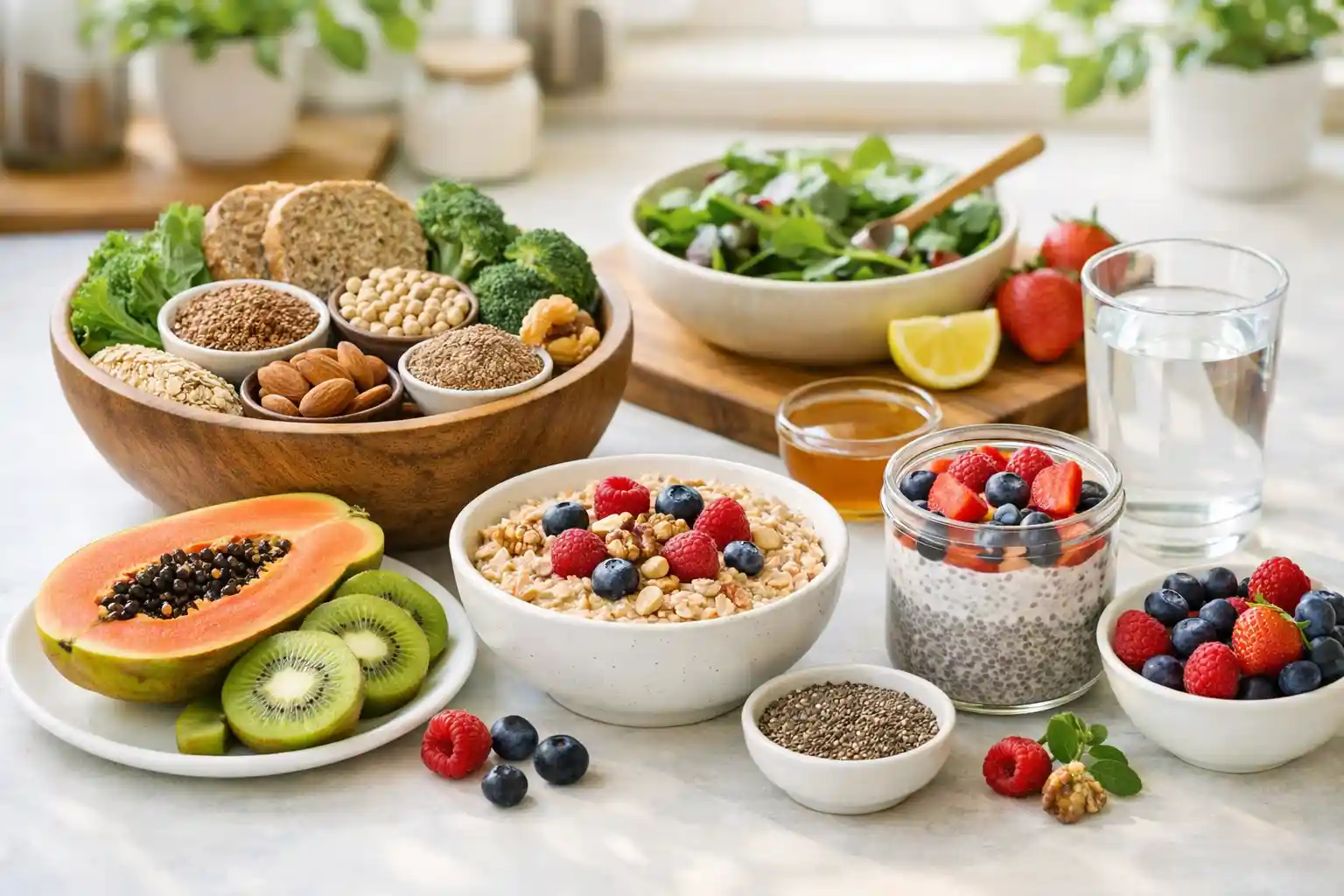
Constipation is one of the most common digestive complaints around the world, yet many people hesitate to talk about it openly. It can leave a person feeling uncomfortable, bloated, sluggish, and frustrated throughout the day. While occasional constipation may happen because of stress, travel, changes in routine, or dehydration, frequent constipation can affect quality of life and overall wellness in significant ways. The good news is that dietary choices often play a major role in supporting healthy digestion and encouraging more regular bowel movements.
Many highly processed diets contain too little fiber and not enough water rich foods. This combination can slow down digestion and make stool harder to pass. On the other hand, certain foods naturally contain fiber, water, healthy fats, and nutrients that help support the movement of waste through the digestive tract. Some foods also contain compounds that nourish beneficial gut bacteria, which may further improve digestive balance over time.
Improving constipation does not always require extreme changes. Sometimes adding the right foods consistently can make a noticeable difference within days or weeks. Pairing these foods with proper hydration and physical activity may further improve digestive comfort and help the body maintain a more regular pattern.
It is important to remember that every digestive system is different. A food that works well for one person may not work exactly the same for someone else. Still, many nutrition experts commonly recommend certain foods because they provide nutrients known to support healthy bowel function. Choosing natural whole foods instead of heavily processed options may also benefit overall health beyond digestion alone.
Each food offers unique nutritional benefits and can easily fit into everyday meals and snacks. Whether you prefer fruits, vegetables, seeds, or whole grains, these foods may help your digestive system function more smoothly while supporting long term wellness.
1. Prunes
Prunes are often one of the first foods people think about when discussing constipation relief, and there is a good reason for that reputation. These dried plums contain a combination of fiber, natural sugars, and plant compounds that may help stimulate bowel movements and soften stool. Many health professionals recommend prunes as a natural digestive aid because they are widely available, affordable, and simple to include in the diet.
One of the main reasons prunes may support digestion is their fiber content. Fiber helps add bulk to stool and encourages movement through the intestines. Prunes also contain sorbitol, a naturally occurring sugar alcohol that can help draw water into the intestines. This added moisture may make stool easier to pass and reduce the discomfort often associated with constipation.
Another benefit of prunes is their concentration of antioxidants and nutrients. They provide potassium, vitamin K, and several plant compounds that support overall health. Because they are dried fruit, prunes are more concentrated in nutrients and natural sugars compared to fresh plums. This means even a small serving may provide digestive benefits.
Some people enjoy eating prunes as a snack, while others prefer prune juice. Both options may help support bowel regularity, although whole prunes provide more fiber than juice alone. Adding chopped prunes to oatmeal, yogurt, or smoothies can also make them easier to enjoy regularly.
People who are not used to high fiber foods should start slowly when introducing prunes into their diet. Eating too many at once may lead to gas or stomach discomfort. Drinking enough water is also important because fiber works best when combined with proper hydration.
Prunes can be especially useful for older adults, who often experience constipation more frequently due to reduced activity levels, medications, or dietary habits. They are also a natural alternative for individuals looking to support digestion without relying heavily on laxatives.
Image

2. Oatmeal
Oatmeal is a comforting and nutritious food that may help relieve constipation while supporting overall digestive wellness. Unlike sugary breakfast cereals that contain refined ingredients and very little fiber, oatmeal provides soluble fiber that absorbs water and helps stool move more smoothly through the digestive tract. Many people find that starting the day with oatmeal helps create a healthier digestive routine.
One of the key fibers found in oats is beta glucan, which forms a gel like texture when mixed with water. This texture may help soften stool and support regular bowel movements. Oatmeal also provides complex carbohydrates that digest more slowly, helping people feel full longer while supporting stable energy levels.
Another advantage of oatmeal is its versatility. It can be customized with fruits, seeds, nuts, or yogurt to further increase fiber intake and nutritional value. Adding berries, sliced bananas, or chia seeds may create an even more digestion friendly breakfast.
Choosing less processed oats is generally the best option for digestive health. Steel cut oats and old fashioned rolled oats typically contain more fiber and nutrients compared to heavily processed instant oat packets that may contain added sugars and artificial flavors.
Hydration also plays an important role when eating oatmeal for constipation support. Because fiber absorbs water, drinking enough fluids throughout the day may help prevent stool from becoming dry or difficult to pass.
Oatmeal may also support beneficial gut bacteria. Fiber acts as a food source for healthy bacteria living in the intestines, and maintaining a balanced gut microbiome is increasingly linked to better digestion and overall wellness.
For people who experience constipation regularly, oatmeal can become part of a sustainable daily habit rather than a temporary solution. It is easy to prepare, gentle on the stomach, and widely accessible. Whether served warm during breakfast or used in recipes such as overnight oats, oatmeal remains one of the simplest foods that may support healthier digestion.
Image

3. Kiwi
Kiwi is a small fruit with a surprisingly strong reputation for supporting digestion and bowel regularity. Its bright green flesh contains fiber, water, and natural enzymes that may help improve stool consistency and intestinal movement. Some studies have even suggested that kiwi may help people with chronic constipation experience more comfortable bowel movements.
One reason kiwi may benefit digestion is its balance of soluble and insoluble fiber. Soluble fiber absorbs water and may help soften stool, while insoluble fiber adds bulk and supports movement through the digestive tract. Together, these fibers may create a more balanced digestive process.
Kiwi also contains an enzyme called actinidin, which may help support the breakdown of proteins during digestion. This may reduce feelings of heaviness or bloating after meals for some individuals.
Another advantage of kiwi is its high water content. Hydration is essential for preventing hard stool, and water rich fruits may contribute to better digestive comfort. Kiwi also contains vitamin C, potassium, and antioxidants that support overall wellness.
Many people enjoy kiwi as a fresh snack, but it can also be added to smoothies, fruit salads, yogurt bowls, or breakfast dishes. Eating the fruit regularly may help support more consistent digestive patterns over time.
Because kiwi is naturally sweet and refreshing, it can be a good option for people who struggle to increase fiber intake through vegetables alone. It is also relatively low in calories while providing important nutrients.
Some individuals may notice digestive benefits after eating one or two kiwis daily. However, it is still important to combine fiber rich foods with adequate hydration and physical activity. Constipation often has multiple causes, and a healthy lifestyle usually provides the best long term support.
Kiwi demonstrates that even small fruits can have a meaningful impact on digestive wellness. Including more fresh produce in daily meals may improve not only bowel regularity but also overall nutritional quality.
Image

4. Chia Seeds
Chia seeds may be tiny, but they are packed with nutrients that can support digestive health and bowel regularity. These small black or white seeds absorb a large amount of liquid and form a gel like consistency when soaked in water. This ability to retain moisture may help soften stool and support easier bowel movements.
One of the biggest digestive advantages of chia seeds is their impressive fiber content. Even a small serving provides a substantial amount of dietary fiber, which helps add bulk to stool and supports healthy intestinal movement. Fiber is essential for maintaining regular digestion, yet many people consume far less than recommended.
Chia seeds are also easy to include in different meals. They can be added to smoothies, yogurt, oatmeal, salads, or homemade puddings. Some people simply stir them into water or juice and drink the mixture. Because chia seeds absorb liquid, it is important to drink enough water when consuming them.
In addition to fiber, chia seeds provide omega three fatty acids, protein, magnesium, and antioxidants. These nutrients support overall wellness and may contribute to heart health, energy balance, and inflammation control.
One reason chia seeds are popular for digestive support is their convenience. They require little preparation and can be incorporated into both sweet and savory recipes. Their mild flavor also makes them easy to combine with many foods.
People who are new to chia seeds should increase intake gradually. Suddenly consuming large amounts of fiber may lead to bloating or discomfort if the body is not accustomed to it. Starting with small servings may allow the digestive system to adjust more comfortably.
For individuals dealing with constipation related to low fiber intake, chia seeds can be a practical addition to a balanced diet. Their combination of water absorption and fiber makes them particularly useful for supporting softer stool and more regular bowel movements.
Adding chia seeds consistently over time may help support healthier digestive habits while also improving the nutritional quality of meals.
Image

5. Spinach
Spinach is a leafy green vegetable that provides fiber, water, and magnesium, all of which may help support healthier digestion and bowel regularity. While many people think of spinach mainly as a source of iron, it also offers important digestive benefits that can make it useful for individuals dealing with constipation.
Fiber is one of the main reasons spinach may support bowel function. Leafy greens contain insoluble fiber, which adds bulk to stool and encourages movement through the intestines. This may help reduce sluggish digestion and support more regular elimination.
Spinach is also rich in water, which helps keep stool softer and easier to pass. Dehydration is a common factor contributing to constipation, so including water rich vegetables may provide additional digestive support.
Another nutrient found in spinach is magnesium. Magnesium may help relax muscles within the digestive tract and support intestinal movement. Some people with low magnesium intake may experience more digestive discomfort or irregular bowel patterns.
One advantage of spinach is its versatility. It can be eaten raw in salads, blended into smoothies, added to soups, mixed into pasta dishes, or lightly cooked as a side dish. Combining spinach with healthy fats such as olive oil or avocado may also help the body absorb certain nutrients more effectively.
Spinach provides many additional nutrients beyond digestion support. It contains vitamin A, vitamin C, vitamin K, folate, and antioxidants that contribute to overall health and wellness.
People trying to improve constipation naturally often benefit from increasing vegetable intake overall, and spinach is one of the easiest greens to include in everyday meals. Unlike some vegetables that require extensive preparation, spinach cooks quickly and blends well with many recipes.
While spinach alone may not solve every digestive issue, regularly consuming fiber rich vegetables can support healthier bowel habits over time. Combined with hydration, physical activity, and balanced nutrition, spinach may become part of a sustainable digestive wellness routine.
Image
6. Papaya
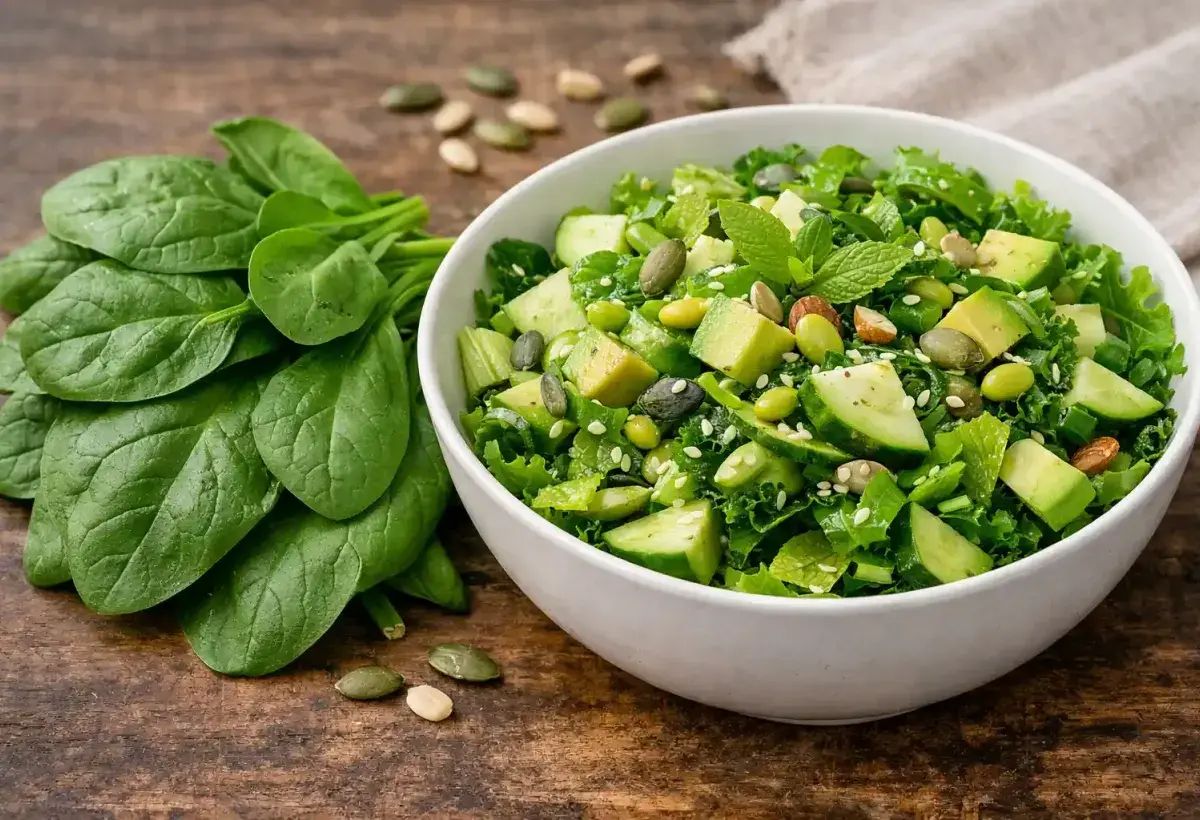
Papaya is a tropical fruit known for its soft texture, refreshing sweetness, and digestive benefits. Many people in tropical regions have traditionally eaten papaya to support healthy digestion, especially during periods of bloating or constipation. The fruit contains water, fiber, and natural enzymes that may help the digestive system function more comfortably.
One of the most important digestive components in papaya is an enzyme called papain. This enzyme helps break down proteins and may support smoother digestion after meals. Some individuals find that papaya helps reduce feelings of heaviness or discomfort associated with slow digestion.
Papaya is also naturally high in water and fiber. Water helps keep stool softer, while fiber supports healthy intestinal movement. Together, these qualities may help improve bowel regularity and reduce constipation symptoms.
Another advantage of papaya is that it is gentle on the stomach. Unlike some high fiber foods that can initially cause bloating or gas, ripe papaya is often easy to digest and soothing for many people.
The fruit can be enjoyed in many ways. Fresh papaya slices make a convenient snack, while papaya can also be added to smoothies, fruit bowls, yogurt, or salads. Some people enjoy combining papaya with lime juice for extra flavor and freshness.
Papaya also provides vitamin C, vitamin A, folate, and antioxidants that support immune function and overall wellness. Including colorful fruits in the diet often improves nutritional variety while supporting digestive health.
Consistency matters when using food to support digestion. Eating papaya occasionally may be helpful, but regular intake of fiber rich fruits is more likely to support long term bowel regularity.
Papaya demonstrates how natural whole foods can support digestion without requiring complicated meal plans or restrictive diets. When combined with hydration and healthy daily habits, this tropical fruit may contribute to improved digestive comfort and overall wellness.
Image
7. Beans
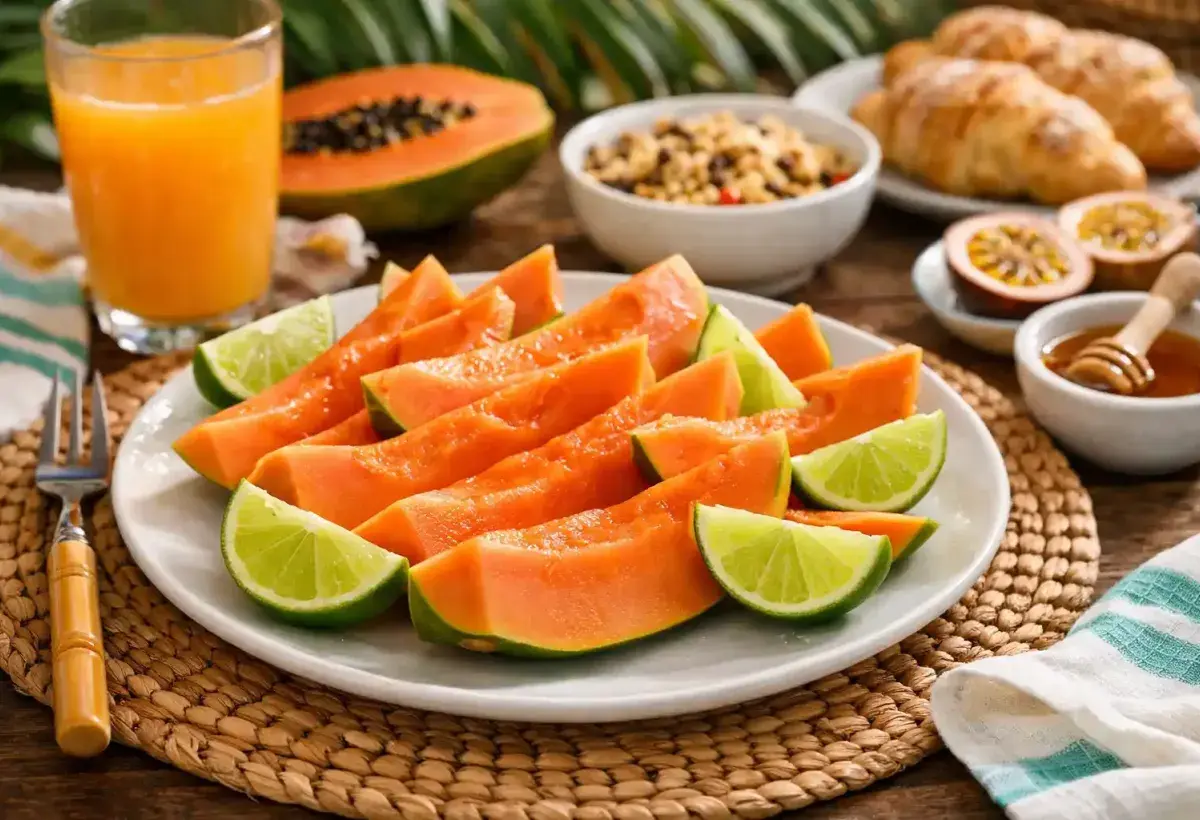
Beans are among the richest plant based sources of dietary fiber, making them one of the most effective foods for supporting healthy digestion and bowel regularity. Whether choosing black beans, kidney beans, chickpeas, lentils, or navy beans, these foods provide a combination of soluble and insoluble fiber that may help relieve constipation naturally.
Fiber supports digestion in several ways. Soluble fiber absorbs water and helps soften stool, while insoluble fiber adds bulk and promotes movement through the intestines. Many people consume far too little fiber in modern diets that focus heavily on refined grains and processed foods. Beans can help close that nutritional gap.
Beans also support beneficial gut bacteria. The digestive system contains trillions of microorganisms that play a role in digestion, immunity, and overall wellness. Fiber acts as fuel for these beneficial bacteria, which may improve digestive balance over time.
Another advantage of beans is their nutritional value beyond digestion. They provide plant protein, iron, magnesium, potassium, and complex carbohydrates that support energy and overall health.
Adding beans to meals can be relatively simple. They work well in soups, salads, rice dishes, tacos, stews, and grain bowls. Hummus made from chickpeas is another easy way to increase bean intake.
People who are not accustomed to eating beans regularly may experience temporary gas or bloating at first. Gradually increasing intake and drinking enough water may help the digestive system adjust more comfortably.
Canned beans can be convenient, but rinsing them before use may help reduce excess sodium. Dried beans are another option and can often be more economical.
Beans are especially valuable because they support digestive health while also promoting fullness and balanced nutrition. Instead of relying on highly processed snacks or meals, including more beans may encourage healthier eating habits overall.
For many people dealing with constipation, beans provide a practical and affordable source of fiber that can become part of a long term digestive wellness strategy.
Image
8. Pears
Pears are juicy fruits that may help support digestion because of their combination of fiber, water, and natural fruit sugars. They are often recommended as a gentle option for people trying to improve bowel regularity naturally.
One of the most valuable digestive features of pears is their fiber content, especially when eaten with the skin. Fiber helps add bulk to stool and supports healthy movement through the intestines. Pears also contain sorbitol, a natural sugar alcohol that may help pull water into the digestive tract and soften stool.
Because pears contain a large amount of water, they may also help support hydration. Many people focus only on drinking water while forgetting that fruits and vegetables can contribute to fluid intake as well.
Pears are easy to include in meals and snacks. They can be eaten fresh, sliced into salads, baked into healthy desserts, or combined with yogurt and oatmeal. Their mild sweetness makes them appealing to both children and adults.
In addition to digestive benefits, pears contain vitamin C, potassium, and antioxidants that support overall wellness. Replacing processed sweets with whole fruits like pears may improve both digestive health and nutritional quality.
Fresh pears are generally more beneficial than heavily sweetened canned varieties. Choosing ripe pears with the skin intact helps maximize fiber intake.
People who experience constipation due to low fruit consumption may benefit from adding pears regularly into their diet. Combined with exercise, hydration, and other fiber rich foods, pears may contribute to smoother and more consistent bowel movements.
Digestive health often improves through steady habits rather than extreme solutions. Including naturally fiber rich fruits like pears may be one of the simplest ways to support healthier digestion in everyday life.
Image

9. Sweet Potatoes
Sweet potatoes are nutritious root vegetables that may help support digestive health because of their fiber, water, and nutrient content. Unlike highly processed side dishes, sweet potatoes provide complex carbohydrates and natural plant compounds that support overall wellness while also helping bowel regularity.
The fiber found in sweet potatoes may help add bulk to stool and encourage healthy intestinal movement. Both the flesh and skin contribute fiber, especially when the potato is baked rather than heavily processed.
Sweet potatoes also contain a significant amount of water, which supports softer stool consistency. Hydration plays a major role in digestive comfort, and water rich whole foods can complement fluid intake throughout the day.
Another benefit of sweet potatoes is their nutrient profile. They provide vitamin A, vitamin C, potassium, and antioxidants that support immune function and general health. Their natural sweetness also makes them a satisfying alternative to refined carbohydrates.
Sweet potatoes are highly versatile in the kitchen. They can be baked, roasted, mashed, added to soups, or sliced into healthy oven cooked fries. Pairing them with vegetables and lean proteins may create balanced meals that support digestion.
Because sweet potatoes digest more slowly than refined carbohydrates, they may also help maintain more stable energy levels. Diets heavy in processed foods often lack adequate fiber and may contribute to digestive sluggishness.
Some individuals find that replacing highly processed starches with fiber rich vegetables improves both digestive comfort and satiety. Sweet potatoes are one example of how nutritious whole foods can support multiple aspects of health at the same time.
While no single food can completely solve chronic constipation, incorporating more vegetables like sweet potatoes into daily meals may support healthier bowel habits over time.
Image

10. Yogurt With Live Cultures
Yogurt containing live active cultures may support digestive health by helping maintain a balanced gut microbiome. The digestive system contains beneficial bacteria that play an important role in breaking down food, supporting immunity, and regulating bowel function. When this balance becomes disrupted, some people may experience digestive discomfort, including constipation.
Probiotic cultures found in certain yogurts may help support healthier digestion by encouraging beneficial bacteria growth. While results vary from person to person, some individuals notice improved bowel regularity when consuming probiotic rich foods consistently.
Yogurt also provides protein, calcium, and other nutrients that support overall health. Choosing plain yogurt with live cultures is often a better option than heavily sweetened varieties that contain large amounts of added sugar.
Adding fiber rich toppings such as berries, chia seeds, or sliced pears may create a combination that further supports digestion. Pairing probiotics with fiber rich foods may help nourish beneficial gut bacteria more effectively.
Not all yogurts contain active cultures, so reading labels can be important. Products labeled with live and active cultures are generally preferred for digestive support.
People who are sensitive to dairy may need alternative probiotic foods or dairy free yogurt options. Fermented foods such as kefir may also provide similar benefits for some individuals.
Gut health has become an increasingly important area of nutrition research, and many experts believe that supporting healthy gut bacteria may influence digestion, immunity, and even mood.
For people dealing with occasional constipation, yogurt with live cultures may be one part of a broader digestive wellness strategy that includes hydration, physical activity, and fiber rich foods.
Maintaining healthy digestion often involves daily habits rather than quick fixes. Including probiotic rich foods regularly may help support a healthier digestive environment and more comfortable bowel movements over time.
Image

Constipation can be uncomfortable, frustrating, and sometimes even painful, but dietary choices may play a powerful role in improving digestive health naturally. Many people focus only on temporary solutions while overlooking the importance of long term eating habits. Fiber rich fruits, vegetables, seeds, legumes, and probiotic foods can work together to support healthier bowel movements and overall digestive comfort.
Each foods on this list provide different benefits. Some help by adding bulk to stool, while others support hydration or nourish beneficial gut bacteria. Foods such as prunes, kiwi, and pears contain natural compounds that may help soften stool, while oatmeal, beans, and sweet potatoes provide fiber that supports movement through the digestive tract. Yogurt with live cultures may help maintain a healthier balance of gut bacteria, and leafy greens like spinach contribute important nutrients and hydration.
It is also important to remember that food works best as part of a broader healthy lifestyle. Drinking enough water, staying physically active, managing stress, and maintaining balanced eating habits all contribute to digestive wellness. Sudden increases in fiber without enough hydration may actually worsen discomfort for some people, so gradual changes are often the most sustainable approach.
Persistent or severe constipation should not be ignored. If symptoms continue for long periods, become painful, or are accompanied by bleeding or significant changes in bowel habits, seeking medical advice is important. Digestive symptoms can sometimes signal underlying health concerns that require professional evaluation.
For many individuals, however, small and consistent dietary improvements can make a meaningful difference. Adding more whole foods and reducing highly processed meals may support not only digestion but also overall health and energy levels. Choosing nourishing foods every day can help create healthier routines that support the body in the long term.
By including more fiber rich and digestion friendly foods in daily meals, people may experience greater comfort, improved regularity, and better digestive wellness over time.