
Few brands manage to stay relevant across generations, but Converse has done exactly that. From athletes to musicians to everyday individuals, Converse sneakers have become a consistent presence across cultures and styles. What began as a practical rubber shoe company eventually transformed into a global icon that blends sport, fashion, and identity. Whether seen on busy city streets, at live concerts, or even in creative workplaces, Converse shoes carry a legacy that extends far beyond their simple construction.
One reason for this lasting popularity is the brand’s commitment to simplicity. While many competitors constantly redesign their products, Converse stayed close to its original form. The canvas upper, rubber sole, and recognizable silhouette have remained largely unchanged, allowing wearers to define the shoe rather than the other way around. This has made Converse a platform for self expression rather than just a product.
The brand also has deep historical roots that many people overlook. It played a major role in early basketball culture and later became a symbol of artistic rebellion in music scenes. This ability to move across industries and communities helped it stay relevant even as trends shifted.
1. Converse Started as a Rubber Company
Converse was not originally created to be a sneaker powerhouse. When it was founded in 1908, the company focused on producing rubber based products such as galoshes and work boots designed to withstand harsh weather. At the time, rubber manufacturing was a booming industry, especially in regions where seasonal conditions required durable footwear. The company’s early success came from meeting these practical needs rather than pursuing fashion or sports.
The shift toward athletic footwear happened gradually. As basketball gained popularity in the early twentieth century, there was a growing demand for shoes that could perform well on indoor courts. Converse saw an opportunity to apply its rubber expertise to create something new. This led to the development of the All Star basketball shoe, which featured a flexible rubber sole and supportive canvas upper.
What makes this transformation fascinating is that it was driven by opportunity rather than vision. Converse did not initially aim to become a cultural icon. It simply adapted to market demand. However, that decision opened the door to a much larger influence.
Over time, the company’s focus on function evolved into something more expressive. The same qualities that made the shoes practical also made them adaptable to personal style. This unexpected transition from utility to identity is a key part of what makes Converse so unique.
Image

2. Chuck Taylor Was a Real Person
Many people assume that Chuck Taylor is just a fictional brand name, but he was actually a real individual who played a significant role in shaping Converse history. He was a basketball player who joined the company in the early nineteen twenties as both a promoter and a product ambassador. His passion for the sport and his understanding of player needs made him an ideal representative.
Chuck Taylor traveled extensively, hosting basketball clinics and promoting the All Star shoe. During these events, he gathered feedback from players and shared insights with the company. This helped improve the design of the shoe, including features that enhanced comfort and performance on the court.
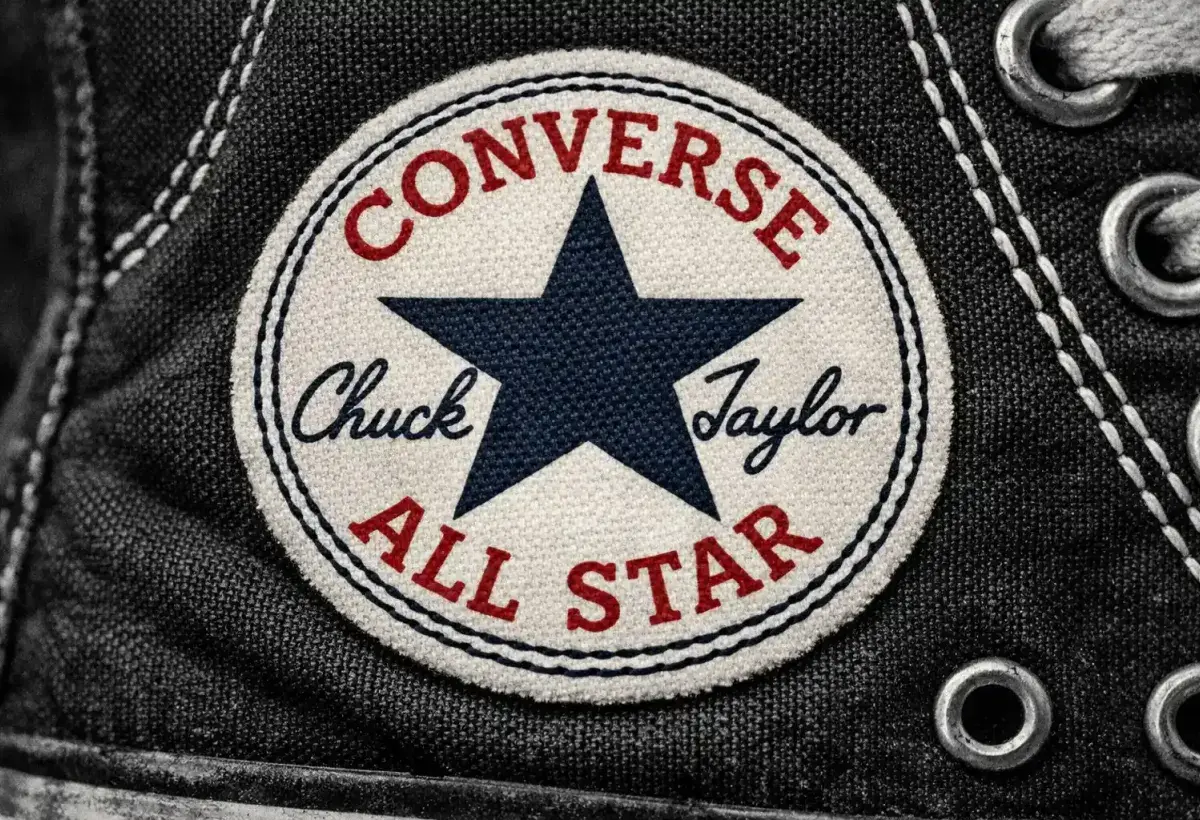
His influence grew so strong that Converse decided to add his name to the ankle patch of the shoe. This move turned him into one of the earliest examples of athlete branding. It also gave the product a human identity that resonated with consumers.
Beyond marketing, Chuck Taylor helped shape how the shoe was perceived. He connected it directly to the sport of basketball and to the players who wore it. Over time, his name became inseparable from the product itself, turning the Chuck Taylor All Star into a lasting icon.
Image
3. Converse Once Dominated Basketball
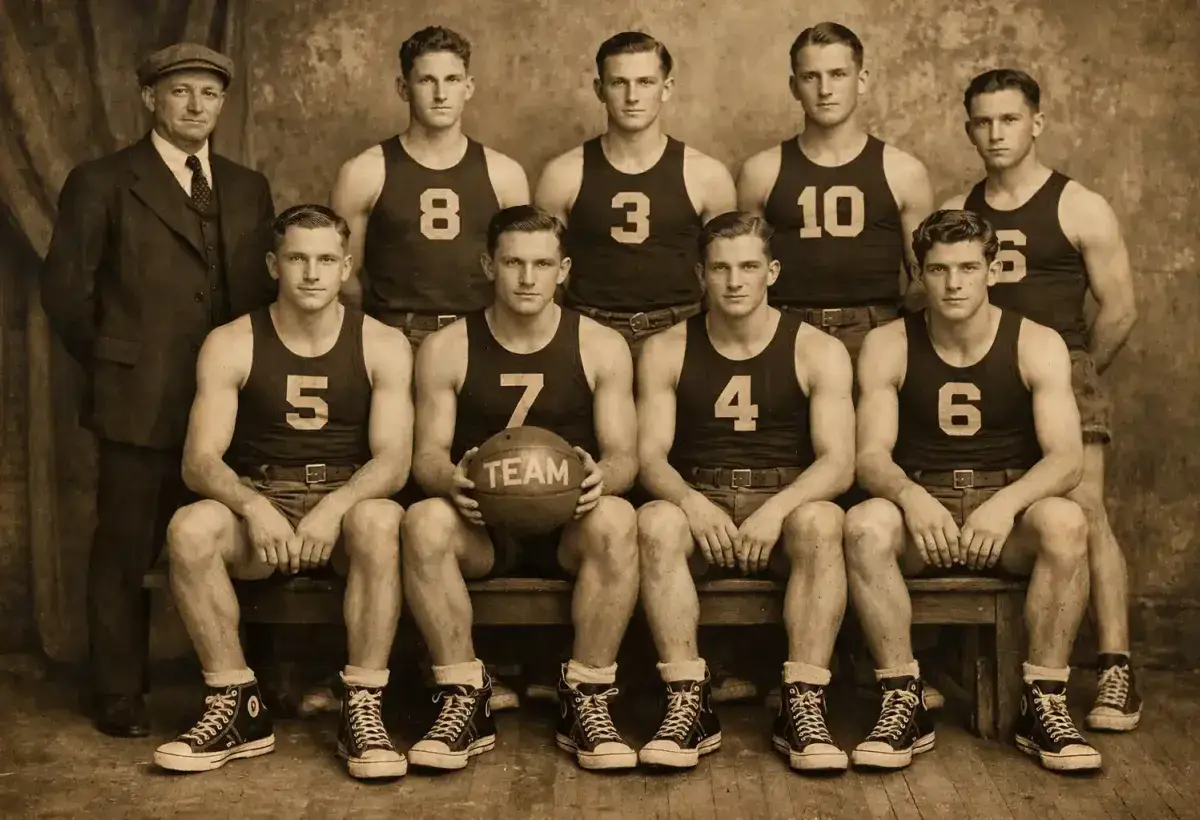
Before modern sneaker brands took over the sports industry, Converse was the dominant name in basketball footwear. For several decades, the majority of basketball players in the United States wore Converse shoes, especially the All Star model. This widespread adoption made the brand almost synonymous with the sport itself.
The design of the shoe played a major role in its success. It was lightweight, flexible, and suitable for indoor courts, which were becoming more common at the time. Players appreciated its simplicity and reliability. As more teams adopted the shoe, it became the standard choice across leagues and competitions.
Converse also built strong relationships with athletes and teams, further reinforcing its position. At one point, it was estimated that a vast majority of professional and amateur players relied on Converse for their games. This level of dominance is rare in any industry.
However, as technology advanced and new competitors entered the market, Converse began to lose its edge in performance innovation. Despite this shift, its legacy in basketball remains significant. It helped define early sports footwear and set standards that influenced future designs.
Image
4. The Design Has Barely Changed
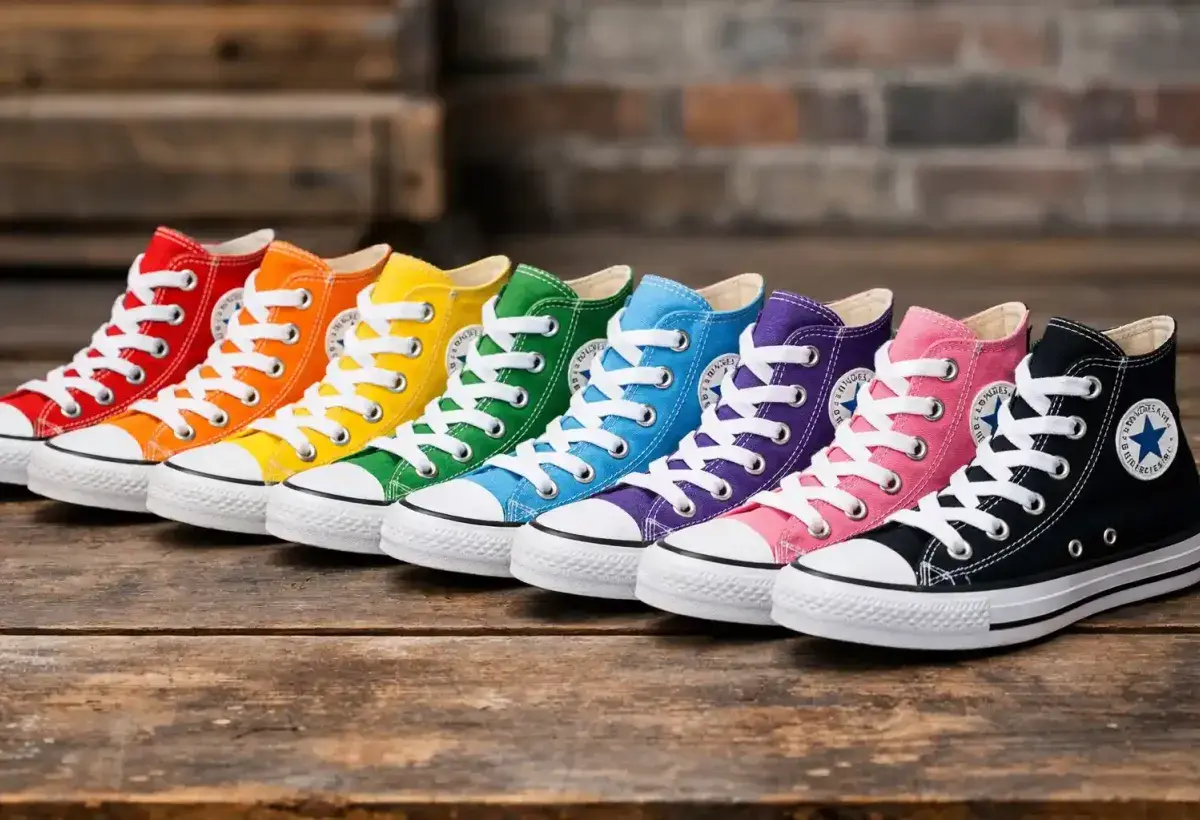
One of the most remarkable aspects of Converse is its consistency. While many brands constantly reinvent their products, Converse has kept its core design largely intact for decades. The Chuck Taylor silhouette remains instantly recognizable, with its canvas upper, rubber toe cap, and high top structure.
This consistency has become a defining strength. Instead of chasing trends, Converse allows trends to adapt to it. The simple design makes it versatile enough to pair with a wide range of outfits, from casual wear to more experimental styles. This adaptability has helped it remain relevant across generations.
The brand has introduced variations in color, material, and collaborations, but the fundamental structure remains the same. This approach preserves the identity of the shoe while still offering something new to consumers.
The decision to maintain the original design reflects confidence in its appeal. It shows that not every product needs constant reinvention to stay relevant. Sometimes, staying true to a proven concept is enough to create lasting impact.
Image
5. Musicians Helped Make Converse Cool
Converse found a second life outside of sports through its connection to music culture. As rock, punk, and alternative scenes grew, musicians began wearing Converse as part of their identity. The shoes were affordable, simple, and aligned with the raw, authentic image that many artists wanted to project.
This association helped shift the brand’s image from athletic gear to cultural symbol. Fans saw their favorite artists wearing Converse and adopted the style themselves. Over time, the shoes became linked to creativity, independence, and nonconformity.
Unlike high priced designer footwear, Converse remained accessible. This made it appealing to younger audiences and underground communities. It became a way to express individuality without needing luxury branding.
The relationship between Converse and music continues today through collaborations and artist partnerships. This ongoing connection keeps the brand relevant while honoring its cultural roots. The influence of musicians played a major role in shaping how Converse is perceived today.
Image

6. Converse Went Bankrupt Before Making a Comeback
Converse may seem like a timeless and stable brand today, but its journey has not always been smooth. By the late twentieth century, the company began to struggle financially. Increased competition from newer athletic brands that focused heavily on performance technology made it difficult for Converse to keep up. Consumers were shifting toward shoes that offered advanced cushioning, support systems, and sport specific innovations, areas where Converse was no longer leading.
As sales declined, the company faced mounting financial pressure. Eventually, in 2001, Converse filed for bankruptcy. This moment marked a critical turning point. For many brands, bankruptcy signals the end, but for Converse, it became an opportunity for reinvention. In 2003, the company was acquired by Nike, a move that would reshape its future.
Under new ownership, Converse did not attempt to compete directly in high performance sports technology. Instead, it leaned into its strengths, focusing on heritage, simplicity, and cultural relevance. Nike provided the infrastructure, resources, and global reach needed to stabilize and grow the brand, while allowing Converse to maintain its distinct identity.
This strategic shift proved successful. Converse regained popularity, especially among younger audiences who appreciated its classic design and cultural authenticity. The comeback story highlights how a brand can survive by understanding its core value rather than trying to imitate competitors.
Today, Converse stands as an example of resilience. Its ability to recover from financial collapse and reestablish itself as a global icon shows that even struggling brands can find new life with the right direction and support.
Image

7. Converse Is Popular Worldwide
Although Converse began as an American company, its influence has expanded far beyond its country of origin. Today, Converse sneakers are worn in cities and communities across the globe, making them one of the most recognizable footwear brands worldwide. This international appeal is rooted in the simplicity and adaptability of the design.
Unlike products that rely heavily on specific cultural trends, Converse offers a neutral and flexible style that can be interpreted in many ways. In urban areas, it is often associated with street fashion and creative expression. In other regions, it may be seen as a casual everyday shoe that fits effortlessly into daily life. This versatility allows the brand to connect with diverse audiences.
Global popularity has also been strengthened through collaborations with designers, artists, and local influencers. These partnerships help Converse stay relevant in different markets while respecting regional tastes. At the same time, the core design remains consistent, ensuring that the brand retains its identity.
Social media has further amplified its reach. People from different countries share their styles and interpretations, creating a global conversation around the brand. This exchange of ideas reinforces its universal appeal.
Converse’s worldwide success demonstrates how a simple concept can transcend cultural boundaries. By staying true to its original design while embracing global diversity, the brand continues to thrive in an increasingly connected world.
Image

8. People Love Customizing Them
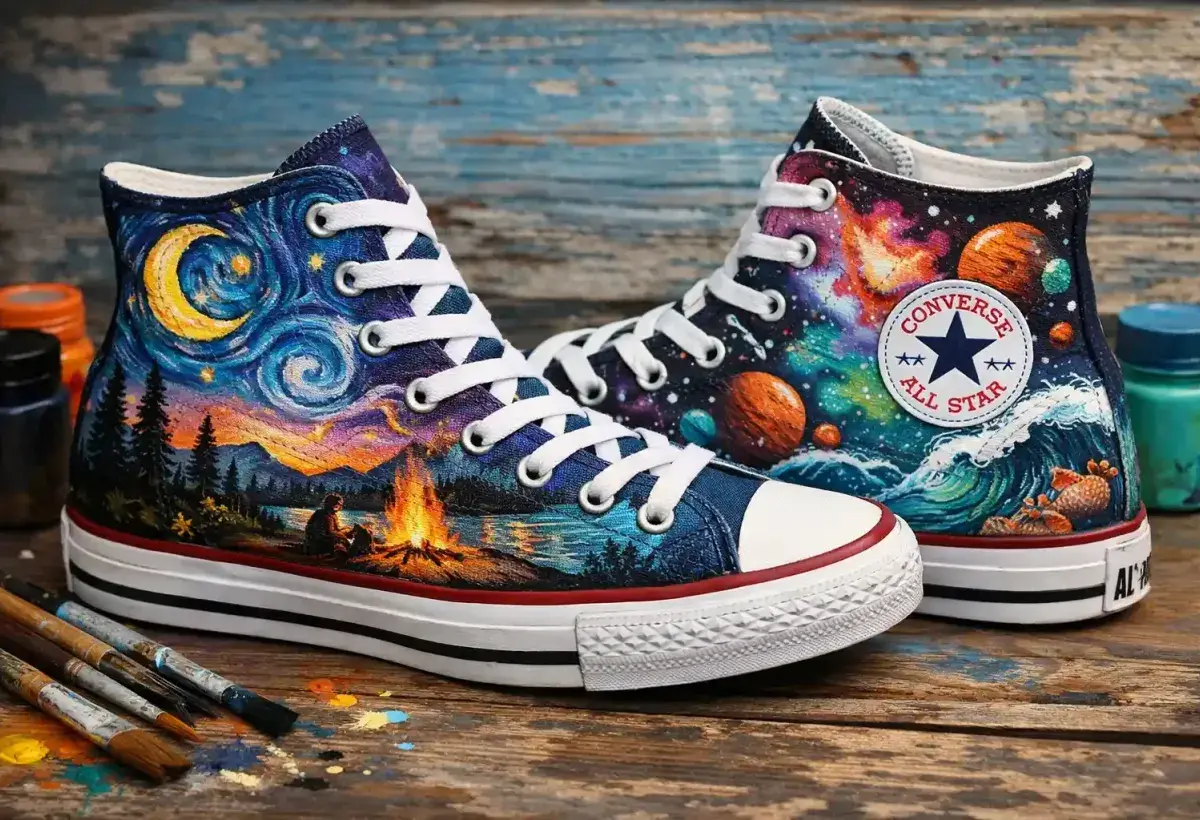
One of the most distinctive features of Converse sneakers is how easily they can be customized. The canvas material provides a perfect surface for personal creativity, allowing individuals to transform a standard pair of shoes into something unique. This has made Converse especially popular among artists, students, and anyone who values self expression.
Customization can take many forms. Some people use paint, markers, or embroidery to create detailed designs. Others add patches, pins, or even handwritten messages. Each pair becomes a reflection of the wearer’s personality, experiences, or artistic vision. This level of personalization is rare in mass produced products.
The appeal goes beyond aesthetics. Customizing Converse creates a sense of ownership and emotional connection. Instead of simply buying a product, individuals become part of the creative process. This transforms the shoes into something meaningful rather than disposable.
Recognizing this trend, Converse has introduced its own customization platforms, allowing customers to design their shoes online. These tools offer choices in color, patterns, and materials while maintaining the integrity of the original design.
This culture of customization has helped keep Converse relevant in a world that values individuality. It allows the brand to evolve through its users rather than through constant redesign. In many ways, the creativity of its audience has become one of its strongest assets.
Image
9. They Are Worn in Formal Settings Too
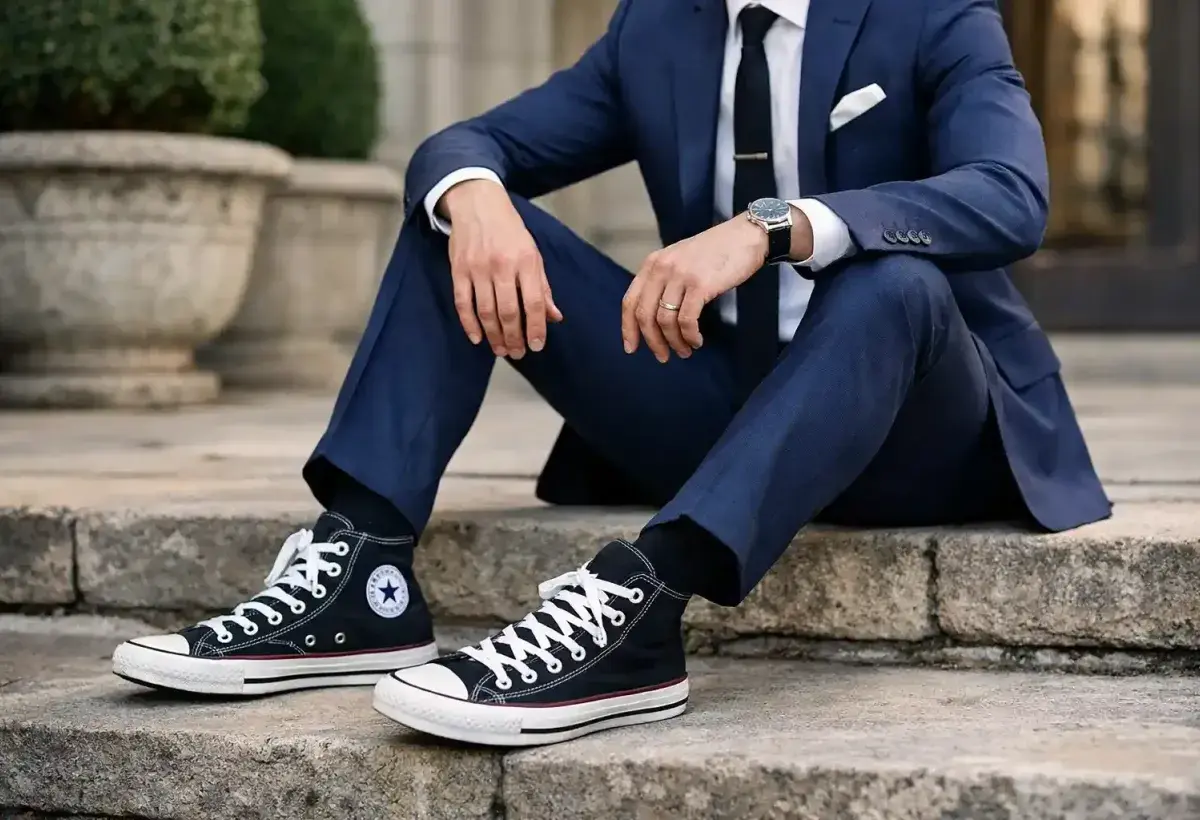
Converse sneakers are traditionally associated with casual wear, but in recent years, they have found their way into more formal settings. It is no longer unusual to see people pairing Converse with suits, dresses, or semi formal outfits. This shift reflects changing attitudes toward fashion and comfort.
The appeal of wearing Converse in formal environments lies in the contrast it creates. Combining a relaxed shoe with structured clothing produces a look that feels modern and expressive. It challenges traditional rules and allows individuals to define their own sense of style.
This trend is particularly popular among younger generations who prioritize comfort and authenticity over strict dress codes. Events that once required formal footwear are becoming more flexible, opening the door for creative choices like Converse.
Celebrities and public figures have also contributed to this shift by wearing Converse at high profile events. Their influence helps normalize the idea that style does not have to follow rigid expectations.
The ability of Converse to fit into both casual and formal contexts highlights its versatility. It proves that a simple design can adapt to different environments without losing its identity. This flexibility continues to expand the ways people incorporate Converse into their wardrobes.
Image
10. Converse Represents More Than Just Shoes
Over time, Converse has grown into more than just a footwear brand. It represents a broader idea centered on individuality, creativity, and authenticity. People who wear Converse often see it as an extension of their identity rather than just a practical item.
This deeper meaning comes from its long history across different cultural spaces. From basketball courts to music stages to everyday street style, Converse has been present in moments that shape personal and collective experiences. Each generation finds its own meaning in the brand while still connecting to its past.
Unlike brands that rely heavily on luxury or status, Converse maintains an approachable image. It does not try to define who should wear it. Instead, it invites people to make it their own. This openness has helped build a loyal and diverse community.
The emotional connection people have with Converse is a key reason for its longevity. It is not just about how the shoes look, but what they represent. They symbolize freedom of expression and the confidence to be different.
In a constantly changing world, Converse remains a steady presence. Its simplicity allows it to adapt while its history provides depth. This combination ensures that it will continue to resonate with people for years to come.
Image

Converse stands as a powerful example of how a simple idea can grow into something far greater than its original purpose. What began as a rubber company focused on practical products eventually became a symbol recognized around the world. Its journey through sports, culture, and fashion shows how adaptability and authenticity can create lasting impact.
One of the most compelling aspects of Converse is its connection to people. It is not defined by trends or exclusivity, but by the individuals who wear it. Each pair tells a story, shaped by personal experiences and creative choices. This relationship between product and person gives the brand a unique depth that goes beyond appearance.
Converse managed to stay relevant by embracing change without losing its identity. Whether through music, customization, or global fashion, Converse continues to find new ways to connect with audiences.
As the world of fashion continues to evolve, Converse remains a constant presence. Its simplicity, versatility, and meaning ensure that it will not easily fade away. For many, it is more than just a shoe. It is a symbol of expression, creativity, and individuality that continues to inspire across generations.