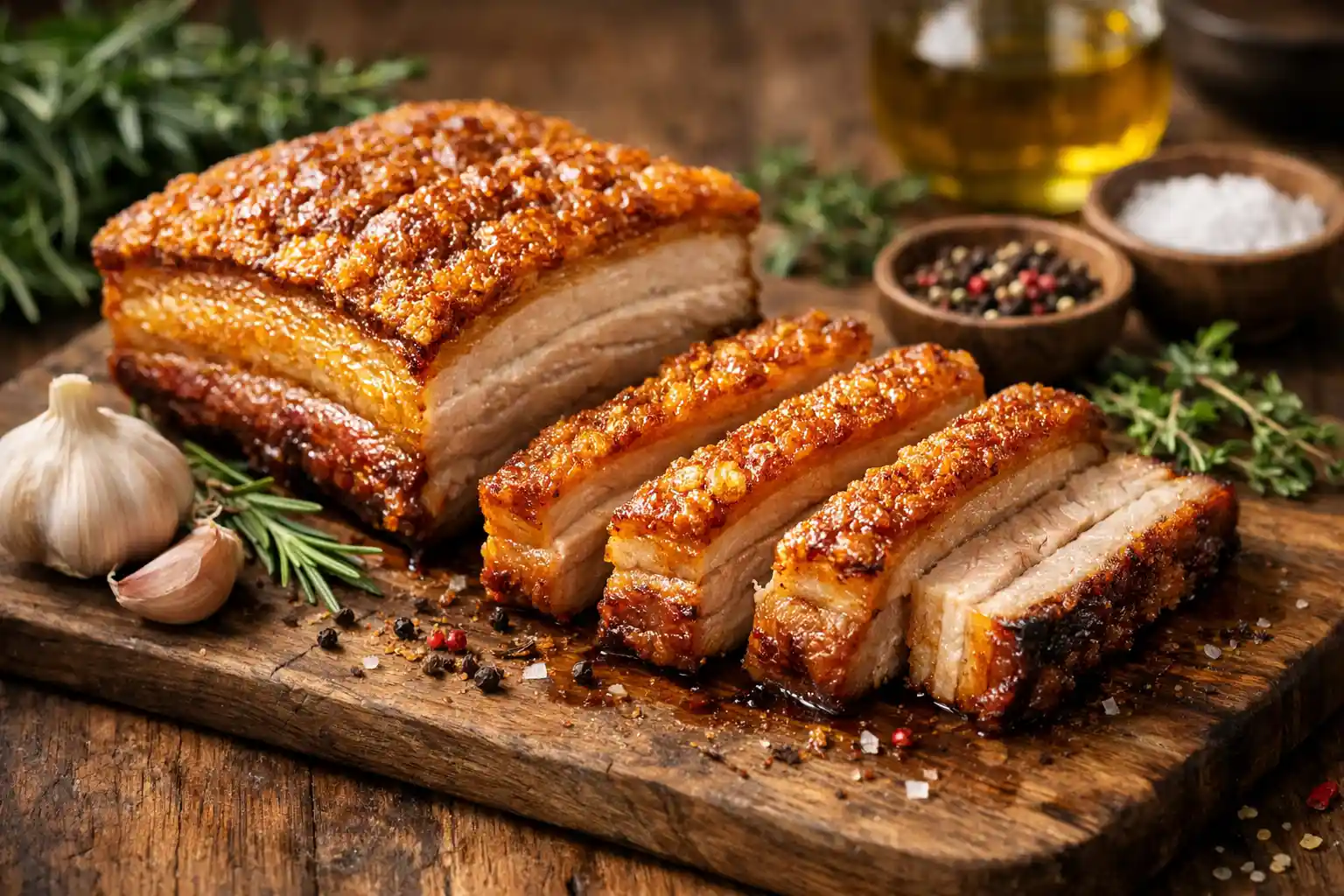
Pork belly has earned a special place on dining tables across the world because it offers something that very few ingredients can match. It is rich, flavorful, versatile, and capable of transforming into completely different dishes depending on how it is prepared. Whether it is slowly roasted until the meat becomes tender, grilled over glowing charcoal, braised in a savory sauce, or cooked until the skin turns perfectly crisp, pork belly continues to win over food lovers with every bite.
One reason for its lasting popularity is that nearly every culture has found a unique way to prepare it. In one country it may be served with fragrant herbs and rice, while somewhere else it becomes the centerpiece of a festive meal shared among family and friends. The same cut of meat can taste remarkably different simply because of the spices, cooking methods, and traditions passed down through generations. That variety has helped pork belly remain exciting even for people who have enjoyed it for years.
Beyond its delicious flavor, pork belly has an interesting story that stretches back through history. What was once considered an ordinary cut has grown into a favorite ingredient in fine dining restaurants, neighborhood eateries, and home kitchens alike. Skilled chefs appreciate its balance of meat and fat because it creates tenderness and depth of flavor that is difficult to achieve with leaner cuts.
Many people also associate pork belly with celebrations and memorable gatherings. From weekend cookouts to holiday feasts, it often becomes the dish that everyone eagerly waits to enjoy. Its irresistible aroma filling the kitchen can bring back childhood memories or inspire new traditions around the dinner table.
The next time you enjoy a serving of pork belly, there is a good chance you will see it a little differently. Here are ten fun facts that reveal why this beloved ingredient has become one of the most recognizable and celebrated foods around the globe.
1. Pork Belly Is the Same Cut That Produces Bacon
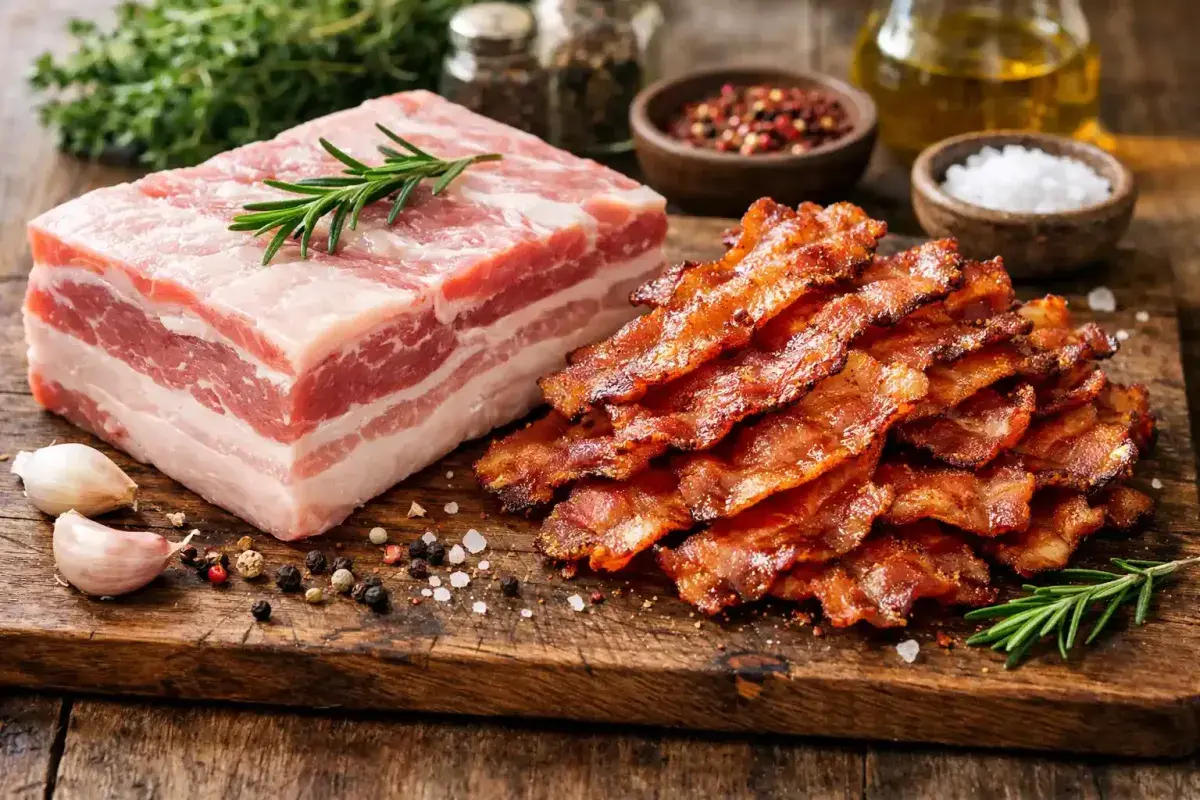
Many people are surprised to learn that bacon and fresh pork belly come from exactly the same part of the pig. The biggest difference is not where the meat comes from but what happens after it is cut. Fresh pork belly is simply the uncured section taken from the underside of the animal. Bacon, on the other hand, usually goes through a curing process with salt and seasonings before it is smoked or cooked.
This explains why pork belly and bacon share a similar rich flavor and tender texture. However, fresh pork belly provides cooks with much more flexibility because it has not already been seasoned or preserved. It can be prepared in countless ways that allow different herbs, spices, and sauces to shine.
Some recipes call for slow roasting until the meat becomes soft enough to cut with a fork while the skin develops an irresistible crisp texture. Others rely on braising, grilling, or pan frying to create different layers of flavor. Because the meat naturally contains alternating layers of lean meat and fat, it stays juicy throughout the cooking process.
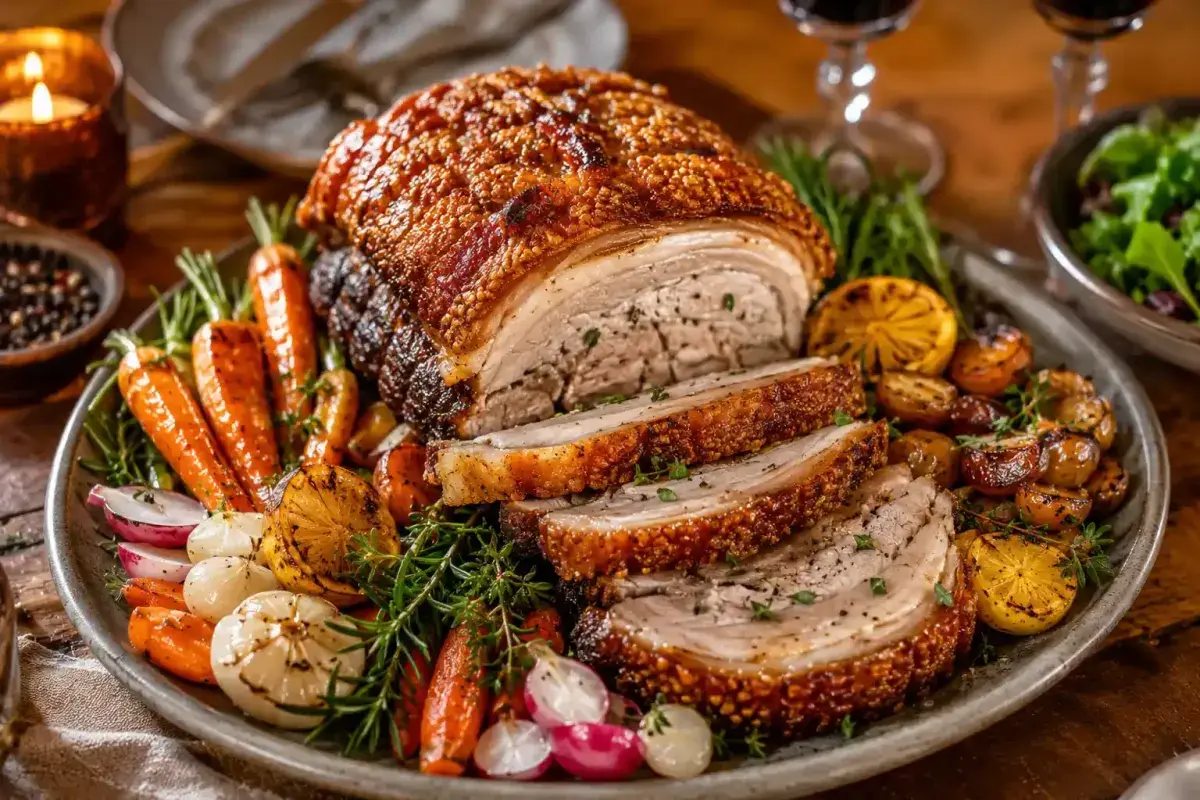
Professional chefs often enjoy working with pork belly because it can adapt to a wide variety of cuisines. A simple change in seasoning can completely transform the finished dish. One recipe may feature garlic, rosemary, and black pepper while another highlights soy sauce, ginger, and aromatic spices. The possibilities seem almost endless.
Even though bacon remains one of the world's favorite breakfast foods, many people who try freshly prepared pork belly discover an entirely different experience. Without the curing process, the natural flavor of the meat becomes much more noticeable, giving cooks greater control over the final taste.
The next time you enjoy crispy bacon for breakfast or a beautifully roasted slice of pork belly at dinner, remember that both began as the very same cut of meat. The journey from butcher to plate is what creates two distinctly different culinary experiences that continue to delight food lovers everywhere.
Image
2. Crispy Skin Is One of the Greatest Cooking Challenges
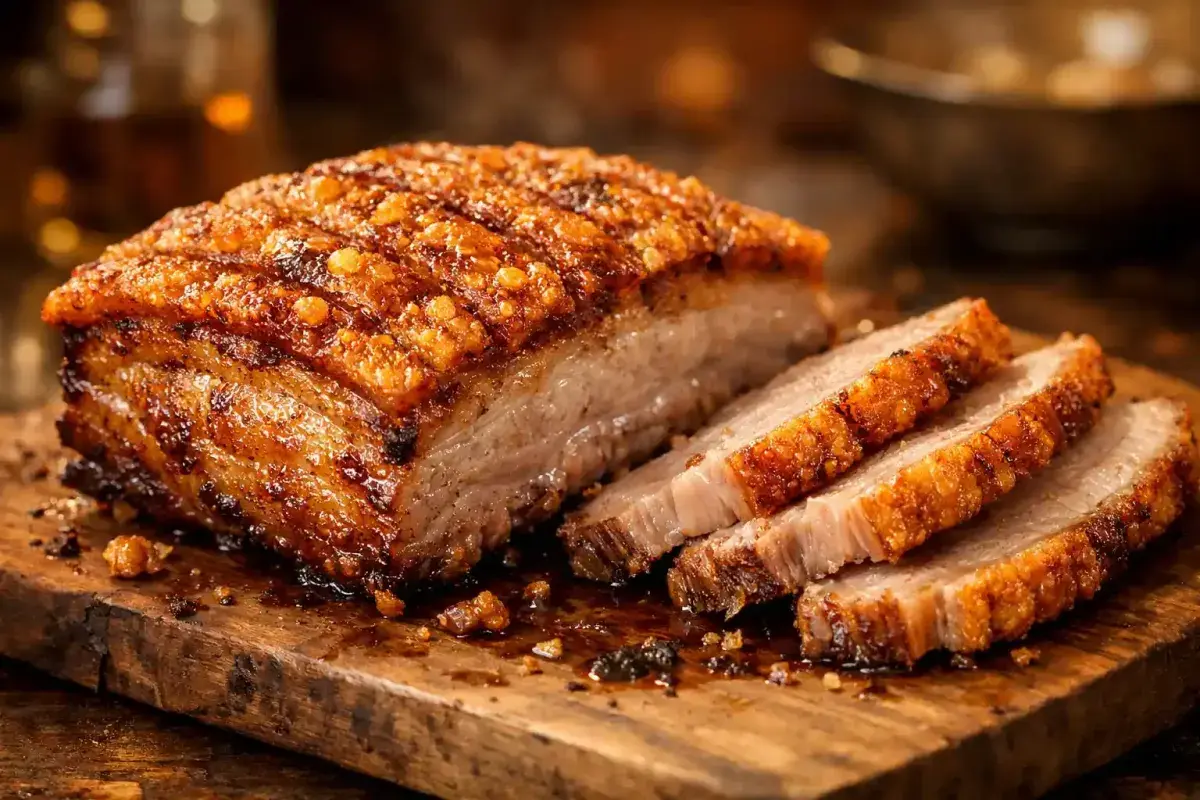
Ask experienced cooks about pork belly and many will tell you that achieving perfectly crispy skin is one of the most satisfying accomplishments in the kitchen. While the meat itself is naturally tender when cooked slowly, creating a light and crunchy crackling requires patience, preparation, and attention to detail.
The process often begins long before the pork enters the oven. Many cooks carefully dry the skin to remove excess moisture because dry skin crisps much more effectively than wet skin. Some even leave the pork uncovered in the refrigerator overnight so the surface can dry naturally.
Scoring the skin is another common technique. Shallow cuts allow heat to penetrate more evenly while helping the fat render during cooking. As the fat slowly melts beneath the surface, it helps create the bubbly texture that many people associate with exceptional roasted pork belly.
Temperature also plays a major role. Many recipes begin with a moderate cooking temperature that gently softens the meat before finishing with high heat to crisp the skin. This two stage approach helps produce meat that remains juicy while developing an appealing golden crust.
Different countries have developed their own methods over many generations. Some cooks rely on simple salt while others add spices or aromatic herbs. Despite the many variations, the goal remains the same. Every bite should deliver a satisfying contrast between crunchy skin and tender meat.
The sound of freshly cracked pork skin has become almost as enjoyable as its flavor. Many diners eagerly listen for that distinctive crunch because it signals that the cooking process was successful. Restaurants that consistently achieve this texture often develop loyal customers who return again and again.
Although it takes practice, many home cooks eventually master the technique through patience and experimentation. Each successful attempt brings a sense of accomplishment that makes serving homemade pork belly even more rewarding. Few cooking moments are as satisfying as hearing family and friends compliment the perfect crackling after taking their very first bite.
Image
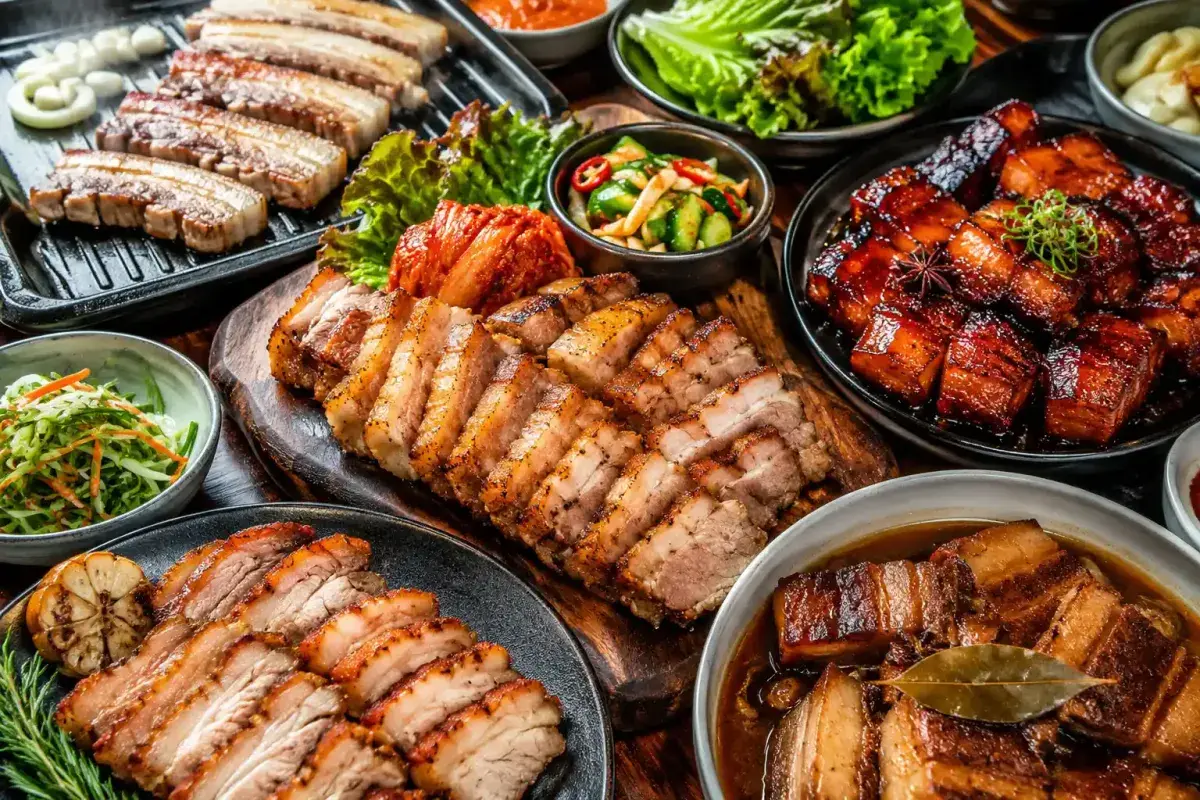
3. Every Country Has Its Own Favorite Way to Enjoy It
One of the most fascinating things about pork belly is how differently it is prepared around the world. Although the cut remains the same, the cooking techniques, flavors, and traditions vary so widely that each dish feels completely unique. Exploring these recipes offers a delicious journey through different cultures and culinary histories.
In some places pork belly is roasted until the skin becomes wonderfully crisp while the inside remains moist and tender. Elsewhere it is slowly braised for several hours in savory sauces that allow the meat to absorb deep and complex flavors. Other regions prefer grilling it over charcoal where the smoky aroma adds another layer of enjoyment.
Seasonings also reflect local traditions. Some recipes emphasize garlic, onions, herbs, and black pepper while others feature soy sauce, ginger, chili, cinnamon, or fragrant spices. These combinations give each dish a distinctive personality that reflects generations of family cooking.
Meals built around pork belly often bring people together. It may appear during festivals, family reunions, holiday celebrations, or weekend gatherings where everyone shares food around a large table. The dish becomes more than just something to eat because it represents hospitality, celebration, and community.
Travelers often discover that tasting local pork belly dishes becomes one of the highlights of their journey. Even experienced food lovers are amazed by how dramatically the flavors change from one destination to another despite using the same basic ingredient.
Restaurants have also embraced this global variety. Modern chefs enjoy blending techniques from different cultures to create exciting new recipes that combine traditional flavors with contemporary presentation. This creativity keeps pork belly fresh and relevant for new generations of diners.
Learning about these different cooking styles reminds us that food has the remarkable ability to connect people across cultures. Every recipe tells a story about local ingredients, family traditions, and shared experiences that have been preserved over many years. Pork belly may look familiar wherever you travel, but every region adds its own unique touch that makes each meal memorable.
Image
4. Slow Cooking Brings Out Incredible Flavor
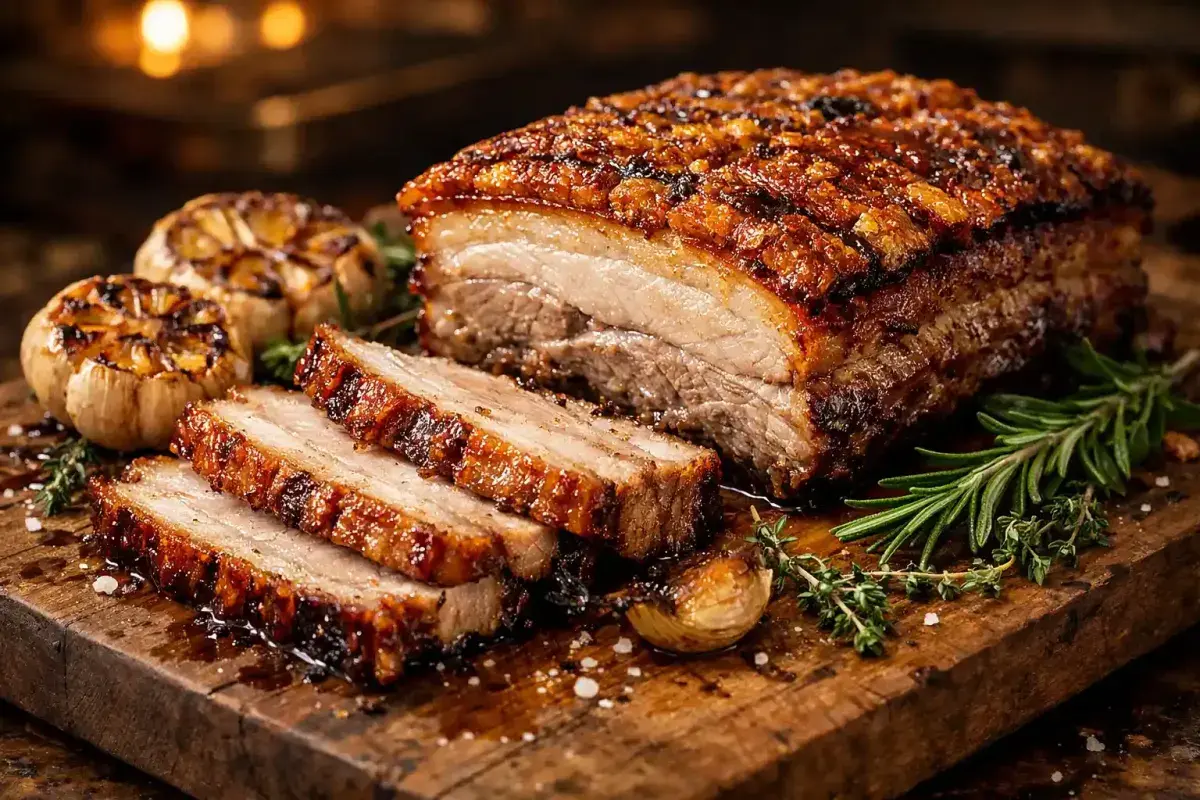
Pork belly is often considered one of the best cuts of meat for slow cooking because time works in its favor. Unlike leaner cuts that can dry out quickly, pork belly contains layers of meat and natural fat that gradually soften during long cooking sessions. The result is a rich texture that practically melts in your mouth.
As heat slowly works through the meat, connective tissues begin to break down. This creates tenderness while allowing the meat to remain moist and flavorful. Many cooks believe that patience is one of the most important ingredients when preparing pork belly because rushing the process rarely produces the same results.
Slow roasting fills the kitchen with an inviting aroma that builds anticipation long before the meal reaches the table. Herbs, garlic, onions, and spices gradually blend with the meat, creating layers of flavor that become more noticeable with every bite.
Braising offers another popular approach. By gently simmering pork belly in seasoned liquid, cooks allow the meat to absorb additional flavors while remaining exceptionally tender. Depending on the recipe, the finished dish may be sweet, savory, spicy, or a combination of all three.
Even after several hours of cooking, many recipes include a final step that crisps the surface before serving. This creates an appealing contrast between the crunchy exterior and the soft interior that makes pork belly especially enjoyable.
The popularity of slow cooked meals has grown in recent years because many people appreciate comfort foods that reward patience rather than speed. Pork belly perfectly represents this philosophy. Although it requires time, the final dish often tastes far more complex than recipes prepared in only a few minutes.
Families frequently gather while the meal cooks, enjoying the aroma that gradually spreads throughout the home. By the time dinner is served, the anticipation has become part of the experience itself. This connection between cooking, conversation, and shared meals helps explain why slow cooked pork belly continues to be cherished in homes and restaurants around the world.
Image
5. Pork Belly Has Become a Fine Dining Favorite
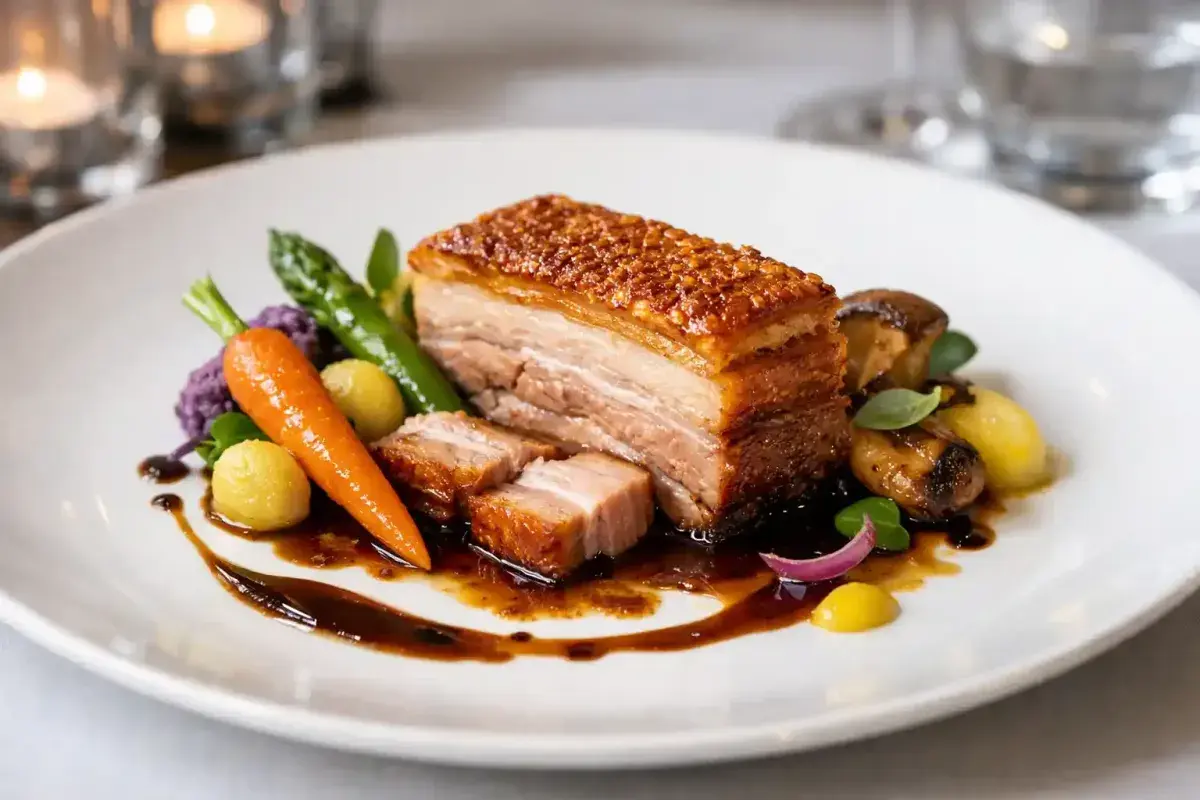
Not long ago, pork belly was often viewed as a simple cut that belonged mainly in home kitchens or traditional family recipes. Today it has become a favorite ingredient in many upscale restaurants where talented chefs use creativity and refined techniques to showcase its remarkable flavor and texture.
Part of this transformation comes from changing attitudes toward cooking. Modern chefs increasingly value ingredients that offer versatility and character rather than simply choosing expensive cuts of meat. Pork belly provides both. Its balance of meat and fat creates opportunities for roasting, braising, smoking, grilling, and many other techniques.
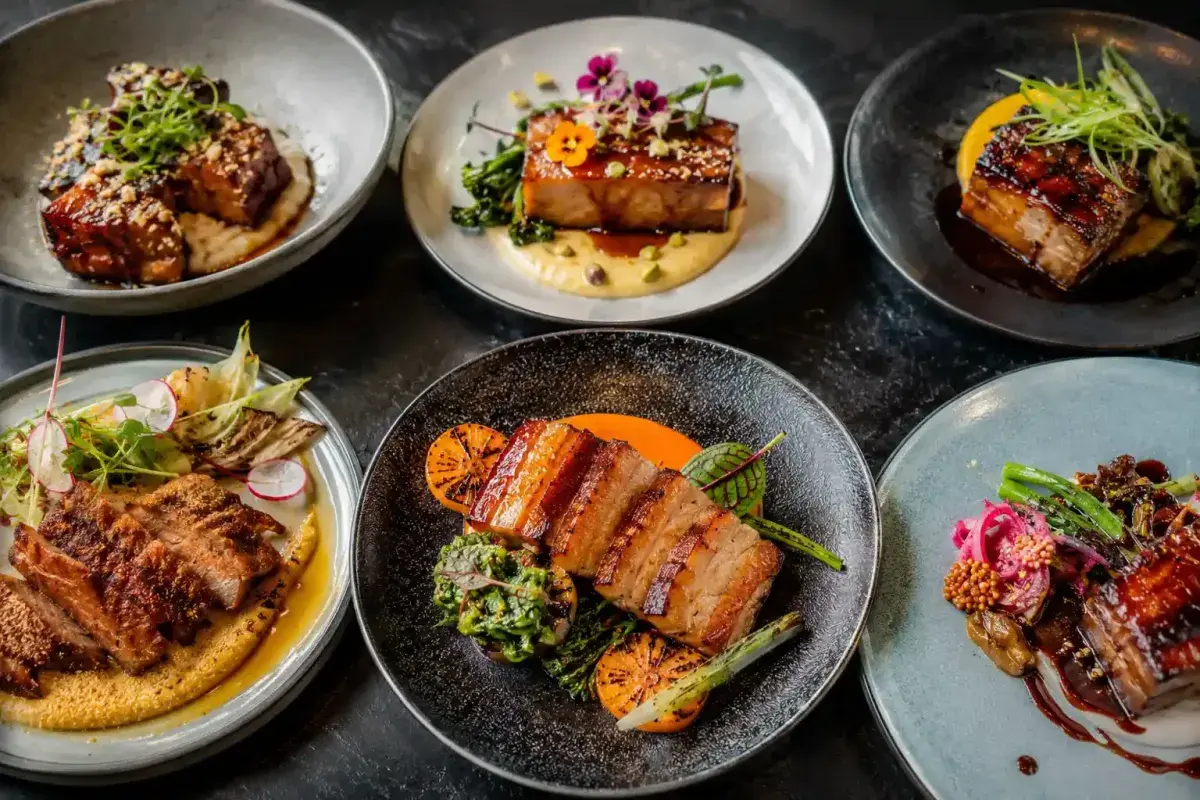
Presentation has also evolved. Instead of serving large portions, many restaurants carefully slice pork belly into elegant servings that highlight the crisp skin, tender meat, and beautiful layers within each piece. Colorful vegetables, smooth purees, fresh herbs, and flavorful sauces often complete the plate.
Chefs enjoy experimenting with combinations that surprise diners. Sweet fruit glazes may balance the richness of the meat while bright citrus flavors add freshness. Herbs and spices from different cuisines continue to inspire new interpretations that keep the ingredient exciting.
Despite these sophisticated presentations, pork belly still retains its comforting appeal. Many diners appreciate that a familiar ingredient can feel both nostalgic and refined at the same time. It reminds people of home cooked meals while demonstrating how thoughtful preparation can elevate everyday ingredients into memorable dining experiences.
Food festivals and cooking competitions have further increased its popularity. Skilled chefs often select pork belly because it allows them to demonstrate precision, creativity, and technical ability in a single dish. Achieving the perfect balance between crispy skin and tender meat remains an impressive accomplishment that judges and diners alike appreciate.
Perhaps the greatest compliment to pork belly is its ability to fit comfortably into almost any setting. It can be enjoyed at a casual family dinner, a neighborhood barbecue, or an elegant restaurant without feeling out of place. That rare combination of familiarity, versatility, and outstanding flavor explains why pork belly continues to win new fans around the world while remaining a timeless favorite for those who have loved it for years.
Image
6. The Layers of Meat and Fat Create Its Signature Texture
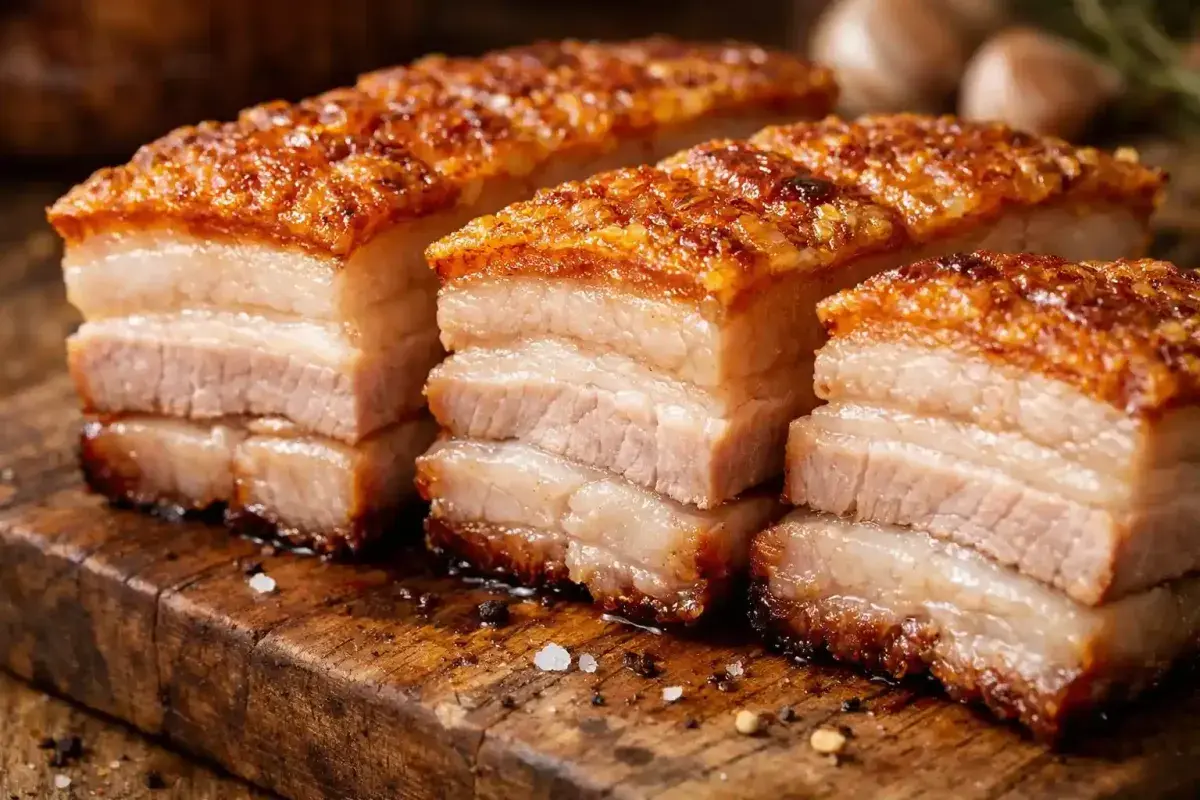
One of the reasons pork belly stands out from many other cuts of meat is its beautiful pattern of alternating layers of lean meat and fat. These natural layers are more than just visually appealing. They play an important role in creating the rich flavor and satisfying texture that have made pork belly a favorite among cooks and food lovers around the world.
As pork belly cooks, the fat slowly melts into the meat instead of simply disappearing. This process keeps the meat moist while adding richness to every bite. The result is a texture that feels tender without becoming dry, even after spending hours in the oven or on the grill. This is why pork belly is often forgiving to cook compared with leaner cuts that can quickly lose moisture if left on the heat for too long.
The balance between meat and fat is one of the qualities that chefs pay close attention to when selecting pork belly. A well balanced piece produces a more even cooking result and creates slices that look attractive when served. Those distinctive layers have become almost as recognizable as the flavor itself.
Texture is one of the first things people notice when eating pork belly. A perfectly prepared piece offers several different sensations at once. The crispy skin provides an enjoyable crunch while the tender meat remains juicy and the rendered fat adds smoothness that ties everything together. This combination creates a dining experience that is both comforting and memorable.
The layered appearance has also made pork belly a favorite subject for food photographers and cooking shows. When sliced, each piece reveals neat bands of meat and fat that highlight the craftsmanship involved in preparing the dish. It is one of those foods that often looks just as impressive as it tastes.
Many cooks consider these natural layers to be one of pork belly's greatest strengths because they allow the meat to remain flavorful through a wide variety of cooking methods. Whether roasted, grilled, smoked, or braised, the same characteristics continue to shine. That remarkable consistency helps explain why pork belly remains one of the most celebrated cuts in kitchens across the world.
Image
7. Pork Belly Plays a Role in Many Celebrations
Food often becomes the center of life's happiest moments, and pork belly is no exception. Across many cultures, this flavorful dish appears during holidays, birthdays, family reunions, weddings, and other joyful occasions where people gather to share good food and meaningful conversations. Its rich taste and generous portions make it a natural choice for celebrations that bring people together.
Preparing pork belly for a special event is often a family activity rather than a task completed by one person alone. Some family members season the meat while others prepare side dishes or tend the fire if the meal is cooked outdoors. These shared moments become part of the tradition, creating memories that last long after the plates have been cleared.
The aroma of roasting pork belly has a way of drawing people into the kitchen. Guests frequently gather around to watch the crackling develop and eagerly wait for the first slice to be served. The anticipation becomes part of the experience, making the meal feel even more rewarding when everyone finally sits down together.
Many families pass recipes from one generation to the next. Grandparents teach parents, parents teach children, and each generation adds its own personal touch while preserving the heart of the original recipe. These traditions help keep family history alive through food.
Restaurants also recognize the connection between pork belly and celebration. It is often featured on special menus during festive seasons because diners associate it with sharing meals and spending time with loved ones. Even people who rarely cook at home may choose pork belly when marking an important milestone.
Beyond the delicious flavor, pork belly represents comfort, generosity, and togetherness. It reminds us that some of life's greatest pleasures come from gathering around a table with family and friends to enjoy a meal prepared with care. Those shared experiences are often remembered long after the final bite has been enjoyed, making pork belly much more than simply another dish on the menu.
Image

8. It Inspires Creative Recipes Around the World
Few ingredients encourage creativity quite like pork belly. Because it pairs well with a wide range of flavors, cooks constantly find new ways to prepare it while still respecting traditional recipes. This balance between innovation and tradition has helped pork belly remain exciting for generations.
Some chefs experiment with sweet glazes made from fruit, honey, or maple while others prefer bold savory flavors featuring herbs, garlic, onions, or aromatic spices. Even a simple change in seasoning can completely transform the final dish, allowing the same cut of meat to fit into many different cuisines.
Home cooks also enjoy adapting recipes based on what they already have in their kitchens. Seasonal vegetables, fresh herbs, homemade sauces, and regional spices all provide opportunities to create something unique. This flexibility makes pork belly approachable for beginners while still offering endless possibilities for experienced cooks.
Modern restaurants often blend cooking traditions from different countries. A chef might use a classic roasting method while adding flavors inspired by another part of the world. These combinations introduce diners to fresh experiences without losing the qualities that make pork belly so appealing.
Social media has also played a role in expanding pork belly's popularity. Beautiful photographs and cooking videos encourage people to try new recipes at home. Seeing perfectly crisp skin or beautifully sliced meat often inspires viewers to recreate the dish for themselves.
Cooking competitions frequently feature pork belly because it allows contestants to demonstrate technical skill as well as creativity. Judges often evaluate tenderness, crispness, seasoning, and presentation, making it a rewarding challenge for talented cooks.
The continued evolution of pork belly recipes proves that great ingredients never go out of style. Instead, they continue to inspire new ideas while honoring the traditions that made them popular in the first place. Whether following a treasured family recipe or creating something completely original, pork belly provides endless opportunities to enjoy delicious food in fresh and memorable ways.
Image
9. Leftover Pork Belly Can Taste Even Better the Next Day
Many people believe that freshly cooked pork belly is at its absolute best, but experienced home cooks often know another delicious secret. Leftover pork belly can become even more flavorful after spending a night in the refrigerator. During that time, the seasonings continue to settle into the meat, creating a deeper and more balanced taste.
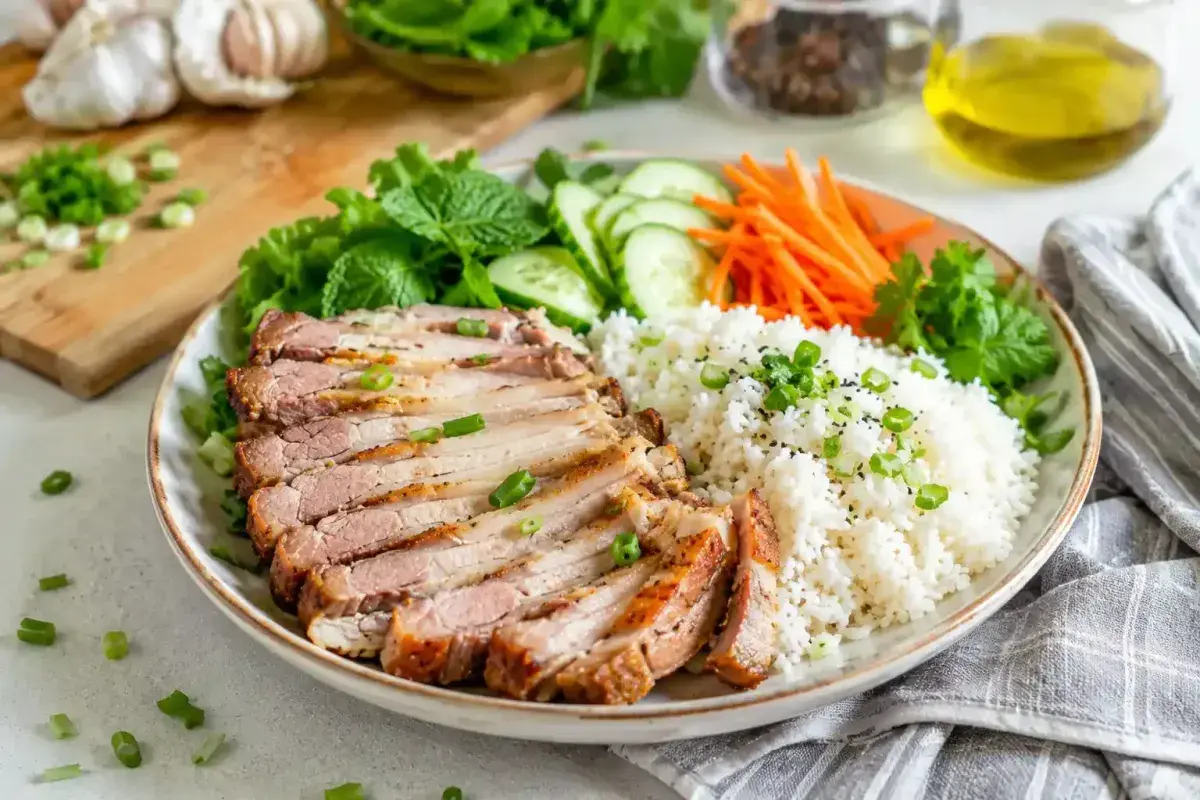
The next day offers an opportunity to enjoy pork belly in completely different ways. Thin slices can be gently reheated and served with rice, vegetables, or eggs for a satisfying breakfast or lunch. Others prefer to add small pieces to soups, noodle dishes, or salads where the rich flavor enhances every bite.
Reheating pork belly also gives cooks another chance to restore the crispy skin. A hot oven or air fryer can help bring back much of the original crunch while warming the meat without drying it out. This combination of convenience and flavor makes leftovers something to look forward to rather than simply a way to avoid waste.
Creative cooks often build entirely new meals around leftover pork belly. It can become part of a hearty sandwich, a flavorful fried rice dish, or a comforting bowl of noodles. Because the meat already contains so much flavor, it easily becomes the highlight of many recipes.
Using leftovers wisely also reflects good kitchen habits. Preparing a larger portion during one meal can save time later while reducing food waste. Families appreciate having a delicious option ready for busy weekdays when there is little time to cook from scratch.
Some people even claim they intentionally cook extra pork belly because they enjoy the leftovers just as much as the original meal. Whether or not that is true, there is no doubt that pork belly continues to deliver outstanding flavor long after the first serving has been enjoyed.
Its ability to transform into new dishes the following day is another reason this versatile cut has remained popular for so many years. Few ingredients offer such flexibility while maintaining the rich taste and comforting texture that people have come to love.
Image
10. Pork Belly Continues to Win New Fans Every Year
Food trends come and go, yet pork belly has managed to remain popular while attracting new admirers every year. Its appeal crosses generations, cultures, and cooking styles, making it one of the few ingredients that feels equally at home in a family kitchen, a neighborhood barbecue, or a fine dining restaurant.
Part of its lasting success comes from its versatility. Beginners can prepare simple recipes with only a few seasonings, while experienced chefs can create elaborate dishes that showcase advanced cooking techniques. No matter the skill level, pork belly rewards patience with exceptional flavor and texture.
Food festivals, cooking competitions, television programs, and online videos have introduced pork belly to audiences who may never have tried it before. Watching skilled cooks transform an ordinary cut into a beautiful meal inspires many people to experiment in their own kitchens.
Restaurants continue adding pork belly to their menus because diners appreciate both familiar comfort and creative presentation. Some enjoy classic roasted recipes while others seek bold new flavor combinations. This wide appeal allows chefs to keep reinventing the dish without losing its traditional character.
The popularity of home cooking has also helped pork belly remain in the spotlight. More people are exploring recipes that take time and care, discovering that the effort often produces memorable meals worth sharing with family and friends. Pork belly fits perfectly into this growing appreciation for thoughtful cooking.
Perhaps the greatest reason for its continued success is that it brings people together. Conversations begin while it cooks, laughter fills the dining room as everyone gathers around the table, and lasting memories are created through shared meals. These experiences matter just as much as the food itself.
As culinary traditions continue to evolve, pork belly seems certain to remain one of the world's favorite ingredients. Its remarkable combination of flavor, versatility, history, and comforting appeal ensures that each new generation will have the opportunity to discover why this humble cut has earned such an enduring place in kitchens across the globe.
Image
Pork belly is much more than a flavorful cut of meat. It is an ingredient with a rich history, remarkable versatility, and a special ability to bring people together through memorable meals. From the familiar taste of bacon to elegant restaurant creations, it has proven that simple ingredients can achieve extraordinary results when prepared with care and creativity.
Its popularity spans continents because every culture has discovered its own unique way to highlight its natural qualities. Some recipes focus on crispy skin while others celebrate slow cooked tenderness or bold seasonings that reflect local traditions. No matter where it is prepared, pork belly continues to offer a satisfying combination of texture and flavor that few other cuts can match.
Beyond the kitchen, pork belly has become part of countless family traditions and celebrations. Holiday gatherings, birthdays, weekend cookouts, and special occasions often feature this beloved dish as friends and relatives come together to share food and conversation. These moments remind us that great meals are about more than satisfying hunger. They help create lasting memories and strengthen the bonds between the people gathered around the table.
The continued popularity of pork belly also reflects the creativity of cooks around the world. Every year brings fresh recipes, new cooking techniques, and exciting flavor combinations that keep this classic ingredient feeling fresh while honoring the traditions that made it famous. Whether enjoyed in a simple home cooked meal or presented as an elegant restaurant dish, pork belly continues to inspire both experienced chefs and enthusiastic home cooks.
The next time you see pork belly on a menu or prepare it in your own kitchen, you will know there is much more to appreciate than its delicious taste. Behind every slice is a story of culinary tradition, skilled cooking, and shared experiences that have made pork belly one of the world's most enduring comfort foods. It is easy to understand why this humble cut continues to earn devoted fans across generations and why it will likely remain a favorite for many years to come.