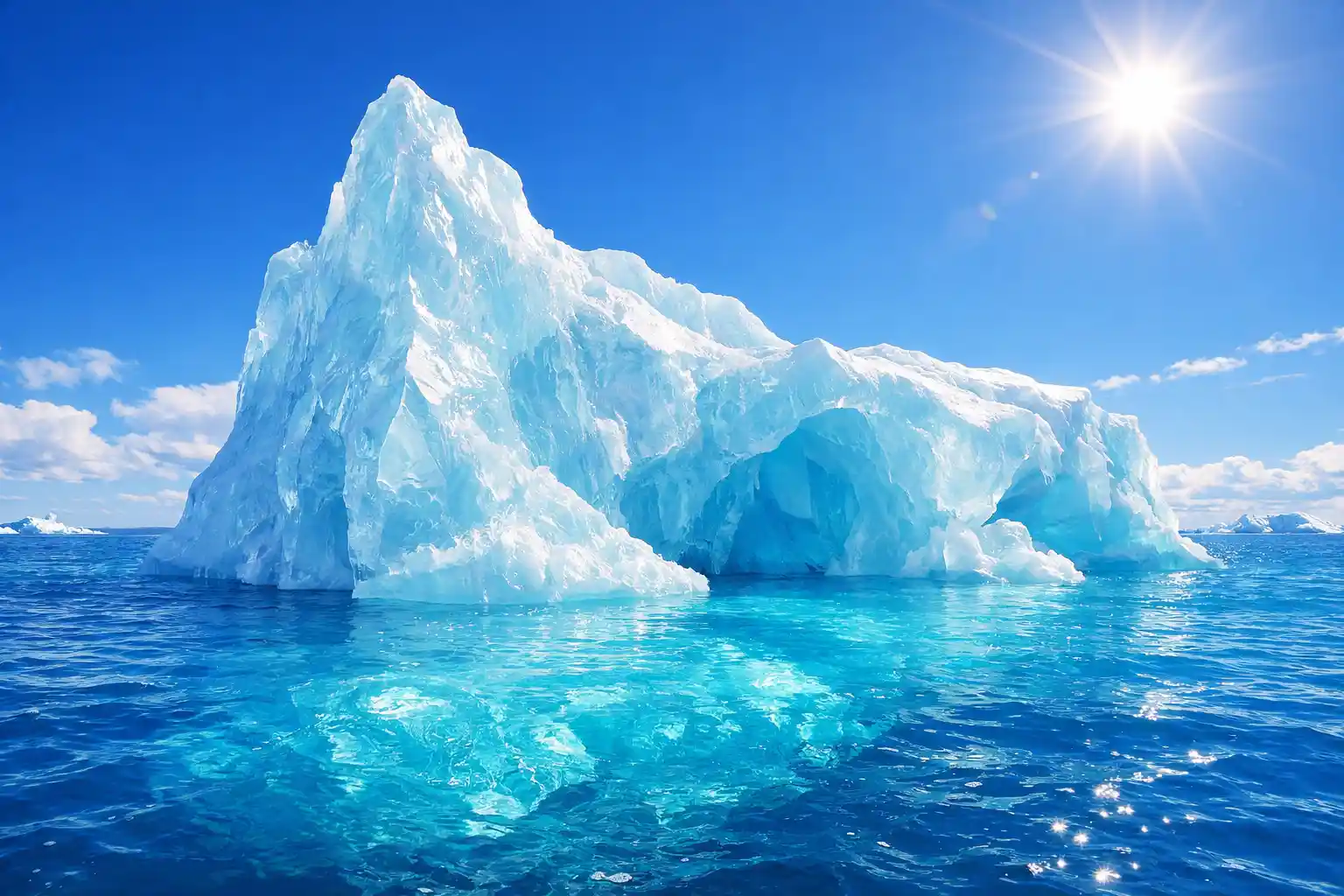
Ice is something most people see almost every day, yet it holds some of the most surprising secrets in nature. At first glance, it seems simple. It is just frozen water sitting quietly in a glass or covering the ground during cold weather. However, when you take a closer look, ice becomes a fascinating subject filled with unusual behaviors, strange physics, and incredible natural beauty. From the way it forms to how it interacts with light and temperature, ice reveals a world that is anything but ordinary.
One of the most interesting things about ice is how it defies expectations. Many substances shrink when they freeze, but water does the opposite. This small difference plays a massive role in shaping life on Earth. Ice also exists in more forms than most people realize, including structures that only appear under extreme conditions. Even something as simple as an ice cube can contain tiny air bubbles that tell a story about how it froze.
Beyond science, ice has influenced human history, exploration, and even survival. Glaciers carve landscapes over thousands of years, while frozen lakes create temporary highways in colder regions. Ice can preserve ancient organisms, giving scientists a glimpse into the distant past. It can also be dangerous, powerful, and unpredictable when it forms in large amounts.
1. Ice Floats on Water
Image

One of the most well known yet fascinating facts about ice is that it floats on water. This might seem normal since we see it all the time, but scientifically, it is quite unusual. Most substances become denser when they freeze, meaning they sink in their liquid form. Water behaves differently. When it freezes, its molecules spread out into a crystal structure that takes up more space. This makes ice less dense than liquid water, allowing it to float.
This unique property has enormous consequences for life on Earth. Because ice floats, lakes and oceans freeze from the top down instead of from the bottom up. The layer of ice on the surface acts like insulation, keeping the water below from freezing solid. This allows fish and other aquatic life to survive even during extremely cold winters.
If ice sank instead, bodies of water would freeze completely over time, making it impossible for many forms of life to exist. Entire ecosystems would collapse, and the planet would look very different from what we know today. This simple property of water is one of the key reasons life can thrive in colder climates.
Floating ice also plays a major role in climate and weather systems. Ice reflects sunlight, which helps regulate global temperatures. Large ice formations such as icebergs and polar ice caps influence ocean currents and air circulation. Even a single ice cube demonstrates a principle that scales up to affect the entire planet.
2. Ice Can Be Warmer Than You Think
Image
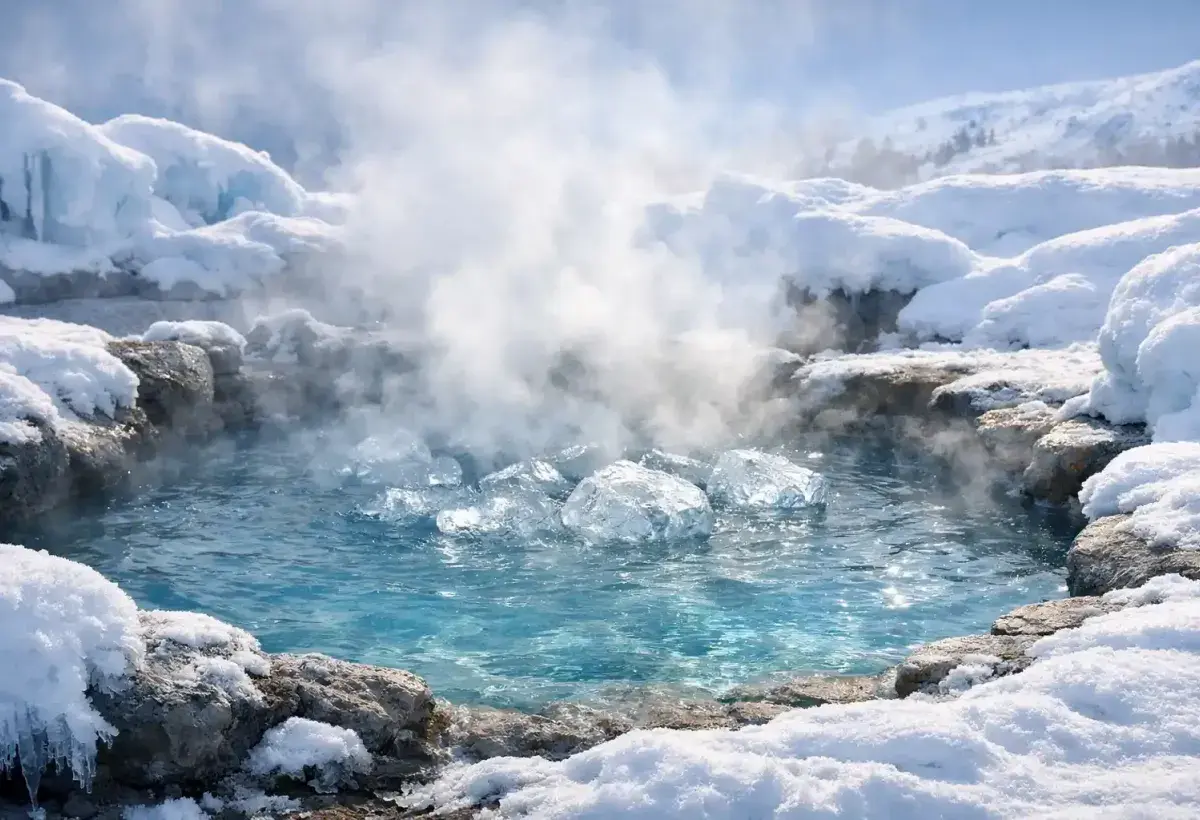
It may sound strange, but ice is not always extremely cold. In fact, ice can exist at temperatures very close to its melting point, which is zero degrees Celsius. This means that some ice can feel relatively mild compared to other frozen surfaces. The temperature of ice depends on its environment, and not all ice is equally cold.
For example, ice found in glaciers or polar regions can be much colder because it has been exposed to extremely low temperatures for long periods. On the other hand, ice cubes in your freezer are usually just below freezing, making them much warmer than natural ice in the wild.
This difference in temperature affects how ice behaves. Warmer ice is softer and can deform more easily, which is why glaciers can slowly move over time. Colder ice tends to be more brittle and can crack or break under pressure. These variations in ice temperature play a key role in shaping landscapes and influencing natural events such as avalanches.
Even in everyday situations, the temperature of ice matters. Ice that is closer to melting will stick to surfaces more easily, which is why slightly melting ice can be slippery. This thin layer of water reduces friction, making it easier to slide across the surface.
Understanding that ice is not always equally cold helps explain many of its surprising properties and behaviors. It also shows how something as simple as frozen water can vary in ways that are not immediately obvious.
3. There Are Many Types of Ice
Image
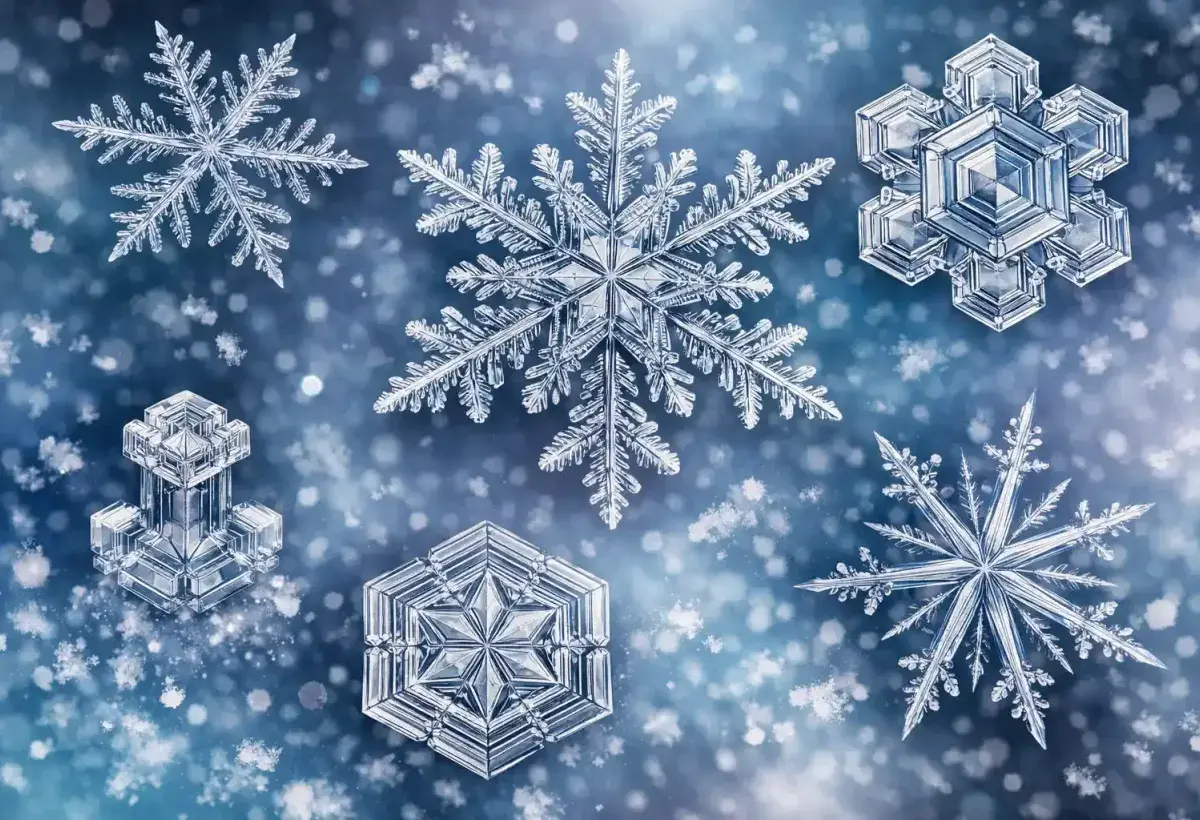
Most people think of ice as a single form, but there are actually many different types of ice. Scientists have identified several distinct structures that ice can take, depending on temperature and pressure. These forms are known as ice phases, and each one has a unique arrangement of water molecules.
The ice we commonly see, such as ice cubes and snow, is called ice one. It has a hexagonal structure, which is why snowflakes often have six sides. However, under extreme conditions, water can form other types of ice with very different properties. Some of these forms exist deep within planets or in laboratory settings where pressure is incredibly high.
These unusual forms of ice can be denser than liquid water, meaning they would sink instead of float. Others have different crystal patterns that change how they reflect light or conduct heat. While these types of ice are not found in everyday environments, they are important for understanding how water behaves in extreme conditions.
Studying these forms of ice helps scientists learn more about the universe. For example, certain types of ice may exist on distant moons or planets, influencing their structure and potential for life. By exploring these variations, researchers gain insight into both Earth and the wider cosmos.
The idea that ice can exist in so many different forms shows just how complex water really is. What seems like a simple substance is actually capable of adapting to a wide range of environments in surprising ways.
4. Ice Can Explode
Image
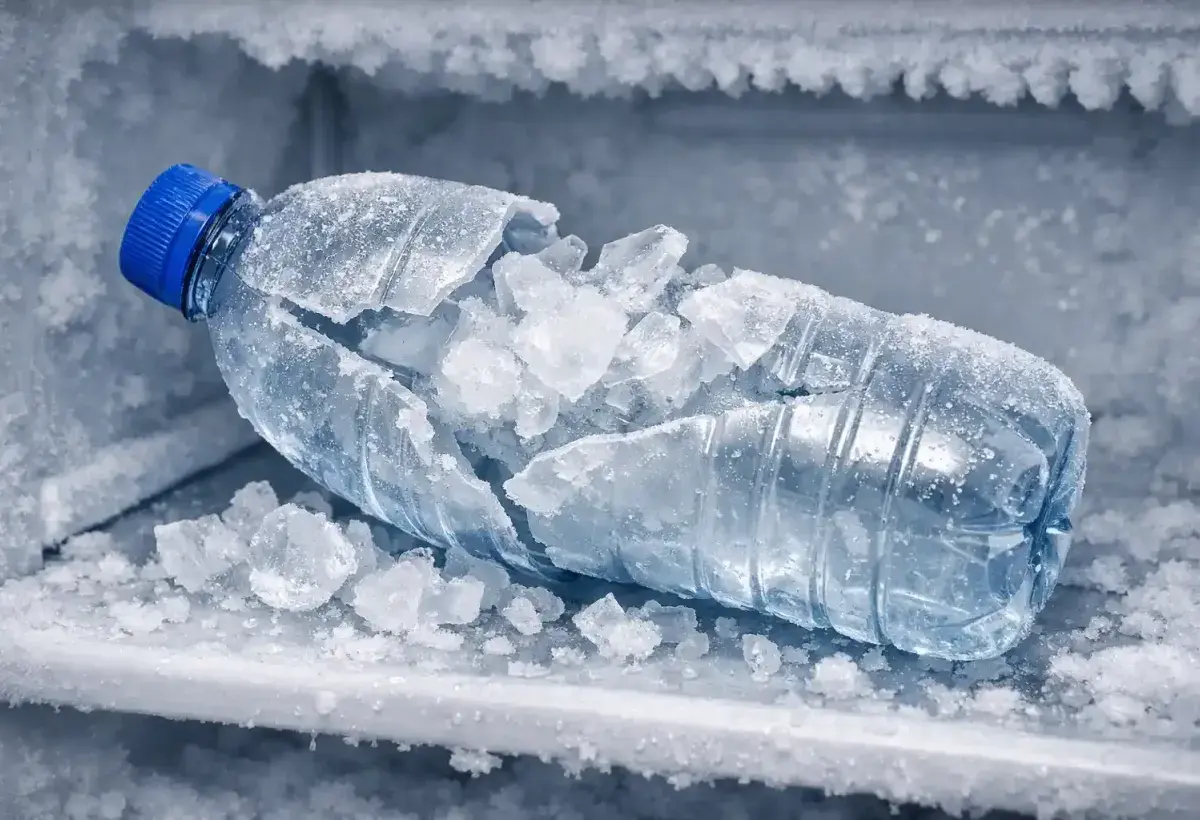
Ice can sometimes cause objects to break or even explode. This happens because water expands when it freezes. As liquid water turns into ice, it increases in volume, creating pressure inside any container that holds it.
If water is trapped inside a sealed bottle or pipe and then freezes, the expanding ice pushes outward with significant force. This pressure can become strong enough to crack metal, split rocks, or burst containers. It is the same reason why pipes can break during cold weather if they are not properly insulated.
This expanding force is also responsible for natural processes such as weathering. Water seeps into small cracks in rocks, freezes, and expands. Over time, this repeated process can break the rock apart. This contributes to the formation of soil and shapes landscapes over long periods.
In colder regions, this phenomenon can have serious consequences for infrastructure. Roads can develop cracks and potholes when water freezes and expands beneath the surface. Buildings and other structures must be designed to withstand these forces to prevent damage.
The idea that something as simple as freezing water can generate such powerful force highlights the hidden strength of ice. It is not just a passive material but an active force that can shape both natural and human made environments.
5. Ice Can Trap Ancient Air
Image
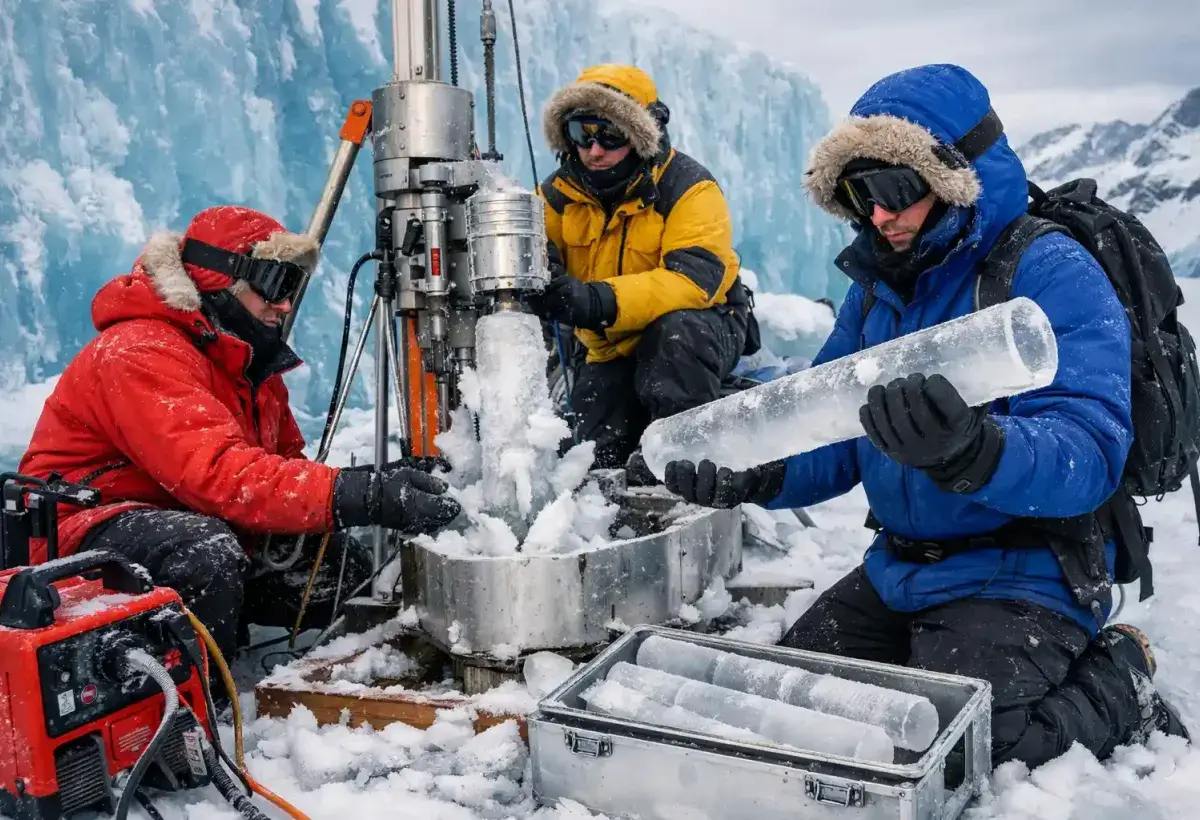
Ice has the remarkable ability to preserve tiny bubbles of air from the past. When snow falls and gradually compresses into ice, it traps small pockets of the atmosphere within it. Over time, these layers build up, creating a frozen record of Earth’s history.
Scientists study these trapped air bubbles by extracting ice cores from glaciers and polar ice sheets. Each layer of ice represents a different time period, sometimes going back hundreds of thousands of years. By analyzing the gases inside the bubbles, researchers can learn about past climates, atmospheric conditions, and even major environmental events.
This information helps scientists understand how Earth’s climate has changed over time and provides clues about future trends. It also allows researchers to track levels of carbon dioxide and other gases, offering insight into the impact of human activity.
Ice cores are one of the most valuable tools in climate science. They provide direct evidence of past conditions that cannot be obtained in any other way. Without ice, much of this historical data would be lost forever.
The ability of ice to preserve such detailed records shows that it is more than just frozen water. It is a natural archive that holds important information about the planet’s history and evolution.
6. Ice Is Slippery for a Surprising Reason
Image

Ice is famously slippery, but the reason behind this is more complex than it might seem. For a long time, people believed that ice was slippery because pressure from walking or skating caused it to melt slightly, creating a thin layer of water. While this can happen, it is not the whole story.
Scientists have discovered that the surface of ice naturally has a very thin layer of molecules that behave more like liquid water, even at temperatures below freezing. This layer reduces friction, making it easier for objects to slide across the surface.
This property is what allows ice skating to be possible. The low friction surface lets skates glide smoothly, creating the effortless motion seen on ice rinks. It also explains why walking on ice can be dangerous, as there is very little grip between your shoes and the surface.
The slipperiness of ice changes depending on temperature. When it is extremely cold, the surface layer becomes thinner, making ice slightly less slippery. When it is closer to melting, the layer becomes thicker, increasing the slippery effect.
Understanding why ice is slippery helps improve safety measures in cold environments. It also highlights how even simple experiences, like slipping on ice, are connected to deeper scientific principles.
7. Icebergs Are Mostly Hidden
Image
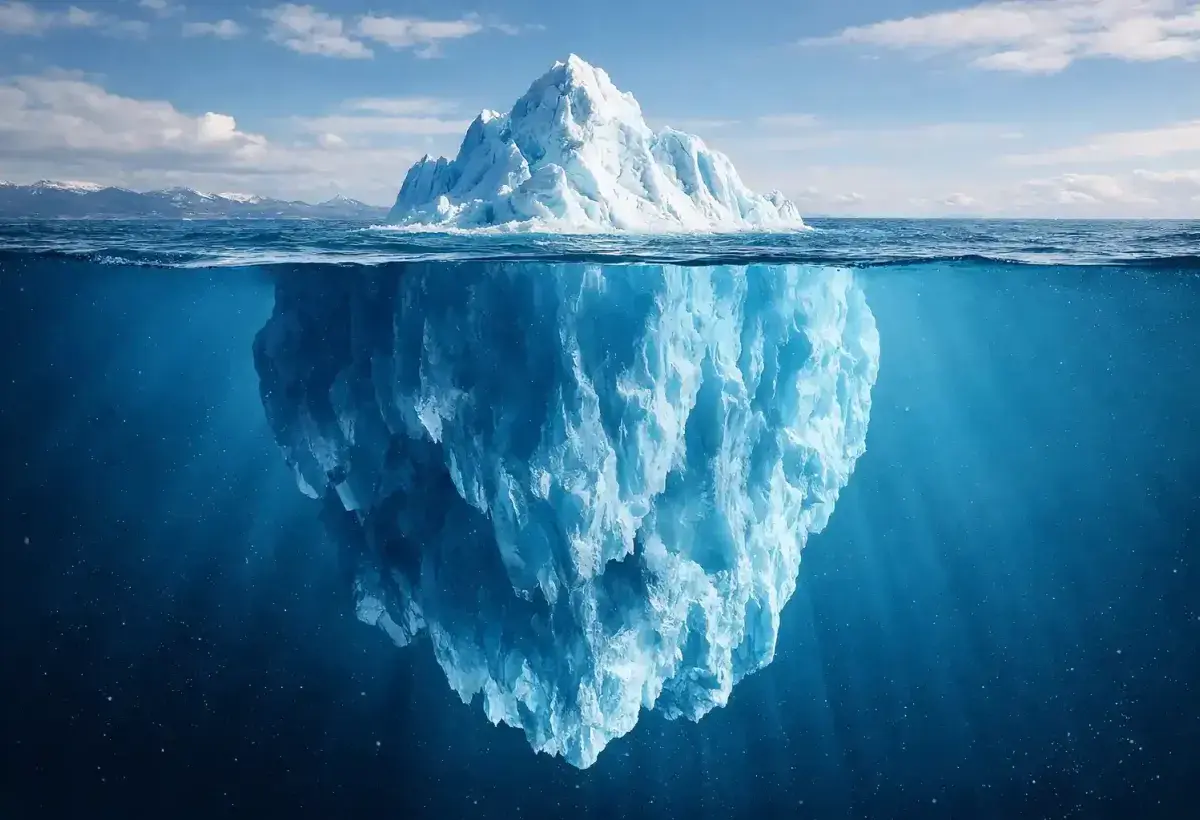
When you look at an iceberg, you are only seeing a small part of it. Most of an iceberg’s mass is hidden beneath the surface of the water. Typically, about ninety percent of an iceberg is underwater, while only a small portion is visible above.
This happens because ice is only slightly less dense than water. As a result, it floats with most of its volume submerged. This makes icebergs both fascinating and dangerous, especially for ships navigating icy waters.
The hidden portion of an iceberg can extend deep below the surface, making it difficult to detect and avoid. This characteristic played a role in historical events where ships collided with icebergs, leading to serious consequences.
Icebergs also play an important role in ocean ecosystems. As they slowly melt, they release fresh water and nutrients into the surrounding ocean. This can support marine life and influence local environments.
The fact that so much of an iceberg is hidden serves as a powerful reminder that appearances can be misleading. What we see on the surface often represents only a small part of a much larger reality.
8. Ice Can Burn
Image
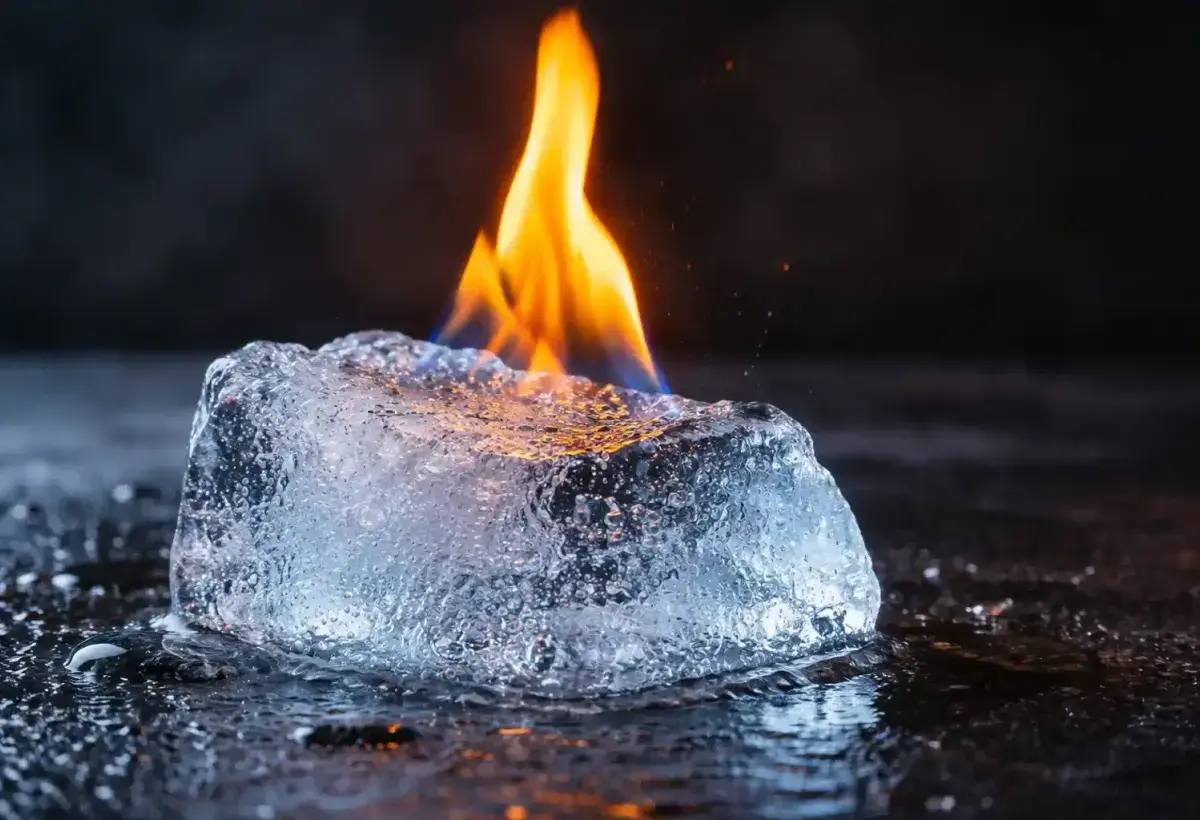
It might sound impossible, but some types of ice can actually burn. This phenomenon involves a substance known as methane hydrate, which is a form of ice that contains trapped methane gas. When this material is exposed to the right conditions, the methane can ignite, creating a flame.
Methane hydrate forms under high pressure and low temperature, typically on the ocean floor or in permafrost regions. The ice structure traps methane molecules inside, creating a solid that looks like regular ice but behaves very differently.
When brought to the surface and ignited, the methane escapes and burns, while the ice slowly melts. This creates the unusual sight of something that appears to be ice on fire.
This type of ice is of great interest to scientists because it represents a potential energy source. However, it also poses environmental risks. Methane is a powerful greenhouse gas, and its release could have significant impacts on climate.
The idea that ice can burn challenges our basic assumptions and shows how diverse and surprising frozen substances can be.
9. Ice Shapes the Earth
Image
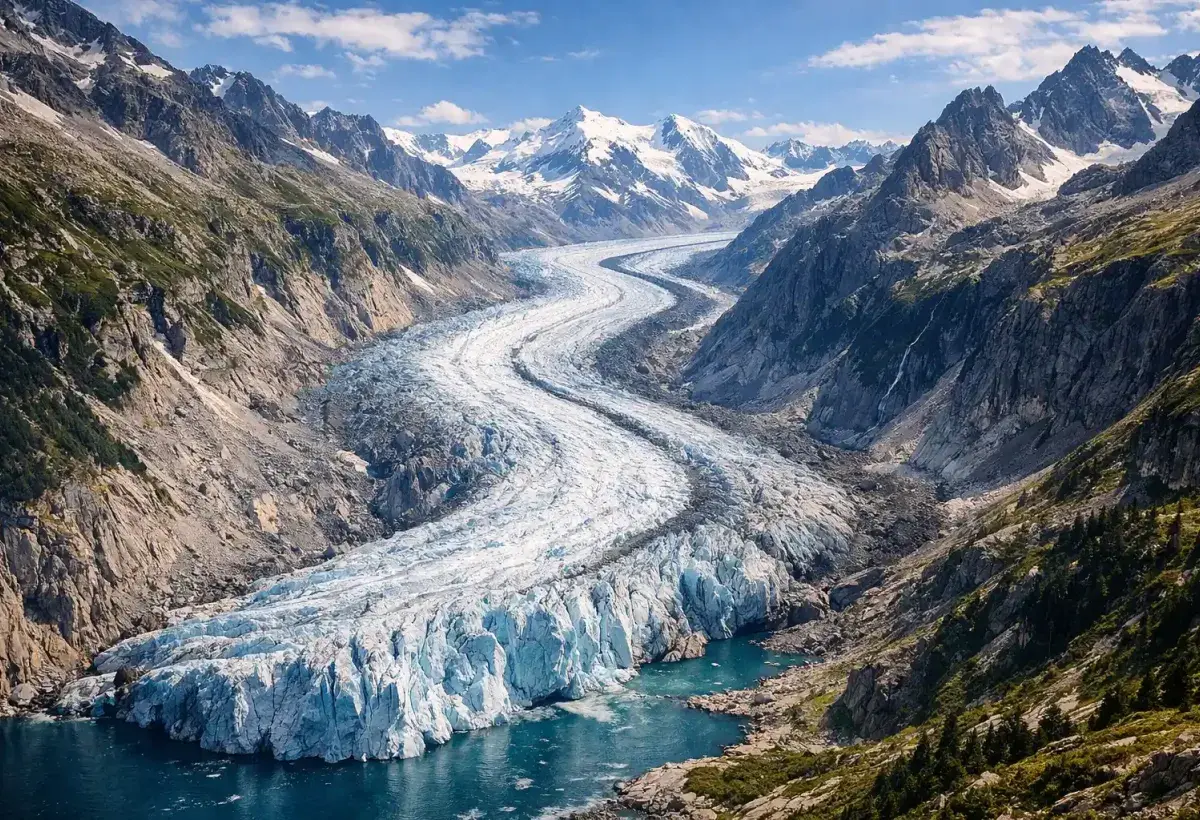
Ice has played a major role in shaping the Earth’s surface over millions of years. Glaciers, which are massive bodies of moving ice, slowly carve through landscapes as they advance and retreat. This process creates valleys, mountains, and other geological features.
As glaciers move, they pick up rocks and debris, grinding them against the ground beneath. This erosion can reshape entire regions, leaving behind unique formations such as U shaped valleys and deep fjords.
When glaciers melt, they deposit the materials they have carried, creating new landforms. These deposits can form hills, ridges, and plains, adding to the diversity of the landscape.
Ice also influences sea levels. During periods when large amounts of water are frozen in glaciers, sea levels drop. When the ice melts, sea levels rise. This cycle has occurred many times throughout Earth’s history, affecting coastlines and ecosystems.
The impact of ice on the planet is both powerful and long lasting. It is a force that continues to shape the world in ways that are both visible and hidden.
10. Ice Can Be Crystal Clear or Cloudy
Image
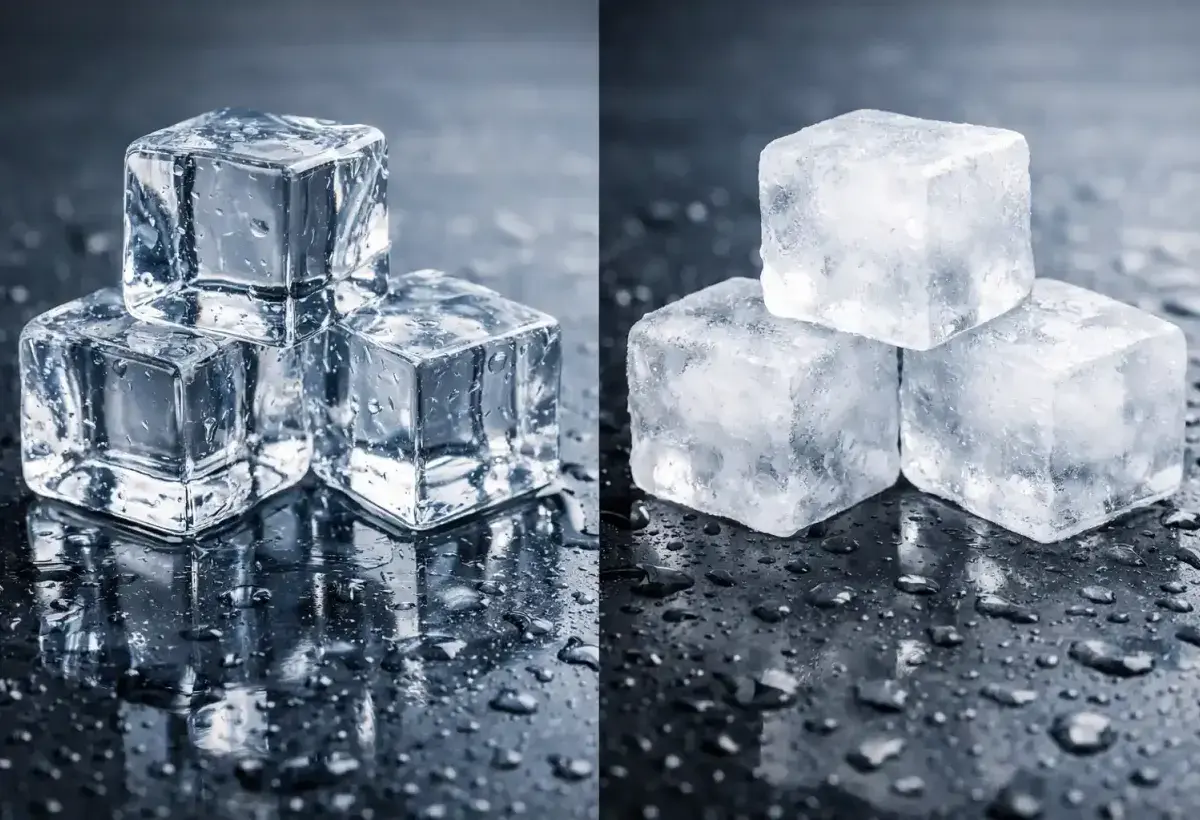
Not all ice looks the same. Some ice is perfectly clear, while other ice appears cloudy or white. The difference comes down to how the ice forms and what is trapped inside it.
Clear ice forms when water freezes slowly and allows air bubbles and impurities to escape. This creates a smooth, transparent structure that lets light pass through easily. Cloudy ice, on the other hand, forms more quickly, trapping air bubbles and particles inside. These trapped elements scatter light, giving the ice a white or opaque appearance.
This is why ice cubes made at home are often cloudy, while ice from specialized machines can be crystal clear. Clear ice is often preferred in drinks because it looks more appealing and melts more slowly.
The appearance of ice can also provide clues about its formation. Natural ice in lakes and rivers may have layers of clarity and cloudiness, reflecting changes in temperature and conditions over time.
This variation in appearance shows that even small differences in the freezing process can lead to noticeable changes. It is another example of how ice can reveal complex patterns through simple observations.
Ice is far more than just frozen water. It is a substance filled with complexity, mystery, and importance. From its unusual ability to float to its role in preserving ancient air, ice continues to surprise scientists and everyday observers alike. Each fact reveals a different aspect of how ice behaves and why it matters, both in nature and in human life.
What makes ice especially fascinating is how something so common can have such profound effects. It shapes landscapes, influences climate, and even helps sustain life in extreme environments. At the same time, it can be powerful enough to break solid objects or create dangerous conditions. This combination of simplicity and strength makes ice one of the most interesting materials on Earth.
The study of ice also connects us to larger questions about the planet and beyond. By examining ice on Earth, scientists gain insight into other worlds, past climates, and future changes. It serves as a bridge between everyday experience and scientific discovery.
Next time you see ice in a glass or on the ground, it may seem ordinary at first. But beneath that simple surface lies a world of fascinating science and hidden stories waiting to be explored.