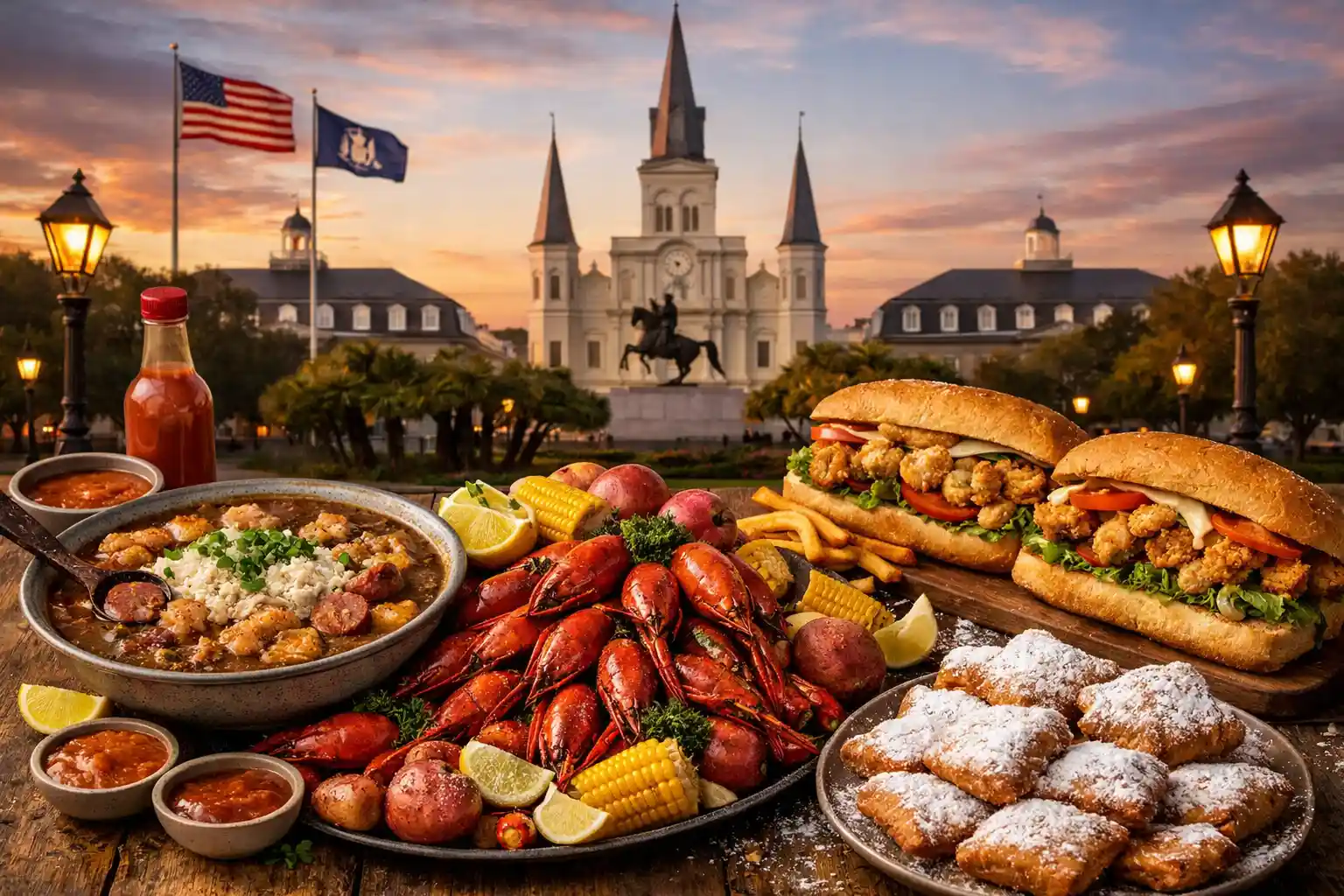
Louisiana is more than a place on the map. It is a living blend of cultures, stories, traditions, and flavors that cannot be duplicated anywhere else in the United States. From the French influence of New Orleans to the Cajun kitchens of the bayou and the Creole heritage that shaped generations of cooking, Louisiana has built one of the most recognizable food identities in the world. Every plate carries history. Every recipe tells a story passed through families, neighborhoods, fishing docks, and small roadside diners.
What makes Louisiana cuisine so unforgettable is the way it combines bold seasoning with deep comfort. Food here is not rushed. Meals are often tied to music, conversation, festivals, and gatherings that stretch for hours. A bowl of gumbo is never just soup. A plate of jambalaya is not simply rice and meat. These dishes represent survival, celebration, migration, and creativity developed over centuries. Ingredients that may seem ordinary elsewhere become extraordinary when prepared with Louisiana tradition.
Travelers often arrive expecting spicy food, but they leave discovering something far richer. Louisiana cooking is layered with smoky flavors, fresh seafood, slow cooked sauces, and recipes that balance heat with depth and soul. The state is famous for turning humble ingredients into dishes people remember for the rest of their lives. Whether it is crawfish pulled fresh from the water or powdered sugar covering warm beignets, the experience becomes part of the memory of visiting Louisiana itself.
While other places may attempt versions of these meals, the authentic experience belongs to the Bayou State. From legendary New Orleans classics to lesser known regional specialties, these dishes represent the heart of Louisiana cuisine.
1. Gumbo
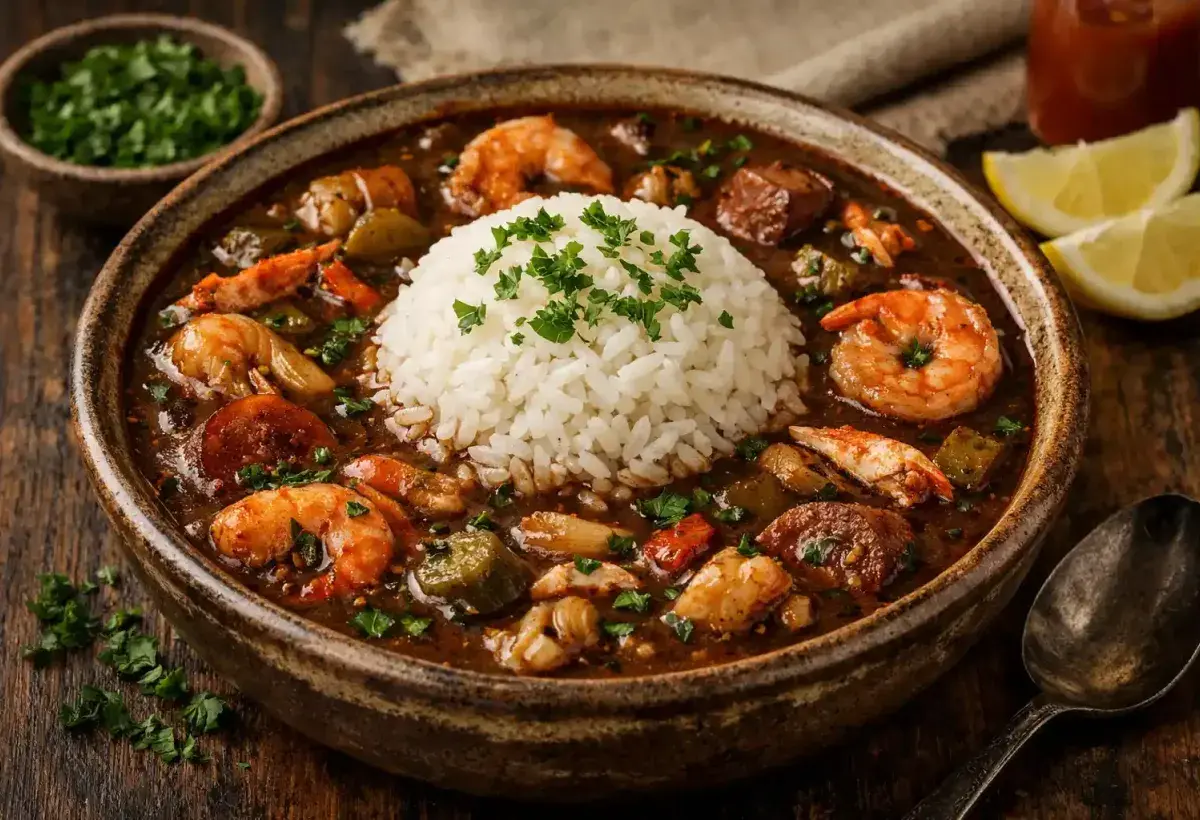
Gumbo stands as one of the greatest culinary symbols of Louisiana. Rich, hearty, and deeply flavorful, this famous dish combines influences from African, French, Spanish, and Native American traditions into one unforgettable bowl. At first glance it may look like a stew, but gumbo is much more complex than that. The dish begins with a roux, a slow cooked mixture of flour and fat that can take significant patience to prepare correctly. In Louisiana kitchens, the color of the roux often becomes a matter of family pride.
There is no single version of gumbo because every region and family adds its own touch. Some recipes focus heavily on seafood such as shrimp and crab, especially near the Gulf Coast. Others feature chicken and smoked sausage, creating a darker and smokier flavor profile. Okra is common in many recipes and even contributes to the name gumbo itself, which traces back to West African language roots connected to okra.
One reason gumbo feels so special is the way it captures Louisiana hospitality. Large pots are often cooked for gatherings, holidays, and celebrations. Gumbo is rarely rushed. Ingredients simmer together for hours, allowing flavors to blend into something comforting and deeply satisfying. Rice is usually served underneath the gumbo, soaking up the thick broth and seasoning.
Outside Louisiana, many restaurants attempt gumbo, but authentic versions are difficult to recreate. The balance of seasoning, the quality of local seafood, and the technique behind the roux make a major difference. In Louisiana, gumbo tastes connected to the place itself. The humidity, culture, music, and family traditions somehow become part of the experience.
For first time visitors, trying gumbo is almost a requirement. Whether eaten in a fine dining restaurant in New Orleans or a small roadside eatery deep in Cajun country, gumbo offers a direct taste of Louisiana history and identity.
Image
2. Crawfish Boil
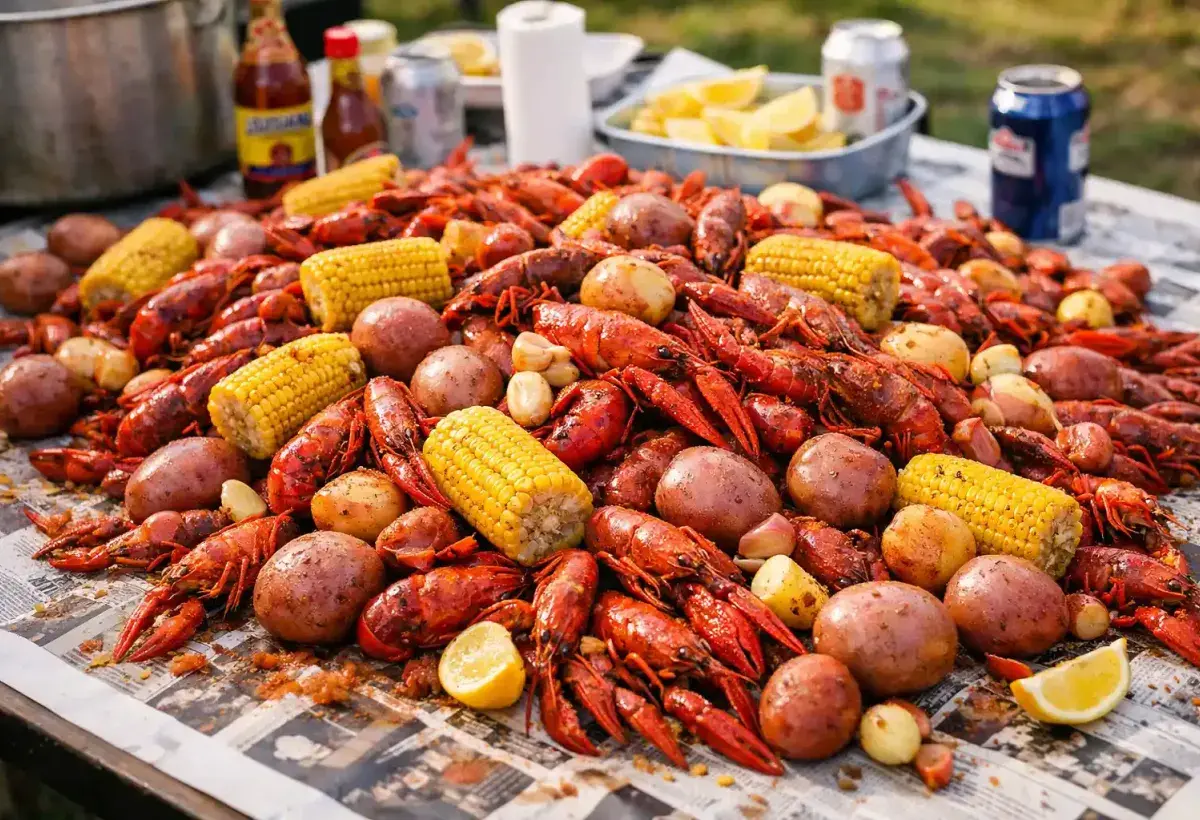
Few food experiences feel more uniquely Louisiana than attending a crawfish boil. This is not simply a meal. It is an event built around community, conversation, and celebration. During crawfish season, which usually peaks in spring, families and friends gather outdoors around giant boiling pots filled with crawfish, potatoes, corn, sausage, garlic, onions, and powerful Cajun seasoning.
Crawfish are small freshwater crustaceans that resemble miniature lobsters. Louisiana produces the overwhelming majority of crawfish in the United States, making them deeply connected to the identity of the state. The preparation process itself becomes entertainment. Massive pots boil with clouds of steam while the aroma of spices fills the air. Once cooked, the entire mixture is poured onto long tables covered in newspaper where everyone digs in together.
Eating crawfish takes patience and technique. Locals twist the tail from the body, peel the shell, and enjoy the flavorful meat inside. Many also suck the seasoned juices from the crawfish head, which is considered part of the authentic experience. Visitors may initially find the process messy, but that is part of the fun.
The seasoning blend is what separates Louisiana crawfish boils from anything found elsewhere. The flavors are intense, spicy, savory, and infused deeply into every ingredient in the pot. Potatoes and corn often become favorites because they absorb the spices so well. No two boils taste exactly alike because every cook has a preferred seasoning style.
Crawfish boils represent Louisiana culture at its most social and welcoming. Music plays in the background while people laugh, eat, and spend hours together outdoors. It reflects the relaxed and communal atmosphere that defines so much of life in the region.
Trying a true Louisiana crawfish boil gives visitors something more than food. It provides a memory tied to local traditions and shared experiences that cannot be duplicated in a typical restaurant setting.
Image
3. Beignets
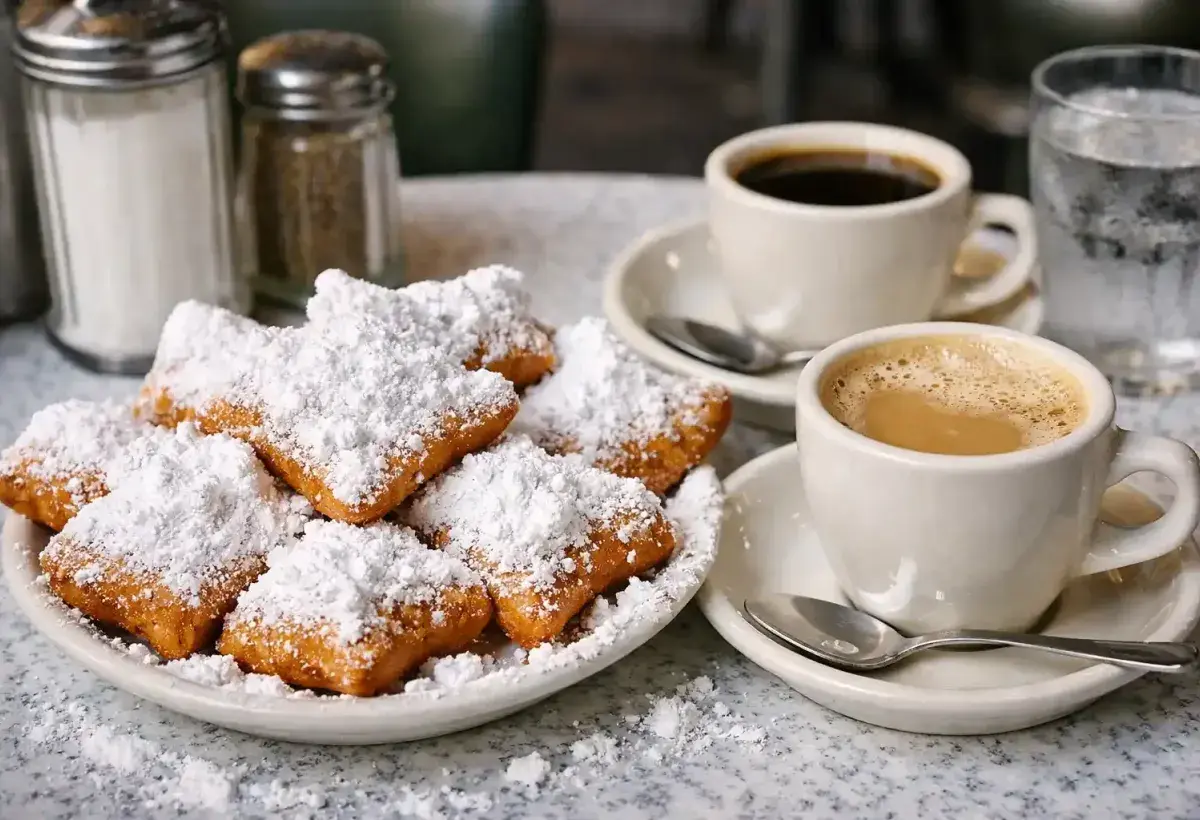
Beignets may appear simple at first glance, but these powdered sugar covered pastries have become one of Louisiana’s most iconic foods. Deeply tied to New Orleans culture, beignets reflect the city’s French roots while carrying a charm completely their own. Warm, fluffy, and lightly crisp on the outside, they are best enjoyed fresh with a hot cup of coffee.
Unlike traditional doughnuts, beignets are square shaped pieces of fried dough covered generously with powdered sugar. The sugar often ends up everywhere, on clothing, tables, and faces, but that is considered part of the experience. In New Orleans, enjoying beignets often feels tied to slowing down and taking in the atmosphere of the city itself.
The origins of beignets trace back to French settlers who brought recipes and techniques with them to Louisiana centuries ago. Over time, New Orleans transformed the pastry into a local staple. Today, visitors line up early in the morning or late into the night to enjoy fresh batches served straight from the fryer.
What makes Louisiana beignets special is not only the taste but also the environment where they are traditionally eaten. Open air cafes, jazz music nearby, and the energy of the French Quarter create an atmosphere that elevates the pastry beyond dessert. The smell of fried dough mixed with coffee drifting through the streets becomes unforgettable for many travelers.
While versions of beignets exist elsewhere, they rarely match the texture or atmosphere found in Louisiana. Freshness is essential. The pastry should be light and airy inside while maintaining a delicate crispness outside. When served hot with enough powdered sugar to create a small cloud with every bite, the result becomes both comforting and indulgent.
For many visitors, eating beignets becomes one of the defining memories of New Orleans. It captures the playful, flavorful, and historic spirit of Louisiana in one simple but unforgettable treat.
Image
4. Jambalaya
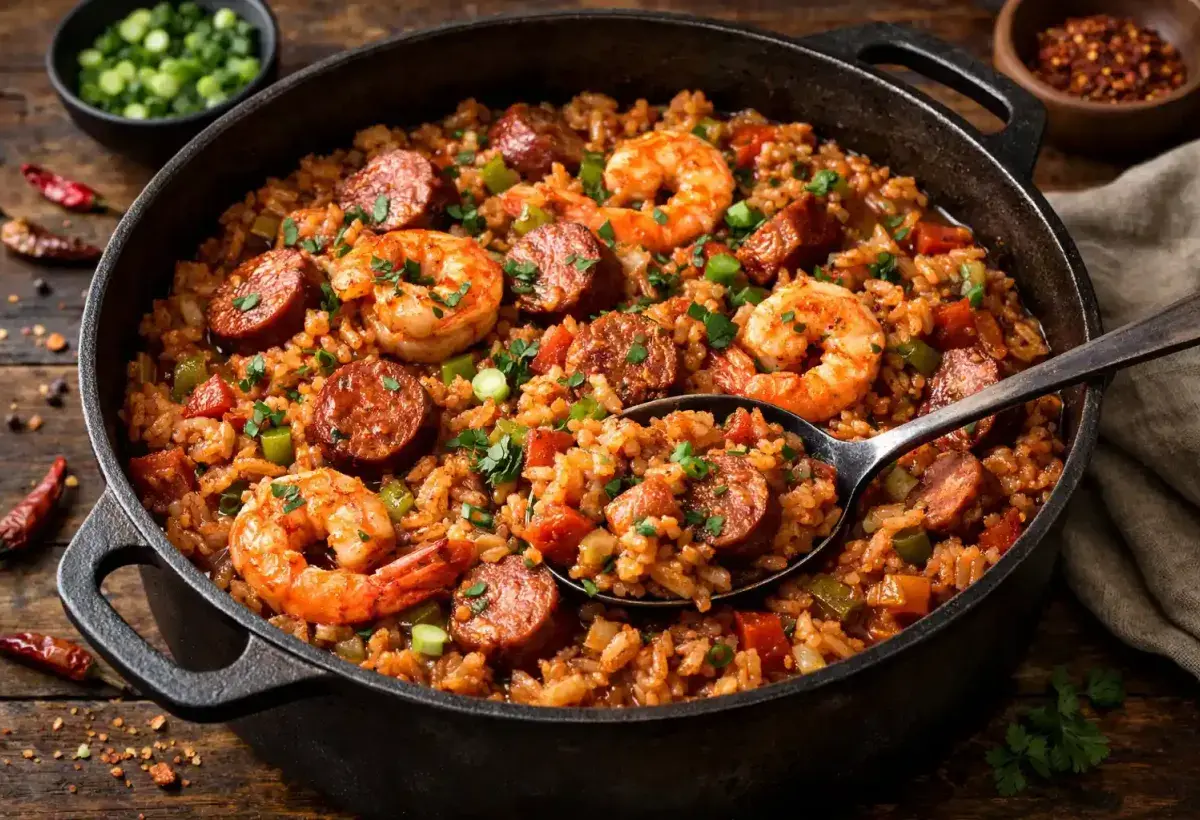
Jambalaya is one of Louisiana’s most beloved comfort foods and a perfect example of how the state blends multiple cultural influences into one dish. Combining rice, meat, seafood, vegetables, and seasoning into a single pot, jambalaya delivers rich flavor with remarkable simplicity. Though it shares similarities with Spanish paella, Louisiana transformed the concept into something entirely unique.
There are generally two main styles of jambalaya found across Louisiana. Creole jambalaya, often associated with New Orleans, includes tomatoes and tends to have a slightly red appearance. Cajun jambalaya, common in rural Louisiana, skips tomatoes and develops a darker color from browned meat and deep seasoning. Both styles are highly respected and fiercely defended by locals who grew up with family recipes.
A traditional jambalaya often includes smoked sausage, chicken, shrimp, or crawfish, though recipes vary widely. The holy trinity of Louisiana cooking, onions, celery, and bell peppers, forms the flavorful foundation of the dish. Everything cooks together slowly, allowing the rice to absorb the spices and juices from the proteins.
One reason jambalaya became so important historically is practicality. Large batches could feed families and communities using affordable ingredients while still delivering satisfying flavor. Over time, it evolved into a staple for festivals, sporting events, family reunions, and neighborhood gatherings.
The texture of authentic jambalaya is critical. The rice should not be mushy or overly wet. Instead, every grain should hold flavor while remaining distinct. Achieving this balance takes experience and patience, which is why the best jambalaya often comes from longtime Louisiana cooks who learned the process through generations.
Eating jambalaya in Louisiana feels different because the dish reflects the rhythm of the state itself. It is warm, communal, flavorful, and deeply tied to tradition. Whether served at a festival in Lafayette or a small family gathering in Baton Rouge, jambalaya remains one of the clearest expressions of Louisiana identity.
Image
5. Po Boy Sandwich
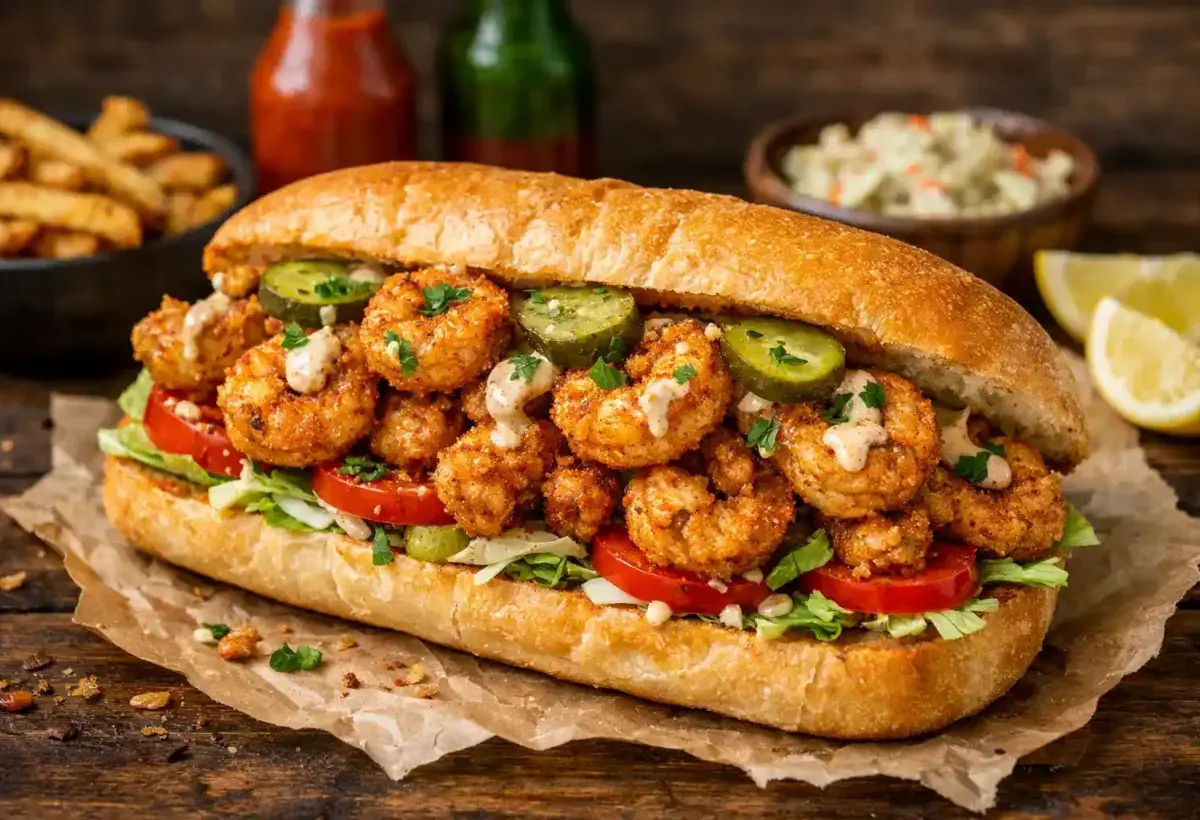
The po boy sandwich is one of Louisiana’s greatest contributions to American comfort food. Built on crispy French bread and packed with fillings ranging from fried shrimp to roast beef, the po boy represents the working class history and creativity of New Orleans cuisine. Simple in concept but unforgettable in flavor, it has become a signature food across the state.
The sandwich originated during a streetcar strike in New Orleans in the early twentieth century. Restaurant owners reportedly served free sandwiches to the striking workers, referring to them as poor boys, which eventually became shortened to po boys. Over time, the sandwich evolved into a local institution with endless variations.
Seafood po boys remain among the most famous versions. Fried shrimp, oysters, or catfish are layered onto fresh bread with lettuce, tomato, pickles, and mayonnaise. The bread itself is extremely important. Authentic Louisiana French bread has a crispy crust with a soft interior that perfectly balances the fillings.
Roast beef po boys are equally iconic and completely different in style. Tender roast beef is cooked slowly until rich and flavorful, then served with gravy that often soaks into the bread. Locals sometimes describe these sandwiches as messy in the best possible way.
What makes the po boy stand out is the combination of texture and seasoning. The crunch of fried seafood, the softness of the bread, and the bold Cajun flavors create something deeply satisfying. Every shop claims to have the best version, leading to passionate local debates across Louisiana.
Beyond taste, the po boy reflects the personality of New Orleans itself. It is unpretentious, flavorful, welcoming, and tied closely to local culture. Visitors can find po boys in small corner shops, busy restaurants, and neighborhood diners throughout the state.
Trying a true Louisiana po boy means experiencing a sandwich that goes beyond fast food. It represents history, resilience, and the creativity that defines Louisiana cooking traditions.
Image
6. Red Beans and Rice
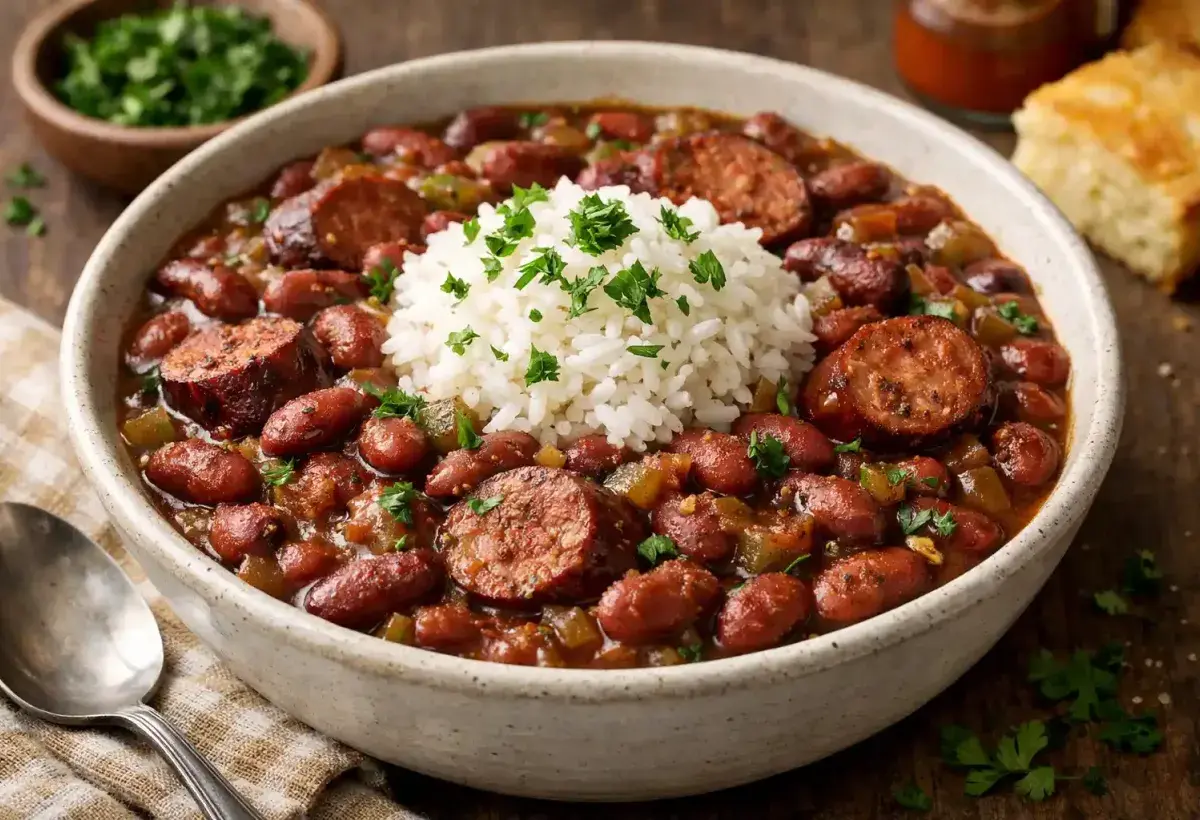
Red beans and rice may sound simple, but in Louisiana it represents tradition, comfort, and family routine. This classic dish became deeply connected to Mondays in New Orleans, when families traditionally used leftover ham bones from Sunday meals to flavor slow cooked beans while handling household chores like laundry.
The dish combines red kidney beans with smoked sausage, onions, celery, bell peppers, garlic, and rich seasoning. Everything cooks slowly for hours until the beans become creamy and flavorful. Served over rice, the result is filling, affordable, and deeply comforting.
Louisiana versions stand apart because of their seasoning and texture. The beans should become smooth and rich without turning completely into paste. Smoked sausage adds depth and spice while herbs and seasoning create layers of flavor beyond what many people expect from beans and rice.
Part of what makes the dish special is how closely it reflects Louisiana culture. Great food in Louisiana is not always expensive or complicated. Many iconic dishes grew from practical cooking traditions that transformed humble ingredients into unforgettable meals.
Restaurants throughout Louisiana continue the Monday tradition by serving red beans and rice as a featured special. For locals, the meal often carries nostalgia tied to childhood memories, family kitchens, and community gatherings.
Visitors may initially overlook red beans and rice compared to more famous dishes like gumbo or jambalaya. However, many leave surprised by how satisfying and flavorful it can be. The slow cooking process allows every ingredient to blend into a rich and savory dish that feels deeply comforting.
Authentic Louisiana red beans and rice captures the spirit of home cooking at its best. It is warm, filling, and connected to generations of tradition that continue today.
Image
7. Boudin
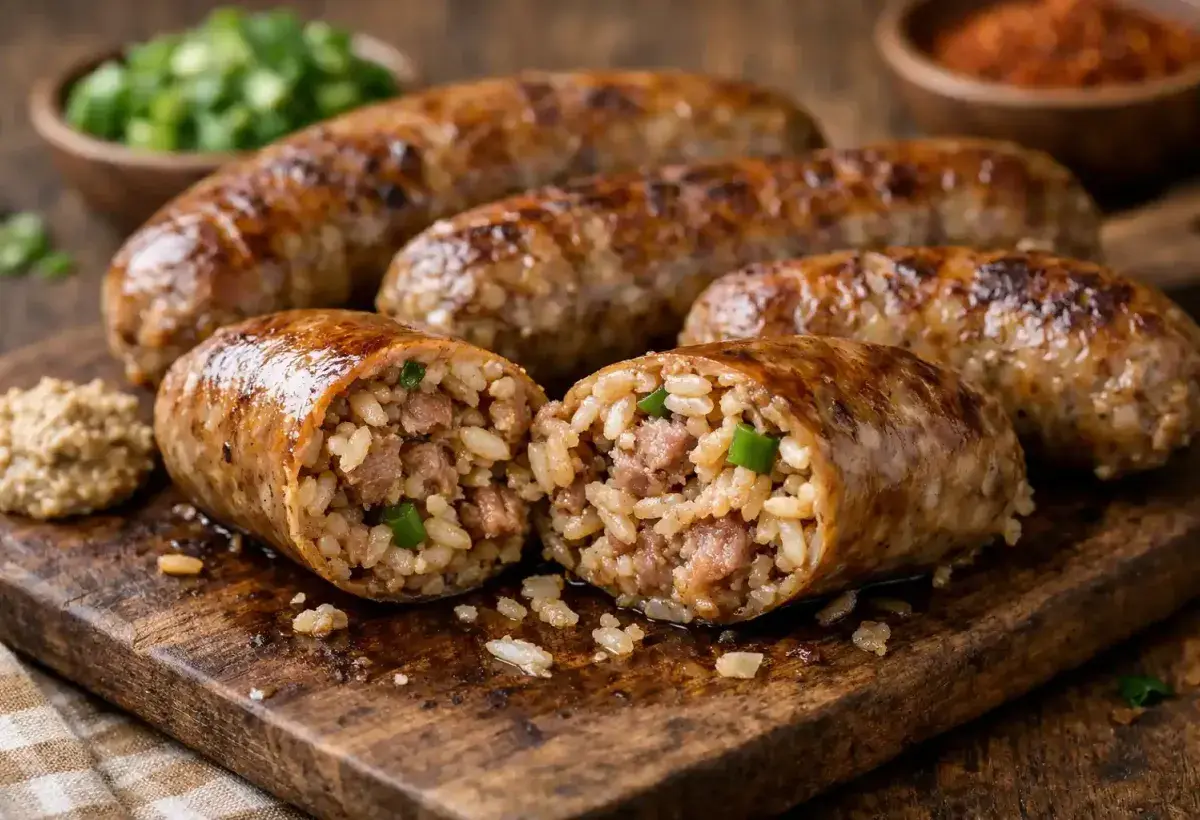
Boudin is one of Louisiana’s most distinctive foods and a true Cajun specialty that many visitors discover for the first time while traveling through small towns and roadside markets. At its core, boudin is a sausage filled with pork, rice, onions, peppers, and seasoning, but describing it that way barely captures its importance in Louisiana culture.
The texture of boudin is softer and more delicate than most sausages because the rice blends with the meat mixture inside the casing. Some versions are spicy while others lean more savory and smoky. Boudin is commonly steamed, grilled, or smoked, and it is often eaten casually by hand.
One reason boudin became popular was efficiency. Cajun communities historically used every part of the animal and transformed available ingredients into flavorful meals that could feed families affordably. Over time, boudin evolved into a beloved regional delicacy found throughout southern Louisiana.
Travelers driving through Cajun country often stop at specialty meat markets that have built loyal followings around their particular boudin recipe. Local pride runs deep, and debates about which town serves the best boudin can become surprisingly serious.
There are also modern variations that showcase Louisiana creativity. Seafood boudin, crawfish boudin, and smoked boudin balls have become increasingly popular. Boudin balls are especially loved at gas stations and local markets where the sausage mixture is rolled into balls, breaded, and fried until crispy outside and soft inside.
Outside Louisiana, authentic boudin can be difficult to find because the preparation style is highly regional. Many versions elsewhere fail to capture the balance of seasoning and texture that Louisiana cooks achieve.
Trying boudin offers visitors a taste of everyday Cajun life rather than tourist focused cuisine. It reflects resourcefulness, tradition, and local pride in a way few foods can. For many travelers, discovering good boudin becomes one of the highlights of exploring rural Louisiana.
Image
8. Étouffée
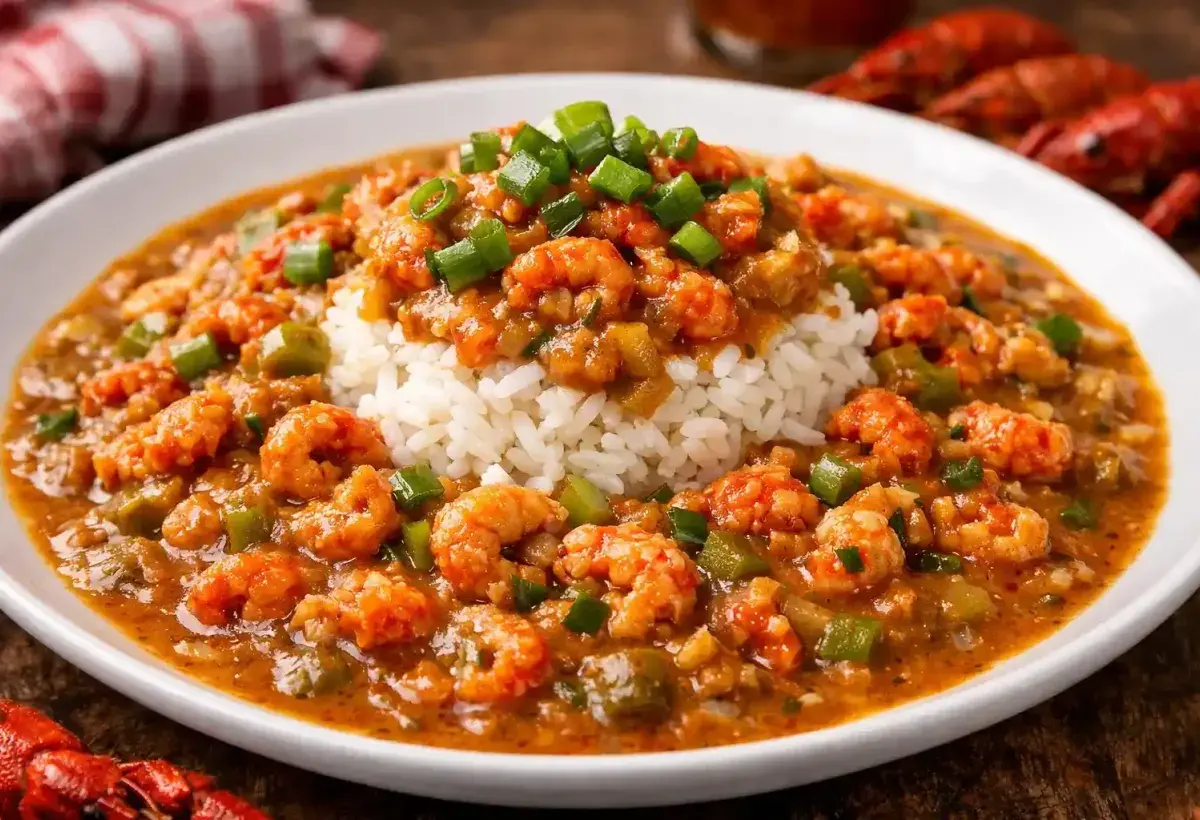
Étouffée is one of Louisiana’s richest and most comforting dishes, known for its silky sauce and deep seafood flavor. The name comes from a French word meaning smothered, which perfectly describes the cooking method where seafood is simmered gently in a flavorful sauce until tender and infused with seasoning.
Crawfish étouffée is perhaps the most famous version, though shrimp is also common. The dish begins with butter, onions, celery, peppers, and garlic cooked slowly to create a rich foundation. Unlike darker gumbo, étouffée usually features a lighter roux that allows the seafood flavor to remain front and center.
Served over rice, étouffée delivers a balance of richness, spice, and comfort. The sauce should feel smooth and velvety without becoming too heavy. Louisiana cooks often emphasize patience because rushing the process can flatten the flavors.
What makes étouffée especially memorable is the quality of Louisiana seafood. Fresh crawfish tails or Gulf shrimp create a sweetness that pairs beautifully with Cajun seasoning and butter based sauces. In many ways, the dish captures the connection between Louisiana cuisine and the waters surrounding the state.
Étouffée also reflects the blending of Cajun and Creole influences that defines much of Louisiana cooking. It combines French technique with local ingredients and regional seasoning traditions to create something entirely unique.
Many visitors discover étouffée in New Orleans restaurants, but some of the best versions are found in smaller family owned establishments across southern Louisiana. Recipes are often guarded closely and passed down through generations.
Outside Louisiana, étouffée is frequently misunderstood or oversimplified. Authentic versions depend heavily on proper seafood, balanced seasoning, and cooking technique. When done correctly, the dish becomes rich without overwhelming the natural sweetness of the seafood.
For anyone exploring Louisiana cuisine, étouffée offers a perfect example of how the state transforms simple ingredients into deeply flavorful comfort food that stays memorable long after the meal ends.
Image
9. Muffuletta
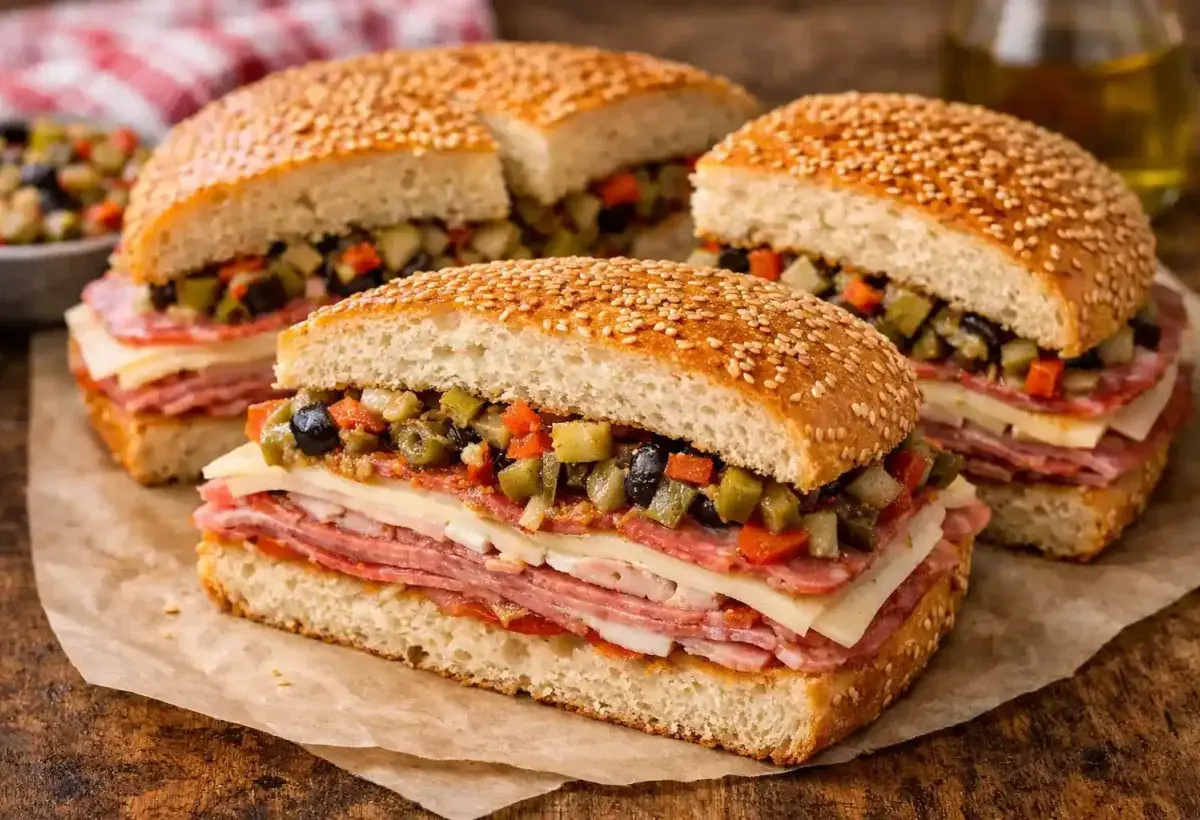
The muffuletta is one of New Orleans’ most famous sandwiches and a powerful reminder of the city’s immigrant influences. Created by Sicilian communities that settled in Louisiana, the sandwich combines Italian meats, cheese, olive salad, and round sesame bread into a massive and flavorful creation unlike anything else in the United States.
At first glance, the muffuletta may appear overwhelming because of its size and stacked layers. Traditional versions include salami, ham, mortadella, provolone, and mozzarella. However, the true heart of the sandwich is the olive salad, a tangy mixture of olives, garlic, celery, herbs, and oil that soaks into the bread and ties everything together.
The bread itself is also unique. Muffuletta bread is round, slightly dense, and topped with sesame seeds. It holds the heavy fillings without falling apart while absorbing flavor from the olive mixture.
Unlike many sandwiches that are best eaten immediately, muffulettas often improve after resting because the ingredients blend together over time. This quality made them practical for workers seeking large, satisfying meals during long days in New Orleans markets and docks.
The sandwich reflects the diversity of Louisiana food culture. While Cajun and Creole traditions dominate many discussions about the state’s cuisine, the muffuletta highlights the major role immigrant communities played in shaping local flavors.
Authentic muffulettas are difficult to recreate outside Louisiana because the balance between bread, olive salad, and meats is very specific. Many versions elsewhere either overload the sandwich or miss the signature flavor that the olive mixture provides.
Eating a muffuletta in New Orleans feels connected to the rhythm of the city itself. It is hearty, bold, flavorful, and designed to be shared. For visitors, it offers a delicious look into another side of Louisiana’s rich culinary identity.
Image
10. Bananas Foster
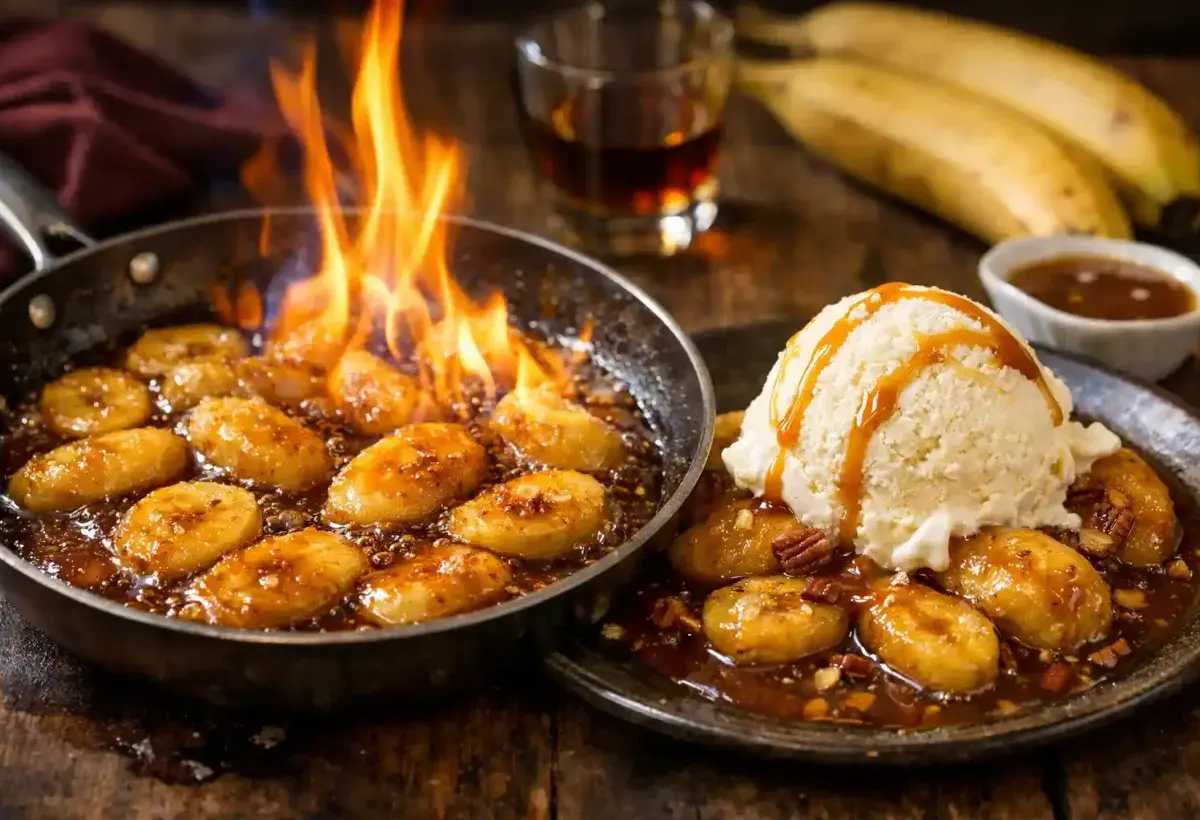
Bananas Foster is one of Louisiana’s most famous desserts and one of the few dishes that combines flavor with dramatic presentation. Created in New Orleans during the mid twentieth century, the dessert features bananas cooked in butter, brown sugar, cinnamon, and rum before being flambéed and served over vanilla ice cream.
The flaming presentation immediately captures attention, but the flavor is what made Bananas Foster legendary. The heat caramelizes the sugar and creates a rich sauce that blends beautifully with the sweetness of bananas and the cold creaminess of ice cream.
New Orleans restaurants helped popularize the dessert during a period when the city served as a major port for imported bananas. Local chefs transformed a common fruit into a theatrical dessert that quickly became associated with upscale Louisiana dining.
Despite its elegance, Bananas Foster remains deeply comforting. The warm sauce melting into the ice cream creates a contrast of temperature and texture that feels indulgent without becoming overly heavy. Cinnamon and rum add depth while allowing the banana flavor to remain central.
Part of the appeal comes from the experience itself. Watching flames rise from the pan while servers prepare the dessert tableside adds excitement and energy to the meal. In many New Orleans restaurants, Bananas Foster becomes a memorable event rather than simply the final course.
Outside Louisiana, many restaurants imitate the dessert, but authentic New Orleans versions often feel more balanced and refined. The caramel sauce should be smooth and rich without tasting burnt or overly sweet.
Bananas Foster represents another side of Louisiana cuisine. While many famous dishes focus on rustic comfort food, this dessert showcases the elegance and showmanship connected to New Orleans dining culture.
For travelers ending a Louisiana food journey, Bananas Foster provides a perfect finale. It is rich, celebratory, and unforgettable, much like Louisiana itself.
Image
Louisiana cuisine is unlike food from anywhere else in America because it reflects centuries of culture, migration, survival, and celebration blended into every bite. These dishes are not simply recipes copied from cookbooks. They are living traditions passed through families, neighborhoods, fishing communities, and local restaurants that continue to preserve the spirit of the state.
What makes Louisiana food so memorable is the emotional connection people have with it. A bowl of gumbo can remind someone of family gatherings during storms and holidays. A crawfish boil becomes tied to music, laughter, and long afternoons outdoors. Even something as simple as a po boy sandwich carries history connected to workers, immigrants, and the growth of New Orleans itself.
Visitors often arrive expecting spicy food and leave realizing Louisiana cuisine is far more layered and meaningful. The flavors are bold, but they are also balanced, comforting, and deeply tied to place. Fresh seafood from the Gulf, smoked meats, rich sauces, and generations of cooking knowledge combine to create food that feels authentic in every sense of the word.
Another reason Louisiana stands apart is the way food connects people together. Meals are rarely rushed. Cooking is often communal. Festivals, parties, and family gatherings revolve around dishes meant to be shared. That spirit of hospitality becomes part of the flavor itself.
Whether you are enjoying powdered sugar covered beignets in New Orleans or tasting homemade boudin in a small Cajun town, each dish offers a direct connection to Louisiana’s identity. These foods capture the music, warmth, resilience, and creativity that define the Bayou State.
For anyone planning a future trip, exploring Louisiana through its cuisine may become the most unforgettable part of the journey. Long after the vacation ends, the flavors tend to stay with you. That lasting impression is exactly why Louisiana remains one of the greatest food destinations in the world.