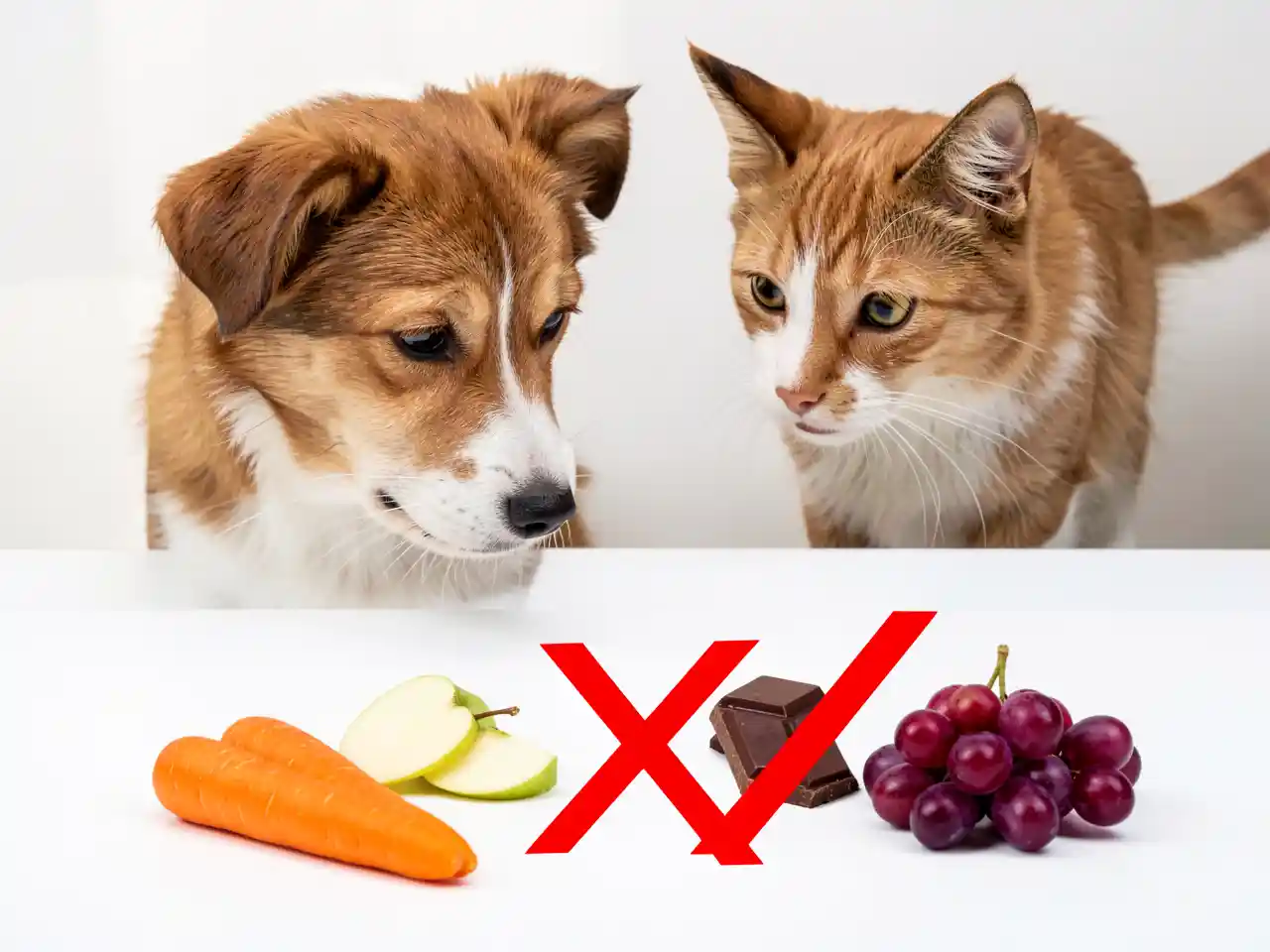
As pet parents, we love treating our furry friends—but not all "human" foods are safe for them. Some can cause mild tummy trouble, while others can lead to serious health issues, or even be fatal.
Here are the top 10 foods you should never feed your pets, whether you're raising a playful puppy, a cuddly cat, or anything in between.
🚫 1. Chocolate
Why it's dangerous: Contains theobromine and caffeine, which are toxic to dogs and cats.
What it can cause: Vomiting, diarrhea, tremors, seizures, or even death.
🚫 2. Grapes and Raisins
Why it's dangerous: Even a small amount can cause kidney failure in dogs.
What it can cause: Vomiting, lethargy, and loss of appetite.
🚫 3. Onions, Garlic, Leeks, and Chives
Why it's dangerous: These can damage red blood cells and cause anemia.
What it can cause: Weakness, vomiting, and breathing difficulties.
🚫 4. Xylitol (Found in Sugar-Free Gum, Candy, and Baked Goods)
Why it's dangerous: Causes a dangerous insulin spike in dogs.
What it can cause: Hypoglycemia, seizures, liver failure.
🚫 5. Alcohol
Why it's dangerous: Even small amounts can be toxic.
What it can cause: Vomiting, difficulty breathing, tremors, coma.
🚫 6. Cooked Bones
Why it's dangerous: They can splinter and cause choking or internal injuries.
What it can cause: Blockages, bleeding, and damage to the digestive tract.
🚫 7. Avocado
Why it's dangerous: Contains persin, which is harmful to some pets (especially birds, rabbits, and horses).
What it can cause: Vomiting and diarrhea in dogs and cats.
🚫 8. Caffeine (Coffee, Tea, Energy Drinks)
Why it's dangerous: Pets are far more sensitive to caffeine than humans.
What it can cause: Restlessness, rapid heart rate, muscle tremors.
🚫 9. Raw Dough or Yeast
Why it's dangerous: Can expand in your pet's stomach and produce alcohol.
What it can cause: Bloating, discomfort, and potential alcohol poisoning.
🚫 10. Milk and Dairy Products
Why it's dangerous: Many pets are lactose intolerant.
What it can cause: Gas, diarrhea, and upset stomach.
🐶 Final Reminder:
Even if your pet begs for a bite, stick to pet-safe treats. When in doubt, always ask your vet before sharing your food.
Their health depends on what we feed them—and love sometimes means saying no to those puppy eyes. 💛