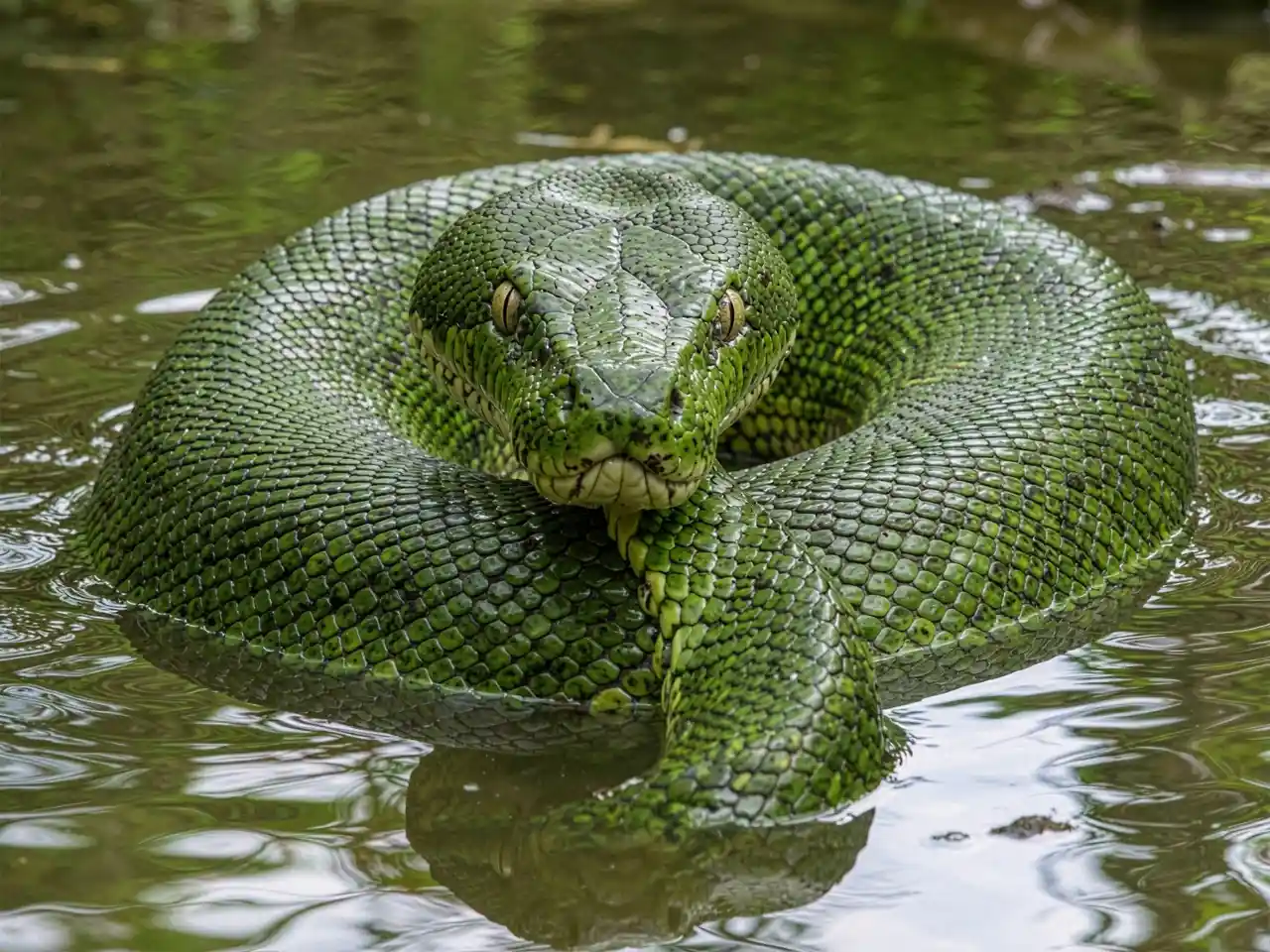
Deep within the lush waterways of South America lives one of the most fascinating and misunderstood reptiles on Earth, the anaconda. Known for its massive size and quiet strength, this snake has inspired stories, myths, and even Hollywood films. Yet beyond the dramatic portrayals lies a creature that plays an important role in its ecosystem. The anaconda is not just a symbol of power, but also of balance in the natural world.
Most people imagine the anaconda as an aggressive monster waiting to strike, but in reality it is a patient and efficient predator that spends much of its time hidden beneath the surface of rivers and swamps. Its ability to remain almost invisible in murky waters makes it one of the most effective hunters in its habitat. Despite its intimidating reputation, attacks on humans are extremely rare, and the snake prefers to avoid confrontation whenever possible.
There are several species of anaconda, with the green anaconda being the largest and most well known. These snakes thrive in warm, wet environments such as the Amazon Basin, where they have adapted perfectly to a semi aquatic lifestyle. Their bodies are built for both strength and stealth, allowing them to move effortlessly through water while remaining nearly undetectable.
Understanding the anaconda means looking beyond fear and into the remarkable biology and behavior that define it. From its incredible size to its unique hunting methods, every aspect of this snake reveals something extraordinary.
1. The Anaconda Is the Heaviest Snake in the World
Image
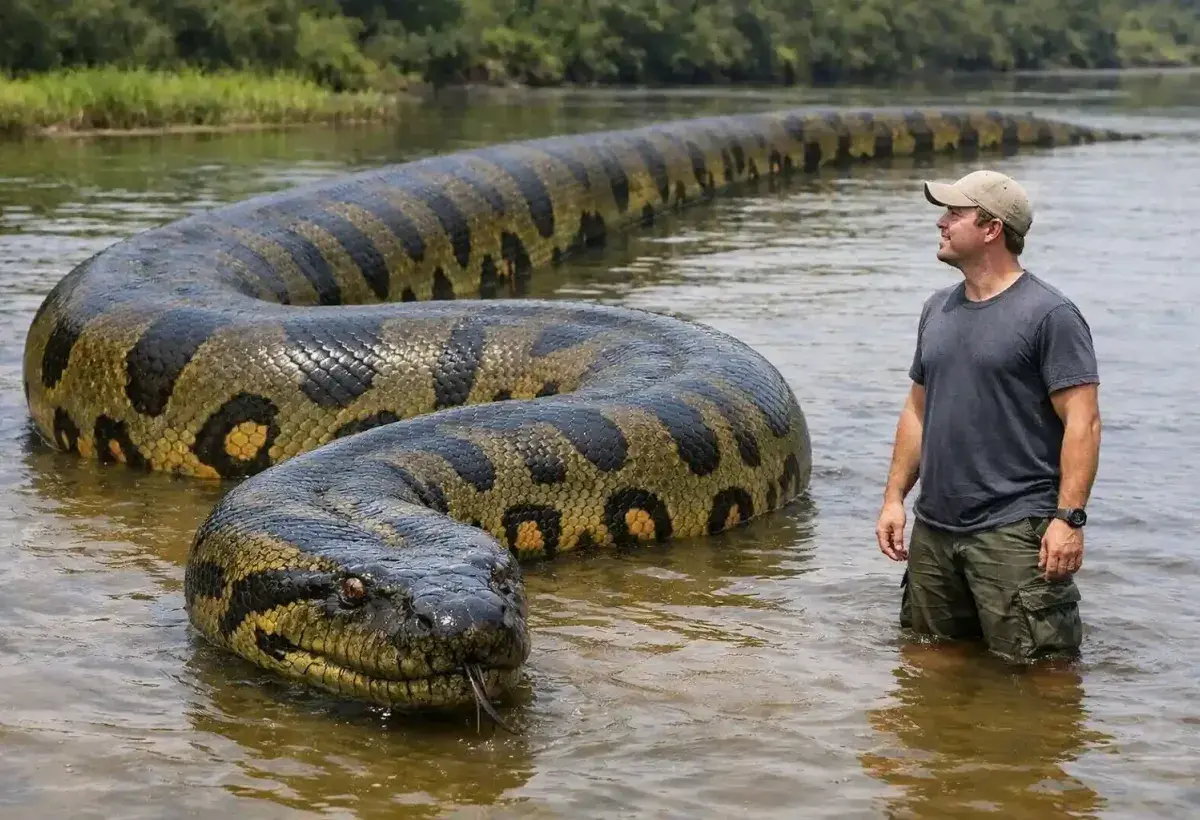
When people think about the largest snake in the world, they often focus on length, but weight tells a more impressive story. The anaconda is the heaviest snake on Earth, surpassing even longer species such as the Reticulated Python in overall mass. Some of the largest recorded individuals can exceed two hundred kilograms, with bodies so thick that a single coil can be as wide as a human torso.
This massive build is not just for appearance. The anaconda depends on its size and strength to capture prey. Its powerful muscles allow it to wrap tightly around animals and restrict their movement and circulation. This gives it the ability to take down large prey such as capybaras and deer. The thicker its body, the more pressure it can apply, making it an extremely effective predator.
Water plays a major role in supporting this size. Living in rivers and swamps allows buoyancy to reduce the strain on its body. On land, such weight would limit movement and growth, but in water, the anaconda can move more freely and maintain its massive structure. This environment supports both its size and hunting style.
Stories of enormous anacondas have circulated for generations, often exaggerating their true size. While some claims are unrealistic, verified scientific observations confirm that they are among the most massive reptiles alive. Their weight combined with their strength makes them one of the most formidable animals in their habitat.
The anaconda’s size is a perfect example of how evolution shapes a creature to dominate its environment. Its sheer mass is not just impressive but essential for survival.
2. Anacondas Spend Most of Their Time in Water
Image
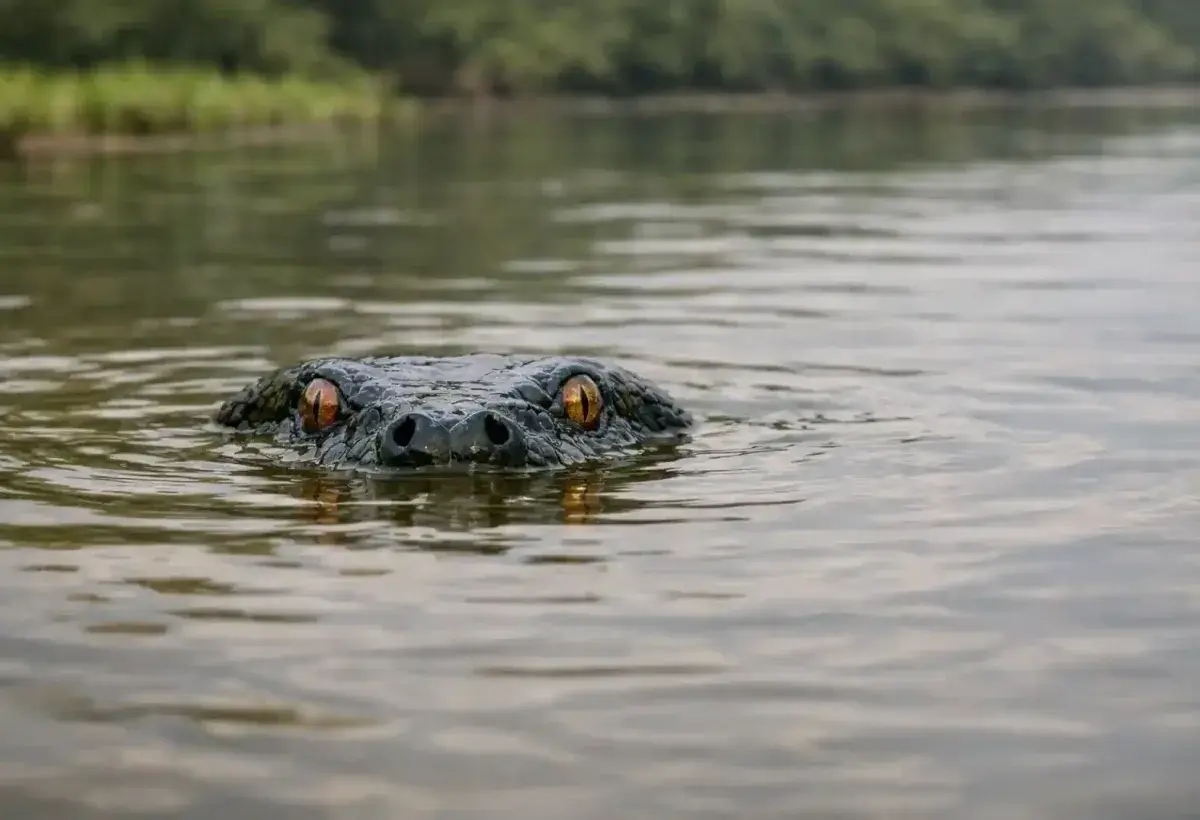
Anacondas are highly adapted to aquatic life and spend most of their time in water. These snakes live in rivers, marshes, and flooded forests where their bodies are perfectly suited for survival. Their eyes and nostrils are positioned on top of their heads, allowing them to stay almost completely submerged while still being able to see and breathe.
This feature gives them a major advantage when hunting. By remaining hidden beneath the surface, they can approach prey without being noticed. To other animals, the visible part of the snake may appear to be a floating object or part of the environment. This allows the anaconda to strike quickly and with precision when the moment is right.
Movement in water is also much easier for them than on land. Their large bodies glide smoothly with minimal resistance, making them surprisingly agile. This ability allows them to navigate dense vegetation and complex waterways while searching for food.
Water also provides protection. On land, anacondas can be slower and more vulnerable, but in water they become dominant predators. They can easily retreat if threatened and use the environment to their advantage.
Their dependence on aquatic environments defines their entire lifestyle. The anaconda is not simply a snake that can swim but a species that relies on water for hunting, movement, and survival. This adaptation has allowed it to thrive in some of the most challenging ecosystems in the world.
3. They Kill by Constriction, Not Poison
Image
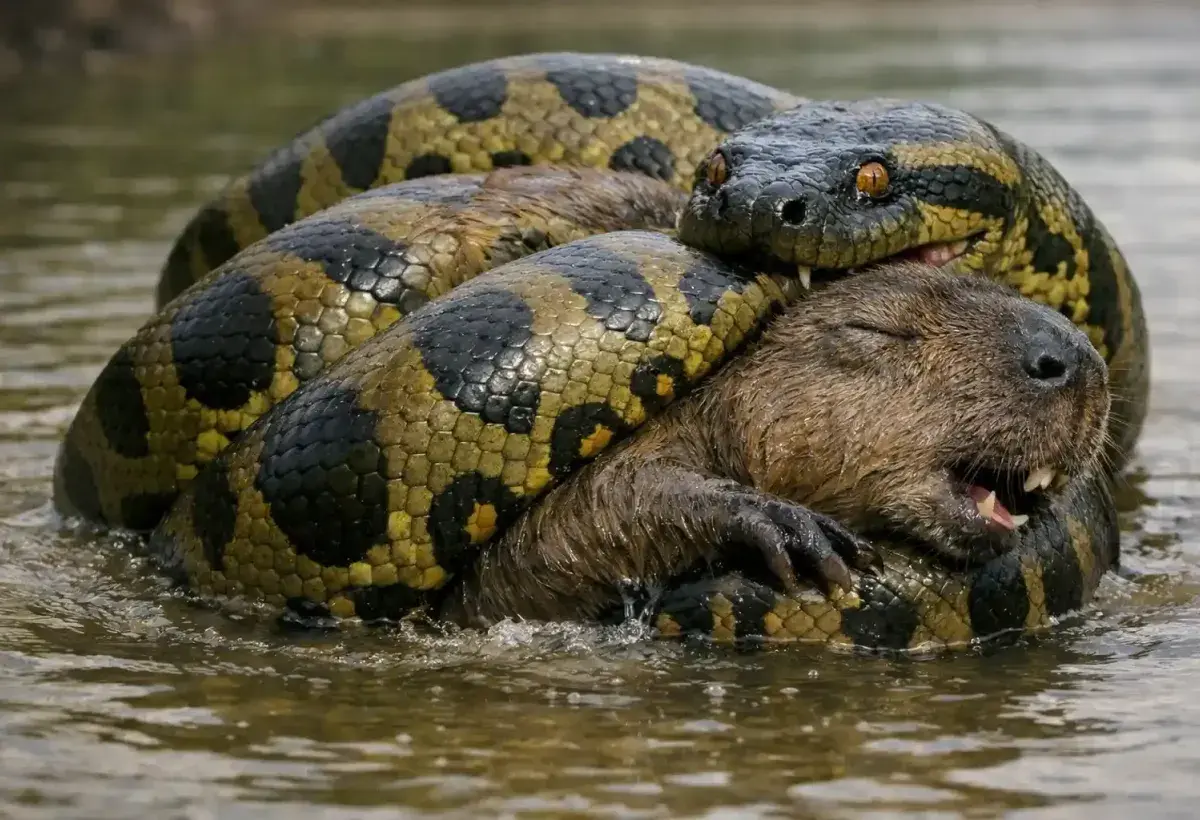
A common misconception is that anacondas use venom to kill their prey, but they are actually non venomous constrictors. Instead of relying on toxins, they depend entirely on strength and technique. When hunting, the anaconda strikes quickly and grabs its prey using sharp teeth that curve backward, preventing escape.
Once it has secured its grip, the snake wraps its body around the prey. Each time the animal exhales, the anaconda tightens its coils slightly. This prevents the lungs from expanding and restricts blood flow, leading to a rapid loss of consciousness. Contrary to popular belief, the snake does not crush bones but instead stops circulation.
This method allows the anaconda to capture animals much larger than itself. After the prey is subdued, the snake begins the process of swallowing it whole. Its jaws are highly flexible, allowing it to open wide enough to consume large animals in a single piece.
Digestion takes time and requires a great deal of energy. After eating, the snake often becomes inactive and rests while its body processes the meal. This efficiency allows it to survive long periods without needing to hunt again.
The absence of venom does not make the anaconda less dangerous. Its strength and precision make it one of the most effective predators in its environment, capable of taking down large prey through pure physical power.
4. Female Anacondas Are Much Larger Than Males
Image
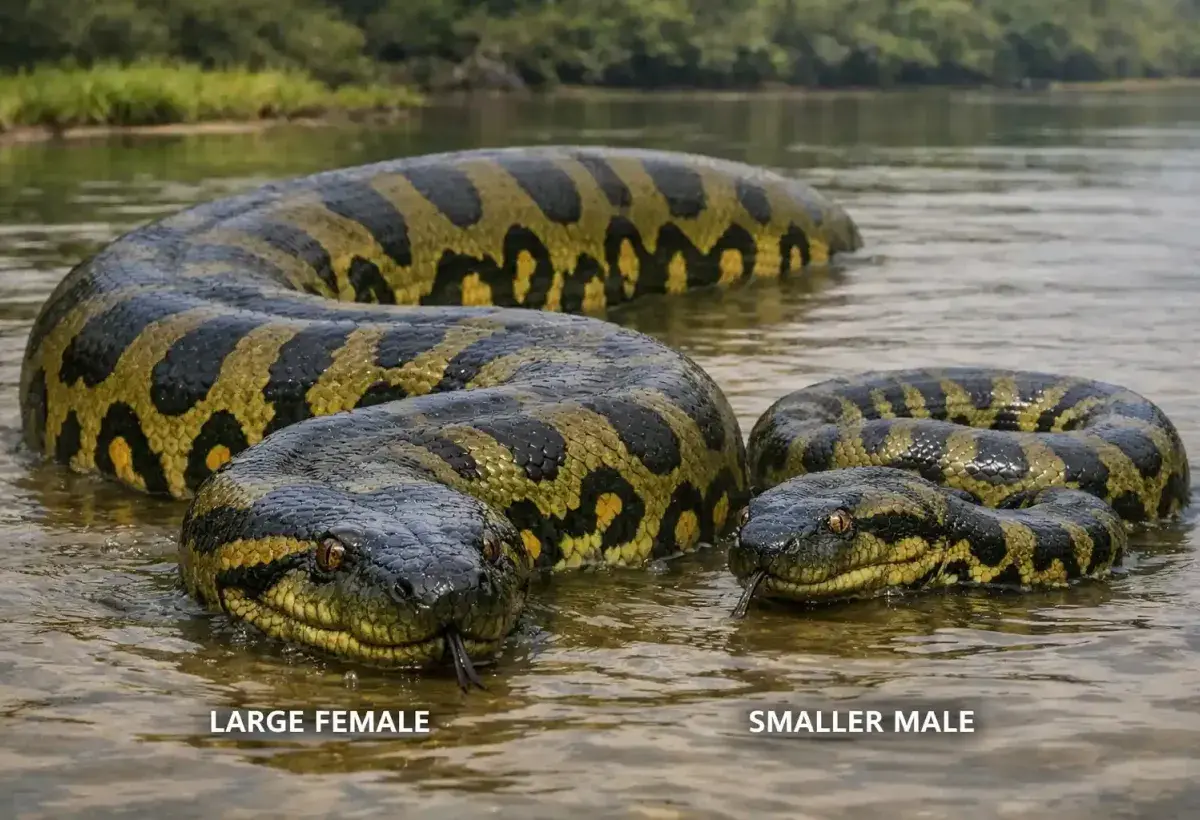
In the world of anacondas, females are much larger than males, a difference that plays a crucial role in reproduction. This size difference is known as sexual dimorphism and is common among certain reptiles. Female anacondas can be several times heavier and longer than males.
This larger size provides important advantages. It allows females to carry and develop more offspring, increasing the chances of successful reproduction. During breeding season, multiple males may gather around a single female, forming what is known as a breeding group. In this situation, males compete for the opportunity to mate.
The female’s size gives her control over the process. She can select the strongest or most persistent male, which helps ensure that her offspring inherit strong traits. This selective process contributes to the overall health of the species.
Being larger also allows females to hunt bigger prey. This is important because reproduction requires a significant amount of energy. By consuming larger animals, females can support the development of their young more effectively.
This size difference is not just an interesting detail but a key part of the anaconda’s survival strategy. It highlights the importance of females in maintaining the population and shows how evolution has shaped the species for success.
5. Anacondas Give Birth to Live Young
Image
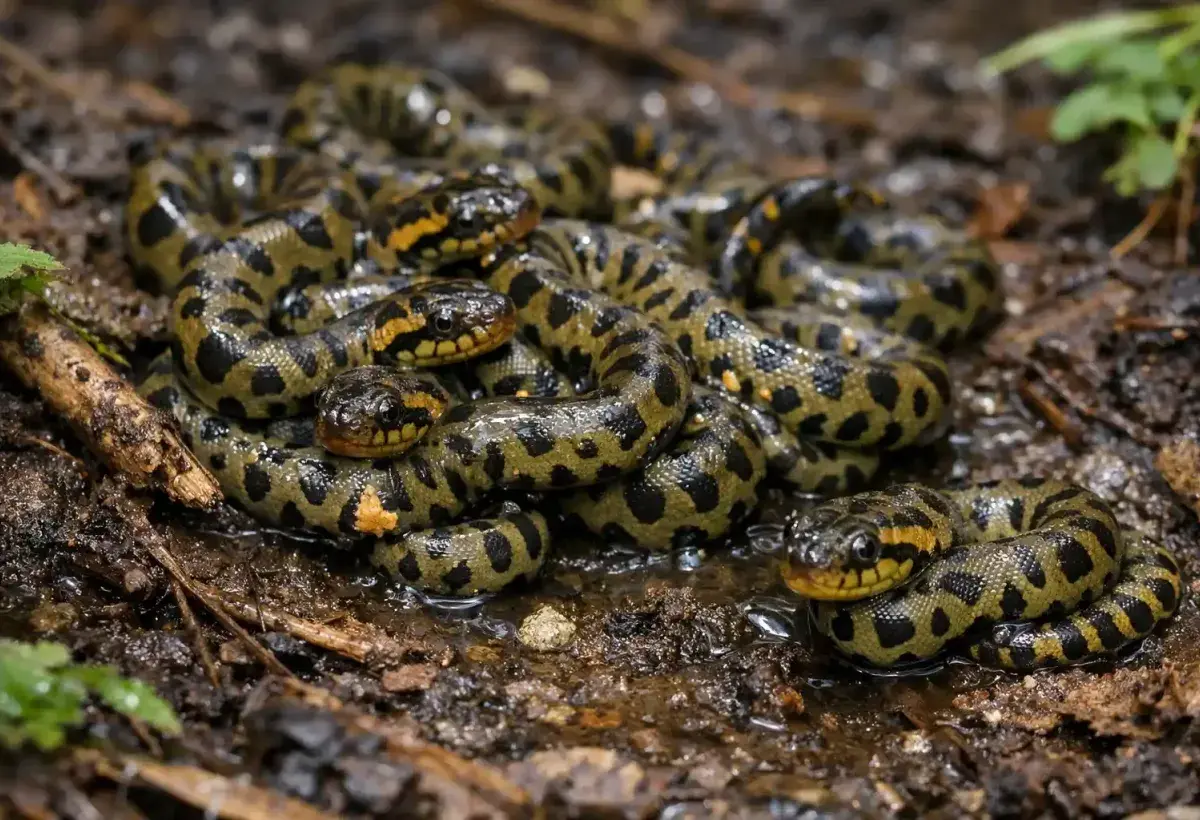
Unlike many reptiles that lay eggs, anacondas give birth to live young. This reproductive method is known as ovoviviparity, where the eggs develop inside the mother’s body until they are ready to hatch. The young are born fully formed and ready to survive on their own.
This approach offers several advantages. By keeping the developing embryos inside her body, the female protects them from predators and environmental dangers. In the unpredictable conditions of their habitat, this greatly increases survival rates.
A single female can give birth to a large number of offspring, often between twenty and forty. Each newborn is already capable of movement and basic hunting. However, the mother does not provide care after birth, so the young must rely entirely on instinct.
From the moment they are born, they face many challenges. Predators such as birds and larger reptiles pose constant threats. Only a small percentage will survive to adulthood, but those that do are well adapted to their environment.
This reproductive strategy reflects the resilience of the species. By producing many independent offspring at once, the anaconda increases its chances of survival across generations. It is another example of how this remarkable snake has evolved to thrive in the wild.
6. They Can Go Weeks Without Eating
Image
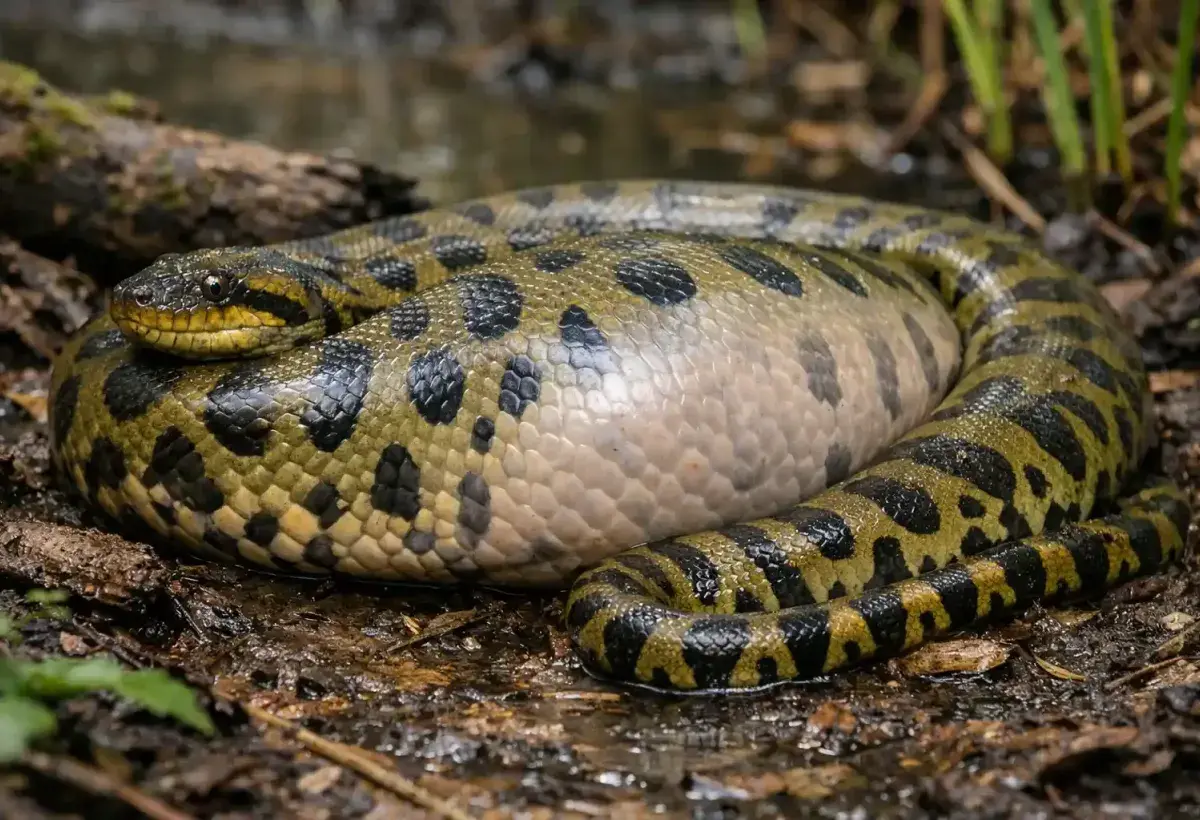
Anacondas have one of the most efficient metabolisms among large predators, allowing them to survive for long periods without food. After consuming a large meal, they can go weeks or even months before needing to eat again. This ability is especially important in environments where prey is not always easy to find.
When an anaconda eats, it consumes its prey whole. Its jaws stretch widely, and its body expands to accommodate the meal. Once the prey is inside, digestion begins. This process is extremely demanding and requires a large amount of energy. The snake’s internal systems become highly active as it breaks down bones, tissue, and organs.
During digestion, the anaconda becomes less active. It often retreats to a safe and hidden location where it can rest without disturbance. Movement is minimized because digestion works best when the body is still. This also reduces the risk of attracting predators while it is in a vulnerable state.
The nutrients from a single large meal can sustain the snake for an extended period. This reduces the need for frequent hunting, which can be dangerous and energy consuming. By eating less often, the anaconda conserves energy and lowers its exposure to risk.
This ability to survive long periods without food is one of the reasons the anaconda is such a successful predator. It allows the snake to adapt to changing conditions and maintain its strength even when resources are limited.
7. Anacondas Are Excellent Swimmers
Image
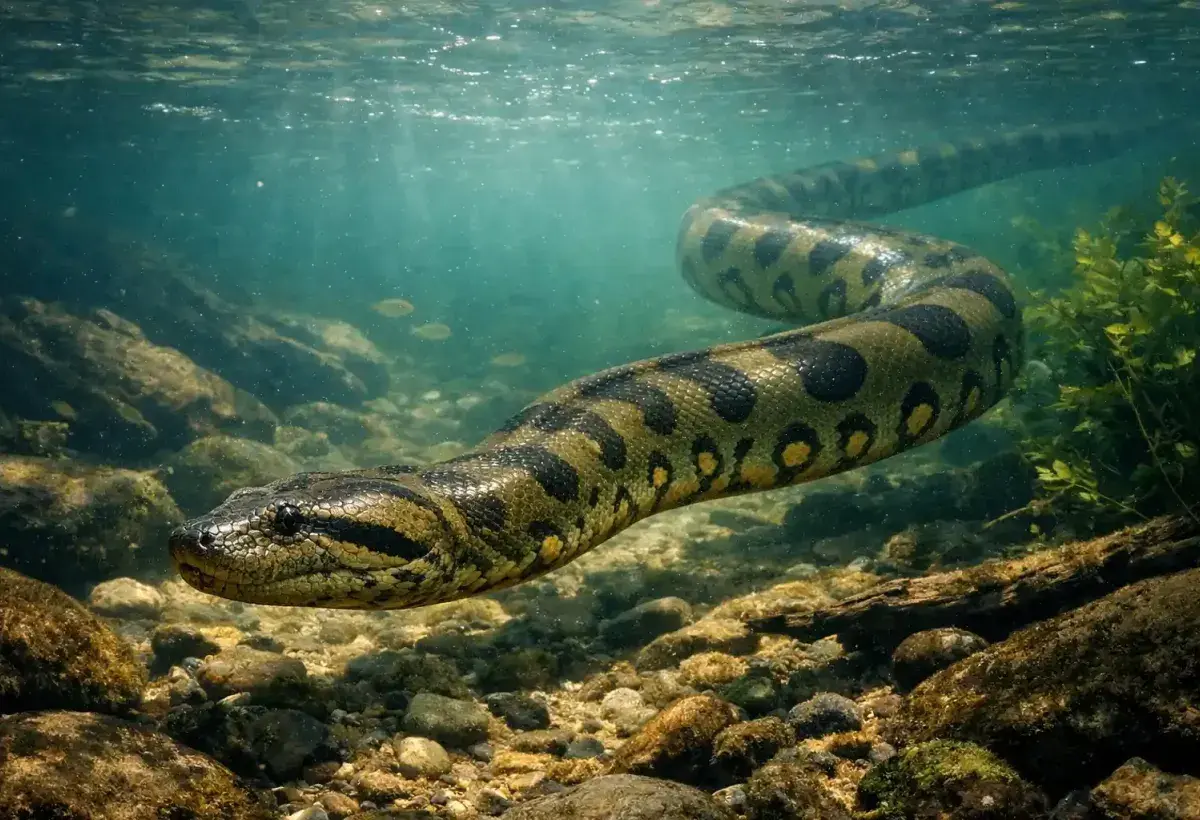
The anaconda is an exceptional swimmer, and water is where it performs at its best. Its long, muscular body moves in smooth wave like motions that allow it to glide effortlessly through rivers and swamps. This movement is both efficient and quiet, making it an ideal hunter in aquatic environments.
In water, the anaconda’s size becomes an advantage rather than a limitation. The surrounding water supports its weight, allowing it to move more freely than it can on land. This buoyancy reduces strain and increases agility, enabling the snake to navigate complex environments with ease.
Stealth is one of its greatest strengths. The anaconda can remain almost completely still beneath the surface, waiting patiently for prey to approach. When the moment is right, it strikes quickly and with precision. This combination of patience and speed makes it a highly effective predator.
Swimming also allows the anaconda to travel long distances in search of food or suitable habitats. Rivers act as natural pathways, connecting different areas and providing access to a variety of prey. This mobility increases its chances of survival.
The ability to swim so effectively is a defining characteristic of the anaconda. It highlights how well adapted the species is to its environment and explains why it dominates in aquatic ecosystems.
8. They Have Heat Sensing Abilities
Image
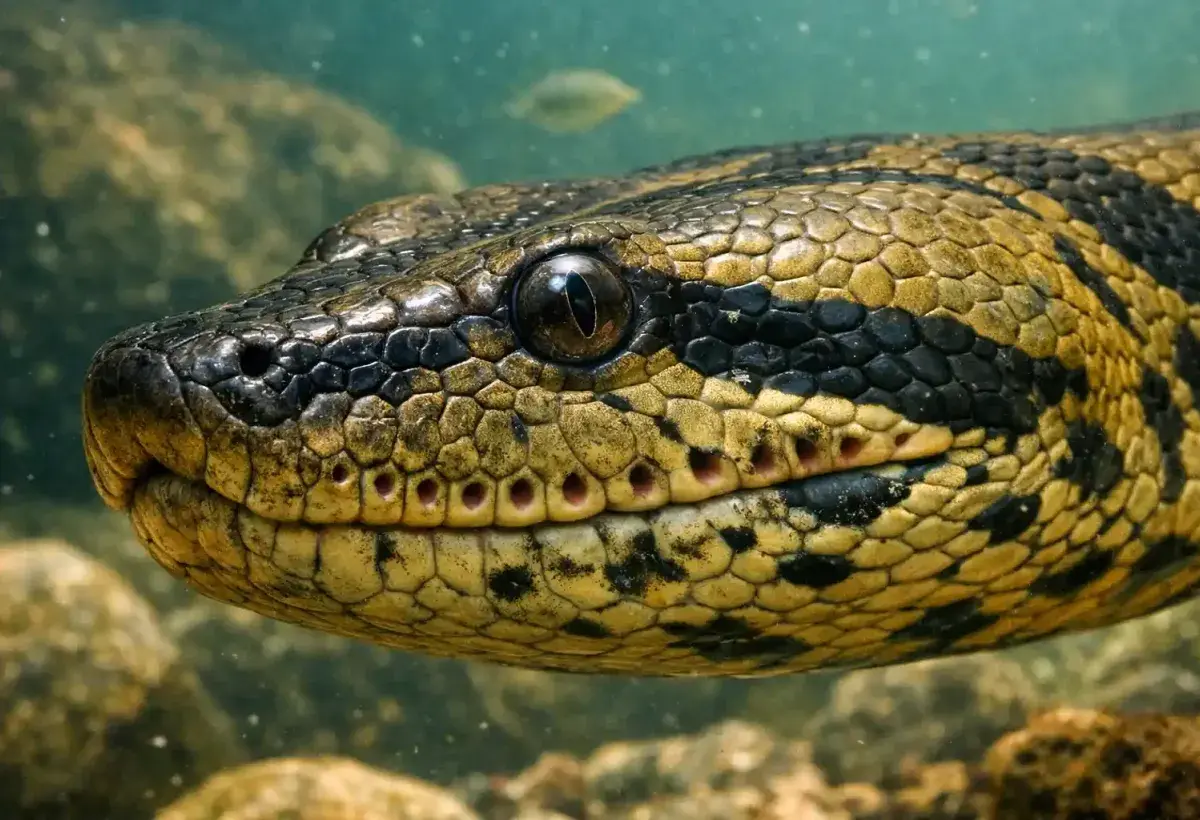
Anacondas possess a unique ability that enhances their hunting skills, the ability to detect heat. Along their jaws are specialized structures known as heat sensing pits. These organs allow the snake to detect infrared radiation, which is the heat given off by other animals.
This adaptation is especially useful in environments where visibility is low. In murky water or dense vegetation, it can be difficult to rely on sight alone. The ability to sense heat allows the anaconda to locate prey even in complete darkness. It can detect subtle temperature differences and identify the presence of warm blooded animals nearby.
When prey is within range, the heat signature stands out against the cooler surroundings. This allows the snake to strike with remarkable accuracy. Even if the prey cannot be seen clearly, the anaconda can still target it effectively using thermal cues.
This ability is particularly beneficial during nighttime hunting. Many animals are more active after dark, and the anaconda can take advantage of this by using its heat sensing capability. Combined with its stealth and strength, it becomes an even more efficient predator.
The presence of these specialized organs demonstrates how advanced the anaconda’s adaptations are. It is not just a powerful snake but also a highly specialized hunter designed for success in challenging environments.
9. Anacondas Rarely Attack Humans
Image
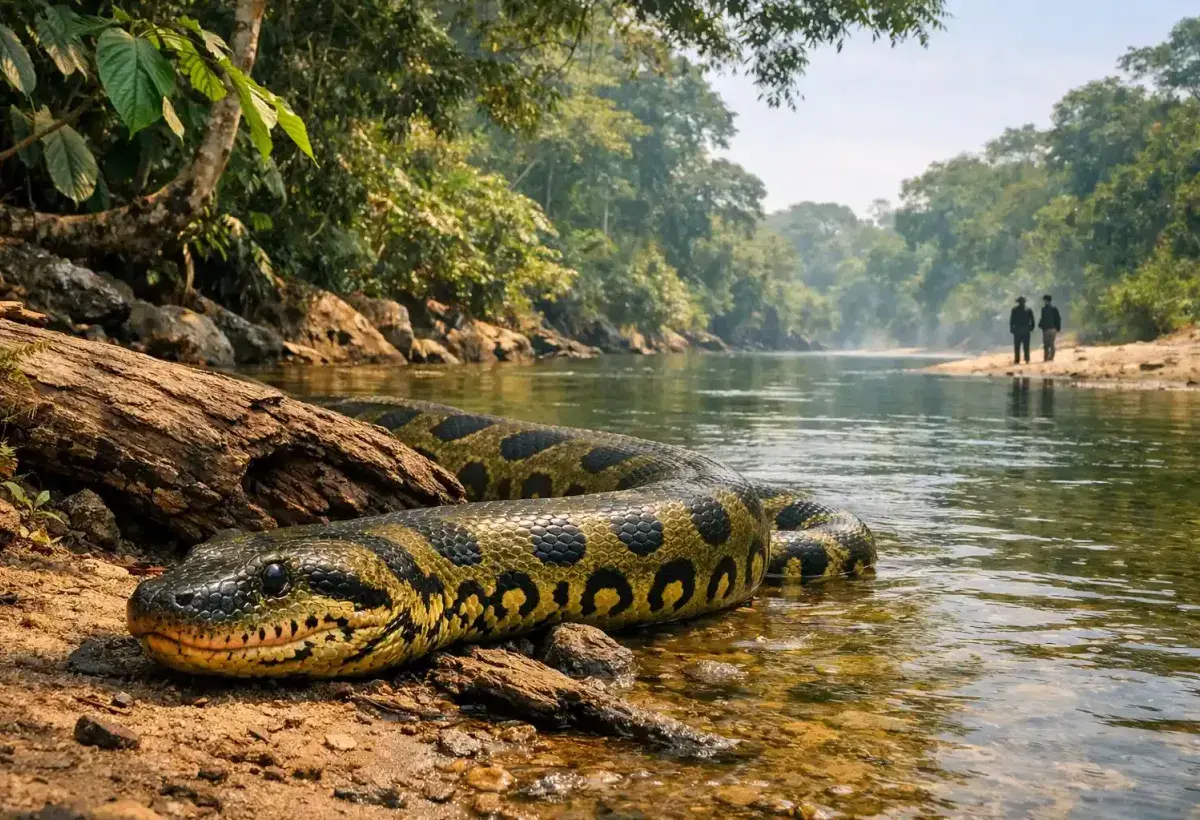
Despite their fearsome reputation, anacondas rarely attack humans. Most encounters occur when people accidentally come too close or disturb the snake in its natural habitat. In these situations, the anaconda is more likely to retreat than to engage.
Humans are not typical prey for anacondas. Their diet mainly consists of animals that are easier to subdue and swallow. Large mammals, birds, and reptiles are more suitable targets. Human size and behavior make us an unlikely choice for food.
Many of the stories that portray anacondas as aggressive man eaters are exaggerated or fictional. Movies and myths have contributed to this perception, but real world behavior tells a different story. These snakes are generally cautious and prefer to avoid confrontation whenever possible.
When threatened, an anaconda may defend itself, but this is a reaction rather than a natural hunting behavior. Respecting its space and avoiding unnecessary interaction is usually enough to prevent any danger.
Understanding this helps change the way people view the anaconda. Instead of seeing it as a constant threat, it becomes clear that it is simply an animal trying to survive in its environment. This perspective encourages respect and coexistence rather than fear.
10. They Play a Crucial Role in the Ecosystem
Image
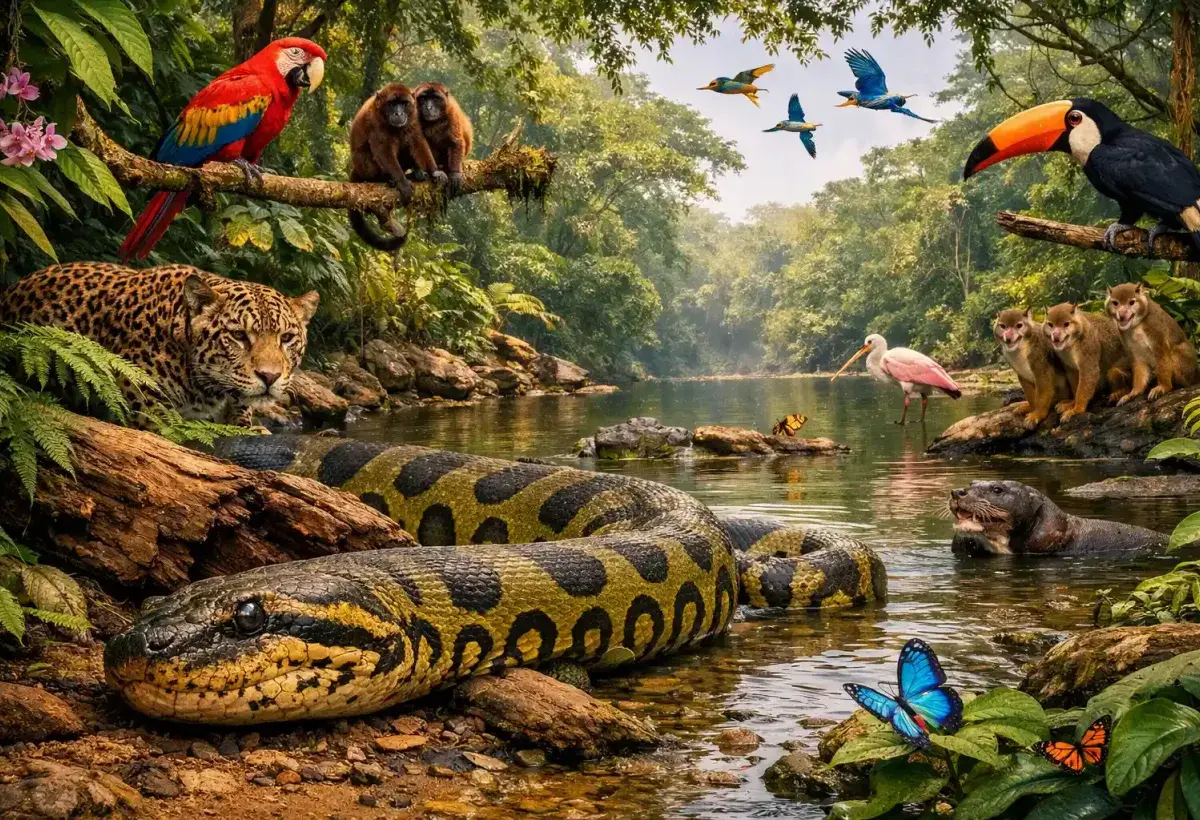
The anaconda plays an essential role in maintaining the balance of its ecosystem. As a top predator, it helps regulate the populations of various animals, ensuring that no single species becomes too dominant. This balance is important for the health of the entire environment.
By controlling populations of rodents and other mammals, the anaconda indirectly supports plant life and biodiversity. Without predators like the anaconda, certain species could overpopulate and disrupt the natural balance. This could lead to resource depletion and harm other forms of life.
The presence of anacondas also indicates a healthy habitat. These snakes require clean water, abundant prey, and stable conditions to thrive. When they are found in an area, it often means that the ecosystem is functioning properly.
However, threats such as habitat destruction and pollution can impact their survival. Protecting wetlands and forests is essential not only for the anaconda but for countless other species that share the same environment.
Recognizing the importance of the anaconda helps shift the focus from fear to appreciation. It is not just a powerful predator but a key part of a complex and interconnected ecosystem that depends on balance to survive.
The anaconda stands as one of the most remarkable creatures in the natural world, combining strength, stealth, and adaptability in ways that few animals can match. From its immense size to its unique hunting techniques, every aspect of this snake reflects a finely tuned balance between power and survival. While it has often been misunderstood and misrepresented, a closer look reveals a creature that is far more complex and fascinating than the myths suggest.
Each fact highlights a different dimension of the anaconda’s life. Whether it is its ability to thrive in water, its method of constriction, or its role in maintaining ecological balance, the anaconda proves to be an essential part of its environment. Its presence in the wild is not just a testament to its strength but also to the health of the ecosystems it inhabits.
Learning about the anaconda encourages a shift in perspective. Instead of viewing it with fear, we can begin to see it as a symbol of nature’s ingenuity and resilience. This understanding fosters respect and supports conservation efforts aimed at preserving both the species and its habitat.
In a world where many ecosystems face increasing threats, the anaconda reminds us of the importance of protecting biodiversity. By appreciating and safeguarding such creatures, we ensure that future generations will continue to marvel at the wonders of the natural world.