If you have ever walked through a local market or attended a festive gathering in the Philippines, one thing that almost always stands out is the unmistakable bright red color of Filipino hot dogs. Unlike the more muted tones of hot dogs commonly seen in the United States or Europe, these vibrant red sausages are bold, eye catching, and deeply tied to Filipino food culture. For many people, especially those who grew up in the Philippines, red hot dogs are more than just a food item. They are a nostalgic symbol of childhood, celebration, and comfort.
The distinct color often surprises first time visitors, who may wonder whether the red hue indicates a difference in flavor, ingredients, or preparation. The answer is a mix of all three, along with history, marketing, and cultural identity. Over time, Filipino hot dogs have evolved into something unique that reflects both local taste preferences and the country’s colonial past. While they may have originated from Western influences, they have taken on a distinctly Filipino personality that sets them apart from their global counterparts.
From breakfast tables to birthday parties, these red hot dogs appear in many forms. They are often served alongside rice, eggs, and sweet sauces, or skewered on sticks at street stalls. Their sweetness and garlicky flavor profile differ significantly from the smoky or savory taste associated with other hot dogs. This transformation did not happen overnight. It is the result of decades of adaptation and innovation within the local food industry.
Lets explore the reasons behind the bright red color of Filipino hot dogs, diving into history, culture, manufacturing practices, and consumer preferences. By the end, you will have a clearer understanding of why this iconic food looks the way it does and why it continues to be loved across generations.
1. Influence of American Colonial History
The story of Filipino red hot dogs begins during the early twentieth century when the Philippines was under American rule. During this time, many aspects of American culture were introduced, including food products such as hot dogs, canned goods, and processed meats. These items were initially seen as modern and desirable, representing a connection to Western lifestyles.
Image
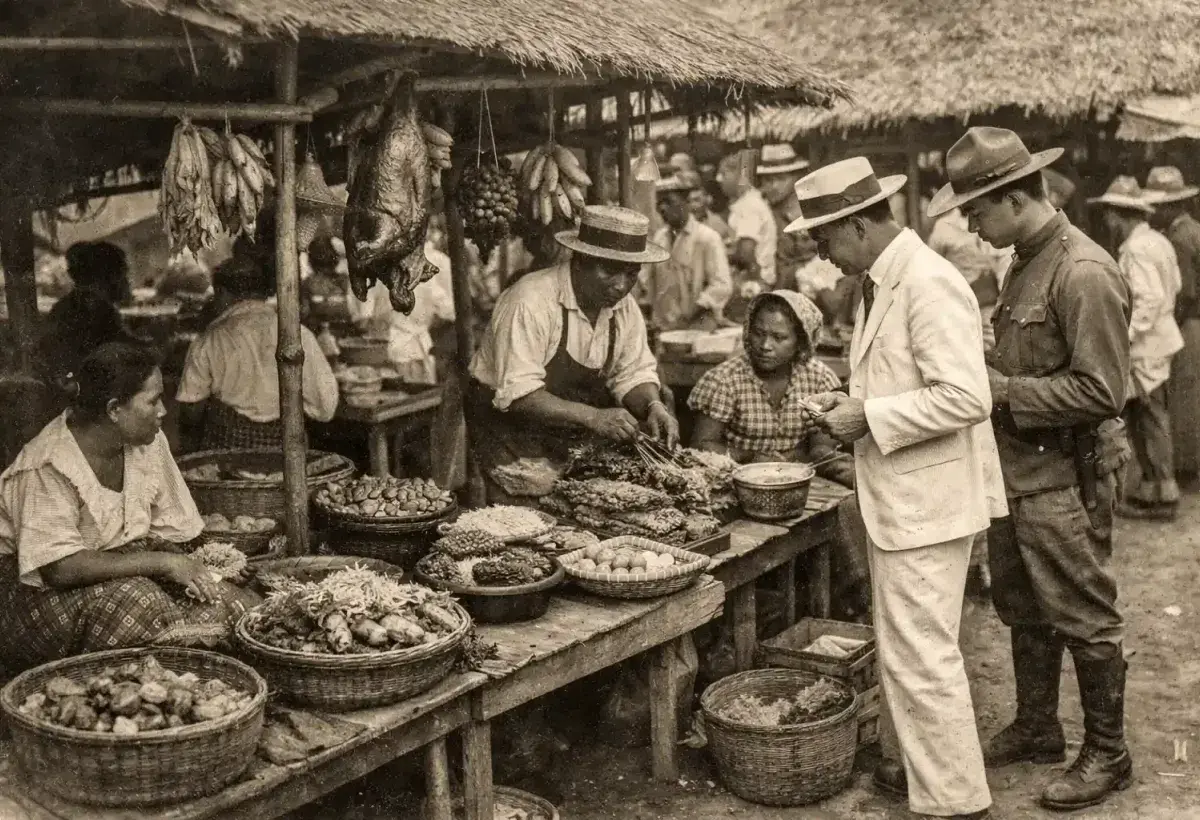
Hot dogs were originally imported or produced based on American standards. However, over time, local manufacturers began adapting these products to suit Filipino tastes. One of the earliest changes was the addition of sweeter flavor profiles, which aligned better with the local palate. Filipinos tend to enjoy a balance of sweet and savory flavors, and this preference influenced how hot dogs were reformulated.
As local companies started producing their own versions, they also experimented with visual identity. The red color eventually became a way to distinguish locally made hot dogs from imported ones. It helped signal that this was not just another Western product but something uniquely Filipino. This transformation marked the beginning of a new culinary identity.
The influence of American colonization provided the foundation, but it was Filipino creativity that reshaped the product. Over time, red hot dogs became a staple in households, evolving far beyond their original inspiration. Today, they represent a blend of history and adaptation, reflecting how global influences can be localized into something entirely new.
2. The Role of Food Coloring
One of the most direct reasons Filipino hot dogs are red is the use of food coloring. Manufacturers add red dye to give the sausages their signature vibrant appearance. This is not a natural color that comes from the meat itself but rather a deliberate choice made during production.
Image
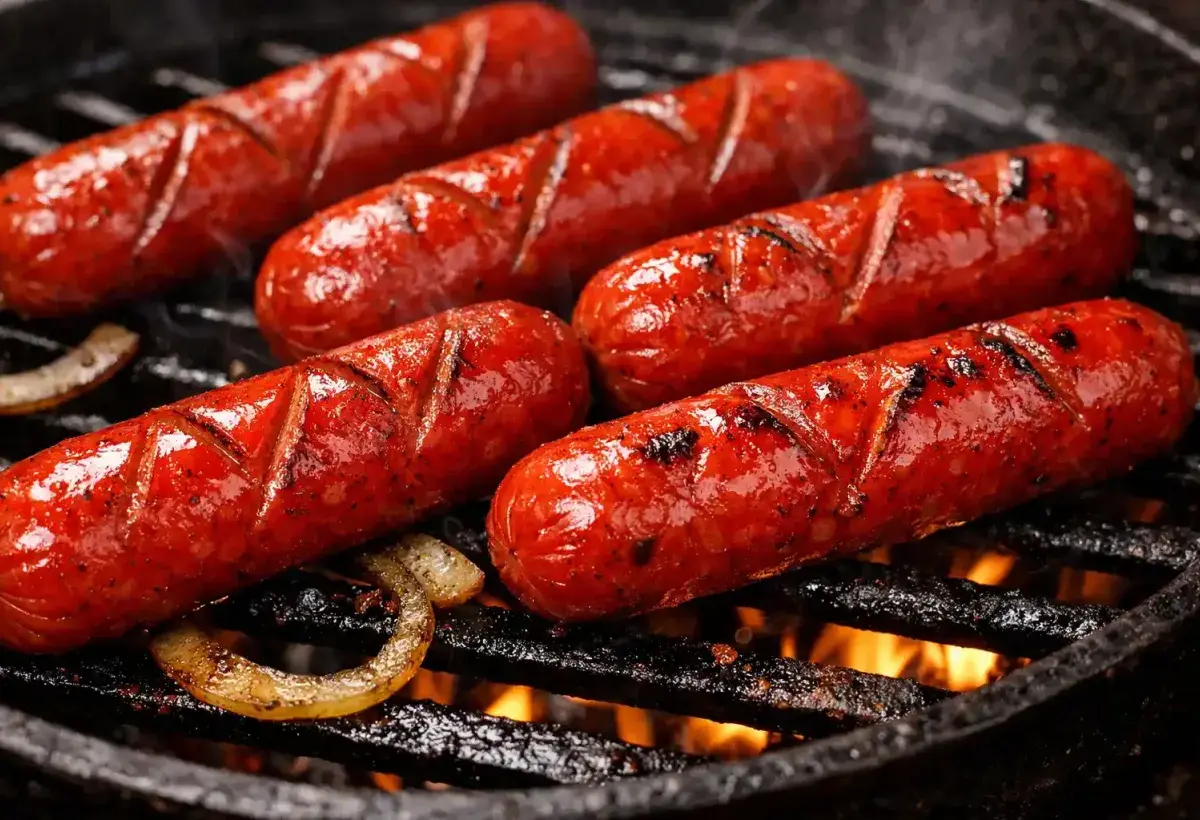
Food coloring serves both aesthetic and psychological purposes. Visually, the bright red hue makes the product stand out on store shelves. In a crowded market, color can play a major role in attracting attention and influencing buying decisions. The bold color signals something fun, flavorful, and different from standard hot dogs.
From a psychological standpoint, the red color has become associated with sweetness and enjoyment in the Filipino context. Over time, consumers have come to expect this color as part of the experience. If a hot dog were not red, it might even seem unfamiliar or less appealing to local buyers.
It is important to note that the food coloring used is regulated and considered safe for consumption. Manufacturers follow food safety guidelines to ensure that the products meet health standards. The coloring is simply an additive that enhances visual appeal rather than altering nutritional value.
The use of food coloring highlights how food is not just about taste but also about perception. In the Philippines, the red color has become an essential part of what defines a hot dog, making it instantly recognizable and culturally significant.
3. Sweet Flavor Profile and Cultural Preference
Another key reason behind the identity of Filipino hot dogs is their distinctly sweet flavor. Unlike traditional hot dogs that lean toward savory or smoky tastes, Filipino versions are noticeably sweeter. This sweetness pairs well with the bright red color, creating a complete sensory experience.
Image
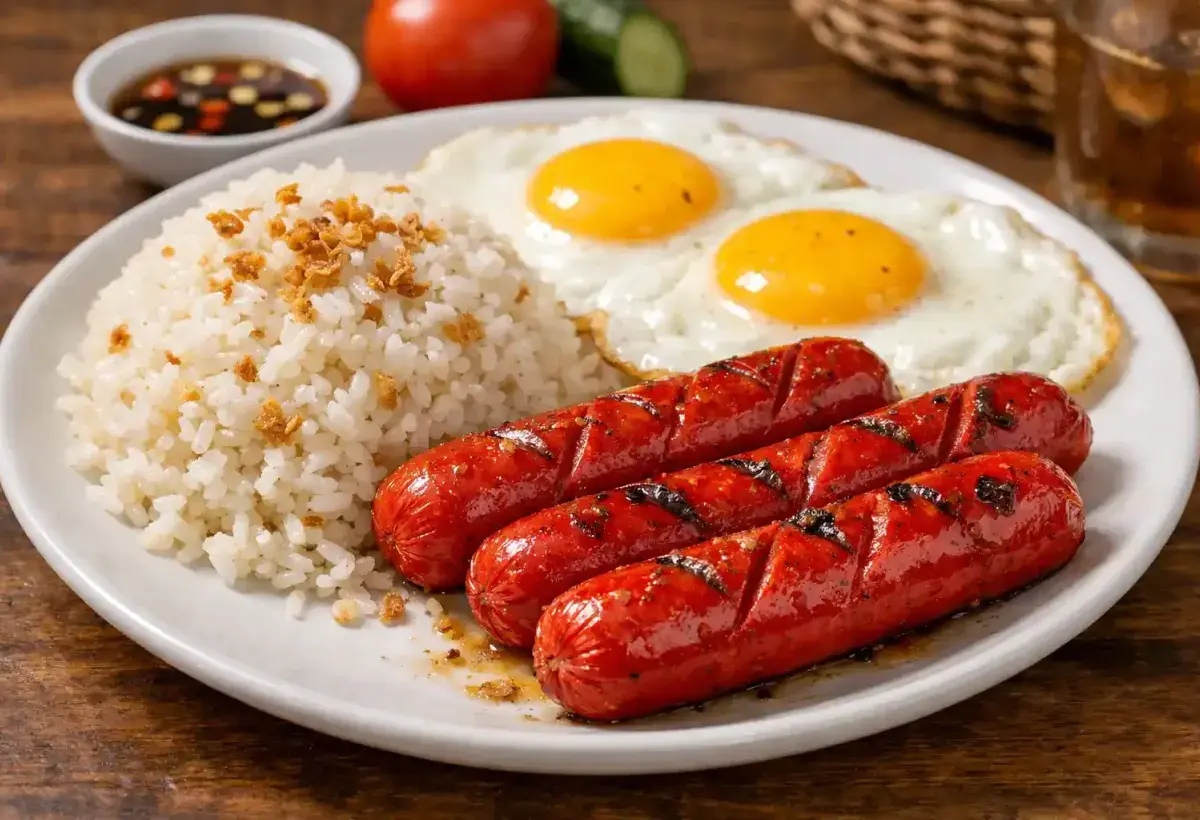
Filipino cuisine often incorporates sweetness into dishes, even those that might be considered savory in other cultures. This preference can be traced to a combination of indigenous practices and influences from Spanish and American cuisines. As a result, many Filipino dishes feature a balance of sweet, salty, and sometimes tangy flavors.
Hot dog manufacturers recognized this preference and adjusted their recipes accordingly. Sugar and other sweeteners were added to create a flavor profile that would resonate with local consumers. Over time, this became the standard, and the taste of Filipino hot dogs evolved into something distinct from their Western counterparts.
The sweetness also makes these hot dogs versatile. They can be paired with rice, used in spaghetti dishes, or served as snacks. Their flavor complements a wide range of meals, making them a popular choice for both everyday eating and special occasions.
This emphasis on sweetness shows how deeply cultural preferences shape food products. The red color and sweet taste work together to create a unique identity that reflects Filipino culinary traditions.
4. Branding and Market Differentiation
The bright red color of Filipino hot dogs also plays a crucial role in branding and market differentiation. In a competitive food industry, standing out is essential, and color is one of the most effective ways to achieve this.
Image
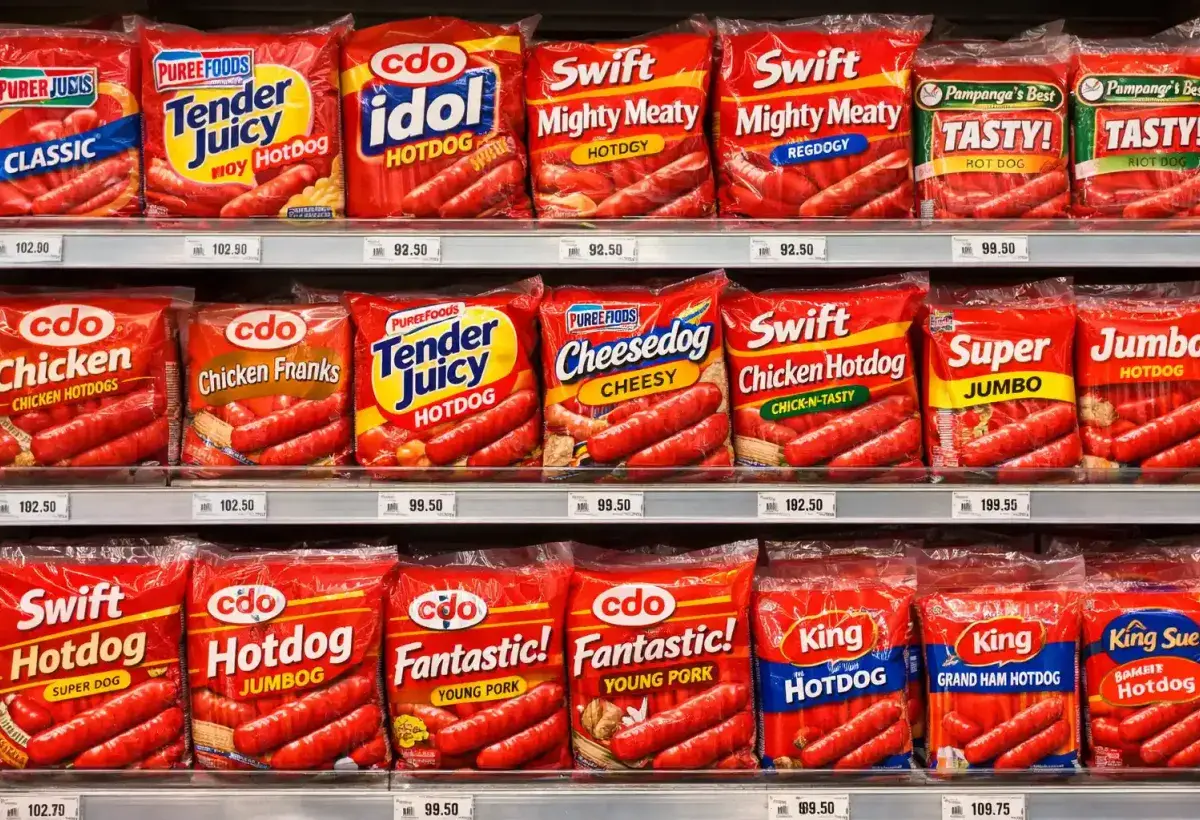
Local companies intentionally chose red as a signature color to distinguish their products from imported hot dogs, which typically have a more natural or pale appearance. This decision helped create a strong visual identity that consumers could easily recognize.
Over time, the red color became associated with quality and authenticity in the local market. Consumers began to trust that red hot dogs would deliver the flavor and experience they expected. This brand recognition reinforced the popularity of the product and encouraged loyalty among buyers.
Marketing campaigns further emphasized the uniqueness of red hot dogs, often highlighting their vibrant appearance and family friendly appeal. Advertisements portrayed them as fun and festive, making them especially attractive for celebrations and gatherings.
The success of this branding strategy demonstrates how visual elements can shape consumer behavior. The red color is not just a design choice but a powerful tool that has helped Filipino hot dogs become a dominant product in the market.
5. Association with Celebrations and Childhood
For many Filipinos, red hot dogs are closely tied to memories of celebrations and childhood experiences. They are a common feature at birthday parties, holidays, and school events, where they are often served in creative and colorful ways.
Image

Their bright color makes them visually appealing, especially to children. This makes them a popular choice for parents who want to create a festive atmosphere. Whether served on sticks, mixed into spaghetti, or arranged in decorative shapes, red hot dogs add a sense of fun to any occasion.
Over time, these associations have strengthened the emotional connection people have with the food. Eating red hot dogs can evoke feelings of nostalgia and happiness, reminding individuals of simpler times and joyful moments.
This emotional aspect plays a significant role in the continued popularity of red hot dogs. Even as new food trends emerge, the comfort and familiarity they provide keep them relevant in Filipino culture.
The connection to celebrations highlights how food can go beyond basic nutrition. It becomes a symbol of shared experiences and cultural identity, making red hot dogs an enduring part of Filipino life.
6. Local Manufacturing Practices
The production of Filipino hot dogs has been shaped by local manufacturing practices that prioritize both affordability and mass appeal. Companies have developed processes that allow them to produce large quantities while maintaining the distinct flavor and color that consumers expect.
Image

One important aspect of these practices is the blending of ingredients to achieve a consistent taste. Manufacturers use a mix of meats, seasonings, and additives to create the signature flavor profile. The addition of red coloring is integrated into this process to ensure uniformity across batches.
Cost considerations also play a role. By using efficient production methods and locally sourced ingredients when possible, companies can keep prices accessible to a wide range of consumers. This accessibility has helped red hot dogs become a staple in many households.
The emphasis on consistency ensures that consumers know what to expect each time they purchase the product. This reliability has contributed to long term trust and brand loyalty.
Local manufacturing practices demonstrate how industry techniques can shape the identity of a food product. The result is a uniquely Filipino version of the hot dog that balances quality, affordability, and cultural relevance.
7. Influence of Filipino Spaghetti Culture
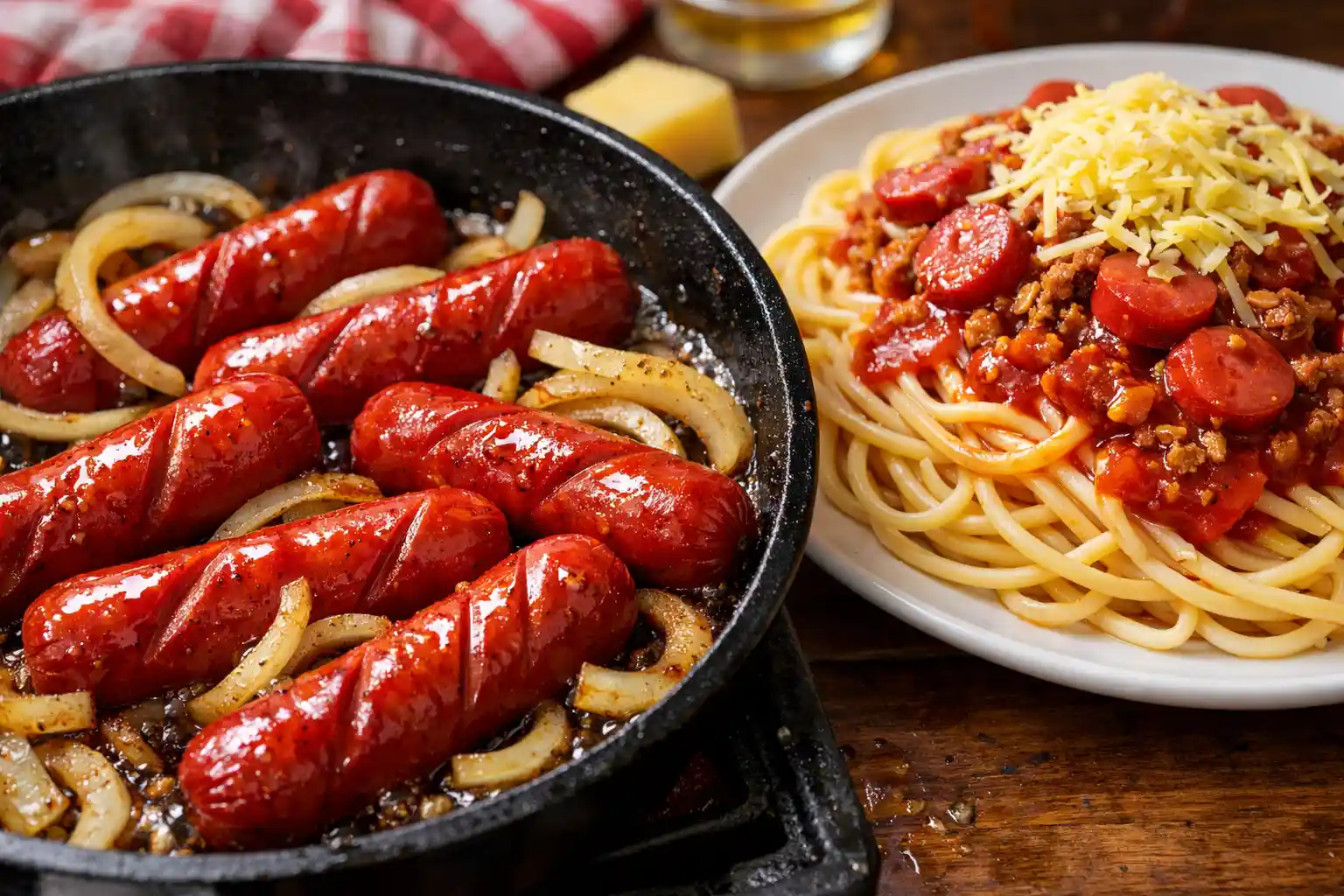
One of the most iconic dishes in the Philippines is Filipino style spaghetti, which often features red hot dogs as a key ingredient. This dish is known for its sweet sauce, tender noodles, and colorful toppings, making it a favorite at parties and gatherings.
Image
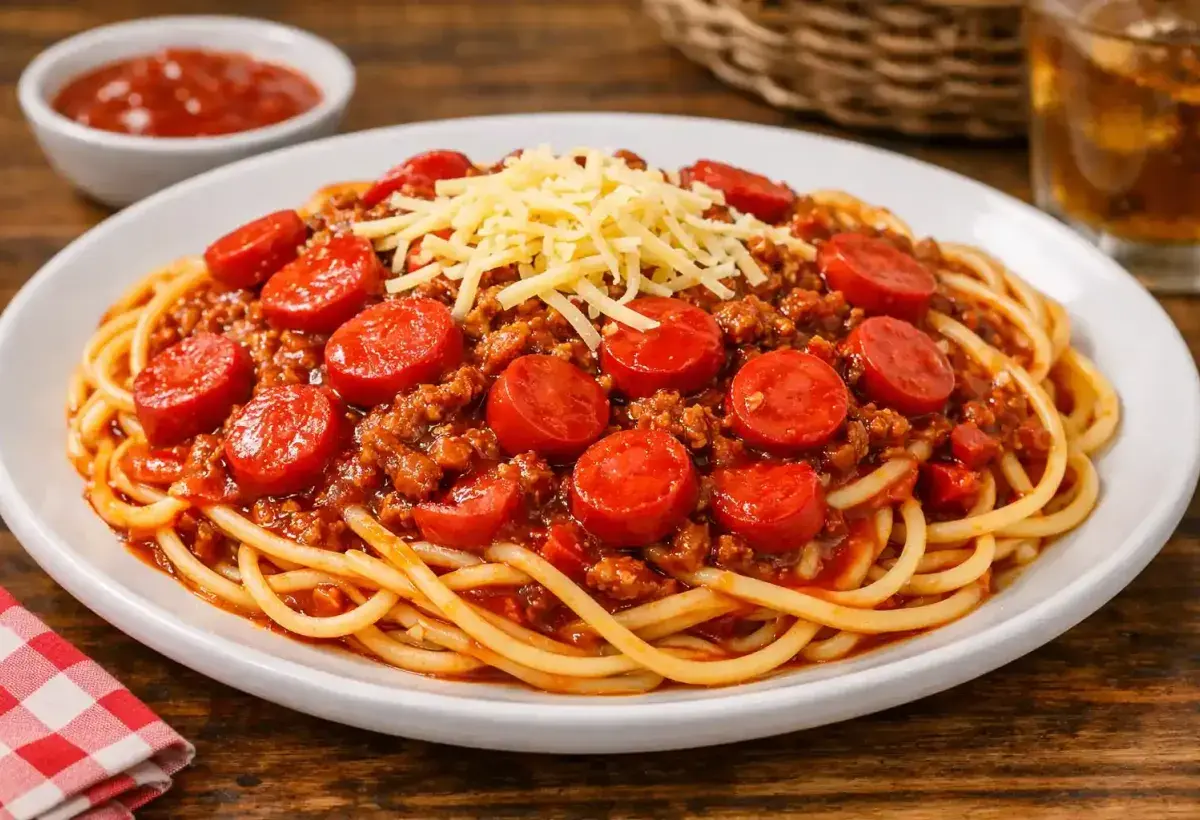
The inclusion of red hot dogs in spaghetti reinforces their cultural significance. Their sweetness complements the sauce, creating a harmonious flavor that appeals to many people. The bright color also adds visual contrast, making the dish more appealing.
This combination has become so popular that it is now considered a standard version of spaghetti in the Philippines. Restaurants and fast food chains often include red hot dogs in their recipes, further cementing their place in the cuisine.
The relationship between red hot dogs and Filipino spaghetti illustrates how one ingredient can become deeply integrated into a national dish. It also shows how food traditions evolve by combining influences from different cultures.
Through this dish, red hot dogs continue to reach new generations, ensuring that their popularity remains strong.
8. Adaptation to Local Taste Over Time
The evolution of Filipino hot dogs is a clear example of how food adapts to local tastes over time. What started as an imported product has been transformed into something that reflects the preferences and traditions of the Filipino people.
Image
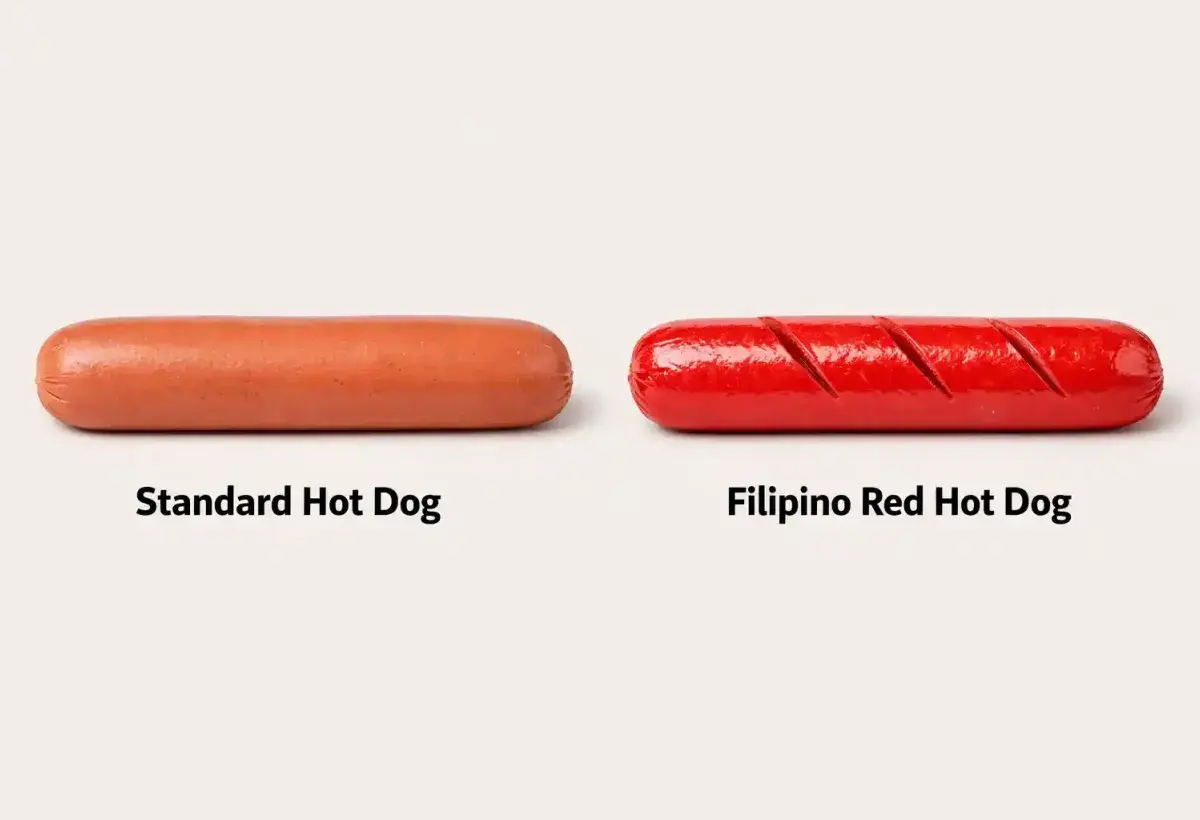
This adaptation involved changes in flavor, texture, and appearance. The addition of sweetness, garlic, and other seasonings created a taste that resonates with local consumers. The red color added a visual identity that set the product apart.
As these changes became standardized, they shaped consumer expectations. New generations grew up with red hot dogs as the norm, further reinforcing their place in the culture.
The process of adaptation highlights the dynamic nature of food. It shows how culinary traditions are not fixed but constantly evolving in response to cultural and social influences.
Filipino hot dogs are a testament to this evolution, demonstrating how a simple product can be reimagined to fit a new context.
9. Influence of Advertising and Media
Advertising and media have played a significant role in popularizing red hot dogs in the Philippines. Through television commercials, print ads, and digital campaigns, companies have promoted these products as essential components of family meals and celebrations.
Image
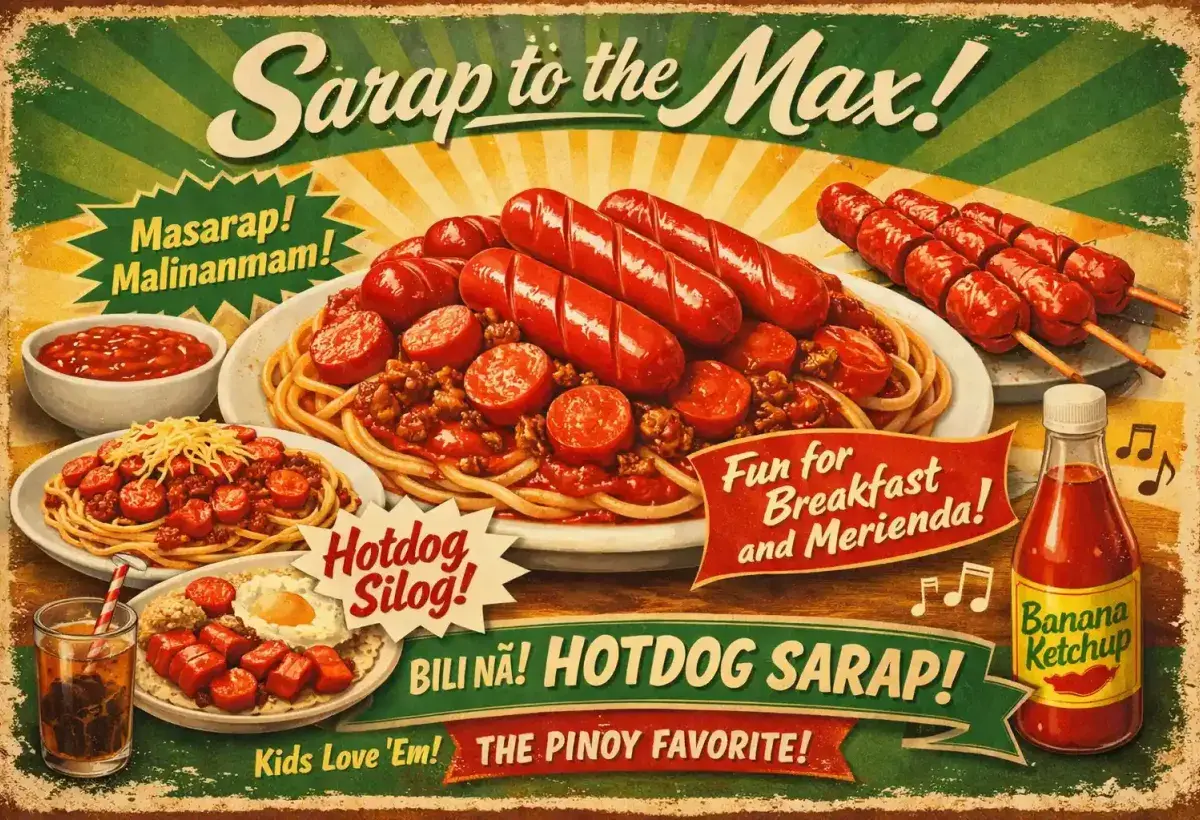
These campaigns often highlight the fun and joyful aspects of eating red hot dogs. They are portrayed as a treat that brings people together, reinforcing their association with positive experiences.
Media exposure has also helped normalize the bright red color. By consistently presenting it as the standard, advertisements have shaped consumer perceptions and expectations.
The power of advertising demonstrates how marketing can influence not only what people buy but also how they perceive a product. In the case of Filipino hot dogs, it has helped solidify their unique identity.
10. Symbol of Filipino Food Identity
Ultimately, red hot dogs have become a symbol of Filipino food identity. They represent a blend of history, culture, and innovation that reflects the broader story of the Philippines.
Image

Their bright color, sweet flavor, and cultural associations make them instantly recognizable. They are a reminder of how global influences can be adapted and transformed into something uniquely local.
As Filipino cuisine continues to gain recognition around the world, red hot dogs stand out as an example of its creativity and diversity. They show that even simple foods can carry deep cultural meaning.
This symbolism ensures that red hot dogs will remain an important part of Filipino culinary heritage for years to come.
The bright red color of Filipino hot dogs is the result of a fascinating combination of history, culture, and innovation. What began as an imported food during a period of American influence has evolved into a uniquely Filipino creation that reflects local tastes and traditions. The use of food coloring, the preference for sweeter flavors, and the desire to create a distinct identity all contributed to the transformation of this everyday item.
Beyond their appearance, red hot dogs hold a special place in Filipino life. They are associated with celebrations, childhood memories, and family gatherings, making them more than just a meal. Their presence in dishes like Filipino spaghetti and breakfast plates further highlights their versatility and cultural significance.
Manufacturing practices and marketing strategies have also played important roles in shaping their popularity. By maintaining consistency and promoting their vibrant image, companies have ensured that red hot dogs remain a staple in households across the country.
Ultimately, the story of Filipino hot dogs is a reflection of how food evolves through cultural exchange and adaptation. It shows how a simple concept can be transformed into something meaningful and iconic. For those who grew up with them, red hot dogs are a comforting reminder of home. For newcomers, they offer a glimpse into the rich and colorful world of Filipino cuisine.