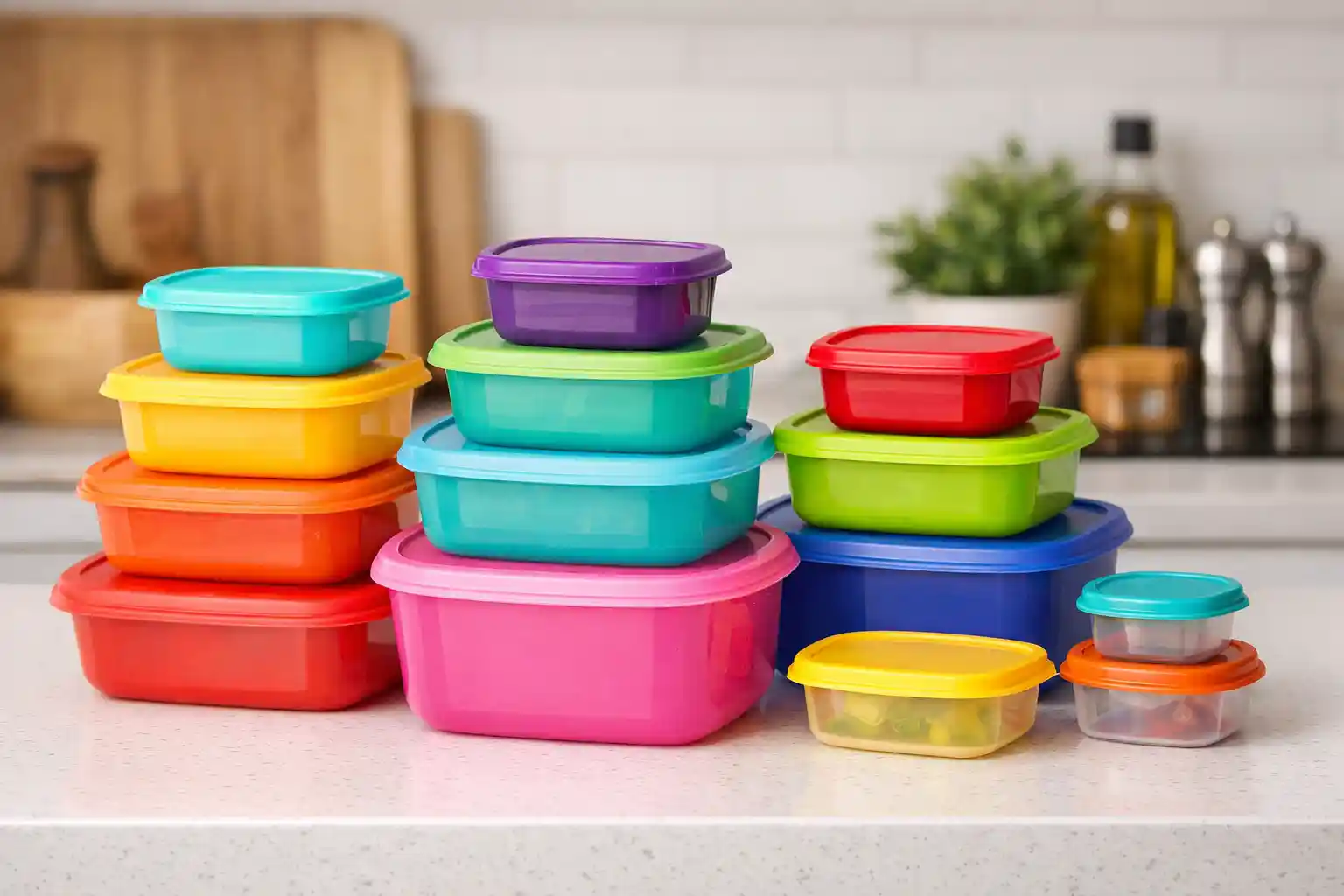
Tupperware is one of those household names that almost everyone recognizes, even if they do not think about it often. It has quietly become a part of daily life, sitting in kitchen cabinets, packed inside lunch bags, and stacked neatly in refrigerators across the world. At first glance, it may seem like just another brand of food containers, but its story is far more interesting than most people expect. From clever design ideas to a completely unique way of selling products, Tupperware has built a legacy that goes far beyond simple storage.
The brand rose to popularity during a time when households were changing rapidly. People were looking for better ways to preserve food, reduce waste, and keep kitchens organized. Tupperware provided a solution that felt modern and reliable. Its airtight containers stood out because they actually worked in a noticeable way. Food stayed fresh longer, and users could easily see and feel the difference. This practical benefit helped the brand gain trust and loyalty over time.
Another key factor in its success was how it connected people. Instead of relying only on stores, Tupperware created a social experience through home gatherings where products were demonstrated in a fun and interactive setting. These gatherings turned ordinary sales into memorable events and helped spread the brand through word of mouth.
Even today, Tupperware continues to hold a place in many homes while adapting to new lifestyles and habits. Its story is filled with surprising details, creative thinking, and cultural impact.
1. The Airtight Seal Was Inspired by Paint Cans
The famous airtight seal of Tupperware is one of its most important features, and it actually came from an unexpected source. The inventor observed how paint cans were sealed tightly to keep their contents from drying out. This observation sparked the idea that a similar concept could be used for food storage. By adapting the sealing method, Tupperware containers were able to lock out air and keep food fresh for longer periods of time.
Before this innovation, many storage containers did not provide a reliable seal. Food would spoil more quickly, leading to waste and frustration for households. The introduction of an airtight system changed how people stored leftovers and ingredients. It made food storage more efficient and helped families save money.
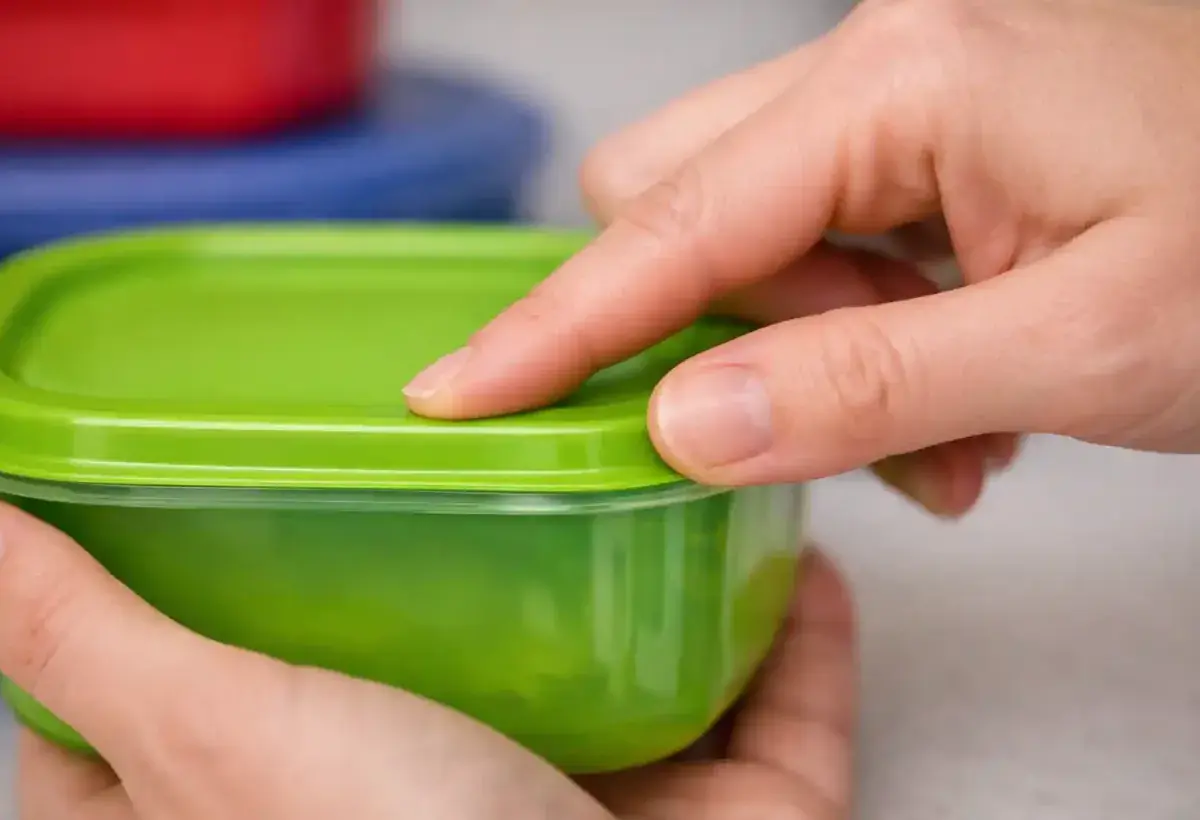
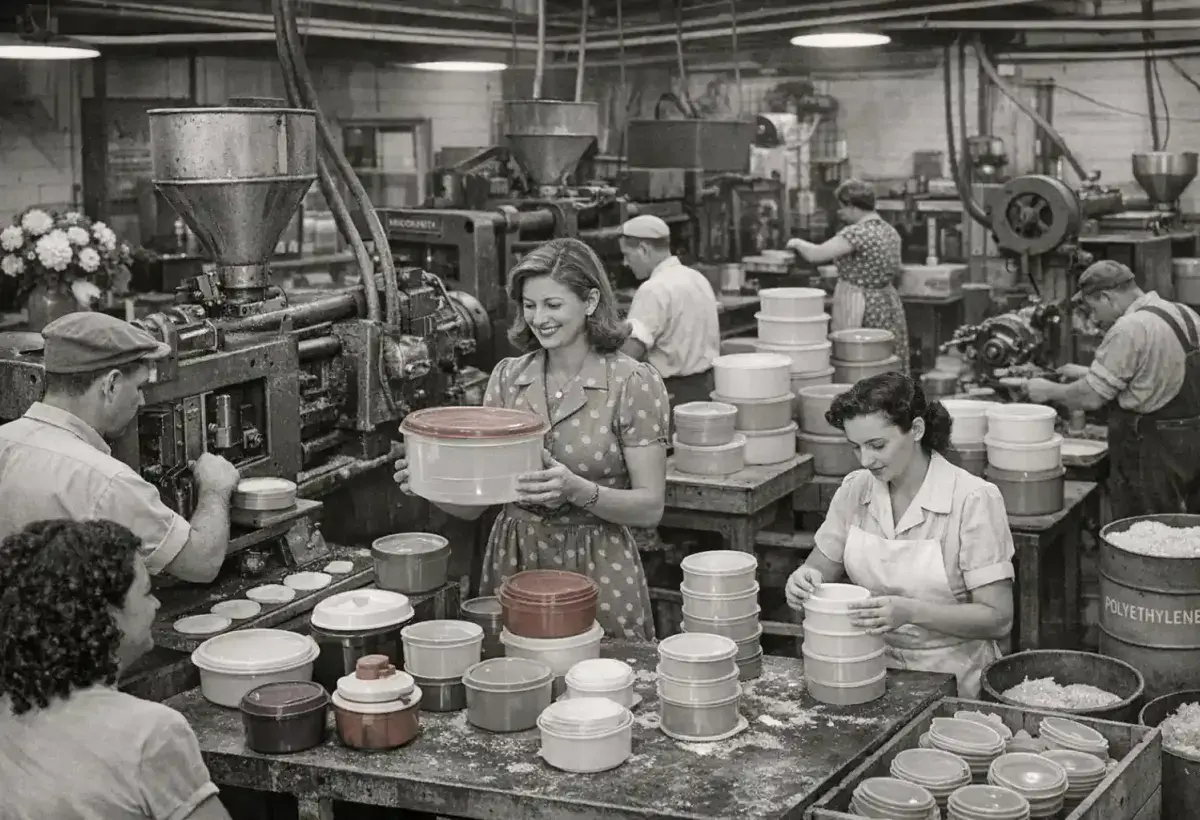
The sealing method also introduced a unique hands on technique. Users would press down on the lid to remove excess air before closing it completely. This process created a stronger seal and became a signature part of using Tupperware. Over time, it turned into a recognizable habit that many people still practice today.
Beyond its function, the airtight seal also gave users confidence. They could trust that their food would stay fresh and protected. This simple yet effective idea played a major role in building the reputation of Tupperware as a dependable kitchen essential.
Image
2. Tupperware Parties Changed Home Selling Forever
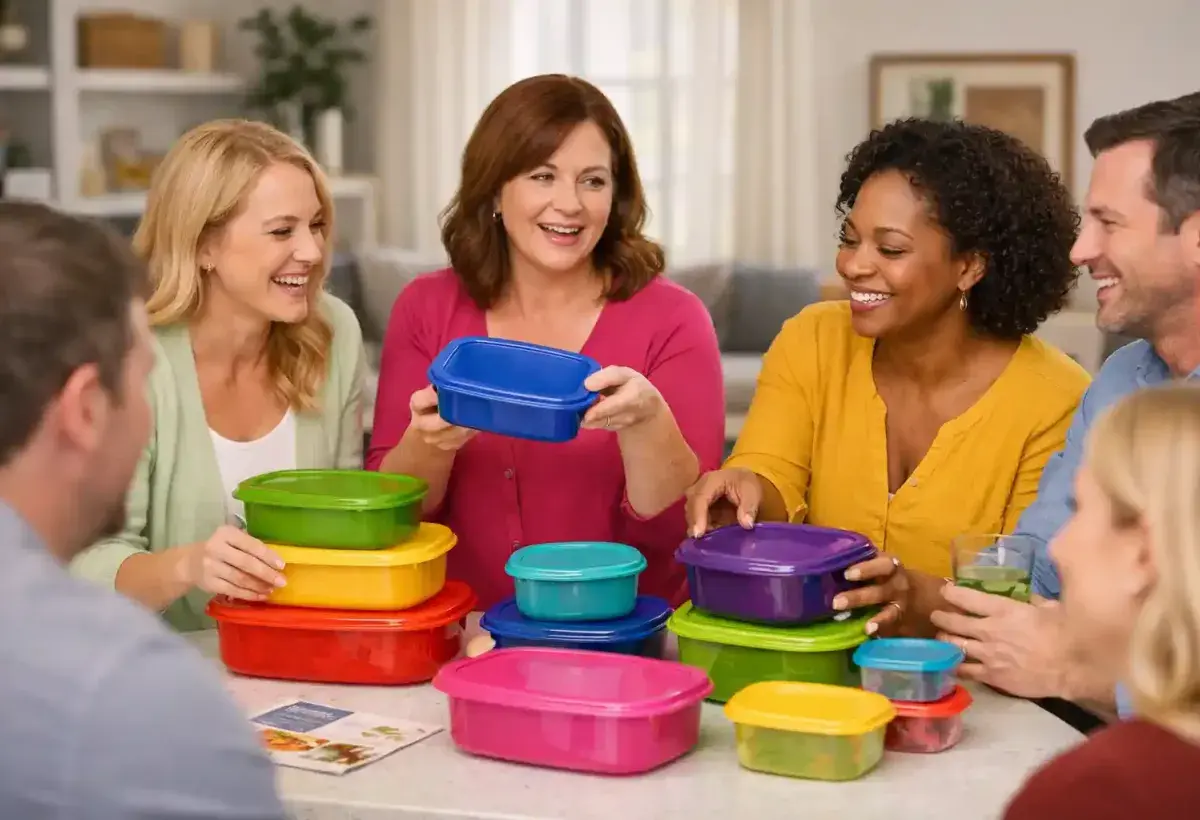
Tupperware introduced a completely new way of selling products through home parties. Instead of relying only on stores, the company encouraged people to host gatherings where guests could see demonstrations of the products in a relaxed and social setting. This approach made the experience more engaging and personal compared to traditional shopping.
During these gatherings, hosts would showcase how the containers worked, often using real food and practical examples. Guests could ask questions, try the products themselves, and see the benefits firsthand. This interactive approach helped people understand the value of Tupperware much more clearly.
The party format also created a sense of community. People were not just buying containers, they were participating in a shared experience. This made the brand more memorable and encouraged repeat purchases. It also allowed the company to grow quickly through personal connections rather than relying solely on advertising.
Another important aspect of these parties was the opportunity they provided for income. Hosts could become sellers and earn money by organizing events and sharing products with others. This model gave many individuals a flexible way to work from home while building their own networks.
The success of this approach influenced other businesses and showed that sales could be both social and effective. It remains one of the most unique aspects of Tupperware's history.
Image
3. The Brand Struggled Before Finding Its Strategy
Before Tupperware became widely known, it faced significant challenges in retail stores. The products were placed on shelves like any other kitchen item, but customers often did not understand what made them special. Without demonstrations, the unique sealing feature was not obvious, and many people overlooked the containers entirely.
This early struggle showed that even a well designed product can fail if its value is not clearly communicated. Shoppers would see the containers but would not realize how they worked or why they were different from other options. As a result, sales remained slow and inconsistent.
The turning point came when the company shifted its focus to in home demonstrations. By showing customers exactly how the containers worked, the brand was able to highlight its advantages in a clear and memorable way. This change made a huge difference in how people perceived the product.
The success of this strategy demonstrated the importance of education in marketing. Sometimes, people need to see a product in action before they can fully appreciate it. Tupperware's experience proved that understanding customer behavior is just as important as creating a good product.
This lesson continues to be relevant for businesses today. It shows that innovation alone is not enough, and that how a product is introduced to the public can determine its success or failure.
Image
4. Tupperware Created Opportunities for Women
Tupperware played a significant role in providing new opportunities for women, especially during a time when flexible work options were limited. By allowing individuals to sell products through home gatherings, the company created a way for people to earn income while managing their personal responsibilities.
Many women found this opportunity empowering because it allowed them to contribute financially without leaving their homes. They could set their own schedules, organize events, and build relationships with customers. This level of independence was not widely available in traditional jobs at the time.
As more people became involved, a strong support network developed. Sellers shared tips, encouraged each other, and celebrated achievements together. This sense of community helped many individuals gain confidence and develop new skills in communication and business.
Some participants went on to achieve remarkable success, building large networks and becoming leaders within the organization. Their stories inspired others to join and contributed to the growth of the brand.
The impact of these opportunities extended beyond financial benefits. It also influenced social dynamics by showing that work could be flexible and community driven. This aspect of Tupperware's history remains one of its most meaningful contributions.
Image
5. Early Tupperware Materials Had Unique Origins
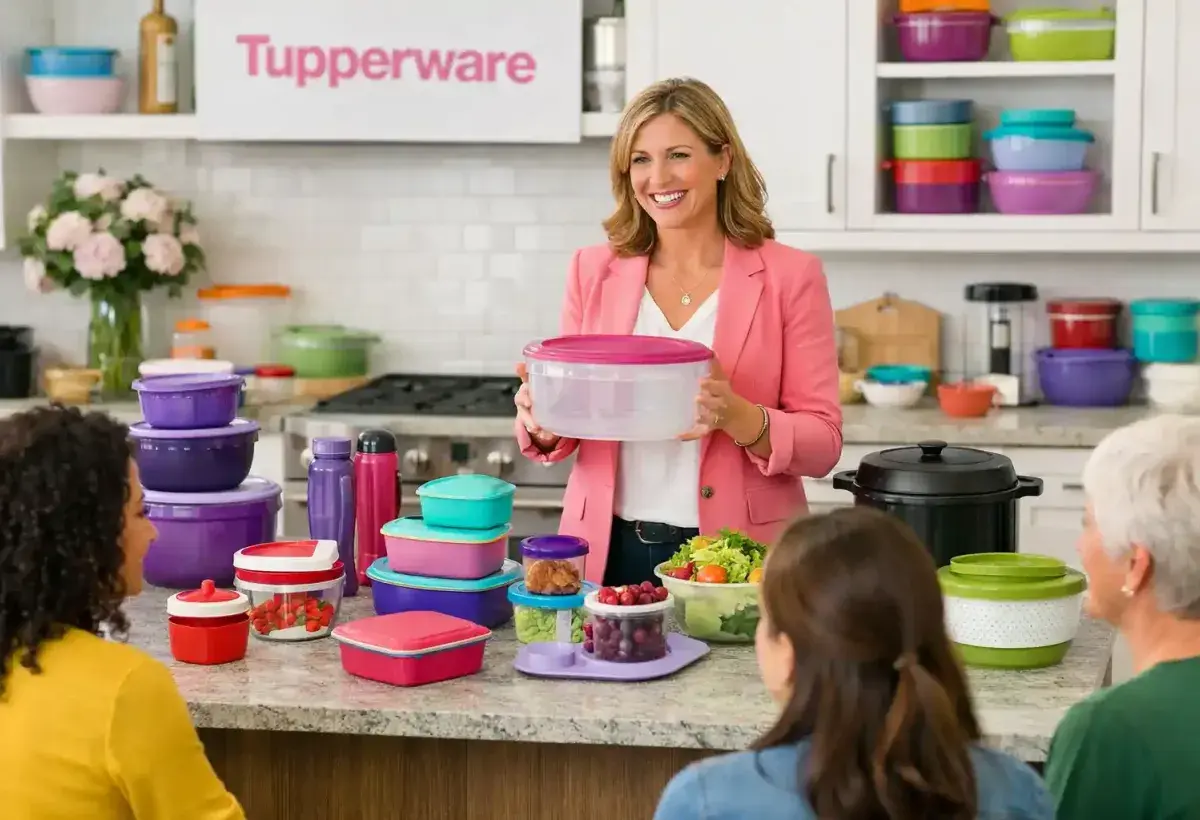
The material used to create early Tupperware products has an interesting background. It was developed from industrial plastic that was originally not intended for household use. Through refinement and innovation, this material was transformed into something safe, durable, and suitable for food storage.
At the time, plastic was still a relatively new concept for everyday consumers. Many people were unfamiliar with its potential and unsure about its benefits. Tupperware helped change this perception by demonstrating how useful and reliable plastic could be in the kitchen.
The containers were lightweight yet strong, making them easy to handle and long lasting. This combination of qualities made them appealing to households looking for practical solutions. Over time, plastic became a standard material for many kitchen products, thanks in part to Tupperware's influence.
The development of these materials also showed how innovation can come from unexpected sources. By rethinking the use of industrial resources, Tupperware was able to create something entirely new for consumers.
This transformation highlights the importance of creativity in product development. It is not always about inventing something from scratch, but about finding new ways to use what already exists.
Image
6. The Burping Technique Became Iconic
One of the most memorable aspects of using Tupperware is the burping technique. This simple action involves pressing down on the lid to release excess air before sealing the container completely. While it may seem like a small detail, it became a defining feature of the brand.
The technique not only improves the effectiveness of the seal but also creates a satisfying user experience. People often remember the first time they learned how to do it, whether from family members or during a product demonstration. It became a shared habit that connected users across different generations.
Over time, the burping method turned into a symbol of quality. It reassured users that their food was being stored properly. The sound and feel of the seal provided a sense of reliability that other containers often lacked.
This feature also made the product more interactive. Instead of simply closing a lid, users actively participated in preserving their food. This small engagement added to the overall appeal of Tupperware.
The lasting popularity of this technique shows how even minor details can have a big impact on user experience. It is one of the reasons why Tupperware continues to stand out in a crowded market.
Image
7. Vintage Tupperware Became Collectible
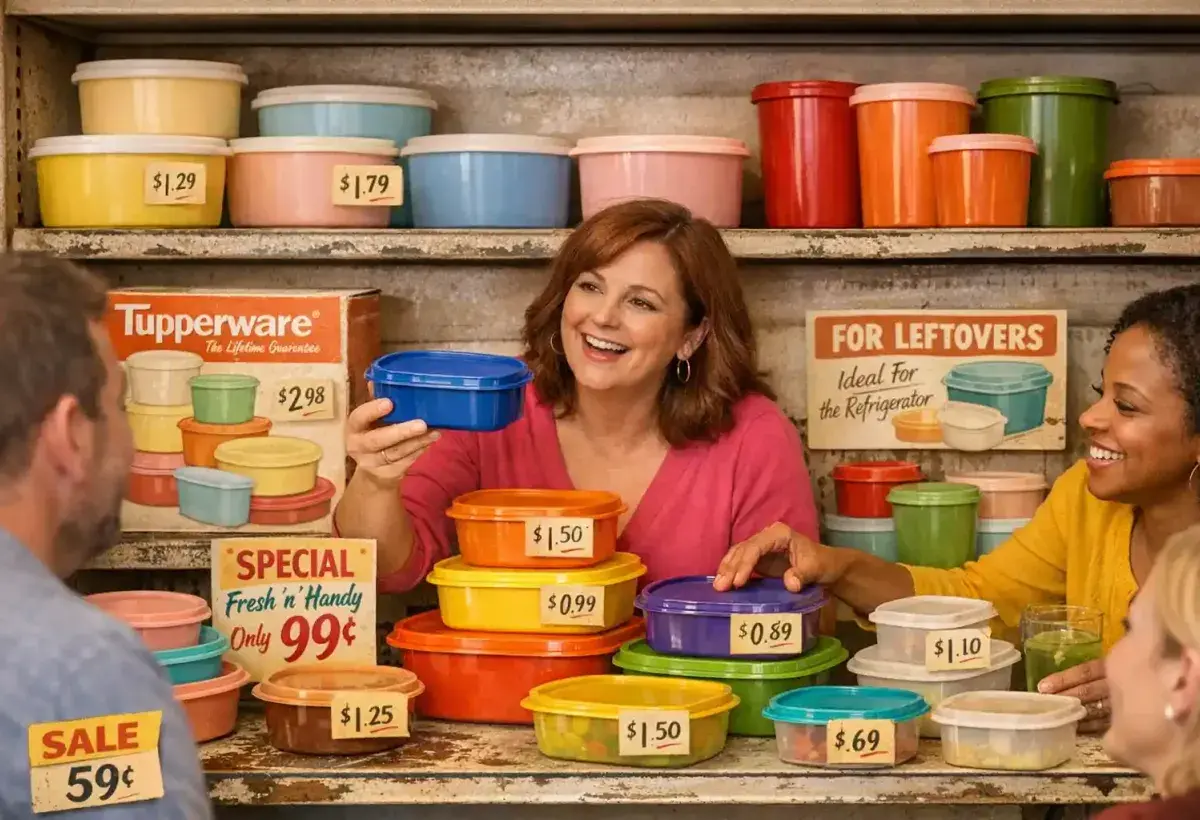
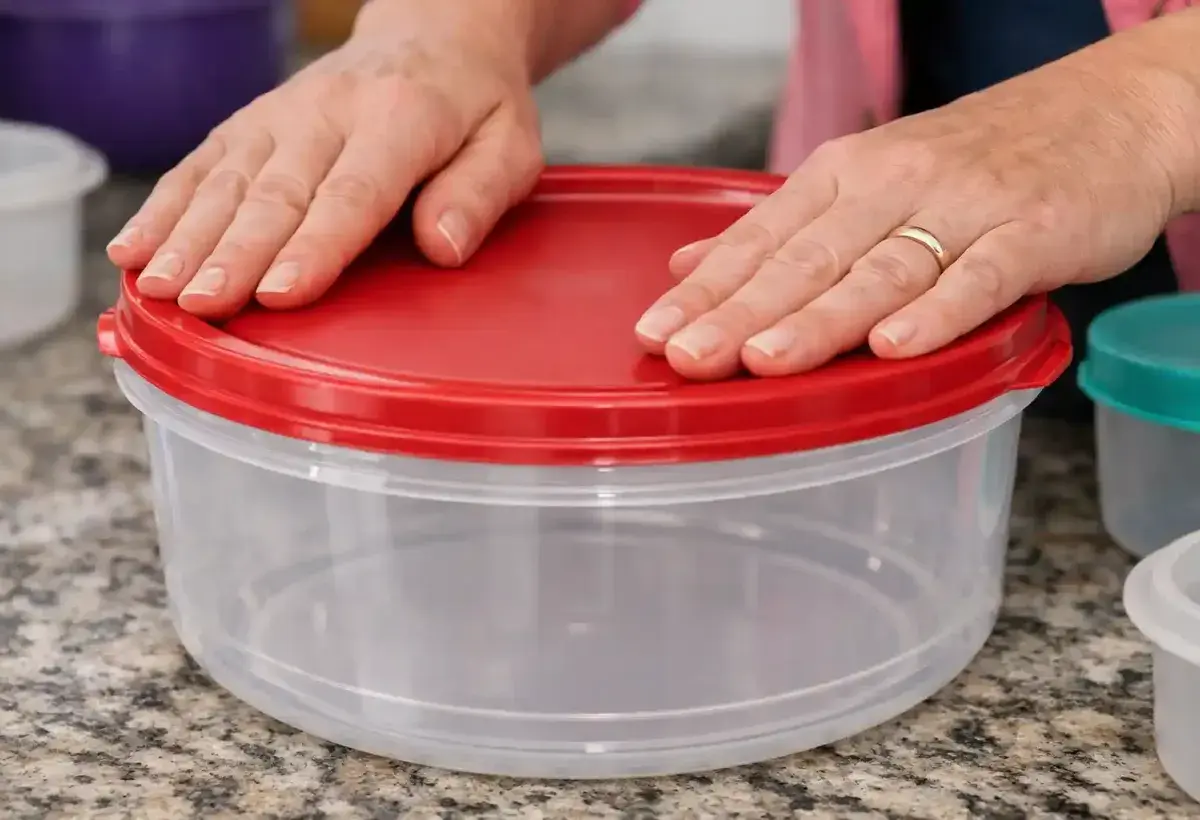
Over the years, certain Tupperware products have gained value as collectible items. Early designs often featured unique shapes and soft pastel colors that reflected the style of their time. These characteristics make them attractive to collectors and enthusiasts.
Many people enjoy collecting vintage pieces because they represent a piece of history. Each item tells a story about design trends, household habits, and the evolution of kitchen tools. This adds a layer of meaning beyond their practical use.
Some rare items have become highly sought after and can be sold for significant amounts in auctions or online platforms. This has created a niche market for vintage Tupperware collectors who actively search for specific pieces.
The appeal of these items lies in both nostalgia and craftsmanship. They remind people of earlier times while also showcasing the durability that Tupperware is known for. Many vintage pieces are still functional, which adds to their value.
Collecting Tupperware has become a hobby for some, blending history, design, and practicality. It shows that even everyday objects can become treasured over time.
Image
8. Tupperware Expanded Across the Globe
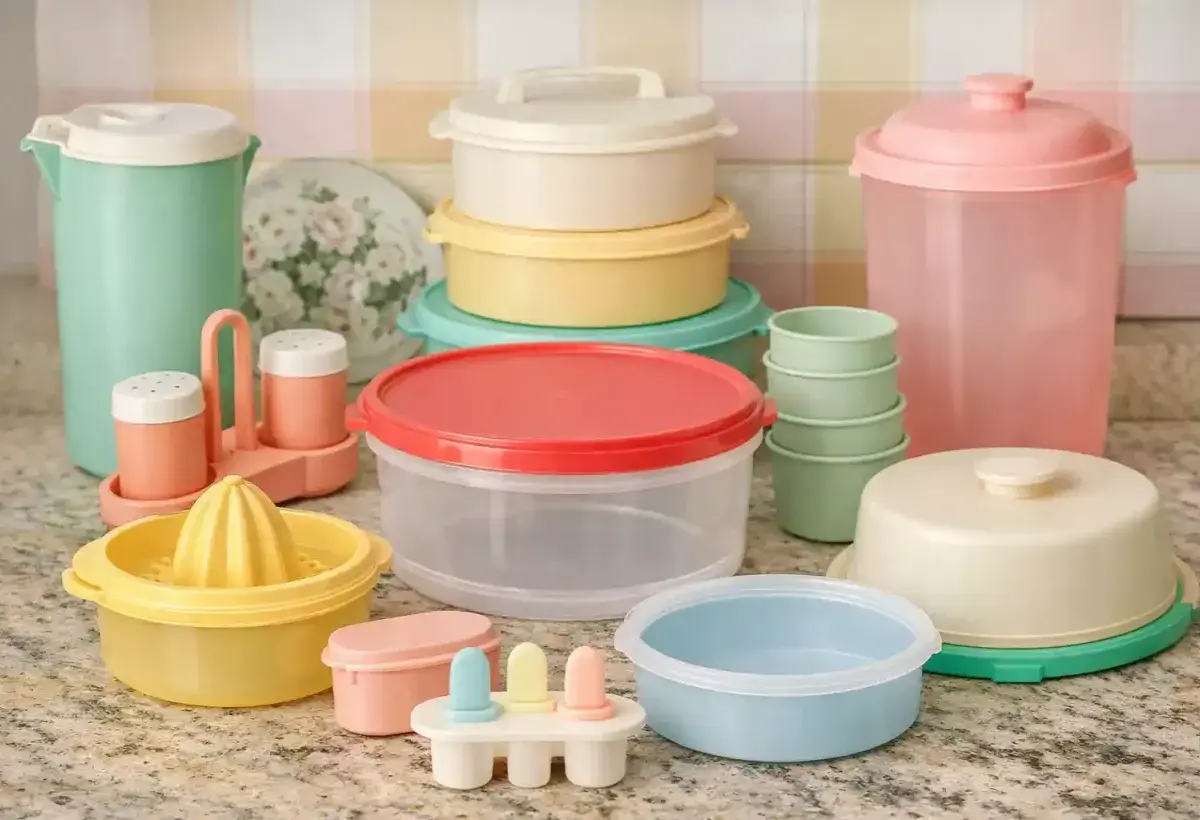
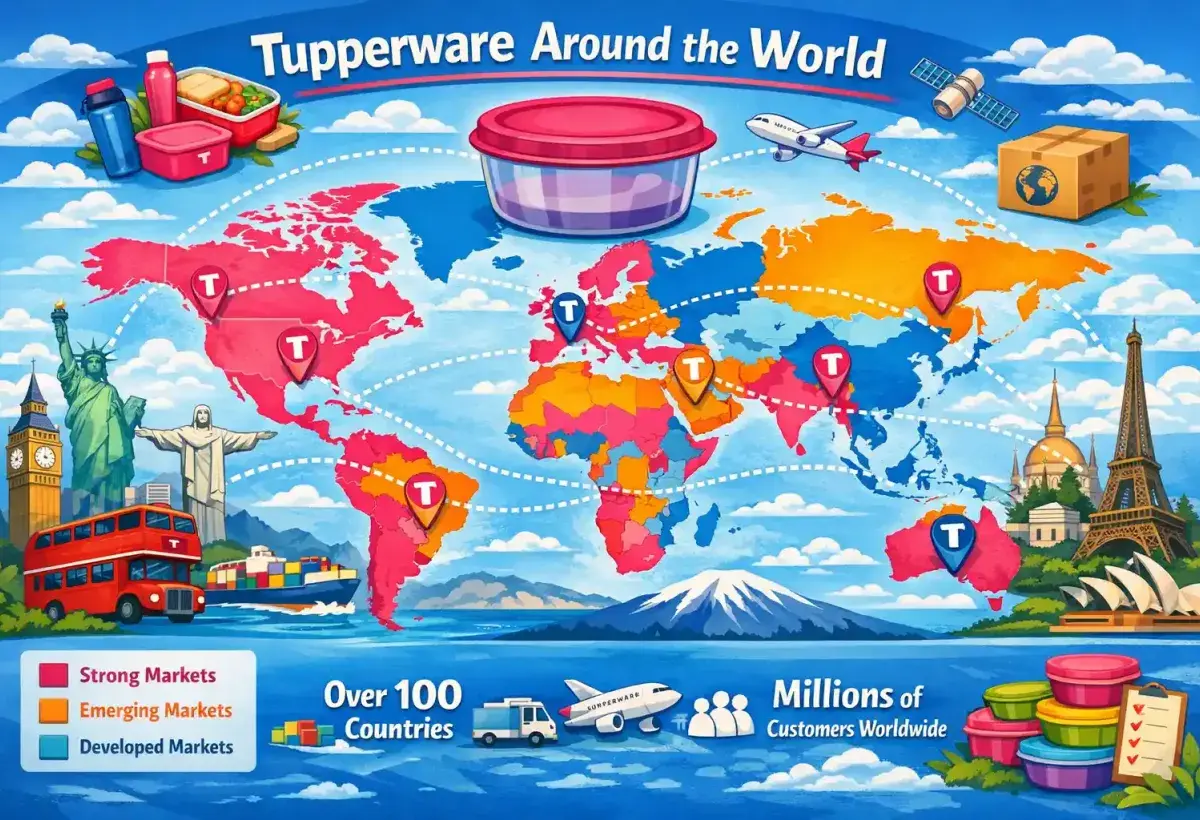
Tupperware quickly grew beyond its original market and became an international brand. Its success in one region made it easier to introduce the products to new audiences around the world. The home demonstration model proved effective in many cultures.
As the company expanded, it adapted its approach to suit local preferences. This included adjusting product designs, colors, and marketing strategies to align with different lifestyles. This flexibility helped maintain its appeal in diverse markets.
The global presence of Tupperware highlights the universal need for reliable food storage. No matter where people live, they value freshness and convenience in their kitchens. This shared need contributed to the brand's widespread adoption.
Expansion also allowed the company to build a global community of users and sellers. People from different backgrounds became connected through a common experience with the product.
This international growth demonstrates how a simple idea can resonate across cultures. It also shows the importance of adaptability in maintaining long term success.
Image
9. The Brand Promotes Reusable Living
Tupperware has become associated with the idea of reusable living. Its products are designed to be used repeatedly, helping reduce the need for disposable packaging. This makes it a practical choice for people who want to minimize waste.
As awareness of environmental issues has increased, more consumers are looking for sustainable options. Tupperware fits into this trend by offering durable containers that can last for years when properly maintained.
The focus on reusability also encourages better habits, such as meal preparation and organized storage. These practices can reduce food waste and make daily routines more efficient.
While plastic remains a complex material in terms of environmental impact, Tupperware continues to explore ways to improve its products and processes. This includes developing designs that maximize longevity and usability.
The brand's emphasis on reuse reflects a shift in how people think about consumption. It shows that small changes in everyday behavior can contribute to larger environmental goals.
Image

10. Innovation Keeps the Brand Relevant
Despite being around for many years, Tupperware continues to innovate and adapt to modern needs. The company regularly introduces new products that reflect changing lifestyles, such as containers designed for meal preparation, portable use, and microwave cooking.
These innovations ensure that the brand remains useful in contemporary kitchens. As people look for convenience and efficiency, Tupperware evolves to meet those expectations. This ability to stay current is one of its greatest strengths.
New designs often combine practicality with aesthetic appeal, making them suitable for both storage and presentation. This adds value for users who want products that are both functional and visually pleasing.
The commitment to innovation also shows that the brand is not limited by its past. Instead, it builds on its history while exploring new possibilities.
By continuing to improve and expand its offerings, Tupperware maintains its place as a trusted name in food storage. It proves that even long established brands can remain relevant through creativity and adaptation.
Image

Tupperware has grown from a simple idea into a lasting presence in homes around the world. Its success is rooted in a combination of practical design, creative marketing, and the ability to adapt to changing needs. Each fun fact reveals a different aspect of how the brand has managed to remain relevant for so long.
From its innovative sealing method to its unique approach to selling products, Tupperware has consistently found ways to stand out. It has influenced not only how people store food but also how products can be shared and promoted through personal connections.
The brand's impact goes beyond the kitchen. It has provided opportunities for individuals to build income and confidence while also encouraging more sustainable habits through reusable products. These contributions highlight its broader significance in everyday life.
Even as new technologies and materials emerge, Tupperware continues to evolve. Its commitment to quality and innovation ensures that it can meet the demands of modern consumers while staying true to its original purpose.
Tupperware is more than just a container. It is a symbol of thoughtful design, community, and adaptability. Understanding its story adds depth to something that many people use without a second thought, making it all the more interesting and meaningful.