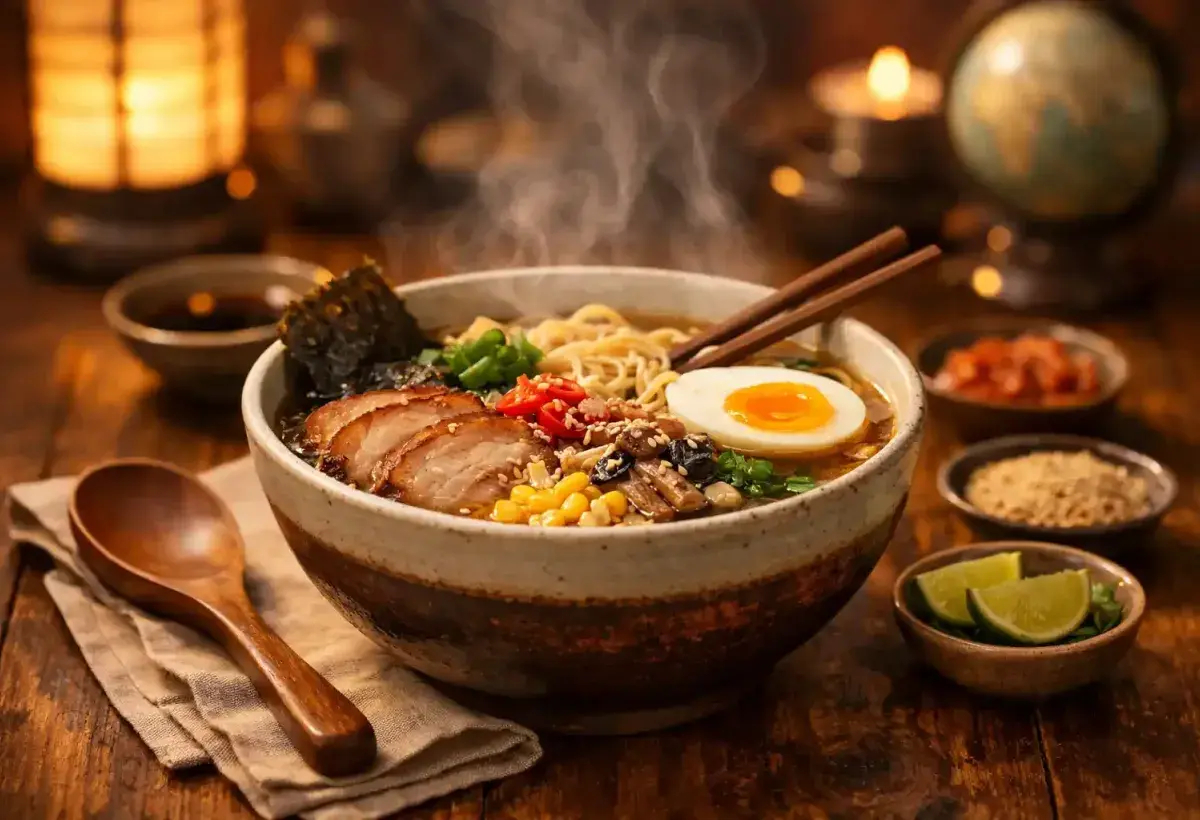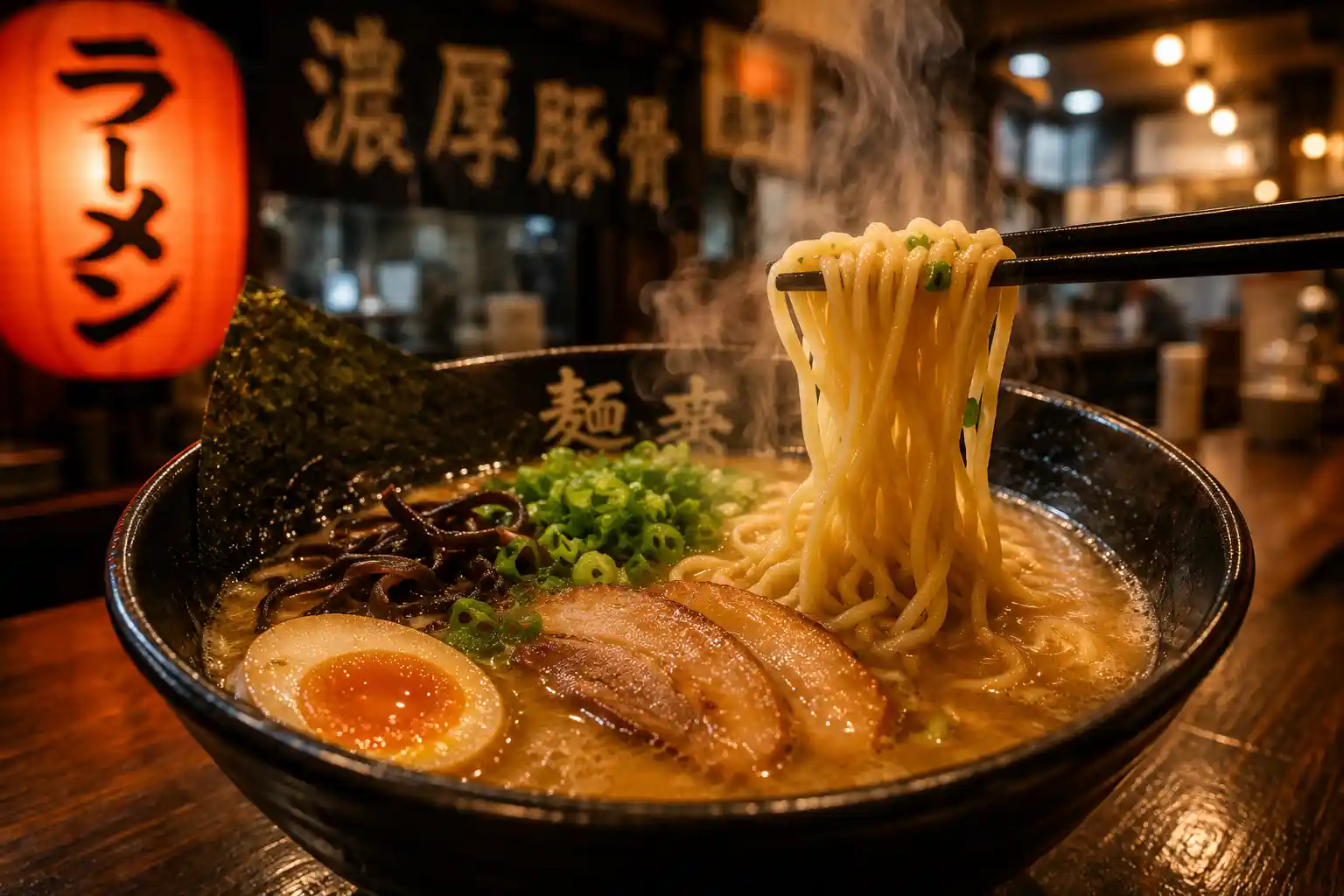
There are foods people eat because they are hungry, and there are foods people remember because they become attached to moments in life. Ramen belongs to the second category. A bowl of noodles floating in rich broth has somehow managed to become comfort food for students, office workers, travelers, families, and people sitting alone after midnight trying to make sense of a difficult day. It appears simple at first glance. Noodles, broth, toppings, steam rising into the air. Yet ramen carries stories that stretch across borders, generations, economic crises, scientific inventions, and cultural shifts.
Many people associate ramen with Japan immediately. They picture crowded noodle shops, chefs moving quickly behind counters, and customers leaning over bowls while eating with complete concentration. Others think about packets of instant noodles stacked in kitchen cabinets for emergencies or lazy evenings. What most people do not realize is that ramen has traveled an unusual path through history. It has been influenced by migration, war, business innovation, luxury culture, and even outer space exploration.
The world surrounding ramen is surprisingly strange. There are museums dedicated entirely to instant noodles. There are bowls sold at prices that rival luxury dining experiences. Some ramen traditions confuse visitors while others become unforgettable experiences once understood. Even the sounds people make while eating can carry meaning.
Part of what makes ramen fascinating is its ability to adapt. It changes depending on region, ingredients, and era while somehow remaining recognizable. A bowl served decades ago would differ from one served today, yet both belong to the same story. Few foods move so comfortably between street stalls and fine dining rooms.
1. Ramen Was Originally Influenced by Chinese Noodles
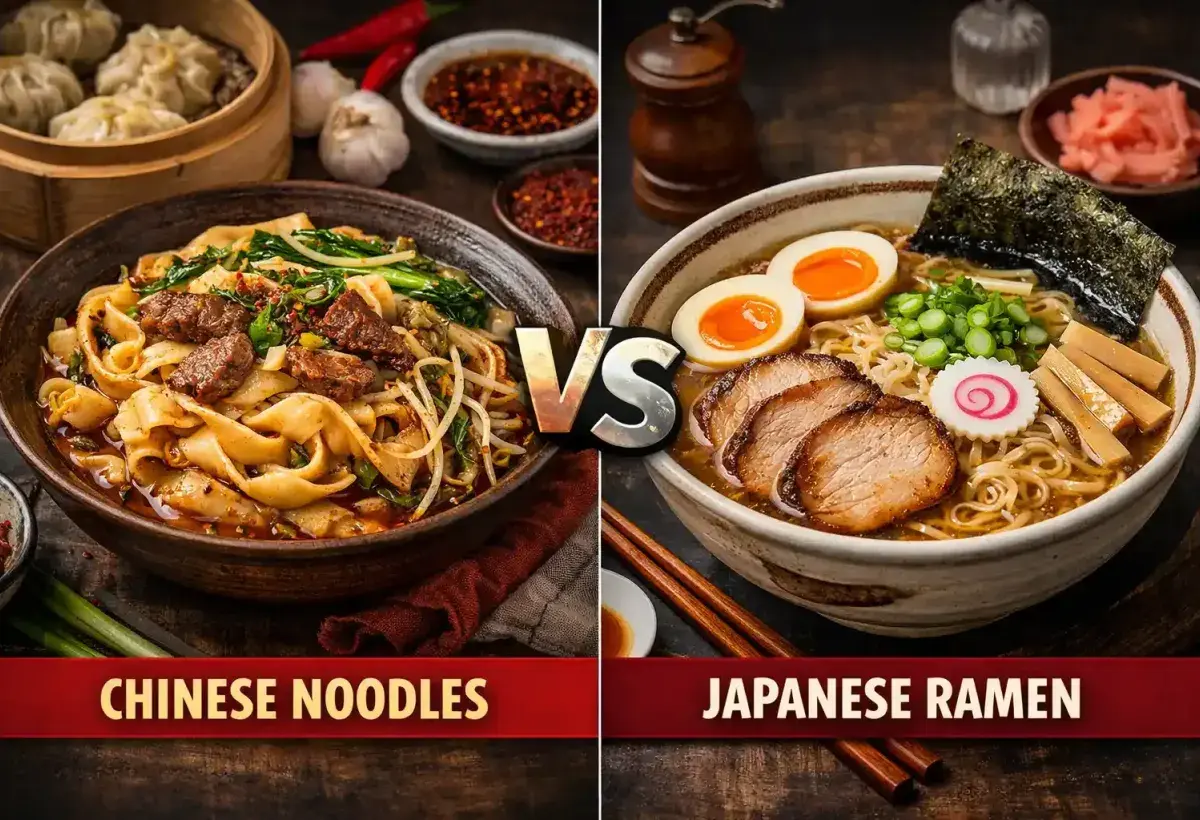
Many assume ramen emerged fully formed within Japanese culture, but its earliest roots trace back to Chinese wheat noodle traditions. Food historians continue debating exact timelines, yet most agree Chinese immigrants introduced noodle dishes resembling modern ramen into Japan during the late nineteenth and early twentieth centuries. These meals evolved gradually rather than appearing overnight.
Early versions were often sold in port cities where international trade brought new ideas and ingredients. Chinese communities served noodle soups seasoned differently from traditional Japanese cooking. Over time, local chefs began adjusting recipes to fit regional preferences. Broths became richer. Toppings diversified. Seasonings shifted toward flavors preferred by Japanese customers.
The transformation happened slowly enough that ramen eventually became viewed as something distinctly Japanese despite its international beginnings. This process is common in food history. Dishes travel across borders and become reshaped by new environments. Pizza changed outside Italy. Curry changed in Britain and Japan. Ramen followed a similar journey.
One important ingredient helped define modern ramen. Kansui, an alkaline mineral solution, gives noodles their springy texture and slight yellow tint. This characteristic texture separates ramen from many other noodle types. Without it, ramen would feel entirely different.
By the middle of the twentieth century, regional styles exploded across Japan. Northern regions favored hearty miso broths suitable for colder weather. Other areas developed soy sauce based recipes or creamy pork bone broths. Each adaptation added another layer to ramen identity.
What began as culinary influence eventually transformed into national pride. Today visitors often seek specific regional bowls the way travelers seek famous landmarks. The history remains hidden beneath every serving.
The surprising truth is that foods rarely belong to only one place forever. Human movement changes recipes just as it changes languages and traditions. Ramen reminds us that cultural exchange often creates something new rather than replacing what existed before.
Image
2. Instant Ramen Was Invented During a Time of Hardship
Some inventions begin with ambition. Others begin with necessity. Instant ramen emerged because people needed affordable food after enormous disruption.
Following the Second World War, Japan experienced widespread shortages. Food security became a national concern. Long lines formed outside vendors selling basic meals. Hunger shaped daily life for many families.
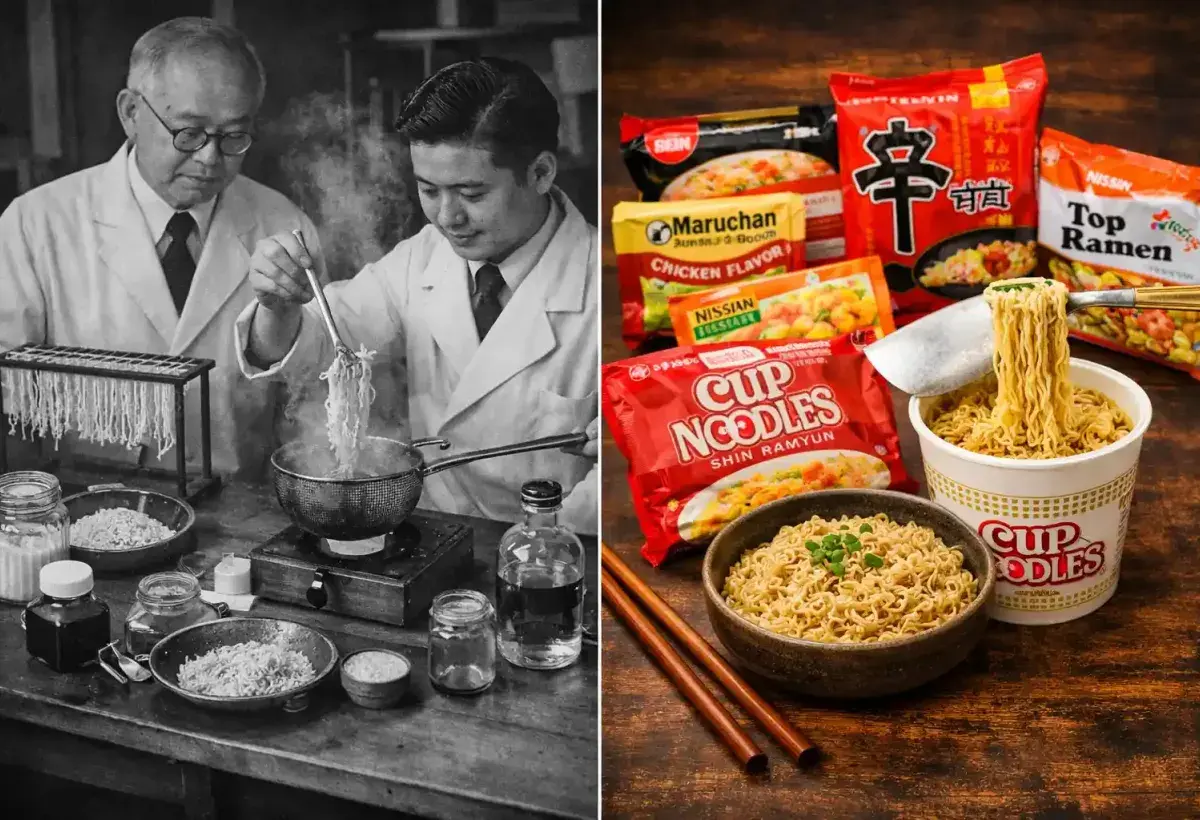
Into this environment stepped Momofuku Ando, an inventor who believed peace depended partly on people having enough to eat. He wanted food that was inexpensive, quick to prepare, and easy to distribute.
His experiments reportedly took place in a small backyard workspace. The challenge was preserving cooked noodles without destroying texture. Traditional drying methods created disappointing results. Then inspiration arrived from observing tempura frying techniques. Rapid oil frying removed moisture efficiently while creating tiny spaces within the noodles. Those spaces later absorbed hot water during preparation.
The result appeared in 1958 as the first commercial instant ramen product. At first, prices were relatively high compared with fresh noodles. Skeptics questioned whether convenience justified cost.
Consumers eventually answered. Demand expanded rapidly.
Instant ramen changed eating habits worldwide. Students relied on it. Travelers packed it. Workers prepared it quickly between responsibilities. Emergency relief organizations used it because storage and transportation were practical.
Today billions of servings are consumed yearly across dozens of countries. Flavors vary dramatically depending on local preferences. Some regions prefer seafood profiles while others lean toward spice or creaminess.
What makes this invention remarkable is not only popularity but adaptability. Instant ramen survived changing generations, health debates, and shifting culinary trends.
A product born from postwar hardship became one of the most recognized convenience foods on Earth.
Image
3. There Are Museums Dedicated Entirely to Ramen
People expect museums to celebrate art, science, or ancient history. Fewer expect museums devoted to noodles. Yet ramen has earned exactly that.
In Japan, visitors can explore attractions centered around ramen history and instant noodle innovation. These spaces blend nostalgia, education, and entertainment.
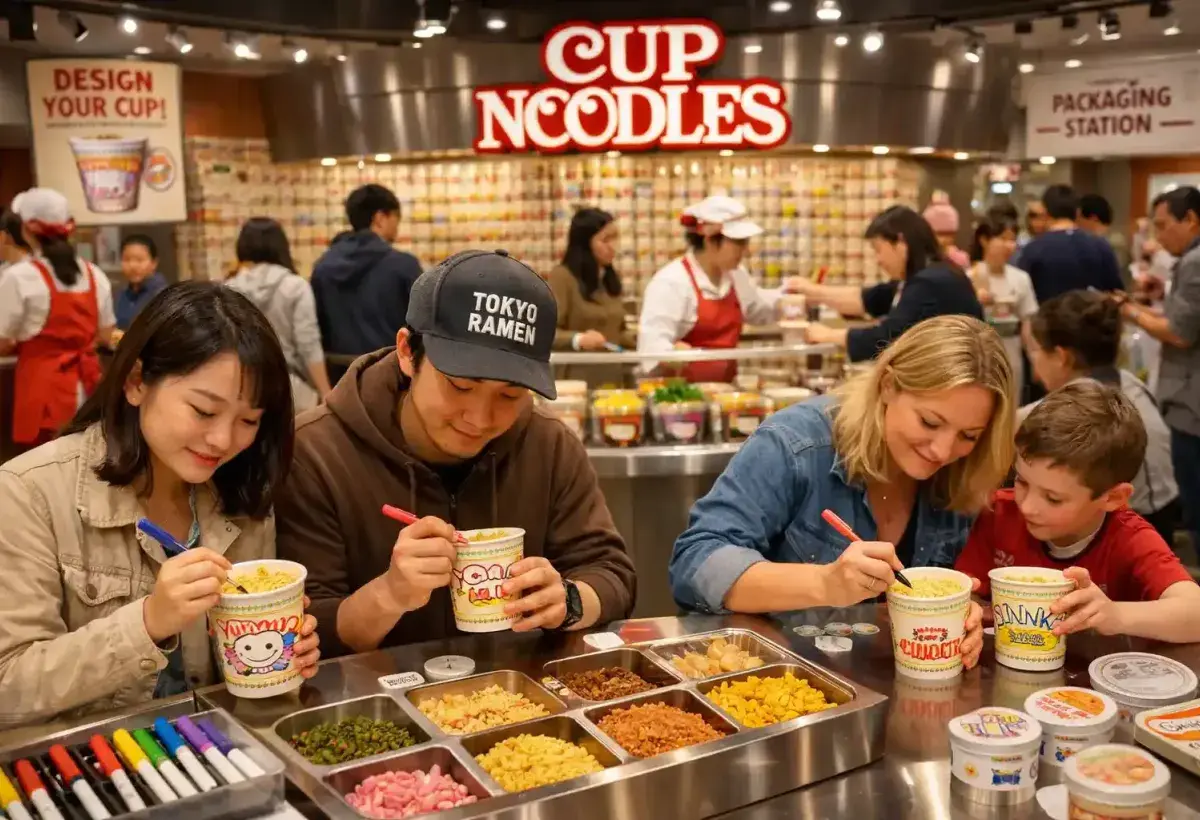
Perhaps the best known is the Cup Noodles Museum Osaka Ikeda, inspired by the legacy of instant noodle invention. Guests learn about experimentation, food design, marketing evolution, and global expansion.
Displays show how packaging changed across decades. Older designs reveal shifts in consumer tastes and advertising strategies. Walking through these exhibits feels partly like studying food history and partly like studying society itself.
Interactive experiences attract many visitors. People create customized noodle cups with chosen ingredients and personalized artwork. Others explore recreated workspaces representing earlier periods of innovation.
The popularity of these museums reflects something larger. Food carries memory. People remember childhood meals, family traditions, and late night snacks connected to specific products.
Museums preserve those emotional connections.
There are also attractions celebrating regional ramen culture. Some recreate historical streets lined with shops representing different eras. Visitors sample bowls from multiple regions within one location.
This creates an unusual form of tourism where people travel specifically to understand noodles.
Outside observers might laugh initially. A museum dedicated to ramen sounds excessive. Yet millions visit because food often reveals more about society than textbooks alone.
Economic growth, changing lifestyles, technological development, and cultural identity all appear through something as ordinary as a bowl of noodles.
Ramen museums quietly demonstrate an important idea. Everyday objects eventually become history worth preserving.
Image
4. Slurping Ramen Can Be Viewed as Appreciation
Dining etiquette differs dramatically across cultures. Behaviors considered rude in one country may communicate respect elsewhere.
Many people raised in Western environments learn to eat quietly. Loud slurping often receives criticism. Ramen culture introduces a different perspective.
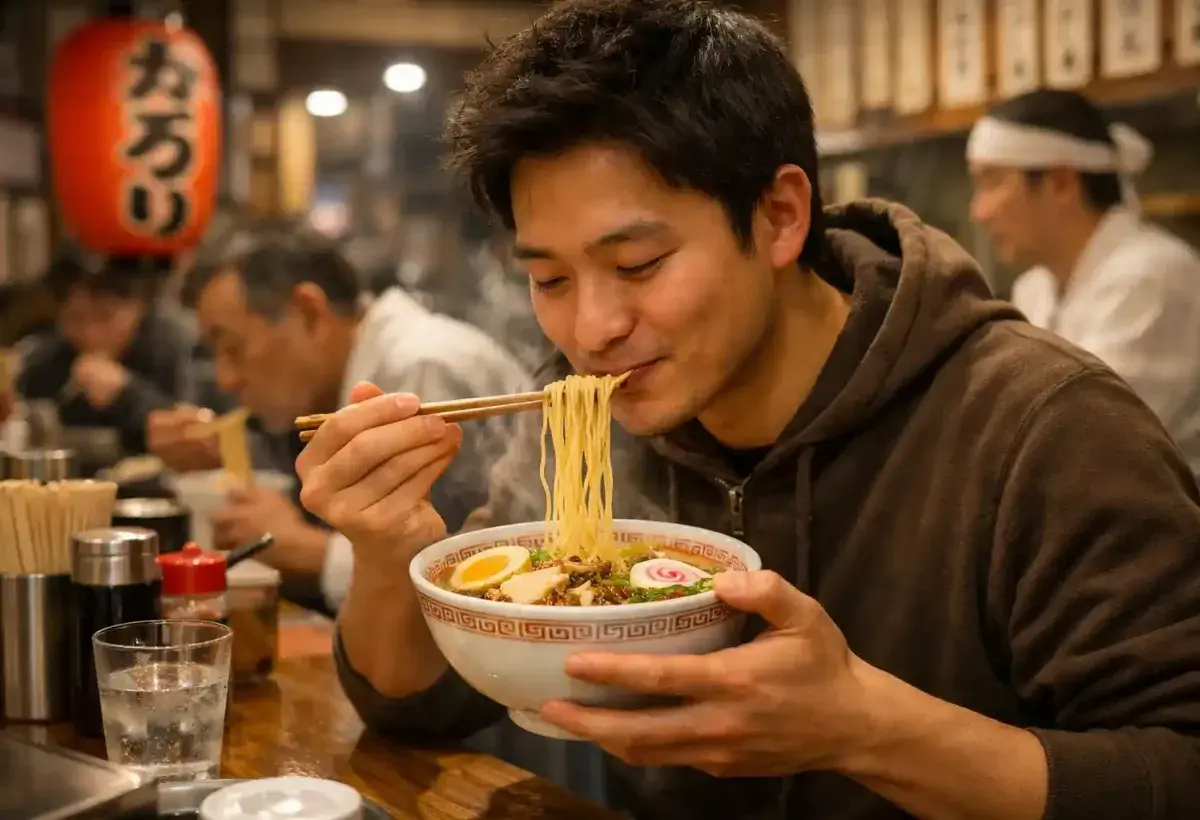
In numerous Japanese settings, audible slurping while eating noodles does not automatically signal poor manners. Context matters. Enthusiastic eating may indicate enjoyment and appreciation.
Practical reasons exist too.
Ramen is commonly served very hot. Slurping pulls air alongside noodles, helping cool them before they reach the mouth. This process allows people to eat more quickly without waiting for temperatures to drop significantly.
Texture also matters. Noodles continue absorbing broth while sitting. Waiting too long changes consistency.
Eating promptly preserves intended flavor balance.
Visitors unfamiliar with these customs sometimes feel self conscious. They attempt unusually quiet eating while surrounded by experienced diners producing steady sounds throughout the restaurant.
Over time many relax and adapt.
Still, etiquette remains nuanced. Excessive noise unrelated to eating may remain inappropriate. Social expectations vary depending on setting and company.
The broader lesson extends beyond ramen.
Travel often reveals assumptions people never questioned. Everyday habits turn out not to be universal. Understanding those differences creates curiosity rather than judgment.
Something as simple as noodle slurping becomes a reminder that culture shapes behavior in surprising ways.
Image
5. Regional Ramen Styles Can Taste Completely Different
Someone saying they love ramen resembles someone saying they enjoy music. The category is enormous.
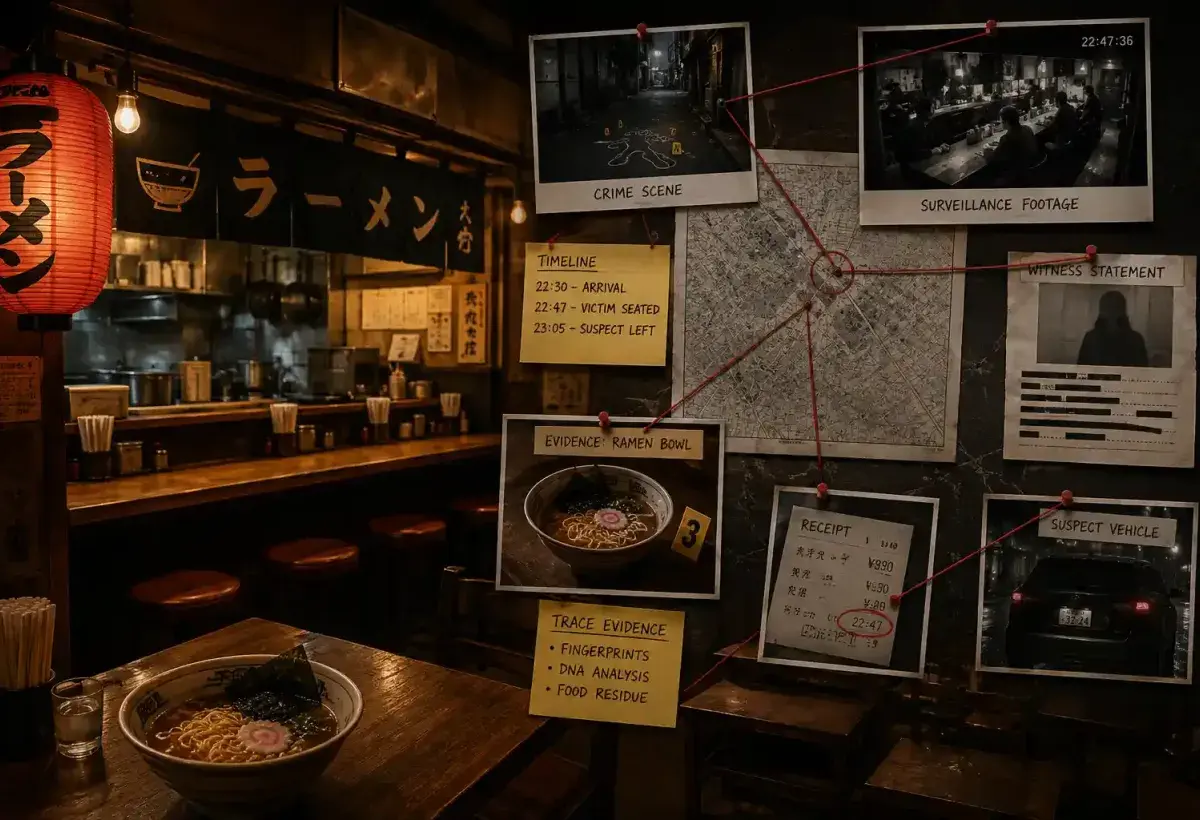
Travel across Japan reveals dramatically different interpretations. Broths shift from light to deeply rich. Noodles vary in thickness and texture. Toppings reflect local ingredients and traditions.
In Sapporo, miso based ramen gained recognition partly because richer flavors suited colder climates. Butter and corn sometimes appear, surprising first time visitors.
In Fukuoka, creamy pork bone broth known as tonkotsu dominates many famous shops. Preparing these broths can require long cooking periods.
Other regions emphasize soy sauce or seafood influences.
Each style develops loyal supporters convinced their local variation deserves highest praise.
Arguments over favorite ramen resemble debates about sports teams or hometown traditions. Preferences become personal.
Regional diversity demonstrates how food adapts to geography. Climate influences ingredients. Agriculture affects availability. Historical trade patterns shape seasoning choices.
No single bowl represents all ramen.
That diversity partly explains global fascination. Exploration never ends. Someone could spend years sampling different styles while continuing to discover unfamiliar combinations.
Food becomes geography experienced through taste.
A traveler might forget specific buildings visited years earlier but remember a remarkable bowl eaten during cold weather in a crowded neighborhood.
Those memories persist.
Ramen survives because it balances familiarity with endless variation. Each bowl belongs to a larger family while maintaining its own identity.
That tension between tradition and change keeps people returning for another serving.
Image
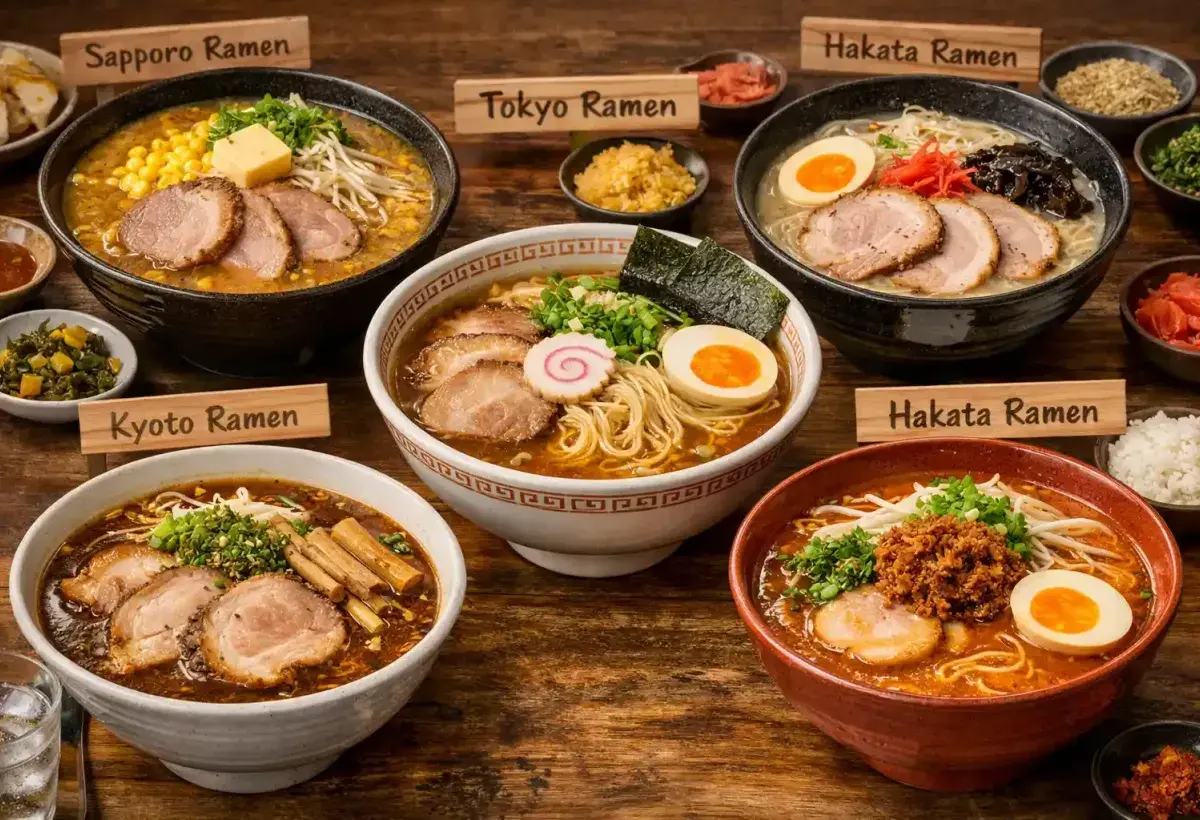
6. Some Ramen Bowls Are Treated Like Luxury Cuisine
Ramen is often associated with affordability and speed, but in certain cases it enters a completely different category. Some chefs treat ramen as fine dining, where time, sourcing, and presentation matter as much as flavor.
In high end ramen shops, preparation begins days before a single bowl is served. Broths are simmered for long periods using carefully selected bones, vegetables, and aromatics. Each ingredient is chosen with precision rather than convenience. Even water quality can influence the final result.
In certain Tokyo restaurants, reservation only ramen experiences exist where limited bowls are served daily. Guests may wait weeks for a seat. The atmosphere resembles a tasting menu more than a casual meal.
One well known example is the concept of ultra premium ramen courses where multiple small bowls are served sequentially. Each one highlights a different aspect of flavor such as salt balance, umami depth, or aromatic layering. Presentation often uses handcrafted ceramic bowls created by local artisans.
The idea challenges traditional thinking about ramen as fast food. Instead, it becomes an expression of culinary craftsmanship. Some critics argue that ramen loses its identity when elevated this far. Others believe it shows how flexible the dish truly is.
Luxury ramen also reflects broader cultural changes. As global interest in Japanese cuisine increases, chefs experiment with blending tradition and innovation. Ingredients like truffle oil, wagyu beef, and aged soy sauce sometimes appear in modern interpretations.
What makes this category interesting is not just price but intention. These bowls are designed to slow the experience down rather than speed it up. Diners are encouraged to focus on aroma, texture, and sequence of flavors.
Ramen in this form becomes less about convenience and more about attention.
It demonstrates that even the most humble dishes can evolve into something entirely different depending on perspective and purpose.
Image
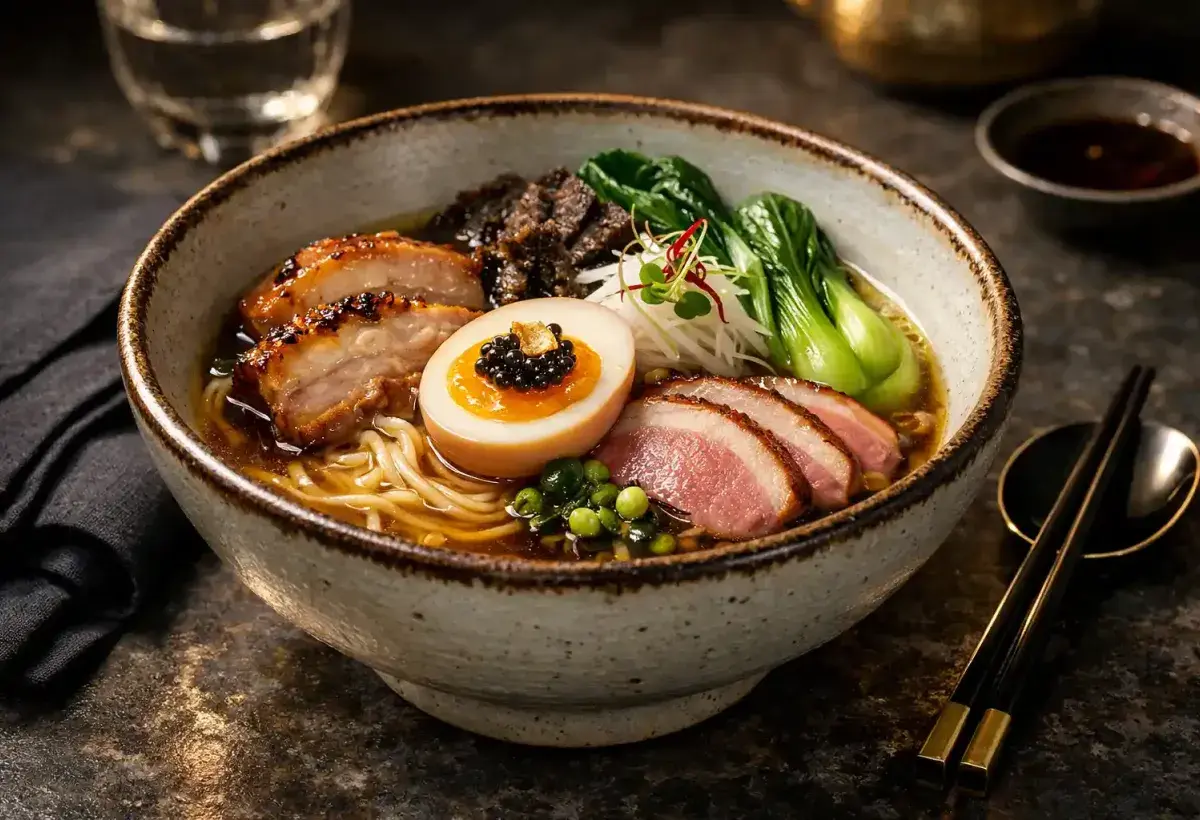
7. Ramen Has Been Adapted for Space Travel
Food in space must solve problems most people never consider on Earth. Gravity disappears. Liquids behave unpredictably. Even smell and texture feel different in orbit.
Despite these challenges, ramen has made its way beyond the planet.
Japanese astronaut missions inspired development of space adapted noodle meals. Traditional broth and loose noodles would not function properly in microgravity because liquid would float freely and form dangerous droplets.
To solve this, food scientists created thicker broth textures and modified noodle structures that hold together in space conditions. Packaging was redesigned to control fluid release and prevent contamination inside spacecraft environments.
The involvement of companies like Nissin Foods played a major role in developing space suitable instant noodle variations.
Astronauts have described eating ramen in orbit as both practical and emotionally meaningful. Meals in space are not only about nutrition but also psychological comfort. Familiar foods help maintain morale during long missions away from Earth.
The sensation of eating ramen while viewing Earth from orbit creates a unique emotional contrast. A simple bowl of noodles becomes something deeply symbolic.
It connects daily human life with extreme exploration.
Space adapted ramen also reflects how food technology evolves. Scientists constantly modify recipes to suit environments beyond traditional kitchens. Temperature control, packaging durability, and texture stability all matter.
What makes this fact remarkable is not only scientific adaptation but emotional continuity. Even in one of the most alien environments imaginable, humans still seek comfort through familiar flavors.
Ramen becomes a reminder of home suspended above the planet.
Image
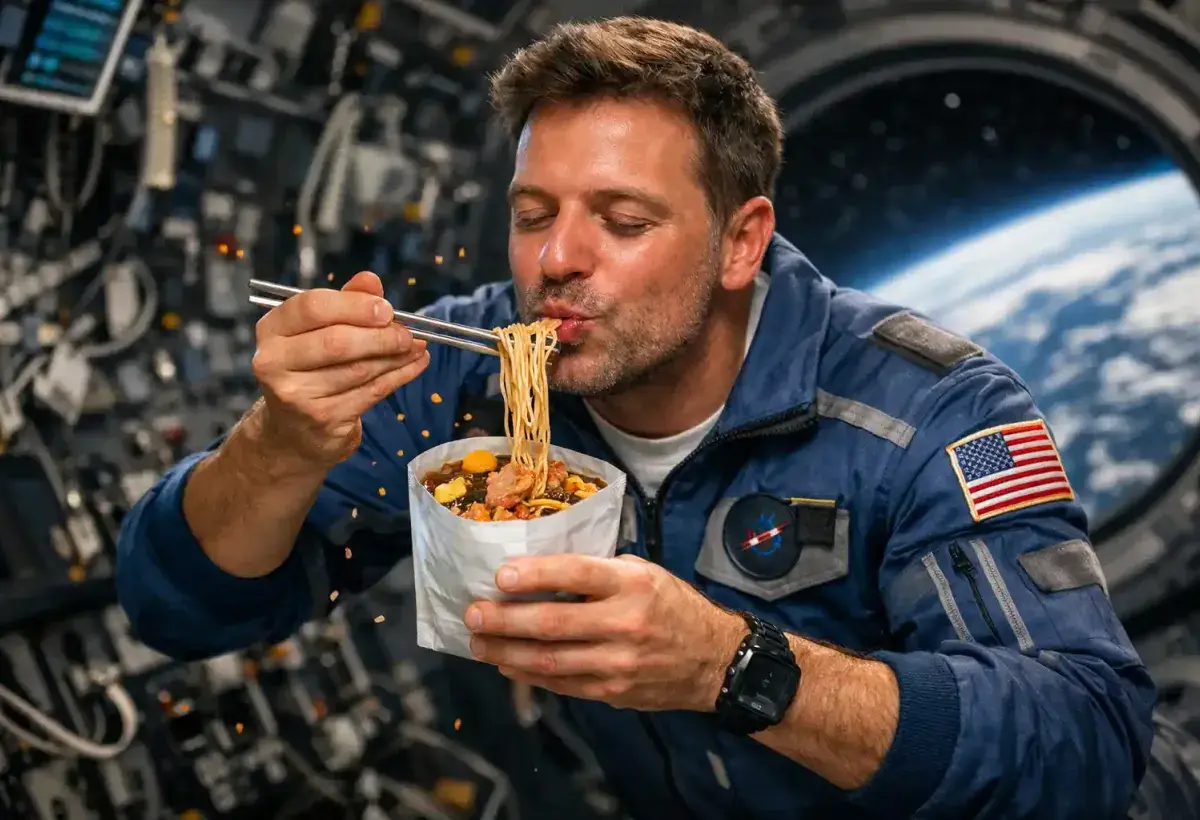
8. Ramen Shops Have Been Part of Unusual Criminal Investigations
Food often leaves traces. Ramen shops, with their heavy foot traffic and cash transactions, sometimes become unexpected sources of evidence in investigations.
In certain cases, police have examined restaurant records, ingredient usage, and customer patterns to verify suspicious activity. Because ramen shops serve large volumes daily, small inconsistencies in inventory can stand out during audits.
Forensic analysis has occasionally extended to packaging materials and disposal patterns. Even simple items like bowls, receipts, and condiment packets can contribute to understanding timelines.
In one widely discussed example from Japanese investigative history, authorities examined consumption patterns in small eateries to cross reference witness statements. While ramen itself was not the central focus, it became part of the evidentiary environment surrounding cases.
The broader point is how everyday environments can unintentionally preserve information. Restaurants track behavior through supplies, waste, and customer flow. When studied carefully, these details create a pattern of activity.
Ramen shops are especially relevant because they operate in high volume, fast turnover conditions. This makes them useful reference points for reconstructing events.
However, most ramen establishments have nothing to do with crime. They are simply busy community spaces where people eat, talk, and move on with their day.
The association with investigations highlights something important. Ordinary places can become meaningful in unexpected ways depending on context.
It also reflects how modern investigative work often relies on small fragments of data rather than dramatic evidence.
A simple bowl of noodles becomes part of a much larger system of observation.
Image
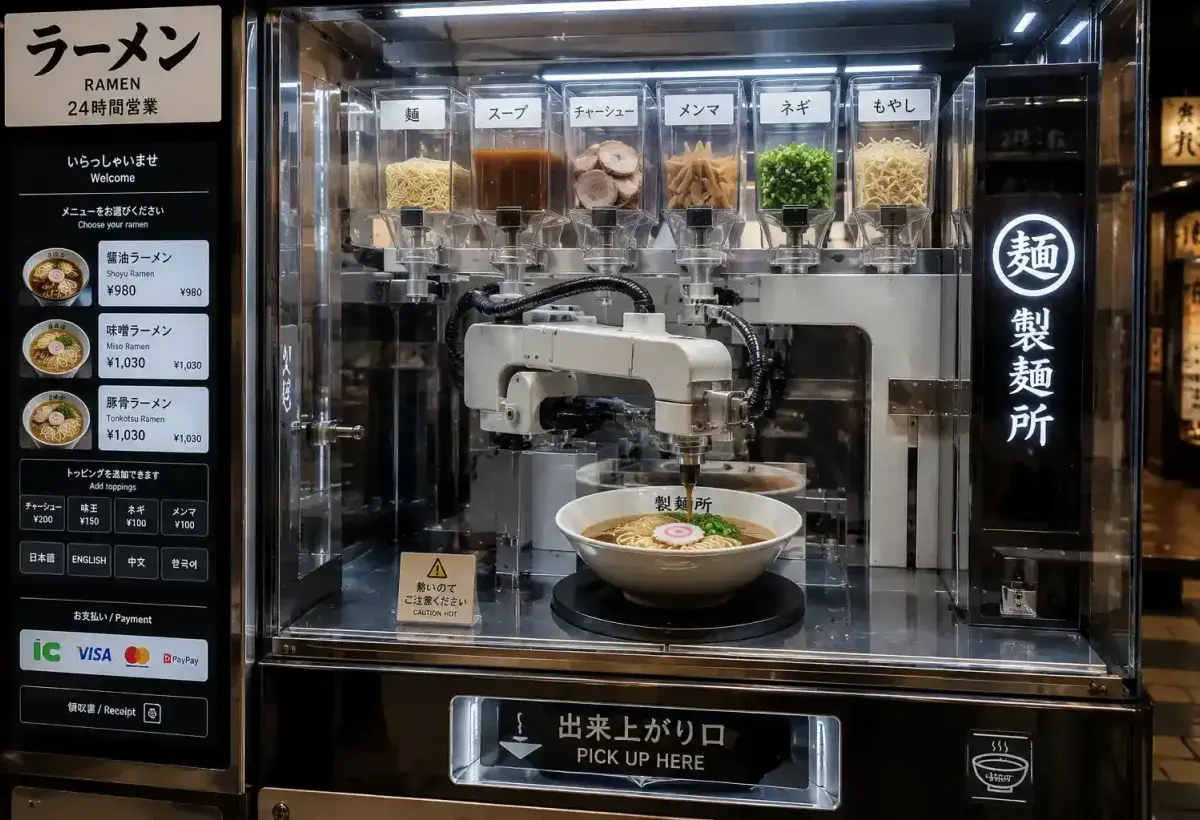
9. Japan Has Fully Automated Ramen Machines
Japan is known for automation in daily life, from ticket machines to vending systems. Ramen has entered this world of efficiency in surprising ways.
Fully automated ramen machines now exist in certain locations, capable of preparing bowls without direct human cooking. Customers select options through a digital interface. Ingredients are dispensed, heated, and assembled through mechanical systems designed for precision.
These machines handle multiple steps including boiling noodles, dispensing broth, and adding toppings such as green onions or chashu slices. Some systems even adjust cooking time depending on selected firmness.
The goal is consistency. Every bowl comes out nearly identical in taste and temperature. This appeals to environments like airports, train stations, and late night urban areas where speed matters.
Despite automation, design still aims to preserve the feeling of freshness. Machines are often enclosed in transparent panels so customers can watch the process unfold. The visual element adds trust and entertainment.
Critics argue that machines remove the human touch that defines traditional ramen shops. Supporters counter that accessibility is more important in certain contexts, especially when human staff would be impractical.
These systems also reflect broader societal trends in Japan regarding labor efficiency and technological integration.
Ramen, once a highly personal craft, can now be produced by programmed systems operating continuously without rest.
Yet even in this automated form, people still gather around and share the experience. The social aspect remains.
It shows that while preparation methods may change, the desire to eat together or enjoy familiar food does not disappear.
Image
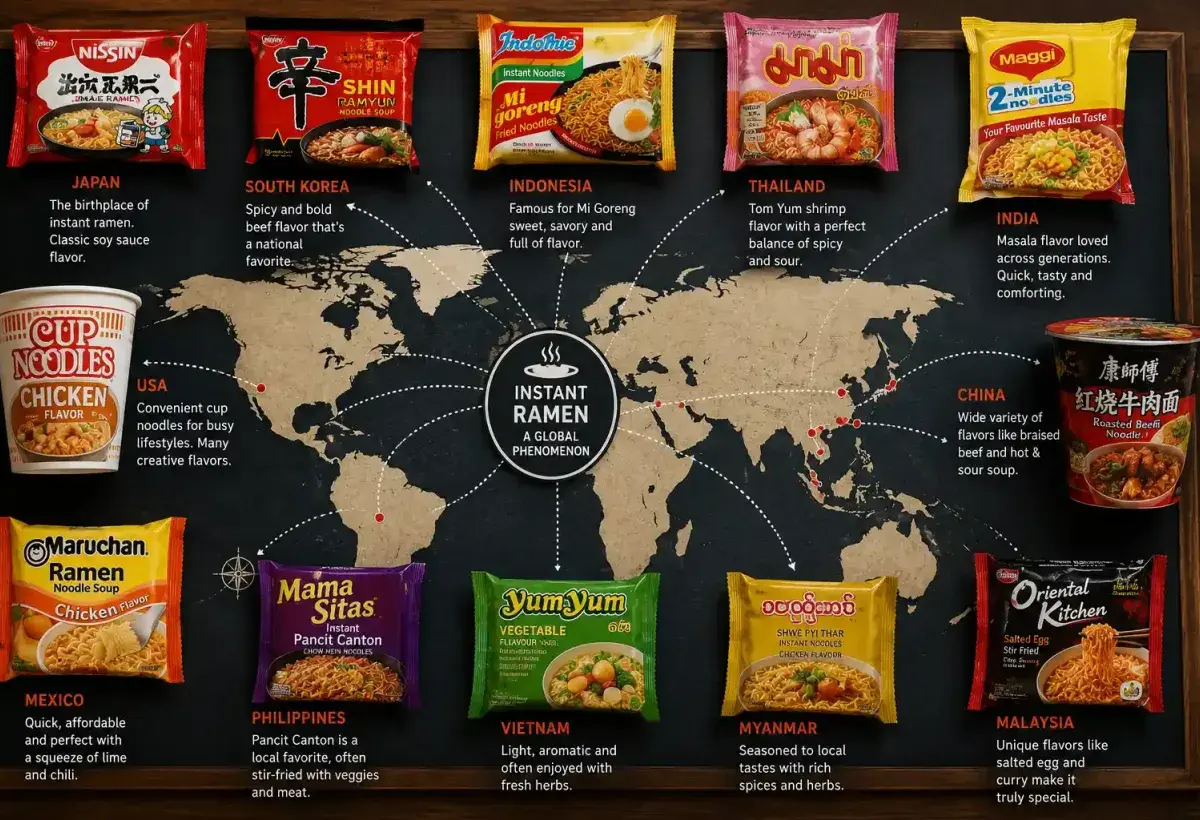
10. Instant Ramen Has Become a Global Cultural Language
Instant ramen began as a practical solution for post war food shortages, but it eventually grew into something far larger. Today it exists in nearly every country, adapted into local flavors and customs.
Different regions treat instant noodles in unique ways. Some add eggs or vegetables. Others transform them into spicy dishes or fusion meals. In many places, instant ramen is no longer just a quick meal but a base for creativity.
Global demand has made instant ramen one of the most widely consumed packaged foods in the world. It appears in supermarkets, convenience stores, dorm rooms, and emergency supplies.
Beyond consumption, ramen has become a shared reference point across cultures. People recognize it instantly regardless of language. It appears in films, online content, and everyday conversations.
Its flexibility allows it to adapt endlessly. Manufacturers release limited regional flavors inspired by local tastes, turning instant ramen into a cultural bridge between countries.
Even high end reinterpretations and experimental versions continue expanding its identity. Some include premium ingredients while others focus on nostalgia or novelty.
What makes instant ramen unique is its accessibility. Almost anyone can prepare it within minutes, yet each person can make it slightly different.
That balance between simplicity and customization gives it global appeal.
From college students to travelers to office workers, ramen fits into many stages of life. It is one of the few foods that feels familiar across borders.
Its journey shows how something created from necessity can evolve into a worldwide cultural symbol without losing its original purpose.
Image
Ramen has traveled a far more unusual path than most foods ever experience. It began as a simple adaptation of foreign noodles, transformed through hardship, and eventually became a global symbol of comfort and creativity. Across its journey, it has entered places few people would expect. It has appeared in space missions, luxury restaurants, automated machines, and even historical investigations. Yet despite all these transformations, it still returns to the same essential experience of warmth, broth, and noodles in a bowl.
What makes ramen powerful is not just its flavor but its flexibility. It can belong to street vendors or fine dining chefs. It can be eaten in silence or slurped loudly in crowded shops. It can be packaged for emergencies or crafted for celebration. Few foods carry that level of range while still remaining recognizable.
At its core, ramen reflects human adaptability. People take what is available and turn it into something meaningful. They adjust it to fit culture, technology, geography, and emotion. Each bowl becomes a small reflection of the place and moment in which it is eaten.
Even as ramen continues to evolve, its essence stays familiar. A simple combination of broth and noodles still manages to create comfort across languages and borders. That consistency is what makes it timeless.
Whether enjoyed in a small local shop, prepared instantly in a dorm room, or served as part of a carefully designed culinary experience, ramen continues to connect people through shared simplicity. It reminds us that some of the most meaningful experiences do not need complexity to endure.
In the end, ramen is not just food. It is a living story that continues to grow with every bowl served.
Image