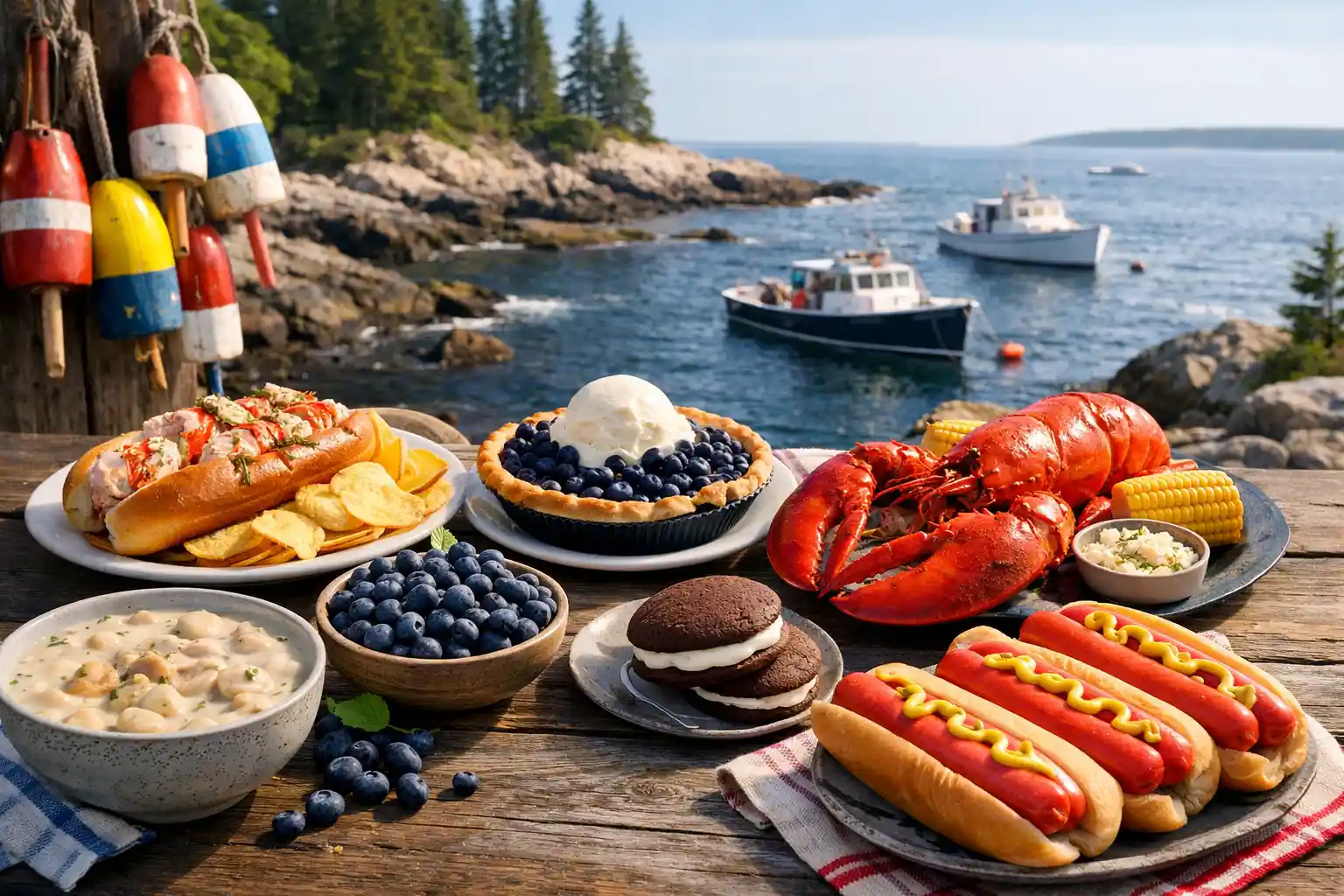
Every state has foods that tell a story, but few places preserve their culinary traditions quite like Maine. Located in the northeastern corner of the United States, Maine has developed a food culture shaped by generations of fishermen, farmers, bakers, and families who have learned to make the most of what the land and sea provide. The result is a collection of dishes that visitors often remember long after their vacation has ended. While some of these foods have inspired imitations around the country, tasting them where they originated offers an experience that cannot be duplicated anywhere else.
Freshness plays an important role in what makes Maine cuisine so memorable. Lobsters are hauled from cold Atlantic waters each day, wild blueberries blanket the hillsides during harvest season, and recipes that have been passed down through generations continue to appear on family tables and in neighborhood restaurants. Rather than relying on elaborate preparation, many local favorites celebrate simple ingredients that are allowed to shine on their own. That philosophy has helped many classic Maine dishes remain popular for decades without losing their authentic character.
Food also reflects the rhythm of life throughout the state. Coastal communities celebrate seafood that arrives straight from local boats, while inland towns proudly showcase baked goods, hearty comfort foods, and agricultural traditions unique to the region. Every bite offers a glimpse into the history and culture of the people who call Maine home. Whether someone is visiting for a weekend road trip or planning an extended vacation, discovering these regional specialties quickly becomes one of the highlights of the journey.
The following foods represent some of the most iconic flavors found across the Pine Tree State. Some are famous around the world, while others remain treasured local favorites that many travelers discover only after asking residents for recommendations. Together they create a delicious introduction to Maine and offer plenty of reasons to explore beyond the scenic coastline.
1. Classic Maine Lobster Roll
Image
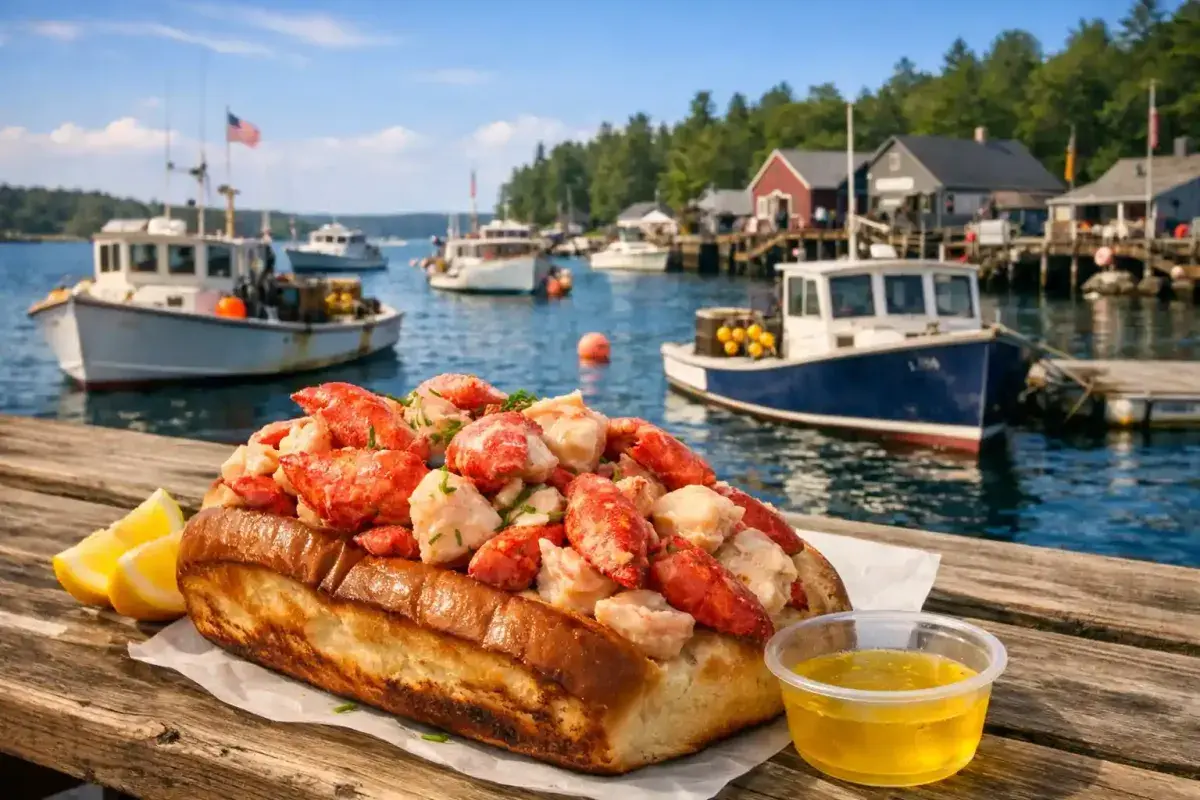
Nothing represents Maine more proudly than the lobster roll. Although versions of this sandwich can be found across the United States, the authentic Maine lobster roll stands apart because of its simplicity and exceptional freshness. The lobster is often caught the very same day, cooked shortly after leaving the ocean, and gently prepared to highlight its naturally sweet flavor instead of masking it with heavy ingredients. For many visitors, eating a lobster roll while overlooking the Atlantic Ocean becomes one of the defining moments of their trip.
Traditional preparation begins with generous pieces of lobster claw, knuckle, and tail meat. Some restaurants lightly dress the meat with a small amount of mayonnaise, while others prefer serving it warm with melted butter. Both styles are celebrated throughout the state, and spirited discussions continue among locals about which version deserves the title of the best lobster roll. Regardless of personal preference, the focus always remains on the quality of the lobster itself.
The bread also plays an important supporting role. Maine establishments commonly use a split top bun that is toasted until lightly crisp on the outside while remaining soft inside. This creates the perfect balance between texture and flavor without overwhelming the seafood. The sandwich is often accompanied by potato chips, fries, or creamy coleslaw, creating a satisfying meal that feels both comforting and elegant.
Seasonality adds another layer to the experience. Summer and early autumn are especially popular times to enjoy lobster rolls because warmer weather encourages outdoor dining along harbors, marinas, and waterfront restaurants. Watching lobster boats return with fresh catches while enjoying one of the state's signature dishes connects visitors directly with the traditions that have shaped coastal communities for generations.
Many restaurants proudly source their lobster from nearby fishermen, strengthening local economies while ensuring exceptional freshness. This close relationship between the sea and the dinner table explains why Maine lobster has earned international recognition for quality. While travelers may find lobster rolls elsewhere after returning home, few compare to enjoying one in the place where this iconic sandwich truly belongs.
2. Wild Maine Blueberry Pie
Image
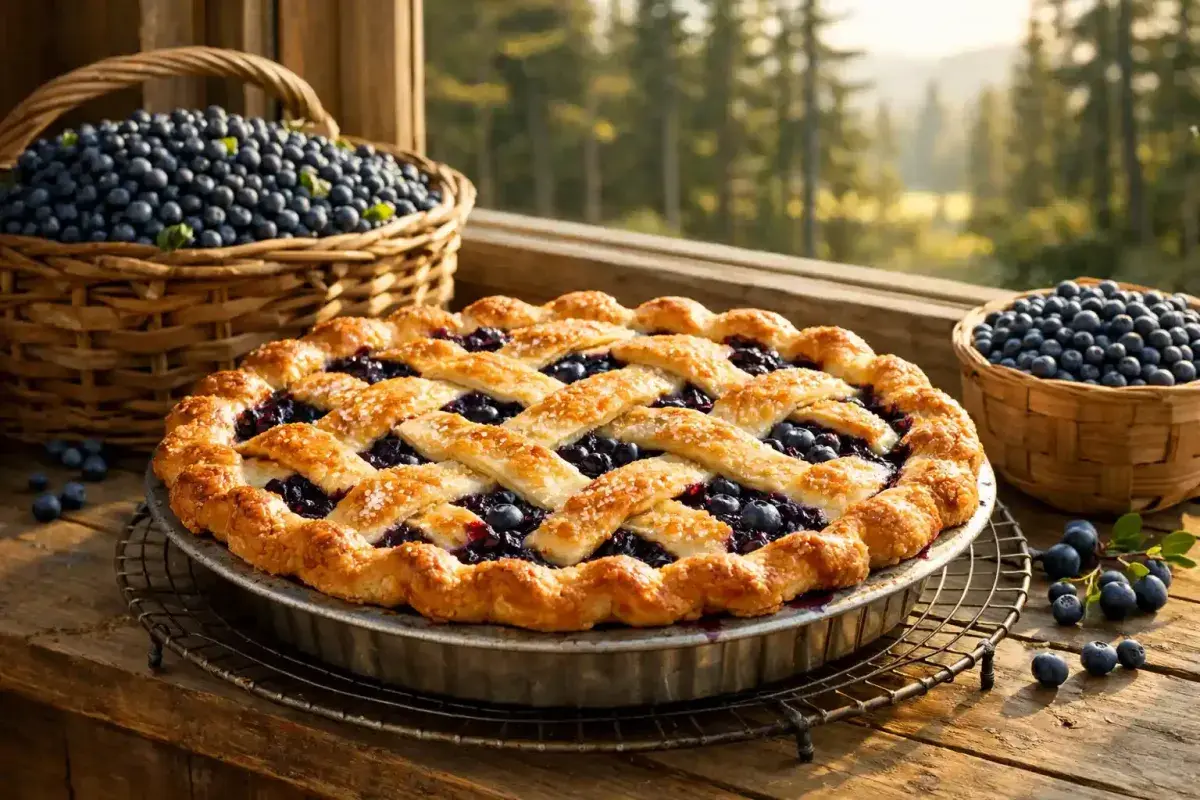
Maine is responsible for producing most of the wild blueberries harvested in the United States, making blueberry pie one of the state's most cherished desserts. Unlike cultivated blueberries that are commonly sold in grocery stores, wild blueberries are much smaller and deliver a deeper, more concentrated flavor. Their natural sweetness combines with a pleasant tartness that creates a pie unlike any other.
The harvesting season transforms many parts of Maine into fields of vibrant blue as families and farmers gather these tiny berries. The fruit has become so closely associated with the state that it appears in countless recipes ranging from pancakes and muffins to jams and ice cream. Even so, blueberry pie remains the undisputed favorite among locals and visitors alike.
A traditional Maine blueberry pie features a flaky golden crust filled almost entirely with wild blueberries. Bakers often use very little thickener because the berries naturally create a rich filling as they bake. Some recipes include a hint of cinnamon or lemon, but the goal is always to preserve the fruit's distinctive flavor instead of covering it with spices.
Many roadside bakeries and small town diners prepare fresh pies daily during blueberry season. The aroma of butter and baked fruit drifting through these establishments has welcomed generations of travelers exploring the state. A warm slice paired with vanilla ice cream or fresh whipped cream creates a dessert that perfectly balances sweetness and freshness.
Beyond its delicious taste, blueberry pie reflects Maine's agricultural heritage. Wild blueberry barrens have supported local communities for generations, providing employment while preserving an important part of the state's landscape. Visitors who sample a freshly baked pie gain an appreciation for the care involved in harvesting these small berries and transforming them into one of New England's most celebrated desserts.
Whether enjoyed after a seafood dinner or purchased from a roadside bakery during a scenic drive, authentic Maine blueberry pie captures the flavor of the state in every bite. Its simple ingredients and remarkable fruit demonstrate how local traditions continue to influence Maine's culinary identity.
3. Steamed Maine Lobster
Image
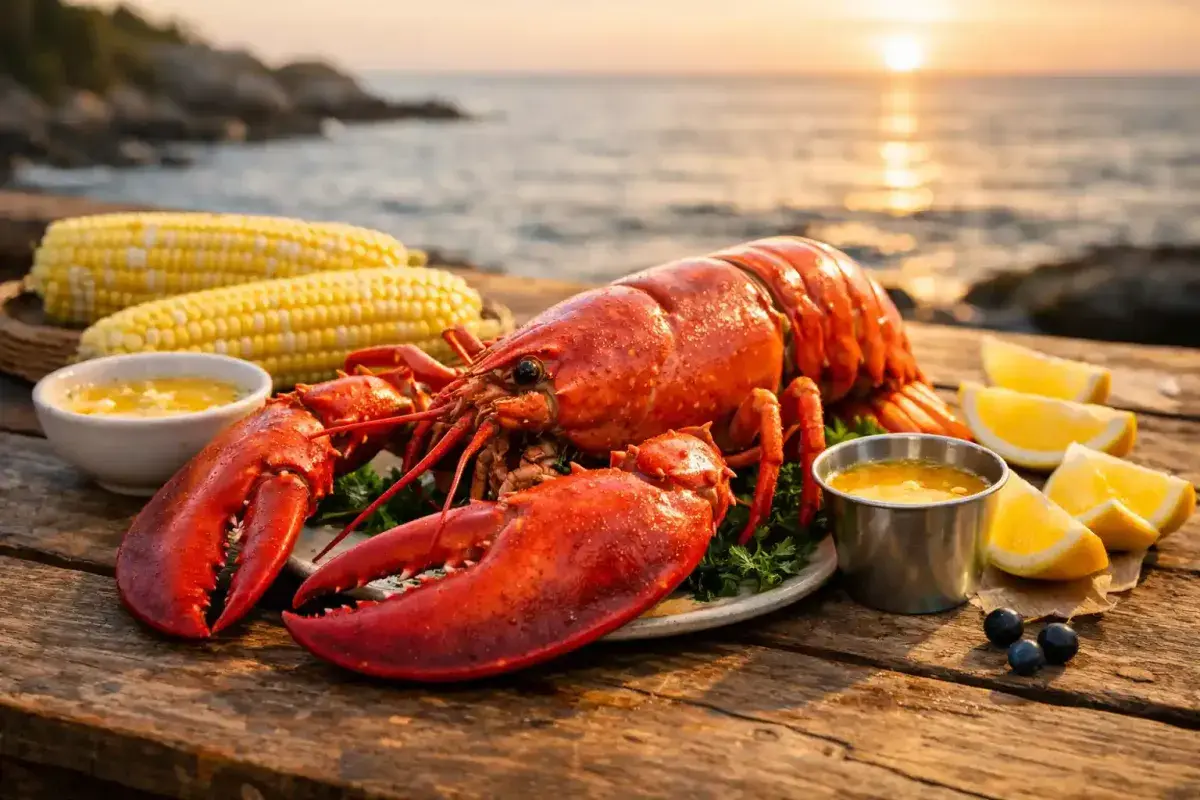
For seafood lovers, few experiences compare with enjoying a whole steamed lobster in Maine. While lobster is available around the world, eating one close to where it was harvested offers unmatched freshness and flavor. The cold waters of the North Atlantic help produce firm, tender meat that has made Maine lobster famous across generations.
Preparing a whole lobster is surprisingly straightforward. After steaming, it is served with melted butter, lemon, and simple side dishes that allow the seafood to remain the centerpiece of the meal. Corn on the cob, baked potatoes, and fresh coleslaw often accompany the lobster, creating a traditional New England feast that celebrates quality rather than complexity.
Many waterfront restaurants display lobster tanks where guests can choose their preferred size before cooking begins. Watching fishermen unload their daily catch nearby adds another level of authenticity that cannot be recreated inland. This direct connection between the ocean and the dining table gives visitors a greater appreciation for the hardworking communities that depend upon lobster fishing.
Eating a whole lobster can seem intimidating for first time visitors, yet restaurant staff are usually happy to demonstrate how to crack the shell and remove the meat. Once people become comfortable with the process, they quickly understand why the meal has become such an important tradition throughout Maine. Every section offers slightly different textures and flavors that reward patience and curiosity.
The lobster industry also plays an important economic role throughout the state. Generations of fishing families have built livelihoods around sustainable harvesting practices that help protect lobster populations for the future. Purchasing locally caught lobster supports these communities while allowing visitors to experience one of America's finest seafood traditions.
A meal centered around freshly steamed lobster often becomes more than just dinner. It creates lasting memories of ocean breezes, working harbors, friendly conversations, and the unmistakable taste of seafood at its freshest. That combination keeps travelers returning to Maine year after year.
4. Maine Red Snapper Hot Dogs
Image

Visitors are often surprised when they first encounter Maine's famous Red Snapper hot dogs. Their bright red casing immediately captures attention, making them look quite different from ordinary hot dogs served elsewhere in the country. Despite their colorful appearance, these hot dogs have become one of Maine's most beloved comfort foods and hold a special place in local traditions.
The distinctive red casing produces a satisfying snap when bitten, giving the hot dog its memorable name. Inside, the meat is seasoned with a blend of spices that creates a richer flavor than many mass produced varieties. While recipes differ slightly among manufacturers, the unmistakable texture remains one of the defining characteristics that generations of Mainers have come to expect.
These hot dogs frequently appear at backyard cookouts, family reunions, summer festivals, and local sporting events. Many residents have fond childhood memories of eating Red Snappers during camping trips or community gatherings. Because they have been part of Maine culture for decades, the hot dogs carry a sense of nostalgia that extends beyond their unique appearance.
Preparation is refreshingly simple. They can be grilled, boiled, or cooked over an open campfire before being placed into a soft bun with classic toppings such as mustard, onions, or relish. Some locals insist that simplicity is best because it allows the flavor and signature snap to remain the focus of every bite.
Although visitors may initially think the bright color is unusual, curiosity often leads them to give Red Snappers a try. Many leave pleasantly surprised by the combination of texture, seasoning, and tradition that has made these hot dogs a lasting symbol of Maine's casual dining culture.
For travelers looking to experience everyday local life instead of only famous seafood restaurants, enjoying a Red Snapper provides a fun and authentic taste of the state's culinary personality. It is proof that some of the most memorable foods are also among the simplest.
5. Maine Whoopie Pie
Image
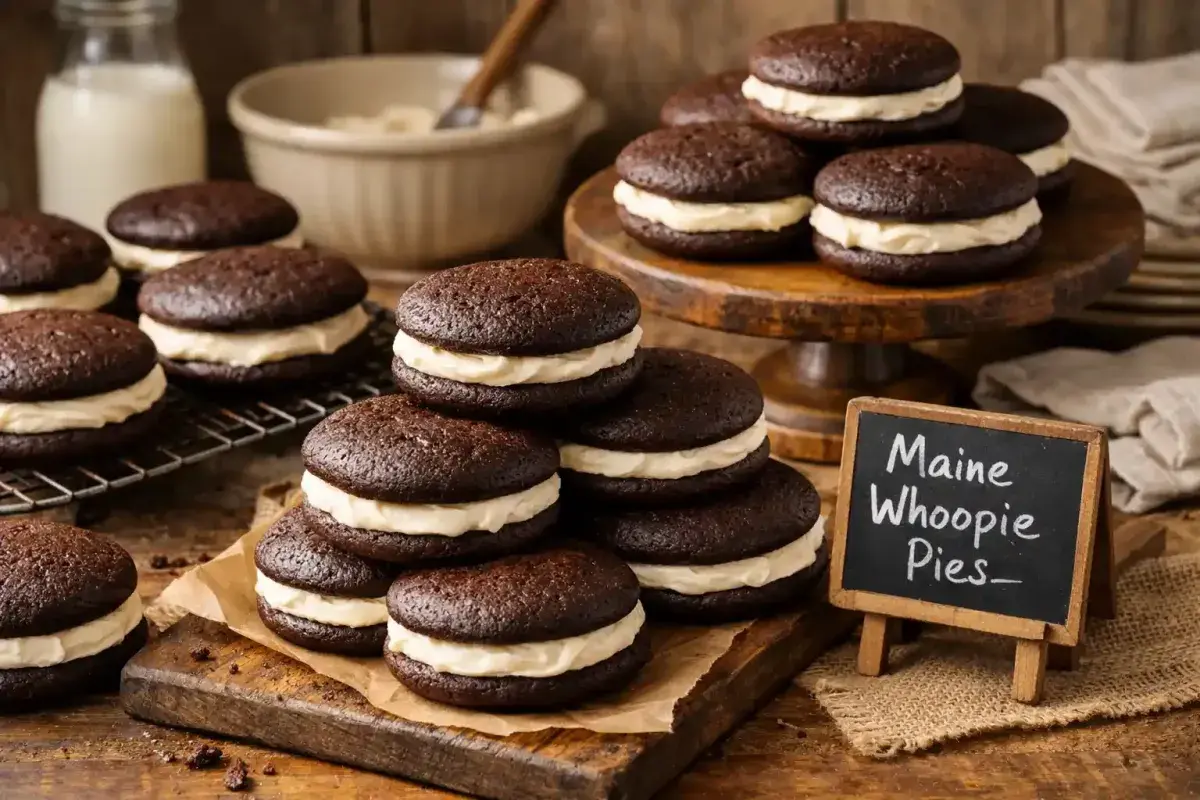
Few desserts inspire as much affection in Maine as the whoopie pie. While neighboring states sometimes debate its origins, the treat has become deeply woven into Maine's baking traditions and is widely recognized as the official state treat. Combining soft cake like cookies with a rich creamy filling, the whoopie pie offers a satisfying balance between cake and sandwich cookie that appeals to people of every age.
The classic version features two moist chocolate cakes surrounding a generous layer of sweet vanilla filling. The cakes remain soft rather than crisp, creating a dessert that is easy to enjoy without becoming overly rich. Bakers across the state often rely on family recipes that have been passed down through several generations, preserving subtle differences in texture and flavor.
Although chocolate remains the traditional favorite, modern bakeries frequently introduce seasonal variations using pumpkin, maple, blueberry, peanut butter, or red velvet flavors. These creative additions allow customers to sample new combinations while maintaining the familiar appearance that makes whoopie pies instantly recognizable.
Many local bakeries prepare fresh batches every morning, filling display cases with rows of perfectly assembled desserts that tempt visitors as soon as they enter. Farmers markets and country stores also offer homemade versions that reflect the baking traditions of small communities across Maine. Purchasing one directly from a neighborhood bakery provides an opportunity to support local businesses while enjoying an authentic regional specialty.
Whoopie pies also play an important role during celebrations, holiday gatherings, school events, and family reunions. Their portability makes them easy to share, and their comforting flavors often remind residents of childhood memories spent in kitchens with parents and grandparents.
For travelers seeking something sweet after a seafood meal or an afternoon exploring coastal villages, the whoopie pie delivers a delicious conclusion. It demonstrates how simple ingredients, careful baking, and generations of tradition can create a dessert that continues to bring smiles throughout the Pine Tree State.
6. Maine Clam Chowder
Image
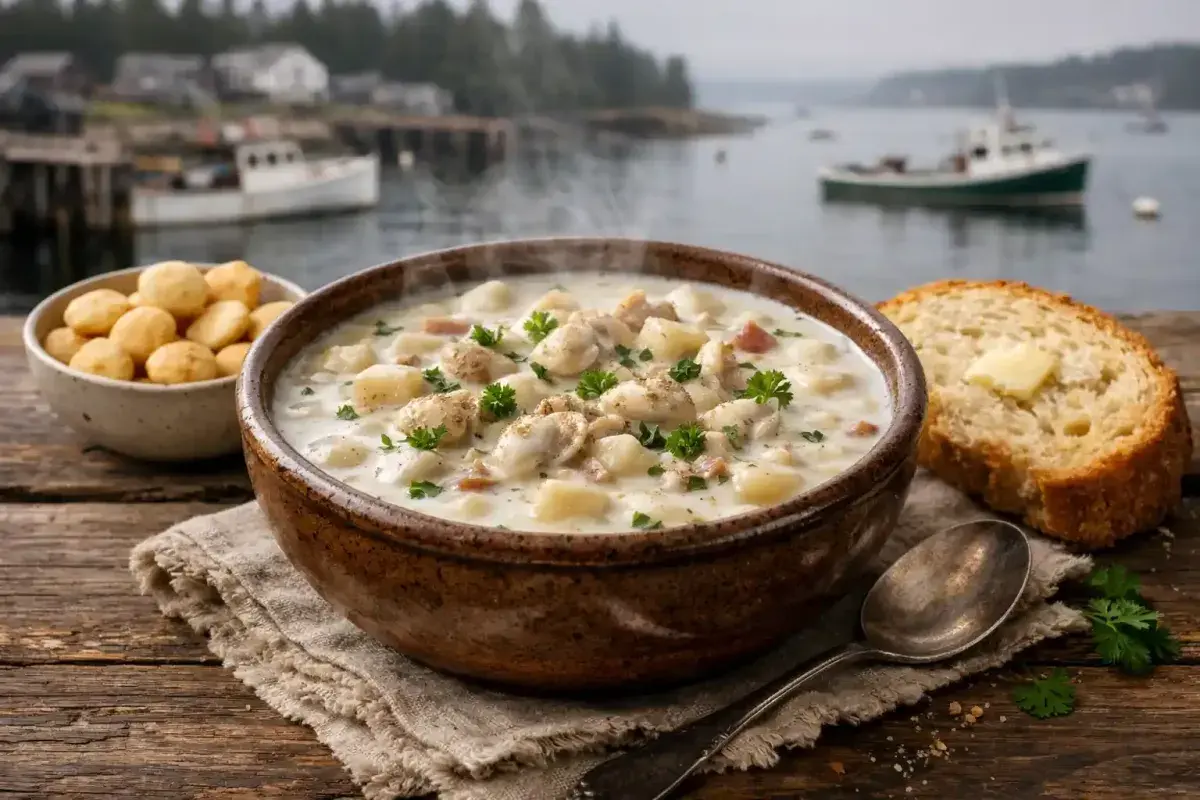
While lobster often receives the spotlight, clam chowder has earned its own place among the defining dishes of Maine. It is a comforting meal that reflects the state's long connection to the Atlantic Ocean and the hardworking fishing communities that have harvested shellfish for generations. On cool coastal mornings or after spending hours exploring rocky shorelines, few dishes are as satisfying as a bowl of freshly prepared clam chowder made from local ingredients.
Authentic Maine clam chowder focuses on quality rather than complexity. Fresh clams provide the heart of the recipe, bringing a naturally sweet and slightly briny flavor that immediately reminds diners of the nearby ocean. The broth is rich and creamy without becoming overly thick, allowing the clams to remain the center of attention. Potatoes, onions, celery, and a touch of seasoning complete the dish, creating a balance that has remained popular for decades.
Every restaurant has its own interpretation, often based on recipes that have been handed down through several generations. Some establishments prepare a lighter chowder that highlights the seafood, while others create a heartier version packed with generous pieces of potato and clam. These subtle differences encourage travelers to sample chowder from several locations during their visit, discovering how each cook adds a personal touch while respecting tradition.
Many waterfront restaurants prepare chowder throughout the day using clams harvested from nearby waters. Sitting beside a harbor while watching fishing boats move across the bay creates an atmosphere that perfectly complements the meal. The experience becomes about more than simply eating. It offers a chance to appreciate the close relationship between Maine's coastal communities and the resources that have sustained them for centuries.
Chowder also reflects the practical nature of New England cooking. Families historically relied on ingredients that were readily available and nourishing enough to sustain them through long winters. Fresh seafood combined with vegetables and dairy created a filling meal that could feed an entire household while making the most of local harvests. That practical approach remains evident in modern recipes that continue to emphasize freshness and simplicity.
Whether enjoyed as an appetizer or a meal on its own, authentic Maine clam chowder delivers comfort in every spoonful. It captures the flavors of the coast while reminding visitors that some of the state's greatest culinary treasures come from recipes that have remained remarkably unchanged across generations.
7. Fiddleheads
Image
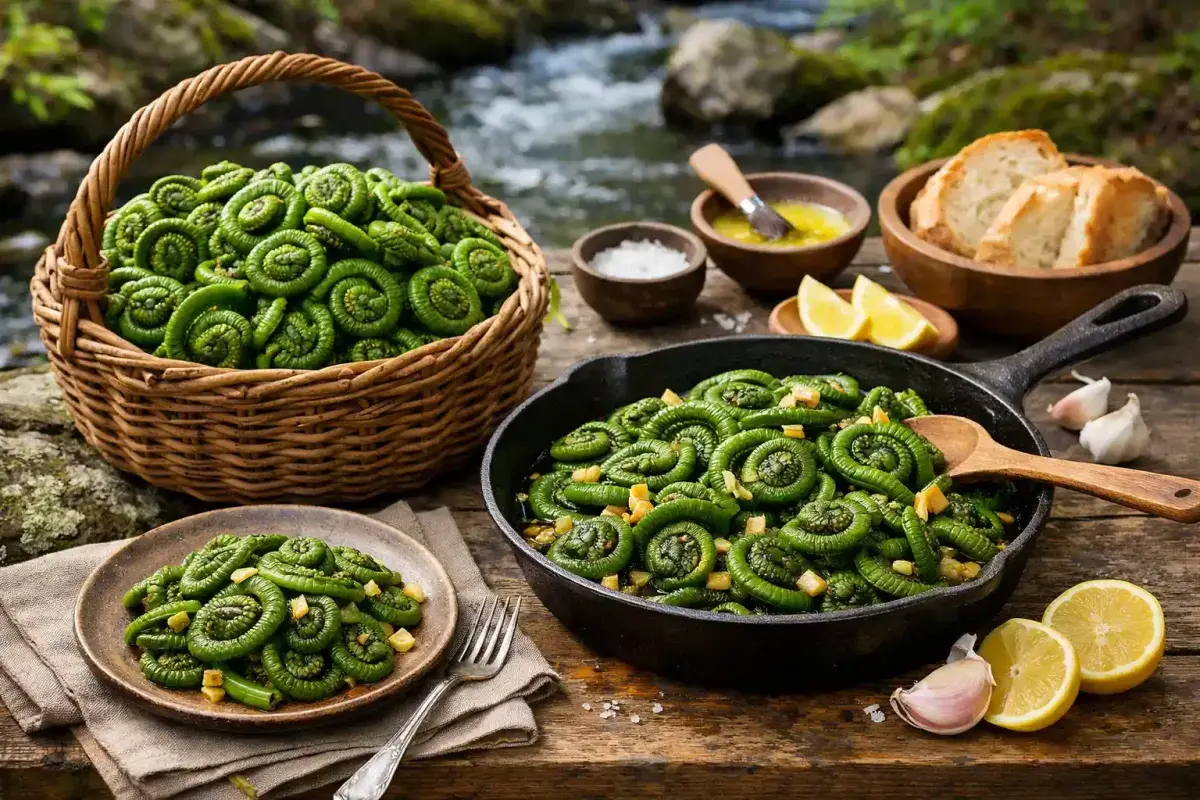
Among the many seasonal foods that define Maine, fiddleheads stand out as one of the most distinctive. These tightly curled young fern shoots appear only for a brief period during the spring, making them a highly anticipated ingredient for both home cooks and restaurant chefs. Their limited availability has helped turn fiddleheads into a treasured seasonal delicacy that many visitors have never encountered before arriving in Maine.
Harvesting fiddleheads requires careful timing and local knowledge. They emerge in forests and along riverbanks for only a short window before the ferns begin to unfold into mature plants. Families have passed down favorite gathering locations through generations, often treating spring harvesting trips as cherished traditions that mark the arrival of warmer weather after a long winter.
Before cooking, fiddleheads must be thoroughly cleaned to remove their natural brown covering and then properly prepared. Most cooks boil or steam them before sautéing them with butter, garlic, onions, or herbs. Their flavor is unique, combining characteristics that remind some people of asparagus, green beans, and spinach while maintaining a taste entirely their own. Their crisp yet tender texture makes them an excellent side dish alongside seafood, roasted meats, or fresh fish.
Because the harvest season is so brief, many restaurants proudly feature fiddleheads as seasonal specials. Diners often plan visits specifically to enjoy them while they are available, knowing they may have to wait another year for the next opportunity. Farmers markets throughout the state also become lively gathering places where freshly harvested fiddleheads quickly sell out to eager customers.
Fiddleheads represent more than an unusual vegetable. They symbolize Maine's close relationship with nature and the importance of respecting seasonal ingredients. Unlike foods that are available throughout the year, fiddleheads remind people that some culinary experiences cannot be rushed or mass produced. Their appearance each spring encourages appreciation for the changing seasons and the landscapes that make such harvests possible.
For visitors hoping to experience something truly unique, fiddleheads offer an excellent opportunity to taste a food that remains closely tied to Maine's forests and traditions. Their limited season, distinctive flavor, and deep cultural roots make them one of the state's most memorable local specialties and an unforgettable addition to any springtime visit.
8. Maine Italian Sandwich
Image
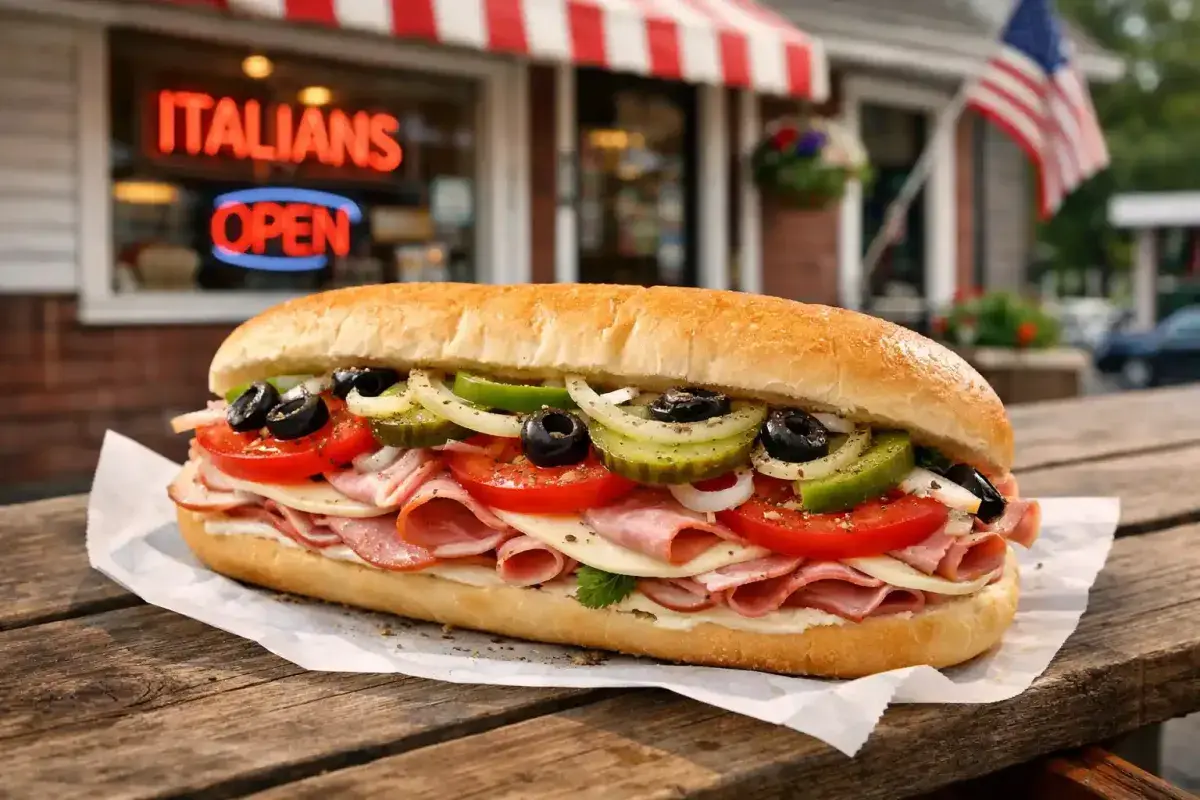
Visitors familiar with Italian sandwiches from other parts of the United States are often surprised when they order one in Maine. Despite sharing the same name, the Maine Italian sandwich has its own identity and history that differs significantly from versions found elsewhere. Created more than a century ago, it has become one of the state's most recognizable lunchtime favorites and continues to attract loyal customers across generations.
The sandwich typically begins with a fresh soft roll filled with sliced ham, American cheese, tomatoes, onions, green peppers, sour pickles, black olives, and a light drizzle of vegetable oil. Salt and pepper complete the seasoning, allowing the fresh vegetables and simple ingredients to work together without becoming overwhelming. The result is a refreshing sandwich that emphasizes balance rather than excess.
Unlike many heavily layered deli sandwiches, the Maine Italian remains relatively straightforward. Each ingredient contributes its own texture and flavor while maintaining harmony throughout every bite. This simplicity reflects a practical style of cooking that has long characterized many local recipes across the state.
Neighborhood sandwich shops proudly prepare Maine Italians according to traditions established decades ago. Some businesses have remained family owned for generations, serving loyal customers who continue returning for the same familiar flavors they enjoyed during childhood. These establishments often become gathering places where conversations flow as easily as the sandwiches are assembled behind the counter.
Although visitors sometimes expect cured meats commonly associated with traditional Italian cuisine, they quickly discover that the Maine version has evolved into something entirely different. Rather than attempting to imitate European recipes, it developed its own personality using ingredients that were affordable, accessible, and well suited to local tastes. Over time, this unique combination became firmly established as a Maine classic.
Enjoying a Maine Italian sandwich offers more than a convenient meal during a day of sightseeing. It provides insight into how immigrant influences, local ingredients, and community traditions combined to create a regional specialty unlike any other. Simple, satisfying, and deeply rooted in local history, the Maine Italian continues to earn its place among the state's most beloved foods.
9. Maine Needhams
Image
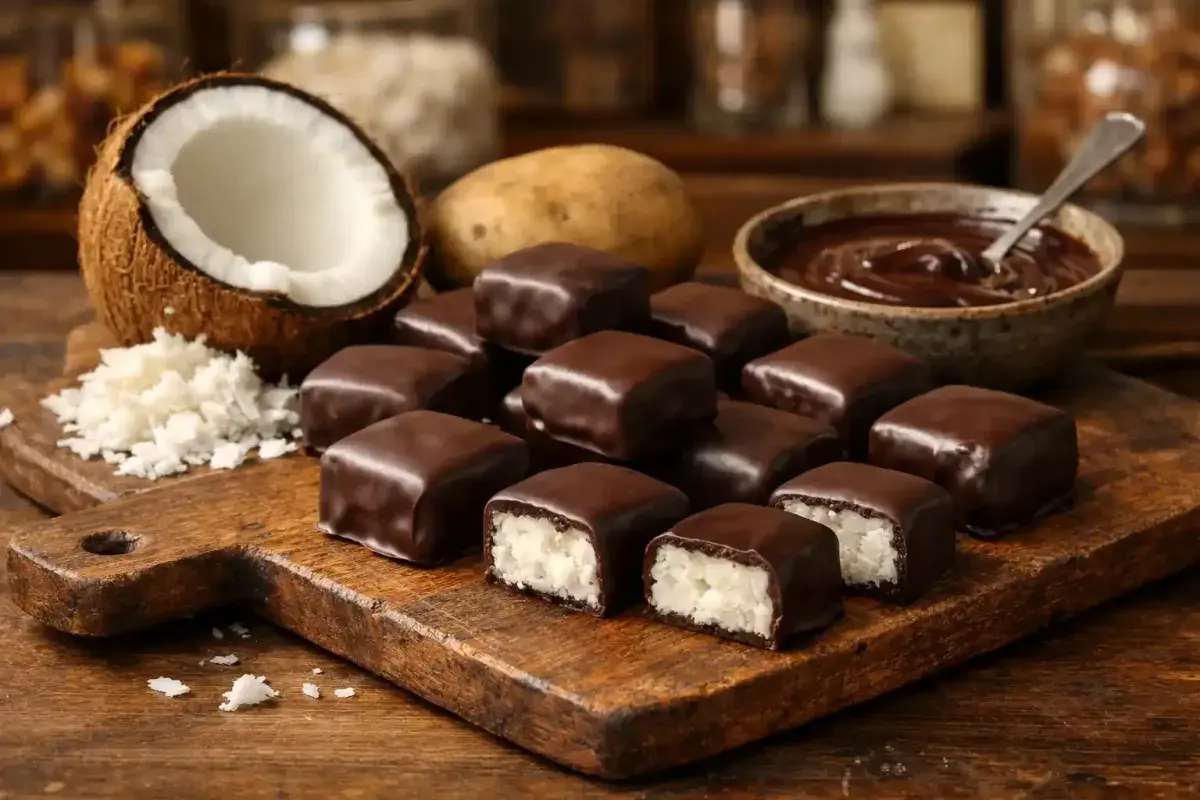
Among Maine's most distinctive sweet treats, Needhams remain one of the least known outside the state. Unlike many popular candies found across the country, Needhams have retained a strong regional identity that reflects both creativity and practicality. At first glance they resemble ordinary chocolate candies, but one bite quickly reveals a creamy filling unlike anything most visitors have tasted before.
The ingredient that surprises nearly everyone is potato. While potatoes are commonly associated with savory dishes, they play an important role in the smooth filling of a Needham. Combined with coconut, powdered sugar, vanilla, and butter, the potato helps create a soft texture without contributing a noticeable potato flavor. Once the filling has been prepared, each piece is coated in rich dark chocolate, producing a candy that balances sweetness with a satisfying depth of flavor.
The candy takes its name from Reverend George Needham, whose popularity during the late nineteenth century inspired confectioners to create the treat. Over the years it became closely associated with Maine, where potatoes have long been one of the state's most important agricultural products. The use of locally grown potatoes transformed an everyday ingredient into an unexpected dessert that continues to delight both residents and visitors.
Many independent candy shops still prepare Needhams by hand using traditional methods. During holidays they frequently appear in decorative boxes alongside other homemade chocolates, making them popular gifts for friends and family. Farmers markets and specialty food stores also carry locally produced versions that preserve the original recipe while supporting small businesses throughout the state.
For travelers seeking a dessert beyond the familiar pies and pastries, Needhams provide an opportunity to discover a confection that is deeply rooted in Maine's history. Their unusual ingredients often spark conversations, and many visitors purchase extra boxes to share with family members after returning home. The candy serves as a reminder that some of the most memorable regional foods are created from simple ingredients used in imaginative ways.
Sampling a Needham offers a sweet conclusion to any culinary tour of Maine. It celebrates local agriculture, traditional candy making, and the inventive spirit that has shaped the state's food culture for generations.
10. Maine Maple Syrup
Image
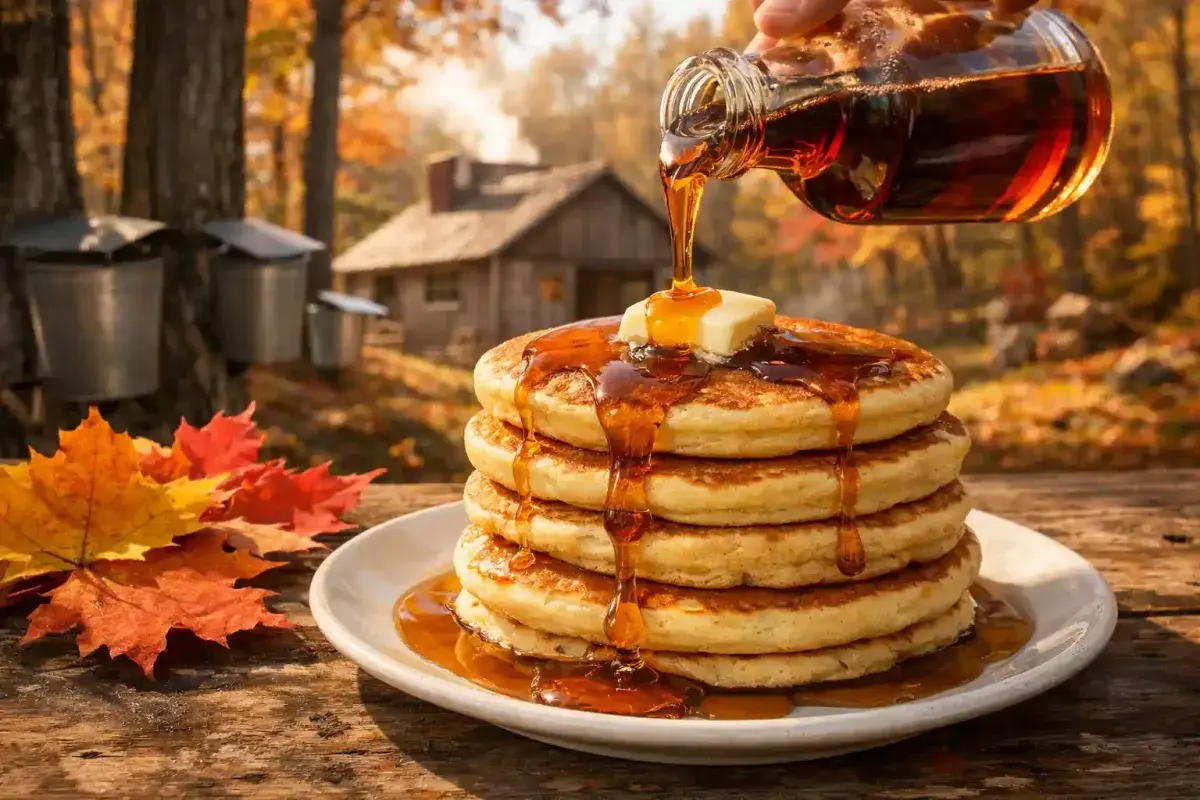
Although neighboring states often receive more attention for maple syrup production, Maine quietly produces some of the finest pure maple syrup in New England. The combination of cold winters, healthy maple forests, and experienced producers creates a syrup known for its rich flavor and exceptional quality. For many families, the arrival of maple sugaring season marks the transition from winter to spring and continues traditions that have been celebrated for generations.
The process begins when nighttime temperatures remain below freezing while daytime temperatures rise above it. These changing conditions allow sap to flow from sugar maple trees, where it is collected before being carefully boiled for many hours. It takes a remarkable amount of sap to produce a single gallon of maple syrup, making every bottle the result of patience, skill, and careful attention to detail.
Fresh Maine maple syrup offers a depth of flavor that is difficult to compare with commercially produced pancake syrups. Natural notes of caramel, vanilla, and toasted sugar develop during the boiling process, creating a taste that complements pancakes, waffles, French toast, oatmeal, yogurt, baked goods, and even savory dishes. Many chefs throughout Maine also use maple syrup in glazes, marinades, and desserts that highlight its versatility.
Visitors traveling through rural communities during sugaring season often encounter sugarhouses where fresh syrup is available for tasting and purchase. The warm aroma of boiling sap fills the air while producers explain the harvesting process and proudly share the results of months of preparation. These experiences allow travelers to appreciate the craftsmanship involved in creating a product that many people simply take for granted at the breakfast table.
Maple syrup production also reflects Maine's commitment to sustainable use of natural resources. Healthy maple trees can continue producing sap for decades when properly cared for, allowing families to pass sugar bushes from one generation to the next. This long term relationship with the land has helped preserve both forests and traditions that remain important to rural communities.
Whether drizzled over breakfast, incorporated into gourmet recipes, or enjoyed straight from a tasting spoon, pure Maine maple syrup captures the flavor of the state's forests in a way few other products can. It is a simple yet remarkable reminder that nature often provides the finest ingredients.
Maine offers far more than spectacular coastlines, picturesque lighthouses, and breathtaking outdoor adventures. Its food tells the story of a state where people have learned to work alongside the ocean, forests, rivers, and fertile farmland to create traditions that continue to thrive today. Every dish reflects a sense of place, whether it comes from generations of lobster fishermen, family bakeries, maple producers, or small farms that proudly preserve recipes passed from one generation to the next.
One of the most rewarding aspects of exploring Maine's cuisine is discovering how strongly local ingredients influence each recipe. Fresh seafood arrives directly from nearby waters, wild blueberries bring unmatched flavor to homemade desserts, and seasonal specialties such as fiddleheads remind visitors that some foods can only be enjoyed during a brief moment each year. Even familiar favorites such as hot dogs, sandwiches, and candy have evolved into distinctly Maine creations with stories that cannot be found elsewhere.
Travelers who make time to explore neighborhood bakeries, family owned restaurants, roadside stands, farmers markets, and waterfront seafood shacks often leave with a much deeper appreciation for the state's culture. These businesses are not simply places to eat. They are part of the communities that have shaped Maine's identity through hard work, hospitality, and pride in local traditions. Every meal becomes an opportunity to connect with the people and landscapes that make the Pine Tree State unique.
Whether your journey includes a buttery lobster roll beside a quiet harbor, a slice of warm wild blueberry pie after a scenic drive, or a box of handmade Needhams to take home, these unforgettable foods create lasting memories that extend well beyond the vacation itself. The next time you plan a trip to New England, be sure to bring your appetite because Maine offers a culinary experience that is every bit as memorable as its stunning natural beauty.