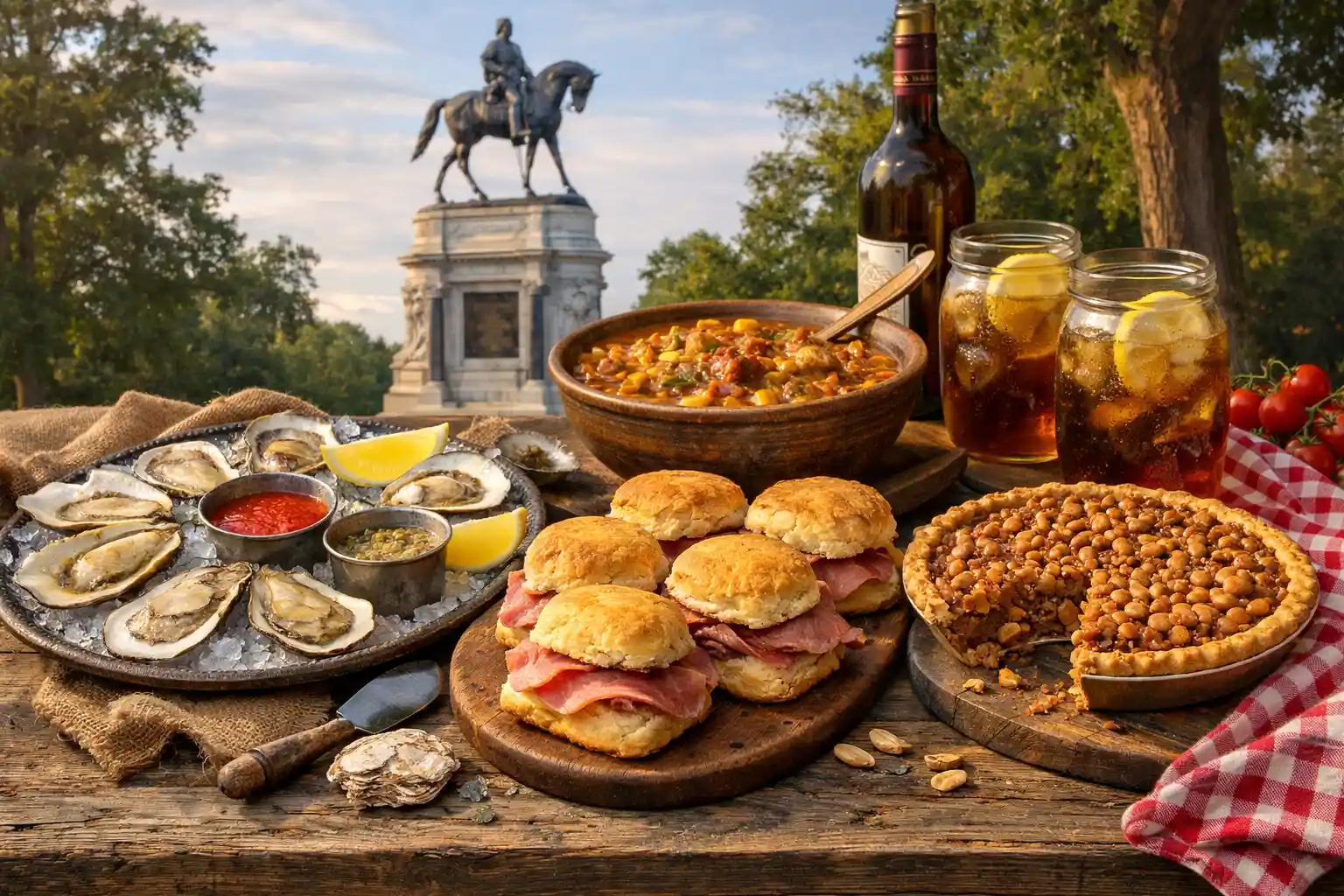
Virginia is often associated with important moments in American history, beautiful coastal landscapes, and charming small towns, but its culinary heritage deserves just as much attention. The state sits at a unique crossroads where Southern traditions meet Atlantic coastal influences, creating a food culture that feels both familiar and distinctly local. From the shores of the Chesapeake Bay to the rolling hills of the Shenandoah Valley, generations of farmers, watermen, bakers, and cooks have shaped a collection of dishes that tell the story of Virginia's people and places.
Food in Virginia is deeply connected to geography. The fertile farmland produces peanuts, apples, and fresh vegetables that have become staples of local cooking. The Chesapeake Bay supplies seafood that has sustained communities for centuries and continues to define many regional recipes today. Historical influences from Native American communities, English settlers, African American culinary traditions, and immigrant populations have blended together over time, creating flavors that cannot be replicated anywhere else.
Many travelers arrive expecting classic Southern comfort food, and they certainly find it. What often surprises visitors is the incredible variety that exists beyond the familiar. Some dishes are tied to specific towns and regions, while others have become symbols of the entire state. A few recipes have remained largely unchanged for generations, preserving a taste of Virginia's past. Others continue to evolve while staying rooted in local ingredients and traditions.
Trying these foods offers more than a good meal. Each bite provides a connection to the state's history, culture, and natural resources. Whether it is seafood harvested from local waters, cured meats perfected through time honored methods, or desserts made from crops grown in Virginia soil, these specialties capture the character of the Commonwealth in a way that guidebooks often cannot.
If you are planning a visit or simply love learning about regional cuisine, these ten iconic foods showcase some of the most distinctive flavors Virginia has to offer.
1. Chesapeake Bay Oysters
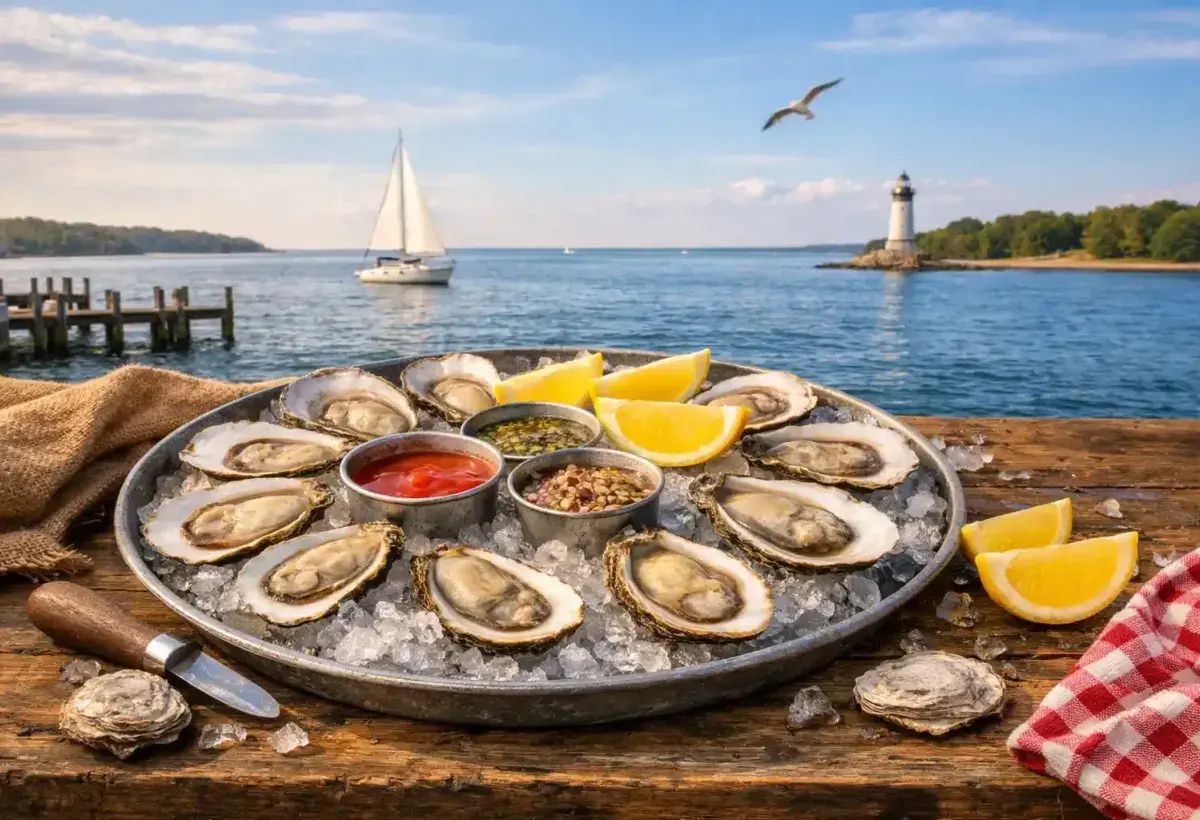
The Chesapeake Bay has long been one of the most important oyster producing regions in the United States, and no culinary journey through Virginia would be complete without tasting these prized shellfish. Virginia oysters are celebrated for their remarkable diversity of flavor, which varies depending on where they are harvested within the bay and surrounding waterways. This concept, often compared to the wine world's idea of terroir, allows different oyster growing areas to produce shellfish with unique characteristics.
Some Virginia oysters offer a briny burst that reflects the salty influence of the Atlantic Ocean. Others deliver a sweeter, milder flavor shaped by freshwater rivers flowing into the bay. This variety makes oyster tasting a fascinating experience, especially for visitors who may be accustomed to thinking all oysters taste the same.
For centuries, oysters have played a major role in Virginia's economy and culture. Native American communities harvested them long before European settlement, and oyster harvesting became a cornerstone industry throughout the colonial era and beyond. Historic shell piles found throughout the region serve as evidence of just how important these shellfish have been to local communities over time.
Today, oysters appear on menus in countless forms. Many purists prefer them served raw on the half shell with little more than a squeeze of lemon. Others enjoy them roasted, grilled, fried, or baked with flavorful toppings. Oyster festivals throughout Virginia celebrate the harvest and attract seafood lovers from across the country.
The experience extends beyond taste alone. Sitting at a waterfront restaurant while enjoying freshly harvested oysters creates a direct connection to the bay itself. The combination of fresh sea air, scenic views, and local seafood highlights the relationship between Virginia's natural environment and its culinary traditions.
Visitors who want an authentic taste of Virginia often begin with oysters because they represent both the state's coastal identity and its centuries old food culture. Few dishes capture the spirit of the Chesapeake Bay more completely than these treasured shellfish.
Image
2. Virginia Country Ham
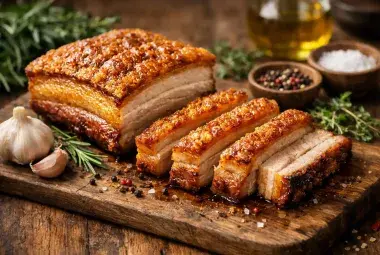
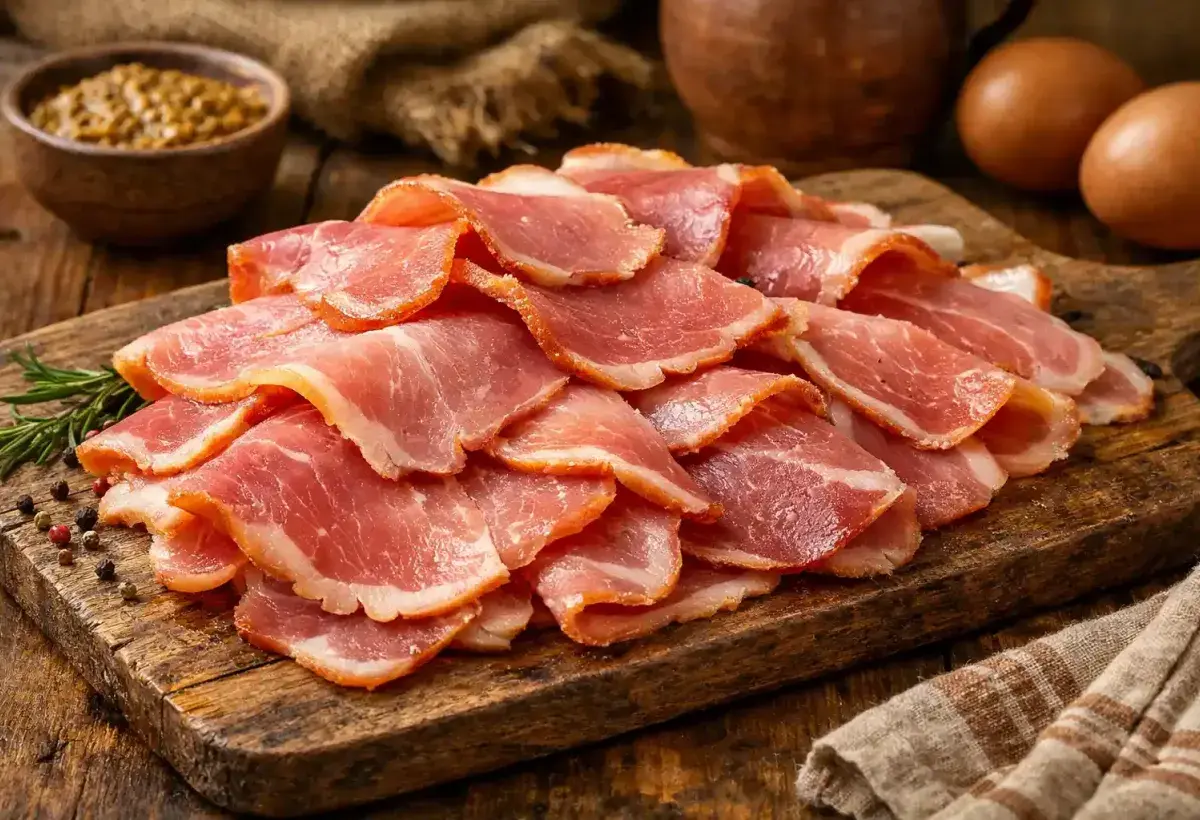
Virginia country ham stands as one of the state's most famous culinary treasures. Unlike ordinary ham found in grocery stores, country ham undergoes a lengthy curing process that creates a rich flavor profile and distinctive texture. The result is a product that reflects generations of craftsmanship and tradition.
The process begins with high quality pork that is carefully salted and cured over several months. During this time, the meat develops deep savory flavors that become increasingly complex as it ages. Some hams are smoked, while others rely primarily on the curing process itself to create their signature taste. The final product is intensely flavorful, often salty, and unmistakably Virginian.
Country ham has roots stretching back to colonial times when preservation techniques were essential for storing food before refrigeration existed. Families relied on curing methods to ensure a dependable food supply throughout the year. Over time, Virginia producers refined these techniques into an art form that remains respected today.
One of the most beloved ways to enjoy Virginia country ham is in a simple biscuit sandwich. The contrast between the salty ham and the soft, buttery biscuit creates a combination that has become iconic throughout the state. It is a common sight at family gatherings, holiday celebrations, and local festivals.
The ham also appears in numerous traditional recipes. Thin slices may accompany breakfast plates, while diced portions add flavor to vegetables, soups, and casseroles. Its versatility has helped maintain its popularity across generations.
What makes Virginia country ham especially memorable is its ability to reflect the agricultural heritage of the region. Each slice tells a story of farming communities, preservation traditions, and culinary skills passed from one generation to the next. Visitors seeking an authentic Virginia food experience often find that country ham offers one of the most direct connections to the state's history.
Its distinctive flavor may surprise first time visitors, but many quickly discover why this specialty has remained a beloved part of Virginia's food culture for centuries.
Image
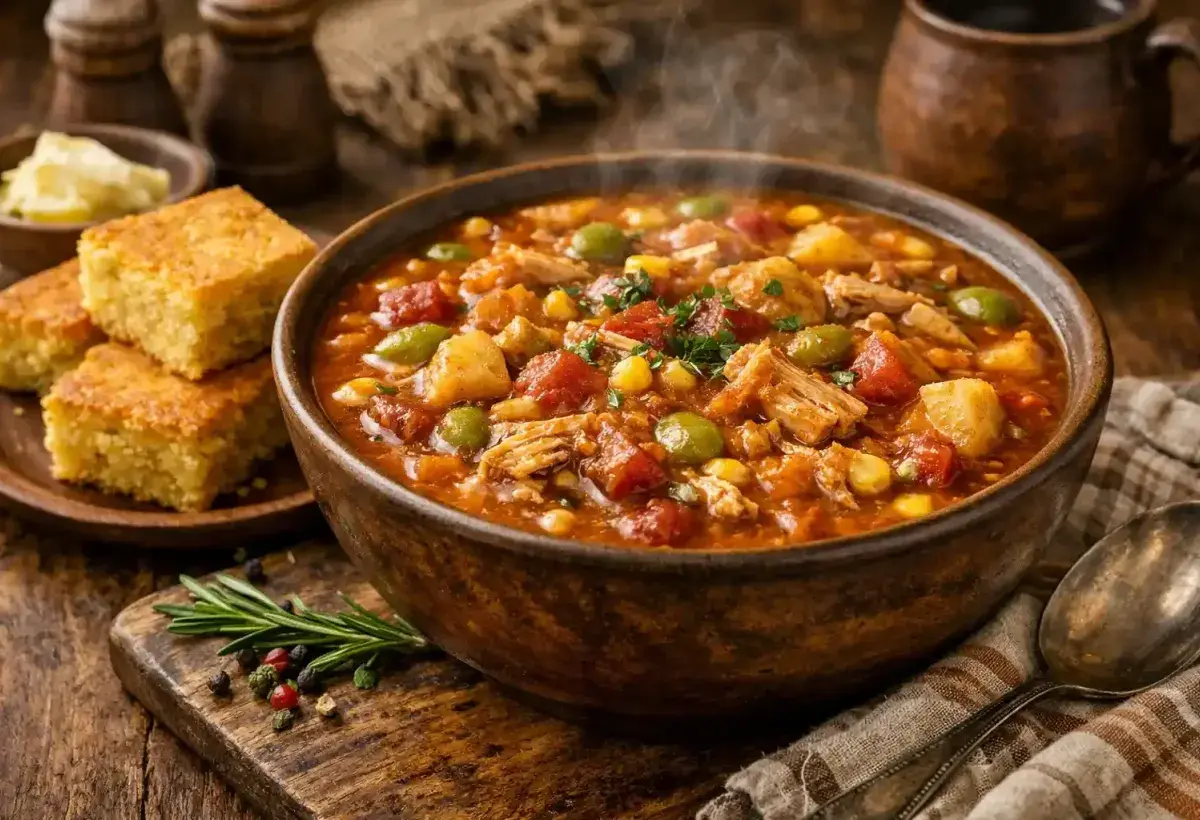
3. Brunswick Stew
Brunswick stew occupies a special place in Virginia's culinary landscape and has inspired friendly debates about its origins for generations. Many Virginians proudly claim that the stew was first created within the state, and regardless of its exact beginnings, it remains one of Virginia's most cherished comfort foods.
This hearty dish combines meat, vegetables, and a rich broth into a meal designed to satisfy both appetite and soul. Traditional recipes often include chicken, although some versions feature other meats depending on family preferences and local traditions. Tomatoes, corn, lima beans, and other vegetables contribute texture and flavor, creating a stew that feels both rustic and deeply comforting.
Historically, Brunswick stew emerged as a practical solution for feeding large groups. Community gatherings, church events, political rallies, and family celebrations often featured enormous pots simmering over open fires. The recipe allowed cooks to use available ingredients while creating enough food to serve many people at once.
The slow cooking process is essential to the stew's character. As ingredients simmer together for hours, flavors blend into a rich and satisfying combination that reflects the communal spirit behind the dish. Every family and region seems to have its own version, and passionate discussions about the proper ingredients remain common throughout Virginia.
Today, Brunswick stew continues to appear at festivals, barbecue events, and local restaurants across the state. It is especially popular during cooler months when hearty comfort foods are most appealing. Many visitors discover that a bowl of Brunswick stew provides a deeper understanding of Virginia's rural traditions and community centered culture.
Part of the dish's enduring appeal comes from its simplicity. There are no complicated techniques or extravagant ingredients. Instead, Brunswick stew celebrates the value of patience, local produce, and shared meals. These qualities have helped it remain a beloved staple even as food trends continue to change.
For anyone seeking a taste of authentic Virginia hospitality, few dishes offer a warmer welcome than a freshly prepared bowl of Brunswick stew.
Image
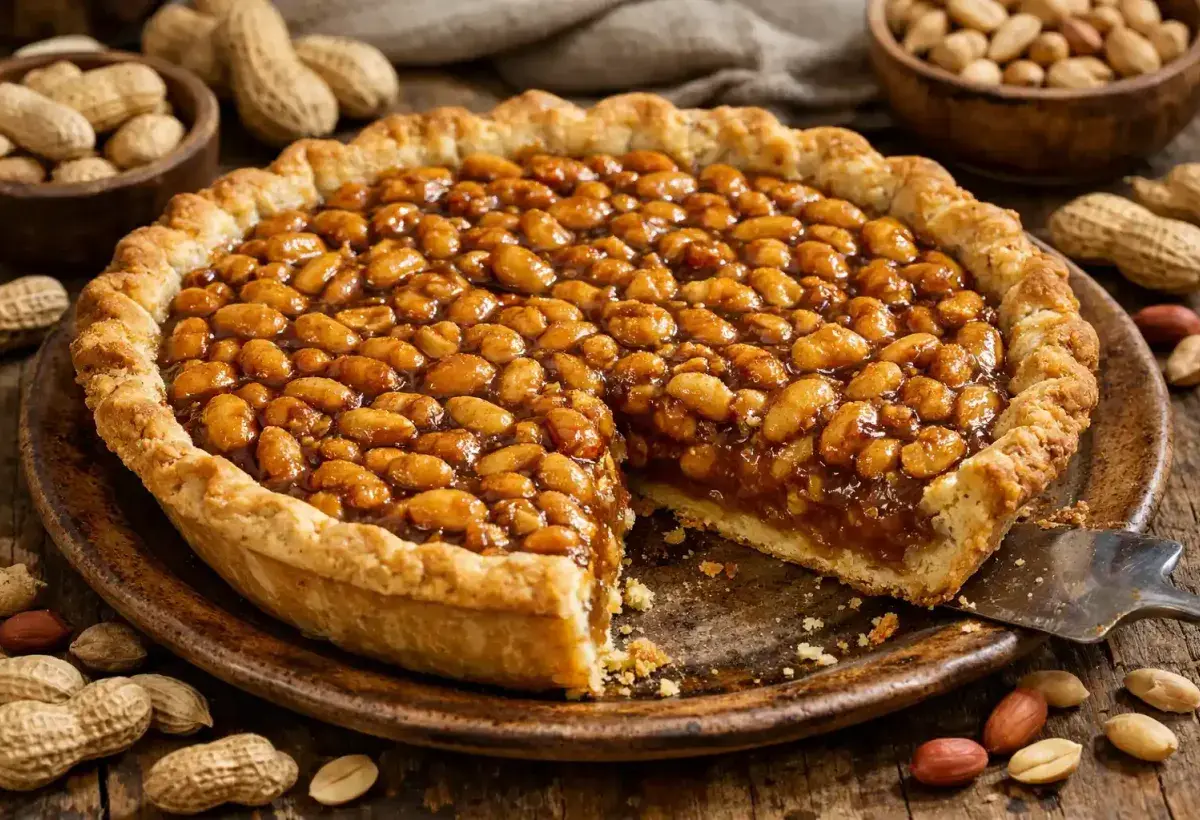
4. Peanut Pie
Virginia's reputation as a major peanut producing state has inspired numerous recipes, but few are as beloved as peanut pie. This rich dessert transforms a humble crop into a sweet treat that captures the agricultural identity of the Commonwealth.
The pie often draws comparisons to pecan pie because of its similar texture and sweet filling. Instead of pecans, however, Virginia peanuts take center stage. Their distinctive flavor adds both crunch and richness, creating a dessert that feels familiar while remaining uniquely regional.
Peanut farming has played an important role in Virginia's economy for generations. The state's sandy soils and favorable climate help produce peanuts that are highly regarded for their quality and taste. Local farmers have long supplied peanuts for snacks, candies, and baked goods, making them an essential ingredient in Virginia cuisine.
Peanut pie showcases this ingredient in one of its most memorable forms. The filling combines sweetness with the natural nutty flavor of the peanuts, resulting in a dessert that is both indulgent and comforting. Served warm or at room temperature, it often appears at family dinners, holiday celebrations, and local bakeries.
Many versions of the pie include subtle variations passed down through generations. Some recipes emphasize a rich caramel flavor, while others focus on highlighting the peanuts themselves. These family traditions contribute to the dessert's enduring popularity throughout the state.
Visitors often discover peanut pie unexpectedly while exploring small town restaurants or historic inns. What begins as a curiosity frequently becomes a favorite memory of their trip. The dessert represents more than a sweet ending to a meal. It reflects Virginia's agricultural roots and the creativity of cooks who learned to celebrate local ingredients.
For travelers who enjoy discovering regional desserts, peanut pie offers a delicious introduction to one of Virginia's most important crops and one of its most treasured culinary traditions.
Image
5. Smithfield Ham
Among Virginia's many food traditions, Smithfield ham occupies a place of particular distinction. Produced according to specific standards associated with the town of Smithfield, this specialty has earned national recognition and remains one of the most respected cured meats in America.
Like Virginia country ham, Smithfield ham undergoes a curing process that develops its signature flavor. However, the name carries a strong geographic identity connected to the region where the tradition originated. Over time, Smithfield became synonymous with expertly cured ham, helping establish Virginia's reputation for quality meat production.
The curing process requires patience and expertise. Salt, time, and careful handling transform fresh pork into a product with remarkable depth of flavor. The resulting ham is often sliced very thin, allowing its rich taste to shine without overwhelming the palate.
Historically, Smithfield ham gained popularity far beyond Virginia. It appeared on the tables of presidents, travelers, and food enthusiasts who appreciated its distinctive qualities. The reputation built over generations continues to attract culinary attention today.
Many Virginians enjoy Smithfield ham as part of breakfast meals, sandwiches, or holiday feasts. The meat pairs beautifully with biscuits, preserves, and other Southern staples. Its versatility ensures that it remains relevant in both traditional and contemporary kitchens.
The story of Smithfield ham also reflects broader themes within Virginia's food culture. It demonstrates how local knowledge, regional pride, and careful craftsmanship can transform a simple ingredient into a celebrated specialty. Visitors often find that tasting Smithfield ham provides insight into the state's long history of agricultural excellence and food preservation.
For those interested in experiencing Virginia's most iconic flavors, Smithfield ham deserves a prominent place on the list. Its combination of history, tradition, and exceptional taste continues to make it one of the Commonwealth's most treasured culinary achievements.
Image
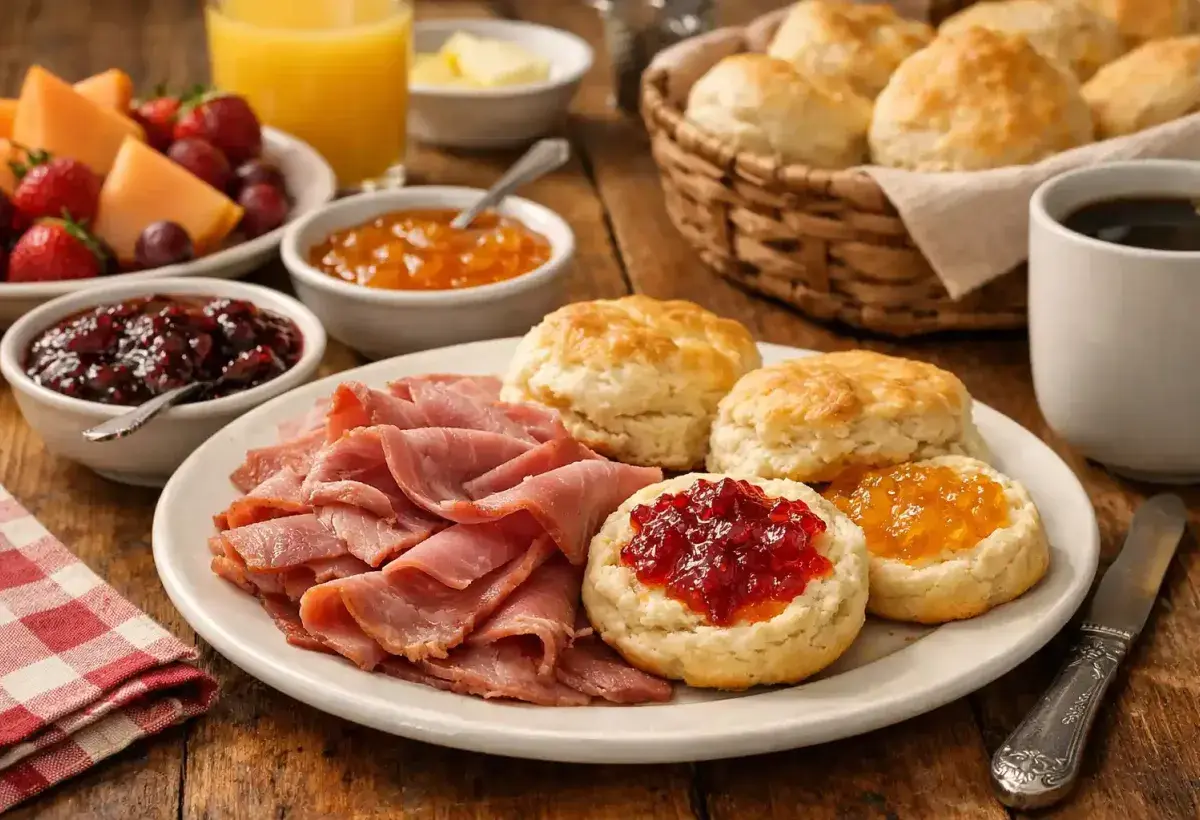
6. Virginia Ham Biscuits
Few foods capture the spirit of Virginia gatherings quite like the classic Virginia ham biscuit. At first glance, it may appear simple, consisting of a soft biscuit paired with thin slices of cured ham, but its simplicity is precisely what makes it so memorable. The combination brings together two staples of Southern cooking in a way that highlights the strengths of each ingredient without unnecessary distractions.
The biscuit itself plays a crucial role. Traditional Virginia biscuits are tender, buttery, and light, providing the perfect contrast to the rich and salty flavor of the ham. When prepared properly, the biscuit absorbs just enough of the ham's savory character while maintaining its delicate texture. The result is a balanced bite that feels comforting and satisfying.
Ham biscuits have long been associated with celebrations, community events, weddings, church socials, and family reunions throughout Virginia. Large trays of these small sandwiches often disappear quickly at gatherings because they are easy to serve and universally enjoyed. Many families have their own preferred methods, with some brushing the biscuits with butter while others add a touch of honey or preserves for sweetness.
The popularity of ham biscuits reflects Virginia's agricultural heritage. Wheat farming, dairy production, and pork curing traditions all come together in this single food. What may seem like a modest snack actually represents centuries of culinary development and local craftsmanship.
Travelers frequently encounter ham biscuits at roadside bakeries, historic inns, farmers markets, and small town cafes. They are often served warm, allowing the flavors to blend beautifully. While modern variations sometimes include specialty cheeses or spreads, traditionalists often insist that the classic combination remains unmatched.
The enduring appeal of Virginia ham biscuits comes from their ability to deliver comfort without complexity. They do not rely on elaborate presentation or trendy ingredients. Instead, they showcase the quality of local products and the value of simple, well prepared food.
For visitors exploring Virginia's culinary traditions, ham biscuits provide an excellent introduction to the flavors that have shaped the state for generations. One bite reveals why this humble sandwich has become such an enduring symbol of Virginia hospitality.
Image

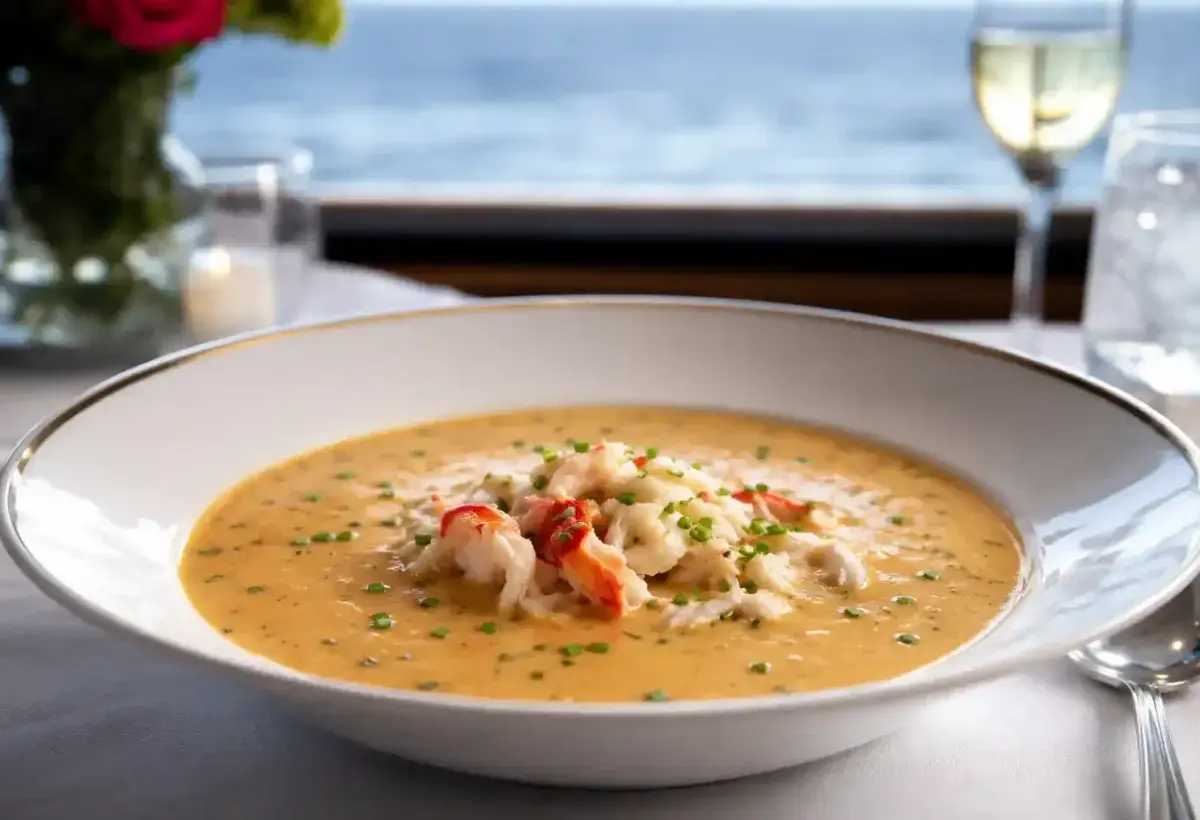
7. She Crab Soup
She crab soup is one of the most elegant dishes found along Virginia's coastal regions. Rich, creamy, and deeply connected to Chesapeake Bay seafood traditions, this beloved soup transforms local crab into a luxurious dining experience that reflects the state's maritime heritage.
The foundation of she crab soup begins with fresh crab meat, often harvested from waters connected to the Chesapeake Bay. The soup combines this delicate seafood with cream, seasonings, and other ingredients that create a smooth and satisfying texture. Traditional recipes frequently incorporate crab roe when available, which contributes additional richness and depth of flavor.
The origins of she crab soup can be traced to coastal communities where seafood was both abundant and essential to daily life. Over time, cooks refined the recipe into a dish that balanced elegance with local ingredients. Today, it appears on menus ranging from casual waterfront restaurants to upscale dining establishments throughout Virginia.
One of the most appealing aspects of she crab soup is its ability to showcase the natural sweetness of fresh crab. Unlike heavily seasoned seafood dishes that can overwhelm the main ingredient, a well prepared bowl allows the crab's flavor to remain the star. The creamy base complements rather than competes with the seafood.
Many visitors first encounter she crab soup while exploring Virginia's coastal towns. The experience often becomes a highlight of their culinary journey. Served alongside fresh bread and enjoyed with views of nearby waterways, the dish creates a strong connection between the meal and the environment from which its ingredients originate.
The soup also demonstrates the influence of regional seafood traditions on Virginia cuisine. Generations of watermen and fishing communities helped establish a food culture that values freshness, quality, and respect for local resources. She crab soup remains one of the finest examples of that heritage.
For seafood lovers, tasting authentic she crab soup offers an opportunity to experience one of Virginia's most refined specialties. Its creamy texture, delicate flavor, and strong connection to coastal life make it a memorable addition to any culinary adventure in the Commonwealth.
Image
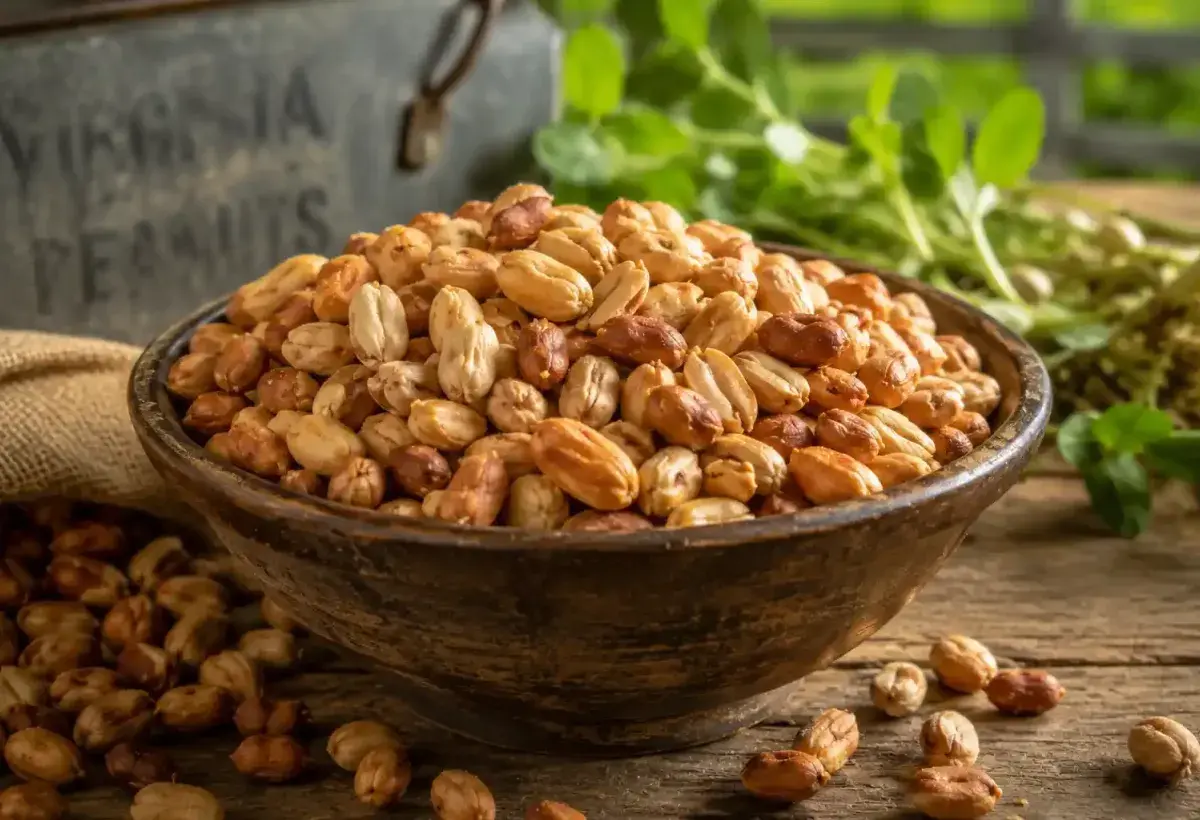
8. Virginia Peanuts
Virginia peanuts are far more than a simple snack. They represent one of the state's most important agricultural products and have earned a reputation for exceptional size, texture, and flavor. Known around the world as the largest of the peanut varieties grown in the United States, Virginia peanuts have become a symbol of the Commonwealth's farming heritage.
The state's climate and soil conditions provide an ideal environment for peanut cultivation. Farmers have spent generations perfecting growing techniques that result in high quality crops prized by consumers and chefs alike. The large kernels and crisp texture distinguish Virginia peanuts from other varieties, making them especially popular for roasting and gourmet snack production.
Throughout Virginia, peanuts appear in numerous forms. They are sold roasted, salted, honey glazed, seasoned with spices, and incorporated into candies and desserts. Local markets often feature specialty peanut products that highlight regional flavors and family recipes passed down through generations.
The importance of peanuts extends beyond food alone. Peanut farming has contributed significantly to the economies of many Virginia communities. Entire festivals celebrate the harvest, drawing visitors eager to learn about local agriculture and sample peanut inspired treats.
Many travelers are surprised by the variety of products made from Virginia peanuts. Beyond the familiar roasted versions, they may discover peanut brittle, peanut soup, peanut pie, and specialty spreads crafted by local producers. Each product showcases the versatility of this beloved crop.
The appeal of Virginia peanuts lies partly in their simplicity. They are a reminder that exceptional ingredients do not need elaborate preparation to shine. A handful of freshly roasted Virginia peanuts delivers flavor and texture that reflect the care invested in their cultivation.
For visitors seeking an authentic taste of Virginia, sampling locally grown peanuts is almost a requirement. They provide a direct connection to the state's agricultural traditions and offer insight into the crops that have helped shape local communities for generations.
Whether enjoyed as a roadside snack, a gourmet appetizer, or an ingredient in a regional recipe, Virginia peanuts remain one of the Commonwealth's most recognizable and cherished foods.
Image
9. Blue Crab Cakes
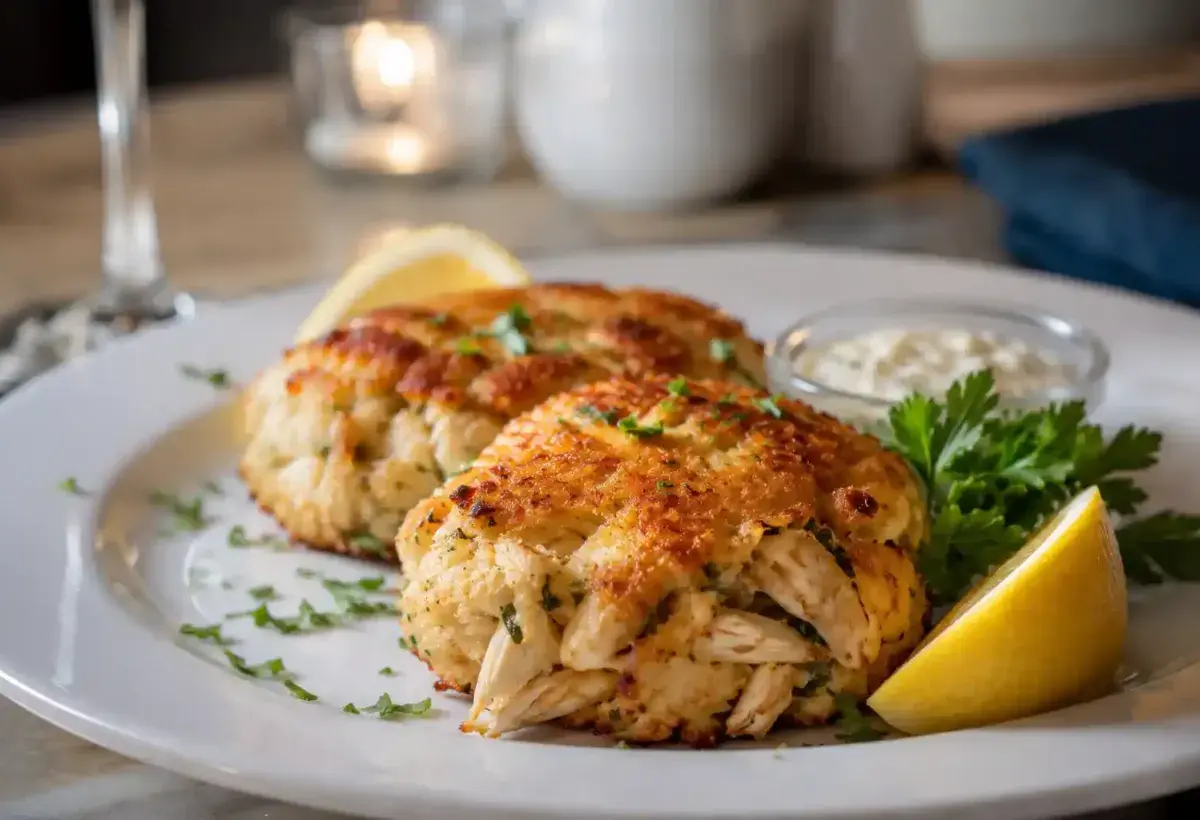
The Chesapeake Bay's famous blue crabs have inspired countless recipes, but few are as beloved as Virginia crab cakes. These flavorful creations highlight one of the state's most treasured seafood resources and demonstrate the culinary creativity that has emerged from coastal communities over centuries.
A great Virginia crab cake focuses on the quality of the crab itself. Unlike versions that rely heavily on fillers, traditional preparations emphasize generous portions of sweet blue crab meat held together with just enough ingredients to maintain structure. This approach allows the natural flavor of the seafood to remain front and center.
Blue crabs have played a vital role in the Chesapeake Bay region for generations. Watermen harvest them from local waters using techniques passed down through families. The resulting catch supports both local economies and a rich culinary tradition that continues to thrive today.
Crab cakes can be prepared in several ways. Some are lightly pan cooked to create a crisp exterior while preserving a tender interior. Others are baked to allow the sweetness of the crab to shine even more clearly. Regardless of preparation style, the best versions celebrate freshness and simplicity.
Visitors often seek out crab cakes when exploring Virginia's coastal restaurants. The dish has become a benchmark for evaluating local seafood establishments. A well made crab cake offers a taste of the Chesapeake Bay in every bite, connecting diners directly to the region's waters and traditions.
The popularity of crab cakes extends beyond Virginia, but local versions maintain a special reputation because of their access to fresh blue crab. Many chefs and seafood enthusiasts argue that authentic Chesapeake Bay crab simply delivers a flavor that cannot be duplicated elsewhere.
For travelers interested in experiencing Virginia's maritime heritage, crab cakes provide an ideal starting point. They combine local ingredients, traditional techniques, and regional pride into a dish that remains one of the state's most celebrated culinary achievements.
Image
10. Apple Butter from the Shenandoah Valley
The fertile Shenandoah Valley is known for its scenic beauty, agricultural abundance, and deep culinary traditions. Among its most beloved specialties is apple butter, a rich spread that transforms fresh apples into a smooth, concentrated treat bursting with flavor.
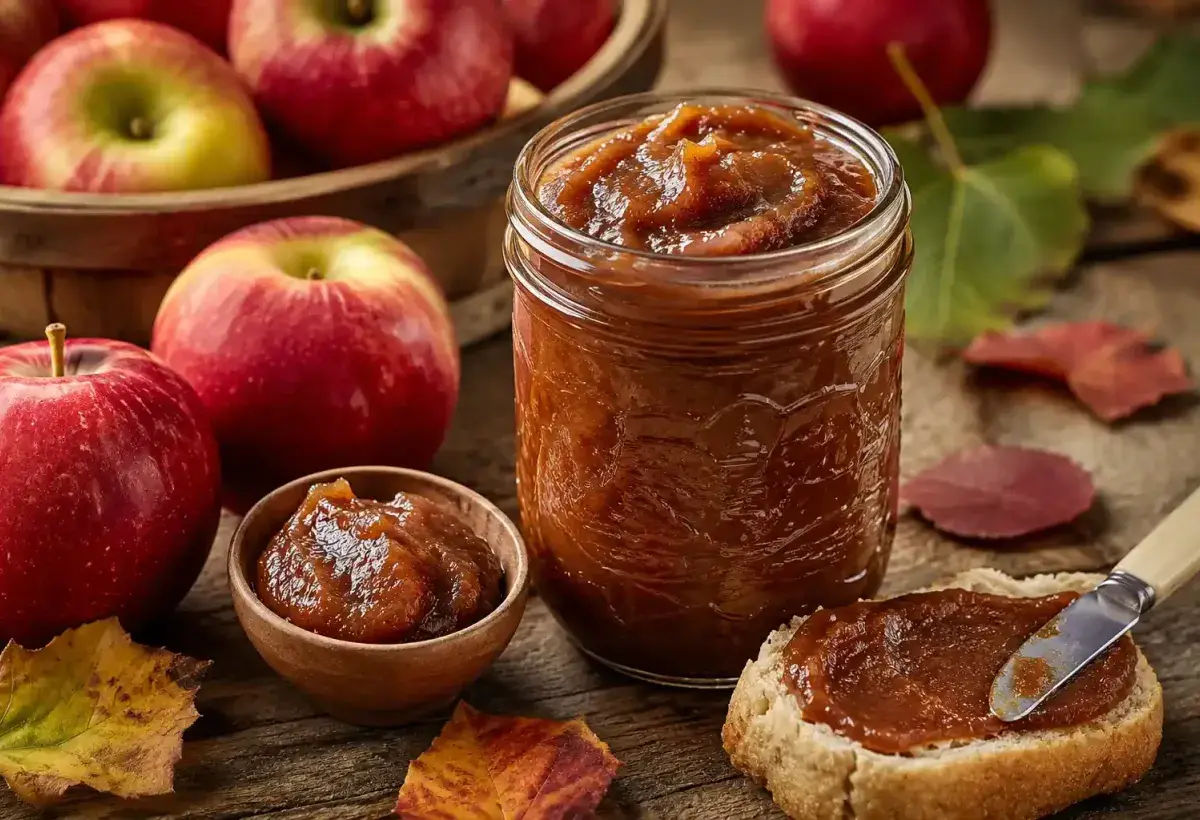
Despite its name, apple butter contains no dairy butter. The product is created by slowly cooking apples for extended periods until they break down into a thick, dark, and intensely flavored spread. Spices such as cinnamon may be added, creating warmth and complexity that complement the fruit's natural sweetness.
Apple cultivation has long been important to the Shenandoah Valley. The region's climate and fertile soil support productive orchards that supply fresh fruit throughout the year. Generations of families have relied on apple based products as a way to preserve harvests and enjoy local produce beyond the growing season.
Making apple butter often became a community activity. Families and neighbors gathered around large kettles, stirring the mixture for hours as it slowly thickened. These gatherings served both practical and social purposes, strengthening community bonds while producing a valuable food item.
Today, apple butter remains a favorite throughout Virginia. It is commonly spread on biscuits, toast, and rolls, though many people also enjoy it as a topping for desserts or a companion to savory dishes. Farmers markets and country stores frequently offer locally produced varieties made using traditional methods.
The appeal of apple butter comes from its concentrated flavor. Every spoonful captures the essence of fresh apples while delivering a richness that feels both comforting and nostalgic. For many Virginians, it evokes memories of family kitchens, autumn harvests, and rural traditions.
Visitors exploring the Shenandoah Valley often discover apple butter while touring orchards, attending harvest festivals, or stopping at roadside markets. The experience provides a delicious introduction to one of Virginia's most important agricultural regions.
As a symbol of resourcefulness, tradition, and local pride, Shenandoah Valley apple butter remains one of Virginia's most treasured culinary creations and a fitting conclusion to any exploration of the Commonwealth's unique foods.
Image
Virginia's food culture is a reflection of the landscapes, communities, and traditions that have shaped the Commonwealth for centuries. From the briny waters of the Chesapeake Bay to the fertile farms of the Shenandoah Valley, every region contributes something distinctive to the state's culinary identity. The foods on this list are more than local specialties. They are living pieces of history that continue to connect modern Virginians with generations of farmers, watermen, bakers, and home cooks who helped define the flavors of the region.
What makes Virginia cuisine especially memorable is its balance between simplicity and character. Many of the state's most beloved dishes rely on straightforward ingredients, yet those ingredients are often deeply rooted in local geography and tradition. Chesapeake Bay oysters capture the essence of Virginia's coastal waters. Country ham and Smithfield ham showcase time honored preservation methods. Peanut pie and roasted Virginia peanuts celebrate crops that have supported communities for generations. Meanwhile, dishes like Brunswick stew, she crab soup, and crab cakes highlight the creativity that emerges when local ingredients are combined with regional cooking traditions.
For travelers, exploring Virginia through food offers a unique perspective that extends beyond historic landmarks and scenic drives. A meal can tell stories that history books sometimes overlook. It reveals how people adapted to their environment, preserved family recipes, and built traditions around shared tables. Whether enjoying a warm ham biscuit at a small town bakery, sampling fresh oysters along the coast, or spreading Shenandoah Valley apple butter on a homemade biscuit, visitors gain a deeper appreciation for the culture that makes Virginia special.
One of the greatest strengths of Virginia's culinary scene is its authenticity. Many of these foods remain closely connected to the places where they originated. Local producers, restaurants, and family owned businesses continue to preserve traditions while introducing them to new generations of visitors and residents alike. This commitment to heritage ensures that Virginia's unique flavors remain vibrant and relevant in an ever changing food landscape.
For anyone who loves discovering regional cuisine, Virginia offers an unforgettable journey filled with rich history, fresh ingredients, and distinctive tastes. These ten foods represent some of the very best the Commonwealth has to offer, and each one provides a delicious reason to explore Virginia one bite at a time.