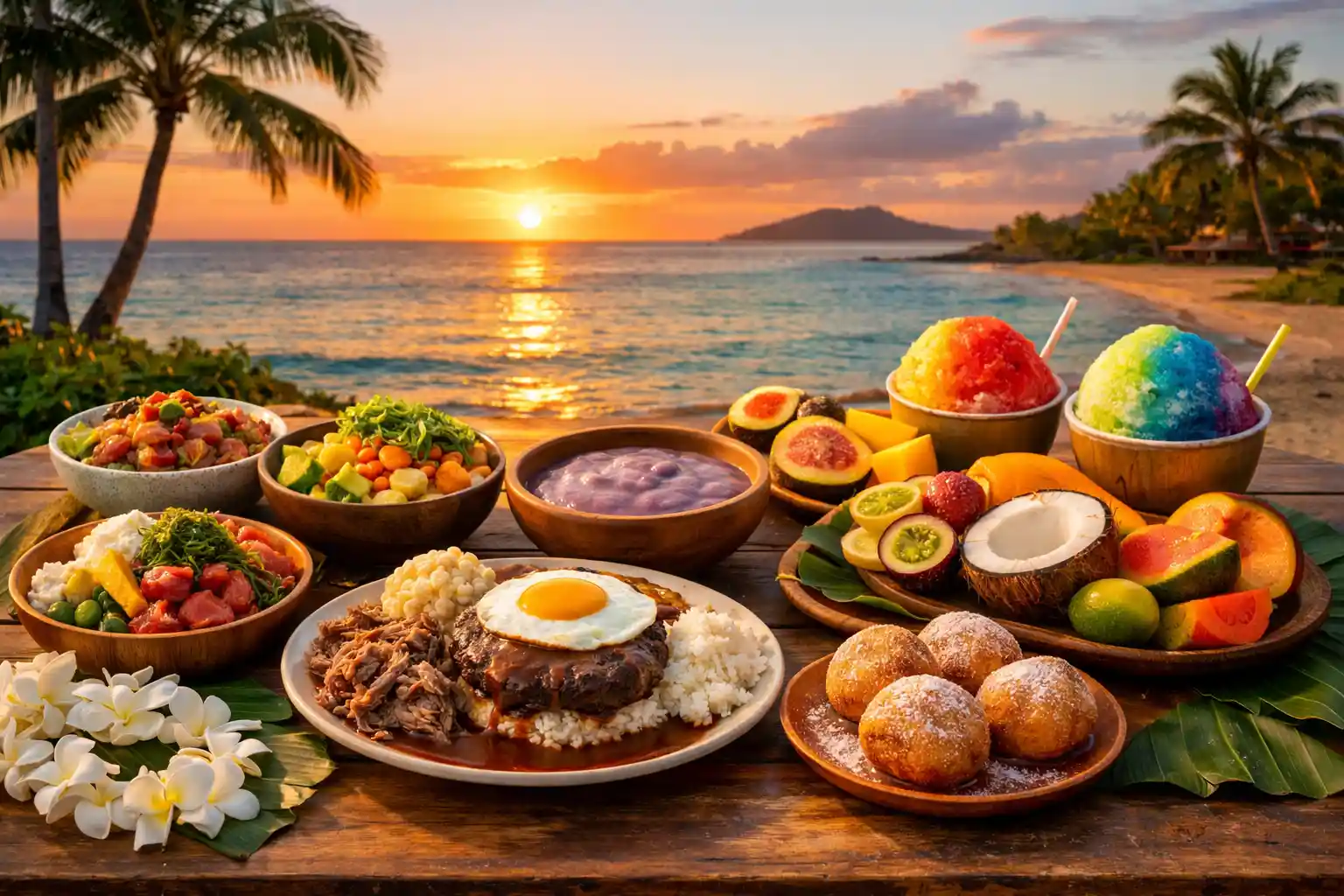
Hawaii is known around the world for its breathtaking beaches, lush mountains, warm hospitality, and vibrant traditions. While many travelers arrive with dreams of surfing legendary waves or watching unforgettable sunsets, the islands also offer an extraordinary culinary experience that reflects centuries of cultural exchange and local creativity. Every meal tells a story shaped by native Hawaiian customs, generations of immigrants, and the abundance of fresh ingredients found across the islands. Eating in Hawaii becomes more than simply satisfying hunger because it offers a chance to connect with the history, people, and spirit of the islands.
Unlike many popular vacation destinations, Hawaii has developed a food culture that cannot easily be duplicated anywhere else. The fertile volcanic soil produces exceptional fruits and vegetables while the surrounding Pacific Ocean supplies an incredible variety of seafood. Japanese, Chinese, Filipino, Portuguese, Korean, and many other cultures have each contributed flavors and cooking techniques that blend naturally with native Hawaiian traditions. The result is a cuisine that feels both familiar and wonderfully unique.
Many visitors recognize famous dishes like poke or shave ice before arriving, but they soon discover that authentic versions prepared in Hawaii taste remarkably different from those found elsewhere. Local ingredients, family recipes, and generations of experience create flavors that are difficult to recreate outside the islands. Some dishes have deep cultural significance while others were born from everyday life and eventually became beloved local favorites enjoyed by residents from every background.
Exploring Hawaiian food is also one of the easiest ways to experience the welcoming spirit that gives the islands their special character. Whether enjoying lunch from a neighborhood eatery, visiting a family owned bakery, or sharing a traditional feast at a community celebration, every bite offers another opportunity to appreciate the rich diversity that defines Hawaii.
If you are planning your first visit or simply dreaming about future travels, these unforgettable foods deserve a place on your culinary checklist. Each one represents a delicious piece of island life and showcases why Hawaii continues to captivate food lovers from around the world.
1. Poke
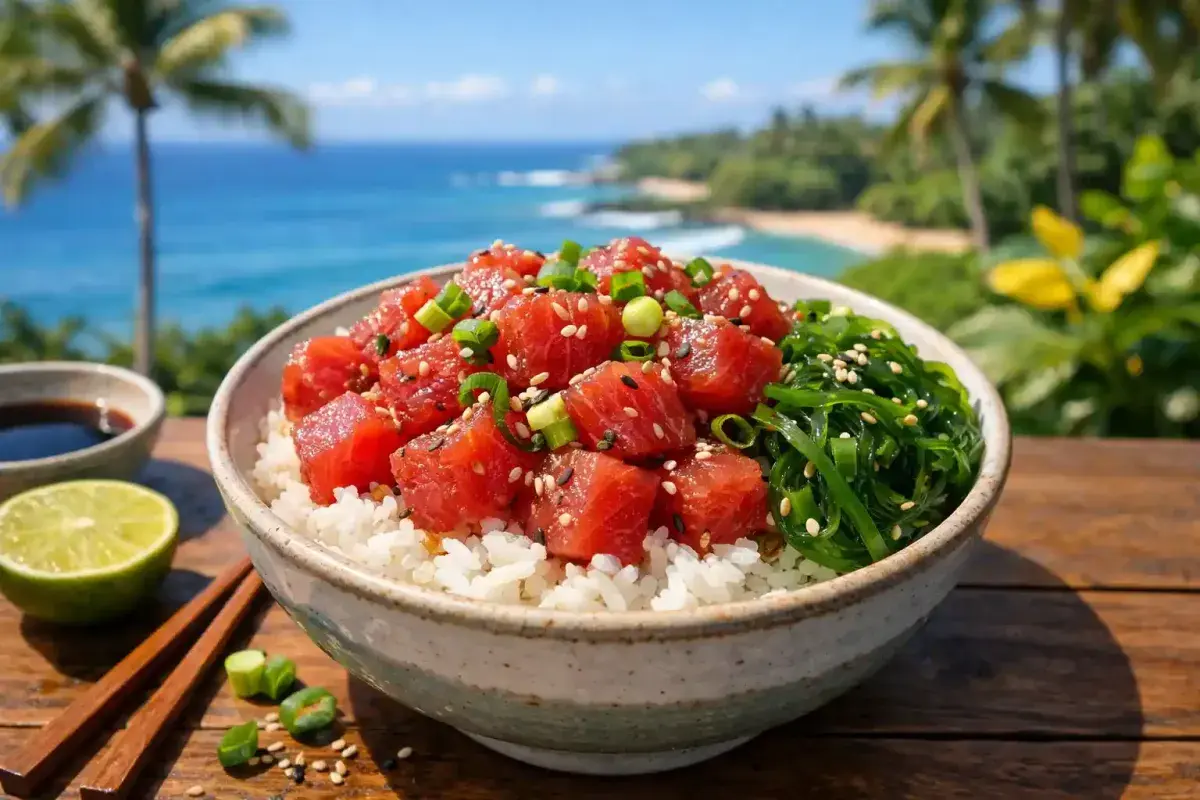
Poke is perhaps the dish that most people associate with Hawaii, yet many visitors are surprised to discover how different authentic island poke tastes compared with versions sold elsewhere. The word poke means to slice or cut into pieces, referring to the fresh cubes of raw fish that form the heart of this beloved local favorite. Traditionally, fresh ahi tuna is the most popular choice, although salmon, octopus, and other seafood varieties are also enjoyed throughout the islands.
The beauty of poke comes from its simplicity. Fresh fish is gently mixed with ingredients such as soy sauce, sesame oil, seaweed, green onions, sweet onions, and roasted sesame seeds. Every shop and family has its own signature recipe, making each bowl a little different while still honoring the original concept of highlighting exceptionally fresh seafood.
Because Hawaii is surrounded by the Pacific Ocean, the freshness of the fish plays an enormous role in creating unforgettable flavor. Local fishermen often deliver their catch directly to markets and restaurants, allowing customers to enjoy seafood at its peak quality. This freshness creates a clean taste and delicate texture that is difficult to duplicate in other places.
Poke is commonly served over steamed rice, creating a satisfying meal that balances savory flavors with the natural richness of the fish. Many local markets also offer dozens of flavor variations ranging from spicy creations to recipes featuring sea asparagus or locally grown avocado.
For residents, poke is much more than a trendy food. It has long been part of everyday island life and is commonly enjoyed during family gatherings, celebrations, beach picnics, and quick lunches. The popularity of poke reflects the Hawaiian appreciation for fresh ingredients and simple preparation that allows natural flavors to shine.
Visitors who taste authentic poke often discover that its appeal goes far beyond social media photographs. Every bite reflects the close relationship between the islands and the surrounding ocean, making it one of the most memorable culinary experiences Hawaii has to offer.
Image
2. Loco Moco
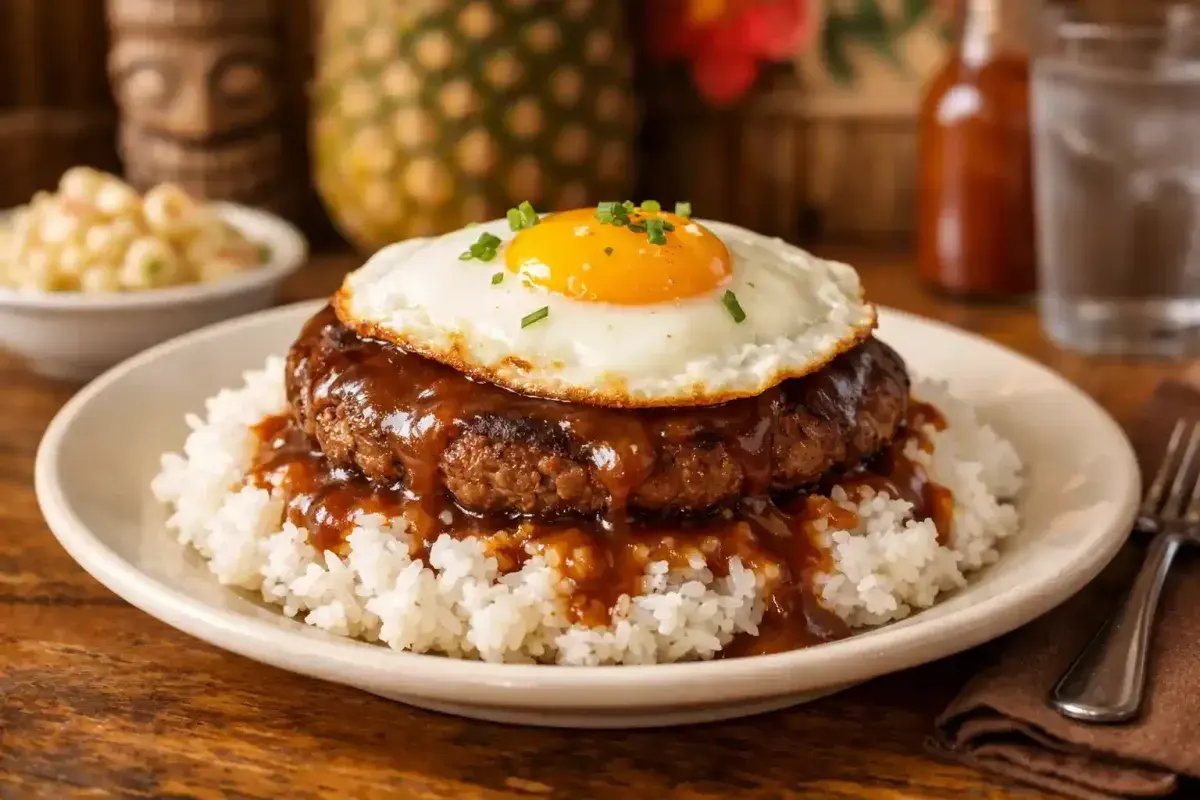
Few dishes represent Hawaiian comfort food better than loco moco. At first glance the combination may seem unusual, but after one bite it becomes easy to understand why generations of residents continue to enjoy this hearty meal. Built upon a foundation of steamed white rice, topped with a juicy hamburger patty, covered with rich brown gravy, and finished with a perfectly cooked egg, loco moco delivers satisfying flavor in every bite.
The dish first appeared during the middle of the twentieth century when local teenagers wanted an affordable meal that was filling enough to satisfy active lifestyles. Creative cooks responded with a simple yet delicious combination using ingredients that were readily available. Over time the meal spread throughout Hawaii and became a staple at neighborhood diners, cafes, and restaurants.
Although the classic version remains popular, many establishments have created their own variations. Some replace the hamburger with grilled chicken, pork, fresh fish, or even seafood while others enhance the gravy with mushrooms or local seasonings. Despite these creative interpretations, the comforting balance of rice, protein, gravy, and egg remains the defining feature.
The secret to an outstanding loco moco lies in the quality of each individual component. Fluffy rice provides the foundation while the savory gravy brings everything together. When the rich egg yolk blends into the gravy, it creates a creamy sauce that coats every bite with comforting flavor.
Loco moco perfectly reflects Hawaii's multicultural food traditions because it combines influences from several culinary backgrounds into a meal that feels uniquely local. It is neither fancy nor complicated, yet it has earned a permanent place in the hearts of island residents.
Many visitors initially order loco moco out of curiosity but quickly understand why locals consider it one of their favorite comfort foods. Whether enjoyed for breakfast, lunch, or dinner, this satisfying meal offers a delicious introduction to Hawaii's creative culinary spirit.
Image
3. Kalua Pig
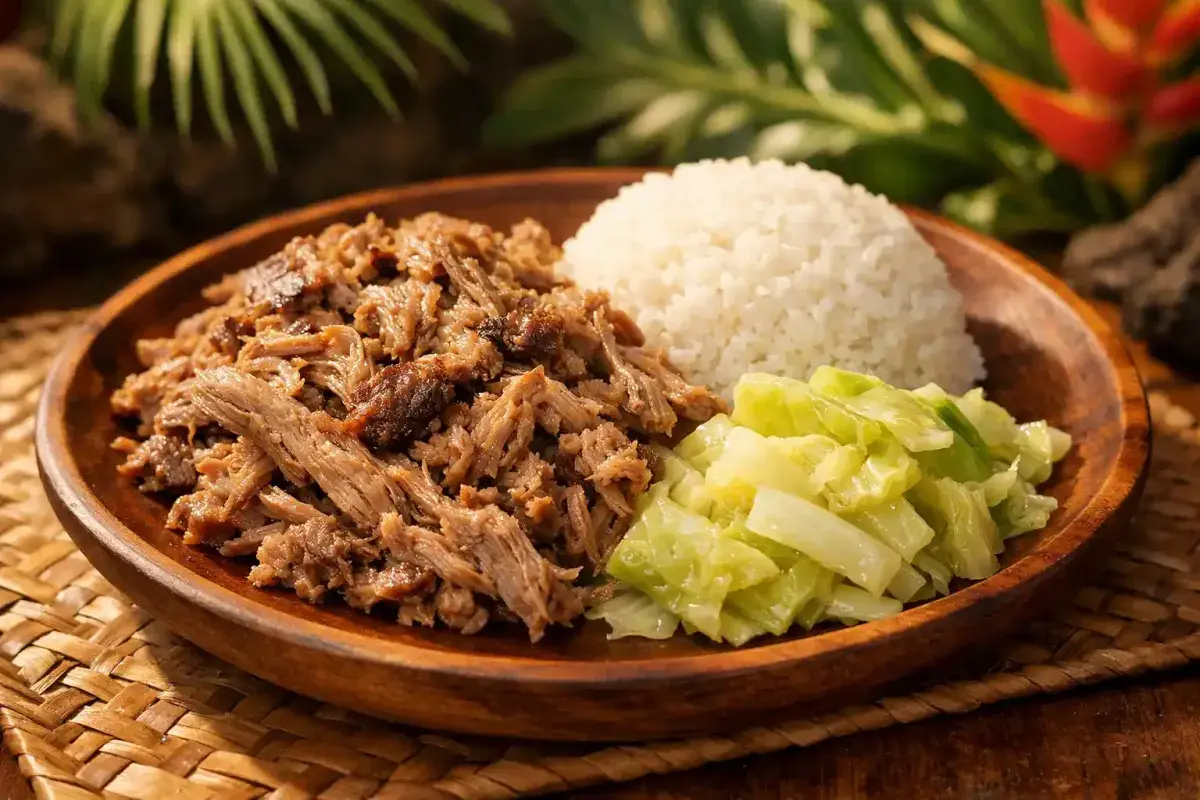
Kalua pig stands among the oldest and most respected traditional foods in Hawaii. Prepared for centuries during important celebrations and gatherings, this flavorful pork dish reflects the deep cultural heritage of the islands. The cooking method requires patience, skill, and respect for tradition, producing tender meat with an unmistakable smoky aroma.
Traditionally, the pig is seasoned simply with sea salt before being wrapped in leaves and slowly cooked inside an underground oven known as a traditional earth oven. Heated volcanic rocks create steady warmth while the meat cooks for many hours. This slow cooking process allows the pork to become incredibly tender while absorbing subtle smoky flavors that cannot easily be replicated using modern cooking equipment.
The result is meat that easily falls apart with gentle pressure and delivers remarkable richness without requiring complicated seasonings. Its natural flavor remains the highlight, demonstrating how careful preparation and quality ingredients can produce extraordinary results.
Kalua pig often appears during festive gatherings, family celebrations, and traditional feasts where it is shared among relatives and guests. The preparation itself encourages community participation as families work together to prepare the meal and celebrate important occasions.
Today many restaurants offer kalua pig prepared with modern equipment while carefully preserving the traditional flavor profile. Visitors can enjoy it served with rice, cabbage, or other local side dishes that complement the tender pork beautifully.
Tasting kalua pig offers more than simply enjoying excellent barbecue. It provides an opportunity to appreciate cooking methods that have been passed through generations and remain an important part of Hawaiian cultural identity. Every serving carries a connection to the islands' history and traditions.
For travelers seeking an authentic taste of Hawaii, kalua pig delivers one of the most memorable dining experiences available. Its simplicity, tenderness, and cultural importance make it an essential stop on any Hawaiian food adventure.
Image
4. Laulau
Laulau is one of Hawaii's most treasured traditional dishes and represents generations of culinary knowledge preserved through family traditions. Although it may appear simple from the outside, each carefully wrapped bundle contains layers of flavor created through slow cooking and thoughtful preparation.
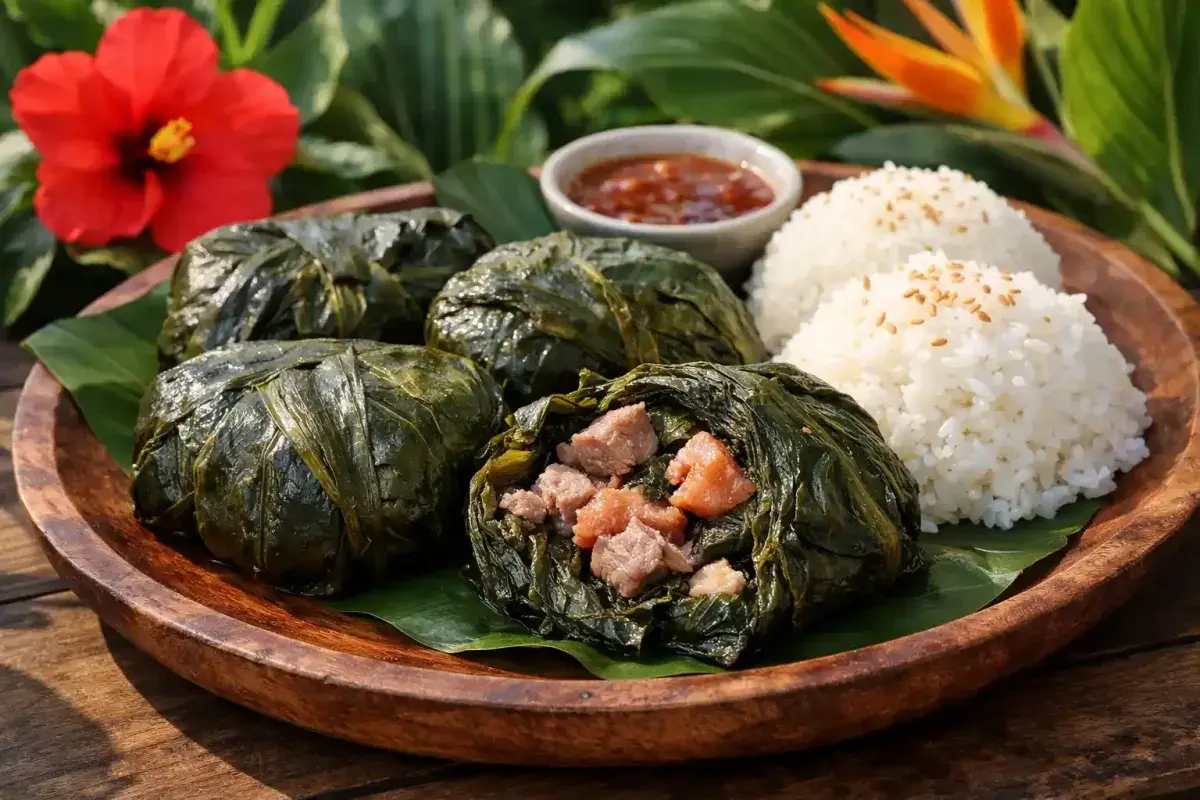
The dish begins with pork, chicken, or fish wrapped inside taro leaves. Additional leaves are folded around the filling until everything forms a secure package. The wrapped bundles are then slowly steamed until both the meat and leaves become exceptionally tender.
During cooking the taro leaves develop a rich earthy flavor that blends naturally with the juices from the meat inside. The slow steaming process creates remarkable tenderness while allowing every ingredient to complement the others without overpowering them.
Preparing laulau requires patience because each bundle must be wrapped carefully by hand. Many Hawaiian families continue to prepare it for holidays, celebrations, and family gatherings, preserving techniques that have been shared across generations.
Laulau is often served alongside rice, poi, or other traditional Hawaiian side dishes. The balanced flavors make it satisfying without feeling overly heavy, allowing the natural qualities of every ingredient to remain the focus.
Visitors sometimes hesitate to try laulau because they are unfamiliar with taro leaves, but many quickly discover that the leaves contribute a pleasant richness rather than a strong vegetable taste. The result is a comforting meal that feels deeply connected to the islands and their agricultural traditions.
Sampling laulau allows travelers to experience one of Hawaii's oldest cooking traditions while gaining greater appreciation for the resourcefulness and creativity of native Hawaiian cuisine. Its humble appearance hides remarkable depth of flavor and cultural significance that continues to endure today.
Image
5. Poi
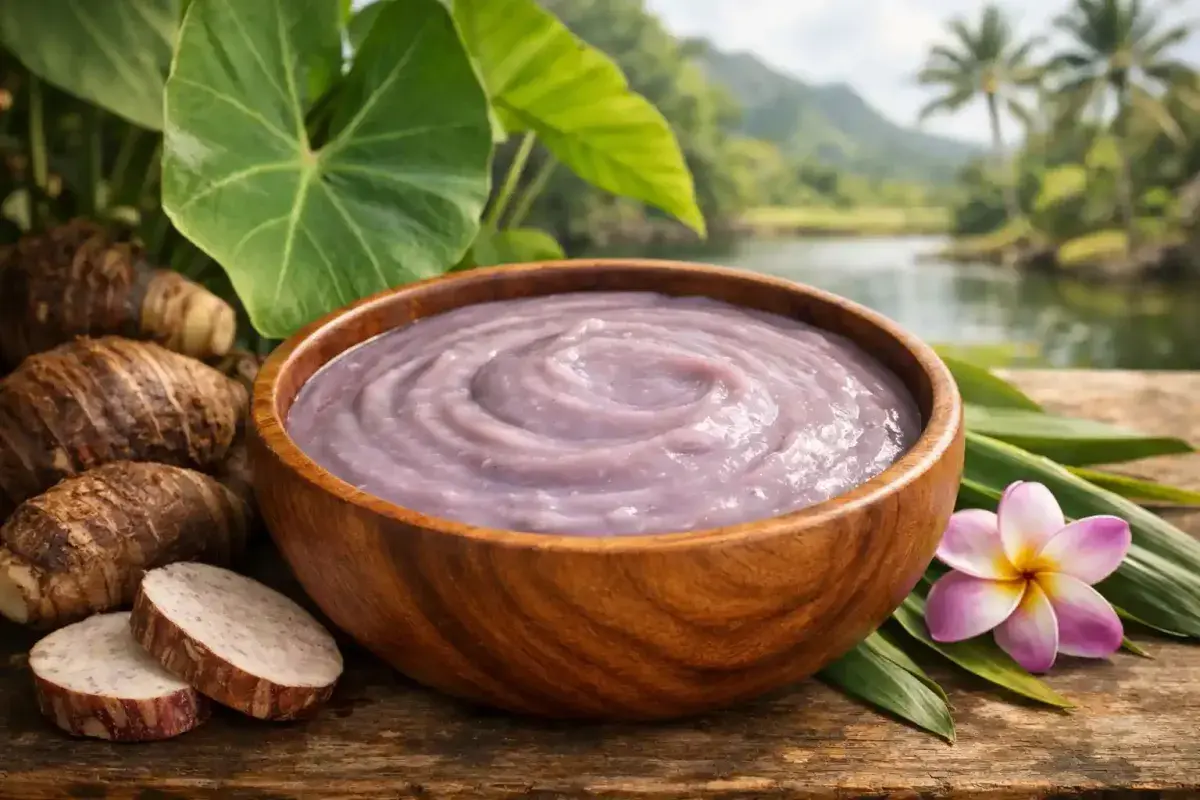
Poi has nourished native Hawaiians for centuries and remains one of the most culturally significant foods found anywhere on the islands. Made from cooked taro root that is carefully pounded into a smooth paste before being mixed with water, poi may appear simple but carries tremendous historical and cultural importance.
Taro has long been considered a sacred crop in Hawaiian tradition. For generations it served as one of the primary sources of nourishment for island communities. Preparing poi required skill, patience, and respect for the land that produced this valuable plant.
Fresh poi has a mild earthy flavor with a smooth texture that becomes slightly tangy as natural fermentation develops over time. Some people enjoy freshly prepared poi while others prefer the deeper flavor that appears after it has rested for several days. Individual preferences often depend on family traditions and personal taste.
Poi is commonly served with kalua pig, laulau, fresh fish, or other traditional Hawaiian dishes because its gentle flavor balances richer foods beautifully. Rather than dominating the meal, it provides harmony among the different components on the plate.
For first time visitors, poi can be an unfamiliar experience because its texture differs from many foods commonly eaten elsewhere. Those who approach it with curiosity often gain a deeper appreciation for the traditions and agricultural heritage that continue to shape Hawaiian cuisine today.
Beyond its nutritional value, poi symbolizes the close relationship between Hawaiian communities and the fertile land that has sustained them for generations. Every bowl reflects centuries of farming knowledge, family customs, and cultural pride that remain important throughout the islands.
Trying poi offers more than tasting a unique food. It provides an opportunity to experience one of the oldest living culinary traditions in Hawaii and to better understand the cultural roots that continue to influence island life today.
Image
6. Malasadas
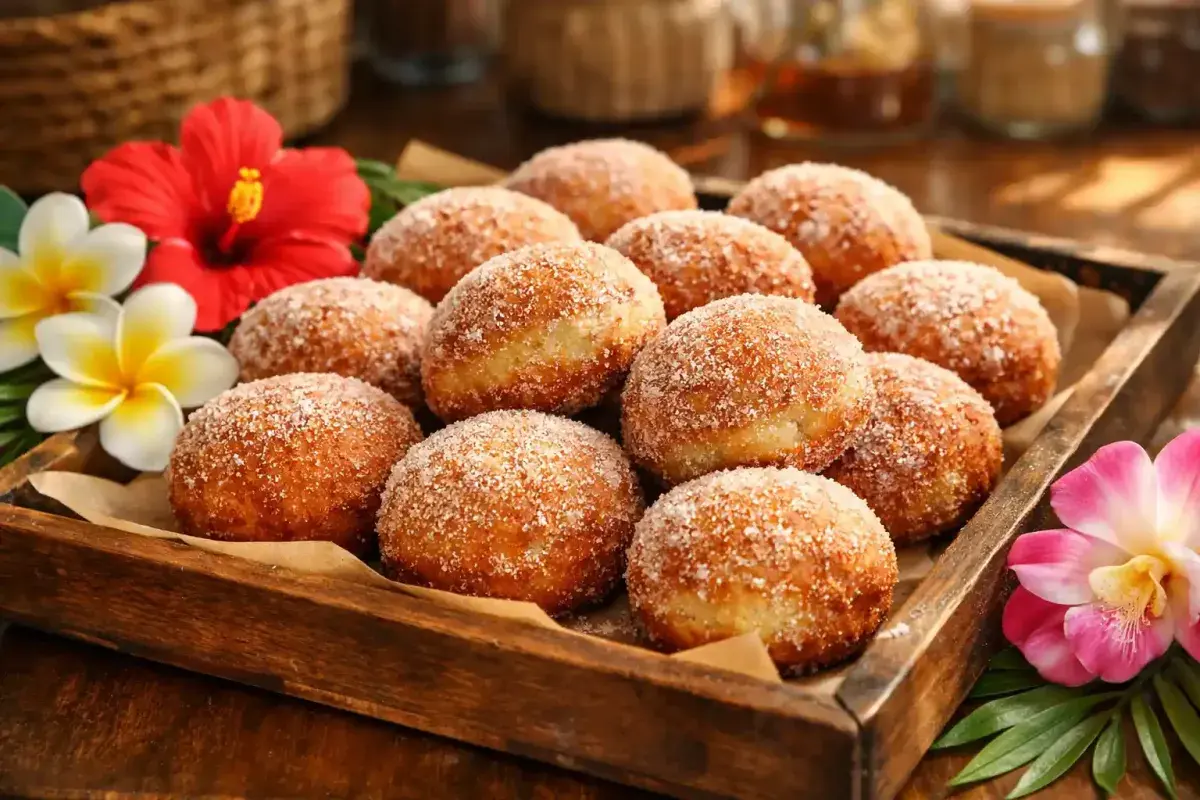
One of the sweetest surprises awaiting visitors to Hawaii is the irresistible malasada. Although its origins trace back to Portuguese immigrants who settled in the islands many generations ago, the pastry has become such an important part of local food culture that many people immediately associate it with Hawaii. Soft, warm, and generously coated in sugar, a freshly made malasada is a simple pleasure that has earned a devoted following among residents and travelers alike.
Unlike many filled doughnuts found elsewhere, the traditional malasada contains no hole in the center. Instead, the dough is allowed to puff into a round golden pastry while frying until the outside becomes lightly crisp and the inside remains wonderfully airy. The contrast between the delicate crust and the fluffy interior creates an unforgettable texture that is best enjoyed while still warm.
Modern bakeries throughout Hawaii have expanded upon the classic recipe by offering delicious fillings such as vanilla custard, chocolate, coconut cream, tropical fruit flavors, and rich local favorites inspired by island ingredients. Even with these creative additions, the original sugar coated version continues to attract loyal fans who appreciate its timeless simplicity.
For many families, malasadas are connected with celebrations, weekend mornings, or special gatherings. Long lines often form outside popular bakeries before sunrise as people eagerly wait for the first fresh batches of the day. The aroma of warm dough and sugar drifting through the air quickly explains why these pastries have become such a cherished tradition.
Visitors often discover that eating a malasada in Hawaii feels different from enjoying an ordinary doughnut elsewhere. The freshness, the welcoming atmosphere of neighborhood bakeries, and the connection to local history all contribute to the experience. Every bite reflects the cultural influences that have blended together across generations to shape the islands into the vibrant community they are today.
Whether paired with a cup of locally grown Hawaiian coffee or enjoyed on its own while exploring the islands, a warm malasada offers comfort, joy, and a delicious reminder that some of the most memorable travel experiences come from the simplest foods.
Image
7. Shave Ice
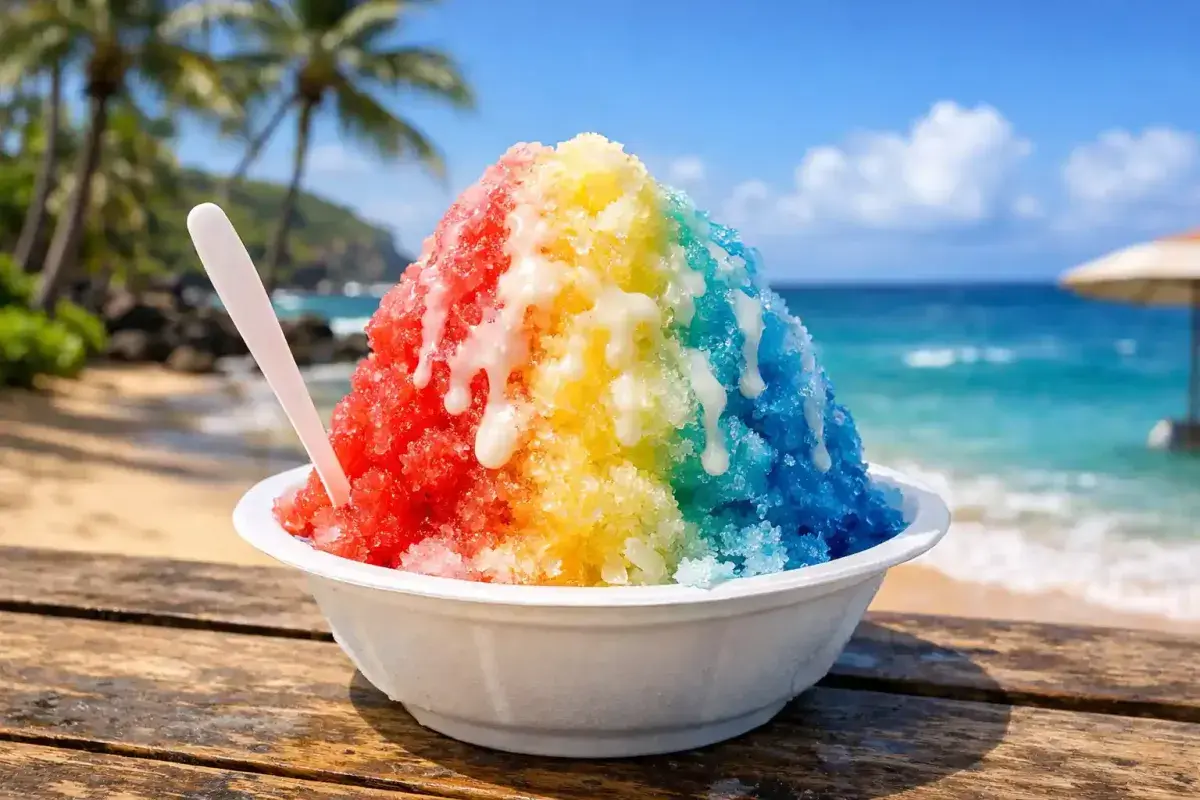
Few treats capture the refreshing spirit of Hawaii quite like shave ice. On warm tropical afternoons, both residents and visitors often gather at neighborhood stands to cool off with this colorful dessert that has become one of the islands' most recognizable specialties. Although shaved ice desserts exist in many parts of the world, the Hawaiian version has developed its own distinctive character through local flavors, careful preparation, and generations of tradition.
The secret begins with ice that is shaved into an incredibly soft texture resembling fresh snow rather than crushed ice. This delicate consistency allows the flavored syrups to soak evenly throughout the dessert, creating smooth sweetness from the first spoonful to the last. Popular flavors include pineapple, passion fruit, guava, mango, coconut, lychee, and many other tropical fruits that reflect the islands' abundant harvest.
Many local shops take shave ice even further by adding sweetened condensed milk, vanilla ice cream, azuki beans, or chewy mochi beneath the ice. These additions create layers of flavor and texture that transform a refreshing snack into a memorable dessert.
Shave ice has become closely associated with family outings, beach visits, community festivals, and leisurely afternoons spent enjoying Hawaii's beautiful weather. Children eagerly choose colorful combinations while adults often return to flavors that remind them of happy childhood memories. This shared enjoyment has helped make shave ice a beloved tradition across generations.
Visitors frequently discover that authentic Hawaiian shave ice bears little resemblance to snow cones commonly sold elsewhere. The silky texture of the ice and the quality of the syrups create an entirely different experience that highlights the care and attention devoted to every serving.
Beyond its delicious taste, shave ice reflects Hawaii's relaxed lifestyle and welcoming spirit. It encourages people to slow down, enjoy the moment, and appreciate the simple pleasures that make island life so special. Few desserts create smiles as effortlessly as a colorful bowl of perfectly prepared Hawaiian shave ice.
Image
8. Haupia
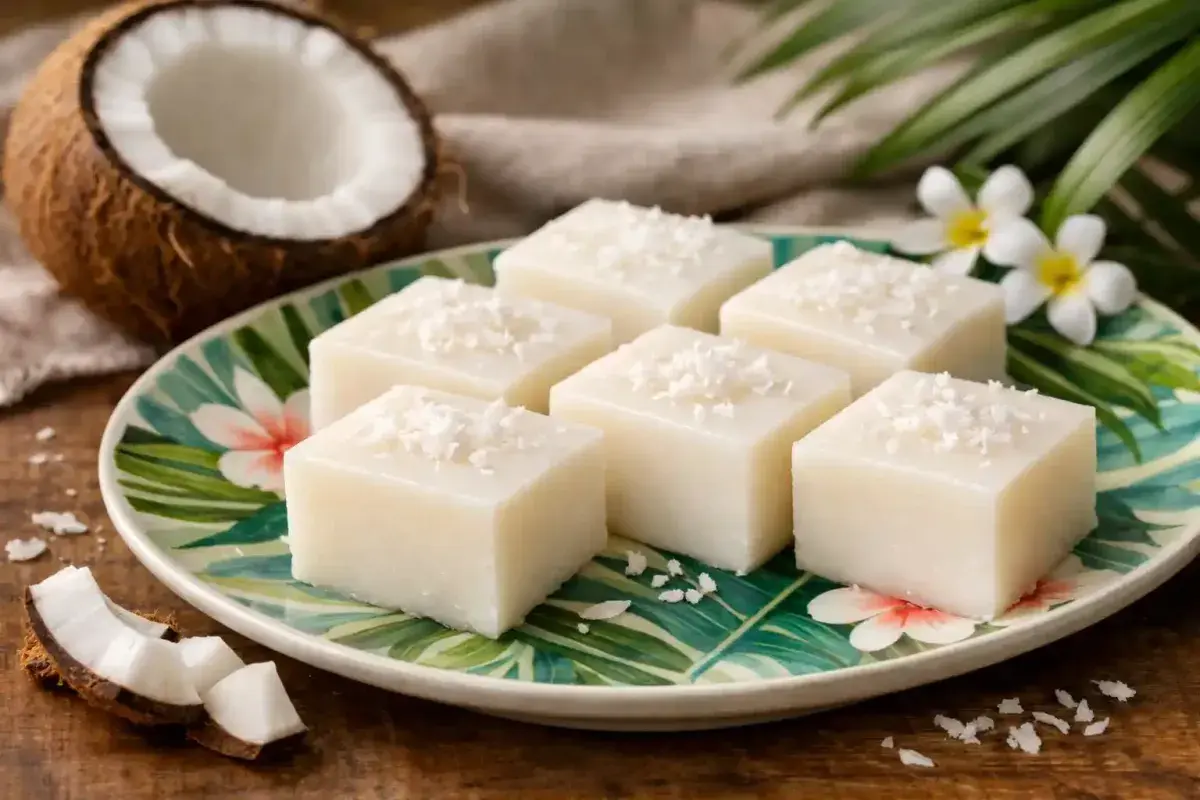
Haupia is one of Hawaii's most treasured traditional desserts, admired for its smooth texture and delicate coconut flavor. Although its appearance may seem modest, this elegant dessert has remained a favorite for generations because it showcases the natural sweetness of coconut without overwhelming the palate.
Prepared from coconut milk, water, and starch, haupia is gently cooked until it thickens before being chilled into soft squares that hold their shape while remaining pleasantly creamy. The result is a dessert that feels light and refreshing, making it especially enjoyable after a hearty Hawaiian meal.
Coconut has long played an important role throughout the Pacific Islands, and haupia reflects that connection beautifully. Its gentle flavor allows the richness of fresh coconut to shine while maintaining a simplicity that has stood the test of time. Many families continue preparing haupia using treasured recipes passed from one generation to the next.
Modern bakeries and restaurants have embraced the dessert in creative ways. Haupia is commonly layered into cakes, paired with chocolate, tucked inside pies, or served alongside fresh tropical fruits. These contemporary presentations have introduced the dessert to new audiences while preserving its traditional character.
For visitors, haupia offers an opportunity to experience a dessert that feels distinctly Hawaiian rather than overly sweet or complicated. Its smooth consistency and clean coconut flavor create a pleasant contrast to many richer desserts commonly found elsewhere.
The popularity of haupia also reflects the Hawaiian appreciation for ingredients that come directly from the islands. Simple recipes prepared with care often become lasting traditions because they celebrate the natural qualities of local harvests instead of masking them.
Whether served at family celebrations, local gatherings, or neighborhood restaurants, haupia continues to represent the warmth and hospitality that define Hawaiian culture. Every spoonful reminds visitors that unforgettable desserts do not require elaborate preparation when quality ingredients speak for themselves.
Image
9. Lomi Salmon
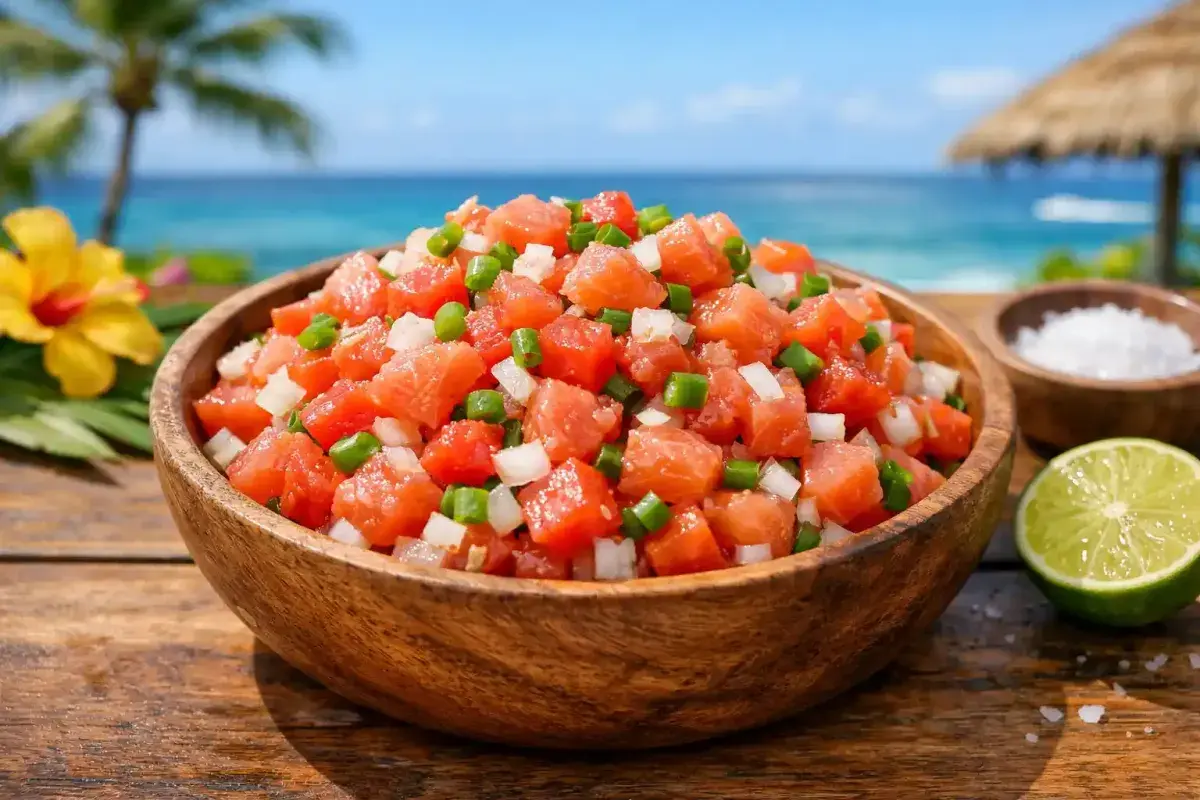
Lomi salmon is a refreshing side dish that has earned an important place on Hawaiian tables for generations. Combining diced salted salmon with fresh tomatoes and sweet onions, this colorful dish delivers bright flavors that perfectly complement many traditional Hawaiian meals.
The name lomi refers to the gentle massaging or mixing motion used while preparing the ingredients. This careful blending allows the juices from the tomatoes and onions to soften the saltiness of the salmon while creating a fresh and balanced flavor. The result is a light accompaniment that pairs especially well with richer dishes such as kalua pig and laulau.
Although salmon is not native to Hawaiian waters, salted salmon became available through trade many years ago and was quickly incorporated into local cuisine. Hawaiian cooks adapted the ingredient using fresh produce grown on the islands, creating a dish that reflects both resourcefulness and cultural exchange.
Lomi salmon is especially common during festive gatherings and traditional celebrations where it appears alongside many classic Hawaiian favorites. Its refreshing taste helps balance heavier foods while adding vibrant color to the dining table.
Visitors sometimes expect a seafood salad similar to those found elsewhere, yet lomi salmon offers a unique combination of textures and flavors. The firm salmon contrasts beautifully with juicy tomatoes and crisp onions, creating a satisfying freshness that stands apart from many seafood dishes.
Beyond its delicious taste, lomi salmon illustrates how Hawaiian cuisine has continually evolved by embracing new ingredients while maintaining local traditions. The dish demonstrates that cultural influences can blend naturally into everyday life, creating recipes that eventually become cherished classics.
For travelers exploring authentic island cuisine, lomi salmon provides another opportunity to appreciate Hawaii's remarkable ability to transform simple ingredients into memorable dishes filled with history, balance, and welcoming island character.
Image
10. Butter Mochi
Butter mochi is a delightful dessert that perfectly reflects Hawaii's multicultural culinary heritage. Combining influences from Japanese mochi with local baking traditions, this beloved treat has become a favorite at family gatherings, school events, neighborhood bakeries, and community celebrations across the islands.
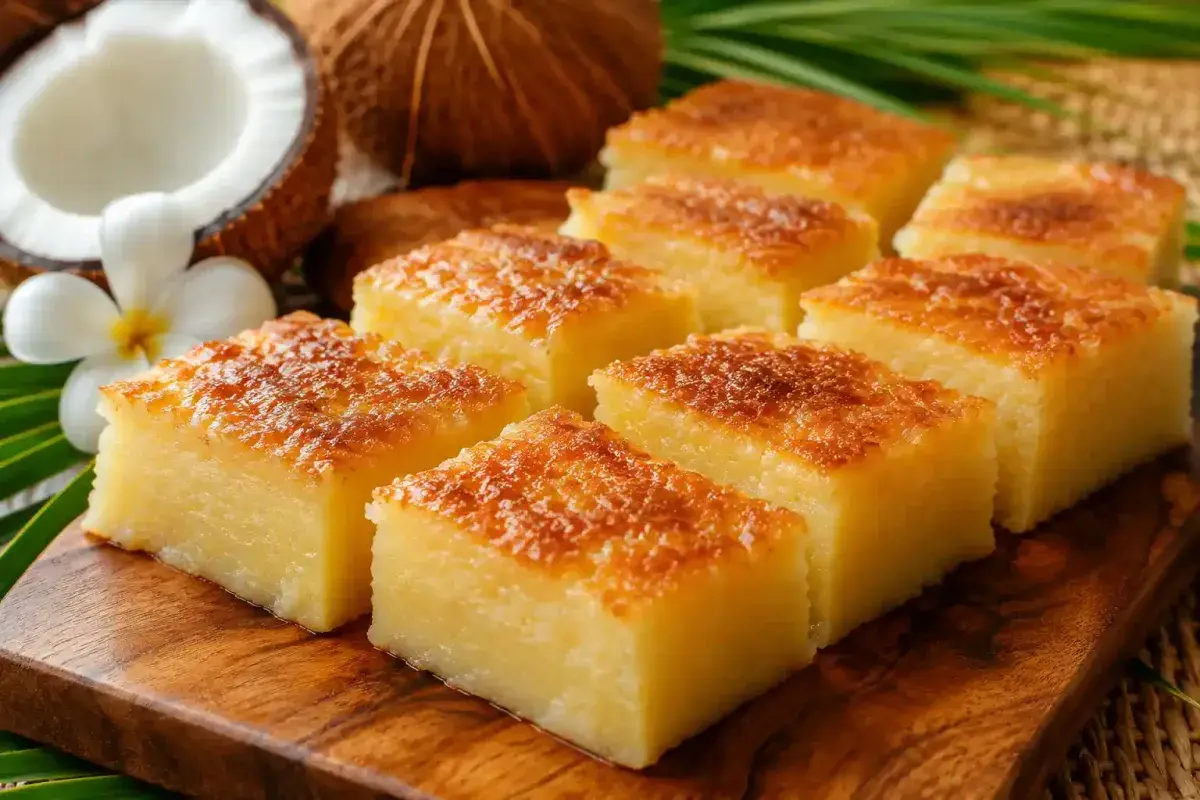
Unlike traditional mochi that is often filled and individually shaped, butter mochi is baked into a large pan before being cut into squares. The use of glutinous rice flour gives the dessert its signature chewy texture while butter, coconut milk, sugar, and eggs create a rich flavor that feels both comforting and unique.
One of the qualities that makes butter mochi so memorable is its remarkable texture. The outside develops a lightly golden surface while the inside remains soft, moist, and pleasantly chewy. This combination creates a dessert that is unlike cakes, cookies, or brownies, making it an enjoyable surprise for first time visitors.
Many Hawaiian families prepare butter mochi using recipes that have been passed from one generation to another. Although every household may introduce small adjustments such as adding vanilla or coconut, the dessert continues to preserve the qualities that have made it popular for decades.
Butter mochi demonstrates how different cultural traditions have blended together throughout Hawaii to create something entirely new. Rather than simply copying recipes from elsewhere, local cooks embraced new ingredients and adapted them to island tastes, producing desserts that now belong firmly within Hawaiian food culture.
Travelers who sample butter mochi often find themselves searching for another piece before finishing the first. Its rich flavor, satisfying chewiness, and homemade character leave a lasting impression that extends well beyond vacation memories.
Ending a Hawaiian meal with butter mochi provides a fitting reminder that the islands are not only blessed with extraordinary natural beauty but also with a remarkable culinary tradition shaped by creativity, hospitality, and generations of shared experiences.
Image
Hawaii offers far more than spectacular scenery and unforgettable beaches. Its cuisine reflects the remarkable journey of people, traditions, and ingredients that have come together across centuries to create one of the most distinctive food cultures in the world. Every dish tells a story that connects the islands with their natural environment while celebrating the many communities that have shaped Hawaiian life through hard work, generosity, and creativity.
Whether you begin your culinary adventure with a colorful bowl of poke, enjoy the comforting richness of loco moco, discover the cultural importance of poi, or finish with a warm malasada or chewy butter mochi, each experience reveals another layer of Hawaii's unique identity. These foods are not simply meals prepared for tourists. They remain an important part of everyday life for many local families and continue to appear at celebrations, neighborhood gatherings, and shared tables throughout the islands.
One of the greatest joys of traveling is discovering flavors that cannot truly be duplicated anywhere else. Hawaii provides that opportunity again and again because its recipes rely upon fresh local ingredients, long standing traditions, and a genuine respect for the cultures that continue to thrive across the islands. Every bite offers a chance to understand the people and history behind the food while creating memories that last long after the vacation ends.
If Hawaii is on your travel wish list, make time to explore beyond the famous attractions and experience the local food scene with curiosity and an open mind. Visit neighborhood eateries, family owned bakeries, farmers markets, and community restaurants whenever possible. You may arrive expecting beautiful landscapes, but many travelers leave talking just as enthusiastically about the unforgettable meals they enjoyed. The flavors of Hawaii have a remarkable way of welcoming visitors, sharing stories without words, and inviting everyone to experience the true spirit of the islands one delicious dish at a time.