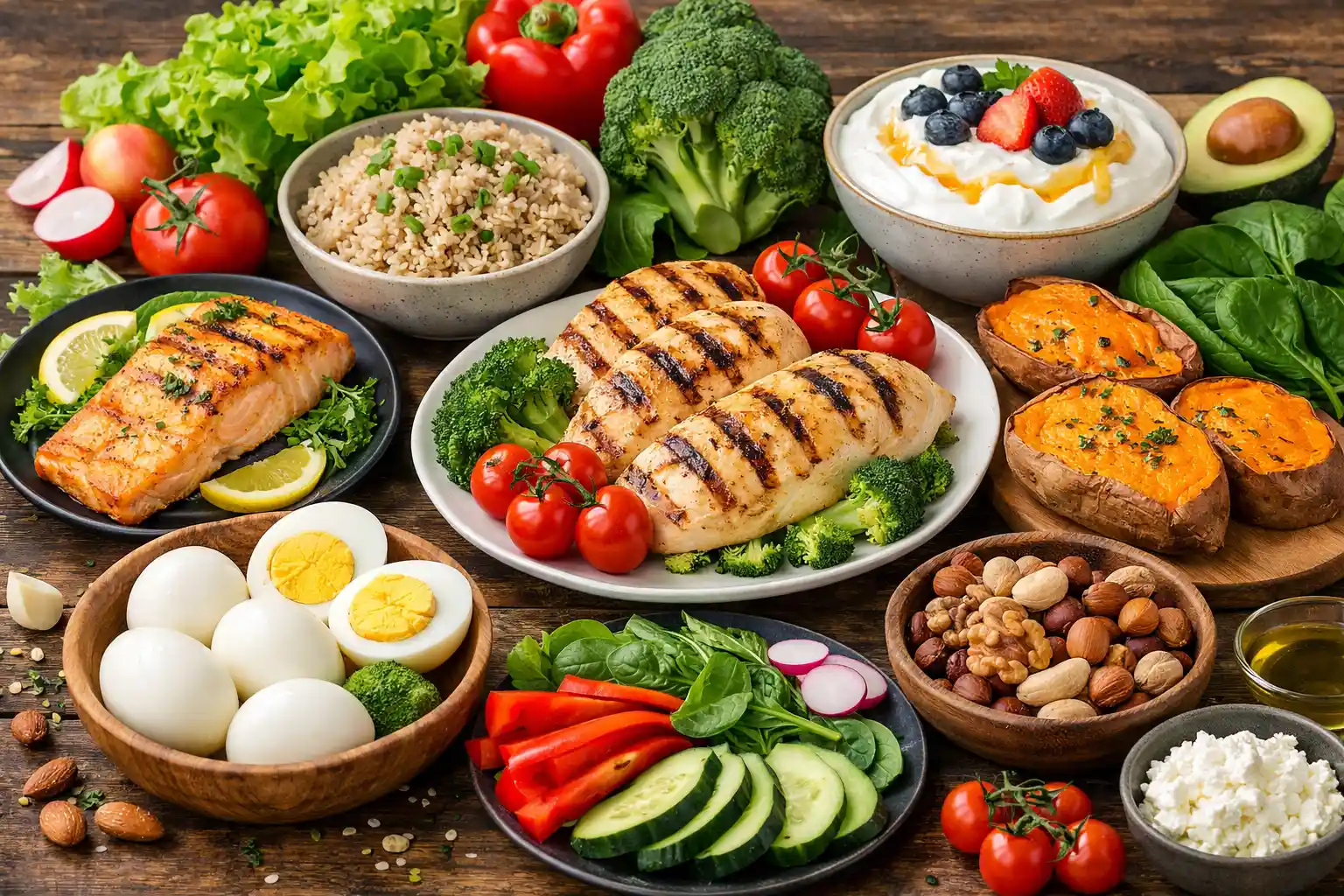
Building muscle is about more than lifting weights in the gym. While resistance training creates the stimulus for growth, nutrition provides the raw materials that help muscles repair, recover, and become stronger. Many people focus heavily on workout routines but overlook the importance of what they put on their plates each day. The reality is that even the most effective training program can produce limited results when the body is not receiving the nutrients it needs to support muscle development.
Protein is often considered the foundation of muscle building because it contains amino acids that help repair muscle fibers after exercise. However, protein alone is not enough. Carbohydrates provide the energy required for demanding workouts, while healthy fats support hormone production and overall health. Vitamins and minerals also play essential roles in muscle function, recovery, and performance. A balanced approach to nutrition helps create an environment where muscle growth can occur consistently over time.
Choosing the right foods does not require expensive supplements or highly restrictive diets. Many of the most effective muscle building foods can be found in ordinary grocery stores and incorporated into everyday meals. Lean meats, fish, dairy products, whole grains, fruits, vegetables, and legumes all contribute valuable nutrients that help support physical performance and recovery.
Another important factor is consistency. Muscle growth is a gradual process that occurs when healthy eating habits are maintained alongside regular exercise. Eating nutrient dense foods throughout the day helps provide a steady supply of energy and building blocks for the body. Over time, these habits can contribute to improvements in strength, endurance, and overall body composition.
The following foods are among the best choices for people looking to build muscle naturally. Each offers unique nutritional benefits that can help support training goals while contributing to overall health and wellness. Whether you are a beginner starting a fitness journey or an experienced athlete looking to optimize performance, these foods can become valuable additions to your daily nutrition plan.
1. Chicken Breast
Image

Chicken breast has earned a reputation as one of the most popular foods among athletes, bodybuilders, and fitness enthusiasts for good reason. It is packed with high quality protein while remaining relatively low in fat, making it an efficient choice for supporting muscle development. A typical serving provides a substantial amount of protein that helps the body repair muscle tissue damaged during exercise.
Protein contains amino acids that serve as the building blocks of muscle. After a workout, the body enters a recovery phase where these amino acids are used to rebuild and strengthen muscle fibers. Chicken breast provides a rich supply of essential amino acids, including leucine, which is particularly important for stimulating muscle protein synthesis.
Another advantage of chicken breast is its versatility. It can be grilled, baked, roasted, or incorporated into salads, sandwiches, wraps, and rice dishes. This flexibility makes it easier for people to maintain a muscle building diet without becoming bored with their meals. Because it has a mild flavor, it pairs well with a variety of herbs, spices, and vegetables.
Chicken breast also contains important nutrients such as phosphorus, selenium, and several B vitamins. These nutrients contribute to energy production, immune function, and overall health. B vitamins are especially valuable for active individuals because they help convert food into usable energy during physical activity.
For those trying to increase lean muscle mass while minimizing excess calories, chicken breast can be an excellent centerpiece for meals. Combining it with complex carbohydrates such as brown rice or sweet potatoes can create a balanced meal that supports both performance and recovery. Consistent consumption of lean protein sources like chicken can help individuals meet their daily protein requirements and maintain steady progress toward their fitness goals.
2. Eggs
Image

Eggs are often considered one of nature's most complete foods. They contain high quality protein along with a wide range of nutrients that support overall health and muscle development. Each egg provides all nine essential amino acids, making it a complete protein source that the body can use efficiently for muscle repair and growth.
One of the key nutrients found in eggs is leucine, an amino acid that plays a major role in stimulating muscle protein synthesis. This process helps the body recover after exercise and build stronger muscle tissue over time. Because of their excellent amino acid profile, eggs are commonly included in the diets of athletes and individuals focused on strength training.
The yolk often receives attention because it contains dietary fat, but it is also rich in vitamins, minerals, and antioxidants. Nutrients such as vitamin D, vitamin B12, choline, and selenium contribute to overall health and support bodily functions that influence physical performance. Choline is especially important because it supports brain function and communication between nerves and muscles.
Eggs are convenient and affordable, making them accessible to a wide range of people. They can be prepared in many different ways, including boiled, scrambled, poached, or incorporated into various recipes. Their versatility allows them to fit easily into breakfast, lunch, dinner, or snack options.
Because eggs provide both protein and healthy fats, they can help promote feelings of fullness and satisfaction. This can be beneficial for individuals trying to manage their calorie intake while supporting muscle growth. Pairing eggs with whole grain toast, vegetables, or fruit creates a balanced meal that delivers sustained energy and valuable nutrients throughout the day.
3. Salmon
Image

Salmon offers a powerful combination of high quality protein and beneficial omega three fatty acids. This unique nutritional profile makes it one of the best foods for individuals seeking to build muscle while supporting overall health. Protein helps repair and grow muscle tissue, while omega three fats contribute to recovery and inflammation management.
After intense exercise, muscles experience microscopic damage that must be repaired for growth to occur. The protein found in salmon provides essential amino acids needed for this process. Regular consumption of protein rich foods can help ensure that the body has adequate resources for recovery and adaptation.
The omega three fatty acids found in salmon may help support muscle function and reduce exercise related inflammation. While some inflammation is a natural part of the recovery process, excessive inflammation can interfere with performance and recovery. Healthy fats can play a supportive role in maintaining balance within the body.
Salmon is also an excellent source of vitamins and minerals, including vitamin D, vitamin B12, potassium, and selenium. Vitamin D is particularly important because it contributes to bone health and muscle function. Many people have low vitamin D levels, making foods like salmon especially valuable.
Another benefit of salmon is its versatility in meal preparation. It can be grilled, baked, broiled, or incorporated into salads and grain bowls. Pairing salmon with vegetables and complex carbohydrates creates a nutrient rich meal that supports both energy needs and muscle recovery.
For individuals looking to improve body composition, salmon provides nutrients that support health without relying on heavily processed foods. Its combination of protein, healthy fats, and micronutrients makes it a smart choice for anyone committed to long term fitness and wellness goals.
4. Greek Yogurt
Image
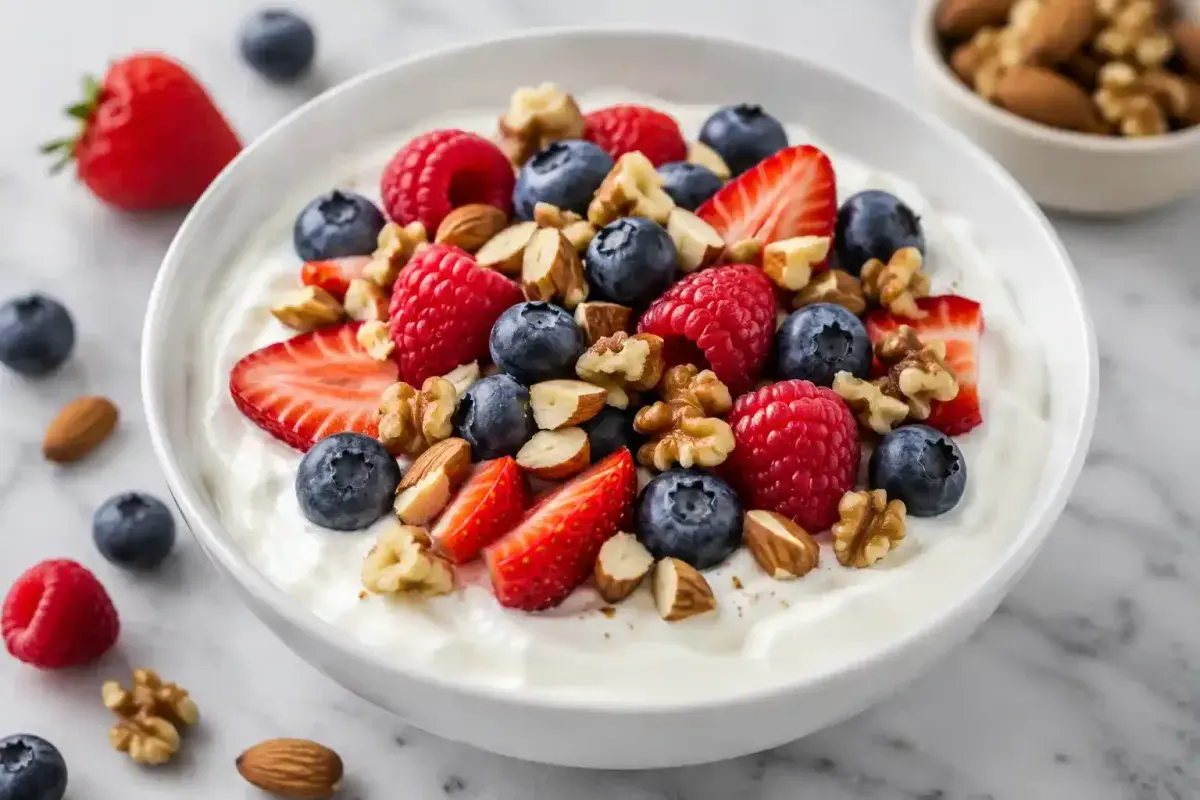
Greek yogurt is a nutrient dense dairy product that offers an impressive amount of protein in a relatively small serving. Compared with traditional yogurt, Greek yogurt contains more protein due to the straining process used during production. This makes it a valuable addition to a muscle building diet.
One of the advantages of Greek yogurt is that it contains both fast and slow digesting proteins. This combination provides a steady release of amino acids into the bloodstream, helping support muscle recovery over an extended period. Many athletes enjoy Greek yogurt as a post workout snack or evening meal because of its protein content.
In addition to protein, Greek yogurt provides calcium, potassium, and probiotics. Calcium supports bone strength and muscle function, while probiotics contribute to digestive health. A healthy digestive system can improve nutrient absorption, helping the body make better use of the foods consumed throughout the day.
Greek yogurt can be enjoyed in many ways. It can be eaten plain, mixed with fruit, added to smoothies, or used as a healthier substitute for certain ingredients in recipes. Its creamy texture and versatility make it appealing to a wide variety of tastes and dietary preferences.
Because it combines protein with beneficial nutrients, Greek yogurt serves as a convenient option for busy individuals seeking nutritious snacks. Including it regularly in a balanced eating plan can contribute to meeting daily protein requirements while supporting overall health and recovery.
5. Lean Beef
Image
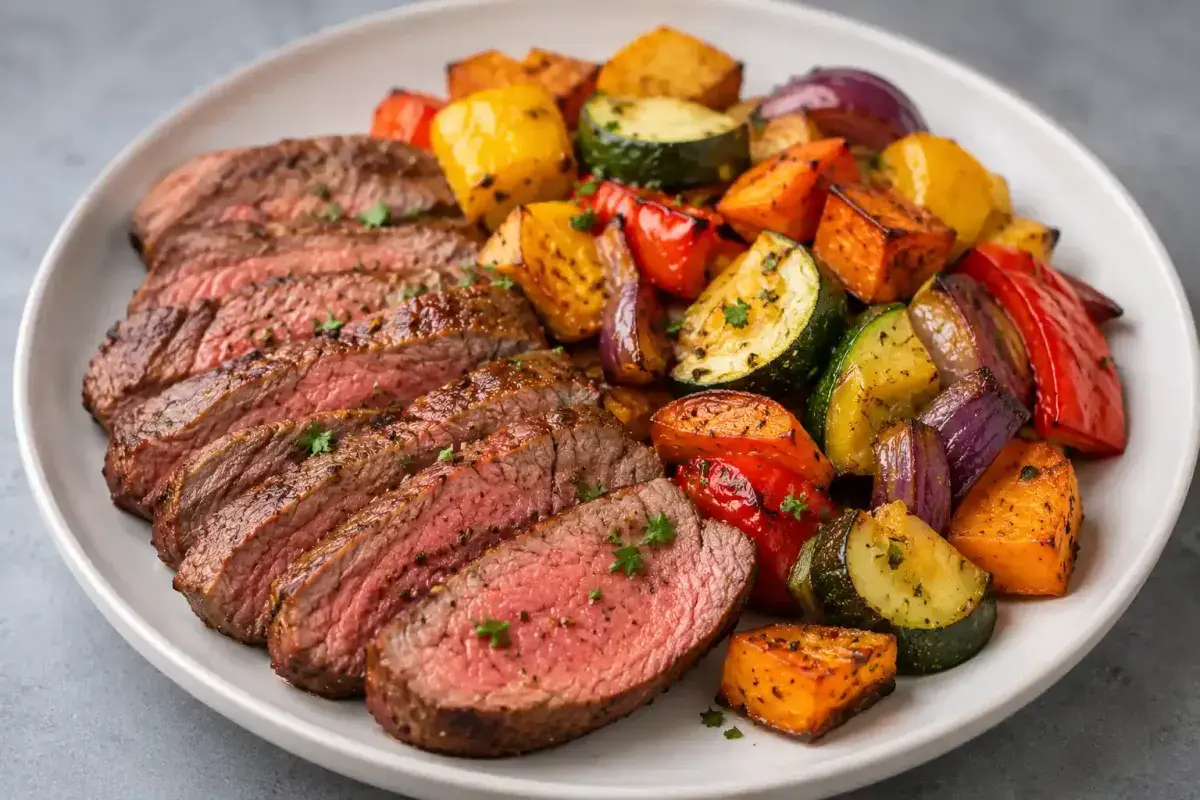
Lean beef is a nutrient rich food that provides high quality protein along with several important vitamins and minerals. It has long been a staple in muscle building diets because of its ability to support strength gains and recovery.
One of the standout nutrients found in lean beef is iron. Iron helps transport oxygen throughout the body, which is essential for physical performance and endurance. Individuals with inadequate iron levels may experience fatigue and reduced exercise capacity. Including lean beef in the diet can help support healthy iron intake.
Lean beef is also a source of zinc, vitamin B12, and creatine. Zinc contributes to immune function and recovery, while vitamin B12 supports energy production and nerve health. Creatine is naturally present in beef and plays a role in supplying energy during high intensity activities such as weightlifting and sprinting.
The protein content of lean beef provides amino acids needed for muscle repair and growth. Because it contains all essential amino acids, it is considered a complete protein source. Regular consumption as part of a balanced diet can help individuals achieve their muscle building objectives.
Selecting lean cuts helps reduce excess saturated fat while still delivering valuable nutrients. Pairing lean beef with vegetables and whole grains creates a satisfying meal that supports both nutrition and performance goals.
6. Tuna
Image
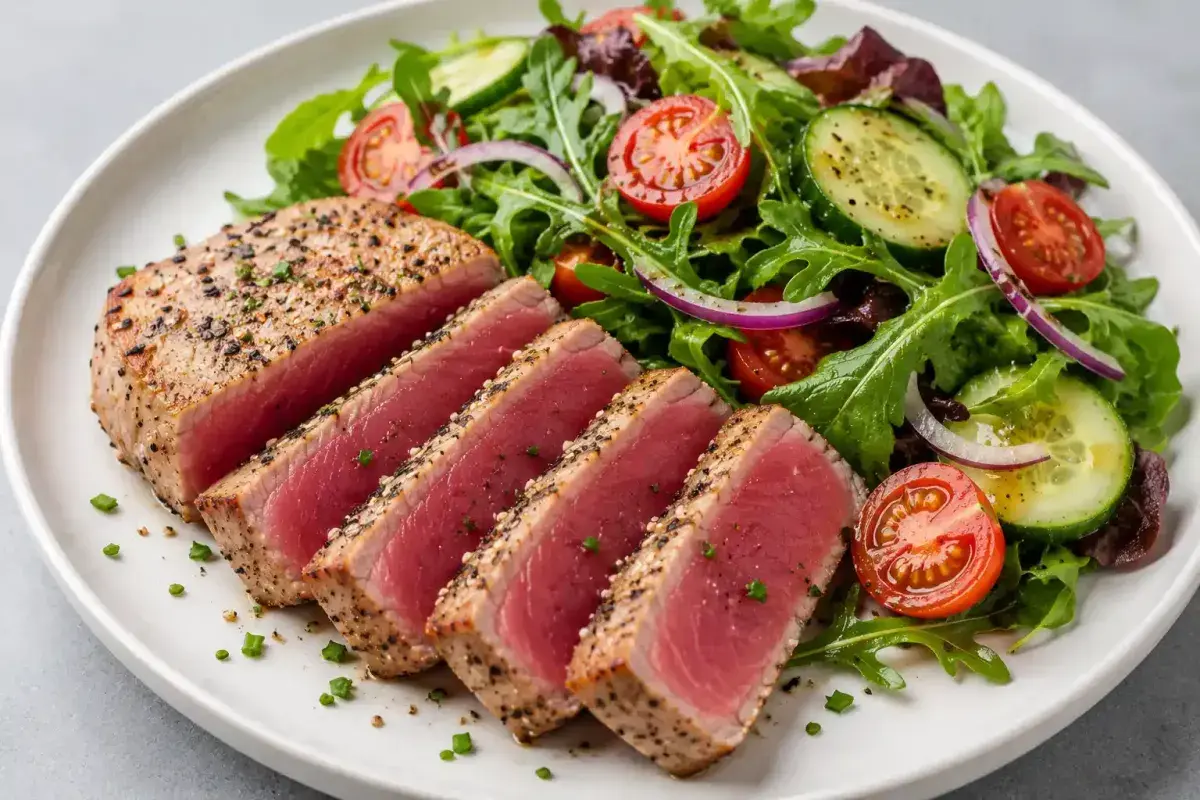
Tuna is a highly effective food for muscle growth because it provides a substantial amount of protein while remaining relatively low in calories and fat. This makes it especially attractive for people who want to build lean muscle without significantly increasing body fat.
The protein in tuna supplies essential amino acids that assist in muscle repair and growth. Following resistance training, the body needs a reliable source of protein to rebuild muscle fibers. Tuna delivers these nutrients efficiently and can easily fit into various meal plans.
Tuna also contains important vitamins and minerals, including vitamin D, selenium, and several B vitamins. These nutrients support energy metabolism and overall health, helping active individuals perform at their best.
Its versatility is another major benefit. Tuna can be used in sandwiches, salads, pasta dishes, rice bowls, and wraps. Canned tuna offers convenience, while fresh tuna steaks provide a flavorful option for home cooked meals.
For individuals seeking a practical protein source that supports muscle development and recovery, tuna remains one of the most dependable choices available.
7. Cottage Cheese
Image
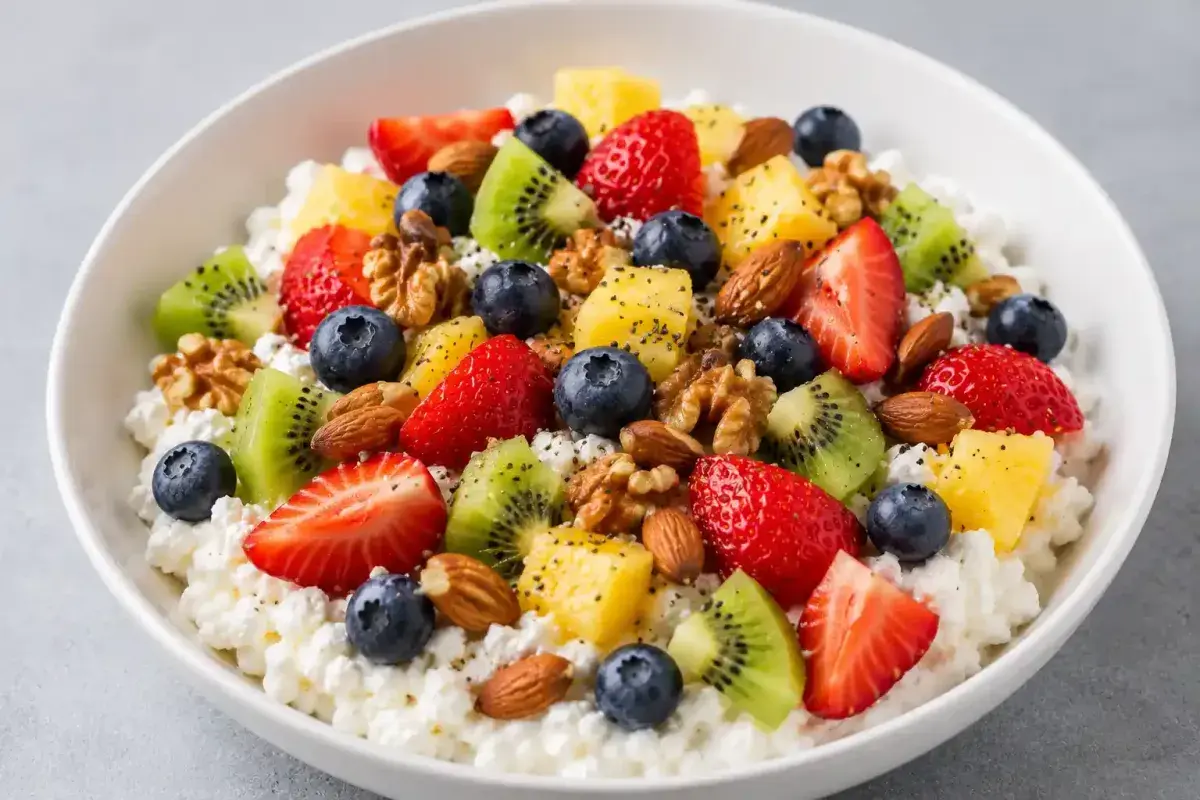
Cottage cheese is valued for its high protein content and unique nutritional profile. One of its most important features is casein protein, which digests more slowly than many other protein sources. This gradual digestion provides a steady supply of amino acids over several hours.
Because of this slow release effect, cottage cheese is often consumed before bedtime. During sleep, the body continues repairing and rebuilding muscle tissue. A steady flow of amino acids can help support overnight recovery and growth.
In addition to protein, cottage cheese provides calcium, phosphorus, and vitamin B12. These nutrients support bone health, energy production, and normal muscle function. Strong bones are particularly important for individuals engaging in regular strength training.
Cottage cheese can be enjoyed on its own or combined with fruits, vegetables, herbs, or nuts. Its mild flavor makes it adaptable to both sweet and savory dishes.
For athletes and fitness enthusiasts looking for a convenient protein rich snack, cottage cheese offers excellent nutritional value and muscle building benefits.
8. Brown Rice
Image

While protein often receives the spotlight in discussions about muscle growth, carbohydrates are equally important. Brown rice serves as an excellent source of complex carbohydrates that provide sustained energy for exercise and recovery.
Strength training sessions require fuel. Carbohydrates are stored in the muscles as glycogen and used during physical activity. When glycogen stores become depleted, performance can decline. Brown rice helps replenish these stores and supports ongoing training efforts.
Unlike highly processed grains, brown rice retains more fiber and nutrients. It contains magnesium, phosphorus, and several B vitamins that contribute to energy metabolism and overall wellness.
Brown rice pairs well with lean proteins and vegetables, creating balanced meals that support both performance and recovery. Because it digests gradually, it provides a steady release of energy rather than causing dramatic spikes and drops in blood sugar.
Including brown rice as part of a muscle building nutrition plan can help ensure the body has adequate energy to support demanding workouts and long term progress.
9. Sweet Potatoes
Image

Sweet potatoes are a nutrient packed carbohydrate source that supports athletic performance and recovery. They provide complex carbohydrates that help fuel workouts and replenish glycogen stores after exercise.
In addition to carbohydrates, sweet potatoes contain fiber, potassium, vitamin C, and beta carotene. Potassium plays an important role in muscle contractions and fluid balance, while vitamin C supports tissue repair and immune function.
The natural sweetness of sweet potatoes makes them a satisfying addition to meals. They can be baked, roasted, mashed, or incorporated into a variety of recipes. Their versatility allows them to complement many protein sources commonly used in muscle building diets.
Because they deliver sustained energy and valuable nutrients, sweet potatoes are often included in meal plans designed for athletes and active individuals. Their nutritional profile supports both performance and recovery, making them a practical choice for muscle growth goals.
10. Beans and Lentils
Image
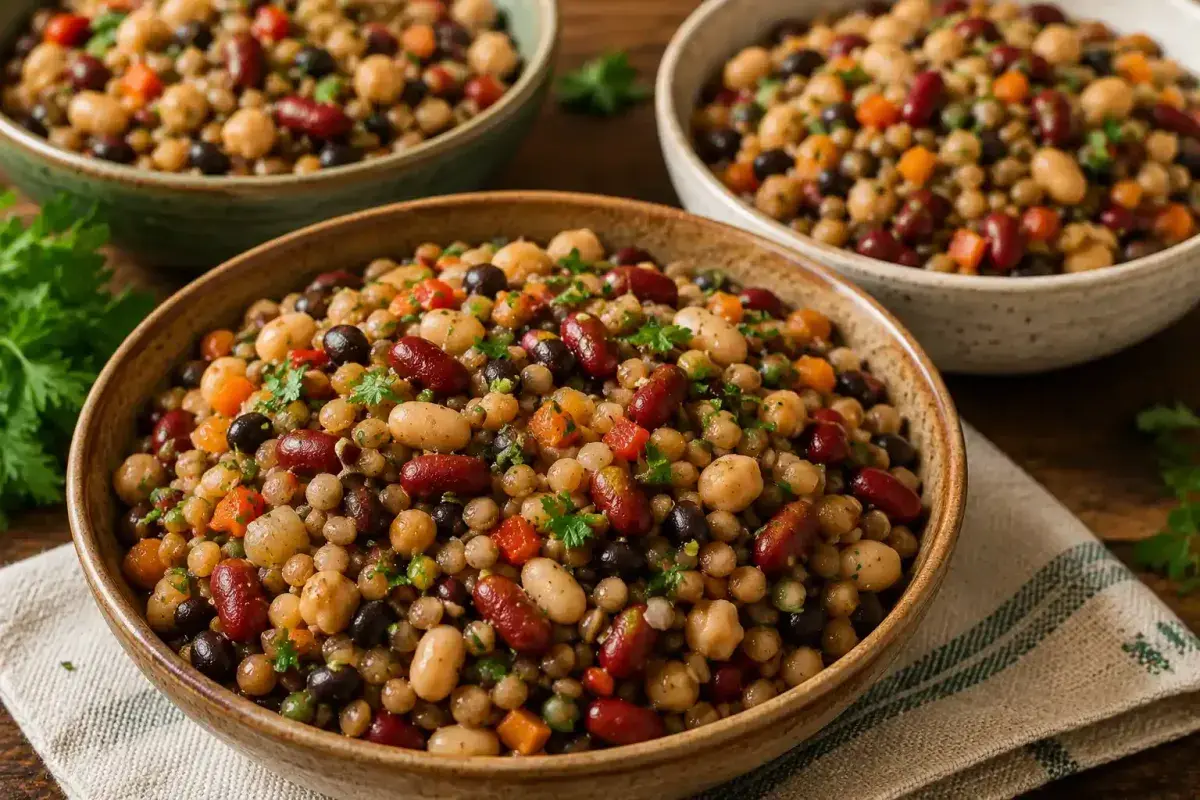
Beans and lentils are excellent plant based foods that support muscle development. They provide protein, complex carbohydrates, fiber, vitamins, and minerals in a single package, making them highly nutritious options for active individuals.
Protein from beans and lentils contributes to muscle repair and recovery. While plant proteins may have different amino acid profiles compared with animal proteins, combining various plant foods throughout the day can help provide the essential amino acids needed for growth.
These foods are also rich in fiber, which supports digestive health and helps maintain stable energy levels. Iron, magnesium, potassium, and folate are among the many nutrients found in beans and lentils.
Their affordability and versatility make them accessible to many households. They can be added to soups, salads, stews, rice dishes, and numerous other meals. For individuals following vegetarian or plant focused diets, beans and lentils are especially valuable sources of nutrition.
Including beans and lentils regularly can support muscle building efforts while contributing to long term health and wellness.
Building muscle successfully requires a combination of effective training, adequate recovery, and proper nutrition. While exercise creates the demand for growth, the foods consumed each day provide the resources needed to make that growth possible. Selecting nutrient rich foods helps ensure that muscles receive the protein, carbohydrates, healthy fats, vitamins, and minerals necessary for optimal performance and recovery.
Protein rich choices such as chicken breast, eggs, salmon, Greek yogurt, lean beef, tuna, and cottage cheese provide essential amino acids that support muscle repair and development. Carbohydrate sources like brown rice and sweet potatoes help fuel workouts and replenish energy stores. Beans and lentils offer a valuable combination of protein, carbohydrates, and fiber that supports both athletic performance and overall health.
It is important to remember that no single food can build muscle on its own. Results come from consistently following healthy eating habits while engaging in regular resistance training. Eating balanced meals throughout the day helps provide a steady supply of nutrients that support recovery and adaptation. Hydration, sleep quality, and overall lifestyle choices also play important roles in achieving fitness goals.
Many people search for shortcuts when trying to gain muscle, but the most effective approach often involves focusing on fundamental habits. Preparing nutritious meals, maintaining a consistent workout routine, and allowing adequate time for recovery can produce meaningful results over time. Progress may not happen overnight, but persistence and dedication often lead to significant improvements in strength, endurance, and body composition.
Whether you are beginning your fitness journey or looking to refine an established nutrition plan, incorporating these muscle building foods into your routine can help support your goals. By making thoughtful food choices and remaining consistent in your efforts, you can create a strong nutritional foundation that supports long term muscle growth, overall wellness, and a healthier, more active lifestyle.