California has always carried its own identity when it comes to food. The state is shaped by coastlines, farmland, immigration, and a culture that treats fresh ingredients almost like a religion. While many places in America are known for one famous dish, California built an entire personality around eating. It is the place where food trucks became landmarks, where farmers markets turned into weekend rituals, and where chefs blurred the line between casual street meals and restaurant quality cooking. The result is a food scene that feels impossible to copy somewhere else.
What makes California cuisine different is not only the ingredients but also the atmosphere around the food itself. A breakfast burrito tastes different when eaten beside the Pacific Ocean. A bowl of clam chowder served in sourdough bread somehow feels tied to the fog rolling through San Francisco streets. Even the simplest meals carry a sense of place that visitors remember long after returning home. California food culture also reflects decades of influence from Mexican, Asian, Mediterranean, and coastal communities that shaped local flavors into something entirely unique.
Many dishes that people now eat across America actually started in California kitchens, roadside stands, or small family restaurants. Over time they spread everywhere, yet the originals still taste best where they were born. Fresh produce from the Central Valley, seafood from the coast, and year round sunshine helped create recipes that depend heavily on freshness and balance. California cooking rarely feels heavy or overly complicated. Instead it focuses on bold flavor, texture, and ingredients that speak for themselves.
The foods on this list are more than trendy menu items. They represent neighborhoods, traditions, road trips, beach towns, and generations of cooks who transformed local ingredients into something unforgettable. Whether you are visiting for the first time or have lived in the state your whole life, these dishes capture what California tastes like better than any postcard ever could.
1. California Burrito
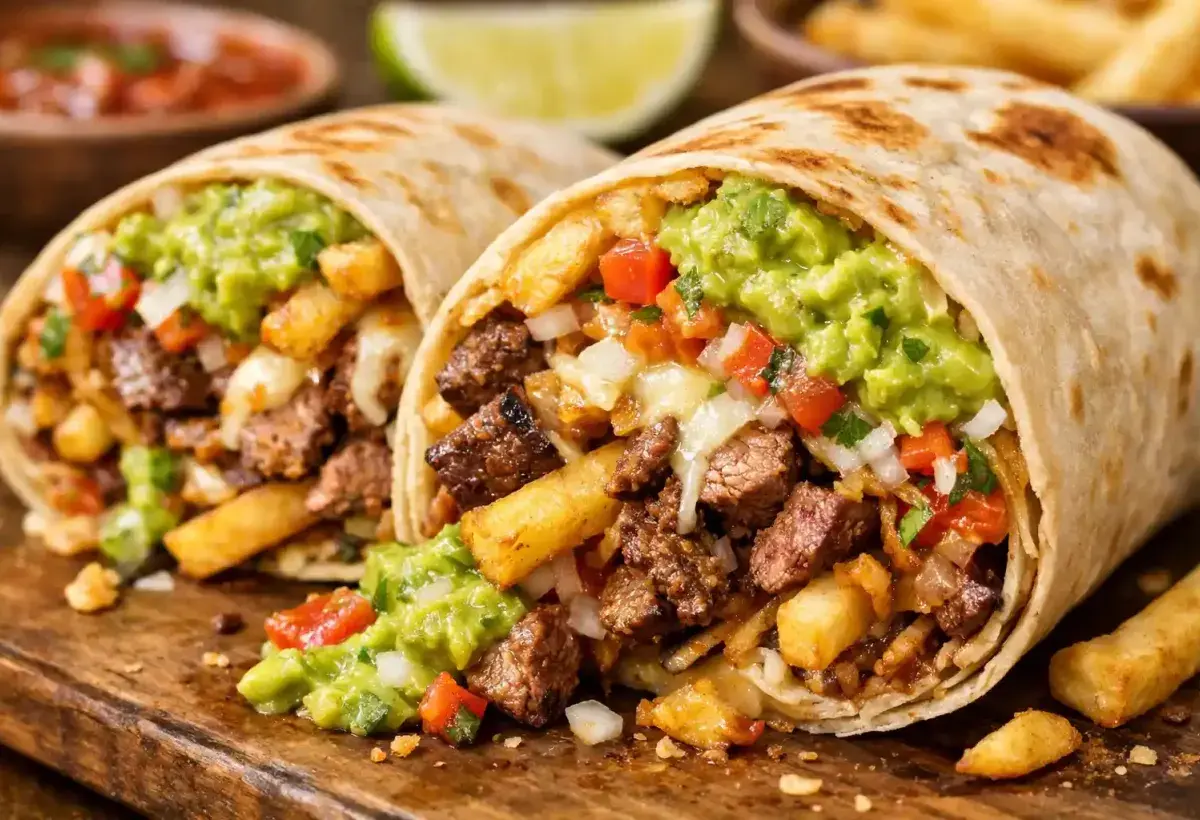
The California burrito is one of the clearest examples of how Southern California transformed Mexican American food into its own regional identity. Unlike a traditional burrito, this version includes crispy french fries tucked directly inside the tortilla alongside carne asada, cheese, and often guacamole or sour cream. It sounds simple at first, yet the combination somehow works perfectly. The fries absorb juices from the meat while adding texture that turns the entire meal into something hearty and unforgettable.
San Diego is widely considered the birthplace of the California burrito, and locals take that reputation seriously. Small taco shops across the city compete fiercely over who serves the best version. Many stay open late into the night, feeding surfers, students, and workers looking for comfort food after long evenings. The burrito itself reflects the laid back energy of Southern California. It ignores strict culinary rules and instead focuses on flavor, convenience, and satisfaction.
What separates a true California burrito from imitations elsewhere is the freshness of the ingredients. The carne asada is usually grilled quickly over high heat, creating smoky edges while remaining tender inside. Guacamole is often made fresh throughout the day, and the tortillas are warm and soft enough to hold everything together without falling apart. The fries are never meant to be an afterthought. When done right, they stay crisp enough to give each bite texture while blending naturally into the burrito.
Many visitors expect fish tacos or upscale dining to define California cuisine, but locals often point to the California burrito as the real symbol of everyday life in Southern California. It is affordable, filling, and tied deeply to beach culture and late night food traditions. Eating one in San Diego after a day near the ocean feels like participating in a local ritual rather than simply ordering fast food.
Image
2. San Francisco Sourdough Bread Bowl
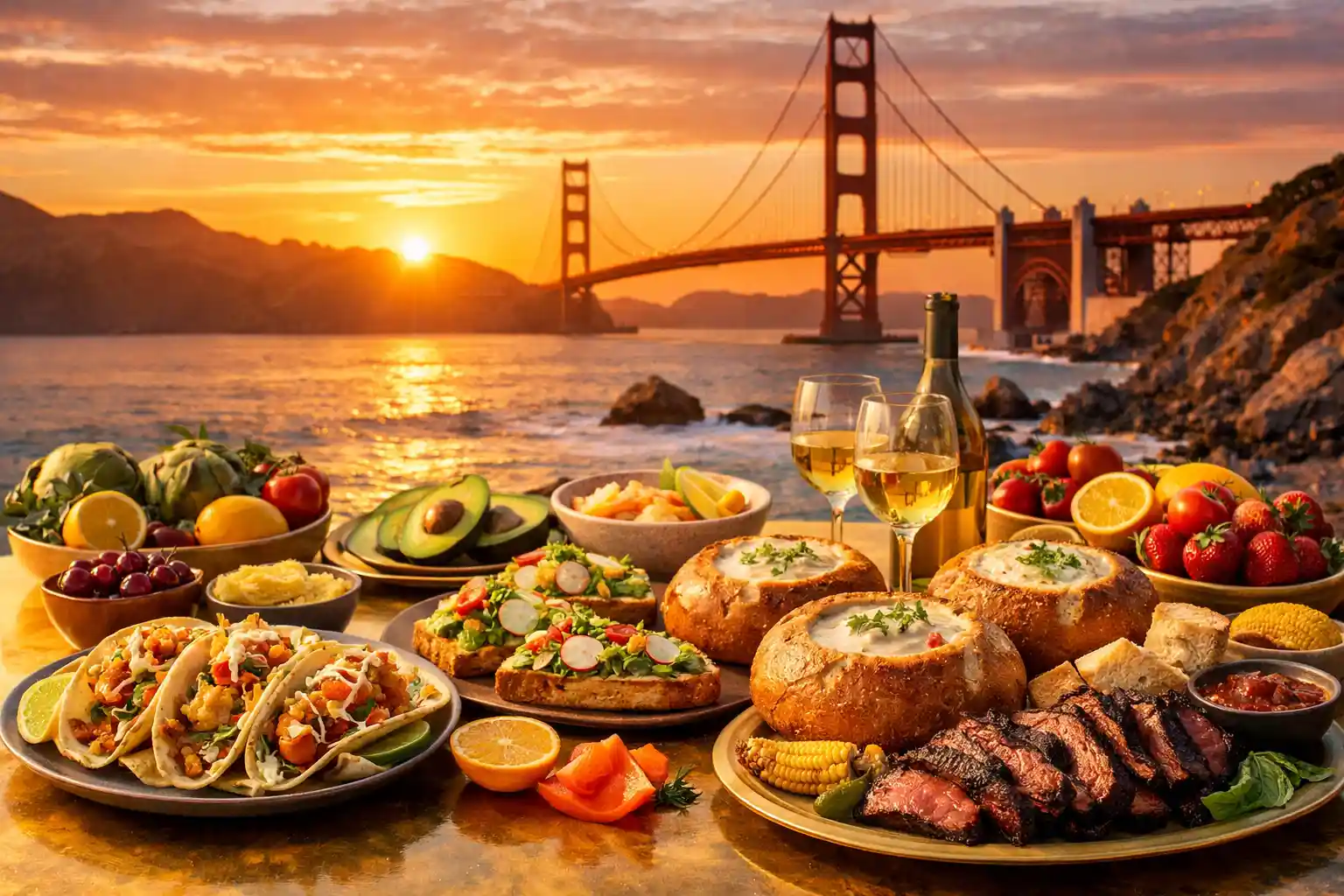
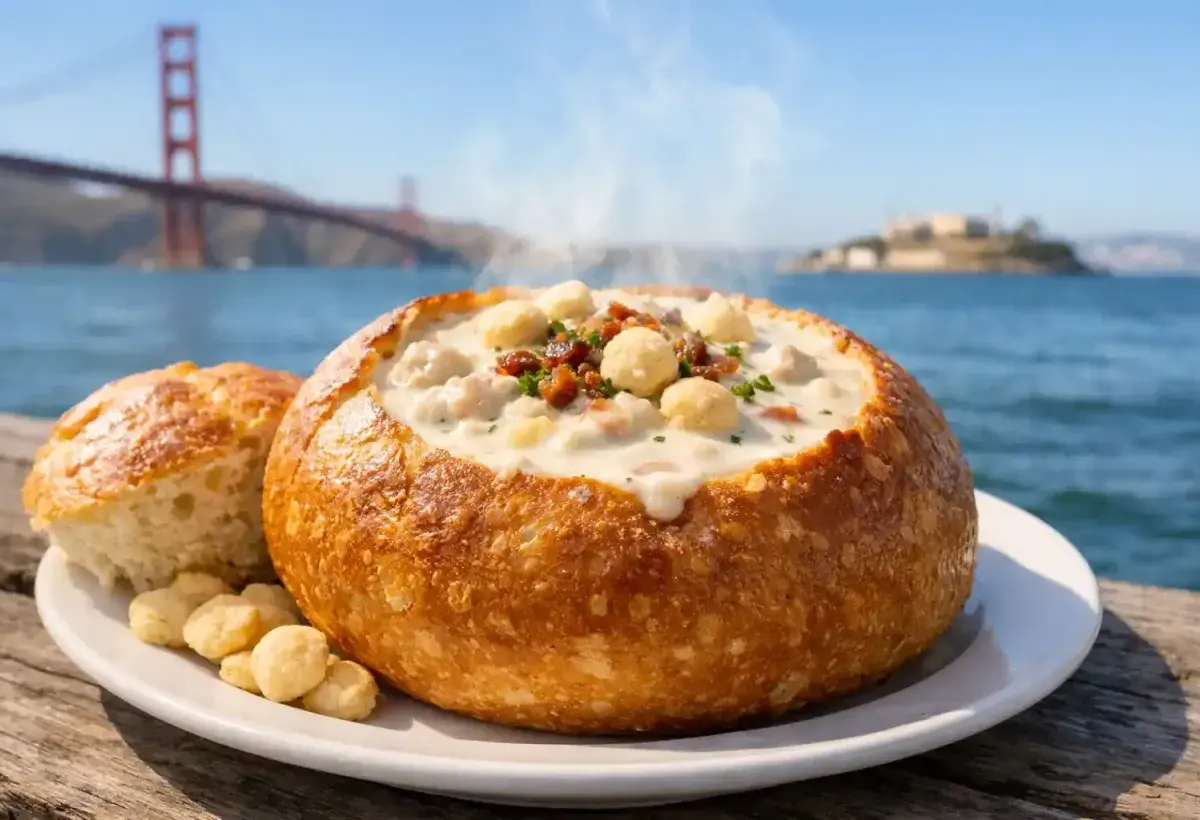
San Francisco sourdough bread has a reputation that extends far beyond California, yet tasting it in the city where it became famous is a completely different experience. The bread carries a distinct tangy flavor created by naturally occurring wild yeast that bakers in the area have cultivated for generations. Combined with the cool foggy climate near the bay, the result is bread with a chewy interior and crisp crust that feels impossible to duplicate elsewhere.
The bread bowl version became especially iconic because of clam chowder. Restaurants around Fisherman’s Wharf began serving creamy chowder inside hollowed out loaves, creating a meal that is both comforting and practical. As the soup soaks into the bread, each spoonful carries layers of texture and flavor. Tourists often arrive expecting a novelty meal, yet many leave genuinely surprised by how balanced and satisfying it tastes.
Part of the appeal comes from the setting itself. Eating sourdough chowder near the waterfront while cold ocean air moves through the streets creates an atmosphere closely connected to the food. San Francisco’s maritime history shaped much of its cuisine, and sourdough became central to that identity during the Gold Rush era when miners and settlers relied on starter cultures to make bread during difficult conditions.
Modern bakeries still protect their sourdough traditions carefully. Some maintain starter cultures that have existed for decades. The bread remains a source of local pride, and residents often debate which bakery produces the best loaf. While sourdough is now sold everywhere in America, San Francisco versions retain a unique depth of flavor tied closely to the region’s environment and history.
The bread bowl also reflects California’s ability to turn simple food into a memorable cultural symbol. It is not complicated or expensive, yet it captures the character of the city itself. Rustic, comforting, and slightly unconventional, San Francisco sourdough remains one of the state’s most recognizable culinary experiences.
Image
3. Fish Tacos Baja Style
California fish tacos owe much of their identity to the connection between Southern California and Baja Mexico. Coastal communities carried recipes north across the border, eventually turning fish tacos into a defining symbol of beach culture. In California, especially around San Diego and Orange County, the dish evolved into something that feels deeply local while still honoring its roots.
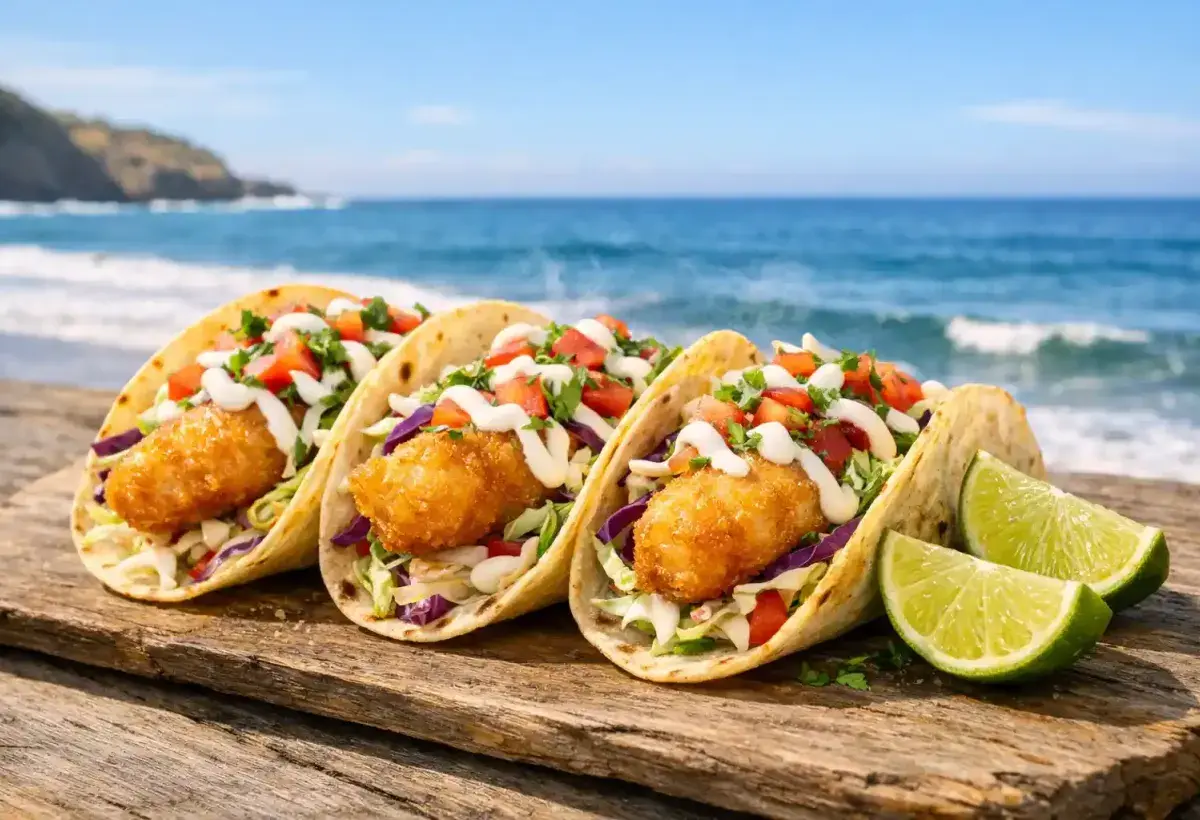
Fresh white fish is usually battered and fried until crisp, then tucked into soft corn tortillas with shredded cabbage, crema, salsa, and lime. Some restaurants grill the fish instead for a lighter approach, but freshness remains the most important element either way. Because California has direct access to Pacific seafood, the tacos often taste cleaner and brighter than versions found inland.
Part of what makes fish tacos special is their simplicity. Nothing feels overly heavy or complicated. The crunch from the cabbage, the acidity from lime, and the warmth of the tortilla create balance in every bite. Many taco stands sit only steps away from the beach, which strengthens the connection between the food and the coastal lifestyle surrounding it.
California also embraced experimentation with fish tacos. Modern versions may include mango salsa, avocado, chipotle sauce, or seasonal ingredients from local farms. Despite these variations, the essence of the dish remains tied to freshness and casual outdoor eating. It represents the relaxed rhythm of California coastal towns where meals are often enjoyed in sandals with ocean views nearby.
For many travelers, fish tacos become the food memory that defines their trip. They are affordable enough to eat repeatedly yet flavorful enough to remain exciting each time. The best places often look modest from the outside, with handwritten menus and crowded counters filled with locals who already know exactly what they want.
California transformed fish tacos from regional specialty into a nationwide obsession, yet tasting them beside the Pacific Ocean still feels unmatched. The combination of seafood, sunshine, and local ingredients creates an experience closely tied to the geography and culture of the state itself.
Image
4. Avocado Toast California Style
Avocado toast became a national trend, but California gave it personality long before it appeared on menus across the country. The dish reflects nearly everything associated with modern California food culture. Fresh produce, simple preparation, health conscious eating, and visual presentation all come together in one deceptively basic meal.
California grows the majority of America’s avocados, especially in Southern regions where the climate creates perfect conditions for rich buttery fruit. Because of that abundance, avocados became part of everyday eating rather than an occasional luxury. Cafes throughout Los Angeles and coastal towns began serving avocado on artisan bread decades before social media transformed it into a cultural phenomenon.
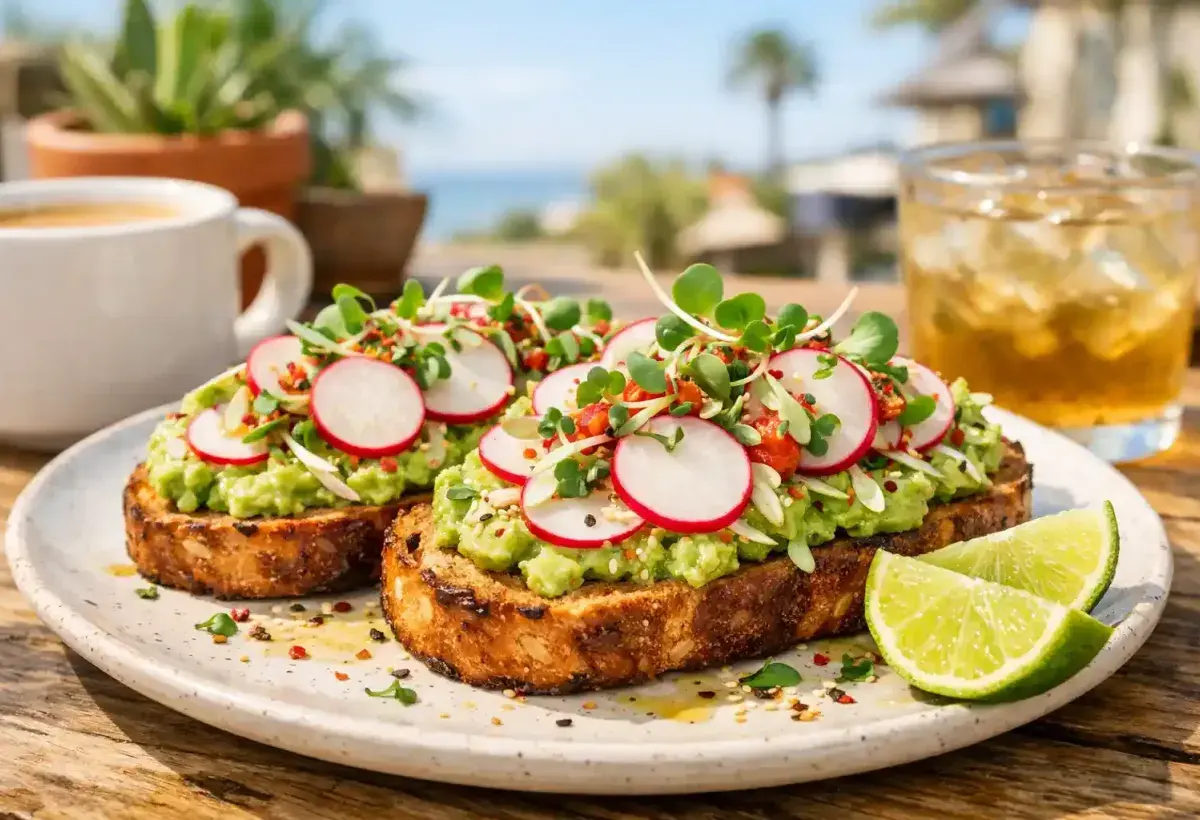
What makes California style avocado toast stand out is the attention given to every ingredient. Thick slices of sourdough or multigrain bread are toasted until crisp while remaining soft inside. Fresh avocado is seasoned carefully with lemon, sea salt, pepper, and olive oil. Many places add radishes, sprouts, eggs, chili flakes, or microgreens sourced from nearby farms. The combinations feel bright and fresh rather than overly rich.
The popularity of avocado toast also reflects the lifestyle many people associate with California. Outdoor brunches, coffee shops filled with sunlight, and menus built around locally sourced ingredients all contributed to its rise. It became more than breakfast. For many visitors it symbolized a certain image of West Coast living centered around wellness and relaxed sophistication.
Critics sometimes joke about avocado toast because of its trendy reputation, yet a truly good version can be surprisingly memorable. When the bread is fresh and the avocado perfectly ripe, the simplicity becomes the entire appeal. California chefs understood early that high quality ingredients often need very little manipulation.
Today avocado toast exists nearly everywhere, but California still serves the versions many people imagine first. Eating it at a cafe near the beach or in a bustling Los Angeles neighborhood feels connected to the culture that originally made the dish famous. It remains one of the clearest examples of how California transformed simple ingredients into a culinary identity recognized around the world.
Image
5. Santa Maria Tri Tip Barbecue
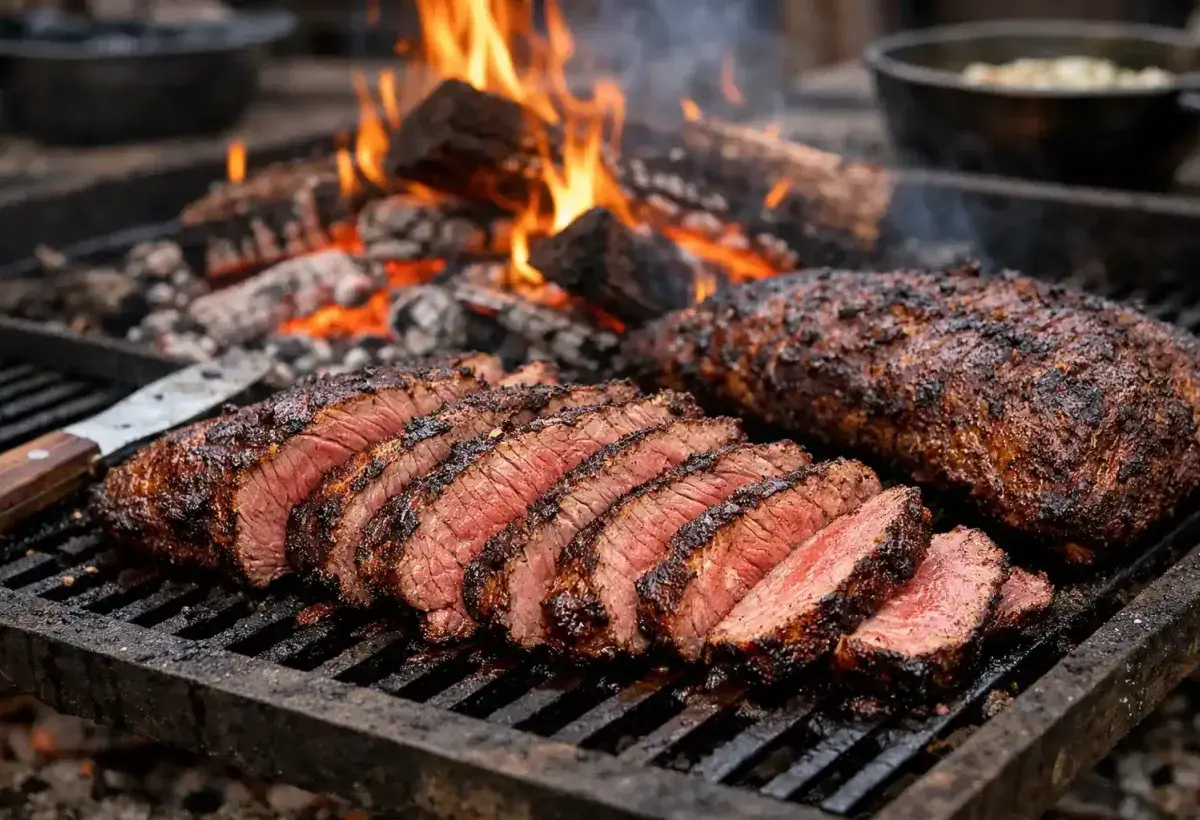
Santa Maria tri tip barbecue represents California ranch culture at its finest. Originating along the Central Coast, especially near Santa Maria, this style of cooking focuses on beef tri tip seasoned simply with salt, pepper, and garlic before being grilled over red oak wood. The smoky flavor produced by the oak is one of the defining characteristics that separates it from other American barbecue traditions.
Unlike barbecue styles that rely heavily on thick sauces or long smoking times, Santa Maria tri tip celebrates the natural flavor of the meat itself. The beef is cooked over open flame until charred outside yet juicy inside, then sliced against the grain for tenderness. Traditionally it is served with pinquito beans, salsa, garlic bread, and salad, creating a meal rooted deeply in California agricultural history.
The tradition dates back to local ranch gatherings and community cookouts where large groups gathered outdoors for celebrations. Over time the cooking style became a regional point of pride. Families passed techniques through generations, and local restaurants built reputations around perfecting their approach to seasoning and fire control.
Part of the appeal lies in its simplicity. The meal feels rustic and honest without trying to impress through complexity. California’s cattle ranching heritage plays a major role in the dish’s identity, and many locals see tri tip barbecue as one of the most authentic representations of Central Coast culture.
Visitors are often surprised by how different it feels compared to barbecue from Texas or the American South. The focus is less about sauce and more about wood smoke, quality beef, and balanced seasoning. Eating Santa Maria tri tip outdoors with smoky air drifting through the evening captures a side of California that many tourists never expect to find.
Though tri tip can now be found elsewhere, many argue the real experience only exists along California’s Central Coast where the tradition began. The oak wood, local ranching history, and community atmosphere all contribute to a meal that feels inseparable from the region itself.
Image
6. Mission Style Burrito
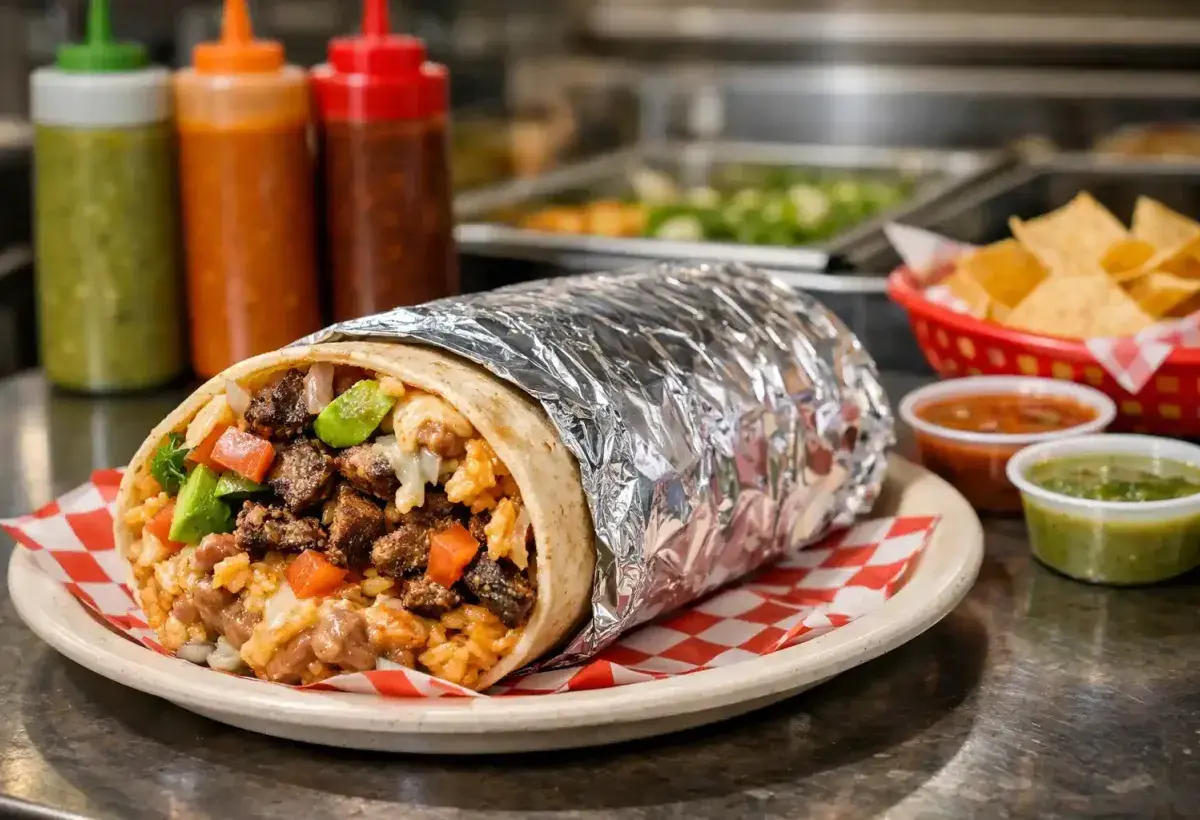
The Mission style burrito emerged from San Francisco’s Mission District and eventually changed Mexican American food across the country. Large, tightly wrapped, and packed with ingredients, this burrito became famous for turning a simple handheld meal into something enormous and deeply satisfying. Rice, beans, meat, salsa, cheese, guacamole, and sour cream are all layered carefully inside a massive flour tortilla that somehow still holds together.
What separates the Mission style burrito from others is the balance between size and structure. Skilled taqueria workers wrap each burrito with precision so every bite contains multiple flavors rather than isolated ingredients. The tortillas are steamed slightly before filling, giving them flexibility and warmth that help contain everything without tearing.
San Francisco’s Mission District provided the perfect environment for the burrito’s rise. The neighborhood became a center of Latino culture and community, with family owned taquerias competing through quality and consistency. Over time locals developed fierce loyalty to favorite spots, and debates about the best burrito remain part of city culture today.
Fresh ingredients play an enormous role in the experience. California produce gives the salsa brightness while avocado adds richness without feeling overly heavy. The burrito reflects the broader California philosophy that even comfort food should feel fresh and vibrant rather than greasy or overly processed.
Many visitors are surprised by how filling a Mission burrito can be. One is often enough for an entire meal, especially when paired with chips or aguas frescas. Yet despite the large size, a well made version still feels balanced instead of overwhelming. The textures shift constantly between creamy beans, tender meat, cool guacamole, and warm rice.
Mission style burritos eventually spread far beyond California, influencing chain restaurants and independent shops nationwide. Still, eating one inside the Mission District carries a different atmosphere entirely. Murals, crowded taquerias, and the smell of grilled meat create a setting deeply connected to the burrito’s origins.
For many Californians, the Mission burrito represents the perfect example of local culinary evolution. It respects traditional influences while adapting to the tastes and ingredients of the region that shaped it.
Image
7. Cioppino
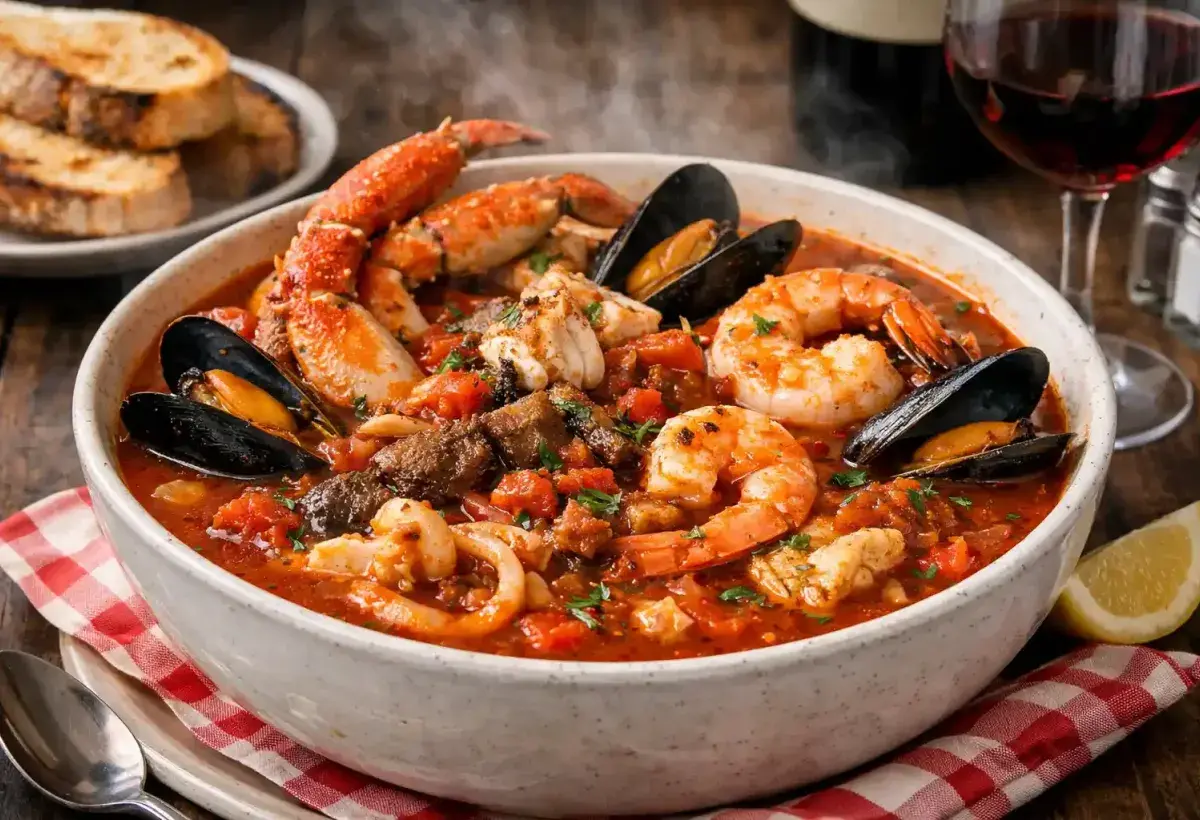
Cioppino is one of California’s most historic seafood dishes and remains closely tied to San Francisco’s waterfront culture. Italian immigrant fishermen created the stew during the late nineteenth century using whatever seafood remained after long days at sea. Crab, clams, shrimp, mussels, squid, and fish were simmered together in a tomato based broth flavored with garlic, herbs, and wine.
The dish reflects San Francisco’s multicultural history and its strong connection to the Pacific Ocean. Fishermen working along the bay contributed ingredients communally, creating large shared pots that fed entire groups after exhausting workdays. Over time restaurants began refining the recipe while maintaining its hearty and communal spirit.
A great bowl of cioppino feels deeply comforting yet still fresh and bright. The seafood contributes layers of flavor while the tomato broth ties everything together without overpowering the ingredients. Crusty sourdough bread is usually served alongside the stew, allowing diners to soak up every bit of broth.
What makes cioppino distinctly Californian is its reliance on coastal seafood and seasonal freshness. Because ingredients often vary based on local catches, each restaurant develops slightly different versions. Some emphasize crab while others focus more heavily on shellfish or fish varieties from nearby waters.
Eating cioppino near the San Francisco waterfront creates an experience closely connected to the city’s maritime identity. Fog moving across the bay and fishing boats nearby make the dish feel rooted in place rather than simply another seafood stew. It carries a sense of history that many newer California dishes do not.
Though seafood stews exist worldwide, cioppino remains uniquely associated with Northern California. The combination of Italian heritage, Pacific seafood, and San Francisco culture transformed it into something completely regional. For travelers seeking a dish that tells a story about the state’s immigrant roots and coastal traditions, cioppino captures both beautifully.
The meal also reflects California’s tendency to elevate humble origins into cultural icons. What started as a practical fisherman’s dinner became one of the most celebrated dishes in the state without losing its rustic character along the way.
Image
8. French Dip Sandwich
The French dip sandwich may sound connected to France, but it was actually born in Los Angeles during the early twentieth century. Competing origin stories exist between local restaurants, yet both versions involve sliced roast beef served on crusty bread with savory meat juices for dipping. The sandwich quickly became a defining part of classic Los Angeles dining culture.
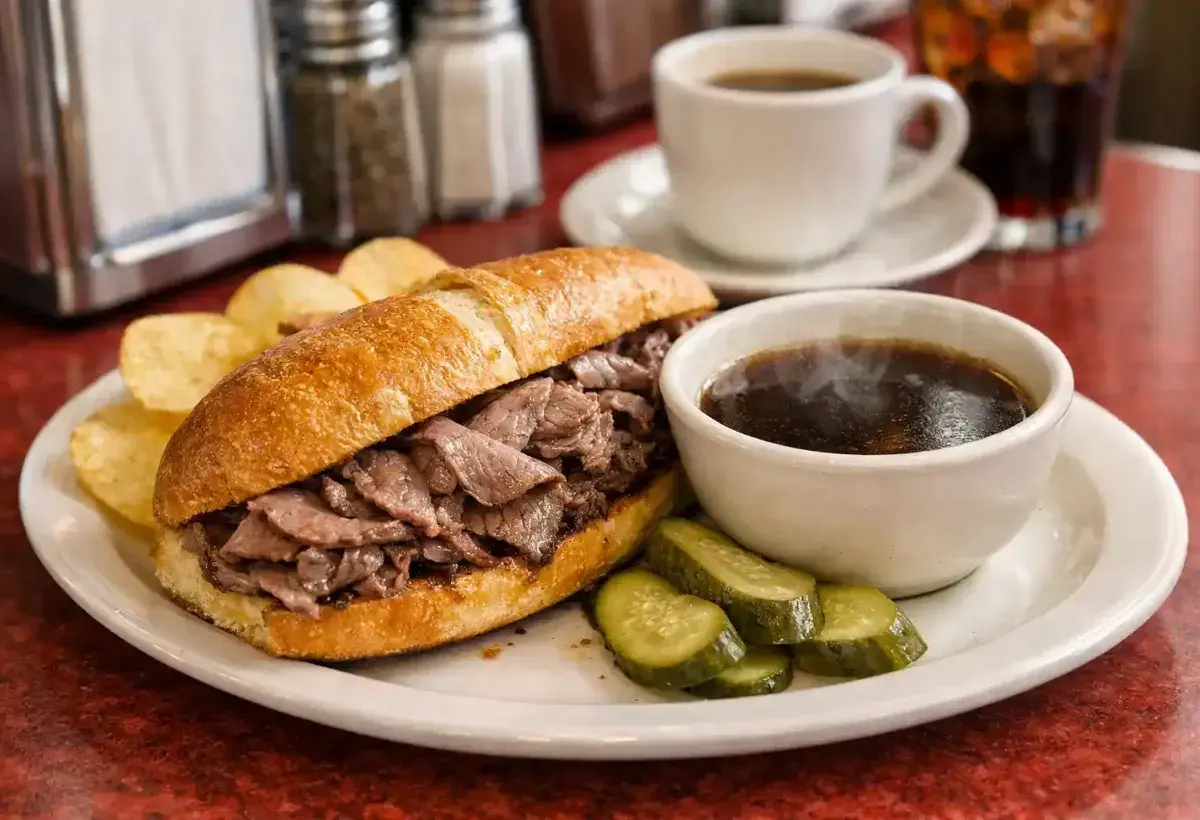
The simplicity of the French dip is exactly what makes it memorable. Thinly sliced beef is piled into a fresh roll before being served with hot au jus on the side. Dipping the sandwich into the broth softens the bread slightly while intensifying the flavor of the meat. Some people add mustard or horseradish, but the focus remains on the richness of the beef itself.
Los Angeles played a major role in popularizing the sandwich because of its early restaurant culture and rapidly growing population. Downtown lunch counters and historic eateries turned the French dip into a city institution. Workers, actors, tourists, and locals all gathered around the same counters to eat versions that changed very little over decades.
Part of the appeal comes from its connection to old Los Angeles history. Eating a French dip inside a historic downtown restaurant feels like stepping into another era of California before modern celebrity culture dominated the city’s image. The sandwich reflects a time when simple hearty meals defined urban dining.
California’s influence on the sandwich also appears through ingredient quality. Fresh bread and carefully roasted beef elevate the experience beyond what many expect from such a straightforward recipe. The sandwich proves that California cuisine is not always about trendy innovation. Sometimes it is about preserving classics that became woven into local identity.
Though French dip sandwiches now appear across America, Los Angeles versions still carry historical weight that makes them feel special. Visitors often arrive expecting glamorous food trends yet leave talking about a humble sandwich served with a small bowl of broth.
The French dip remains one of California’s most enduring comfort foods because it balances history, simplicity, and flavor without trying too hard to impress. That understated confidence feels very Californian in its own way.
Image
9. Korean Mexican Fusion Tacos
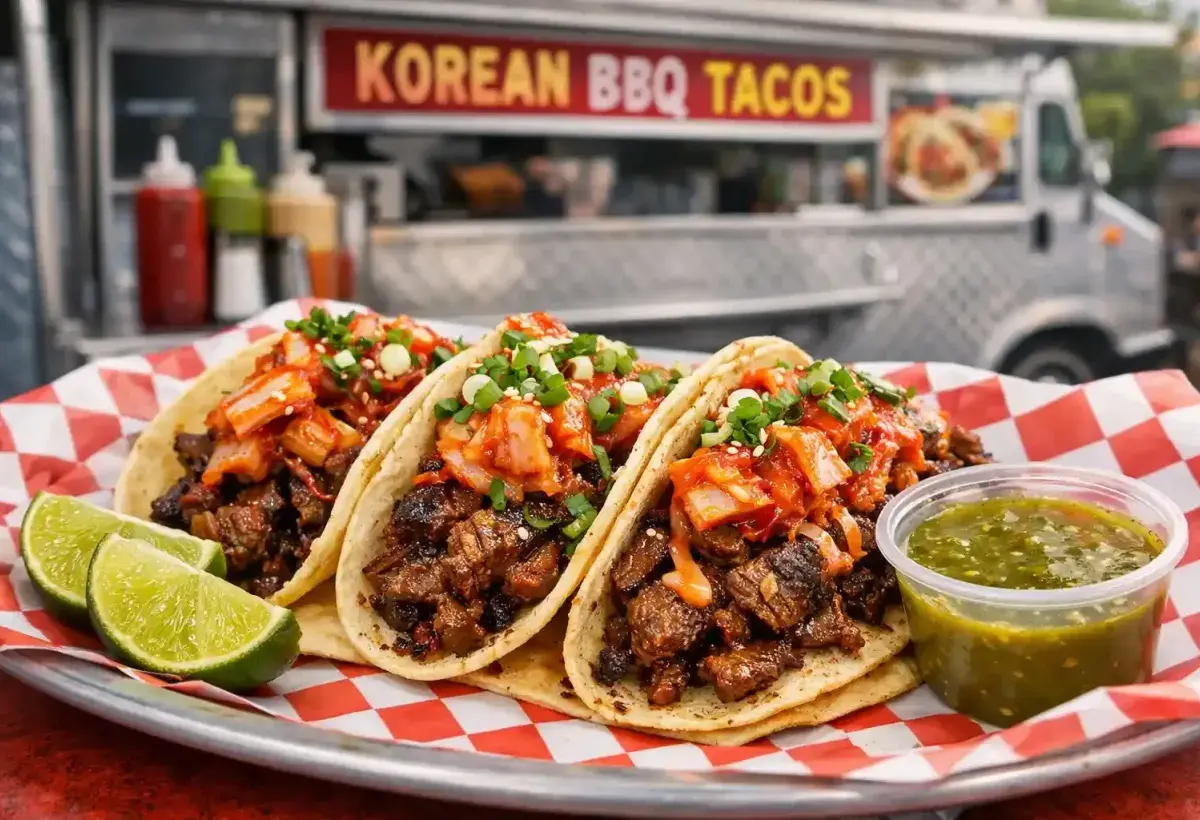
California’s cultural diversity created countless food innovations, but Korean Mexican fusion tacos may be one of the most influential modern examples. Popularized in Los Angeles food truck culture, these tacos combine Korean barbecue flavors with Mexican street food traditions. Marinated beef, spicy sauces, kimchi, and sesame flavors come together inside tortillas in ways that somehow feel natural rather than forced.
The movement gained national attention through food trucks that drew long lines late into the night across Los Angeles neighborhoods. Social media helped spread the trend quickly, yet the popularity lasted because the flavors genuinely worked together. California’s large Korean and Mexican communities created the perfect environment for culinary crossover.
The tacos often feature grilled short rib or spicy pork topped with cabbage, cilantro, onions, and Korean sauces. Kimchi adds acidity and heat while tortillas provide the familiar street food foundation. Every bite carries layers of sweet, smoky, spicy, and savory flavor.
What makes the dish distinctly Californian is the willingness to experiment without rigid culinary boundaries. Los Angeles especially became known for blending traditions freely because communities lived so closely together. The tacos reflect how immigration shaped California food culture into something constantly evolving.
Beyond flavor, the tacos represent the creativity of street food culture itself. Food trucks turned parking lots and sidewalks into gathering places where people from different backgrounds shared meals late into the evening. California transformed casual mobile dining into a cultural phenomenon that influenced cities nationwide.
Many restaurants now serve Korean Mexican fusion dishes, yet Los Angeles remains the spiritual home of the movement. Eating these tacos from a busy truck with music and city lights surrounding you feels tied directly to the energy of the city itself.
The success of Korean Mexican fusion also demonstrates California’s role as a culinary trendsetter. Ideas born on Los Angeles streets often spread across America years later. These tacos became more than a temporary fad because they reflected authentic cultural exchange rather than gimmicky novelty.
For travelers seeking a modern California food experience shaped by diversity and creativity, few dishes capture that spirit better than Korean Mexican fusion tacos.
Image
10. In N Out Double Double
Few foods are as closely tied to California identity as the Double Double from In N Out Burger. The chain began in Southern California in 1948 and developed a loyal following that borders on obsession. Unlike massive fast food corporations that constantly reinvent menus, In N Out kept its approach simple with fresh ingredients and limited offerings.
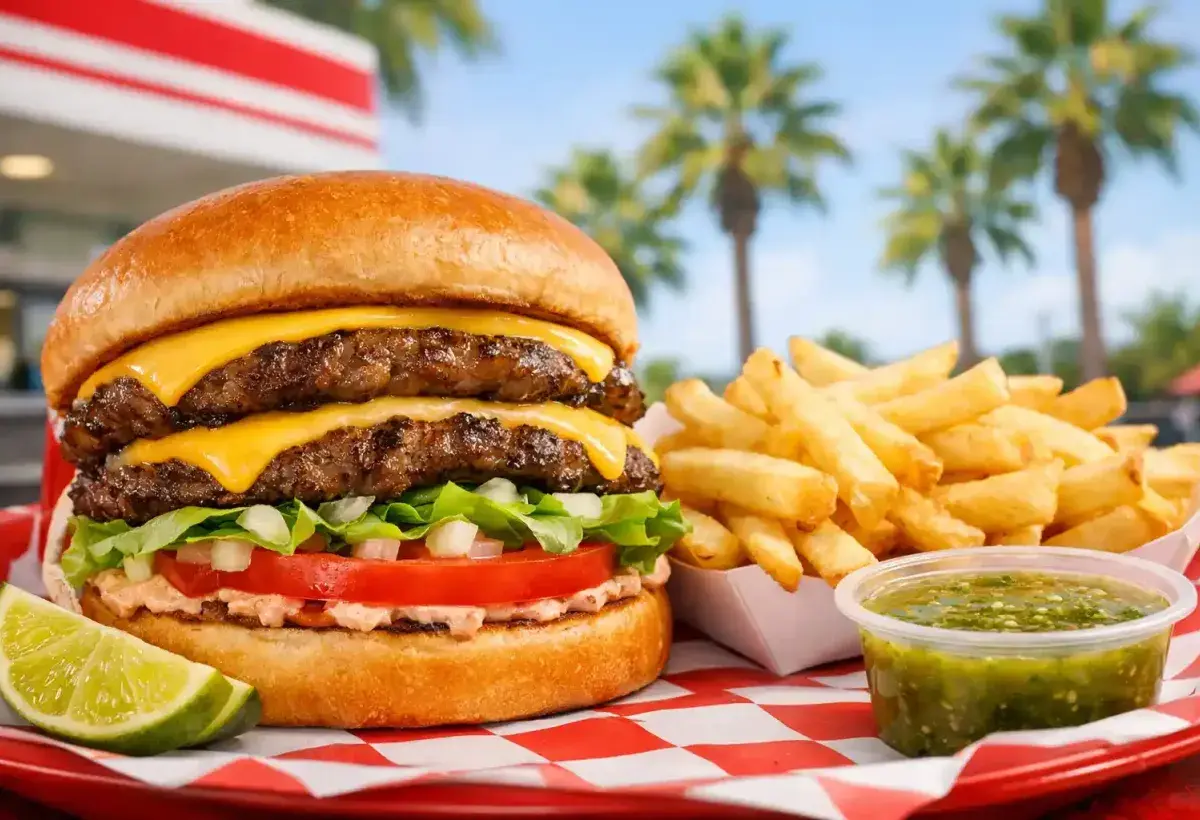
The Double Double features two beef patties, two slices of cheese, lettuce, tomato, onions, and spread on a toasted bun. While the ingredients sound ordinary, the freshness creates a noticeable difference. Potatoes are cut into fries daily and burgers are cooked to order rather than sitting under heat lamps.
Part of the appeal comes from the culture surrounding the restaurant. Palm trees outside the locations, late night drive through lines, and secret menu traditions all contribute to the experience. Californians often associate In N Out with road trips, beach outings, and everyday comfort rather than simple fast food convenience.
The chain also built its reputation slowly by avoiding rapid expansion for decades. Because of that, visiting In N Out felt almost like a California exclusive for many years. Travelers made special stops during vacations just to try the famous burgers themselves.
The Double Double reflects California values in surprising ways. Despite being fast food, the restaurant emphasizes freshness, consistency, and quality control. The atmosphere remains casual and approachable without trying to appear luxurious or trendy.
Many debates exist about whether In N Out truly deserves its legendary reputation, yet the emotional connection people have with the burger is undeniable. For countless Californians, it represents nostalgia and local pride more than culinary complexity.
Eating a Double Double after a long drive along the Pacific Coast Highway or late at night after a concert feels woven into California culture itself. The burger became iconic not because it reinvented food but because it captured a specific feeling associated with life in the state.
Even as new burger chains continue appearing nationwide, the Double Double remains one of California’s most recognizable and beloved food experiences.
Image
California food tells the story of the state better than almost anything else. Every dish reflects a combination of geography, immigration, creativity, and local pride that shaped the culture over generations. From seafood pulled from the Pacific Ocean to burritos born in busy urban neighborhoods, the meals themselves become connected to memories, landscapes, and communities. That connection is what makes California cuisine feel so distinct compared to food traditions elsewhere in America.
Many of these dishes spread far beyond state borders over time. Fish tacos, avocado toast, fusion tacos, and oversized burritos now appear on menus across the country. Yet eating the originals in California still feels different because the surroundings matter. A bowl of cioppino beside San Francisco Bay or a California burrito after a beach day carries an atmosphere impossible to package or export completely.
California also continues shaping national food culture in ways that often go unnoticed at first. The state tends to embrace new influences earlier than much of the country, blending traditions into something fresh while still respecting the communities behind them. That openness created a dining scene where innovation and tradition coexist naturally. One meal may come from century old immigrant history while another represents a trend born from modern food truck culture.
What ties all these dishes together is freshness and personality. California cuisine rarely feels overly formal or distant. Instead it encourages relaxed eating centered around quality ingredients and shared experiences. Whether served from a roadside stand, a family restaurant, or a busy urban kitchen, the food often feels approachable and deeply tied to place.
For travelers, tasting these foods becomes one of the best ways to understand the state beyond beaches and famous landmarks. Every bite reveals something about California’s identity, from its coastal roots to its cultural diversity and agricultural abundance. Long after the trip ends, many visitors remember the meals just as vividly as the scenery.