Coffee is one of the most popular beverages in the world. Millions of people begin their day with a fresh cup, enjoying the aroma and flavor that comes from carefully roasted beans. Once the coffee has been brewed, however, many people simply throw the grounds into the trash without giving them a second thought. What often goes unnoticed is that used coffee grounds still have a surprising amount of value long after they have served their original purpose.
For generations, people have discovered practical ways to reuse coffee grounds around the home and garden. Their texture, nutrient content, and natural properties make them useful for a wide variety of tasks. From improving soil quality to helping remove unwanted odors, coffee grounds can become a simple and inexpensive resource that reduces household waste while providing real benefits.
Reusing coffee grounds is also an easy way to support a more sustainable lifestyle. Small changes in daily habits can add up over time, and finding productive uses for materials that would otherwise be discarded helps reduce the amount of waste sent to landfills. In addition, many of these uses require little preparation and can be incorporated into routines with minimal effort.
Another advantage is cost savings. Instead of purchasing specialty products for certain household tasks, many people discover that ingredients already available in their kitchen can perform similar functions. Used coffee grounds are one example of a material that can be repurposed in creative and practical ways.
Whether you enjoy gardening, natural cleaning methods, beauty treatments, or simply finding ways to reduce waste, used coffee grounds offer numerous possibilities. The following ideas demonstrate how something as ordinary as leftover coffee grounds can continue to provide value long after the morning cup has been finished.
1. Enrich Compost Piles
Image
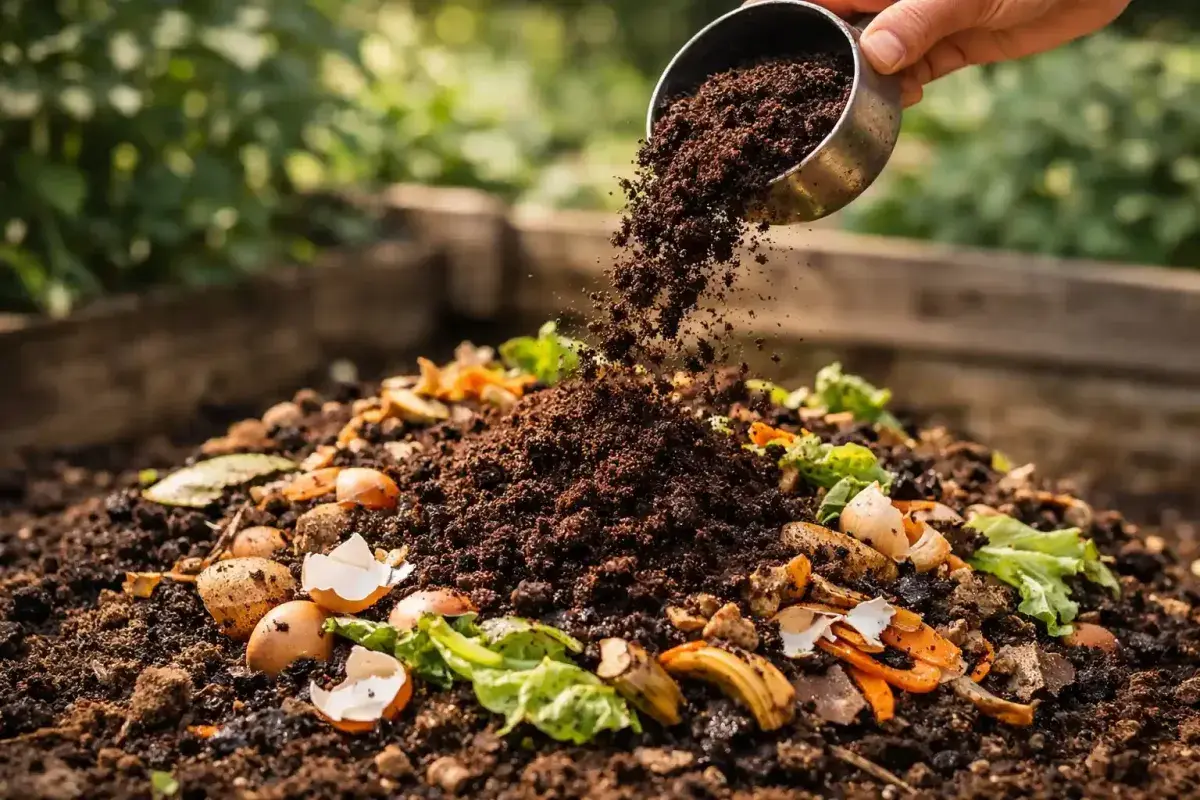
One of the most beneficial ways to reuse coffee grounds is by adding them to a compost pile. Composting transforms organic waste into nutrient rich material that can improve soil health and support plant growth. Used coffee grounds contribute valuable organic matter that helps create a balanced compost mixture.
Coffee grounds are considered a nitrogen rich material. Nitrogen is an important component in the composting process because it supports microbial activity. These microorganisms break down food scraps, leaves, and other organic materials, gradually converting them into fertile compost. When coffee grounds are mixed with carbon rich materials such as dried leaves, cardboard, or straw, they help create favorable conditions for decomposition.
Another advantage of coffee grounds in compost is their fine texture. This texture allows them to blend easily with other compost ingredients and distribute moisture throughout the pile. Proper moisture retention is essential because compost microorganisms require a damp environment to function effectively.
Many gardeners appreciate coffee grounds because they help divert waste from landfills while producing a useful end product. Kitchen scraps, fruit peels, vegetable trimmings, and coffee grounds can all work together to create nutrient dense compost that supports healthier gardens.
It is important to use coffee grounds in moderation and mix them with other compost ingredients rather than creating thick layers. Balanced compost generally performs better and avoids issues with compaction. Over time, the grounds break down completely and become part of the finished compost.
Once mature, compost enriched with coffee grounds can be added to vegetable gardens, flower beds, shrubs, and lawns. The result is healthier soil with improved structure and better water retention. For anyone looking to reduce waste while improving garden productivity, composting used coffee grounds is one of the simplest and most rewarding solutions available.
2. Improve Garden Soil
Image
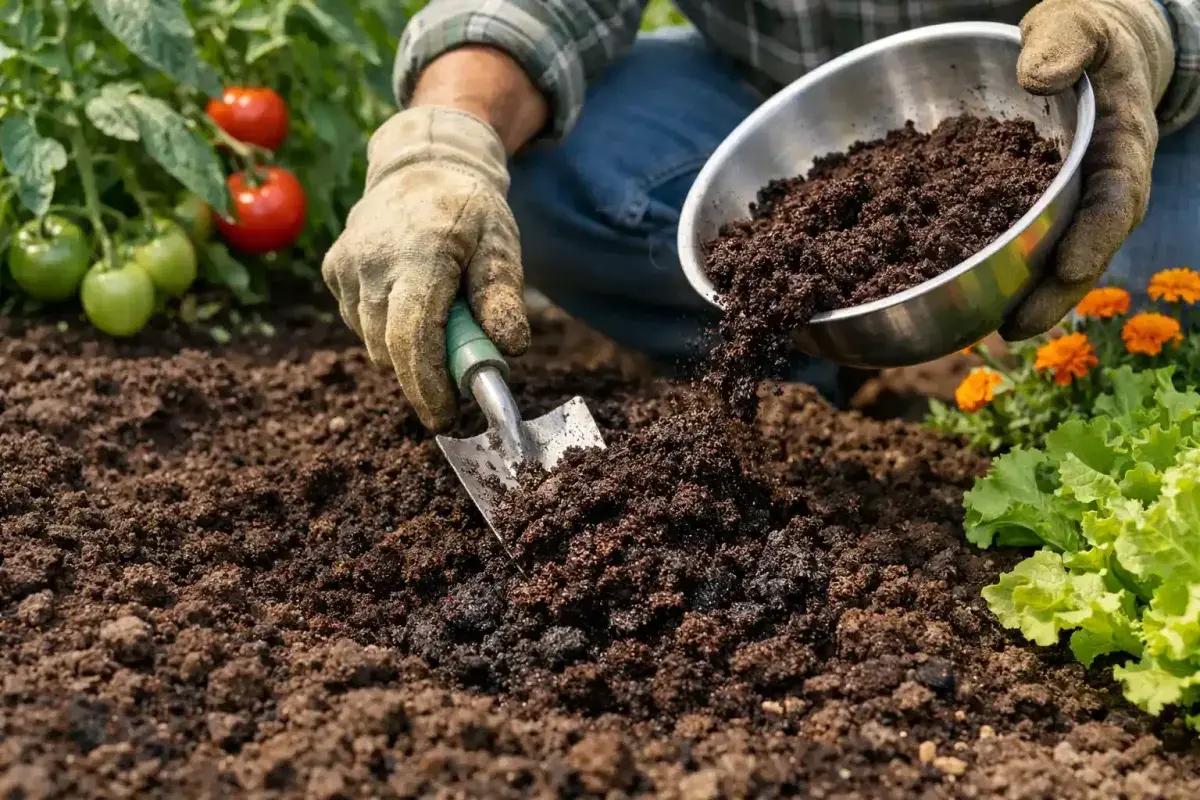
Coffee grounds can be used directly in garden soil when applied carefully. Their organic matter helps improve soil structure, which benefits many types of plants. Better soil structure can lead to improved drainage, stronger root development, and enhanced moisture retention.
When incorporated into the soil, coffee grounds gradually break down and contribute nutrients that support healthy plant growth. They can be especially useful in garden beds that need additional organic material to maintain fertility. Over time, soil amended with organic matter often becomes easier to work with and more capable of supporting vigorous plants.
Gardeners frequently mix used coffee grounds into existing soil rather than placing them on the surface in thick layers. Mixing allows microorganisms to break down the material more efficiently and helps prevent compaction. A thin and evenly distributed application generally produces the best results.
Coffee grounds can also attract beneficial organisms such as earthworms. Earthworms play a valuable role in maintaining healthy soil because they help aerate the ground and assist with nutrient cycling. Their activity can contribute to stronger and more productive gardens.
Vegetable gardens, flower beds, and ornamental landscapes may all benefit from occasional additions of coffee grounds as part of a broader soil improvement strategy. Combining coffee grounds with compost often provides even greater benefits because the materials complement one another.
Using coffee grounds in the garden encourages a more sustainable approach to waste management. Instead of discarding them after brewing, households can recycle them into a resource that contributes to healthier outdoor spaces. The practice is simple, inexpensive, and accessible to anyone with a small garden or even a few potted plants.
The continued breakdown of coffee grounds releases organic matter into the soil, helping create an environment that supports long term plant health. This makes them a practical addition for gardeners seeking natural ways to enhance growing conditions.
3. Create a Natural Body Scrub
Image
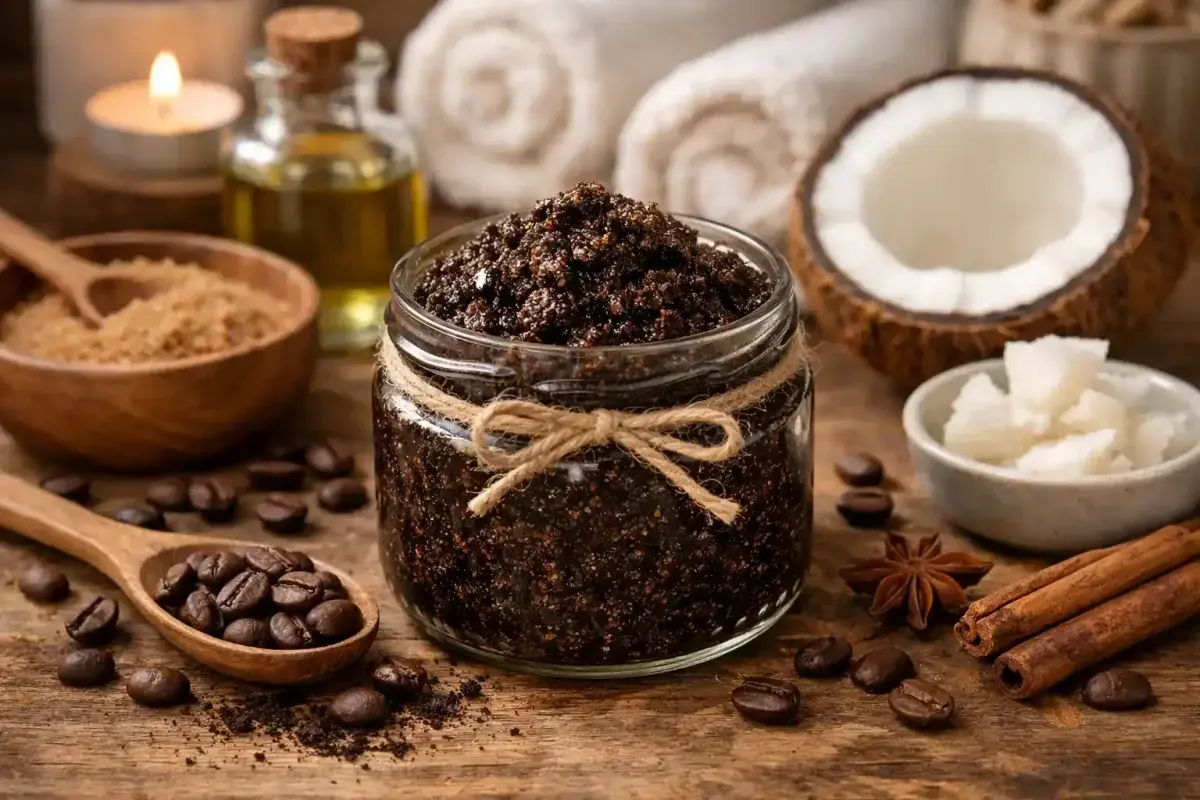
Used coffee grounds can be transformed into a simple body scrub that many people enjoy as part of their personal care routine. The coarse texture of the grounds makes them an effective natural exfoliant capable of removing dead skin cells and leaving skin feeling smoother.
A homemade body scrub can be created by combining used coffee grounds with ingredients such as coconut oil, olive oil, or honey. The resulting mixture is easy to apply during a shower or bath. Gentle circular motions help exfoliate the skin while encouraging a refreshed feeling.
Many people appreciate homemade scrubs because they contain familiar ingredients and avoid unnecessary additives. Coffee grounds provide texture while oils contribute moisture, creating a balanced treatment that can leave skin feeling soft after use.
The exfoliation process helps remove surface buildup and can enhance the overall appearance of the skin. Regular exfoliation may also improve the effectiveness of moisturizers by allowing them to penetrate more evenly after dead skin cells have been removed.
Coffee scrubs are often associated with spa style self care treatments. Their pleasant aroma and natural appearance make them a popular choice among people who enjoy creating beauty products at home. In addition, reusing coffee grounds in this way helps reduce waste and extends the usefulness of a common household item.
When using any exfoliating scrub, moderation is important. Excessive scrubbing may irritate sensitive skin, so gentle application is generally recommended. A patch test is also advisable for individuals with skin sensitivities.
The popularity of coffee body scrubs continues to grow because they offer a simple combination of practicality and sustainability. Instead of discarding used grounds, they can become part of a relaxing self care experience that benefits both the user and the environment.
4. Neutralize Household Odors
Image
Used coffee grounds can serve as a simple and inexpensive way to help reduce unpleasant odors around the home. After brewing, the grounds still contain compounds that can absorb and trap certain smells, making them useful in areas where unwanted odors tend to accumulate. Rather than purchasing specialized odor absorbing products, many households find that coffee grounds provide a practical alternative using something that would otherwise be discarded.
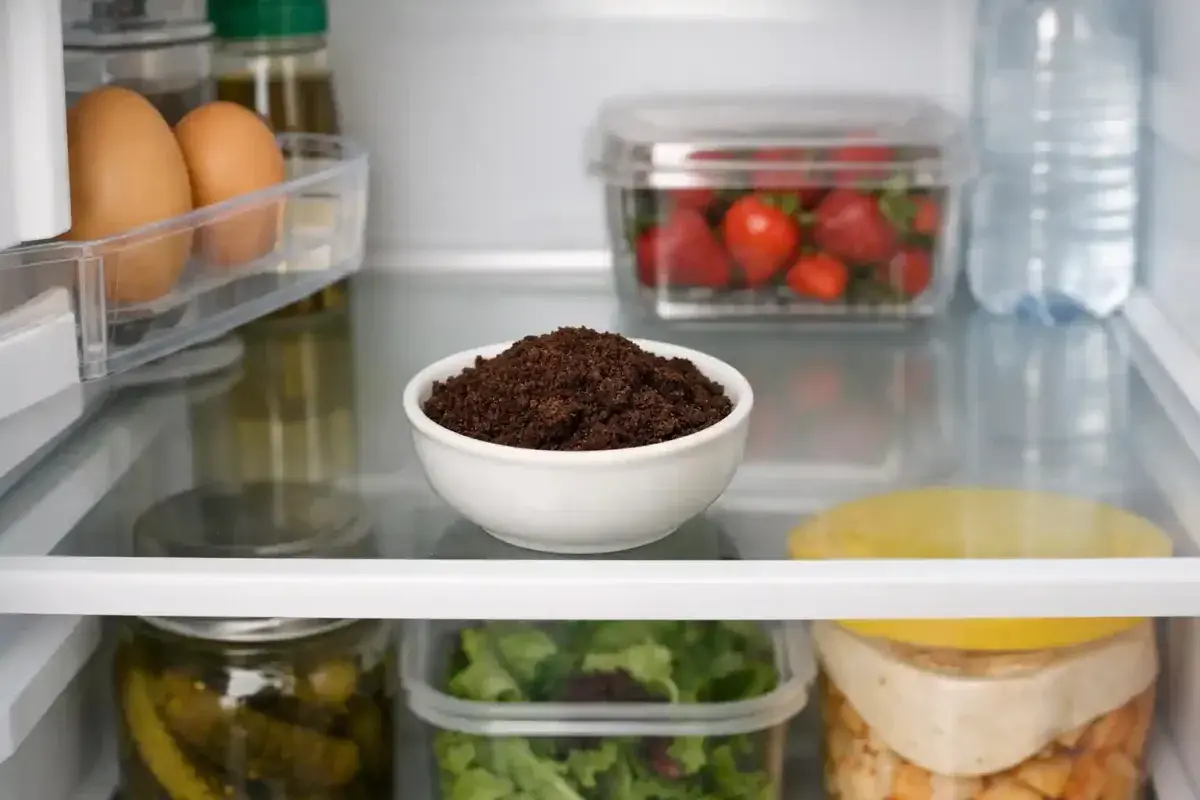
One of the most common places to use coffee grounds is inside the refrigerator. Food items with strong aromas can sometimes leave lingering odors that remain even after cleaning. Placing a small bowl of dried coffee grounds on a shelf may help absorb some of these smells over time. The grounds should be replaced periodically to maintain effectiveness.
Coffee grounds can also be used in other enclosed spaces. Closets, shoe cabinets, storage rooms, and gym lockers are common areas where odors can develop. A breathable container filled with dried grounds can be placed discreetly inside these spaces to help freshen the air. The grounds work best when they are thoroughly dried before use, since excess moisture can lead to mold growth.
Another practical application involves kitchen waste bins. Even when trash is removed regularly, food scraps can create lingering odors. Sprinkling a small amount of dried coffee grounds into the bottom of a trash container may help reduce unpleasant smells between cleanings.
People who cook frequently with ingredients such as onions, garlic, or fish may also find coffee grounds useful for reducing odors on their hands. After washing with soap and water, gently rubbing the hands with a small amount of used coffee grounds can help remove lingering food aromas.
The ability of coffee grounds to absorb odors makes them one of the easiest materials to repurpose around the home. They require little preparation, cost nothing extra, and can be used in multiple locations. By turning a common kitchen waste product into a practical household tool, coffee drinkers can extend the usefulness of their daily brew while helping create a fresher living environment.
5. Make a Gentle Cleaning Scrub
Image
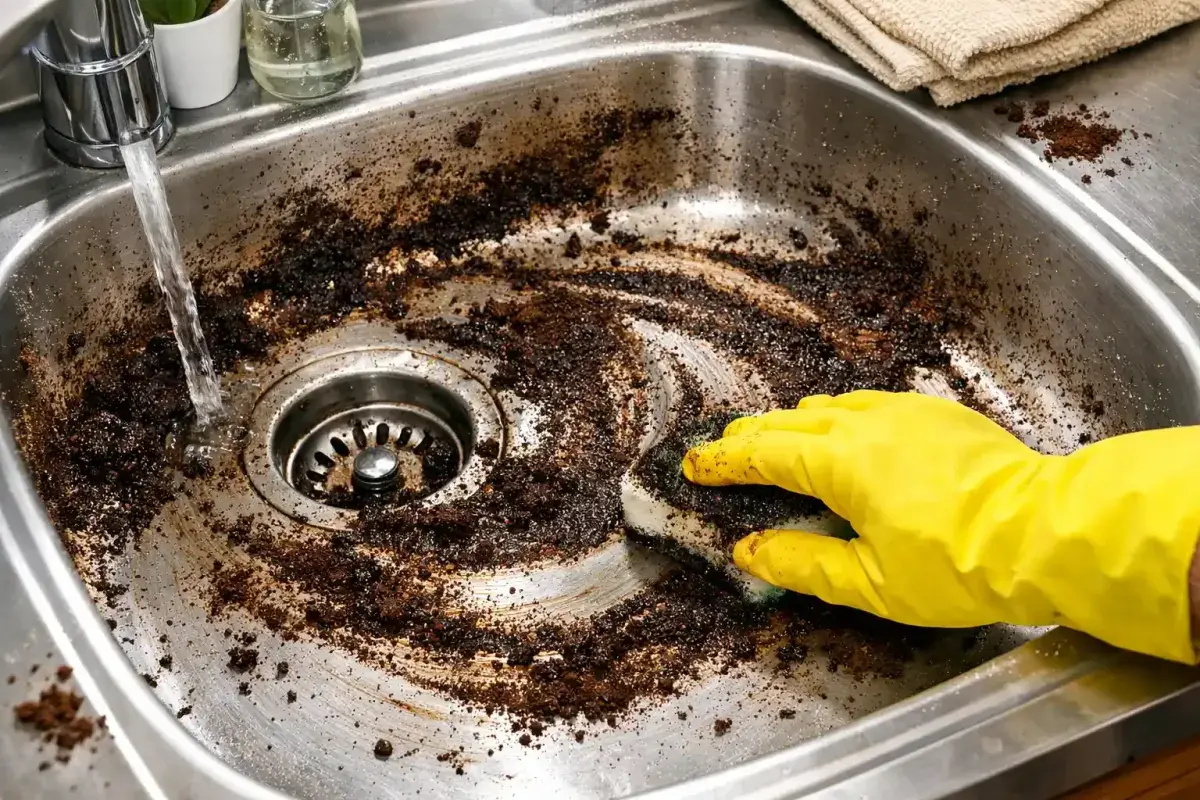
The coarse texture of coffee grounds makes them useful as a gentle scrubbing material for certain household cleaning tasks. While they should not be used on delicate surfaces that scratch easily, they can assist with removing stubborn residue and buildup from durable surfaces such as metal sinks, outdoor furniture, and certain work areas.
When mixed with a small amount of water, coffee grounds create a paste like consistency that can provide mild abrasive action. This texture helps loosen dried food particles and grime without relying on harsh chemical cleaners. Many people appreciate this approach because it offers a more natural cleaning option using a material already available in the kitchen.
Kitchen sinks are among the most common places where coffee grounds can be used. Food preparation often leaves residue that may require more effort than a simple wipe down. Applying coffee grounds to a sponge or cloth and scrubbing gently can help lift stubborn deposits. After cleaning, the area should be rinsed thoroughly to remove any remaining particles.
Outdoor items can also benefit from this technique. Gardening tools, flower pots, and outdoor tables sometimes accumulate dirt that becomes difficult to remove. The abrasive texture of coffee grounds may help loosen surface debris, making cleanup easier.
Coffee grounds can also contribute to reducing odors while cleaning. This dual purpose functionality allows them to tackle both residue and smells during certain household tasks. Their versatility is one reason they continue to be popular among people seeking sustainable alternatives to disposable cleaning products.
As with any cleaning material, it is wise to test a small area first to ensure compatibility with the surface being cleaned. Delicate finishes and highly polished materials may require gentler approaches.
Repurposing coffee grounds as a cleaning scrub demonstrates how everyday waste can become a practical household resource. Instead of being thrown away immediately, the grounds gain a second life helping maintain cleanliness throughout the home. This simple reuse strategy supports both waste reduction and cost savings while making household maintenance a little more sustainable.
6. Feed Worm Bins
Image
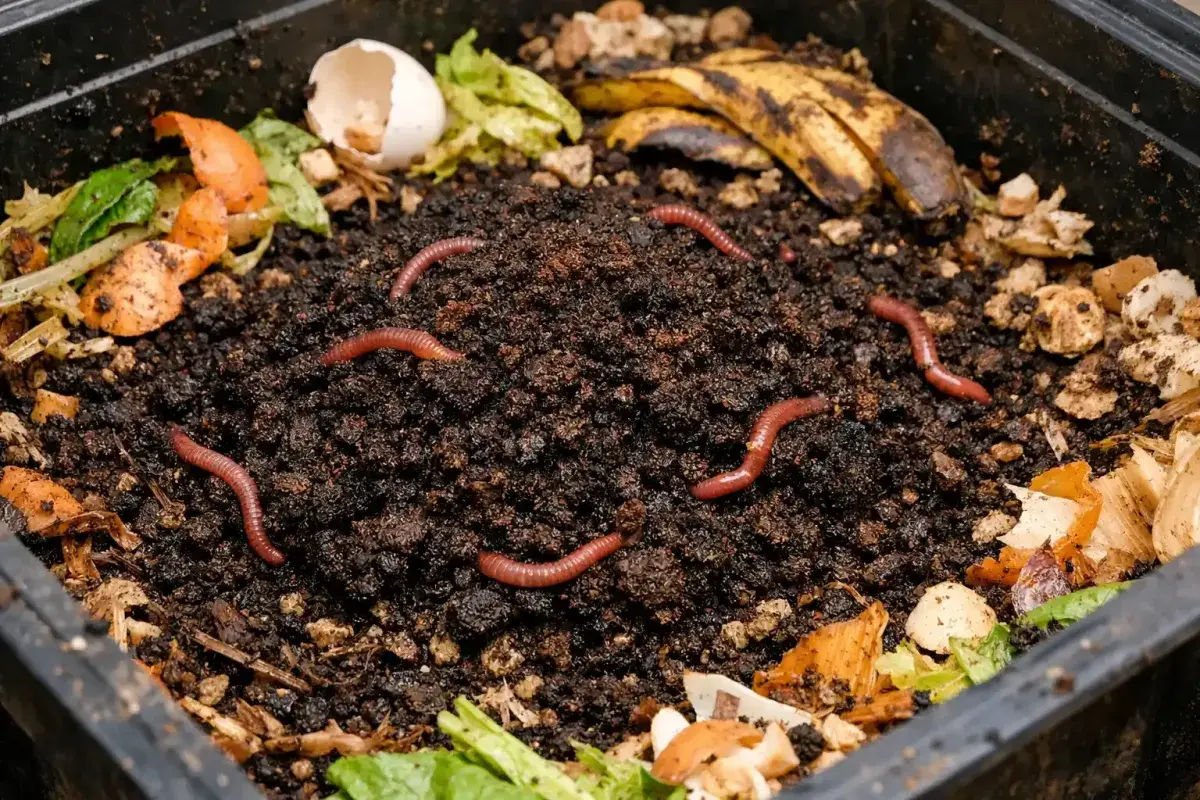
For people who practice vermicomposting, used coffee grounds can become a valuable addition to a worm bin. Vermicomposting uses earthworms to break down organic waste into nutrient rich castings that can be added to gardens and plants. Coffee grounds are often welcomed by composting worms when offered as part of a balanced diet of organic materials.
The grounds provide texture and organic matter that blend well with vegetable scraps, fruit peels, and shredded paper. As worms process these materials, they convert them into castings that contain nutrients and beneficial microorganisms. These castings are highly valued by gardeners because they improve soil quality and support healthy plant growth.
Coffee grounds may also contribute small amounts of minerals that become incorporated into the composting process. The fine texture allows the grounds to mix evenly with other ingredients, helping create a more uniform environment inside the worm bin.
Moderation remains important. While worms generally tolerate coffee grounds well, excessive amounts can disrupt the balance of the bin. It is best to add them gradually and observe how the worm population responds. Mixing grounds with other food sources typically produces the best results.
Many vermicomposting enthusiasts appreciate coffee grounds because they are readily available and easy to collect. A household that drinks coffee regularly can generate a steady supply of material suitable for composting. This helps reduce kitchen waste while supporting a productive composting system.
Over time, worms transform the organic matter into a dark, crumbly material that gardeners can use around flowers, vegetables, and ornamental plants. The resulting castings improve soil structure and water retention while supplying nutrients in a form plants can readily use.
Adding coffee grounds to a worm bin represents a practical connection between everyday kitchen habits and sustainable gardening practices. It allows coffee drinkers to participate in a natural recycling process that benefits both the environment and the garden.
7. Deter Certain Garden Pests
Image
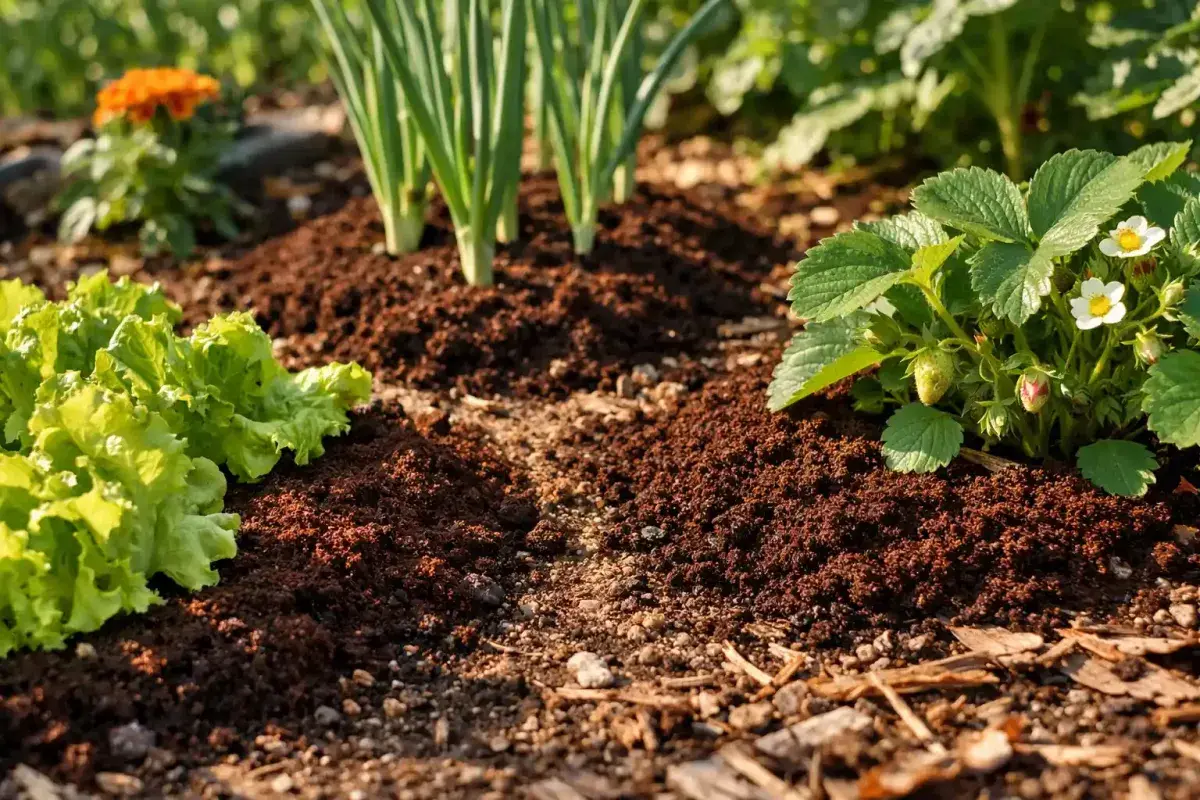
Many gardeners experiment with coffee grounds as part of their efforts to discourage certain garden pests. While results can vary depending on local conditions and pest species, coffee grounds are often used as one component of a broader garden management strategy.
The texture of the grounds may create a surface that some pests find less appealing to cross. Gardeners frequently apply a light ring of grounds around susceptible plants, particularly in areas where crawling pests are common. The grounds should be applied sparingly and refreshed as needed after rain or watering.
In addition to their potential role in pest management, coffee grounds contribute organic matter to the soil as they break down. This means that even if pest deterrence is limited, the grounds can still provide value by supporting soil improvement over time.
Some gardeners appreciate natural alternatives because they reduce dependence on chemical products. Coffee grounds offer a low cost option that can be tested without significant expense. Since the material is already available from daily coffee preparation, experimenting with it often requires little effort.
As with many gardening techniques, observation is important. Conditions vary widely from one garden to another, and no single method works universally. Monitoring plant health and pest activity helps determine whether coffee grounds are providing noticeable benefits.
Coffee grounds should not be viewed as a complete solution for serious infestations. Instead, they work best when integrated with other good gardening practices such as healthy soil management, proper watering, and regular plant inspection.
The popularity of coffee grounds in gardening reflects a broader interest in sustainable methods that make use of materials already present in the household. Whether used for soil improvement, composting, or pest management, they provide gardeners with an additional tool that supports environmentally conscious growing practices.
8. Create Natural Craft Projects
Image
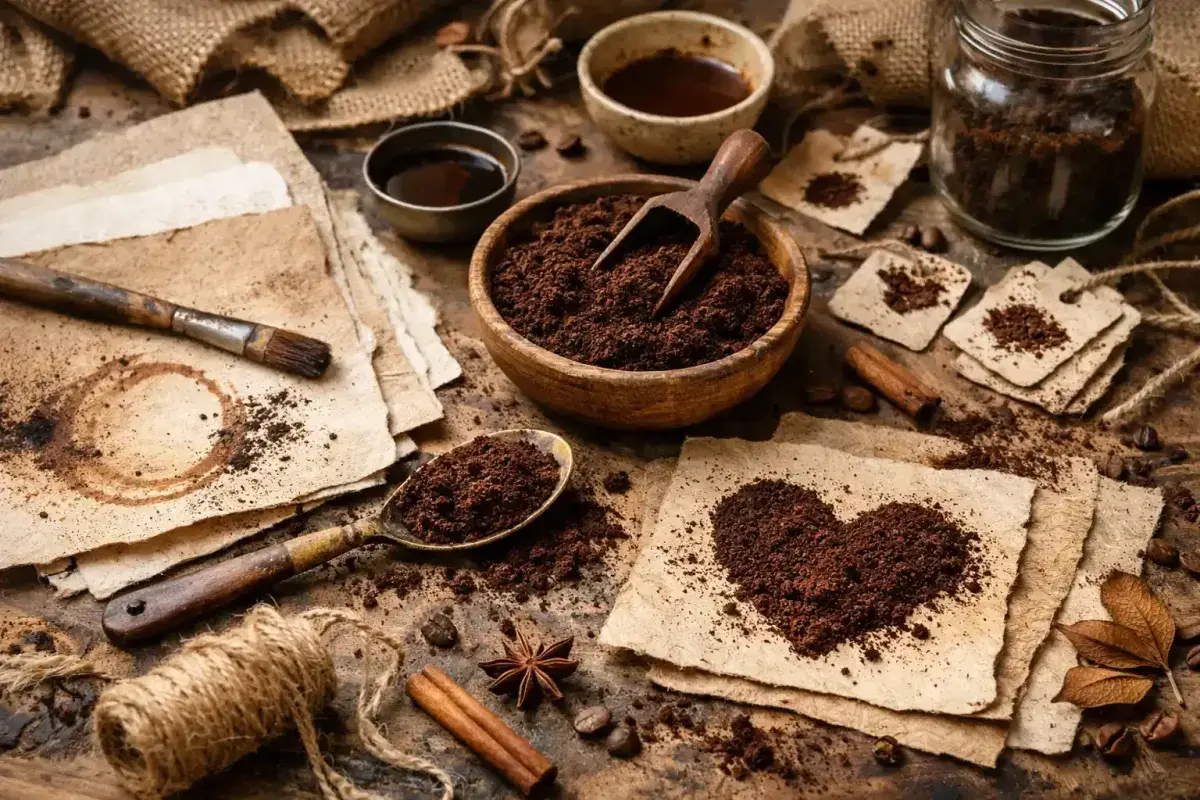
Used coffee grounds can add texture, color, and character to a variety of craft projects. Artists and hobbyists often seek natural materials that provide unique visual effects, and coffee grounds fit this role surprisingly well.
One popular use involves creating aged or antique appearances. Coffee grounds can be incorporated into paper crafts, mixed media artwork, and decorative projects to create a weathered look. Their earthy tones add depth and realism that can be difficult to achieve with synthetic materials alone.
Craft enthusiasts sometimes mix coffee grounds into homemade paper or decorative pastes. The resulting texture creates visual interest and helps produce distinctive handmade pieces. The grounds can also be used in educational projects that explore recycling and creative reuse.
Another advantage is accessibility. Most coffee drinkers already have a supply of grounds available, making them a convenient material for experimentation. Children and adults alike can participate in simple projects that demonstrate how everyday waste products can become artistic resources.
The use of natural materials often encourages creativity because each batch is slightly different. Variations in color, grind size, and moisture content contribute to unique results that cannot be perfectly replicated.
Craft projects involving coffee grounds also provide an opportunity to discuss sustainability. Reusing materials that might otherwise be discarded helps reinforce the concept of reducing waste through creative thinking. This educational aspect can be especially valuable in community programs, classrooms, and family activities.
By transforming coffee grounds into art supplies, individuals can discover new ways to express creativity while supporting environmentally responsible habits. The process is enjoyable, inexpensive, and often produces one of a kind results that reflect the natural character of the material itself.
9. Use as Mulch Around Plants
Image
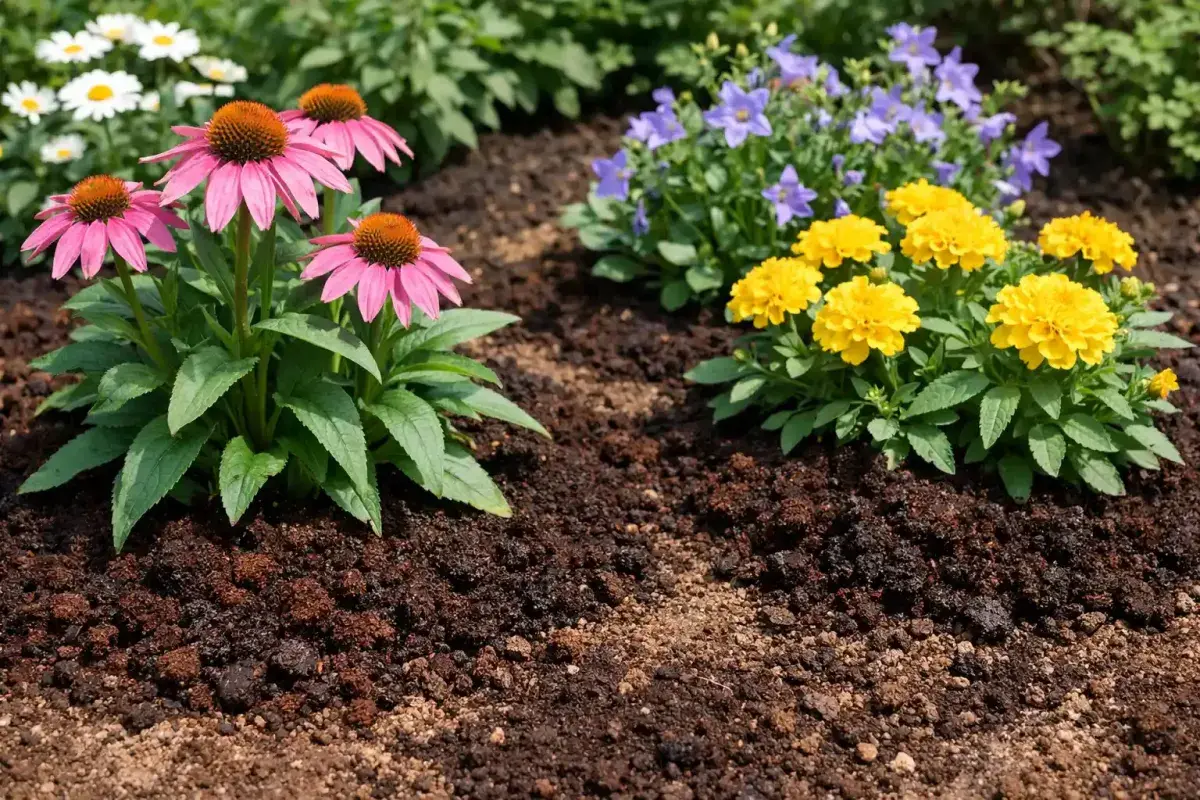
Coffee grounds can be used in small quantities as part of a mulch layer around plants. Mulch serves several important functions in the garden, including helping conserve moisture, reducing weed growth, and moderating soil temperatures.
When applied lightly, coffee grounds contribute organic matter that gradually breaks down and becomes incorporated into the soil. This process supports soil health while providing an additional use for a material that would otherwise enter the waste stream.
Many gardeners choose to mix coffee grounds with traditional mulch materials such as leaves, bark, or compost. This approach helps prevent the grounds from forming a dense layer while ensuring they remain distributed evenly throughout the planting area.
As the grounds decompose, microorganisms begin processing the organic matter. This biological activity contributes to a healthier soil ecosystem and supports long term garden productivity. The addition of organic material often improves soil structure and encourages beneficial organisms.
Coffee grounds may be particularly useful around ornamental plants where a neat and tidy appearance is desired. Their dark color blends naturally with soil and mulch, creating an attractive garden presentation.
Proper application remains important. Thick layers can compact and reduce air movement, so a light application generally works best. Combining coffee grounds with other mulch materials helps maximize benefits while minimizing potential issues.
Using coffee grounds as mulch reflects a practical approach to gardening that emphasizes resourcefulness and sustainability. It allows gardeners to extend the usefulness of a common household material while contributing to healthier growing conditions. Over time, these small efforts can support a more productive and environmentally conscious garden.
10. Support Community Gardening Programs
Image
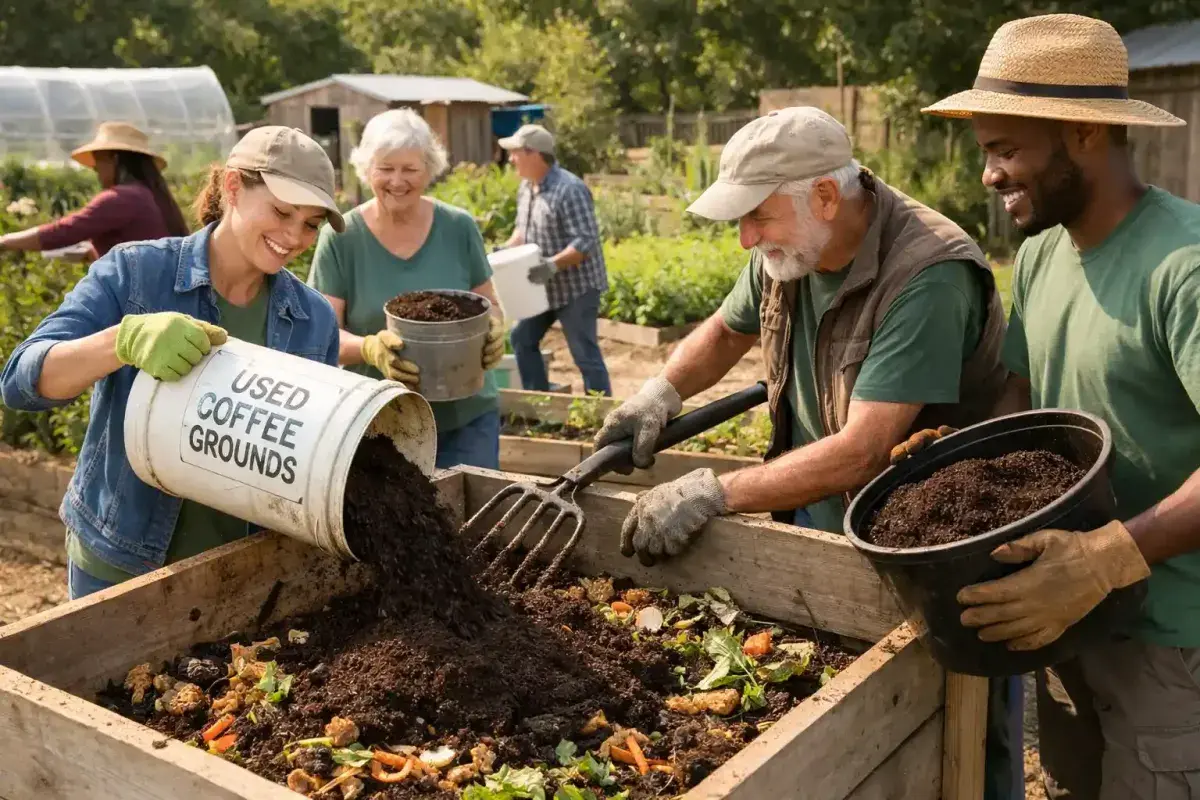
Used coffee grounds can provide benefits beyond individual households. Many community gardens, urban agriculture projects, and environmental organizations welcome organic materials that can be composted or incorporated into soil improvement efforts. Coffee grounds often become part of these local sustainability initiatives.
Coffee shops and households frequently generate large quantities of grounds each day. Rather than sending this material to landfills, communities can organize collection programs that redirect it toward gardening projects. This practice reduces waste while providing valuable organic matter for food production and landscaping.
Community gardens often rely on donated materials to keep costs manageable. Coffee grounds can supplement composting efforts and contribute to the creation of nutrient rich soil amendments. Volunteers may collect, process, and distribute the finished compost throughout the garden.
The process also encourages community involvement. Residents become more aware of sustainable practices when they see how everyday waste materials can be transformed into useful resources. This educational aspect helps strengthen environmental awareness while fostering collaboration among participants.
Coffee ground recycling programs can create partnerships between local businesses and community organizations. These partnerships benefit both sides by reducing disposal costs while supporting environmental goals. The result is a practical example of circular resource use within a community setting.
Urban gardening initiatives often operate with limited resources, making donated organic materials especially valuable. Coffee grounds represent a steady and reliable source of compostable material that can contribute to healthier gardens and improved harvests.
Supporting community gardening programs through coffee ground reuse demonstrates how simple actions can create broader environmental benefits. What begins as a leftover product from a morning cup of coffee can eventually help nourish plants, strengthen neighborhoods, and promote sustainable practices on a larger scale.
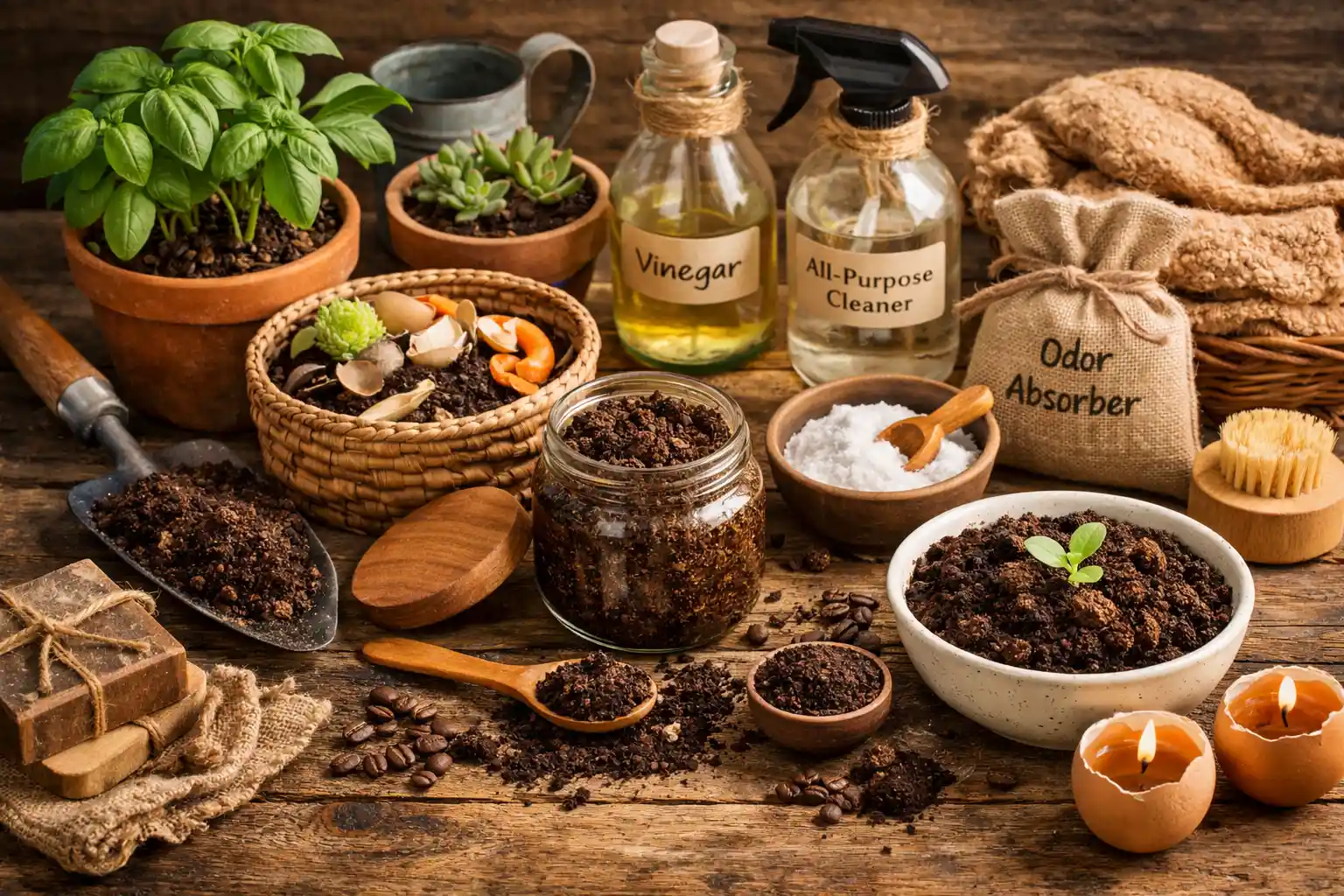
Coffee grounds may seem like a waste product once a fresh cup of coffee has been brewed, but their usefulness extends far beyond the coffee maker. As these examples demonstrate, used grounds can become valuable resources for gardening, cleaning, personal care, composting, crafting, and community sustainability efforts. Instead of being discarded immediately, they can continue serving practical purposes that benefit both households and the environment.
One of the greatest advantages of reusing coffee grounds is accessibility. Most coffee drinkers already have a regular supply available, making it easy to incorporate these ideas into everyday routines. Whether adding grounds to a compost pile, mixing them into garden soil, creating a homemade body scrub, or using them to absorb odors, each application offers an opportunity to reduce waste while gaining useful results.
Small actions often have a meaningful impact when practiced consistently. Repurposing coffee grounds helps divert organic material from landfills and encourages a more thoughtful approach to consumption. It also highlights the value of looking at common household items from a different perspective. Materials that appear to have reached the end of their usefulness may still possess qualities that make them valuable in other contexts.
As interest in sustainable living continues to grow, creative reuse practices are becoming increasingly popular. Coffee grounds represent a simple example of how everyday habits can support environmental responsibility without requiring significant cost or effort. By finding new purposes for something that would otherwise be thrown away, individuals can make practical choices that contribute to a more resource conscious lifestyle.
The next time you finish brewing a pot of coffee, consider saving the grounds rather than tossing them into the trash. You may discover that one of the easiest ways to reduce waste and improve your home or garden has been sitting in your coffee filter all along.