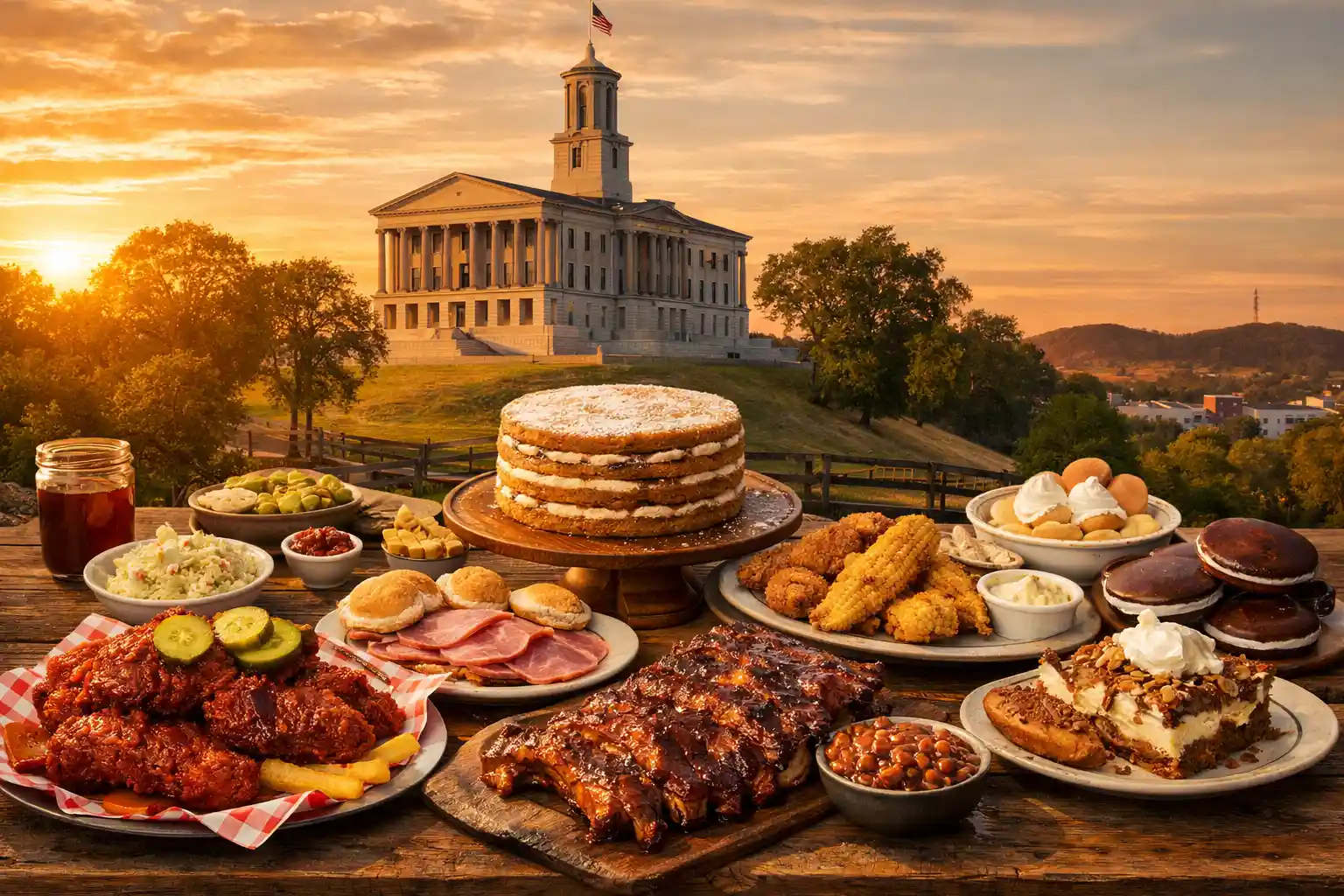
Tennessee is known for its rich musical heritage, scenic mountain landscapes, and deep Southern traditions, but one of its greatest treasures is its food. Across the state, generations of families have developed recipes and cooking styles that reflect the unique history of Tennessee. From the rolling hills of the east to the river towns of the west, food has always played an important role in bringing communities together and preserving local culture.
Many visitors arrive expecting classic Southern favorites, and they certainly find them. Yet Tennessee offers much more than familiar comfort foods. The state has created several dishes that have become symbols of local pride and identity. Some were born in small family kitchens. Others emerged from restaurants that wanted to create something different. Over time these foods became closely tied to Tennessee itself, making them difficult to find anywhere else in their authentic form.
What makes Tennessee cuisine special is the way it blends influences from different cultures and regions. Appalachian traditions meet Southern cooking techniques. Rural farm recipes share space with urban food innovations. The result is a collection of dishes that tell the story of the people who shaped the state over many generations.
Food lovers who explore Tennessee often discover that every city and small town has its own favorite specialty. Some dishes are fiery and bold. Others are sweet, hearty, and comforting. Many have become famous across the United States, yet their true character can only be experienced in the places where they originated.
Whether you are planning a trip through Tennessee or simply want to learn more about American regional cuisine, these foods offer a fascinating look into the traditions that continue to define the Volunteer State.
1. Nashville Hot Chicken
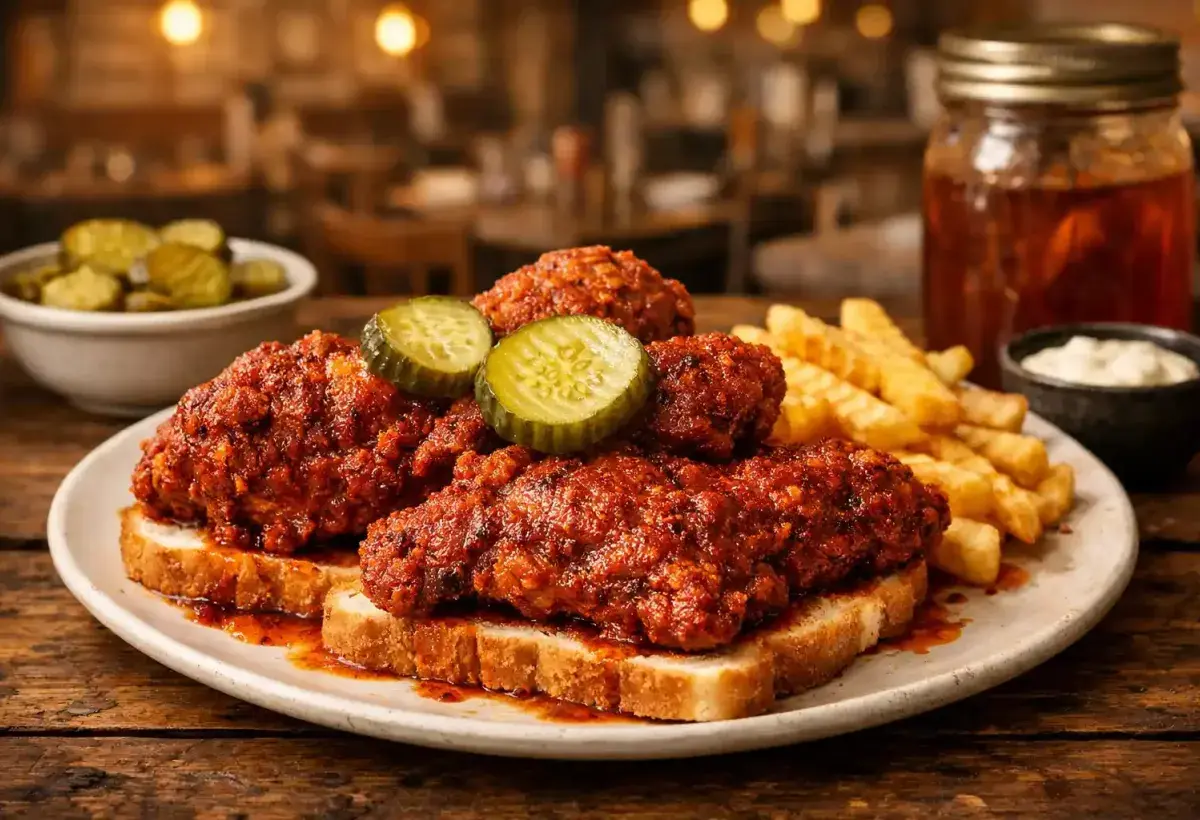
Nashville Hot Chicken has become one of Tennessee's most famous culinary exports, yet the authentic experience remains deeply connected to its hometown. This fiery dish consists of crispy fried chicken coated with a spicy paste made from cayenne pepper and other seasonings. The result is a powerful combination of crunch, heat, and flavor that has captivated food lovers across the country.
The story behind Nashville Hot Chicken has become part of local legend. According to popular accounts, the dish originated when a spicy fried chicken recipe was created as an act of revenge, only to become unexpectedly popular. Over time the recipe evolved into a local specialty and eventually became a symbol of Nashville's food culture.
What makes authentic Nashville Hot Chicken unique is not simply the level of spice. The preparation method is equally important. The chicken is marinated, seasoned, fried until golden, and then brushed with a rich spicy mixture while still hot. Traditionally it is served on slices of white bread with pickle chips that help balance the intense heat.
Visitors are often surprised by the range of spice levels available. Some versions offer mild warmth, while others deliver an experience that even seasoned spice lovers find challenging. The hottest preparations can produce a powerful burn that lingers long after the meal is finished.
The dish has become a source of civic pride in Nashville. Local restaurants compete to create the most memorable version while maintaining the traditions that made the food famous. Food festivals, culinary tours, and special events often feature Nashville Hot Chicken as a centerpiece attraction.
Beyond its flavor, Nashville Hot Chicken represents the creativity and resilience of the city's food community. It transformed from a local favorite into an internationally recognized dish while remaining firmly rooted in Tennessee tradition.
Image
2. Memphis Style Barbecue Ribs
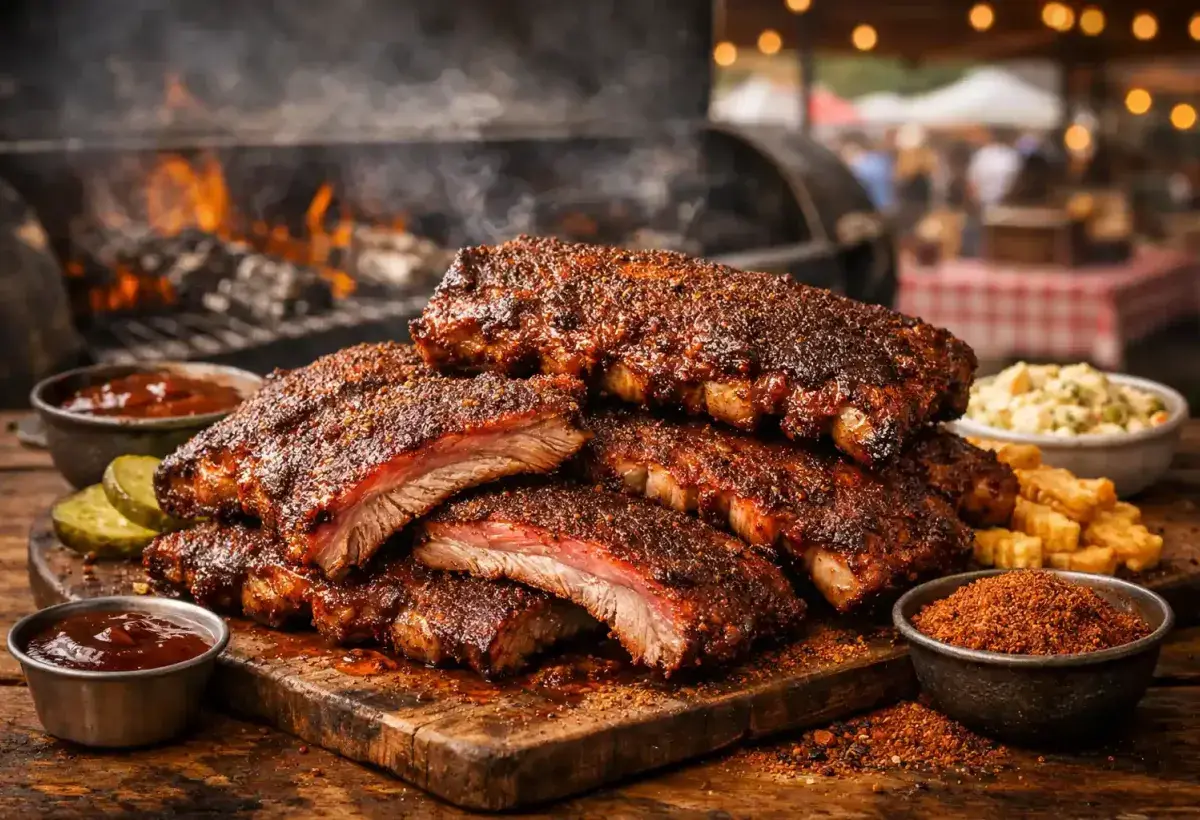
When people think of Tennessee food, Memphis style barbecue often comes to mind. Among the many barbecue traditions found throughout America, Memphis has developed a distinctive approach that has earned worldwide recognition. The city's ribs are especially famous for their bold flavor and careful preparation.
Unlike some barbecue styles that rely heavily on thick sauces, Memphis ribs are often seasoned with a dry rub consisting of spices that create layers of flavor. Paprika, garlic, pepper, and other seasonings combine to form a savory crust during the cooking process. This technique allows the natural taste of the meat to remain front and center.
The cooking process requires patience and skill. Ribs are typically slow cooked for many hours over hardwood smoke. The low temperature allows the meat to become tender while absorbing smoky flavor. Experienced pitmasters carefully monitor every stage to achieve the ideal texture.
Memphis barbecue culture extends far beyond the food itself. Barbecue competitions draw participants from around the world, and local restaurants often have decades of history behind their recipes. Families pass cooking techniques from one generation to the next, preserving traditions that have become part of the city's identity.
Many visitors discover that Memphis barbecue is as much about community as it is about flavor. Gatherings centered around smoked meats bring people together for celebrations, sporting events, and family occasions. The aroma of barbecue smoke drifting through the air has become one of the city's most recognizable sensory experiences.
While barbecue can be found throughout the United States, authentic Memphis ribs reflect a specific regional tradition that continues to distinguish Tennessee from other barbecue destinations. Each bite offers a taste of local history, craftsmanship, and pride.
Image
3. Tennessee Stack Cake
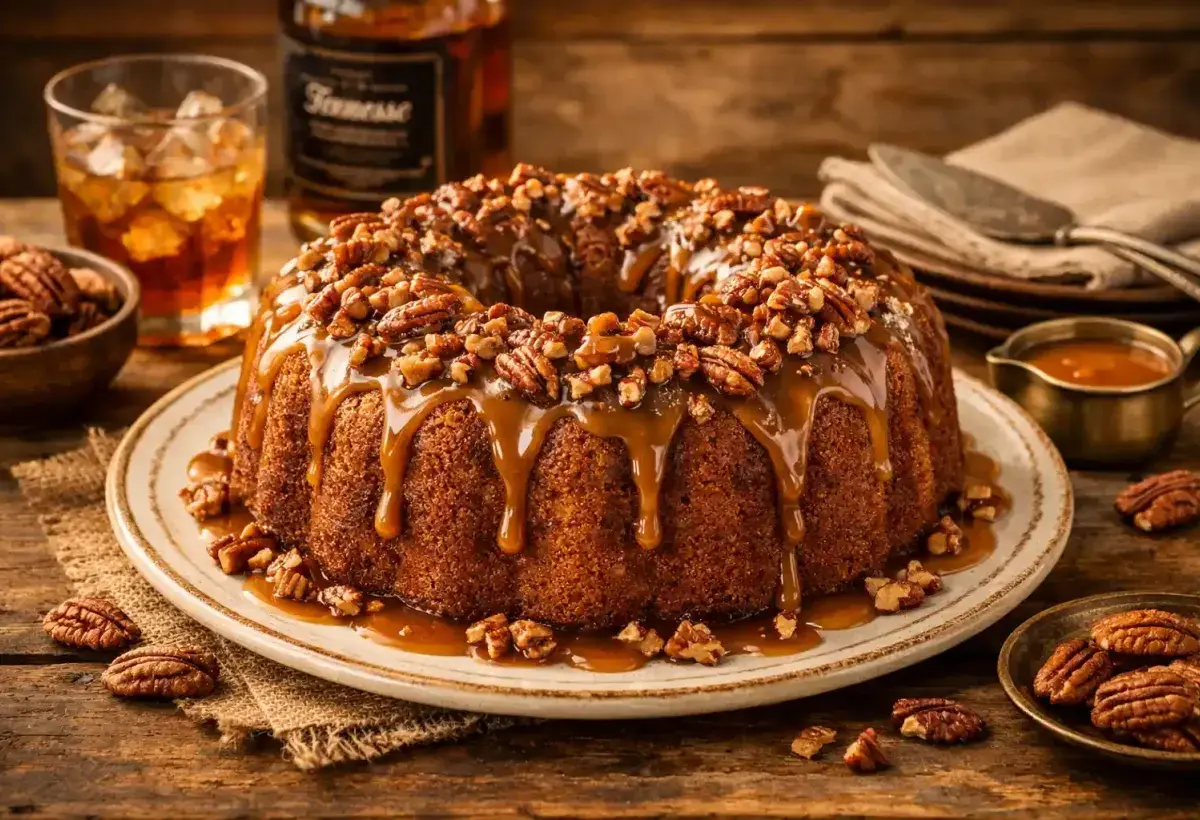
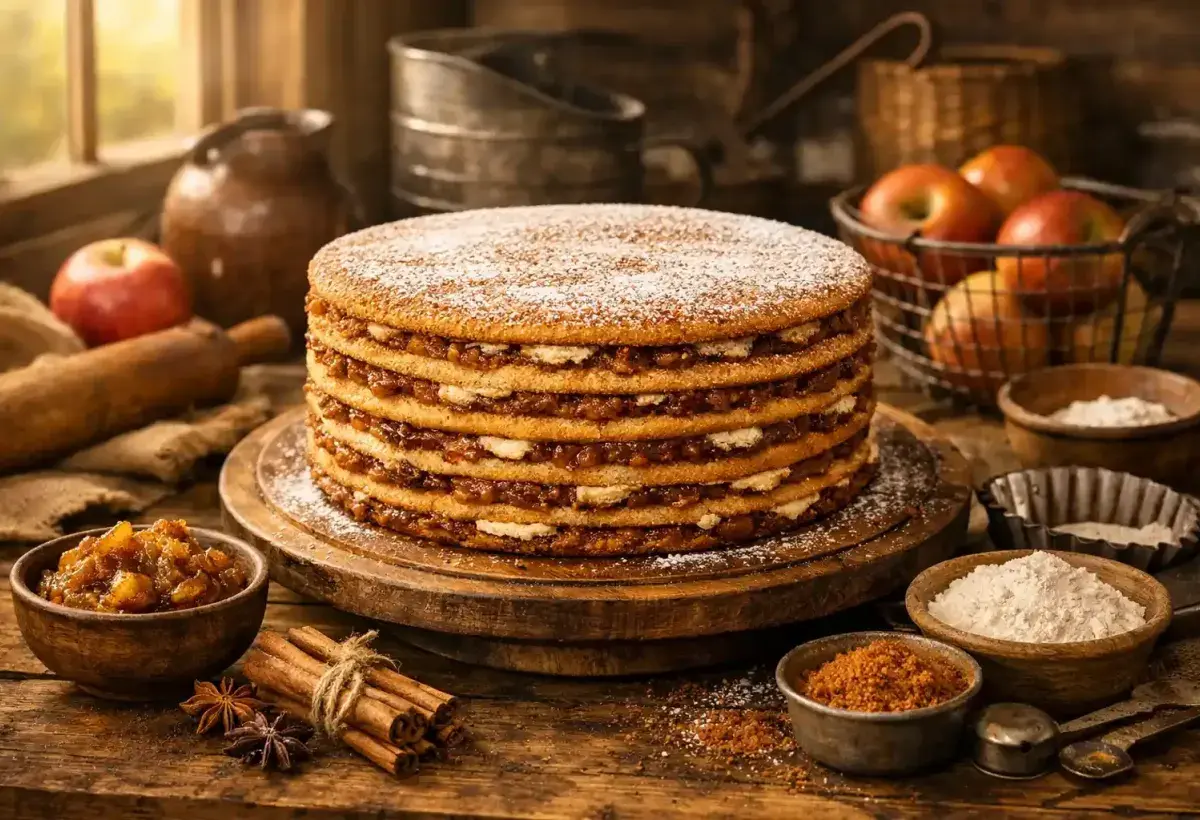
Tennessee Stack Cake is one of the most distinctive desserts associated with the Appalachian region of the state. This impressive cake consists of multiple thin layers stacked together with fruit filling between each layer. The result is a dessert that is both visually striking and deeply connected to Tennessee history.
The origins of Stack Cake date back many generations. In Appalachian communities, celebrations often involved neighbors contributing individual cake layers. These layers were combined into one large cake, symbolizing cooperation and community spirit. The tradition reflected the close relationships that existed within mountain communities.
The filling commonly contains dried apples that have been cooked into a sweet mixture. As the cake rests, moisture from the filling softens the layers, creating a texture that becomes richer over time. Many families believe the cake tastes best after sitting for a day or two.
Creating a traditional Stack Cake requires patience and attention to detail. Each layer must be carefully baked to maintain a consistent thickness. The assembly process can involve six or more layers, making it one of the more labor intensive desserts in Southern cooking.
Today, Tennessee Stack Cake remains a beloved reminder of Appalachian heritage. Local festivals, family reunions, and cultural events frequently feature the dessert as a tribute to regional traditions. Bakers often preserve recipes that have been passed down through multiple generations.
Beyond its delicious flavor, the cake tells a story about resourcefulness, community cooperation, and the enduring spirit of mountain culture. It stands as a culinary connection to Tennessee's past while continuing to delight modern audiences.
Image
4. Country Ham with Red Eye Gravy
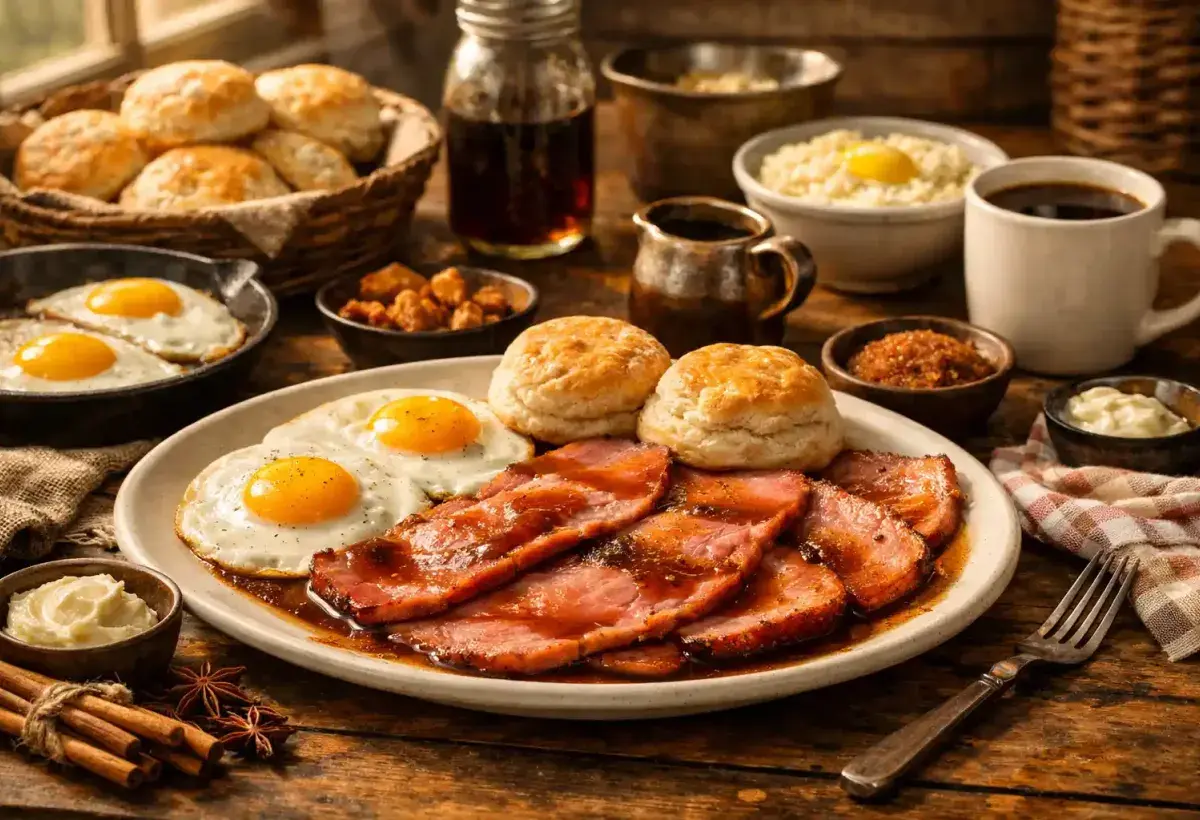
Country ham with red eye gravy represents a classic Tennessee breakfast tradition that has been enjoyed for generations. This dish combines salt cured ham with a unique gravy made from coffee and pan drippings, creating a flavor profile unlike almost anything else in American cuisine.
The preparation of country ham begins with curing and aging techniques that help preserve the meat while developing intense flavor. The process can take months and results in a product that is significantly different from ordinary ham. The flavor is rich, savory, and deeply satisfying.
Red eye gravy is what truly sets this dish apart. After the ham is cooked, coffee is added to the pan drippings. The resulting sauce has a distinctive appearance and a bold flavor that complements the salty richness of the ham. The combination may seem unusual to first time visitors, but it has become a cherished regional favorite.
Historically, country ham breakfasts provided farmers and laborers with a hearty start to the day. The meal supplied energy for long hours of physically demanding work. Over time it evolved into an important part of Tennessee's culinary identity.
Restaurants throughout the state continue to serve country ham and red eye gravy as a tribute to traditional Southern cooking. The dish often appears alongside biscuits, eggs, and grits, creating a complete breakfast experience rooted in local heritage.
For many Tennesseans, this meal evokes memories of family gatherings, holiday breakfasts, and cherished traditions. It remains a powerful example of how simple ingredients can create a uniquely regional culinary masterpiece.
Image
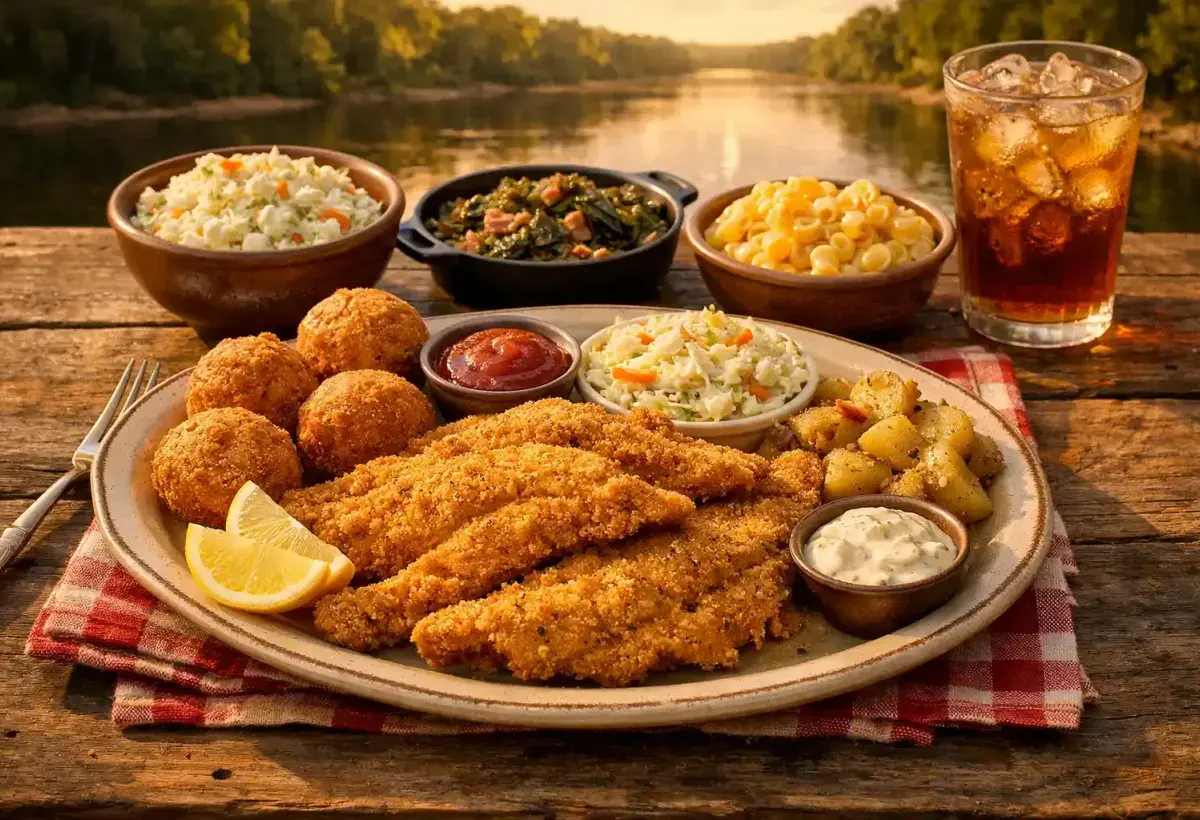
5. West Tennessee Fried Catfish
Fried catfish holds a special place in Tennessee food culture, particularly in the western part of the state. Rivers and waterways have long provided abundant catfish, making it a natural choice for local communities seeking fresh and flavorful meals.
The preparation begins with freshly caught catfish that is coated in seasoned cornmeal before being fried until crisp and golden. The cornmeal coating creates a satisfying crunch while preserving the moist texture of the fish inside. The balance of texture and flavor is one reason the dish remains so popular.
Catfish dinners often serve as social events throughout West Tennessee. Community gatherings, church events, family reunions, and local festivals frequently feature large fish fries that bring people together. These occasions highlight the strong connection between food and community life.
The dish is typically accompanied by traditional Southern sides such as coleslaw, baked beans, hush puppies, and potato salad. Together they create a meal that is both comforting and deeply rooted in regional tradition.
The popularity of fried catfish reflects the importance of rivers in shaping Tennessee's culture and economy. Fishing has supported families for generations, and catfish became an accessible source of food long before modern transportation and refrigeration systems existed.
Today, West Tennessee fried catfish remains one of the state's most beloved regional specialties. Whether enjoyed at a riverside restaurant or a local community gathering, the dish continues to celebrate Tennessee's natural resources, culinary traditions, and welcoming spirit.
Image