North to the Future: 10 Must Try Foods Only Found in Alaska

Traditional Foods of Alaska with Mountain Scenery

Alaska is often celebrated for its breathtaking landscapes, towering mountains, icy glaciers, and endless wilderness, but its food is every bit as remarkable as its scenery. The state's unique location, rich Native heritage, and abundant natural resources have shaped a culinary tradition unlike anywhere else in the United States. Every season brings fresh ingredients gathered from pristine rivers, cold northern seas, dense forests, and open tundra. The result is a collection of dishes that reflect generations of knowledge, respect for nature, and a deep appreciation for local flavors.

Many visitors arrive expecting seafood, and while Alaska certainly delivers some of the freshest seafood in the world, there is much more waiting to be discovered. Traditional Native recipes have been passed down through families for centuries, combining wild berries, fish, game, and natural ingredients that have sustained communities through long winters. At the same time, modern chefs continue to celebrate these local ingredients by creating memorable meals that honor the state's history while introducing new tastes.

Food in Alaska is more than something to eat. It tells stories about the land, the people, and the seasons. Salmon returning to their rivers each summer, berries ripening under the midnight sun, and king crabs harvested from icy waters all play an important role in local life. Every meal offers an opportunity to experience a small piece of Alaska's culture and natural beauty.

Whether you are planning your first visit or simply enjoy exploring regional cuisines from around the world, these distinctive foods deserve a place on your list. Some are famous across the globe, while others remain hidden treasures that many travelers never discover. Together they showcase the incredible diversity of flavors found in the Last Frontier.

1. Wild Alaska King Salmon

Image
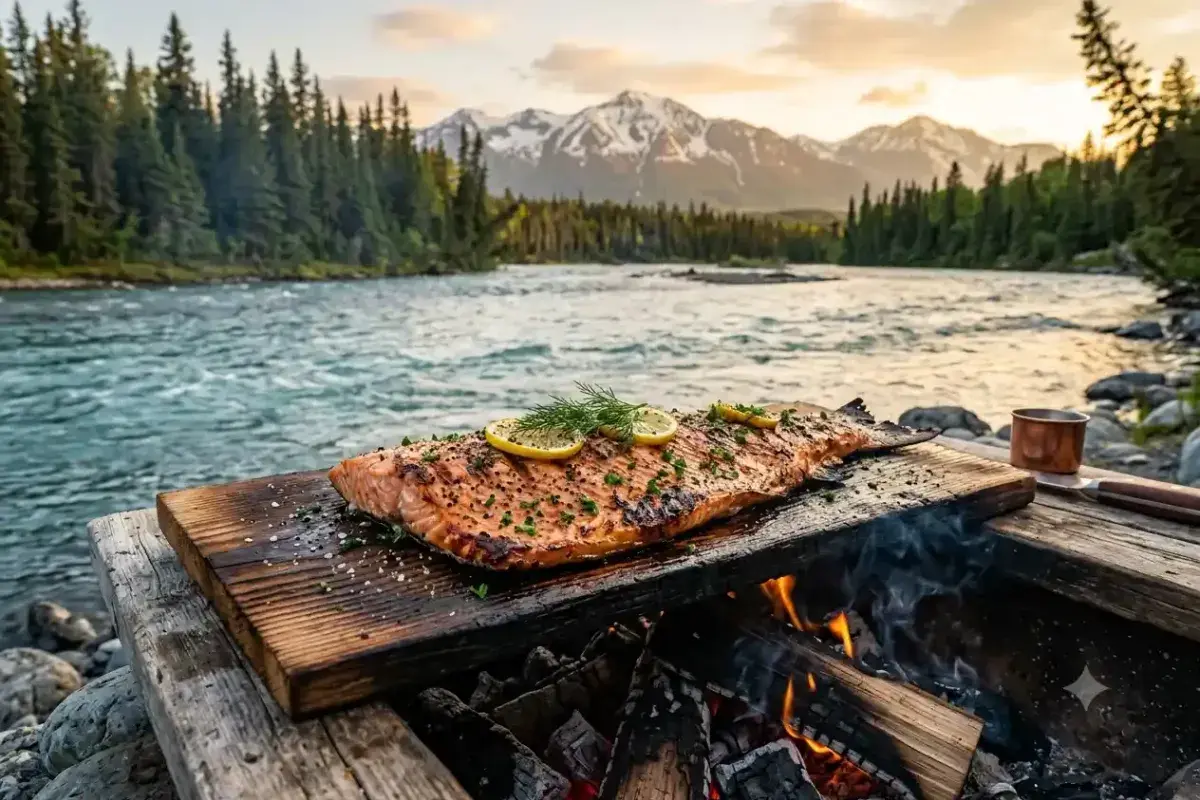
Fresh Wild Alaska King Salmon on Cedar Plank

Wild Alaska king salmon is often considered the crown jewel of the state's seafood. Known for its rich flavor, buttery texture, and beautiful deep orange flesh, this magnificent fish has earned a reputation among chefs and seafood lovers around the world. Unlike farm raised salmon, wild king salmon spends its life swimming freely through Alaska's cold rivers and the northern Pacific Ocean, developing firm meat and exceptional taste through its natural diet and active lifestyle.

Every summer, king salmon begin one of nature's most incredible migrations as they return from the ocean to the rivers where they were born. This journey has supported Native communities for countless generations, providing food that could be preserved through smoking, drying, and careful storage for the long winter months. Today, sustainable fishing practices help protect these valuable fish while allowing future generations to continue enjoying them.

One of the best ways to enjoy wild Alaska king salmon is simply grilled over an open fire with a touch of sea salt, fresh herbs, and a squeeze of lemon. This preparation allows the natural richness of the fish to remain the star of the meal. Many restaurants also serve it cedar plank roasted, baked, or lightly smoked to highlight its delicate flavor.

Fresh king salmon is available only during specific fishing seasons, making it a special treat that many visitors plan their trips around. Local seafood markets often display freshly caught fish only hours after harvest, creating an experience that is difficult to match anywhere else.

The popularity of Alaska king salmon extends far beyond the state, but nothing compares to tasting it where it was caught. Surrounded by mountain rivers and crisp northern air, every bite becomes part of the Alaskan experience itself. Whether enjoyed at a family owned seafood restaurant or cooked beside a wilderness campsite, king salmon offers an unforgettable introduction to the flavors of Alaska.

2. Alaska King Crab

Image
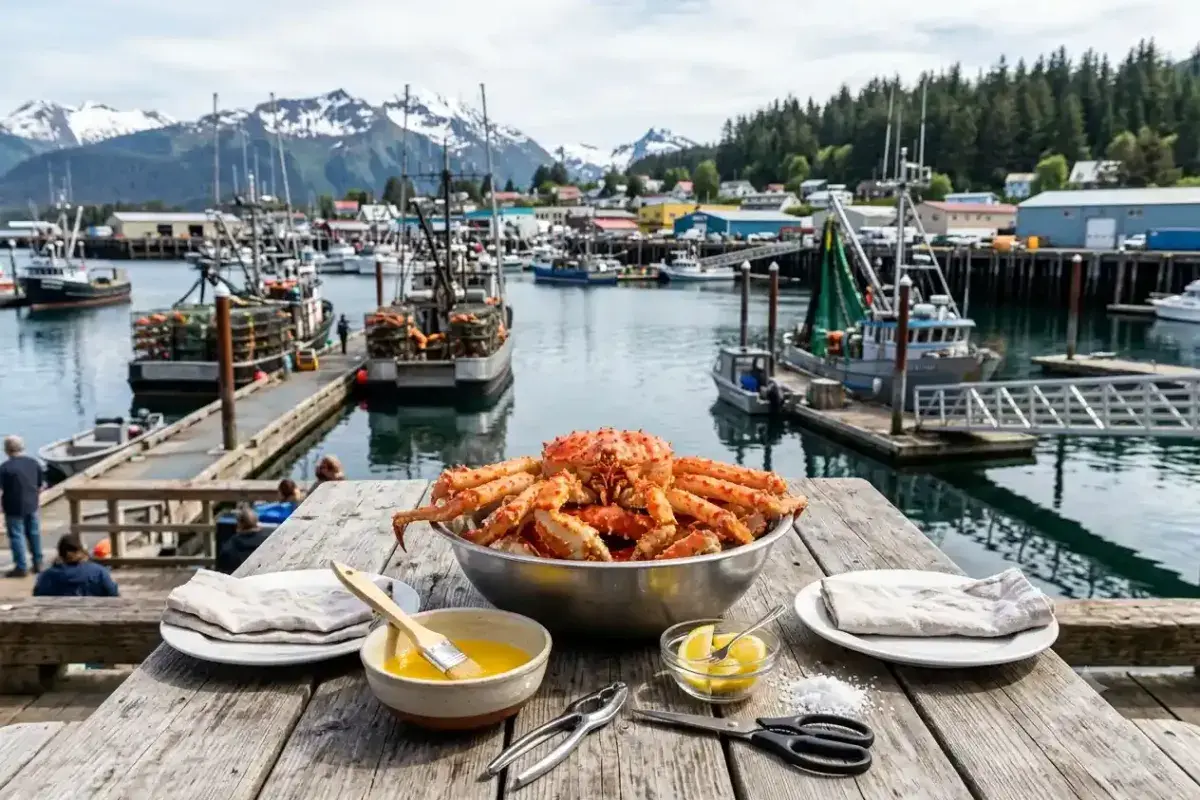
Steamed Alaska King Crab with Butter

Few foods capture the spirit of Alaska quite like the famous Alaska king crab. Harvested from the icy waters of the Bering Sea, these enormous crabs are celebrated for their impressive size and their sweet, tender meat. Their long legs can stretch several feet across, making them one of the largest crab species harvested anywhere in the world.

The journey from the cold ocean floor to the dinner table is not an easy one. Crab fishing in Alaska is known for challenging weather, freezing temperatures, and rough seas that demand great skill and experience from fishing crews. Because of these demanding conditions, king crab has become one of the state's most respected and valuable seafood products.

The meat itself is wonderfully delicate while remaining satisfyingly firm. Many people enjoy it simply steamed and served with melted butter, allowing the natural sweetness to shine without overpowering seasonings. Others prefer adding it to seafood pasta, fresh salads, creamy chowders, or elegant seafood platters that celebrate its luxurious flavor.

Restaurants throughout Alaska often serve king crab during the harvest season, while seafood festivals provide visitors with opportunities to enjoy generous portions in lively community settings. Watching skilled cooks prepare freshly steamed crab while surrounded by local fishermen creates an experience that goes beyond the meal itself.

King crab represents more than fine dining. It reflects Alaska's close relationship with the sea and the hardworking people who make each harvest possible. Sustainable management helps ensure that future generations can continue enjoying this treasured seafood while protecting marine ecosystems.

For many travelers, tasting authentic Alaska king crab becomes one of the highlights of their visit. The freshness, quality, and unforgettable flavor make it difficult to compare with crab served elsewhere. Every bite offers a delicious reminder of the cold northern waters where this remarkable seafood begins its journey.

3. Reindeer Sausage

Image

 Alaska Reindeer Sausage at Outdoor Food Stand

Reindeer sausage has become one of Alaska's most recognizable local specialties, offering visitors a unique flavor that reflects the state's northern heritage. Although reindeer were originally introduced to Alaska more than a century ago, they have become an important part of local agriculture and cuisine. Their lean meat provides the perfect foundation for flavorful sausages enjoyed across the state.

The sausage is usually blended with herbs, spices, and sometimes a small amount of pork to create a juicy texture while maintaining the rich character of the reindeer meat. Every producer has a slightly different recipe, giving each version its own personality and local charm.

One of the most popular ways to enjoy reindeer sausage is tucked into a warm bun with grilled onions, mustard, or sweet relish. Food stands in cities such as Anchorage and Fairbanks often attract long lines of hungry locals and curious travelers eager to sample this iconic snack. It is equally delicious sliced into breakfast dishes, served with eggs, or added to hearty stews during colder months.

Many visitors are pleasantly surprised by its mild flavor. Rather than tasting overly gamey, reindeer sausage offers a pleasant balance between savory richness and gentle seasoning. This makes it approachable even for people trying it for the first time.

Beyond its taste, reindeer sausage represents Alaska's ability to adapt traditional ingredients into modern favorites. It brings together local history, northern farming, and creative cooking in a meal that is both comforting and memorable.

Whether enjoyed during a summer festival, purchased from a roadside vendor, or prepared over a campfire beneath the northern sky, reindeer sausage provides a satisfying taste of everyday life in Alaska. It has become a tradition that many travelers happily seek out whenever they visit the Last Frontier.

4. Halibut Fish and Chips

Image
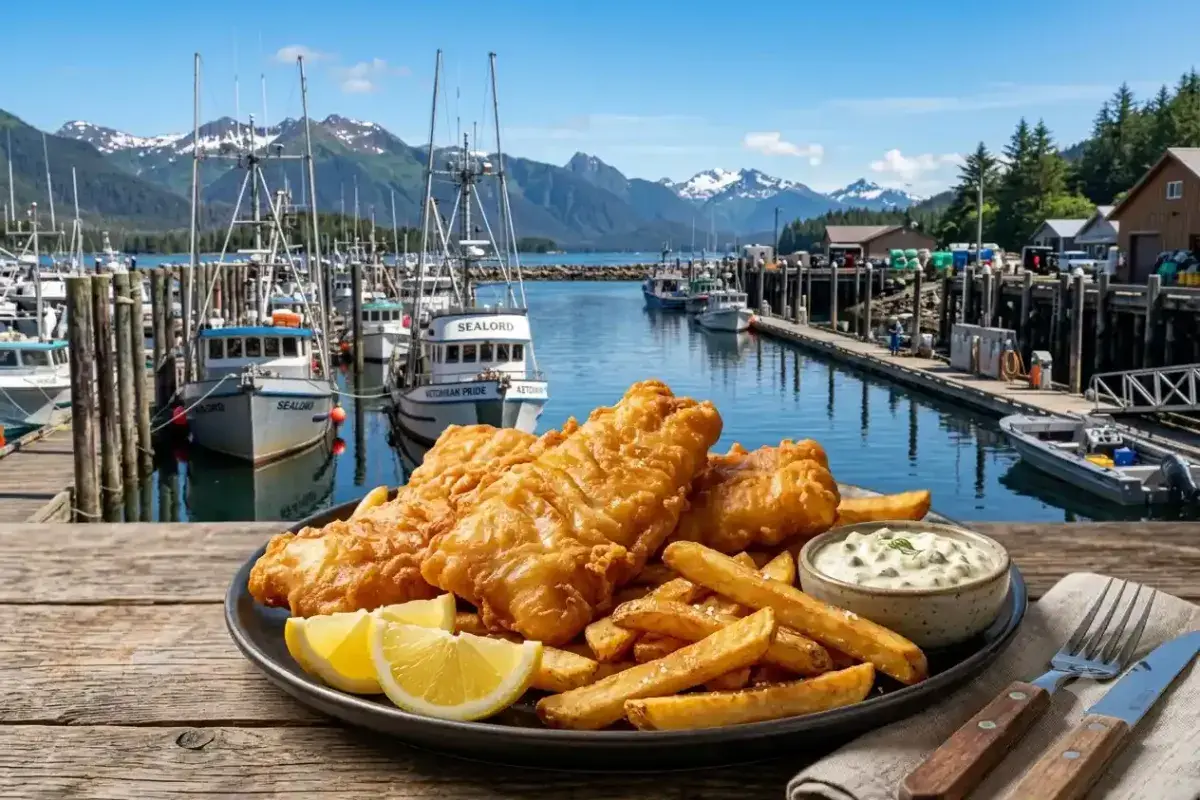
Fresh Alaska Halibut Fish and Chips

Halibut is another prized catch from Alaska's cold coastal waters, and one of the most beloved ways to enjoy it is as freshly prepared fish and chips. Unlike smaller fish often used in similar dishes, halibut produces large, thick fillets with firm white meat that remains moist and flaky after cooking.

Freshly caught halibut is coated in a light batter before being fried until perfectly crisp. The golden crust protects the delicate fish inside, creating a satisfying contrast between crunchy texture and tender meat. Served alongside crisp fries, homemade tartar sauce, and fresh lemon wedges, the meal has become a favorite for both locals and visitors.

Many coastal towns feature family owned seafood restaurants overlooking busy harbors where fishing boats unload their daily catch. Dining in these locations adds another layer to the experience as guests can often watch the very boats that brought in the fish appearing on their plates.

The quality of Alaska halibut comes from the cold northern waters where the fish grow slowly, producing excellent texture and clean flavor. Because the fish is naturally mild, it appeals to seafood lovers as well as those who may not usually choose fish.

Some restaurants also offer grilled halibut for those who prefer a lighter meal, but the classic fish and chips version remains an enduring favorite throughout the state. The freshness of the ingredients often surprises visitors who have only experienced frozen seafood elsewhere.

A plate of Alaska halibut fish and chips captures the relaxed coastal atmosphere of the state while showcasing one of its finest natural resources. It is simple, comforting, and wonderfully satisfying after a day spent exploring glaciers, wildlife, or scenic coastal towns.

5. Akutaq

Image

 Traditional Alaska Akutaq with Wild Berries

Akutaq is one of Alaska's most fascinating traditional foods and offers visitors a meaningful connection to the cultural heritage of Alaska Native communities. Often called Eskimo ice cream, this unique dish is quite different from the frozen desserts that most people know. Instead of relying on dairy products, traditional recipes combine locally gathered ingredients to create a rich and nourishing treat.

For generations, families prepared akutaq using animal fat that was carefully whipped until light and smooth before adding fresh berries gathered from the surrounding landscape. Depending on the region and family traditions, ingredients such as salmonberries, blueberries, cranberries, cloudberries, or other wild fruits were mixed into the creamy base. Some versions also included finely shredded fish or meat, creating a nutritious food that provided valuable energy during demanding seasons.

Modern recipes sometimes substitute vegetable shortening or other ingredients while keeping the spirit of the original preparation alive. Regardless of the variation, berries remain the heart of the dish, bringing natural sweetness and vibrant color that reflect Alaska's short but productive summer.

Akutaq is much more than a dessert. It represents family traditions, seasonal harvesting, and respect for the natural environment. Preparing it often brings relatives together as stories, recipes, and cultural knowledge are shared from one generation to the next.

Visitors may find opportunities to taste akutaq during cultural events, heritage festivals, or educational programs that celebrate Alaska Native traditions. Experiencing the dish within its cultural setting provides a deeper appreciation for its history and significance.

Trying akutaq offers more than a new flavor. It provides insight into the resilience, creativity, and traditions of the people who have lived in Alaska for thousands of years. Every spoonful carries a story of survival, community, and the remarkable relationship between people and the northern wilderness.
6. Smoked Salmon

Image

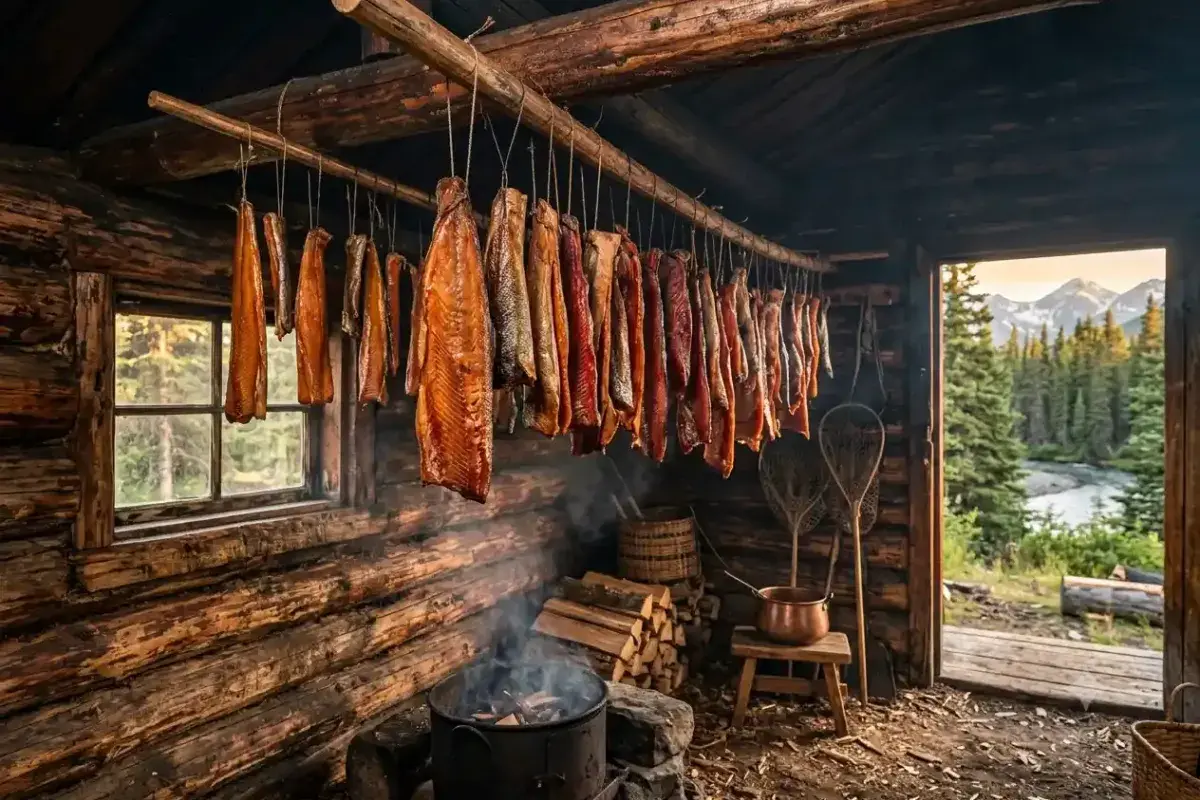
Traditional Alaska Smoked Salmon in Smokehouse

Smoked salmon has been part of life in Alaska for countless generations and remains one of the state's most treasured foods. Long before refrigeration existed, Alaska Native communities developed careful methods of preserving freshly caught salmon by smoking it over slow burning wood fires. This process helped families store food for months while creating a rich flavor that has become famous around the world. Today, many smokehouses continue these traditional methods while combining them with modern food safety practices.

The process begins with freshly caught salmon, often harvested during the busy summer fishing season. After the fish is cleaned and prepared, it is lightly seasoned and placed inside a smokehouse where gentle heat and aromatic wood slowly transform its texture and flavor. Different types of wood create subtle differences in taste, giving each producer a signature style that locals often recognize immediately.

The finished salmon develops a deep smoky aroma and a firm yet tender texture. It can be enjoyed on its own as a snack, served with crackers and cheese, added to fresh salads, or layered into sandwiches. Some families also include smoked salmon in pasta dishes, soups, or breakfast meals with eggs and toasted bread.

Many visitors purchase smoked salmon to take home because it captures the authentic taste of Alaska long after the trip has ended. Local markets often offer several varieties, allowing travelers to compare different flavors and smoking techniques.

Beyond its wonderful taste, smoked salmon reflects Alaska's deep respect for its natural resources. The traditions surrounding its preparation remind visitors that food is closely connected to the seasons, family, and the land itself. Sampling freshly prepared smoked salmon is not simply another meal. It is an opportunity to experience one of Alaska's oldest and most meaningful culinary traditions.

7. Salmonberries

Image

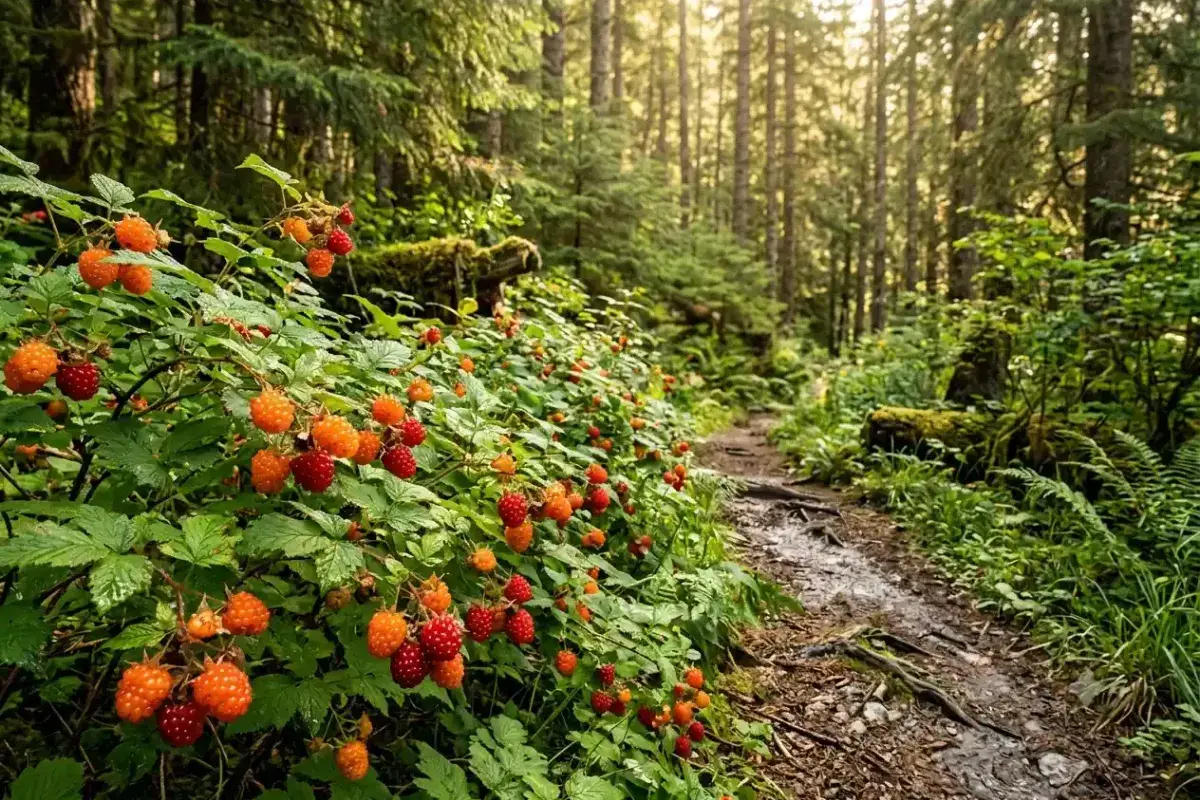
Wild Alaska Salmonberries Growing in Forest

Salmonberries are among Alaska's most colorful natural treasures and provide a delicious taste of the state's short but vibrant summer. These beautiful berries grow wild across forests, riverbanks, and coastal regions where they flourish under long hours of daylight. Their name comes from the fact that they often ripen at the same time salmon begin returning to local rivers.

Unlike many berries found elsewhere, salmonberries can range in color from bright golden yellow to deep orange and rich red. Their flavor is equally interesting, combining gentle sweetness with a light tartness that changes depending on where they grow and how ripe they become. This variety makes every handful a slightly different experience.

For generations, Alaska Native communities gathered salmonberries during the summer and incorporated them into traditional foods. Today they continue to appear in homemade jams, jellies, pies, muffins, syrups, and desserts prepared by local families and bakeries. Some restaurants even feature salmonberry sauces served alongside seafood or roasted meats.

Because these berries are delicate, they are rarely transported long distances. This means visitors often enjoy them at their freshest while traveling through Alaska. Farmers markets and local festivals provide excellent opportunities to sample products made from freshly harvested berries during the growing season.

Walking through Alaska's forests while spotting clusters of colorful salmonberries adds another layer of appreciation for the state's natural beauty. Many guided tours introduce visitors to local plants while explaining their importance in Native traditions and regional cooking.

Although they may not receive the same international attention as Alaska's seafood, salmonberries are every bit as memorable. Their vibrant appearance, fresh flavor, and connection to the northern landscape make them a wonderful reminder that Alaska's wilderness offers remarkable foods beyond the ocean.

8. Sourdough Pancakes

Image

Alaska Sourdough Pancakes with Wild Berry Syrup

Sourdough pancakes have become one of Alaska's classic comfort foods, with a history that reaches back to the state's early mining communities. During the gold rush era, miners depended on sourdough starter because commercial yeast was difficult to obtain in remote areas. By carefully feeding and protecting their starter, they could bake fresh bread and pancakes throughout the year.

Over time, sourdough became closely connected with Alaska's frontier spirit. Even today, many local families proudly maintain starter cultures that have been passed down through several generations. Each starter develops its own unique character, giving every batch of pancakes a slightly different flavor.

The pancakes are known for their light texture and pleasant tangy taste that balances beautifully with sweet toppings. Warm butter slowly melting across the surface, followed by generous pours of maple syrup or locally made berry syrup, creates a breakfast that is both simple and deeply satisfying. Fresh blueberries, whipped cream, or smoked salmon can also accompany the meal for a distinctly Alaskan twist.

Many lodges, roadside diners, and family restaurants proudly feature sourdough pancakes as part of their breakfast menu. Visitors often begin a day of exploring glaciers, wildlife, or hiking trails with a hearty plate that provides lasting energy.

The popularity of sourdough pancakes reflects more than excellent flavor. They represent the resourcefulness and determination of the people who built lives in one of the world's most challenging environments. What began as a practical necessity eventually became one of Alaska's favorite traditions.

For travelers seeking authentic local experiences, enjoying freshly made sourdough pancakes in a cozy Alaskan café offers a warm welcome and a delicious introduction to the state's rich culinary heritage.

9. Rockfish Tacos

Image

Fresh Alaska Rockfish Tacos by the Harbor

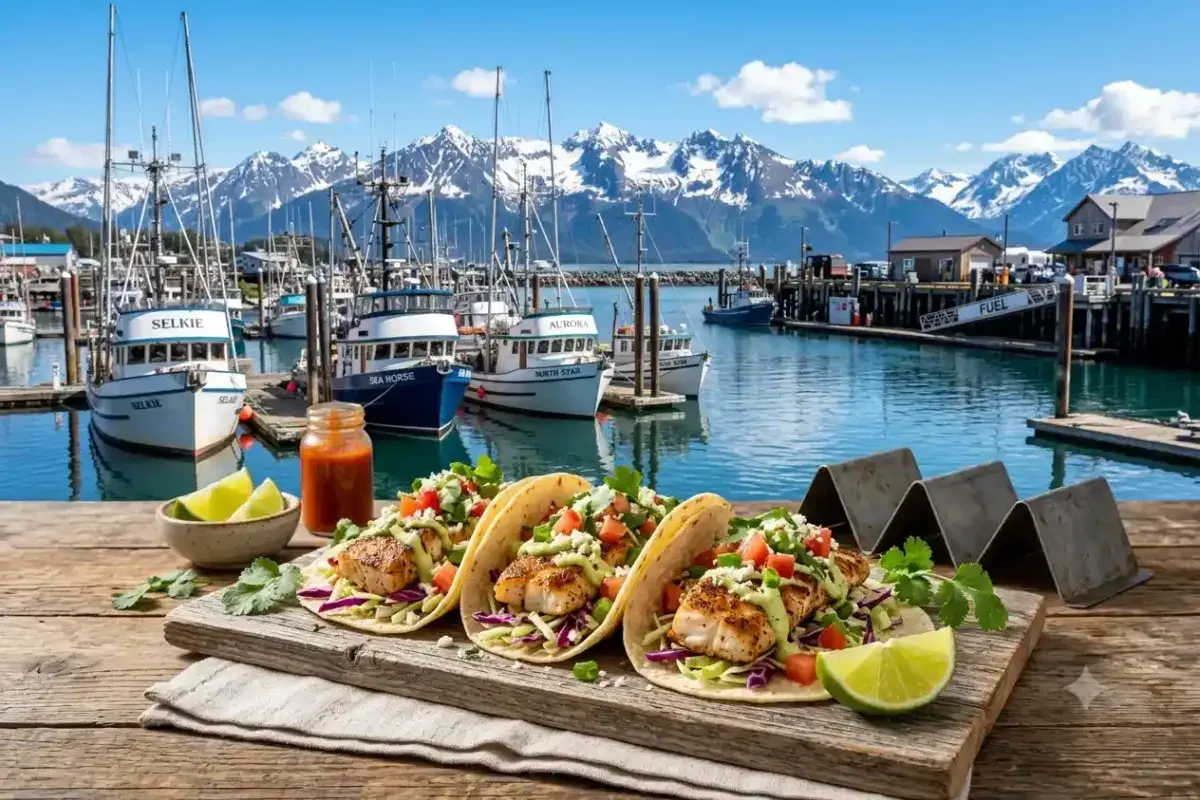
Rockfish tacos bring together Alaska's exceptional seafood with fresh ingredients in a meal that has become increasingly popular across the state's coastal communities. Rockfish live in the cold northern Pacific Ocean, where they develop firm white meat with a mild flavor that works beautifully in a variety of dishes.

Freshly caught rockfish is lightly seasoned before being grilled or gently fried until perfectly cooked. The fish is then placed inside warm tortillas and topped with crisp cabbage, tomatoes, onions, fresh herbs, and creamy sauces that complement rather than overpower the seafood. A squeeze of fresh lime completes the combination with a bright burst of flavor.

Many waterfront restaurants have embraced rockfish tacos as a casual meal that highlights local ingredients while offering something different from more traditional seafood dishes. Their popularity has grown among both residents and visitors looking for a fresh and satisfying lunch after exploring Alaska's scenic coastlines.

The success of the dish comes from its simplicity. High quality seafood requires very little preparation when it is harvested from clean northern waters. Every ingredient works together to let the natural flavor of the fish remain the center of attention.

Some restaurants create their own variations by adding locally grown vegetables or homemade sauces inspired by regional flavors. These small differences give every stop along Alaska's coastline a unique version worth discovering.

Rockfish tacos demonstrate how Alaska's culinary traditions continue to evolve while remaining rooted in the state's remarkable natural resources. They provide a fresh, colorful, and delicious way to enjoy seafood that many travelers may not have experienced before visiting the Last Frontier.

10. Birch Syrup

Image

Alaska Birch Syrup on Fresh Pancakes

Birch syrup is one of Alaska's most distinctive local products and offers a flavor unlike any other sweetener. While many people are familiar with maple syrup, birch syrup is made from the sap of birch trees that grow throughout Alaska's forests. Producing it requires patience because a large amount of sap must be carefully collected and slowly boiled to create a small quantity of rich syrup.

The finished syrup has a deep amber color and a bold flavor with notes of caramel, fruit, and gentle spice. Rather than being intensely sweet, birch syrup offers a balanced taste that works equally well in both sweet and savory recipes. This versatility has made it a favorite ingredient among local chefs.

Many people enjoy birch syrup drizzled over pancakes, waffles, or ice cream, while others use it to glaze salmon, roasted vegetables, or grilled meats. Bakers also incorporate it into cookies, cakes, and desserts that celebrate Alaska's natural ingredients.

The harvesting season is brief, making authentic birch syrup a valuable product that reflects the rhythm of Alaska's changing seasons. Small producers often take great pride in their careful methods, creating handcrafted syrup that highlights the unique character of the region.

Visitors who sample birch syrup often discover a completely different flavor experience from what they expect. Its complexity makes it memorable, and many travelers choose to bring home a bottle as a special reminder of their Alaskan adventure.

Birch syrup represents the creativity and resourcefulness that define Alaska's food culture. By transforming the sap of native trees into a remarkable culinary ingredient, local producers continue a tradition that celebrates the beauty and abundance of the northern forest.

Alaska offers far more than spectacular scenery and unforgettable wildlife. Its food tells the story of a land shaped by powerful rivers, icy oceans, dense forests, and generations of people who have learned to live in harmony with nature. Every dish reflects the state's remarkable environment and the traditions that continue to influence local cooking today.

From the rich flavor of wild king salmon and the sweet meat of king crab to traditional akutaq and handcrafted birch syrup, each specialty provides a unique window into Alaska's culture. Some recipes have been enjoyed for centuries, while others have grown from more recent history, yet all share a common connection to the state's natural resources and community spirit.

One of the greatest pleasures of visiting Alaska is discovering that every town, fishing village, and local restaurant offers its own interpretation of these regional favorites. Fresh ingredients often travel only a short distance from the place where they were harvested, allowing visitors to experience flavors that are difficult to find anywhere else in the world. This freshness gives Alaska's cuisine an authenticity that leaves a lasting impression.

Exploring local food also creates opportunities to learn about Native traditions, sustainable harvesting practices, and the people whose livelihoods depend on the sea, forests, and wilderness. Every meal becomes more meaningful when you understand the stories behind the ingredients and the care that goes into preparing them.

Whether you are planning a future adventure or simply expanding your knowledge of regional American cuisine, these ten foods capture the heart of what makes Alaska so special. They celebrate the state's extraordinary landscapes, rich cultural heritage, and deep respect for nature. A journey through Alaska is not complete without tasting the remarkable flavors that have made the Last Frontier one of the world's most unforgettable culinary destinations.

What's your reaction?