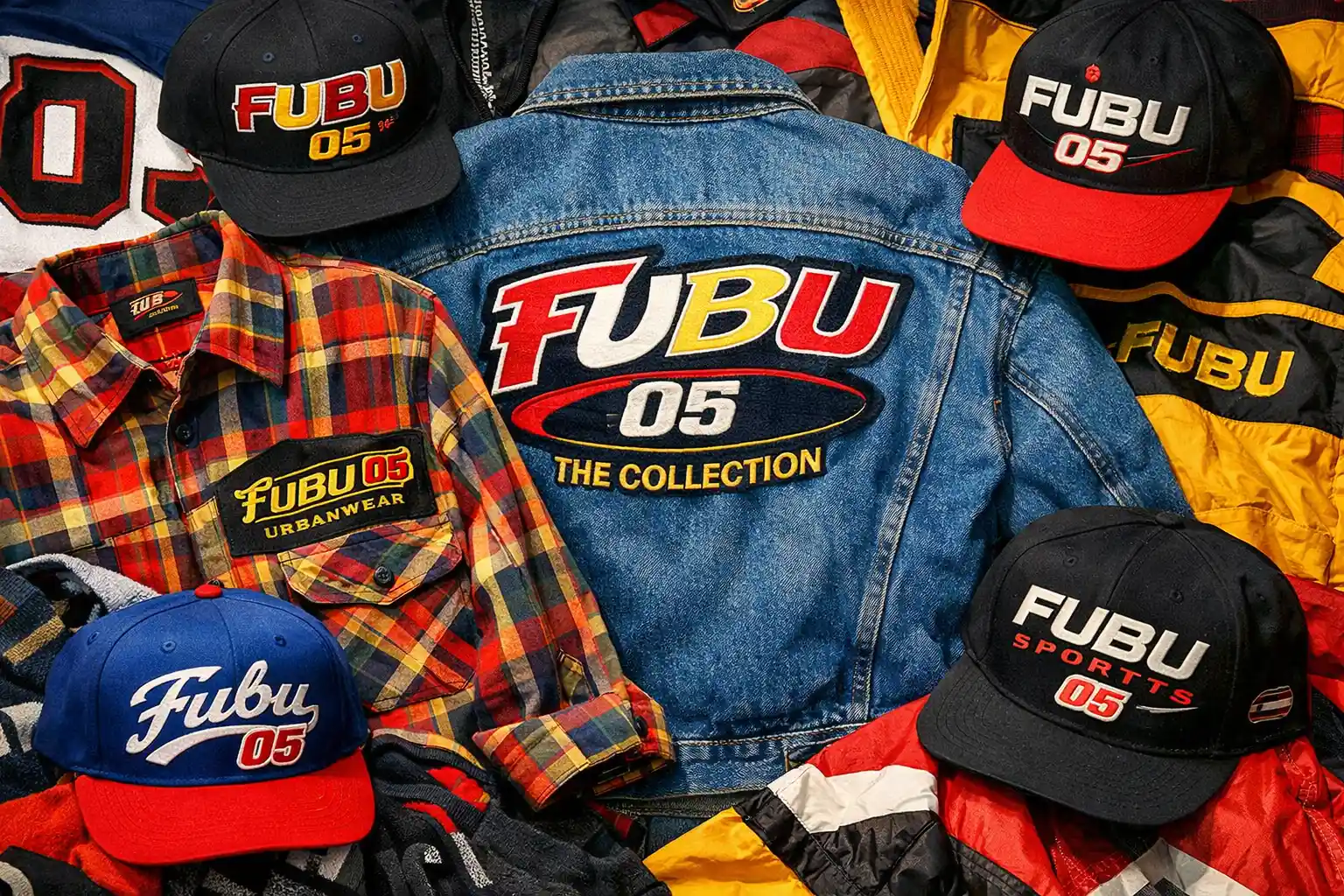
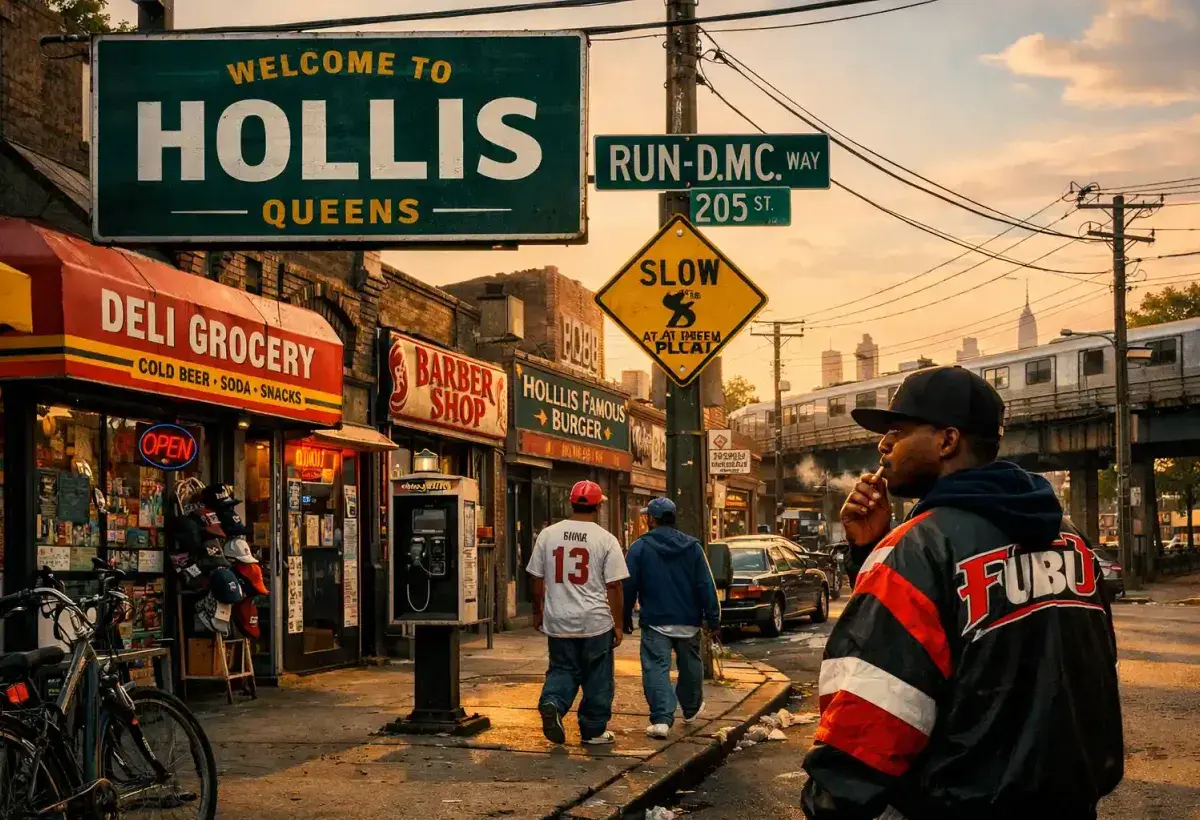
In the pantheon of hip hop fashion, few names carry the weight and cultural significance of FUBU. Emerging from Hollis, Queens, the brand began with four friends and a simple yet powerful mantra that would resonate around the world.
FUBU, short for For Us By Us, came out of the vibrant energy of 1990s hip hop culture, a time when music, fashion, and identity became deeply intertwined. What started as a handful of handmade hats sold on street corners quickly grew into a multi-million-dollar enterprise that dressed some of the biggest names in music.
More than a fashion label, FUBU became a symbol of Black entrepreneurship, pride, and resilience. Its story demonstrates the power of community, creativity, and determination in building something that endures.
From Queens to the runways of Atlanta Fashion Week, FUBU’s journey is filled with unexpected opportunities, bold moves, and iconic moments. These experiences influenced not only fashion but culture at large.
Lets explore the fascinating history of this legendary brand, revealing key moments and strategic decisions that transformed a neighborhood idea into a global phenomenon that continues to inspire new generations of designers and consumers.
1. The Name Was Inspired by Nike and Coke
The name FUBU, an acronym for For Us By Us, was born from a clever branding strategy. The four founders—Daymond John, J. Alexander Martin, Keith Perrin, and Carl Brown—wanted a name that was short, memorable, and capable of standing alongside the world’s biggest brands, such as Nike and Coca-Cola.
They also wanted the name to communicate their mission: to create clothing for the Black community by members of that community. The phrase For Us By Us perfectly captured this vision, but it needed to be condensed into something punchy.
From this, FUBU emerged. Early on, the founders faced a challenge in teaching people how to pronounce it. Many stumbled over the letters or tried to spell them out individually.
To solve this, they promoted the pronunciation as Foo Boo, a distinctive sound that would become synonymous with the brand. This focus on pronunciation turned out to be more than a technicality. It became a key element of FUBU’s identity and memorability, signaling pride, ownership, and cultural relevance.
Image
2. It Started with Just $40 and a Lot of Hustle
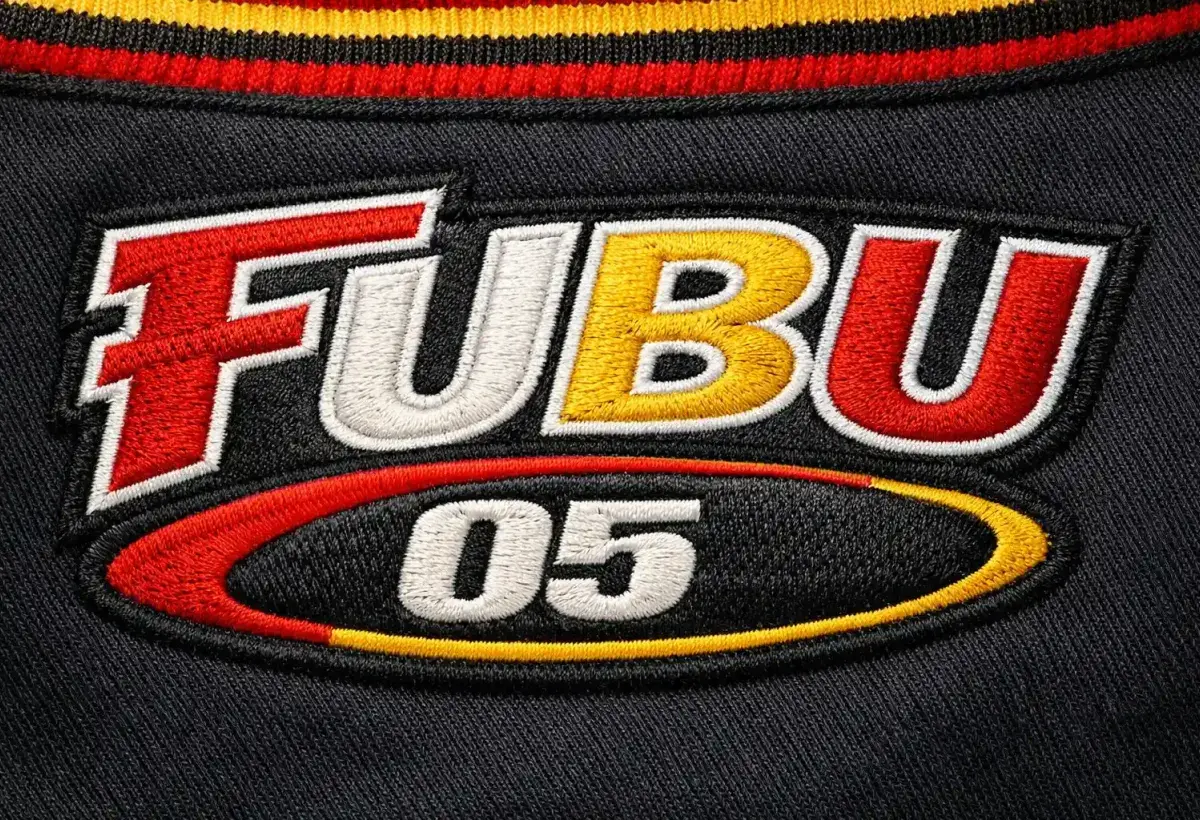
FUBU’s humble beginnings are a testament to determination and resourcefulness. Daymond John started the venture with only forty dollars while working at Red Lobster.
He used this modest sum to buy fabric and began sewing hats to sell directly to people on the streets of Queens. To expand visibility, he made fifty cold calls every day for six months, reaching out to manufacturers, stores, and music labels to get his designs noticed.
The first production facility was far from conventional. Daymond John’s mother offered half of her home in Queens as a factory. Sewing machines filled the living room, and the dining room became the cutting area.
This hands-on, intimate approach allowed the founders to maintain quality and personally engage with their first customers. What started as a $40 investment and a lot of hustle would eventually grow into a global empire, proving that determination and creativity can overcome almost any obstacle.
Image
3. A Gap Commercial Accidentally Launched the Brand
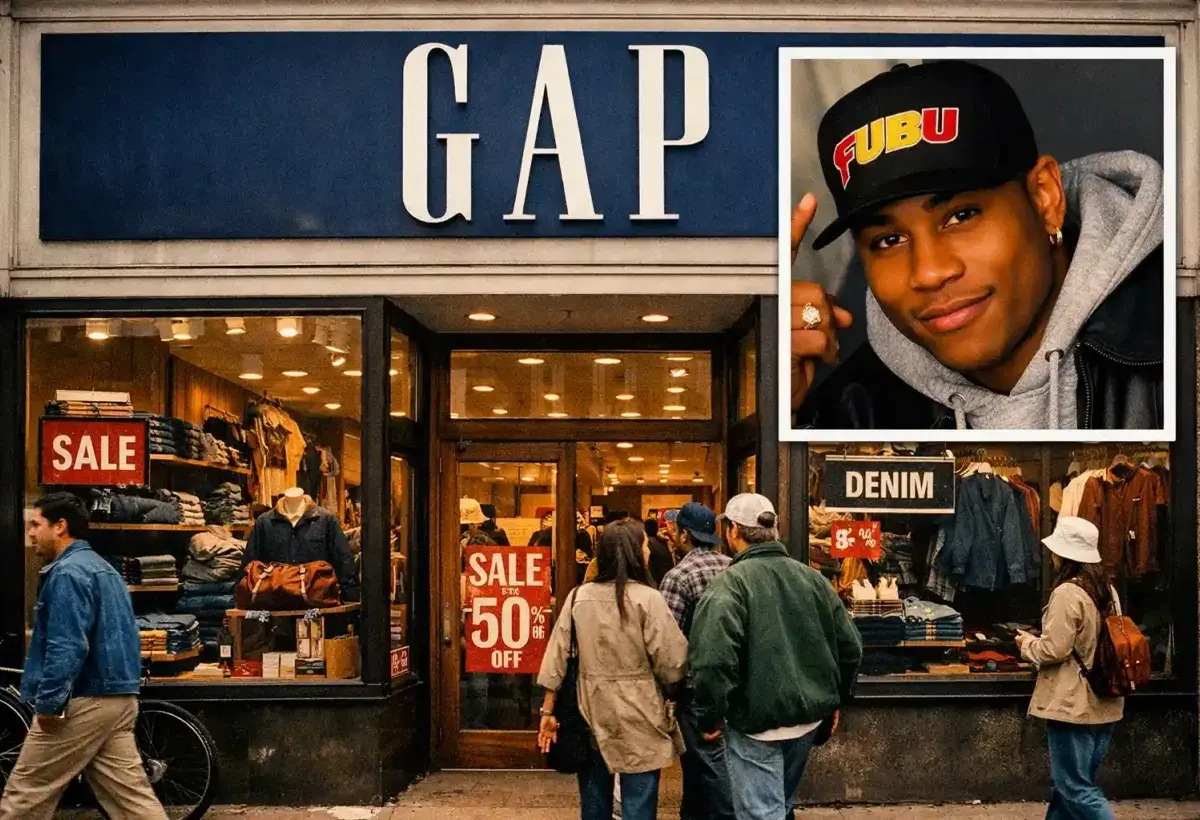
In 1997, FUBU got an unexpected boost. Hip hop legend LL Cool J starred in a Gap commercial while wearing a FUBU hat.
Neither Gap nor the production team realized the hat would stand out, and as LL Cool J performed, he referenced the phrase For Us By Us, effectively promoting FUBU on national television.
Consumers assumed they could buy the clothing at Gap, flooding stores to find FUBU products. Although Gap quickly pulled the commercial, the exposure had already created unprecedented demand for FUBU apparel.
This accidental placement illustrates the power of celebrity influence and the unexpected ways smaller brands can gain recognition. It also highlighted the authenticity of FUBU’s message, which resonated deeply with consumers who saw their culture reflected in the brand.
Image
4. Four Childhood Friends Built a $350 Million Empire
FUBU was built on friendship and shared ambition. The founders grew up together in Hollis, Queens, and each brought unique skills to the venture. Their trust allowed them to convert a residential home into a working factory and navigate the challenges of running a business.
By 1998, FUBU had become a global powerhouse, generating over $350 million in annual revenue. The brand’s products went beyond T-shirts and jerseys, expanding into suits, eyewear, fragrances, and more.
Their work earned recognition, including NAACP awards and congressional honors, celebrating both their entrepreneurial success and cultural impact. Personal investment, such as J. Alexander Martin’s military savings, demonstrated deep commitment.
This story shows how collaboration, friendship, and resilience can drive extraordinary achievement. It also reminds us that relationships and trust are as vital to success as capital or market opportunity.
Image
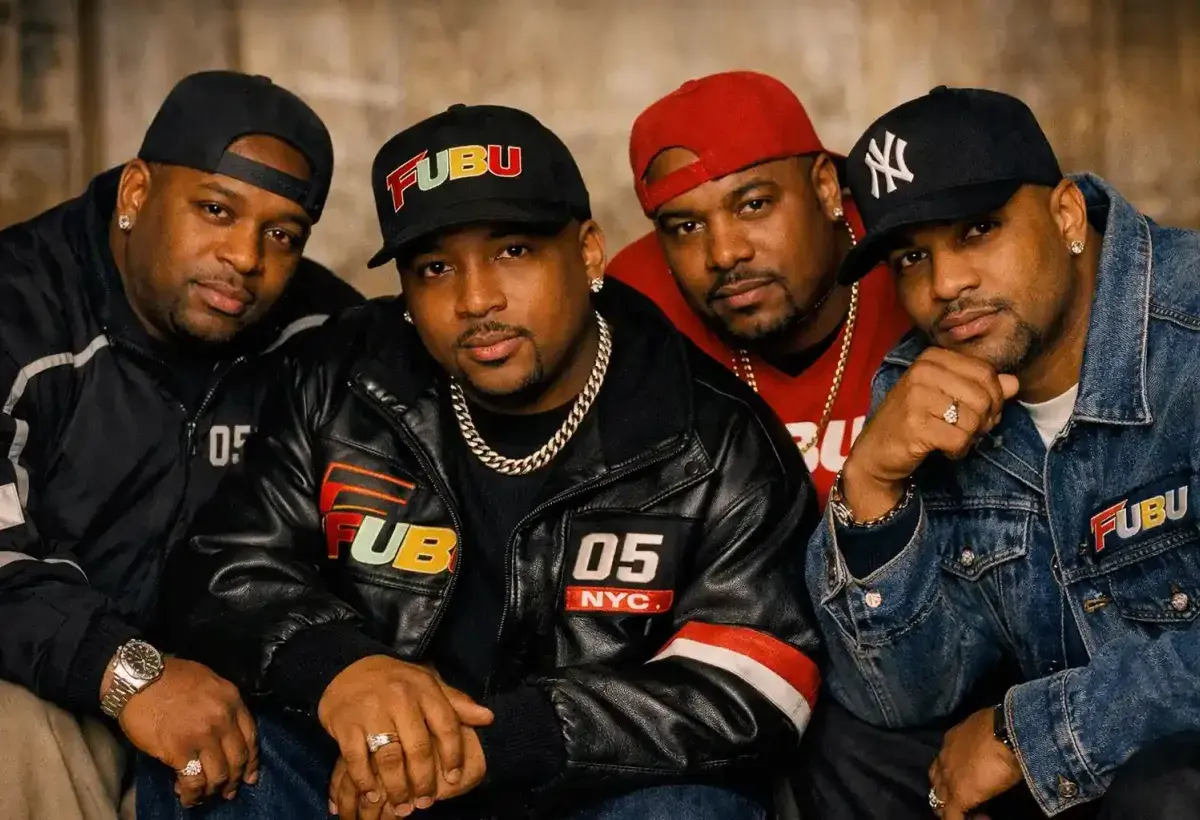
5. Samsung Answered a Classified Ad to Invest in FUBU
FUBU’s breakthrough came from an unlikely source: a newspaper classified ad. After receiving $300,000 in orders at a Las Vegas apparel show, the founders needed capital to meet demand.
Daymond John’s mother suggested placing a classified ad in the New York Times seeking investors. Surprisingly, Samsung responded. In 1995, the multinational conglomerate invested in FUBU, providing the funding and infrastructure needed to scale production.
This partnership transformed FUBU from a local operation into a global brand. It also highlights the value of unconventional thinking and bold strategies. Sometimes opportunity comes from the most unexpected places, and those willing to take risks can achieve extraordinary results.
Image
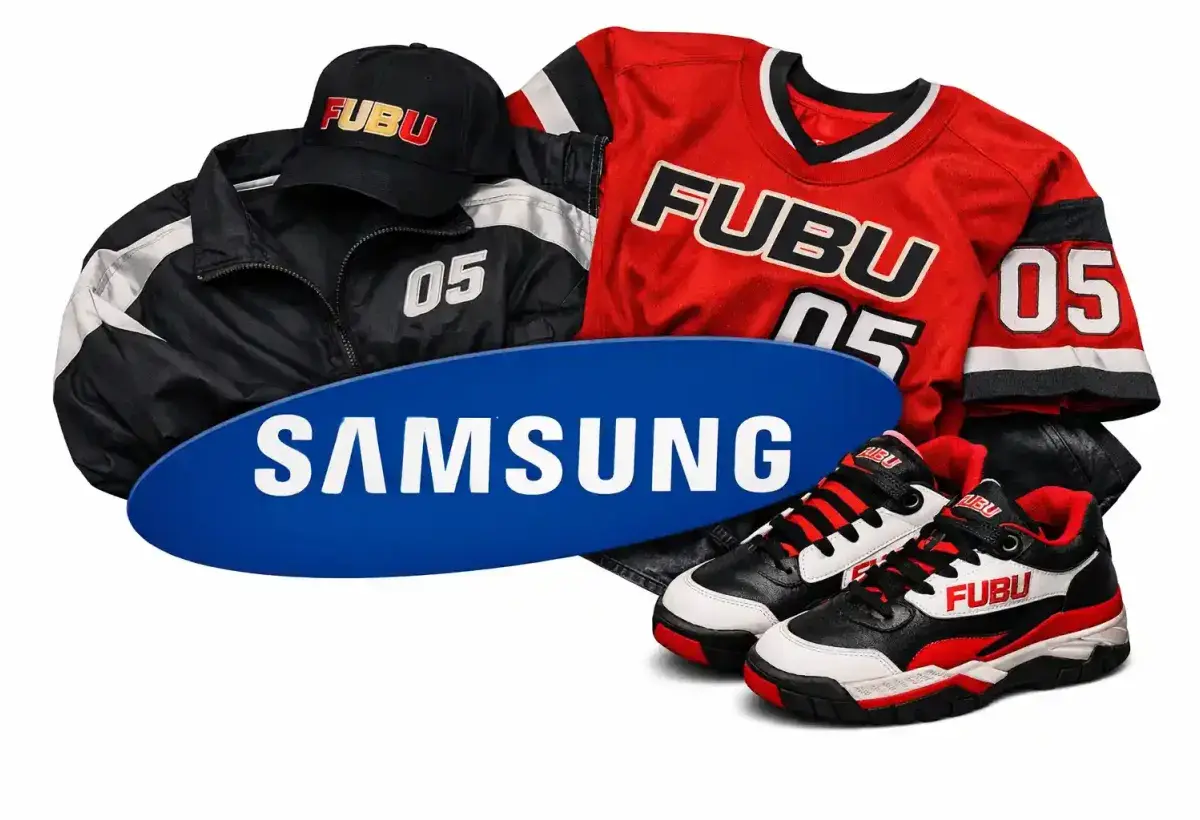
6. The Brand Expanded into a Full Lifestyle Empire
While FUBU is best known for its iconic jerseys and T-shirts, the founders always envisioned something bigger. They wanted FUBU to be a complete lifestyle brand that extended far beyond streetwear.
The company launched Platinum FUBU, a high-end line featuring suits, tuxedos, and even a Fat Albert collection approved by Bill Cosby. Footwear for men and women, intimate apparel, activewear, swimwear, and watches followed. The brand also created FUBU FRAMES in collaboration with Eye Candy Creations USA, expanding into eyewear.
FUBU Records was another ambitious extension. Their 2001 compilation album, The Good Life, reached number fifty-two on the Billboard 200 and number nine on the R&B chart. Other ventures included FUBU Radio, FUBU TV, and even FUBU Mobile stores in Brooklyn.
This expansion showed that the For Us By Us philosophy applied to more than clothes. It was a lifestyle ethos, touching music, media, and everyday products. FUBU became an ecosystem, demonstrating that a brand could reflect culture in multiple dimensions and influence how people dressed, listened, and engaged with their community.
Image
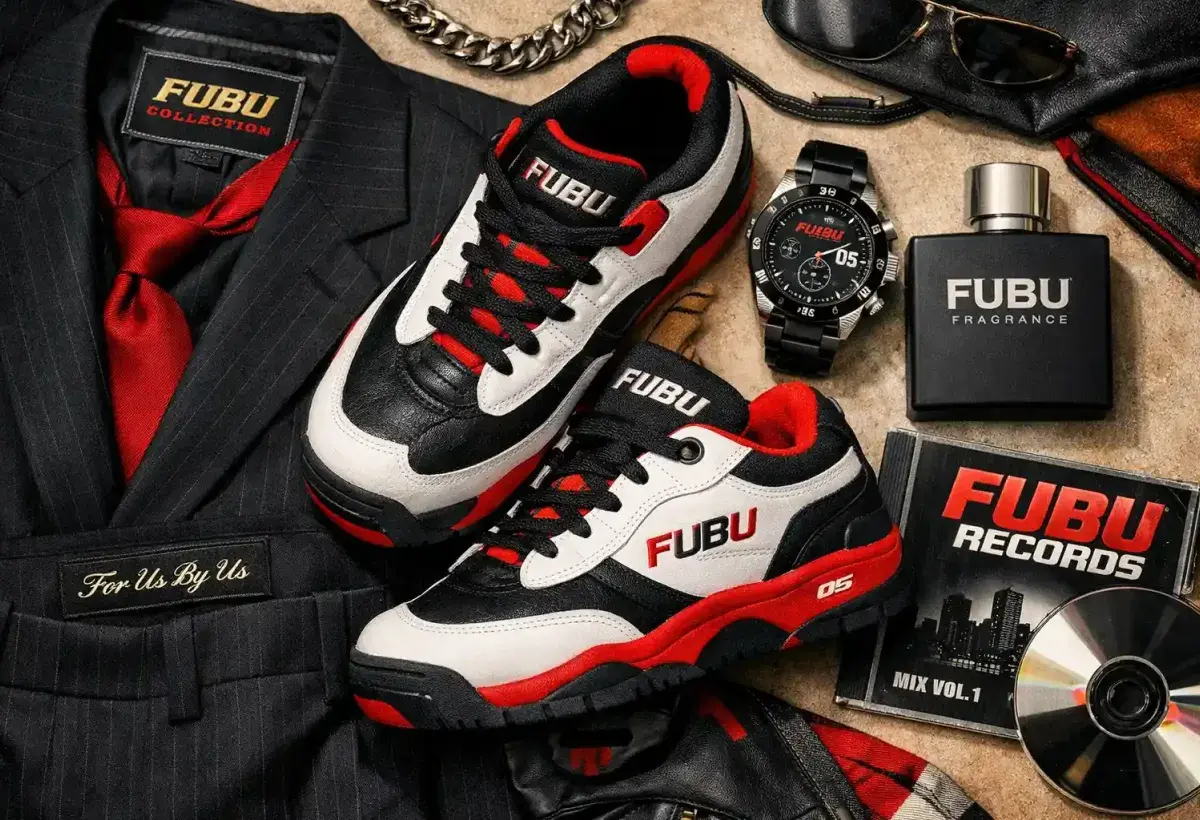
7. The Brand’s Decline Was Due to Oversaturation
After dominating the market for nearly a decade, FUBU faced challenges in the early 2000s. The main issue was oversaturation.
The company expanded rapidly, opening in over five thousand stores worldwide. Daymond John has openly stated that the biggest mistake was purchasing more inventory than demand justified. This surplus created financial strain and forced the brand to reevaluate its strategy.
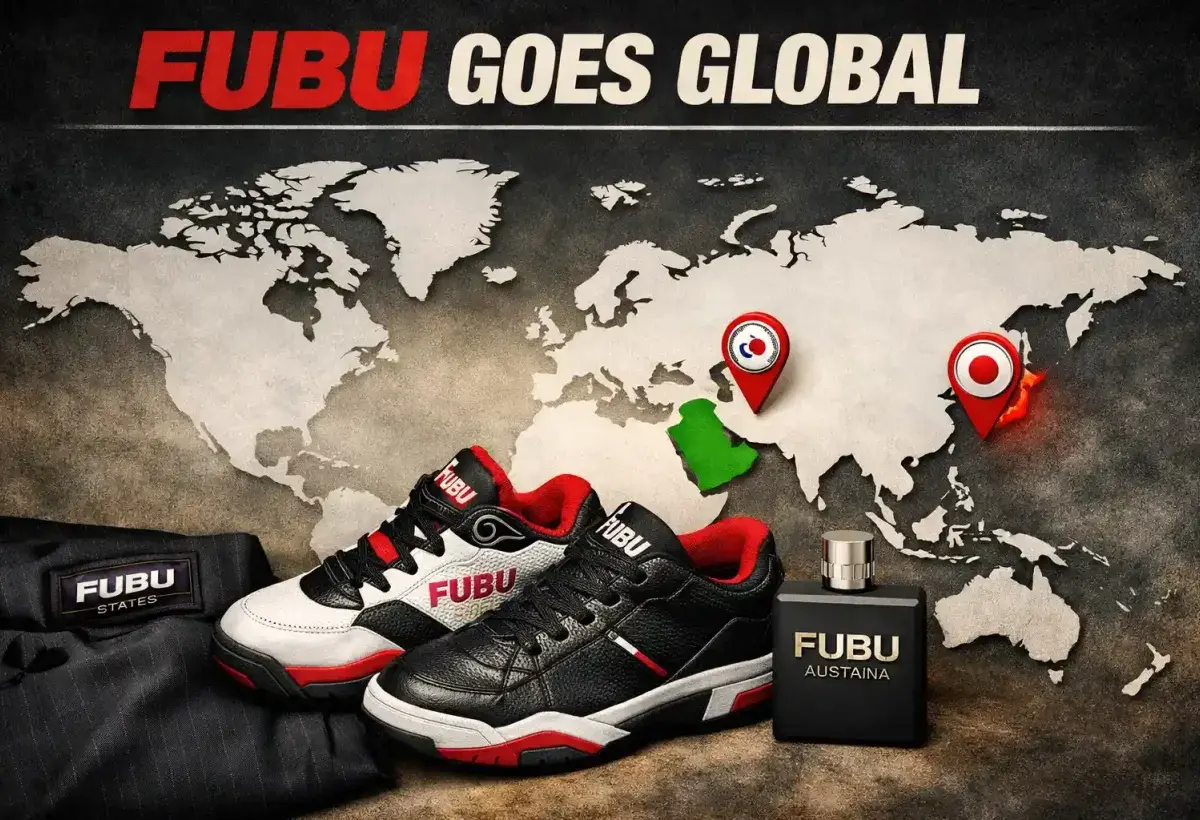
In 2003, FUBU pulled back from the U.S. market and refocused on international sales. Countries such as Saudi Arabia, China, Korea, Japan, and South Africa became primary markets where FUBU maintained strong brand loyalty.
Even during this period, FUBU remained profitable, generating around $200 million annually by 2009. The retrenchment allowed the company to survive, refine its operations, and plan for a strategic comeback.
This chapter shows that growth without balance can create challenges. Oversaturation may inflate short-term success, but sustainable expansion requires careful market analysis and inventory management.
Image
8. The Brand Has Made a Major Comeback in Recent Years
FUBU’s story did not end with its decline. The brand has experienced a powerful resurgence, proving the timeless appeal of its message and aesthetic.
In 2010, FUBU returned to the U.S. under the name FB Legacy. High-profile collaborations reignited interest among both nostalgic fans and younger streetwear enthusiasts. Notably, in 2018, FUBU partnered with Puma to celebrate the fiftieth anniversary of the iconic Puma Suede shoe. This collaboration blended classic FUBU styles with a global sportswear brand.
That same year, FUBU collaborated with Pyer Moss, leading to pieces displayed in the Metropolitan Museum of Art’s In America: A Lexicon of Fashion exhibit. This reinforced FUBU’s status not just as a clothing brand but as a cultural icon.
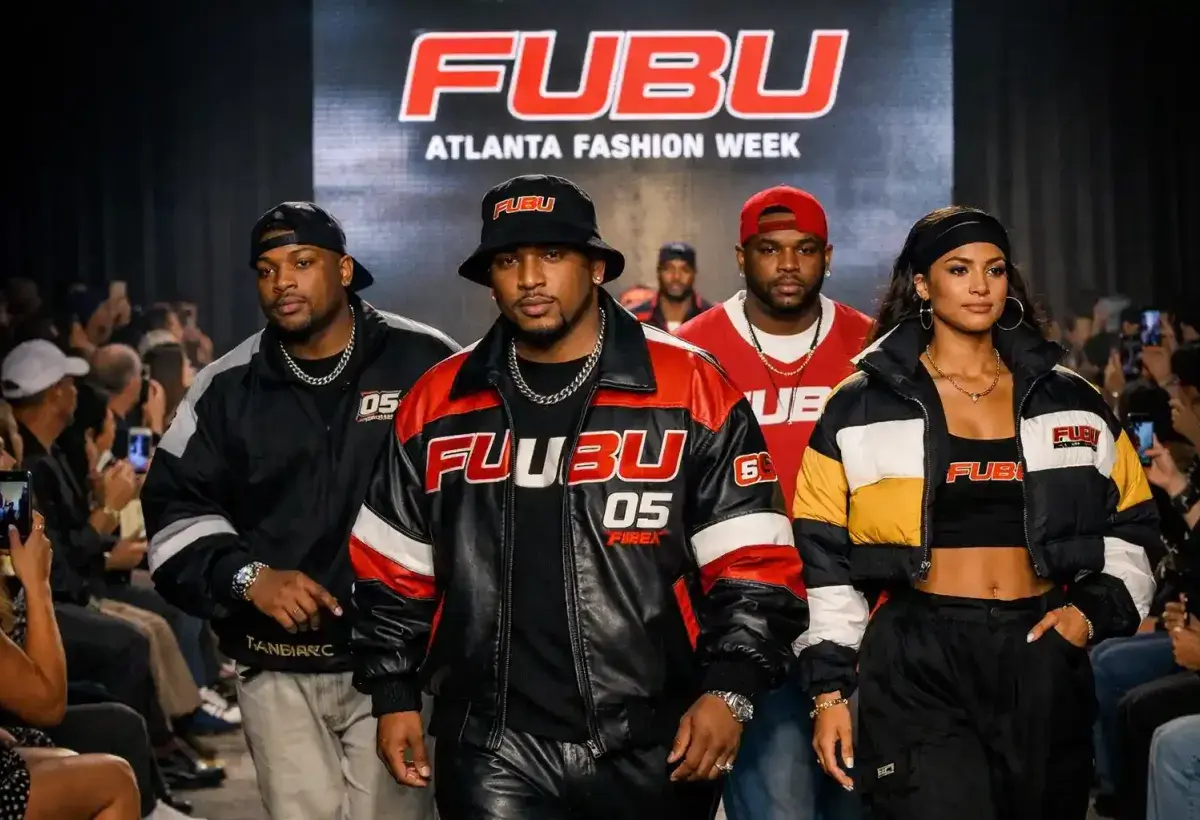
In October 2024, FUBU hosted a runway show at Atlanta Fashion Week. Vintage pieces and new collections demonstrated how the brand bridges past and present. Co-founder Carlton Brown described the event as a homage to FUBU’s evolution, showcasing the brand’s ongoing innovation and relevance.
Image
9. FUBU Is Celebrated in Music, Television, and Art
FUBU has transcended fashion to become a cultural touchstone. The brand appears in music, television, and art, reflecting its enduring impact on society.
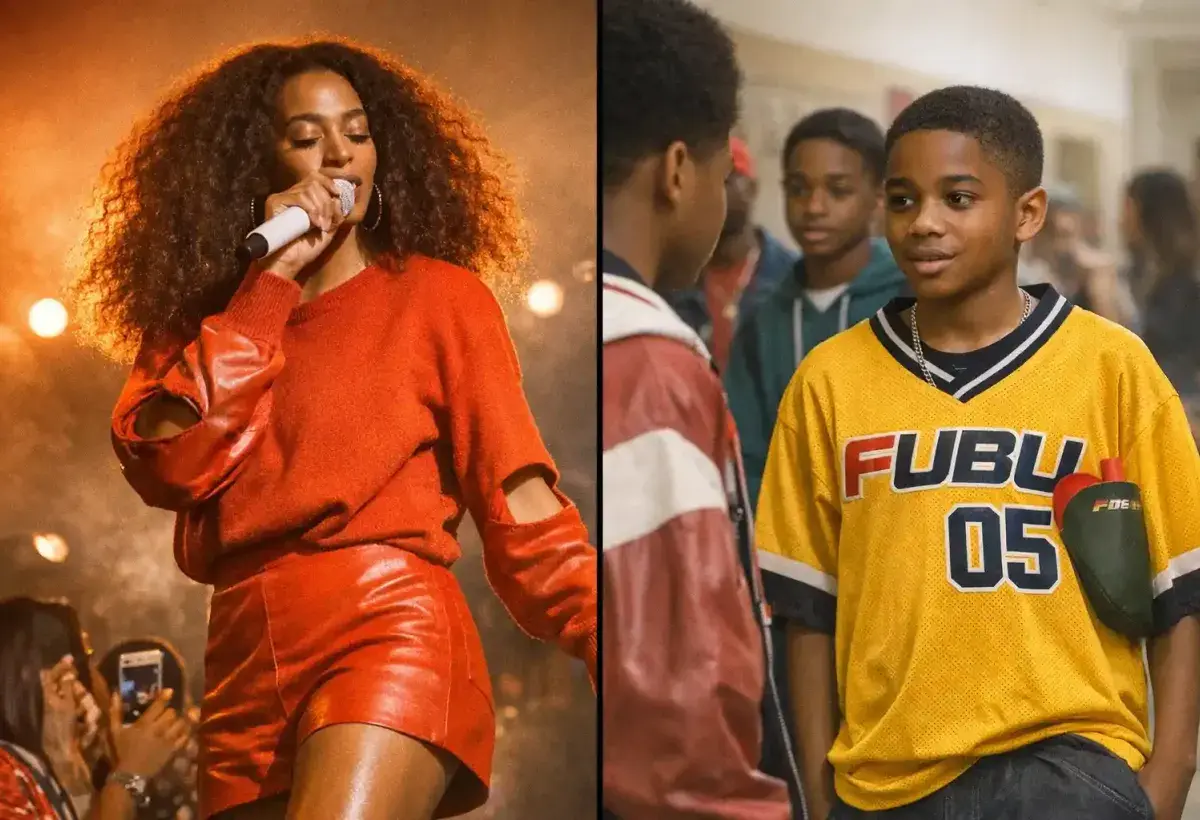
In music, Solange honored FUBU in her 2016 album A Seat at the Table with a song of the same name. The track celebrates Black identity, self-reliance, and community, mirroring the brand’s philosophy.
Television has also spotlighted FUBU. The hit series Atlanta, created by Donald Glover, featured an episode titled FUBU, using a vintage jersey as a central narrative element. The show explored themes of authenticity, childhood, and class, emphasizing the brand’s cultural resonance beyond apparel.
FUBU’s influence even extends to the stage. In 2024, the Broadway musical Hell’s Kitchen, inspired by Alicia Keys’ early life, included a custom FUBU baseball jersey for the lead character. This incorporation of FUBU into theater underscores its role as an artifact of 1990s culture.
Image
10. The Brand Stands for Something Bigger Than Clothing
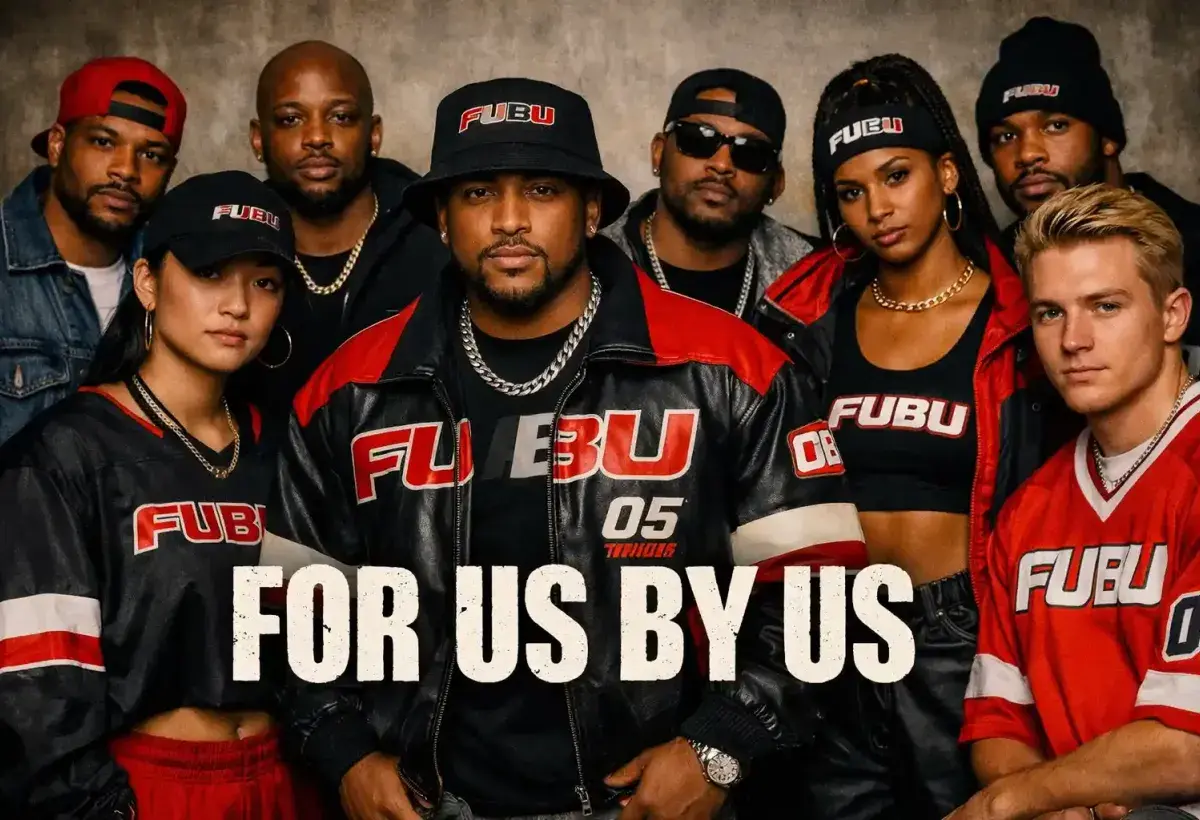
FUBU has always been about more than apparel. The founders built the brand around the principle For Us By Us, addressing a market that often overlooked the Black community.
This philosophy emphasized economic empowerment, cultural pride, and authenticity. FUBU became a symbol of ownership and representation, long before social media made such messaging mainstream.
Daymond John describes FUBU as the first hashtag of clothing, a brand that built community around an idea. Today, this ethos resonates in countless niches, from mompreneurs creating for other moms to innovators serving passionate communities.
Co-founder Carlton Brown emphasized that FUBU is about celebrating everything the brand offers, from suits to bedding, reflecting the For Us By Us philosophy across all products. This enduring principle illustrates how authenticity, connection, and cultural relevance can transform a brand into a symbol that lasts decades.
Image
FUBU’s journey from the streets of Queens to global recognition is a testament to vision, friendship, and perseverance. Forty dollars and a few handmade hats blossomed into a cultural phenomenon that redefined the relationship between hip hop and fashion.
Unexpected opportunities, such as a Gap commercial and a classified ad answered by Samsung, propelled the brand into the national spotlight. Its peak sales demonstrated financial achievement, but its true legacy lies in what it represented: empowerment, community, and authenticity.
Even as the brand experienced decline, it never lost relevance. FUBU’s comeback highlights the cyclical nature of fashion and the enduring value of cultural resonance. Celebrated in music, television, and art, it continues to inspire and influence new generations of designers, consumers, and entrepreneurs.
Over thirty years later, FUBU stands as a reminder that a brand built on genuine connection and cultural pride can transcend clothing. It remains an emblem of resilience, creativity, and the collective spirit of its creators, proving that authenticity and vision are the ultimate hallmarks of success.