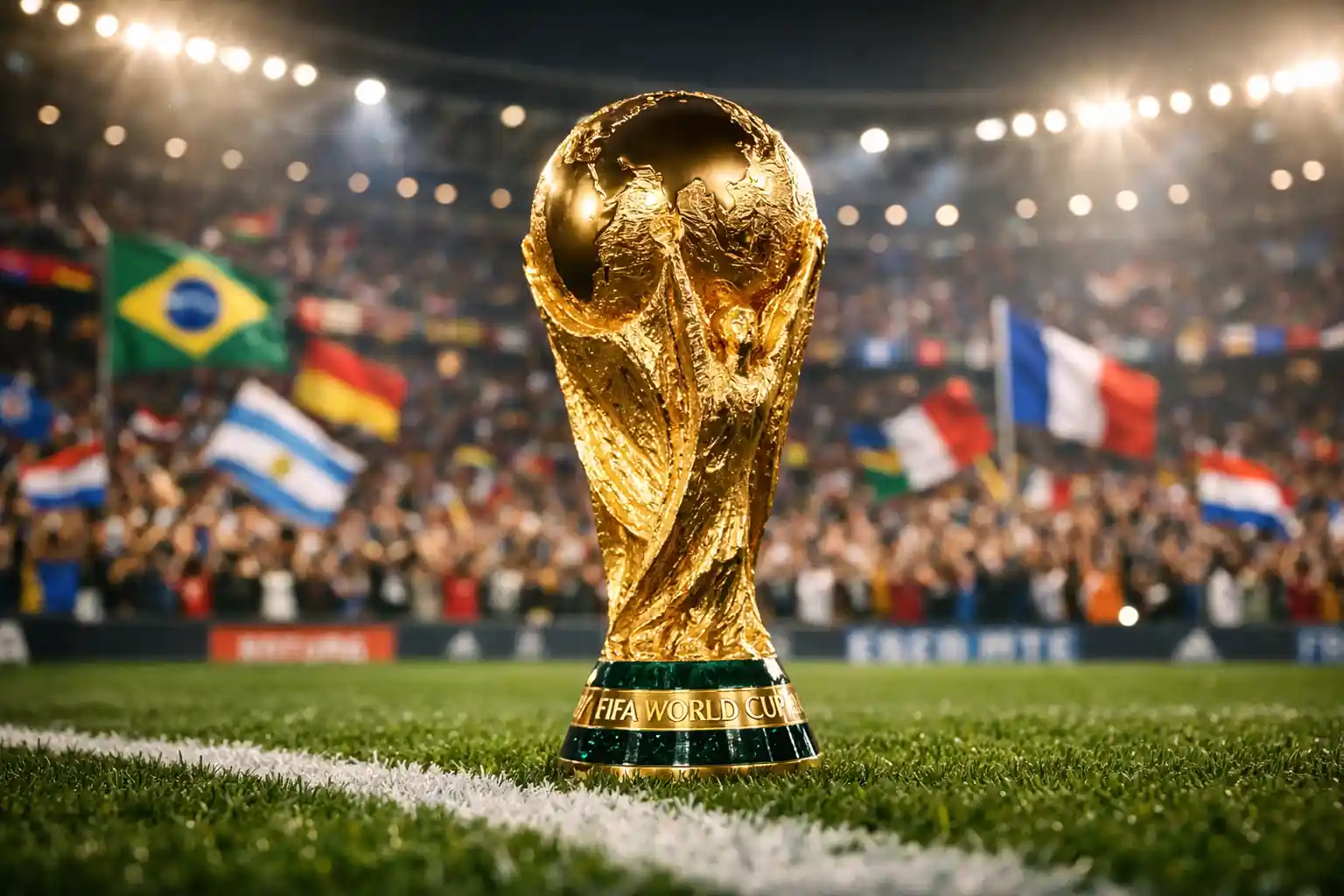
Every four years, billions of people around the world turn their attention to one event that has the power to unite nations, create heroes, and produce unforgettable memories. The FIFA World Cup is far more than a football tournament. It is a global celebration of sport, culture, and human emotion. From dramatic last minute goals to legendary performances that inspire generations, the World Cup has become one of the most watched and anticipated events on Earth.
Since its first edition in 1930, the tournament has grown from a modest competition involving just a handful of teams into a worldwide spectacle featuring the best players from every continent. Fans eagerly follow the journey of their national teams, while even casual viewers are often drawn in by the excitement and drama that only the World Cup can provide. The tournament has witnessed moments of triumph, heartbreak, controversy, and pure joy, all of which have contributed to its rich and fascinating history.
Beyond the matches themselves, the World Cup is filled with surprising stories and remarkable records that many people may not know. Some facts highlight incredible athletic achievements, while others reveal unusual circumstances, historical milestones, and cultural phenomena that have shaped the tournament over the decades. These stories remind us that the World Cup is not just about who wins the trophy. It is also about the unique moments that capture the imagination of fans across the globe.
Whether you are a lifelong football supporter or simply curious about the world's most famous sporting event, these facts offer a fascinating glimpse into the history, records, and memorable moments that make the World Cup truly special.
1. The First FIFA World Cup Was Held in Uruguay in 1930
The very first FIFA World Cup took place in Uruguay in 1930, marking the beginning of what would become the most prestigious tournament in international football. FIFA selected Uruguay as the host nation because the country had recently won Olympic football gold medals in 1924 and 1928 and was celebrating the centenary of its constitution. At the time, international travel was far more difficult than it is today, and many European teams faced a long journey across the Atlantic by ship.
Only thirteen teams participated in the inaugural tournament. Seven came from South America, four from Europe, and two from North America. The small number of participants was largely due to the challenges and costs associated with travel. Despite these obstacles, the tournament captured global attention and laid the foundation for future editions.
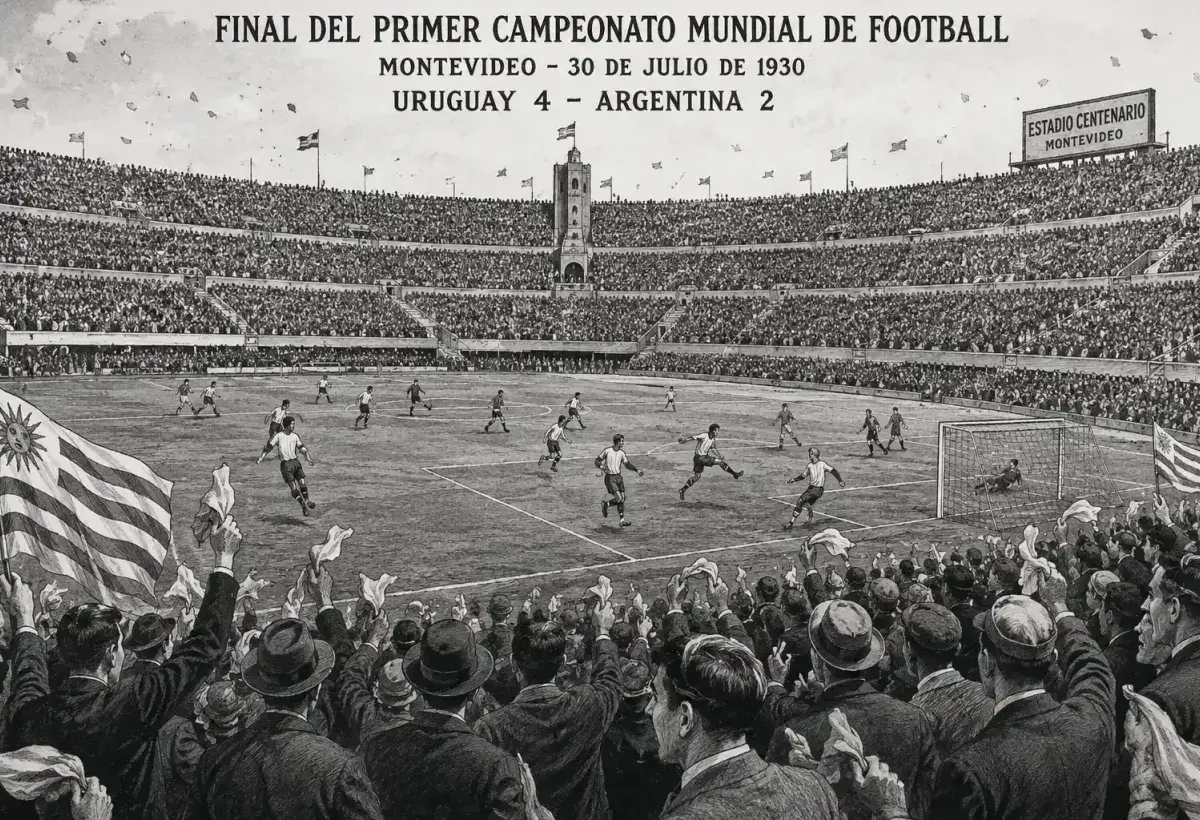
Uruguay proved to be a worthy host. The final was played in Montevideo at the Estadio Centenario, a stadium built specifically for the tournament. In front of a passionate crowd, Uruguay defeated Argentina 4 to 2 to become the first ever World Cup champion. The victory sparked massive celebrations across the country and established Uruguay as one of the early powers of international football.
Image
What makes this fact especially interesting is how humble the tournament's beginnings were compared to the modern World Cup. Today, the competition features dozens of matches, billions of viewers, and enormous commercial interest. In 1930, it was an ambitious experiment that many people were unsure would succeed. The success of that first tournament demonstrated the universal appeal of football and convinced FIFA to continue organizing the event every four years.
The inaugural World Cup also introduced traditions that still exist today, such as national team pride, passionate supporters, and the dream of lifting a global trophy. Even though the tournament was much smaller than it is now, its impact on the history of sport was enormous. The 1930 World Cup remains a landmark event that transformed football into a truly global competition.
2. Brazil Is the Most Successful World Cup Nation
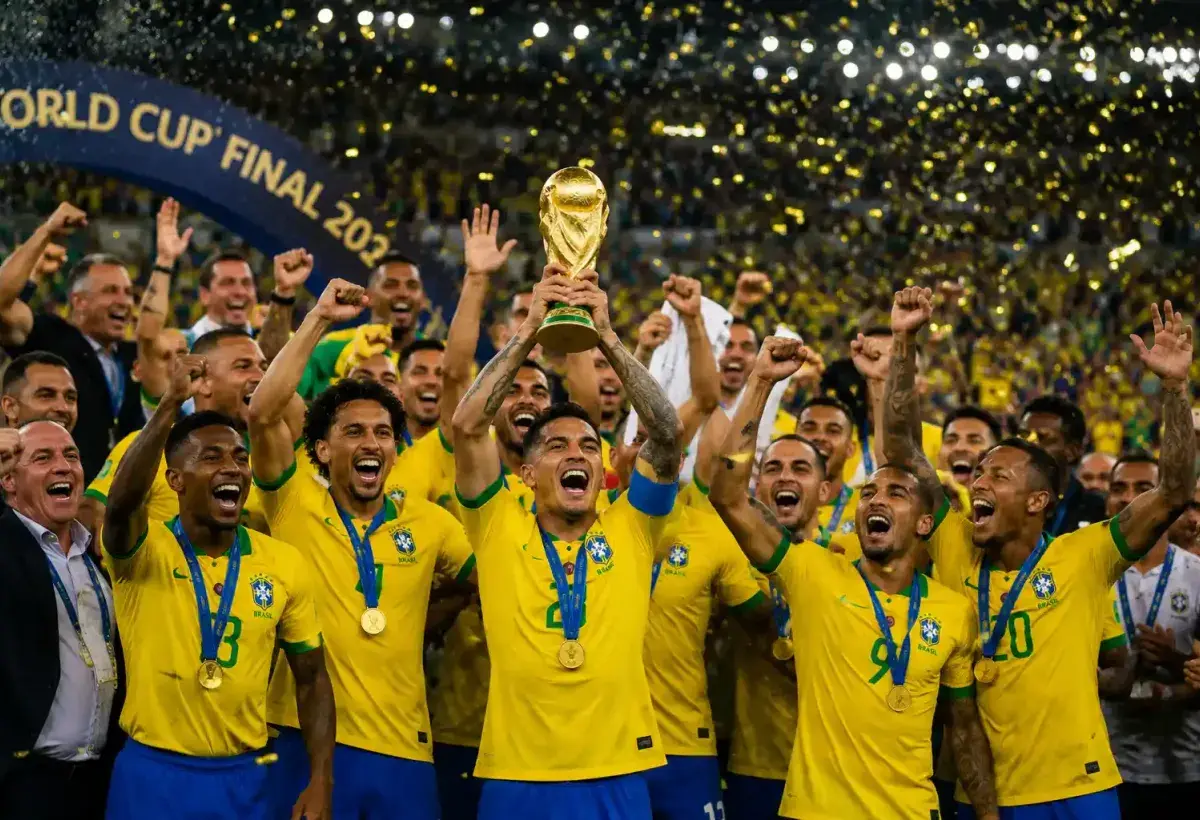
Brazil holds the record for the most FIFA World Cup titles, having won the tournament five times. The Brazilian national team claimed its championships in 1958, 1962, 1970, 1994, and 2002. This remarkable achievement has helped establish Brazil as one of the most iconic and respected football nations in history.
One of the most fascinating aspects of Brazil's success is the style of football that became associated with the country. Brazilian teams have often been celebrated for their creativity, flair, technical skill, and attacking play. Generations of legendary players, including Pelé, Garrincha, Romário, Ronaldo, and Ronaldinho, have contributed to Brazil's rich football heritage and captivated fans around the world.
The 1970 World Cup team is frequently regarded as one of the greatest football teams ever assembled. Led by Pelé, Brazil dazzled audiences with beautiful passing, intelligent movement, and spectacular goals. Their victory in Mexico not only secured another championship but also cemented the nation's reputation for producing extraordinary football talent.
Image
Brazil's consistency is also impressive. The country is the only nation to have qualified for every FIFA World Cup tournament since the competition began. This uninterrupted presence highlights the depth of football culture in Brazil and the nation's ability to produce world class players across many generations.
Another fun detail is that Brazil was the first team to win three World Cups, which allowed the country to keep the original Jules Rimet Trophy permanently in 1970. Although the trophy was later stolen and never recovered, the achievement remains a significant milestone in World Cup history.
For many football fans, Brazil embodies the spirit of the World Cup. The nation's colorful supporters, famous yellow shirts, and tradition of exciting football have made Brazilian teams a favorite attraction at nearly every tournament. Whether Brazil wins or loses, its presence always adds excitement and prestige to the World Cup stage.
3. Pelé Won the World Cup Three Times
Pelé is widely regarded as one of the greatest football players of all time, and one of his most extraordinary achievements is winning the FIFA World Cup three times. He lifted the trophy with Brazil in 1958, 1962, and 1970, making him the only player in history to win three World Cup titles.
Pelé's first triumph came when he was just seventeen years old. During the 1958 tournament in Sweden, he scored six goals, including two in the final against the host nation. His performance announced the arrival of a football superstar and helped Brazil secure its first World Cup championship.
In 1962, Pelé entered the tournament as the world's most famous player. Although an injury limited his participation, Brazil still went on to defend its title successfully. The team's victory demonstrated the strength of Brazilian football during that era.
Image
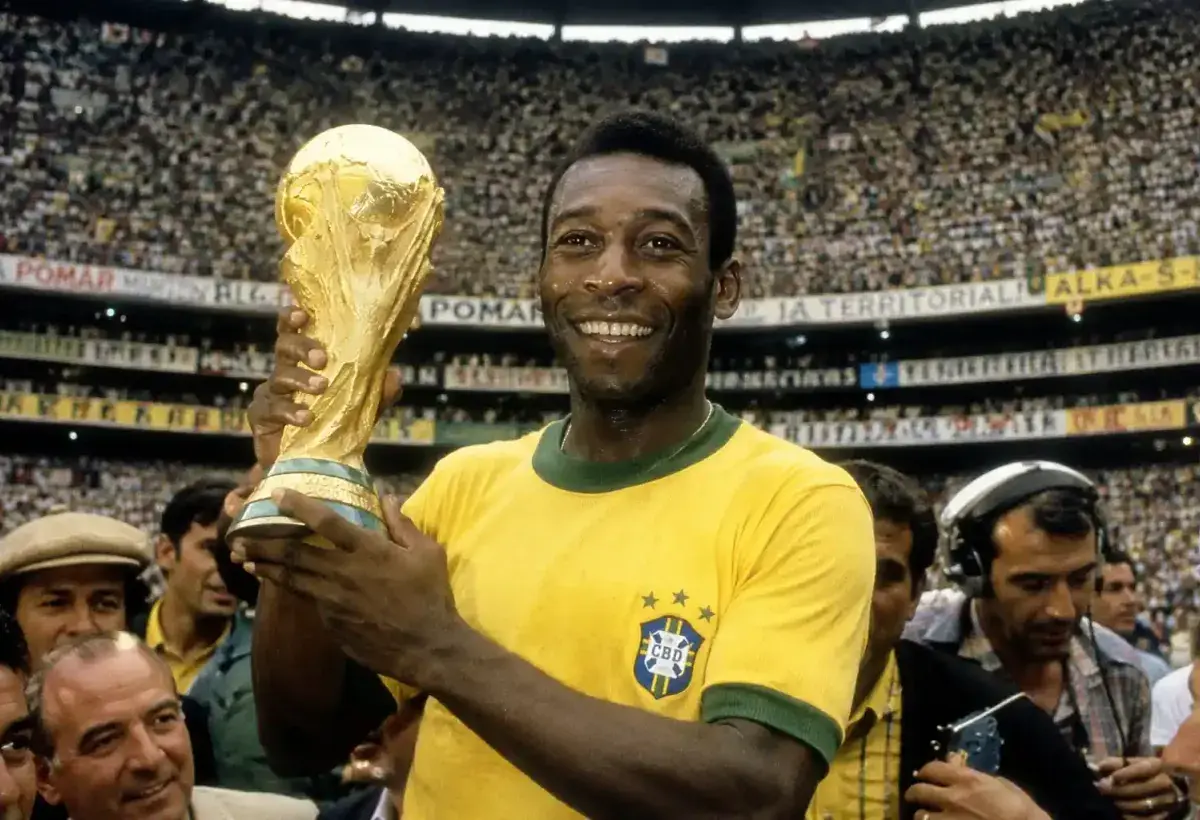
Pelé's third World Cup win in 1970 is often considered the crowning achievement of his career. Brazil's team played some of the most beautiful football ever seen, and Pelé was at the heart of it. He scored in the final against Italy and contributed with his vision, passing, and leadership throughout the tournament.
Beyond the trophies, Pelé's influence on the World Cup was immense. He became a global ambassador for football and helped popularize the sport in countries where it was not yet widely followed. His performances inspired millions of young players and elevated the World Cup's international profile.
Another fun fact is that Pelé scored goals in four different World Cups. His longevity and ability to perform on the biggest stage are part of what makes his legacy so remarkable. Even decades after his playing career ended, his name remains synonymous with World Cup greatness.
For many fans, Pelé represents the magic of the World Cup: youthful brilliance, unforgettable goals, and the ability to bring joy to people around the world through football.
4. The Fastest Goal in World Cup History Was Scored in Just 11 Seconds
One of the most astonishing records in FIFA World Cup history is the fastest goal ever scored. This incredible feat was achieved by Turkey's Hakan Şükür during the 2002 World Cup third place match against South Korea. He found the net just 11 seconds after kickoff.
The goal came from an immediate mistake by the South Korean defense. Turkey quickly capitalized, and Şükür reacted with remarkable speed and composure to score before many spectators had even settled into their seats. The moment stunned the crowd and set a record that still stands today.
What makes this achievement particularly impressive is the pressure of the World Cup stage. Scoring in any World Cup match is difficult, but doing so within seconds of the opening whistle requires anticipation, alertness, and precise execution. Şükür's goal instantly became one of the tournament's most memorable moments.
Image
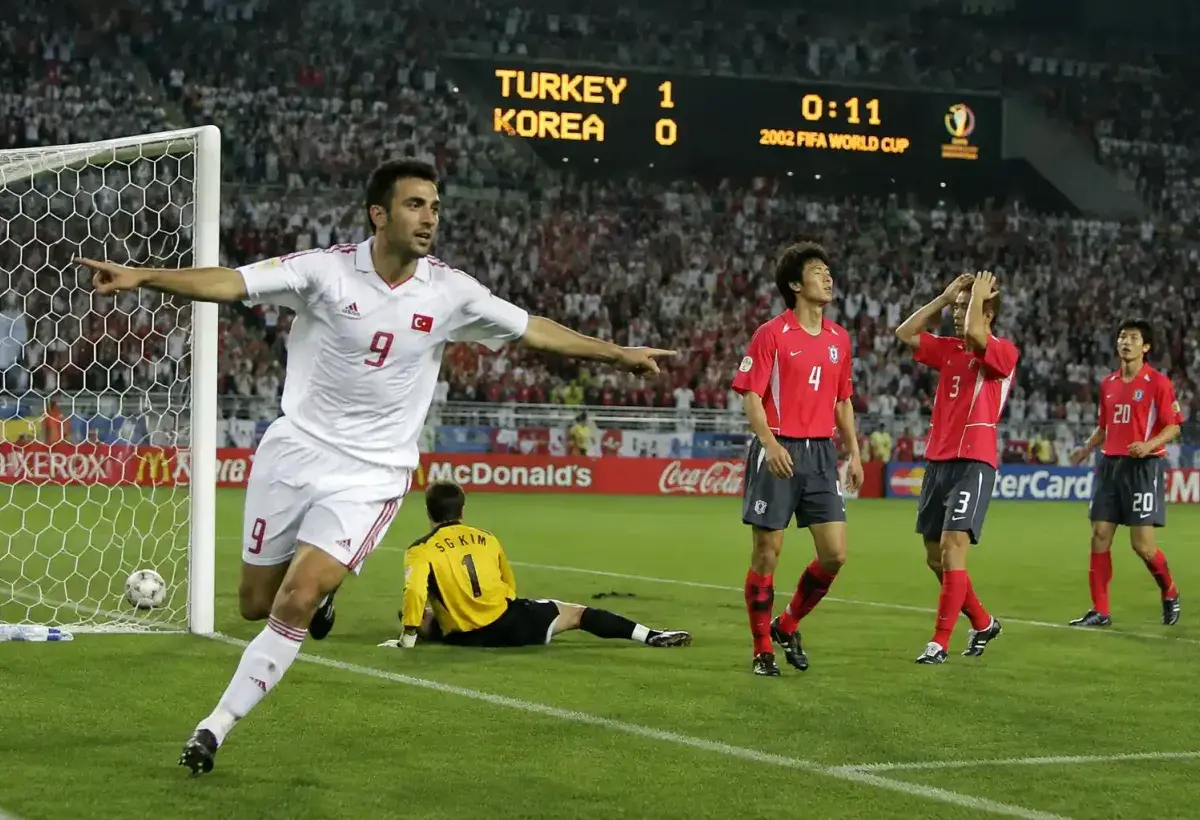
Interestingly, the match itself was highly entertaining. Turkey went on to win 3 to 2 and secure third place in the tournament, which remains the country's best World Cup finish. While Turkey's overall performance was celebrated, Şükür's record breaking goal became the headline that football fans remember most.
Fast goals have always fascinated supporters because they can completely change the dynamics of a match. An early strike forces the opposing team to adjust its tactics immediately and can create a sense of urgency from the very beginning. The World Cup has seen many quick goals over the years, but none have surpassed the speed of Şükür's remarkable finish.
This record also highlights how unpredictable football can be. A game that is expected to develop gradually can suddenly explode into action within moments. For fans, that unpredictability is part of what makes the World Cup so exciting and why every second of a match can matter.
5. The World Cup Trophy Is Made of Solid Gold
The FIFA World Cup Trophy is one of the most recognizable and prestigious awards in sports. The current trophy, introduced in 1974, is made primarily of 18 carat gold and stands about 36 centimeters tall. It weighs approximately 6.1 kilograms and depicts two human figures holding up the Earth.
The trophy replaced the original Jules Rimet Trophy, which had been used from 1930 through 1970. After Brazil won its third World Cup in 1970, the Jules Rimet Trophy was permanently awarded to the Brazilian Football Confederation, prompting FIFA to commission a new design for future tournaments.
The current trophy was created by Italian sculptor Silvio Gazzaniga. He wanted the design to convey a sense of triumph, athleticism, and global unity. The result is a striking sculpture that has become a symbol of football excellence recognized around the world.
Image
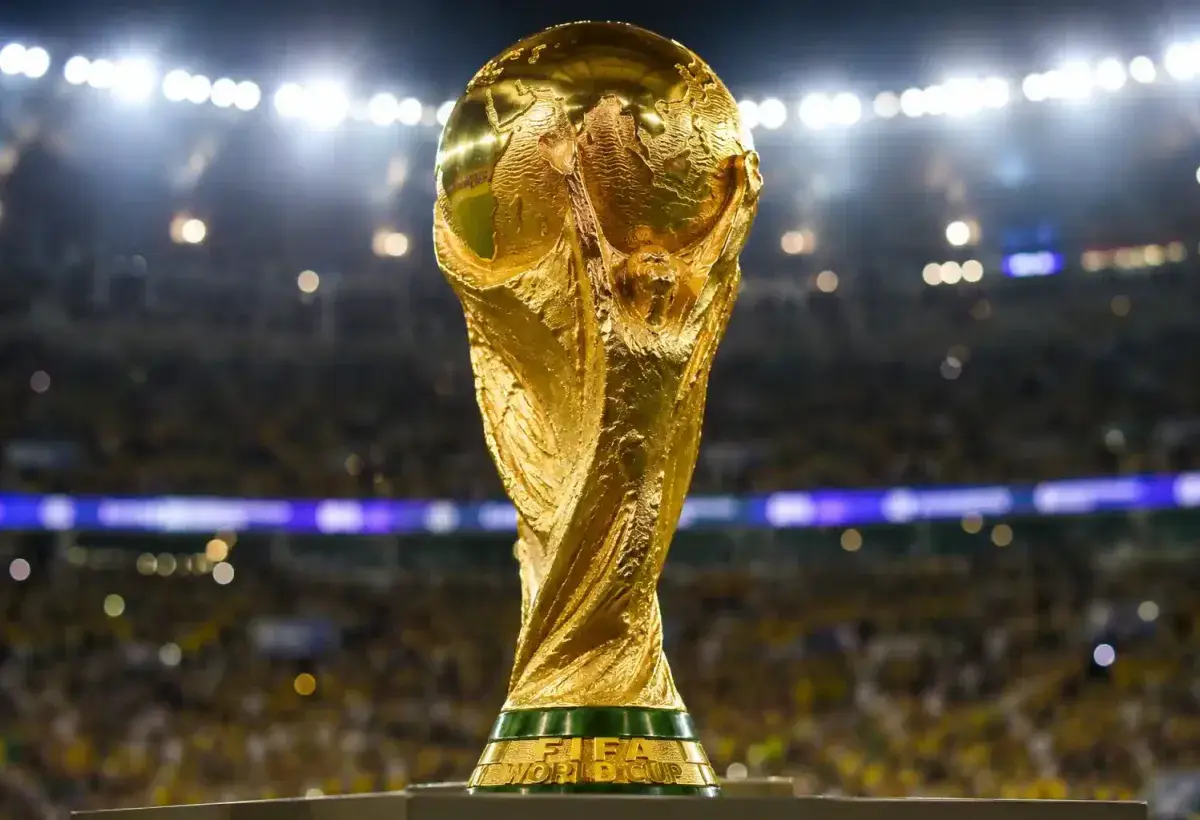
One fun fact is that the winning team does not get to keep the original trophy permanently. Instead, the champions receive a gold plated replica while the authentic trophy remains in FIFA's possession. This policy helps preserve the iconic original and ensures it can continue to be displayed at future tournaments and events.
The trophy's journey around the world is also fascinating. Before each World Cup, it is often taken on international tours, allowing fans in different countries to see it up close. Security surrounding the trophy is extremely tight due to its immense value, both financially and symbolically.
For players, lifting the World Cup Trophy is considered the ultimate achievement in international football. Countless athletes have dreamed of that moment, and images of captains raising the trophy have become some of the most enduring photographs in sports history. The trophy represents not only victory on the field but also national pride, teamwork, and years of dedication.
Its golden appearance, unique design, and rich history have made the FIFA World Cup Trophy one of the most famous sporting prizes on the planet.
6. The 1950 World Cup Final Was Attended by Nearly 200,000 People
The 1950 FIFA World Cup produced one of the most remarkable attendance figures in sports history. The decisive match between Brazil and Uruguay at the Maracanã Stadium in Rio de Janeiro drew an estimated crowd of nearly 200,000 spectators. Although exact numbers vary, it is widely regarded as the largest attendance ever recorded for a World Cup match.
Brazil entered the game as the overwhelming favorite. The host nation needed only a draw to secure the championship, and the atmosphere inside the stadium was one of celebration even before kickoff. Brazilian fans expected to witness their team claim its first World Cup title on home soil.
Uruguay, however, had other plans. After Brazil took the lead early in the second half, Uruguay mounted a dramatic comeback and scored twice to win 2 to 1. The result stunned the enormous crowd and became known as the “Maracanazo,” one of the greatest upsets in football history.
Image
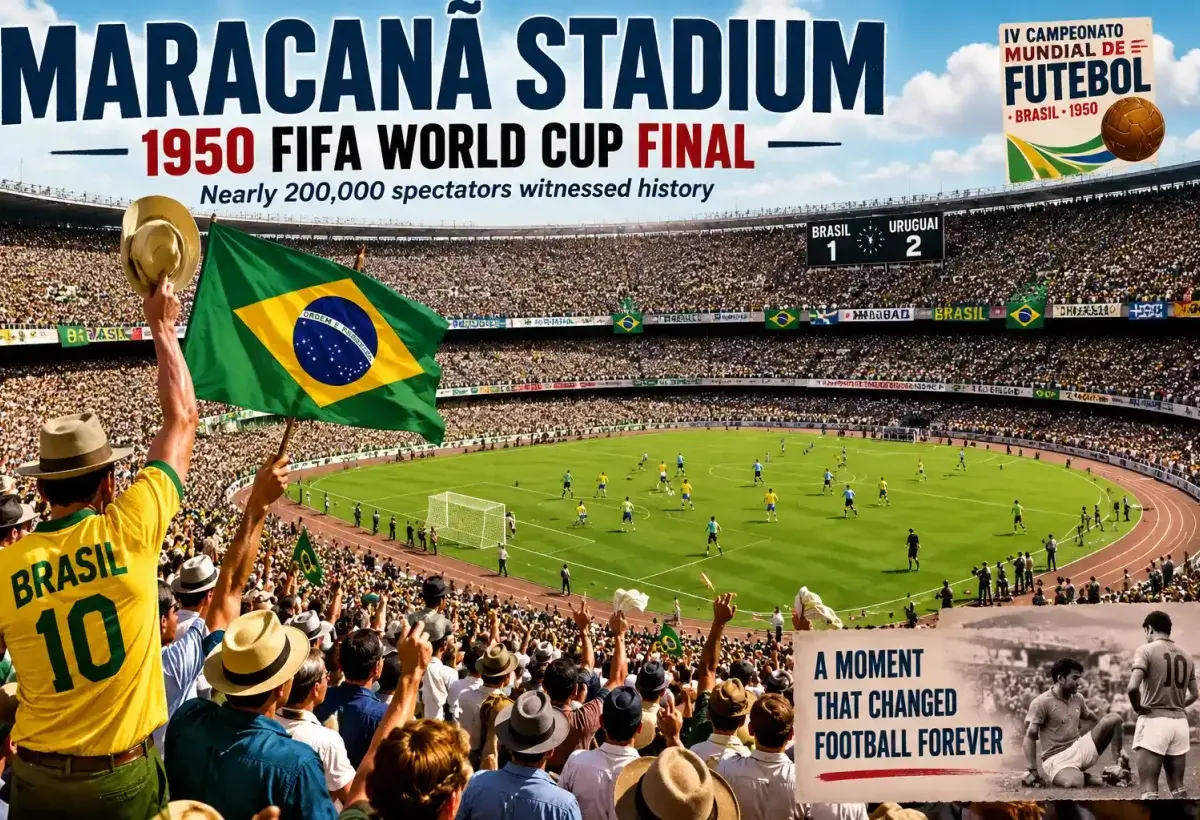
The match had a profound emotional impact on Brazil. Many fans were left speechless, and the defeat became a defining moment in the nation's football history. For Uruguay, the victory remains one of the country's proudest sporting achievements.
What makes this fact especially fascinating is the scale of the event. Modern stadiums are designed with stricter safety regulations and typically hold far fewer spectators. The Maracanã crowd of 1950 represents an era when football's popularity was already immense, even though television coverage was still limited compared to today.
The “Maracanazo” is remembered not only for its shocking result but also for the incredible atmosphere created by one of the largest crowds ever assembled for a football match. It remains a powerful reminder of the passion that the World Cup inspires and the unforgettable drama that can unfold on the sport's biggest stage.
7. Miroslav Klose Is the All Time Leading World Cup Goal Scorer
Germany's Miroslav Klose holds the record for the most goals scored in FIFA World Cup history. Over four tournaments from 2002 to 2014, he scored an incredible 16 goals, surpassing the previous record of 15 held by Brazil's Ronaldo.
Klose's World Cup journey began in 2002 when he scored five goals and helped Germany reach the final. He continued to be a reliable scorer in 2006 and 2010, demonstrating remarkable consistency over many years. His record breaking moment came during the 2014 tournament in Brazil, where he scored against the host nation in the semifinal.
What makes Klose's achievement particularly impressive is his longevity. Maintaining elite performance across four World Cups requires exceptional fitness, professionalism, and adaptability. Many great strikers shine in one tournament, but few remain effective at the highest level for more than a decade.
Image
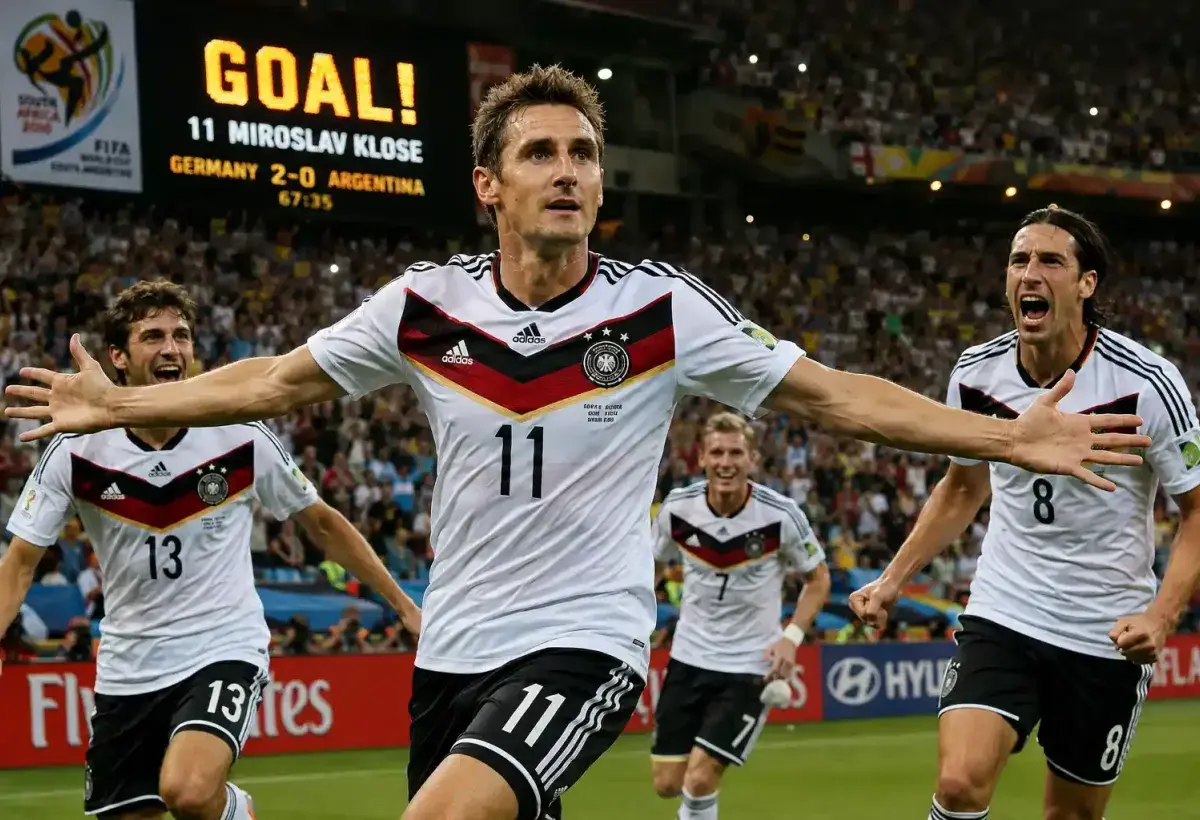
Klose was not known for flashy skills or spectacular long range shots. Instead, he built his success on intelligent positioning, aerial ability, and clinical finishing. His style demonstrated that efficiency and consistency can be just as valuable as individual brilliance.
Another interesting detail is that Klose won the World Cup in his final tournament in 2014. Germany's victory in Brazil provided a perfect ending to his international career and added a team achievement to his personal record.
The record is considered one of the toughest in World Cup history. Modern tournaments feature fewer matches than many club competitions, so accumulating 16 goals on the international stage is an extraordinary accomplishment. Future stars will need not only exceptional talent but also multiple successful World Cup campaigns to challenge Klose's mark.
For football fans, Klose's record represents the importance of consistency, teamwork, and performing when it matters most. His name is now permanently linked to World Cup history as the tournament's greatest goal scorer.
8. The World Cup Has Been Hosted on Five Different Continents
The FIFA World Cup has truly become a global event, with tournaments being hosted on five different continents. Since 1930, the competition has taken place in South America, Europe, North America, Africa, and Asia, reflecting the worldwide reach of football.
South America hosted the first tournament in Uruguay, while Europe has been home to many memorable editions, including those in Italy, France, Germany, and Russia. North America has hosted the tournament in Mexico and the United States, with Mexico becoming the first country to host it twice before the 2026 edition expands across the United States, Canada, and Mexico.
A major milestone came in 2002 when Japan and South Korea became the first Asian countries to host the World Cup. The tournament introduced new audiences and showcased football's growing popularity across Asia. Another historic moment occurred in 2010 when South Africa became the first African nation to host the event.
Image
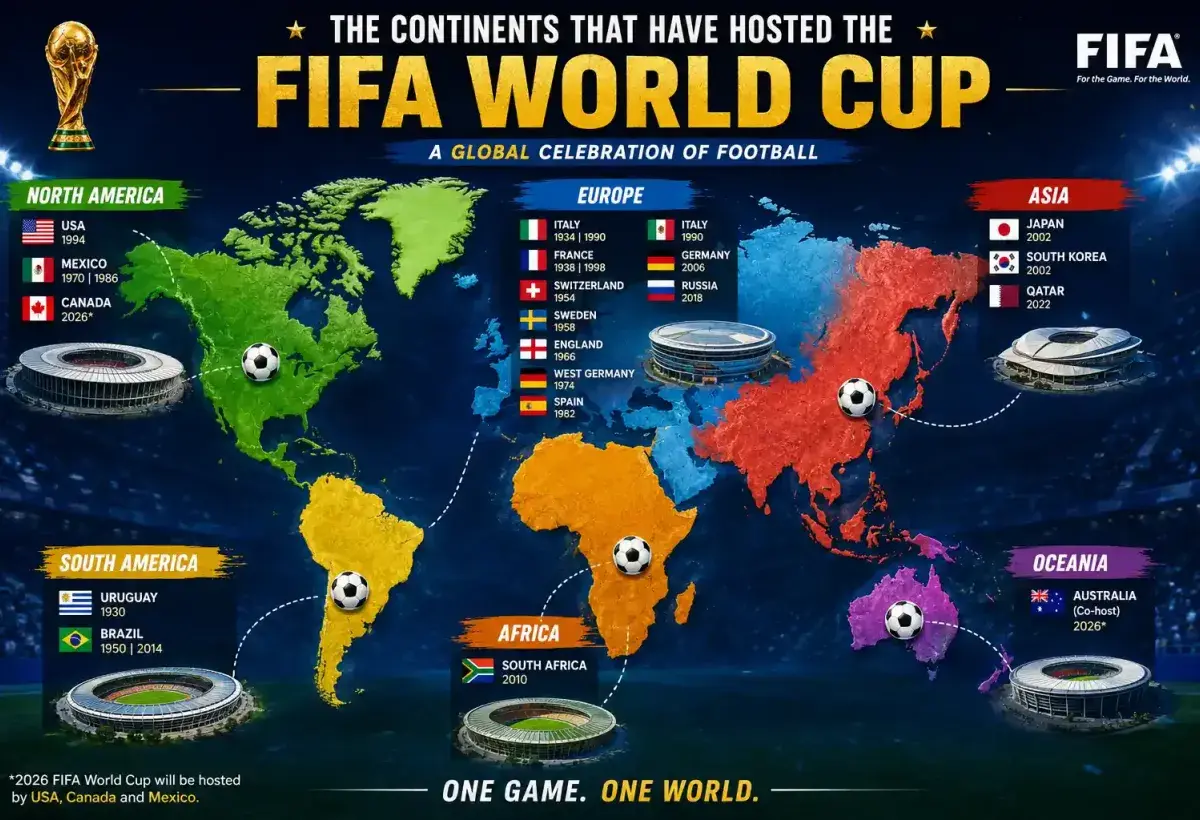
The spread of hosting rights across continents demonstrates FIFA's efforts to make the tournament accessible to fans around the world. Each host nation brings its own culture, traditions, and atmosphere, giving every World Cup a unique identity. From the samba rhythms of Brazil to the vibrant celebrations of South Africa, the tournament often becomes a showcase for the host country's heritage.
Hosting the World Cup can also have a lasting impact on infrastructure, tourism, and international recognition. Many host nations invest heavily in stadiums, transportation networks, and public facilities in preparation for the event.
The fact that the World Cup has been staged across five continents highlights football's status as a truly global sport. Few events can unite people from so many different cultures and backgrounds in a shared celebration of competition and national pride. As the tournament continues to expand its reach, its international character remains one of its most defining features.
9. The 2022 World Cup Was the First Held in the Middle East
The 2022 FIFA World Cup marked another historic first by becoming the first tournament ever held in the Middle East. Qatar hosted the competition, bringing the world's biggest football event to a region that had never before staged a World Cup.
One of the most unusual aspects of the tournament was its timing. Because of Qatar's extremely hot summer climate, the World Cup was moved from its traditional June and July schedule to November and December. This was the first time the tournament had been held during the Northern Hemisphere winter.
Qatar invested heavily in infrastructure, building modern stadiums, transportation systems, and fan facilities. The compact geography of the host nation allowed supporters to attend multiple matches in different cities within a short period of time, creating a unique tournament experience.
Image
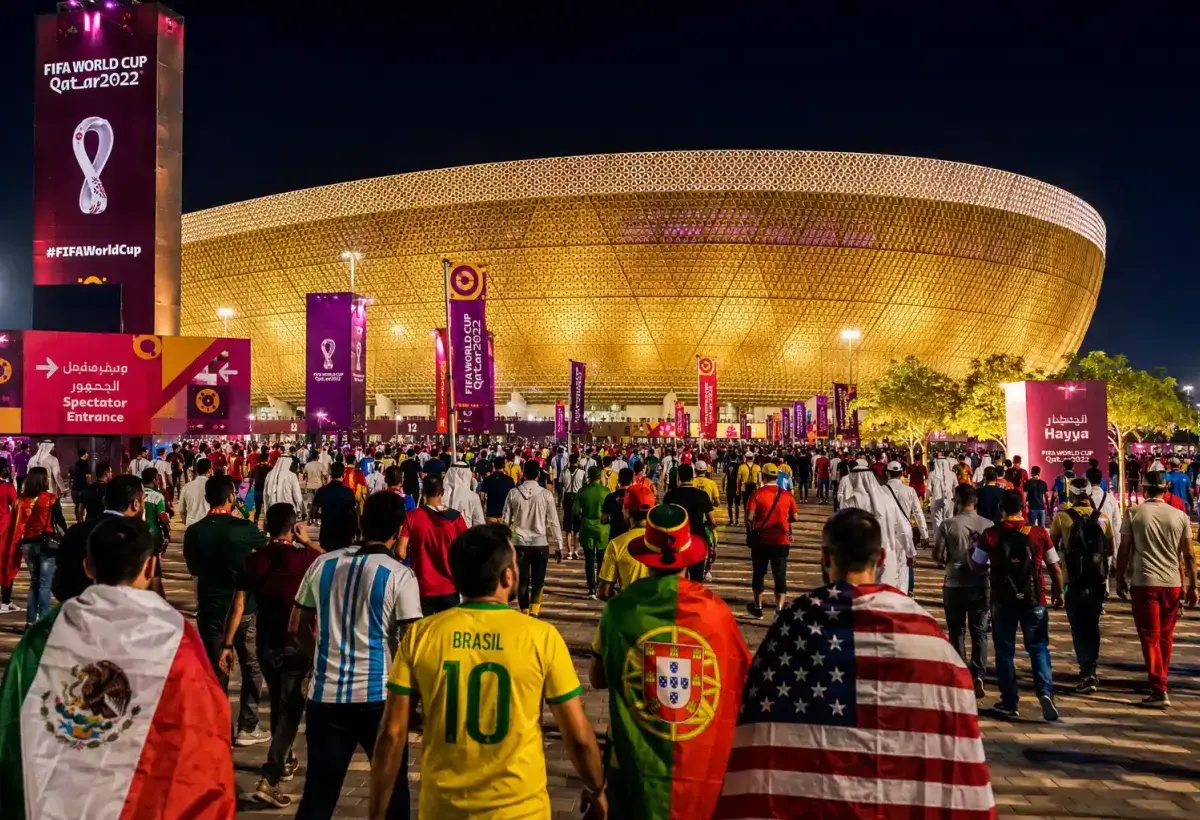
The 2022 tournament also produced memorable football moments. Argentina won the championship, and the final against France is widely regarded as one of the greatest World Cup matches ever played. The dramatic contest featured multiple lead changes, extra time, and a penalty shootout before Argentina emerged victorious.
Beyond the football, the event attracted global attention for its cultural significance. Hosting the World Cup in the Middle East introduced many visitors to the region's traditions, architecture, and hospitality. It also demonstrated how football continues to expand into new markets and connect diverse communities.
The success of the tournament showed that the World Cup can thrive in different environments and cultures. By bringing the competition to the Middle East for the first time, FIFA added a new chapter to the tournament's history and further strengthened its reputation as a truly worldwide event.
10. The World Cup Final Is One of the Most Watched Events on Earth
The FIFA World Cup final is consistently one of the most watched sporting events on the planet. Hundreds of millions of people tune in to watch the match, and total global audiences often reach into the billions when accounting for viewers who watch at home, in public spaces, and through digital platforms.
What makes the final so special is that it represents the culmination of years of preparation and weeks of intense competition. National teams battle through qualifying campaigns, group stage matches, and knockout rounds for the chance to compete for football's greatest prize. By the time the final arrives, the stakes could not be higher.
The match often becomes a shared global experience. Families, friends, and entire communities gather to watch the game, regardless of whether their own country is involved. The World Cup final has the unique ability to capture the attention of both dedicated football fans and casual viewers who may watch only this one match.
Image
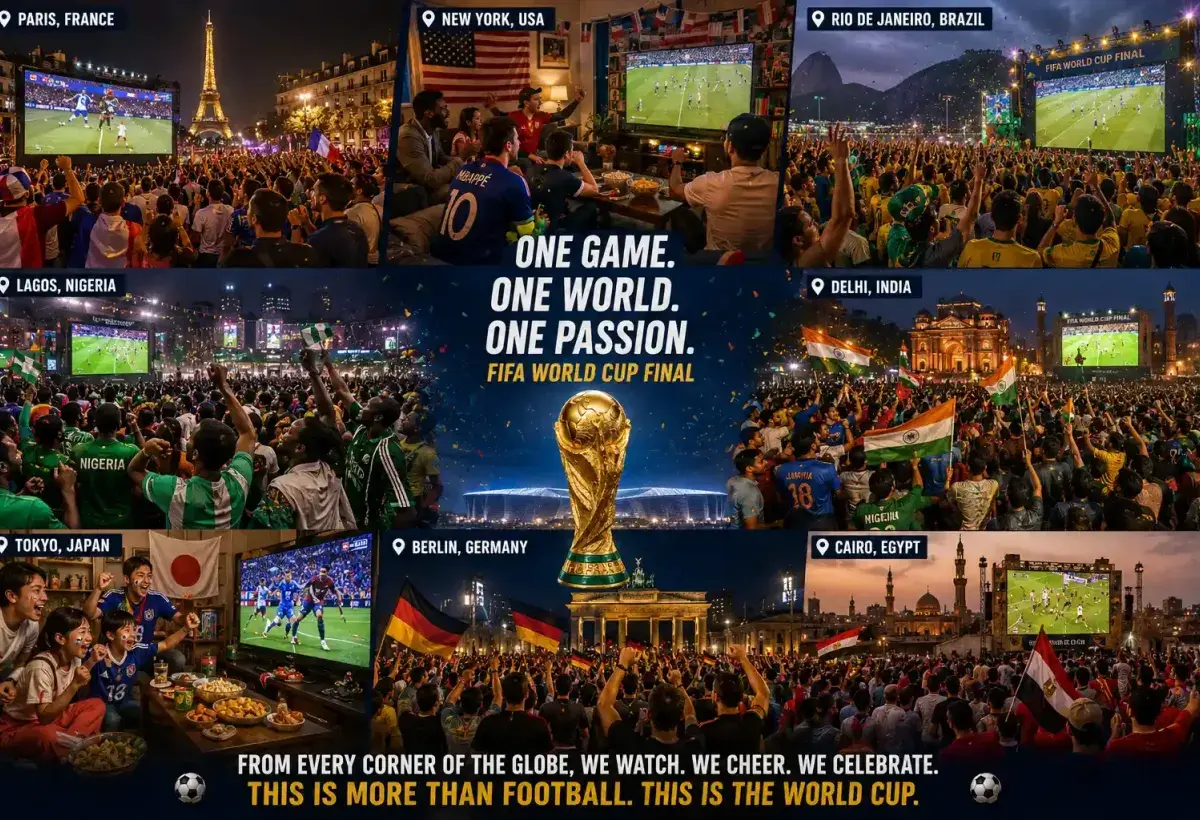
Historic finals have produced some of the most iconic moments in sports history. From Pelé's brilliance in 1970 to Diego Maradona's triumph in 1986 and the dramatic Argentina versus France final in 2022, the World Cup final has repeatedly delivered unforgettable drama and emotion.
The enormous audience also reflects football's universal appeal. Unlike many sports that are concentrated in specific regions, football is played and followed in nearly every country. The World Cup final serves as a global celebration that transcends language, culture, and geography.
For players, appearing in a World Cup final is often considered the pinnacle of a football career. For fans, it is an event that creates lasting memories and sparks conversations for years to come. The extraordinary viewership numbers are a testament to the tournament's unmatched ability to bring the world together through sport.
The FIFA World Cup is much more than a football tournament. It is a global phenomenon that has captured the imagination of fans for nearly a century. From the humble beginnings of the 1930 tournament in Uruguay to the modern spectacle watched by billions around the world, the World Cup has continually evolved while maintaining its unique ability to unite people through sport.
What connects all of these stories is the sense of drama and wonder that defines the World Cup. Every tournament produces moments that surprise, inspire, and sometimes shock the world. Whether it is an underdog victory, a record breaking performance, or a breathtaking goal, the competition has a way of creating memories that endure for generations.
For football fans, these facts add another layer of appreciation for the sport's greatest event. For newcomers, they offer a glimpse into why the World Cup holds such a special place in global culture. As future tournaments continue to introduce new heroes, new records, and new stories, the FIFA World Cup's remarkable legacy will only continue to grow, reminding us why it remains one of the most beloved sporting events on Earth.