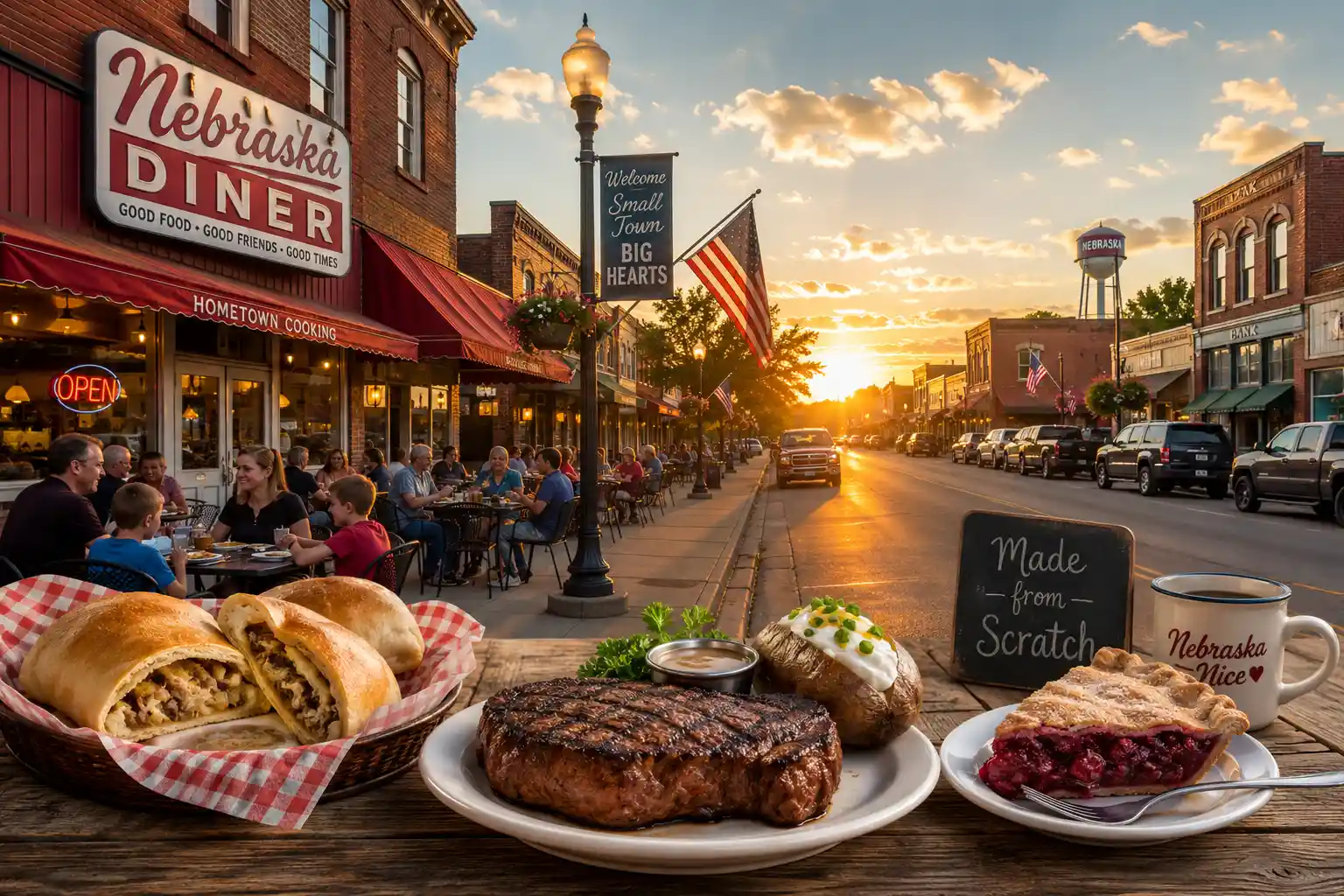
Nebraska is often celebrated for its wide open prairies, endless skies, and deep agricultural roots, but its culinary identity deserves just as much attention. Sitting at the crossroads of America, the state has developed a food culture that reflects generations of farming families, immigrant traditions, cattle ranching heritage, and small town ingenuity. While many travelers associate Nebraska with cornfields and beef production, the reality is far more interesting. The state's kitchens, diners, bakeries, and family owned restaurants have created dishes that are difficult to find anywhere else in quite the same form.
Food in Nebraska tells a story about community. Recipes are often passed down through generations, preserved in church cookbooks, family gatherings, county fairs, and local celebrations. German, Czech, Swedish, and other European influences helped shape many of the dishes that remain beloved today. Over time, these traditions merged with the ingredients most readily available across the Great Plains, resulting in meals that are hearty, comforting, and unmistakably Nebraskan.
Visitors quickly discover that Nebraska specialties are not built around culinary trends. Instead, they focus on flavor, practicality, and hospitality. Whether it is a warm bread pocket stuffed with seasoned beef and cabbage, a perfectly grilled steak from cattle raised nearby, or a slice of pie served in a small town café, every dish reflects a strong sense of place. Many of these foods remain regional treasures, rarely reproduced outside state borders because they are so closely tied to local traditions and community pride.
For travelers looking to experience Nebraska beyond its landscapes and historic sites, exploring its unique foods offers one of the most rewarding journeys possible. These dishes reveal the people, history, and values that shaped the state over generations. From iconic sandwiches to comforting desserts, here are ten foods you can only truly experience in Nebraska.
1. Runza
Image
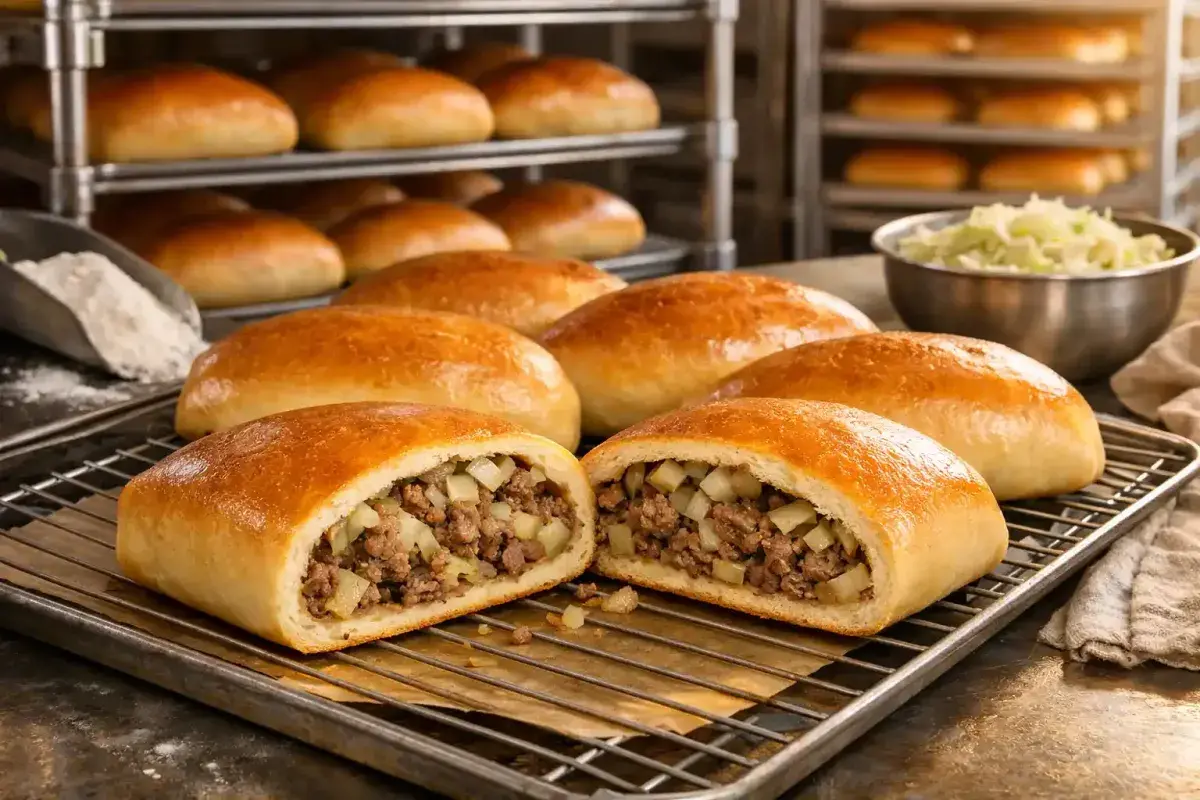
Few foods are as closely tied to Nebraska as the runza. At first glance, it may appear to be a simple stuffed bread roll, but its cultural significance extends far beyond its ingredients. The runza traces its origins to German immigrants from Eastern Europe who brought recipes for meat filled bread pockets to the Great Plains. Over generations, Nebraska families adapted the recipe into what has become one of the state's most recognizable culinary icons.
Traditional runzas consist of soft bread dough wrapped around a filling of ground beef, cabbage, onions, and seasonings. The combination may sound modest, yet the result is deeply satisfying. As the bread bakes, the flavors blend together, creating a comforting meal that reflects Nebraska's agricultural heritage and practical approach to cooking.
What makes the runza uniquely Nebraskan is how thoroughly it became woven into everyday life. Families prepare them at home, church gatherings feature them at community meals, and local restaurants proudly serve their own versions. Many residents grow up eating runzas during football games, school events, and family celebrations. The dish has become a symbol of local identity that instantly evokes memories and traditions.
The appeal of a runza lies in its balance. The bread remains soft while the filling provides savory richness. The cabbage contributes texture and subtle sweetness without overpowering the meat. Every bite delivers warmth and comfort, particularly during Nebraska's colder months when hearty meals are especially appreciated.
Visitors are often surprised by how filling a runza can be. Despite its simple appearance, it functions as a complete meal wrapped inside a convenient package. Its portability helped make it popular among farmers and workers who needed practical lunches during long days.
Today, the runza remains one of Nebraska's defining foods. While variations exist, the classic recipe continues to represent the state's history, immigrant roots, and enduring appreciation for honest, satisfying cuisine. Anyone seeking an authentic taste of Nebraska should place a freshly baked runza at the very top of their culinary list.
2. Bierocks
Image
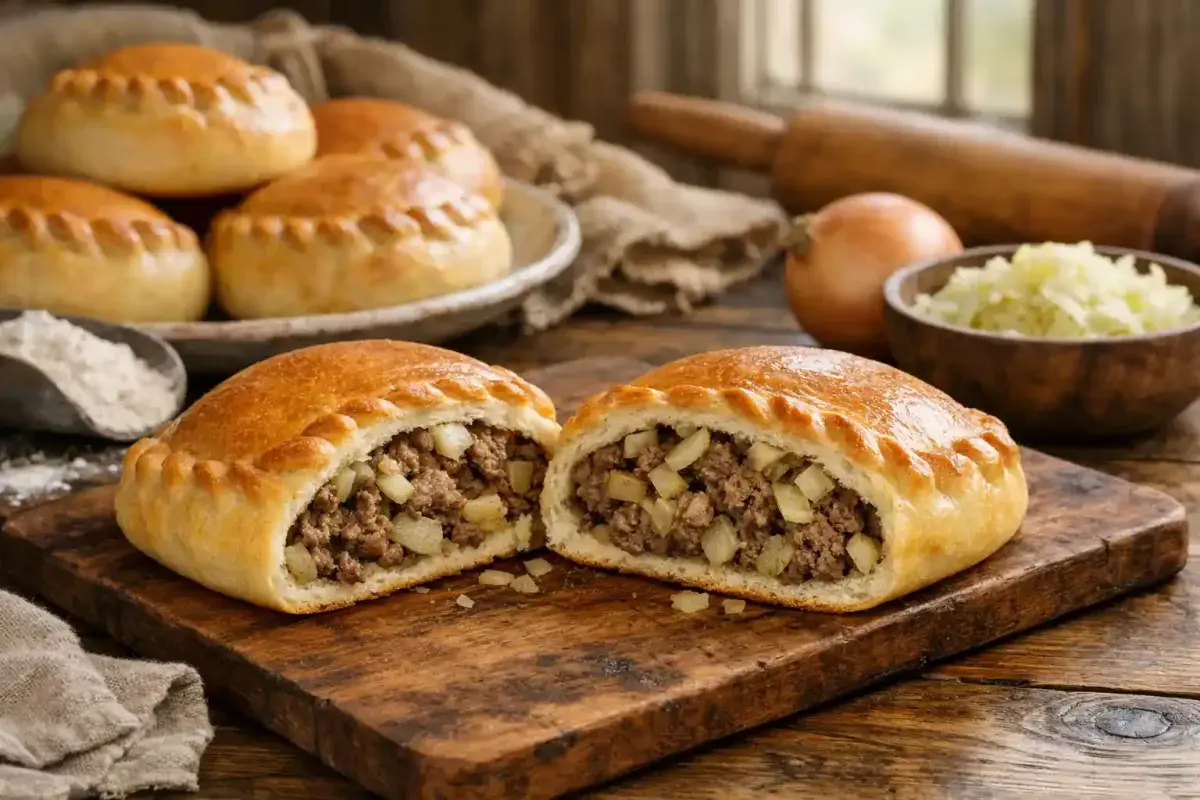
Bierocks share similarities with runzas, yet they maintain their own distinct identity within Nebraska food culture. Originating from German Russian communities that settled across the Great Plains, bierocks represent a treasured link to immigrant heritage. Many families continue to prepare them using recipes passed down through multiple generations.
The classic bierock consists of yeast dough filled with seasoned ground beef, cabbage, onions, and spices. While the ingredients resemble those found in runzas, preparation methods and family recipes often differ. Some versions emphasize richer dough, while others focus on stronger seasoning or different proportions of vegetables and meat.
Across Nebraska, bierocks remain especially popular in communities where German Russian traditions continue to influence local culture. Church fundraisers, family reunions, and community festivals frequently feature homemade bierocks prepared by volunteers who learned the recipe from parents and grandparents.
Part of the bierock's charm lies in its versatility. It can be served as a main course, packed into a lunch, enjoyed as a snack, or paired with soups and salads. The enclosed filling allows flavors to meld together during baking, creating a deeply satisfying texture and aroma.
Many Nebraskans associate bierocks with family gatherings and holiday celebrations. Preparing large batches often becomes a communal activity, with relatives assembling dough and filling together around kitchen tables. These traditions help preserve both the recipe and the stories connected to it.
Visitors seeking authentic bierocks quickly discover that no two recipes are exactly alike. Each family adds personal touches that reflect generations of adaptation. Some include extra onions, while others favor a softer dough or different spice blends. This variation keeps the tradition vibrant while honoring its origins.
Although similar foods exist elsewhere, Nebraska's bierocks stand apart because of the cultural communities that sustained them. They remain living examples of how immigrant traditions shaped the state's culinary landscape. Every bite reflects history, resilience, and the enduring influence of families who carried treasured recipes across continents before making Nebraska their home.
3. Nebraska Beef Steak
Image
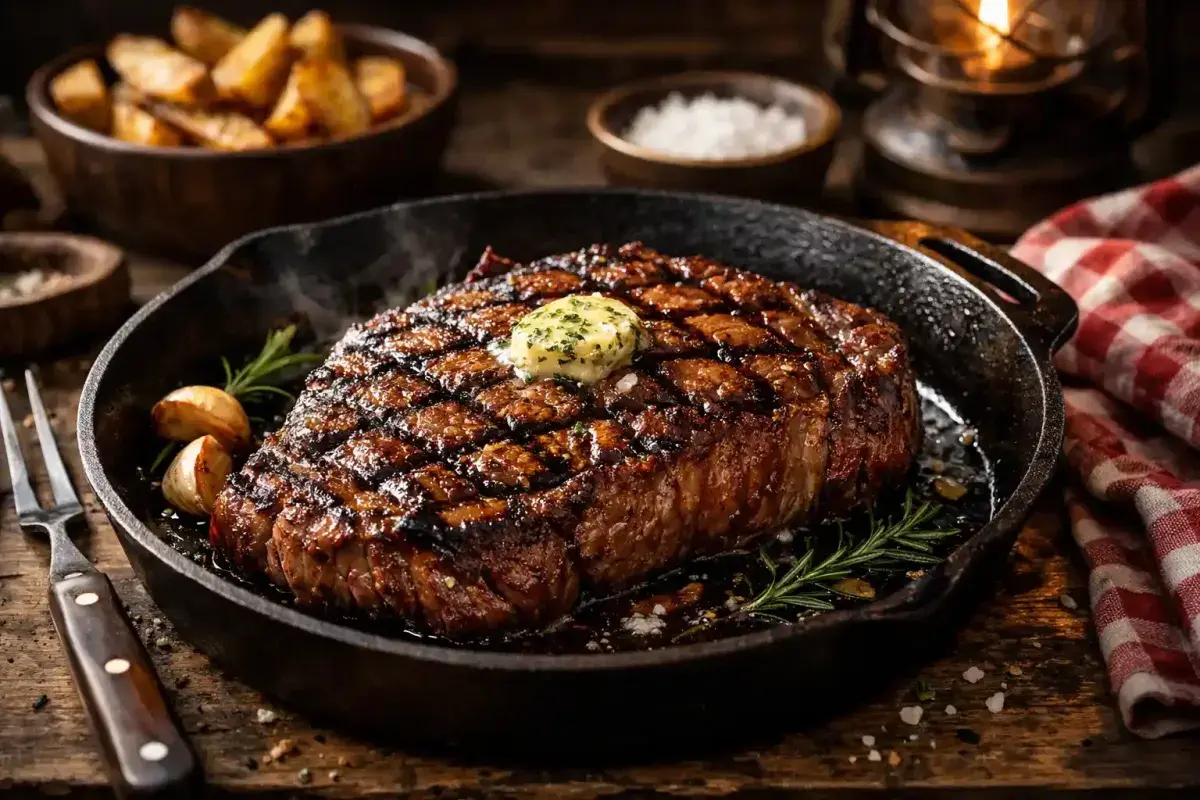
Nebraska's reputation as one of America's leading cattle producing states naturally gave rise to a steak culture unlike any other. The state's vast grasslands, ranching traditions, and generations of expertise have made beef a defining part of local identity. While steak can be found throughout the country, experiencing it in Nebraska offers something truly distinctive.
Local ranchers take enormous pride in raising cattle that benefit from abundant grazing land and carefully managed operations. This commitment to quality is reflected in the flavor and tenderness that Nebraska beef is known for. Restaurants across the state celebrate this heritage by serving steaks prepared with minimal fuss, allowing the meat itself to remain the star.
Unlike culinary destinations that rely heavily on elaborate sauces or complex presentations, Nebraska steakhouses often embrace simplicity. Salt, pepper, proper cooking techniques, and quality beef are considered all that is needed. This straightforward approach highlights the natural richness that has earned Nebraska beef national recognition.
Steak dinners also hold cultural significance. Family celebrations, business gatherings, and special occasions frequently revolve around sharing a great steak meal. In many communities, local steakhouses serve as social centers where neighbors gather and traditions continue.
The experience extends beyond the food itself. Many establishments incorporate ranching history into their atmosphere, creating a connection between diners and the agricultural roots that support the meal. Photographs, memorabilia, and local stories often surround guests as they enjoy their steaks.
Different cuts appeal to different preferences. Ribeyes deliver rich marbling and flavor, while strips and tenderloins emphasize tenderness. Regardless of the cut chosen, Nebraska's beef heritage remains evident in every serving.
For visitors, ordering a steak in Nebraska is more than a meal. It provides insight into one of the state's most important industries and cultural foundations. The pride surrounding local beef is genuine and deeply rooted, making a Nebraska steak an essential culinary experience that captures the spirit of the Great Plains.
4. Rocky Mountain Oysters
Image
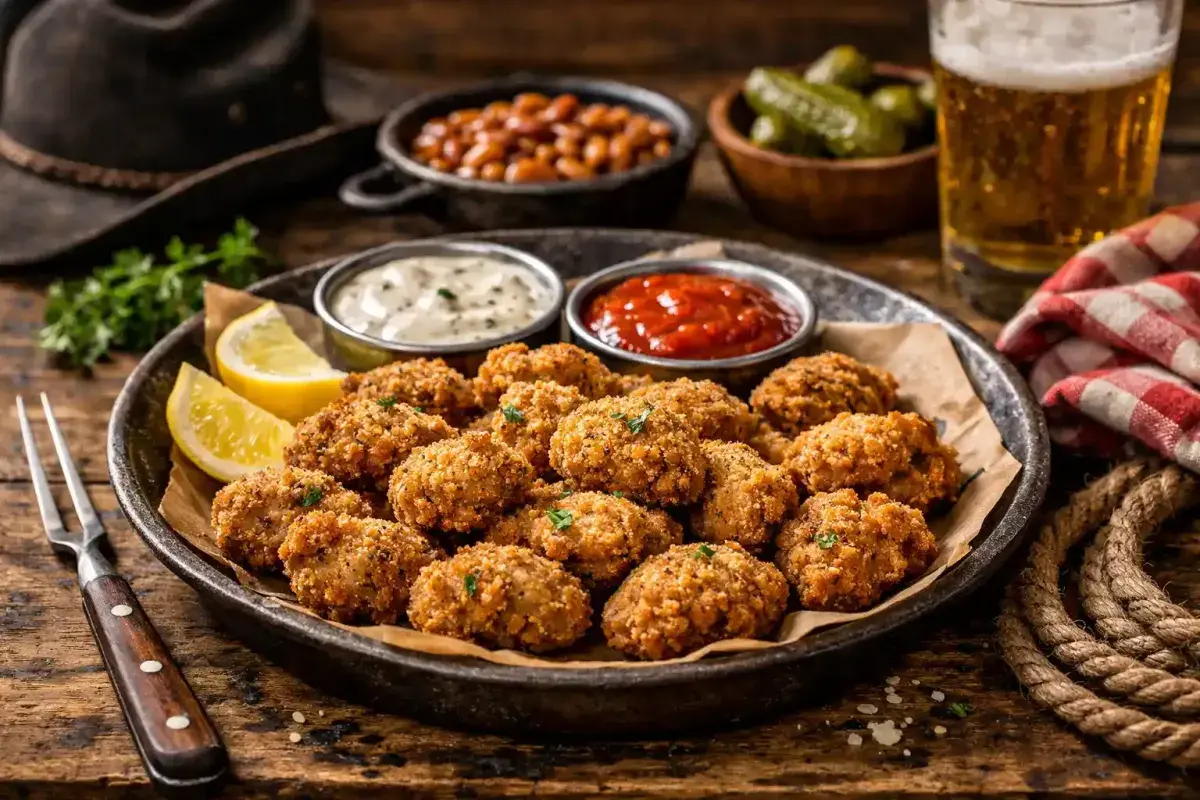
Rocky Mountain oysters may surprise first time visitors, but they represent a long standing ranching tradition that remains part of Nebraska's food culture. Despite the name, these are not seafood. They are prepared from beef testicles, typically sliced, breaded, and fried until golden and crisp.
The dish emerged from practical ranch life, where wasting usable ingredients was discouraged. Ranchers developed methods to transform every available resource into nourishing food, and Rocky Mountain oysters became one result of that resourceful mindset.
Many people approach the dish with curiosity and perhaps a little hesitation. Yet those who try it often find the flavor milder than expected. The breading and frying process creates a crunchy exterior, while the interior remains tender. Served with dipping sauces, they become an approachable introduction to an unusual regional specialty.
In Nebraska, Rocky Mountain oysters frequently appear at festivals, community events, and certain restaurants that celebrate Western heritage. Ordering them is often considered a rite of passage for adventurous travelers seeking an authentic local experience.
Beyond novelty, the dish offers insight into ranch culture and agricultural history. It reflects values of practicality, self reliance, and respect for resources that shaped life across the Great Plains. These values continue to influence many aspects of Nebraska cuisine today.
Conversations about Rocky Mountain oysters often become memorable parts of a travel experience. Locals enjoy sharing stories and introducing visitors to a dish that sparks curiosity and discussion. The food serves as both a meal and a cultural connection.
While not everyone may choose to order them, Rocky Mountain oysters remain an important part of Nebraska's culinary identity. Their continued popularity demonstrates the state's willingness to preserve traditions even when they fall outside mainstream dining trends. For those eager to explore Nebraska's most distinctive foods, this unique specialty provides an unforgettable taste of ranching history.
5. Cheese Frenchees
Image
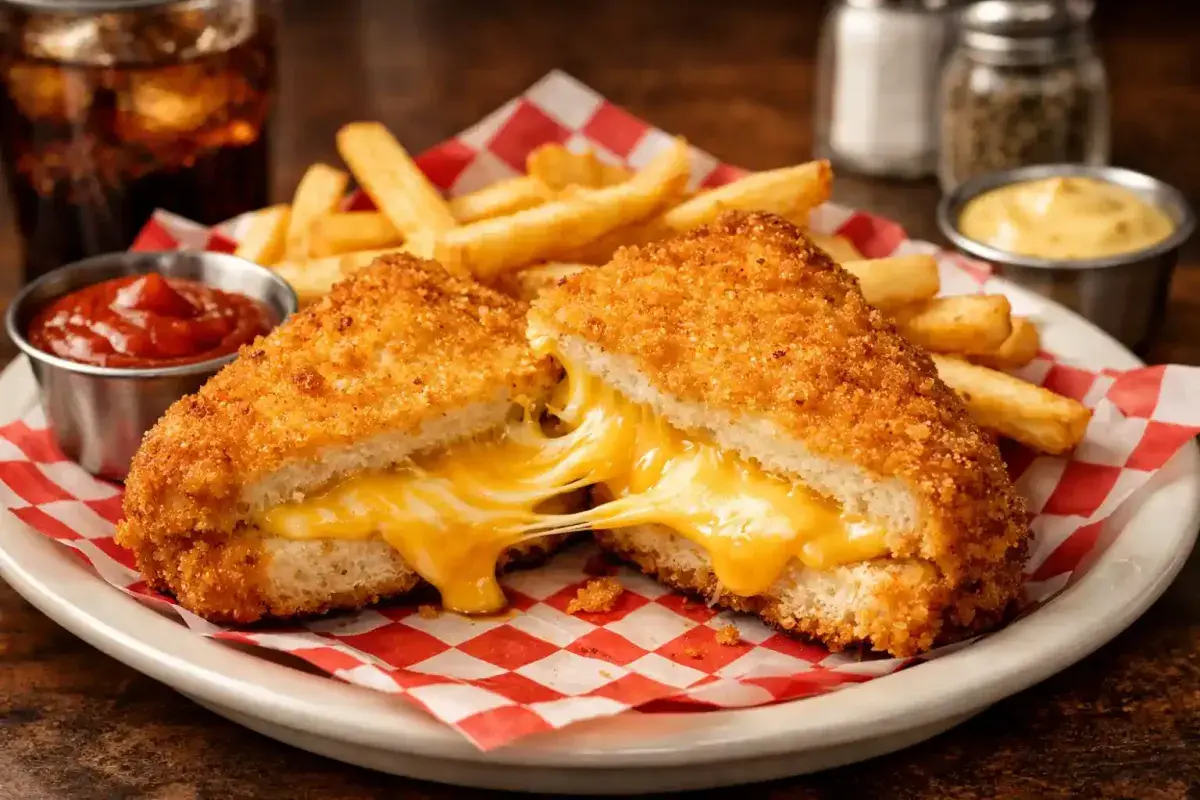
The cheese frenchee occupies a special place in Nebraska comfort food culture. At its core, it is a grilled cheese sandwich taken to an entirely new level. The sandwich is coated, breaded, and deep fried, creating a crisp exterior that contrasts beautifully with its molten cheese filling.
Its origins trace back to local diners and lunch counters where cooks sought ways to elevate familiar ingredients into something memorable. The result was a dish that quickly gained popularity among families, students, and anyone craving indulgent comfort food.
One reason the cheese frenchee remains beloved is its simplicity. There is nothing overly complicated about the recipe, yet the transformation achieved through frying creates a uniquely satisfying eating experience. The exterior develops a crunchy texture while the cheese inside becomes rich and creamy.
Many Nebraskans associate cheese frenchees with childhood memories. School lunches, family outings, and casual meals often featured this comforting favorite. As a result, the sandwich carries strong nostalgic appeal that continues across generations.
Restaurants throughout Nebraska frequently serve their own versions, sometimes incorporating different cheeses or breading styles. Despite these variations, the essence of the dish remains unchanged. It is designed to deliver warmth, comfort, and a sense of familiarity.
Visitors may initially view the cheese frenchee as simply another fried sandwich. However, spending time in Nebraska quickly reveals the affection locals hold for it. The dish represents a classic example of how regional food traditions develop around community favorites that become deeply woven into everyday life.
The cheese frenchee may not possess the historical significance of some Nebraska specialties, but its enduring popularity speaks volumes. It showcases the state's appreciation for satisfying, approachable food that brings people together around the table. Few dishes capture the spirit of Midwestern comfort quite as effectively as this golden, crispy, cheese filled creation.
6. Kolaches
Image
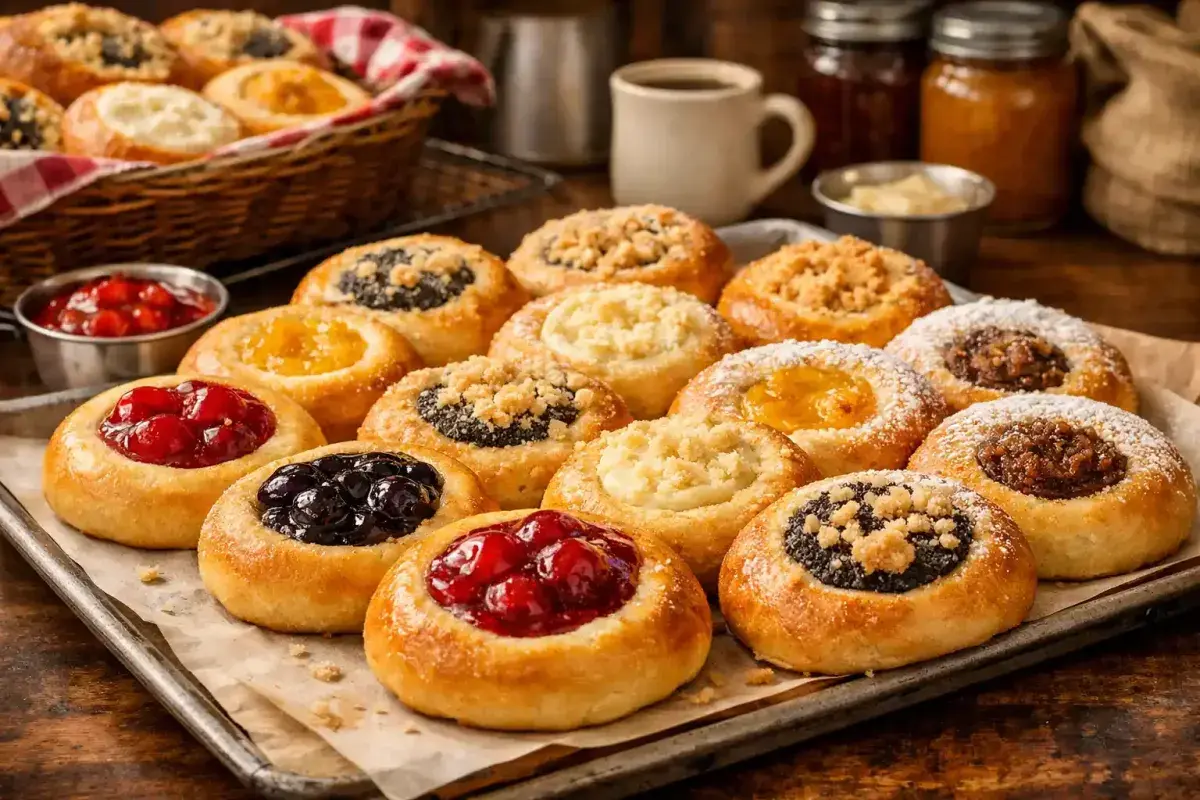
Kolaches hold a cherished place in many Nebraska communities, particularly those shaped by Czech immigrant heritage. While versions of these pastries can be found in other parts of the United States, Nebraska's kolache tradition remains deeply connected to family kitchens, church gatherings, and local bakeries that have preserved recipes for generations. The pastry represents more than a sweet treat. It serves as a reminder of the cultural influences that helped define many small towns across the state.
Traditional kolaches begin with a soft, slightly sweet yeast dough that is carefully shaped before being filled with fruit, poppy seed, cream cheese, or other sweet fillings. The dough itself is essential to the experience. It must remain light and tender while providing enough structure to support the filling. When prepared correctly, the result is a pastry that feels both delicate and satisfying.
Across Nebraska, kolaches often appear during holidays, weddings, community festivals, and family reunions. Many families still rely on handwritten recipes passed down through several generations. Baking kolaches is frequently a group activity, with relatives gathering around kitchen tables to prepare large batches together. These moments help preserve not only the recipe but also the traditions and stories associated with it.
Local bakeries throughout the state continue to draw customers seeking authentic kolaches. Early morning visitors often arrive before popular flavors sell out. The aroma of fresh dough and sweet filling creates an inviting atmosphere that reflects the warmth of Nebraska hospitality.
Fruit varieties remain especially popular, with apricot, cherry, prune, and raspberry appearing frequently. Cream cheese versions provide a rich alternative, while some bakers experiment with seasonal ingredients inspired by local harvests. Despite these variations, the fundamental character of the kolache remains unchanged.
For visitors, tasting a Nebraska kolache offers an opportunity to experience an enduring cultural tradition. Every pastry reflects the influence of immigrant communities that brought treasured recipes to the Great Plains and ensured they would continue to thrive for future generations. The combination of history, craftsmanship, and flavor makes the kolache one of Nebraska's most beloved and meaningful foods.
7. Raisin Pie
Image
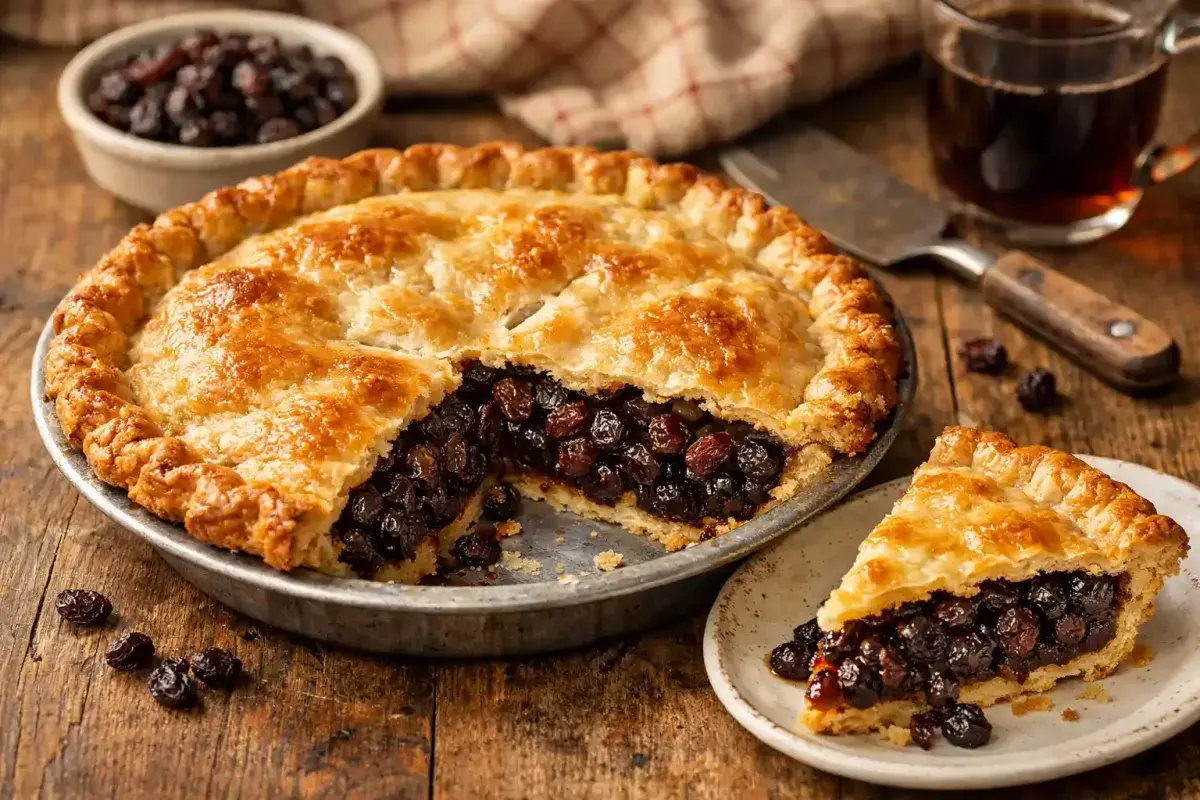
Raisin pie may not receive the same national attention as apple or cherry pie, but in Nebraska it occupies a special place within the state's dessert traditions. Found in family recipe collections, church suppers, and small town diners, this humble pie continues to evoke memories of home cooking and simpler times. For many Nebraskans, raisin pie represents a direct connection to earlier generations who relied on practical pantry ingredients to create satisfying desserts.
The pie features a sweet filling made primarily from raisins, sugar, spices, and thickening ingredients that create a rich texture. Encased within a flaky crust, the filling develops a deep flavor that balances sweetness with subtle complexity. Cinnamon and other warm spices often contribute additional depth, making the pie especially popular during cooler months.
One reason raisin pie became established in Nebraska was its practicality. Unlike fresh fruit, raisins could be stored for extended periods without spoiling. Families living in rural areas could rely on dried fruit throughout the year, allowing them to prepare desserts even when seasonal produce was unavailable. This practicality helped make raisin pie a dependable favorite across many farming communities.
Over time, the pie became associated with gatherings and celebrations. Church dinners frequently featured homemade pies, and raisin pie often appeared alongside more familiar fruit varieties. Many families considered it an essential part of holiday meals and special occasions.
Visitors encountering raisin pie for the first time are often surprised by its rich flavor and satisfying texture. The raisins absorb moisture during baking, creating a filling that is both tender and pleasantly chewy. Combined with a well made crust, the result is a dessert that feels comforting and timeless.
Today, raisin pie continues to occupy a respected place within Nebraska's culinary heritage. While it may not be as widely available as some modern desserts, those who seek it out discover a recipe that has endured because of its simplicity and enduring appeal. Every slice tells a story about resourcefulness, tradition, and the enduring importance of homemade baking in Nebraska culture.
8. Cornhusker Chili and Cinnamon Rolls
Image
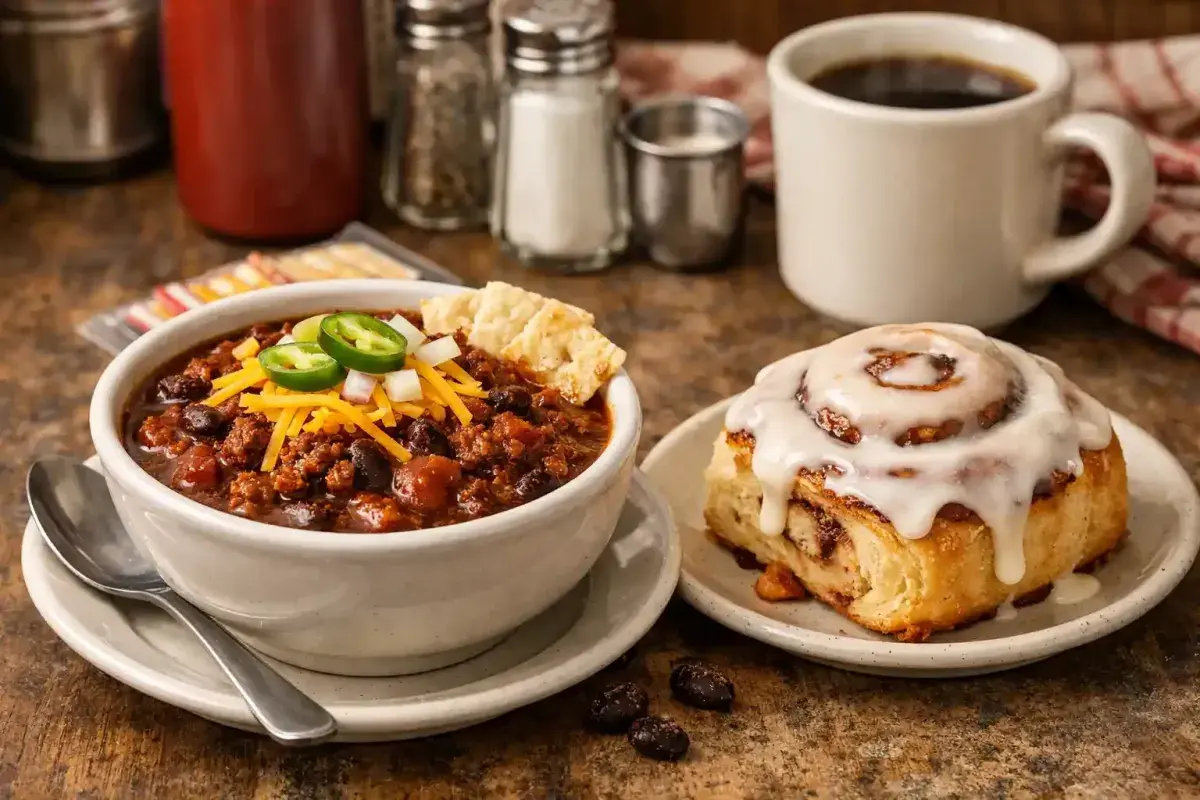
One of the most distinctive meal combinations in Nebraska is the pairing of chili and cinnamon rolls. For outsiders, the combination may seem unusual. However, for generations of Nebraskans, this pairing has been a familiar and beloved tradition found in schools, community centers, and family kitchens throughout the state.
The chili itself tends to be hearty and substantial, featuring ground beef, beans, tomatoes, and seasonings that create a warming meal. Served hot, it provides the savory foundation of the pairing. Alongside it sits a soft cinnamon roll covered with icing or glaze, offering sweetness that contrasts with the chili's rich flavor.
The origins of this tradition are often linked to school lunch programs across the Midwest. Nebraska embraced the combination wholeheartedly, and countless students grew up eagerly anticipating chili and cinnamon roll day. For many residents, the meal remains associated with childhood memories and a sense of comfort that extends far beyond the food itself.
What makes the pairing work so well is the contrast between sweet and savory elements. Some people enjoy eating the items separately, while others dip pieces of cinnamon roll into the chili. There is no universally accepted method. The variety of approaches only adds to the charm of the tradition.
Community gatherings frequently feature the combination because it is affordable, filling, and widely loved. Church suppers, fundraisers, and local events often include large pots of chili accompanied by trays of freshly baked cinnamon rolls. The meal reflects Nebraska's emphasis on hospitality and practicality.
Visitors sometimes approach the pairing with skepticism, but many leave pleasantly surprised. The sweetness of the roll complements the spices in the chili, creating a balance that feels unexpectedly natural after only a few bites. It is one of those traditions that becomes easier to understand once experienced firsthand.
The enduring popularity of chili and cinnamon rolls demonstrates how regional food customs can develop around shared experiences. In Nebraska, this pairing remains more than a meal. It is a cultural touchstone that connects generations through memories, tradition, and comfort.
9. Tin Roof Sundae
Image
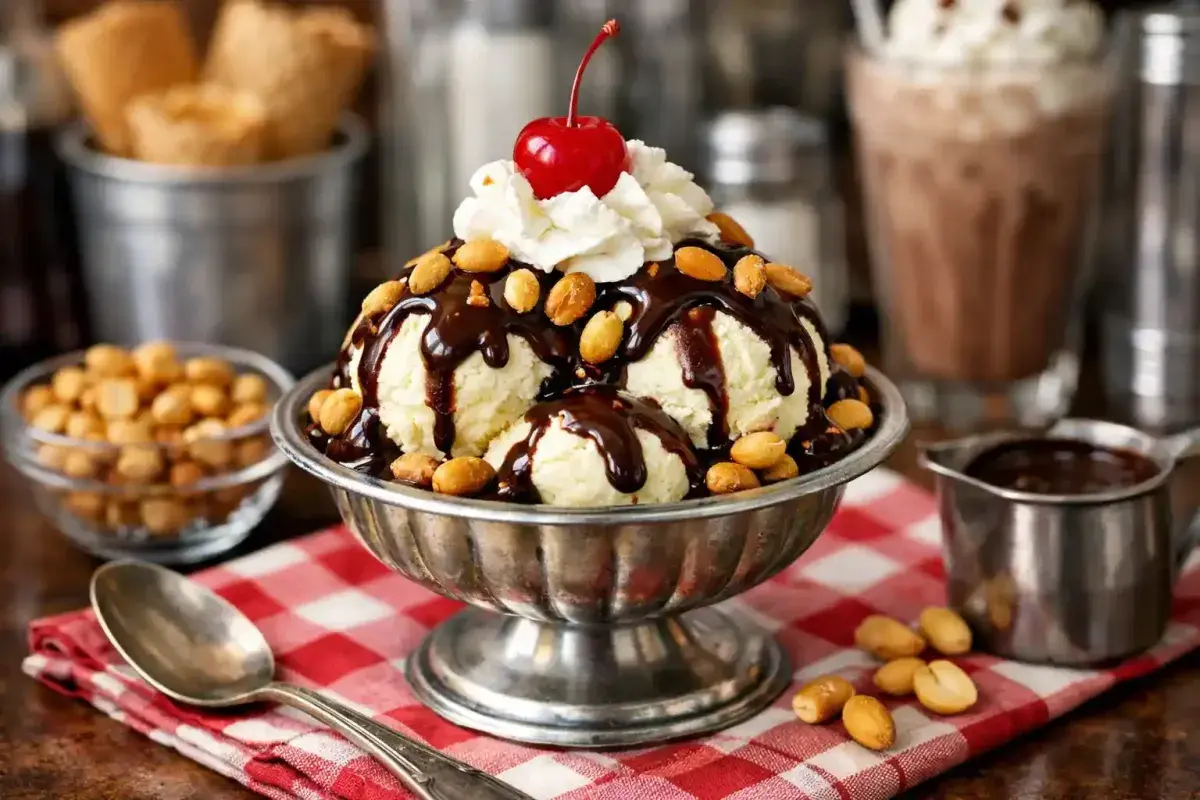
The tin roof sundae occupies a special place in Nebraska dessert history. Although variations can be found elsewhere, the dessert has strong ties to the state and remains one of its most recognizable sweet treats. Combining ice cream, chocolate topping, and peanuts, the sundae delivers a simple yet satisfying blend of flavors and textures that has delighted generations.
The dessert emerged during a period when ice cream parlors served as important gathering places within communities. Families, friends, and neighbors would meet to enjoy treats and socialize, making desserts like the tin roof sundae part of everyday life. Its popularity quickly spread because of its appealing combination of creamy, crunchy, and sweet elements.
A traditional tin roof sundae typically begins with vanilla ice cream. Chocolate syrup is added generously, followed by roasted peanuts that provide texture and contrast. The ingredients work together beautifully, creating a dessert that feels both indulgent and approachable.
The name itself has sparked curiosity for decades. While stories surrounding its origins vary, the dessert became firmly associated with Nebraska and remains an important part of the state's culinary identity. Local ice cream shops continue to serve versions that honor the original concept while occasionally adding their own creative touches.
Many Nebraskans remember enjoying tin roof sundaes during family outings or summer evenings. The dessert often carries a strong sense of nostalgia, reminding people of childhood visits to neighborhood ice cream counters and community celebrations.
Visitors who try a tin roof sundae quickly understand why it has endured. The contrast between smooth ice cream, rich chocolate, and crunchy peanuts creates a timeless combination that never feels overly complicated. Each ingredient plays a clear role while contributing to the overall experience.
In an era of increasingly elaborate desserts, the tin roof sundae stands as a reminder that simplicity often produces the most lasting appeal. Its continued popularity reflects Nebraska's appreciation for traditions that remain rooted in quality ingredients, community connections, and genuine enjoyment.
10. Nebraska Sweet Corn
Image
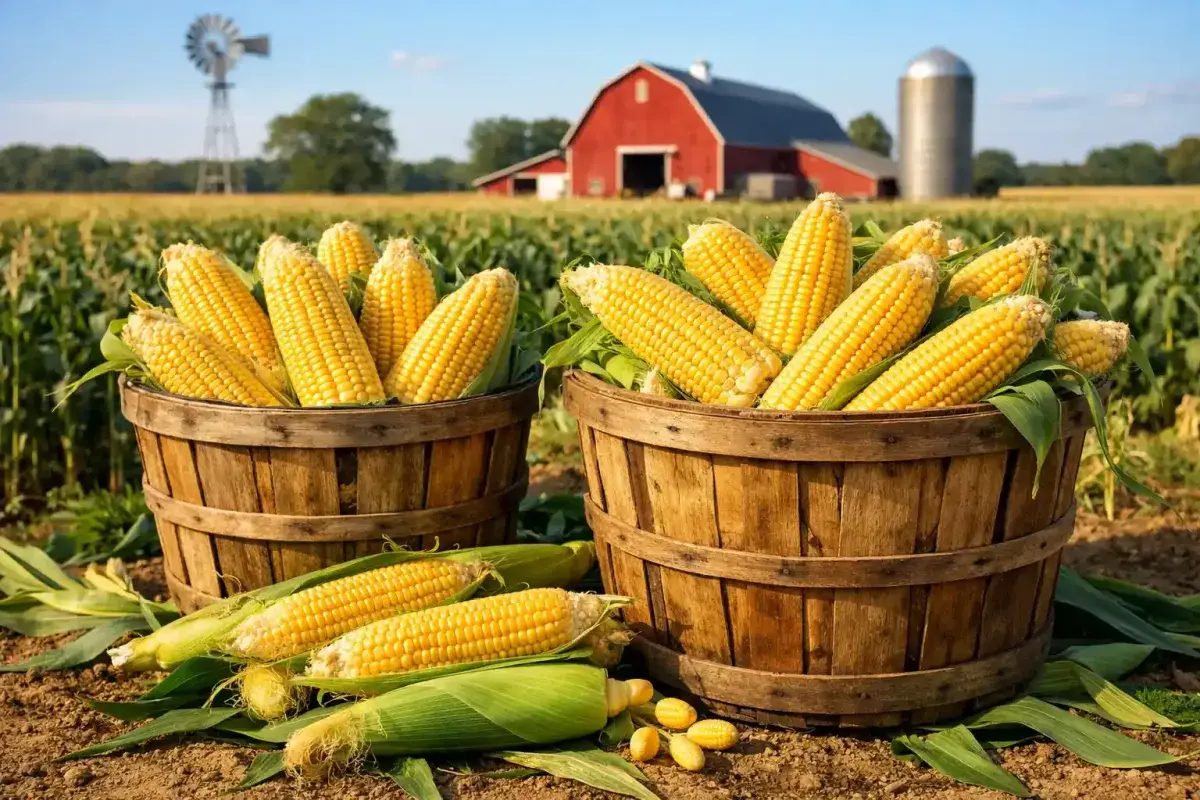
No discussion of Nebraska food would be complete without acknowledging sweet corn. While corn is grown in many states, Nebraska's agricultural reputation makes its sweet corn especially significant. The crop is deeply woven into the state's identity, economy, and culinary traditions, earning a place among the most iconic foods associated with the Cornhusker State.
Nebraska's fertile soil, favorable growing conditions, and generations of farming expertise contribute to the quality of its sweet corn. During harvest season, roadside stands, farmers markets, and local grocery stores become filled with freshly picked ears that often reach consumers within hours of being harvested. This freshness plays a major role in the corn's flavor and texture.
The appeal of Nebraska sweet corn lies in its natural sweetness and tenderness. Whether boiled, grilled, roasted, or eaten straight from the cob, it delivers a flavor that requires little enhancement. Many residents believe the best preparation involves only a small amount of butter and perhaps a sprinkle of salt.
Sweet corn frequently appears at summer gatherings throughout the state. Family cookouts, county fairs, community festivals, and holiday celebrations often feature large quantities of freshly prepared corn. Sharing corn on the cob has become a seasonal ritual that brings people together during the warmest months of the year.
Beyond its culinary role, sweet corn symbolizes Nebraska's agricultural heritage. Generations of farmers have dedicated their lives to cultivating the land, and corn remains one of the most visible representations of that effort. The crop contributes to the state's identity in ways that extend far beyond the dinner table.
Visitors who arrive during harvest season have an opportunity to experience Nebraska sweet corn at its peak. The difference between freshly harvested corn and corn that has traveled long distances is immediately noticeable. The kernels burst with flavor, highlighting the quality that local growers work hard to achieve.
More than any other ingredient, sweet corn captures the essence of Nebraska. It reflects the land, the people, and the agricultural traditions that continue to shape life across the state. For many travelers, tasting fresh Nebraska sweet corn becomes one of the most memorable experiences of their journey.
Nebraska's food traditions offer far more than simple meals. They provide a window into the state's history, values, and communities. From immigrant recipes carried across oceans to ranching traditions developed on the Great Plains, every dish tells a story about the people who shaped Nebraska over generations. These foods are not merely regional specialties. They are living expressions of culture, heritage, and local pride.
What makes Nebraska cuisine especially memorable is its authenticity. Many of the dishes remain closely tied to family recipes, community gatherings, and local establishments rather than national trends. As a result, visitors experience flavors that genuinely reflect the places where they originated. Whether enjoying a freshly baked runza, sampling a homemade bierock, savoring a perfectly cooked steak, or trying a cheese frenchee for the first time, travelers encounter foods that continue to hold real meaning for the people who make them.
The state's culinary landscape also highlights the importance of agriculture. Nebraska's farms and ranches supply ingredients that support traditions stretching back for generations. This close relationship between food production and dining culture helps preserve recipes and techniques that might otherwise disappear.
For travelers seeking memorable food experiences, Nebraska offers rewards that often exceed expectations. The dishes may not always be flashy or internationally famous, but they possess a sincerity and character that leave lasting impressions. Every meal reflects a strong connection to place and community, qualities that are increasingly rare in modern dining.
Exploring Nebraska through its food reveals a side of the state that many visitors never anticipate. Beneath the wide skies and rolling plains lies a rich culinary heritage filled with unique flavors and fascinating stories.