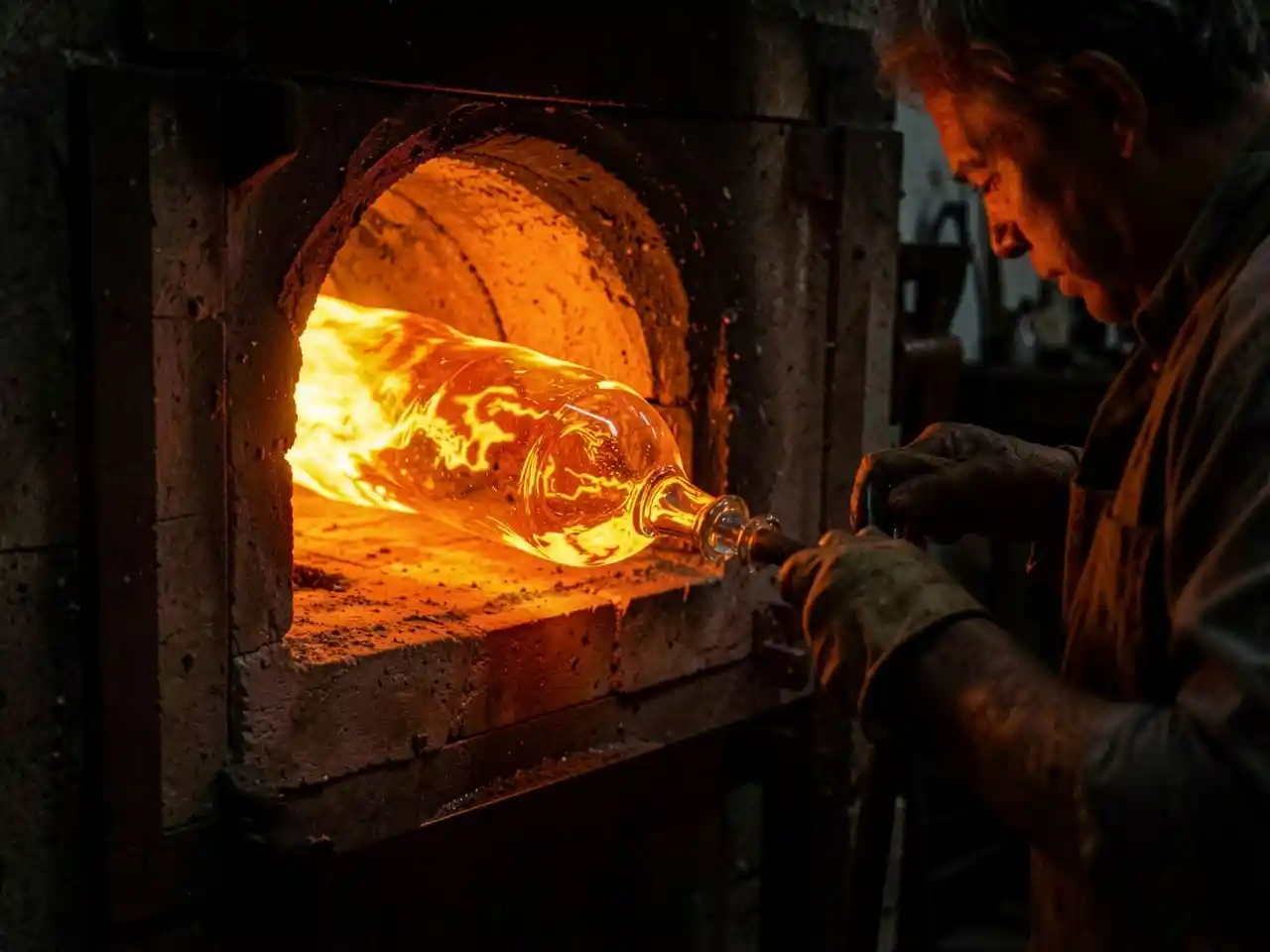
Glass is everywhere around us. It sits quietly in windows, bottles, screens, lenses, and countless objects we barely notice during our daily routines. Yet behind this transparent surface is a fascinating story that stretches across thousands of years of human history. From ancient artisans shaping molten sand into ornaments to modern engineers creating ultra strong glass for smartphones and skyscrapers, this remarkable material has always been connected to creativity, science, and innovation.
One reason glass continues to fascinate scientists and historians alike is that it behaves in ways that are both simple and mysterious. At first glance it appears to be a solid like stone or metal. But on a microscopic level its structure is very different from most solids found in nature. This unusual internal arrangement gives glass many of the properties we depend on today, including clarity, durability, and the ability to be shaped into almost any form while it is hot.
Throughout history, glass has played a major role in technological progress. Ancient glass beads helped establish trade routes between distant cultures. The development of clear glass lenses opened the door to microscopes and telescopes, which allowed humanity to explore both the smallest forms of life and the vastness of the universe. Even today, fiber optic glass carries enormous amounts of information across oceans at the speed of light.
Many people think of glass as fragile, yet modern manufacturing has created varieties that are stronger than many metals. Some types can survive extreme heat. Others can bend without breaking. Scientists continue to experiment with new glass compositions that could transform architecture, electronics, transportation, and even medicine.
The most surprising thing about glass may be how little most of us know about it. The story of this material includes ancient accidents, scientific discoveries, and remarkable engineering breakthroughs that changed the way people live.
Image
1. Glass Is Made From Sand
At its most basic level, glass begins with one of the most common materials on Earth. Sand. More specifically, the key ingredient in most glass is silica, a compound found in many types of sand. When silica sand is heated to extremely high temperatures, it melts into a thick liquid that can be shaped into glass.
The temperature required to melt pure silica is extremely high, often above 1700 degrees Celsius. Because of this, glassmakers usually add other ingredients such as soda ash and limestone. These materials lower the melting temperature and make the final product easier to work with while improving durability.
Once the ingredients melt together they form a glowing liquid that looks almost like molten honey. Skilled glassmakers can shape this liquid using tools, molds, and even controlled bursts of air. This process has remained surprisingly similar for thousands of years. Even today traditional glassblowers still use a hollow pipe to inflate molten glass into beautiful forms.
What makes this process remarkable is how quickly glass can change from liquid to solid. As the molten material cools it becomes rigid while preserving the shape created during the forming stage. This allows manufacturers to produce objects ranging from delicate wine glasses to massive architectural panels.
Another interesting detail is that not all sand can be used for glassmaking. High quality glass requires sand that contains very pure silica with minimal impurities. Some regions of the world are famous for producing the ideal type of sand used in glass manufacturing.
Image
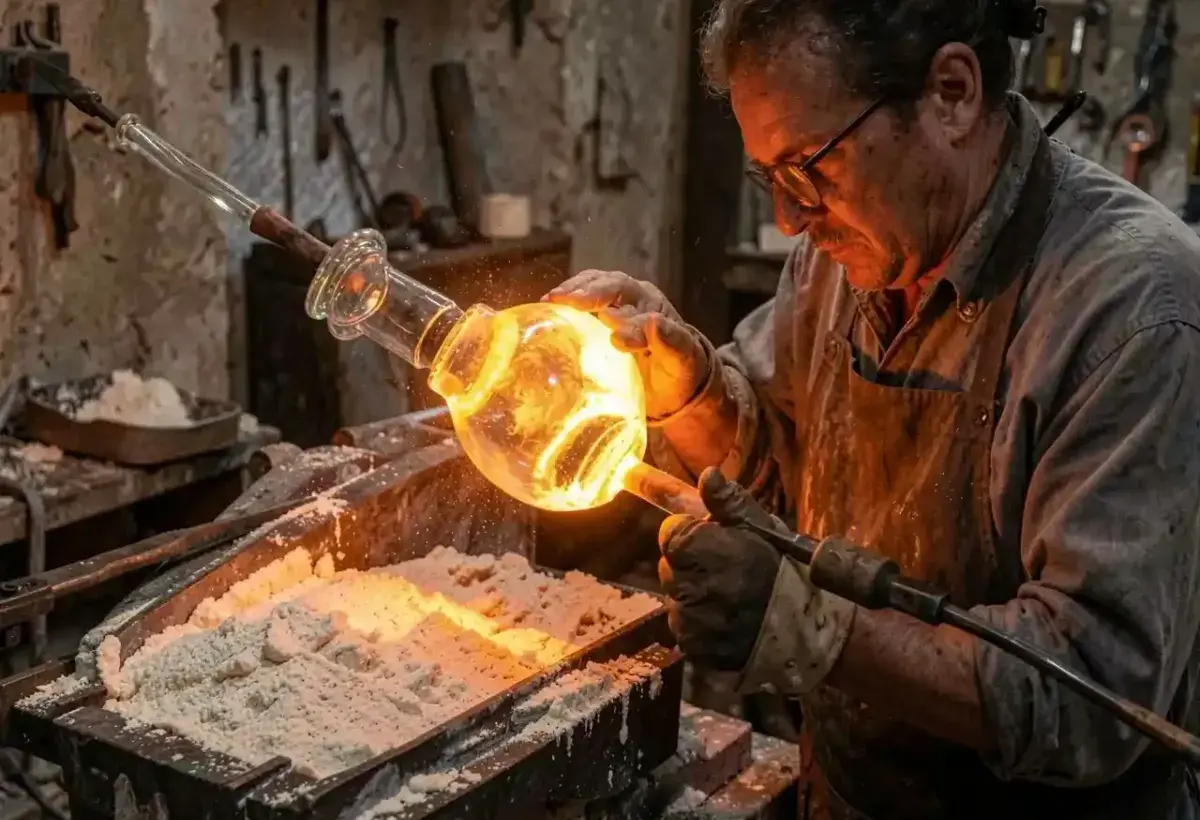
Because sand is so abundant, glass has become one of the most widely produced materials on the planet. From drinking glasses to fiber optic cables, the journey of glass begins with a simple grain of sand transformed by heat and human creativity.
2. Glass Is Technically Not a True Solid
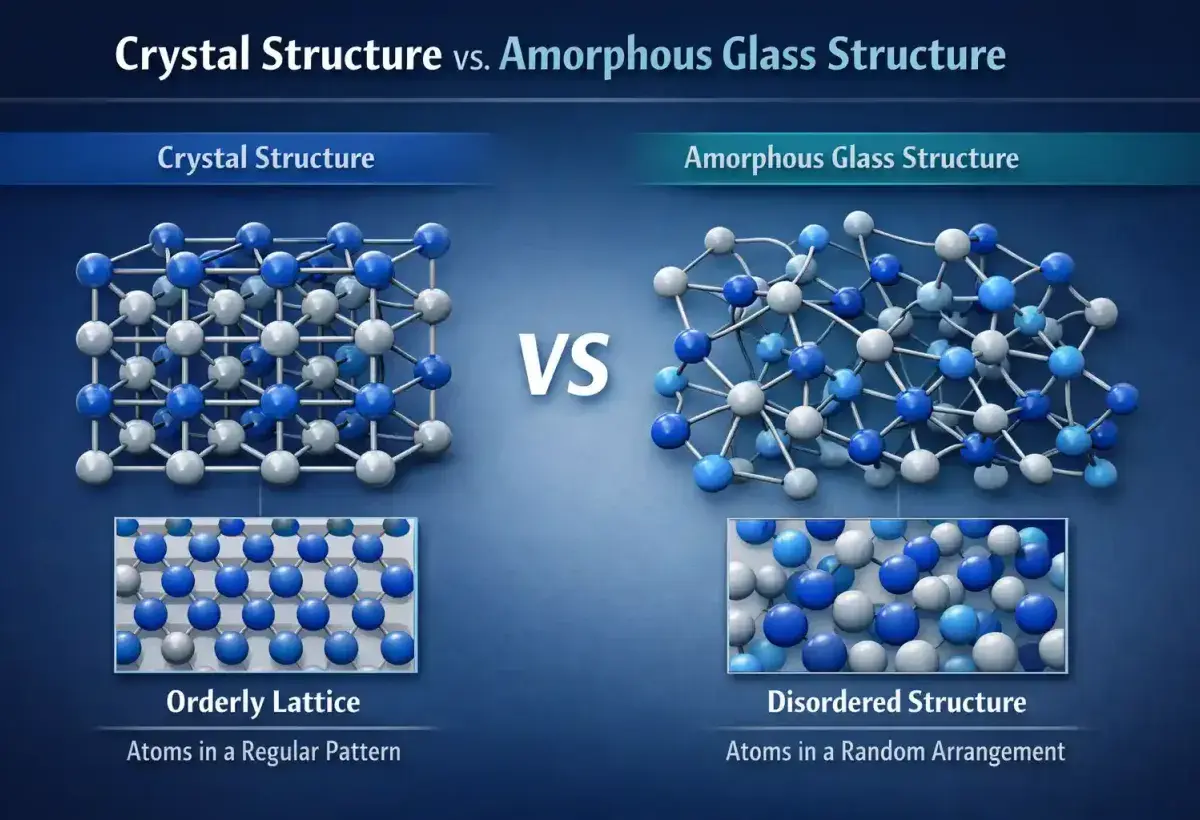
One of the most intriguing scientific facts about glass is that it does not behave exactly like a typical solid material. Instead, scientists often describe it as an amorphous solid, meaning its internal structure is disordered compared with the orderly crystal structure found in materials like salt or diamonds.
In a crystalline solid the atoms are arranged in a repeating pattern that forms a stable lattice. Glass is different. When molten glass cools, the atoms become locked in place before they can arrange themselves into a regular pattern. The result is a rigid material whose atomic structure resembles a frozen liquid.
This unusual structure explains many of the properties that make glass unique. Because the atoms are not arranged in a neat crystal grid, glass can be transparent. Light passes through it with relatively little distortion. In many crystalline materials, light would scatter or reflect differently due to the regular arrangement of atoms.
The amorphous structure also explains why glass can sometimes fracture in unpredictable ways. When stress builds within the material, cracks may travel rapidly through the irregular atomic arrangement. This is why shattered glass often forms sharp fragments.
For centuries there was a popular belief that glass in old windows slowly flows like a liquid, which is why some antique window panes appear thicker at the bottom. Modern research has shown that this effect is actually due to manufacturing techniques used centuries ago rather than glass flowing over time. In reality, glass behaves like a solid on human time scales.
Image
Understanding the atomic structure of glass has helped scientists develop improved formulas and treatments that make modern glass stronger, clearer, and more resistant to damage than ever before.
3. Ancient Glass Was Likely Discovered By Accident
Many historians believe that glassmaking began with a fortunate accident thousands of years ago. Early civilizations working with fire and sand may have unknowingly created small pieces of glass when intense heat caused silica rich materials to melt and fuse together.
One famous story comes from ancient Roman writer Pliny the Elder. According to his account, merchants traveling along a beach placed cooking pots on blocks of natron, a naturally occurring mineral used in early glassmaking. The heat from the fire supposedly melted the natron and sand beneath the pots, forming the first glass.
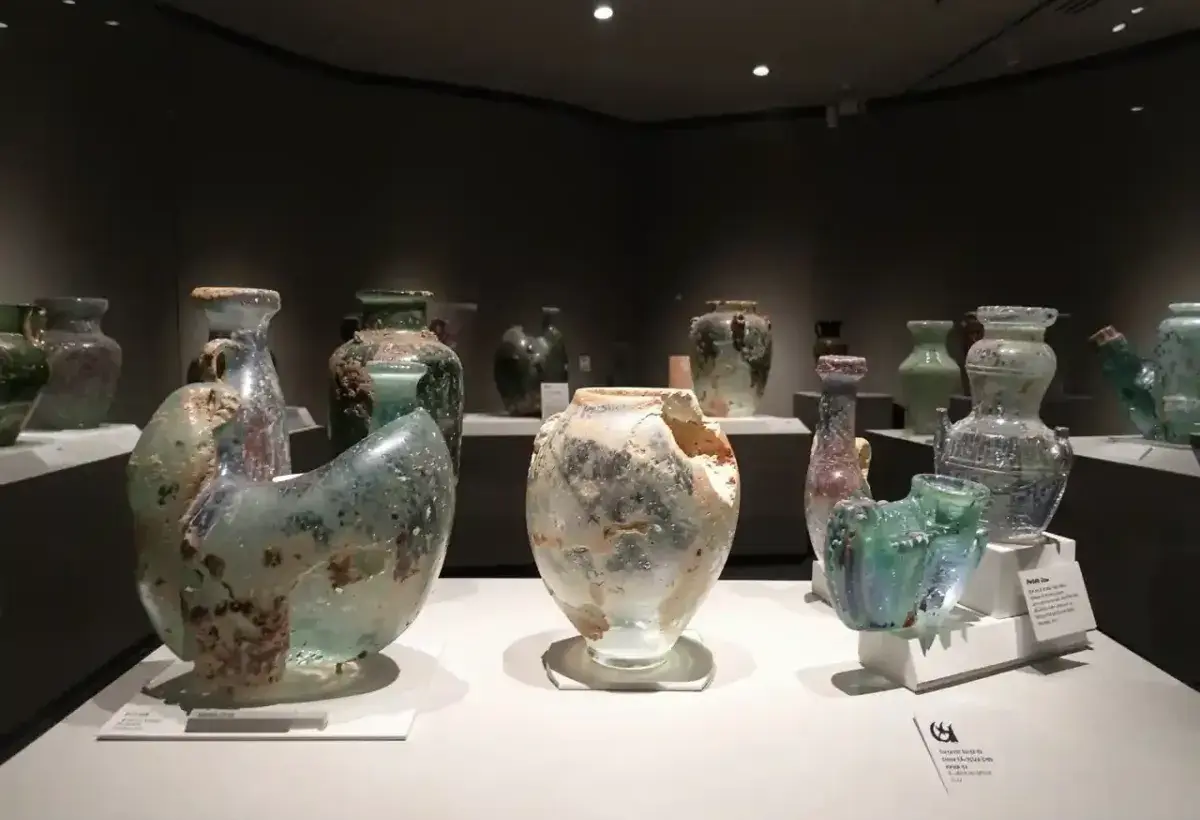
While historians debate whether this exact event happened, archaeological evidence confirms that humans were producing glass as early as 3500 BCE in regions such as Mesopotamia and Egypt. Early glass objects were often small beads, amulets, and decorative items rather than large containers.
Ancient artisans gradually refined their techniques. They learned how to color glass by adding minerals such as copper, cobalt, or manganese. These early experiments produced vibrant blues, greens, and purples that were prized by wealthy societies.
Over time glassmaking spread across trade routes connecting Africa, the Middle East, Europe, and Asia. Each region developed unique styles and methods that reflected local culture and resources.
Image
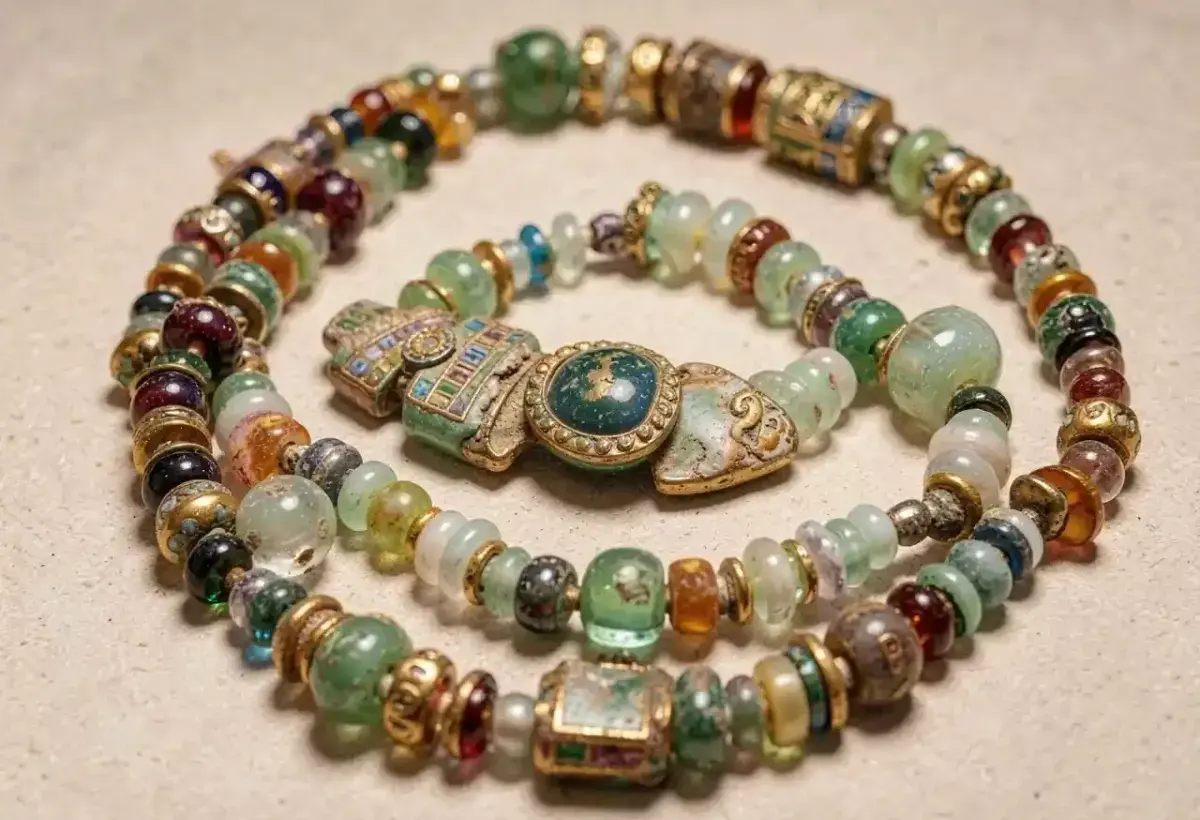
The discovery of glass demonstrates how curiosity and experimentation have shaped human history. What may have begun as an accidental reaction between sand and heat eventually became one of the most important materials in civilization.
4. Some Glass Can Bend Without Breaking
When people think about glass they usually imagine something fragile that shatters easily. However, modern engineering has produced types of glass that are surprisingly flexible and incredibly strong.
One example is chemically strengthened glass used in many electronic devices. This glass undergoes a special treatment where smaller sodium ions in the surface are replaced with larger potassium ions. The process creates compression within the outer layer of the glass, making it far more resistant to cracks and impacts.
Because of this technology, smartphone screens can survive drops that would have shattered ordinary glass only a few decades ago. While they are not indestructible, the improvement in durability is remarkable.
Scientists have also developed ultra thin glass sheets that can bend without breaking. Some of these materials are used in foldable electronics and advanced display technologies. When manufactured at extremely thin levels, glass becomes flexible enough to curve while still maintaining transparency and strength.
Even architectural glass has evolved. Modern skyscrapers often use laminated glass panels composed of multiple layers bonded together with strong transparent films. If the glass cracks, the layers hold the pieces in place rather than allowing dangerous shards to fall.
Image
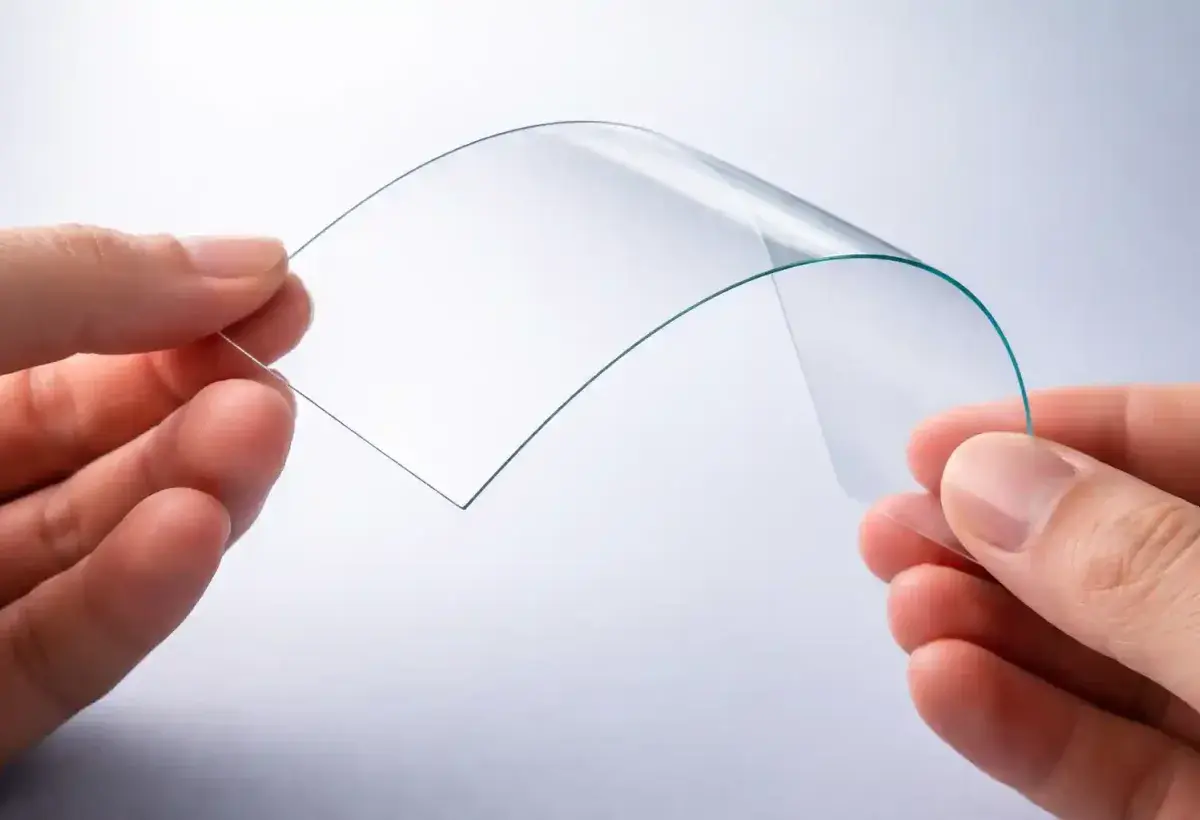
These innovations show that glass is not limited to fragile objects. With the right engineering, it can become a durable and adaptable material that supports many modern technologies.
5. Glass Helped Humans Explore the Universe
One of the most powerful tools in scientific discovery relies heavily on glass. The lens. Carefully shaped pieces of glass can bend and focus light, allowing scientists to observe objects that are far too small or too distant to see with the naked eye.
The invention of lenses led to the creation of microscopes and telescopes during the scientific revolution. These instruments transformed humanity’s understanding of the natural world. Microscopes revealed microorganisms and cellular structures that had previously been invisible. Telescopes opened a window to the planets, stars, and distant galaxies.
Astronomers today still rely on massive glass mirrors and lenses inside observatories. Some telescope mirrors are several meters wide and require extremely precise polishing so they can collect faint light traveling across space.
Medical science also depends heavily on glass optics. High precision lenses help doctors perform delicate procedures, analyze biological samples, and diagnose diseases with incredible accuracy.
Even everyday eyeglasses are part of this legacy. Millions of people rely on corrective lenses made from glass or advanced transparent materials to improve their vision.
Image
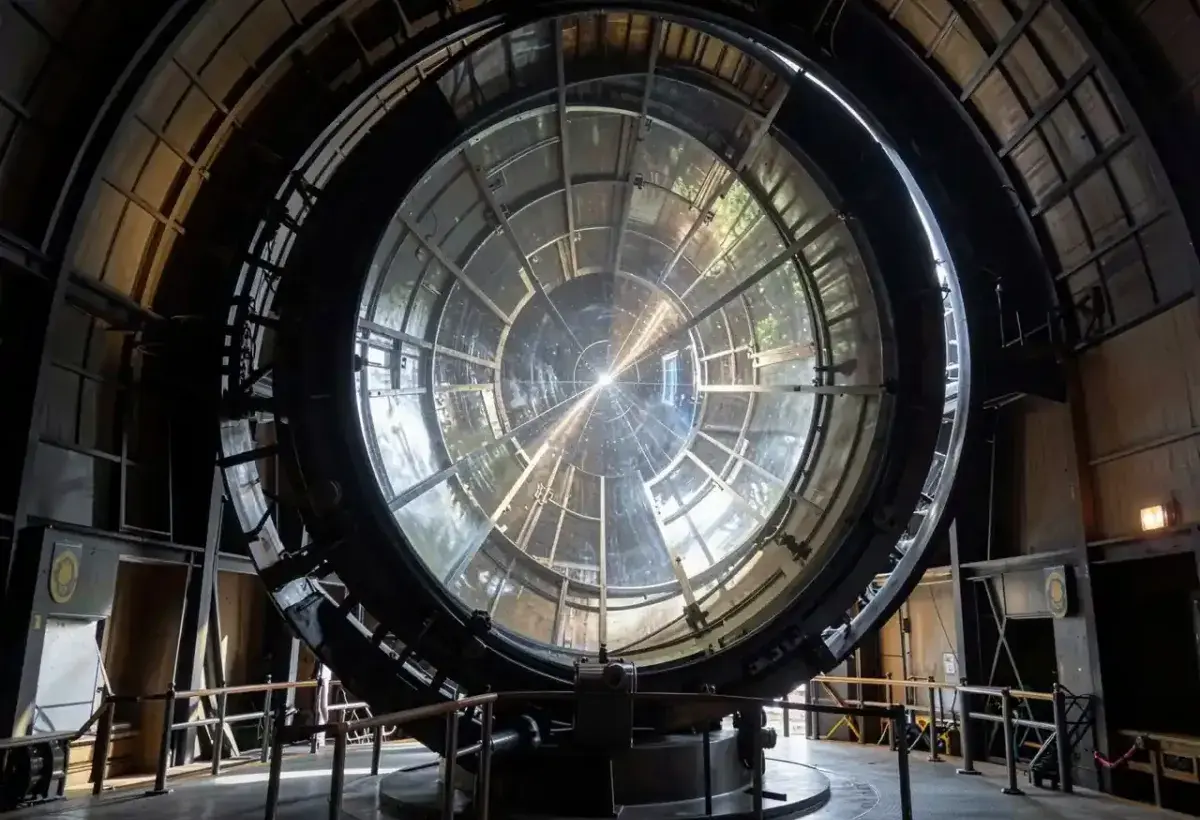
Without the optical properties of glass, many of humanity’s greatest discoveries about the universe and the microscopic world might never have happened.
6. Glass Can Be Recycled Forever
One of the most environmentally friendly aspects of glass is its ability to be recycled repeatedly without losing quality. Many materials degrade during recycling, but glass can be melted down and formed into new products again and again.
When glass is recycled it is first collected, cleaned, and crushed into small pieces called cullet. This cullet is then mixed with fresh raw materials and melted in a furnace. Because cullet melts more easily than raw sand, it can reduce the energy required for glass production.
Using recycled glass also decreases the need for mining new raw materials such as silica sand, soda ash, and limestone. This helps conserve natural resources while lowering the environmental impact of manufacturing.
Recycling programs in many countries collect bottles and jars specifically because they are so efficient to reuse in this way. A glass bottle can be turned into another bottle in as little as a few weeks depending on the recycling system.
Another benefit is that glass does not release harmful chemicals during the recycling process. It remains stable and safe for repeated use in food and beverage containers.
Image
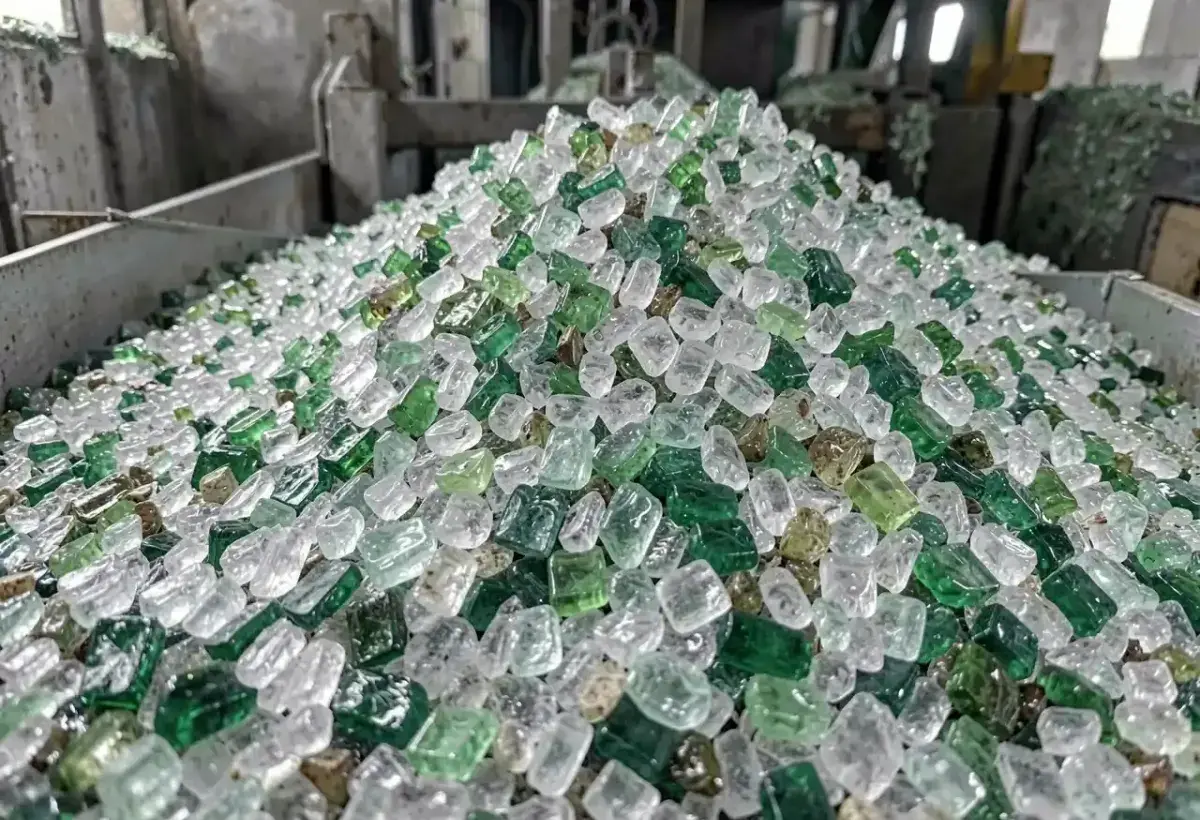
Because of these advantages, increasing glass recycling rates has become an important goal for environmental sustainability around the world.
7. Fiber Optic Glass Powers the Internet
One of the most important modern uses of glass is hidden underground and beneath the oceans. Fiber optic cables made from extremely pure glass carry enormous amounts of digital information across the globe.
These cables work by transmitting pulses of light through hair thin strands of glass fiber. The light reflects within the fiber walls and travels long distances with very little loss of signal. Because light moves incredibly fast, fiber optic networks can deliver data at extraordinary speeds.
This technology forms the backbone of the modern internet. Streaming video, online gaming, cloud computing, and global communication all depend heavily on fiber optic infrastructure.
Undersea fiber optic cables connect continents and allow data to travel across thousands of kilometers of ocean floor. These cables are protected by layers of insulation and shielding but at their core they rely on delicate strands of glass.
Scientists continue to improve fiber optic technology by developing purer glass compositions and advanced signal techniques that increase bandwidth capacity.
Image

Every time a video loads or a message travels across the world in seconds, it is often moving through glass fibers thinner than a human hair.
8. Some Glass Can Survive Extreme Heat
Certain types of glass are designed to handle temperatures that would destroy ordinary glass. One famous example is borosilicate glass, which contains boron oxide as part of its chemical composition.
This special formula allows the glass to expand very little when heated. As a result it resists cracking when exposed to rapid temperature changes. Laboratory equipment, cookware, and industrial components often rely on this property.
Borosilicate glass became widely known through products used in kitchens and laboratories. It can move from cold conditions to high heat without shattering, which makes it extremely practical for cooking and scientific experiments.
Engineers also use heat resistant glass in spacecraft, industrial furnaces, and specialized lighting systems. These applications require materials that can endure intense environments without losing structural integrity.
Image

The ability to withstand extreme heat has made advanced glass compositions essential for both everyday household products and cutting edge scientific research.
9. The World’s Largest Glass Structures Are Massive
Glass is not only used for small objects. Modern architecture has pushed the limits of how large glass structures can become. Entire skyscrapers now feature curtain walls made primarily of glass panels that cover enormous surfaces.
These architectural systems rely on specially engineered glass that combines strength, insulation, and safety. Laminated layers and advanced coatings help control temperature, sunlight, and energy efficiency within buildings.
Large glass domes, atriums, and observation decks have become iconic features in many cities. These structures allow natural light to fill interior spaces while creating dramatic visual designs.
One of the challenges architects face is balancing transparency with structural safety. Engineers must carefully calculate wind loads, temperature changes, and building movement to ensure the glass panels remain secure.
Advances in manufacturing have made it possible to produce massive panels with exceptional clarity and strength. Some modern glass panels can be several meters tall while maintaining strict safety standards.
Image

These developments show how glass has evolved from small handcrafted ornaments into one of the most striking materials used in modern architecture.
10. Scientists Are Creating Smart Glass
The future of glass may be even more exciting than its past. Researchers are developing advanced forms of smart glass that can change their properties in response to electricity, temperature, or light.
Electrochromic glass is one example. When an electrical signal passes through the glass, it can darken or lighten automatically. This technology allows windows to control sunlight and reduce heat inside buildings without traditional curtains or blinds.
Some smart glass systems can also adjust transparency depending on environmental conditions. Offices and homes equipped with this technology may automatically reduce glare during bright sunlight while maintaining clear views.
Other experimental types of glass include surfaces that generate electricity through embedded solar materials. Transparent solar panels could one day turn windows into energy producing elements of buildings.
Researchers are even exploring self repairing glass coatings that could reduce scratches or minor damage over time.
Image
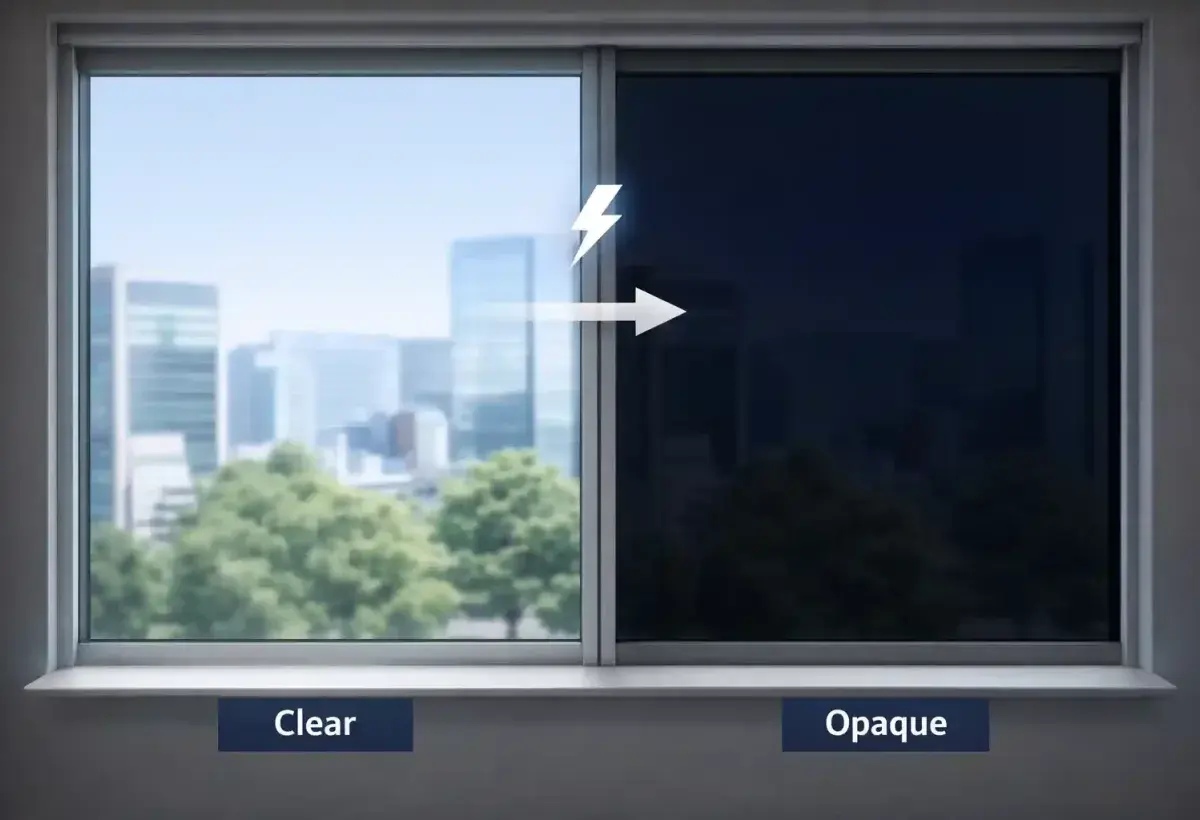
As these technologies mature, glass could become an active component in energy efficiency, sustainability, and advanced building design.
Glass may appear simple at first glance, yet its story reveals an extraordinary combination of science, craftsmanship, and innovation. From the moment ancient artisans discovered how heat could transform sand into shimmering objects, glass has continued to evolve alongside human civilization.
The unique structure of glass gives it properties that few materials share. It can be transparent yet strong, delicate yet durable, simple yet technologically complex. These qualities have allowed it to serve countless roles in daily life and scientific progress.
Throughout history glass has helped expand human knowledge. Lenses opened pathways to the microscopic world and the far reaches of space. Fiber optic cables now carry information across continents at the speed of light. Architectural glass transforms skylines while allowing sunlight to illuminate modern cities.
At the same time glass continues to adapt to modern challenges. Recycling programs help reduce environmental impact. Engineers create new formulas that resist heat, impact, and extreme conditions. Researchers are experimenting with intelligent glass that can control light, generate energy, and even repair itself.
What makes glass truly remarkable is how it connects ancient discovery with future technology. A material that began as melted sand thousands of years ago now plays a central role in communication networks, medical research, sustainable architecture, and consumer electronics.
Image

The next time sunlight passes through a window or reflects from a glass surface, it may be worth remembering that this everyday material holds a story of innovation stretching across thousands of years. Glass is more than just a transparent surface. It is one of humanity’s most versatile and fascinating creations.