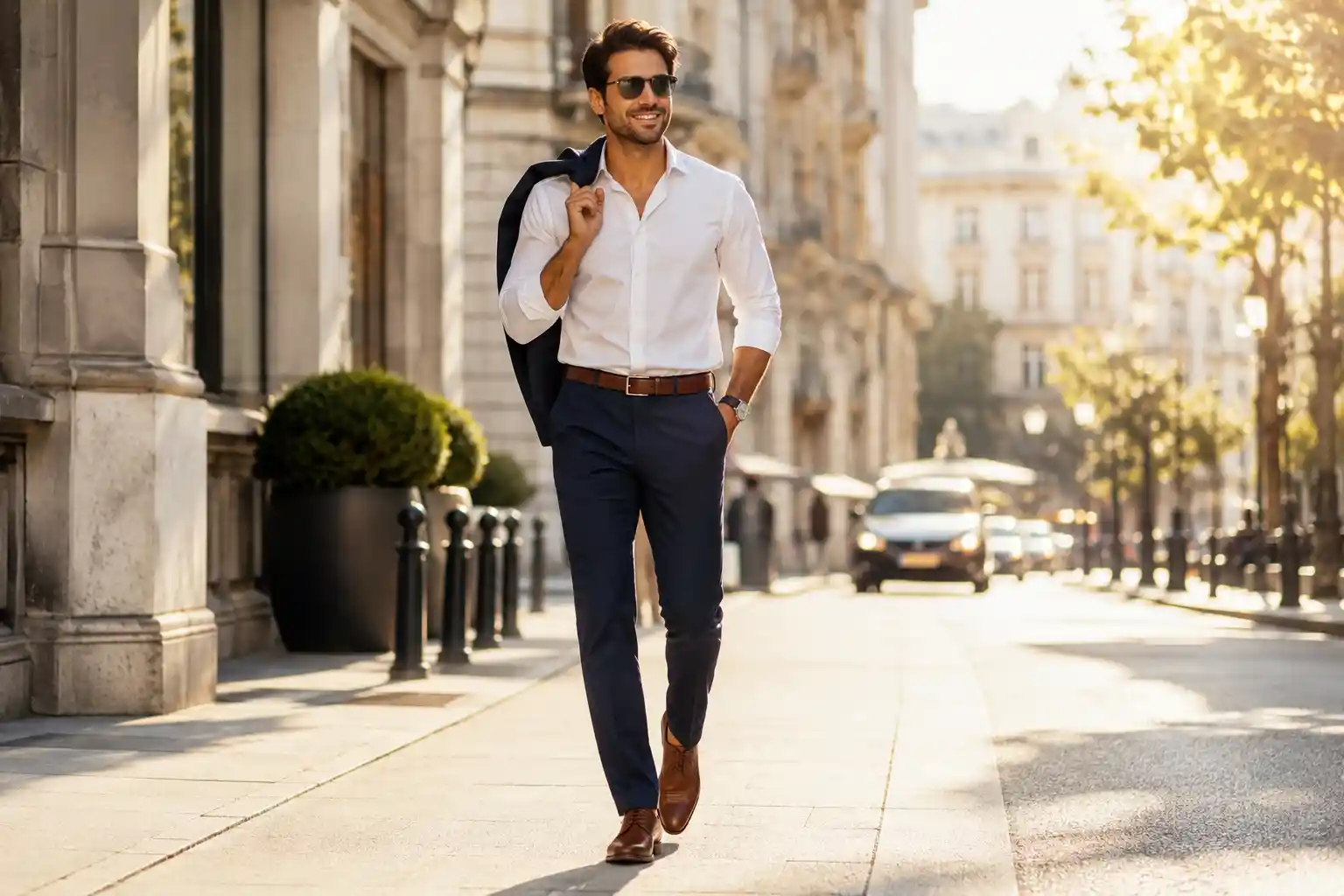
Looking well dressed is not about spending the most money or following every fashion trend that appears each season. It is about understanding yourself, choosing clothing that reflects your personality, and paying attention to the details that make an outfit feel complete. People often notice someone who dresses with confidence because everything looks intentional, comfortable, and effortless. The good news is that anyone can develop this skill with a little practice and thoughtful decision making.
Many people believe style is something you are born with, but the truth is that great style is learned over time. It grows through experience, observation, and the willingness to discover what works best for your body, your lifestyle, and your personal taste. A wardrobe filled with carefully chosen pieces often looks far better than one overflowing with clothes that rarely get worn.
Being well dressed also influences how you feel. Wearing clothes that fit properly and suit the occasion can boost confidence, improve first impressions, and even help you approach daily tasks with greater enthusiasm. Whether you are heading to work, meeting friends, attending a special event, or simply enjoying a relaxing weekend, dressing well shows respect for yourself and those around you.
We explore ten practical secrets that can help anyone refine their personal style. These ideas do not require a designer budget or a complete wardrobe makeover. Instead, they focus on timeless habits that make getting dressed easier and more enjoyable. By applying these simple principles, you can create outfits that look polished, feel comfortable, and reflect the best version of yourself every day.
1. Prioritize Clothes That Fit Perfectly
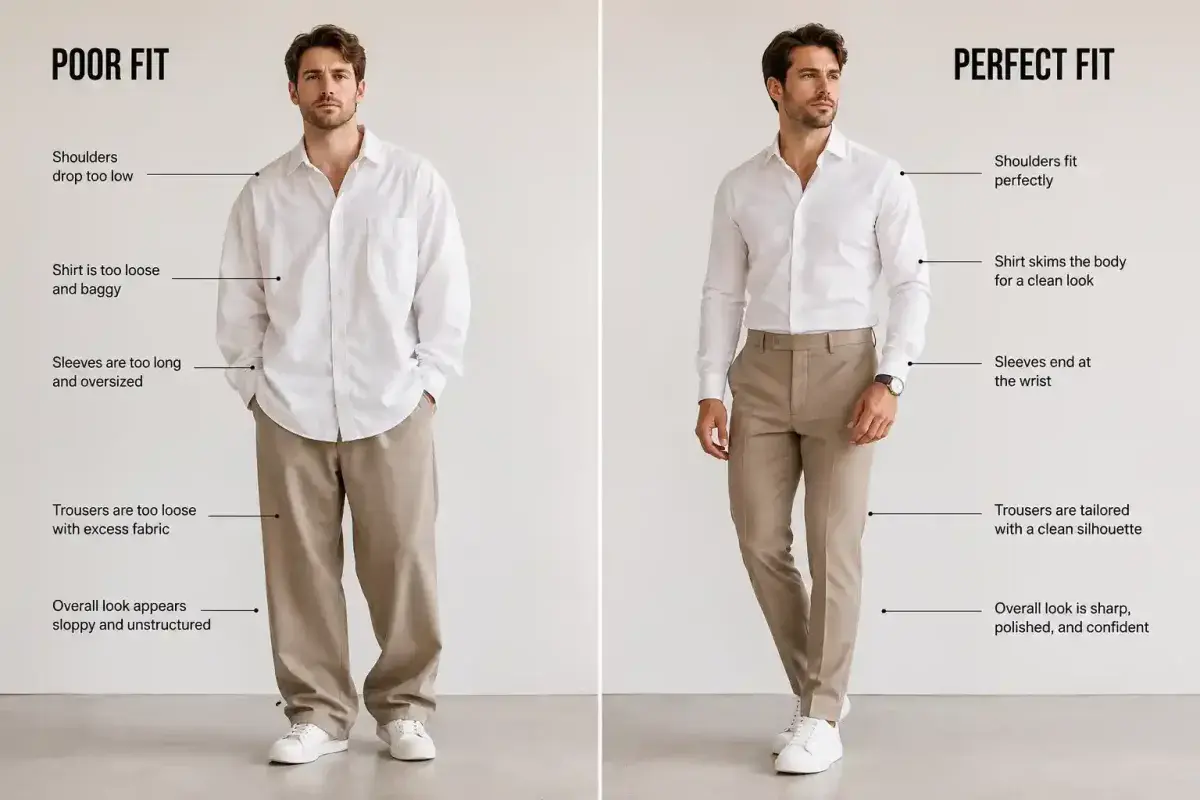
The foundation of every great outfit begins with proper fit. Even the most expensive clothing can appear unflattering when it is too loose, too tight, or poorly proportioned. On the other hand, affordable clothing that fits your body well often looks polished and sophisticated. This simple principle is one of the biggest differences between someone who merely wears clothes and someone who consistently looks well dressed.
Every body is unique, so clothing should complement your shape instead of hiding it or restricting movement. Pay attention to how shirts sit across your shoulders, where trousers fall on your waist, and how sleeves and hems end. These small details create balance throughout your appearance and make your outfit feel intentional rather than accidental.
Many people overlook tailoring because they assume it is only for expensive suits or formal wear. In reality, simple adjustments such as shortening sleeves, hemming pants, or taking in the waist of a jacket can completely transform how a garment looks. A few inexpensive alterations often extend the life of clothing while making it appear custom made.
Comfort also plays an important role in achieving the right fit. If you constantly adjust your clothing throughout the day, chances are it is not fitting properly. Clothes that allow you to move naturally help you project confidence without distraction. When you feel comfortable, your posture improves and your confidence becomes more noticeable.
As you build your wardrobe, resist the temptation to buy clothing simply because it is on sale or because you hope it will fit someday. Instead, choose pieces that fit your current body and make you feel good every time you wear them. This approach reduces clutter and ensures your wardrobe works for you rather than against you.
The secret is not about wearing a certain size. It is about wearing clothes that look balanced, comfortable, and naturally suited to your body. Once fit becomes your first priority, every other styling decision becomes much easier.
Image
2. Build Your Wardrobe Around Timeless Basics
Fashion trends come and go, but timeless wardrobe essentials remain useful year after year. Investing in versatile basics creates a strong foundation that allows you to dress well without constantly buying new clothes. These pieces work together easily and make choosing an outfit much less stressful.
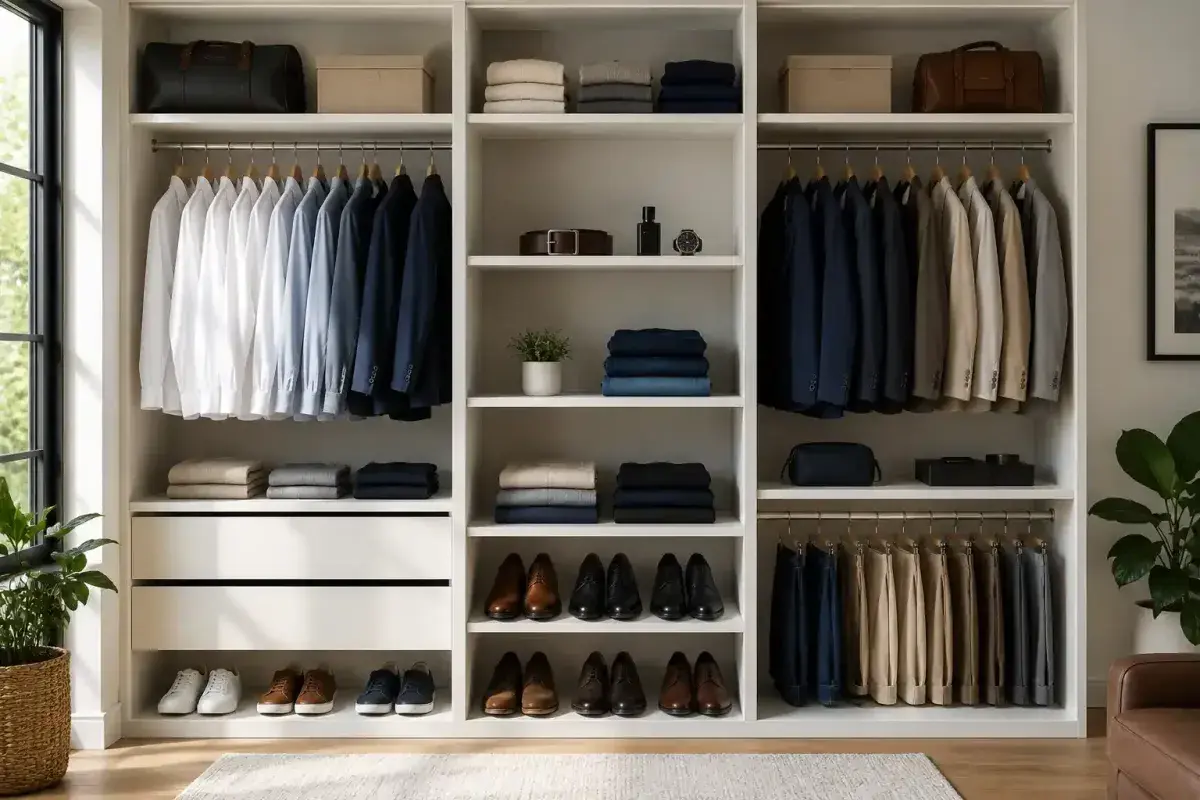
Classic items such as a crisp white shirt, well fitted jeans, neutral trousers, a quality blazer, comfortable sneakers, simple leather shoes, and solid colored knitwear rarely go out of style. Their strength lies in their flexibility because they can be mixed with many other pieces to create different looks for various occasions.
Choosing neutral colors like white, black, navy, gray, beige, and olive helps maximize outfit combinations. These shades pair naturally with one another and also provide an excellent backdrop for adding subtle pops of color through accessories or seasonal pieces.
Quality matters more than quantity when selecting basics. A few durable garments made from comfortable fabrics often outperform a closet filled with trendy items that wear out quickly. Look for clean stitching, reliable materials, and comfortable construction that will continue looking good after repeated washing and wear.
Building your wardrobe slowly also encourages smarter purchasing decisions. Instead of shopping impulsively, consider whether a new item complements what you already own. If it works with multiple outfits, it becomes a valuable addition rather than another forgotten purchase.
Timeless basics also simplify travel because many pieces coordinate effortlessly. With fewer garments, you can create several stylish combinations without overpacking. This practical benefit makes dressing easier whether you are preparing for work, a vacation, or a special event.
When your wardrobe begins with dependable essentials, adding seasonal trends becomes much easier. You can experiment without sacrificing versatility because your foundation remains consistent. Over time, this thoughtful approach helps develop a personal style that feels authentic instead of constantly changing with every new fashion trend.
Image
3. Choose Quality Over Quantity
Owning more clothing does not automatically make getting dressed easier. In fact, an overcrowded wardrobe often creates confusion because many pieces do not work well together or rarely get worn. People who consistently look stylish usually own fewer items, but each piece has been chosen with care and purpose.
Quality clothing often lasts longer because it is made from better fabrics and stronger construction. Natural fibers such as cotton, linen, wool, and quality blends generally maintain their appearance better with proper care. Paying attention to fabric texture, stitching, buttons, and finishing details can help you identify garments that offer long term value.
Buying fewer high quality pieces also encourages mindful shopping. Before making a purchase, ask yourself whether the item suits your lifestyle, coordinates with existing clothing, and will still be enjoyable to wear next year. If the answer is yes, it is likely a worthwhile investment.
Proper clothing care is equally important. Washing garments according to their labels, storing them correctly, and repairing small issues before they become larger problems can significantly extend their lifespan. Even simple habits such as using wooden hangers for jackets or folding knitwear correctly help maintain their shape.
Quality is also reflected in how clothing feels. Comfortable fabrics that breathe well and move naturally improve your overall experience throughout the day. When clothing feels good to wear, confidence follows naturally because you are not distracted by discomfort or constant adjustments.
This philosophy does not mean every item must be expensive. Many affordable brands produce durable, attractive clothing when you take the time to examine the craftsmanship. Shopping carefully, waiting for seasonal sales, and focusing on essential pieces often provides better value than frequent impulse purchases.
A thoughtfully curated wardrobe filled with dependable clothing saves money over time and makes daily outfit decisions much easier. Instead of chasing endless trends, you build a collection that reflects your personality while maintaining comfort, versatility, and lasting style.
Image

4. Understand the Power of Color Coordination
Choosing the right colors can completely change the way an outfit looks. Even simple clothing can appear polished and stylish when the colors work well together. Many people think they need bold patterns or expensive fashion pieces to stand out, but color coordination often has a much greater impact. Learning how different shades complement one another allows you to create outfits that feel balanced without appearing overly complicated.
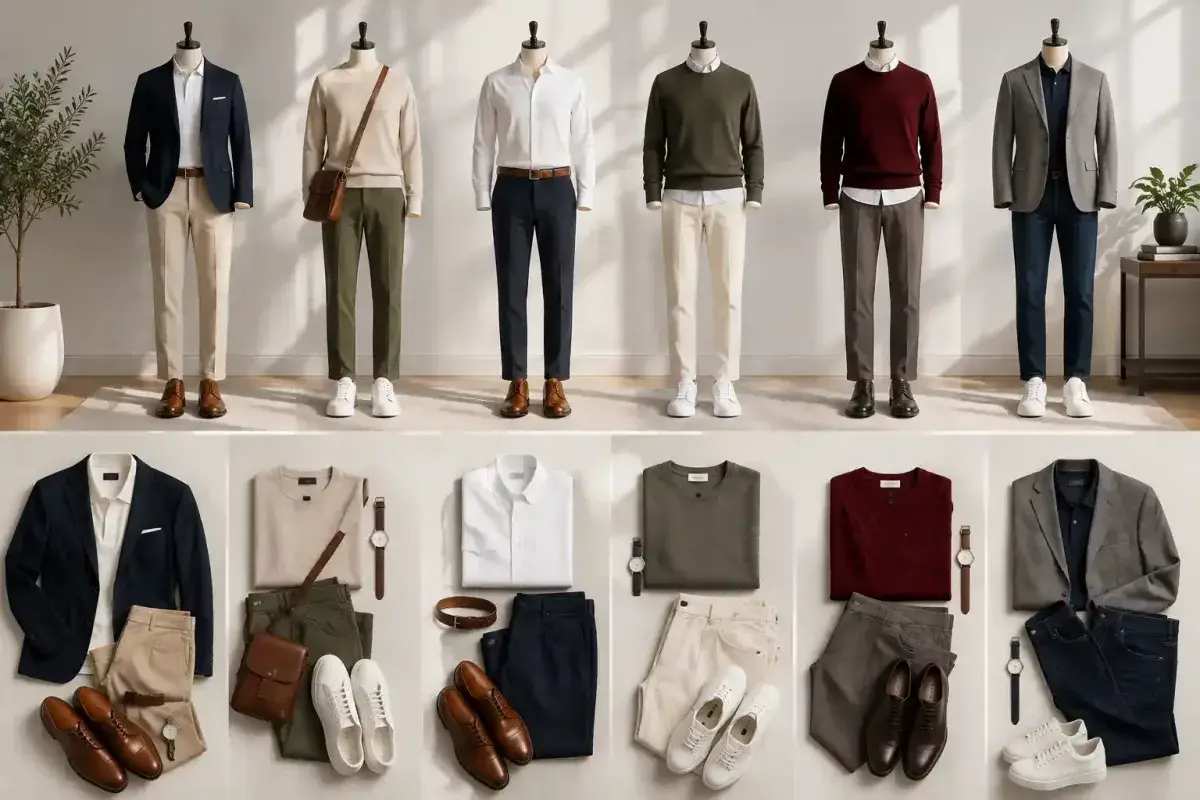
A practical place to begin is by building most of your wardrobe around neutral colors. White, black, navy, gray, beige, and olive are easy to combine and provide countless outfit possibilities. These shades also create a clean foundation that allows brighter colors to stand out naturally. Once you have this base, you can introduce richer colors such as burgundy, forest green, mustard, or deep blue to add personality without overwhelming the overall look.
Another helpful habit is to limit the number of dominant colors in a single outfit. Wearing too many competing shades can make your appearance look busy rather than refined. Two or three main colors often create a harmonious result while still allowing room for subtle contrast through shoes, bags, scarves, or jewelry.
It is also worth considering your skin tone when selecting colors. Some shades naturally brighten your complexion while others may make you appear tired. Taking time to discover which colors flatter you most can make a noticeable difference every time you get dressed. This is one reason why certain people seem to look effortlessly stylish even in simple clothing.
Seasonal colors can also inspire your wardrobe. Lighter shades often feel fresh during warmer months while deeper colors create warmth and sophistication during cooler seasons. This does not mean strict rules must be followed. Instead, use the seasons as gentle inspiration while remaining true to your personal style.
Confidence grows when your clothing feels visually balanced. Color coordination helps create that balance by guiding the eye naturally from one piece to another. As you become more familiar with combining colors, choosing outfits becomes quicker and far more enjoyable because you know each piece works together with ease.
Image
5. Pay Attention to Shoes and Accessories
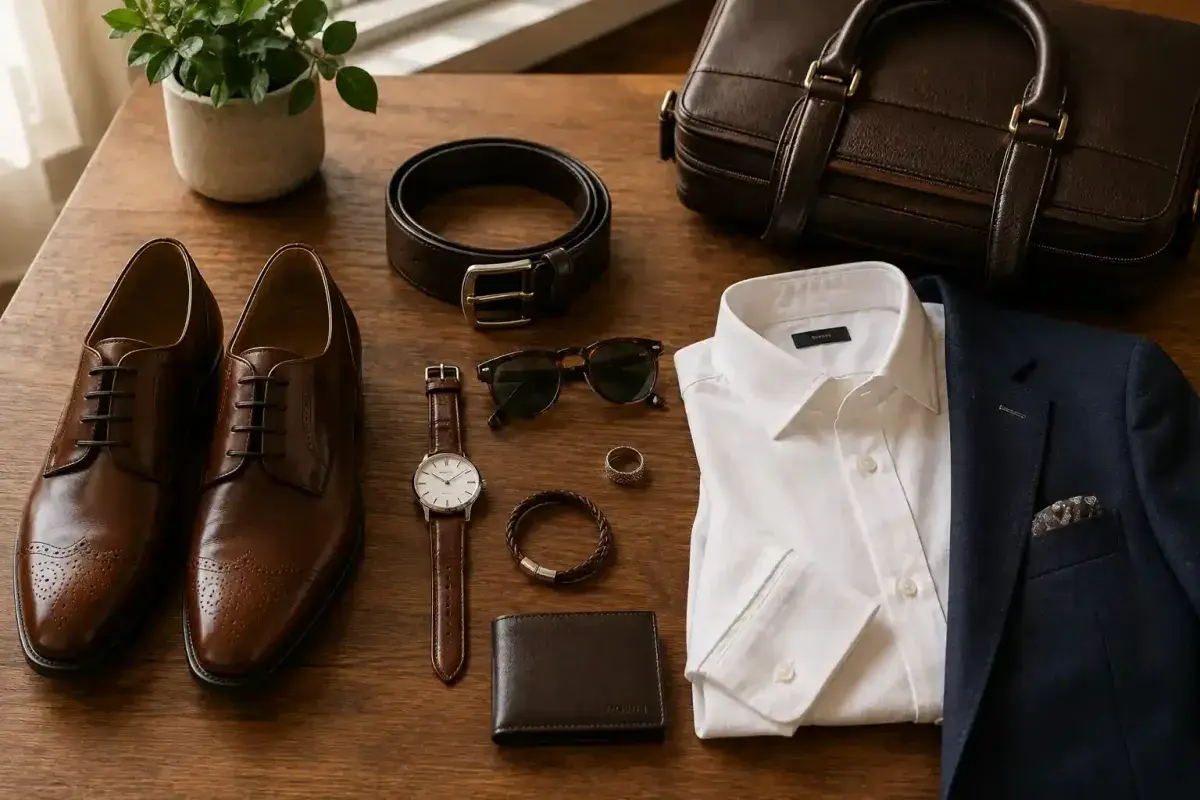
Many people spend considerable time selecting clothing while giving little thought to shoes and accessories. Yet these finishing touches often determine whether an outfit appears complete or unfinished. A well chosen pair of shoes, a quality watch, a simple belt, or an elegant handbag can elevate even the most basic clothing into something that looks refined and intentional.
Shoes deserve particular attention because they naturally attract the eye as people observe your overall appearance. Clean and well maintained footwear immediately communicates care and attention to detail. Whether you prefer classic leather shoes, comfortable loafers, polished boots, or simple white sneakers, keeping them clean and in good condition makes a significant difference.
Accessories should complement your outfit rather than compete with it. Choosing one or two thoughtful pieces often creates a stronger impression than wearing many items at once. A timeless wristwatch, understated necklace, elegant earrings, or a structured handbag can add personality without distracting from the rest of your clothing.
Belts also serve both practical and visual purposes. Matching the color of your belt with your shoes creates a cohesive appearance that looks naturally balanced. Although this detail may seem small, it contributes to an overall sense of polish that people often notice without realizing why.
Bags deserve careful consideration as well. A quality backpack, tote, or briefcase that suits your lifestyle should appear clean, organized, and appropriate for the occasion. Carrying an old or worn bag alongside an otherwise polished outfit can weaken the overall impression.
Seasonal accessories offer another opportunity to express personal style. Scarves, hats, sunglasses, and lightweight outerwear can introduce texture and visual interest while remaining functional. Selecting pieces that coordinate with your wardrobe ensures they enhance rather than overwhelm your appearance.
The goal is not to own dozens of accessories. Instead, build a small collection of dependable items that pair easily with most of your clothing. These thoughtful finishing touches quietly communicate confidence, organization, and personal style while helping every outfit feel complete.
Image
6. Dress for the Occasion While Staying True to Yourself
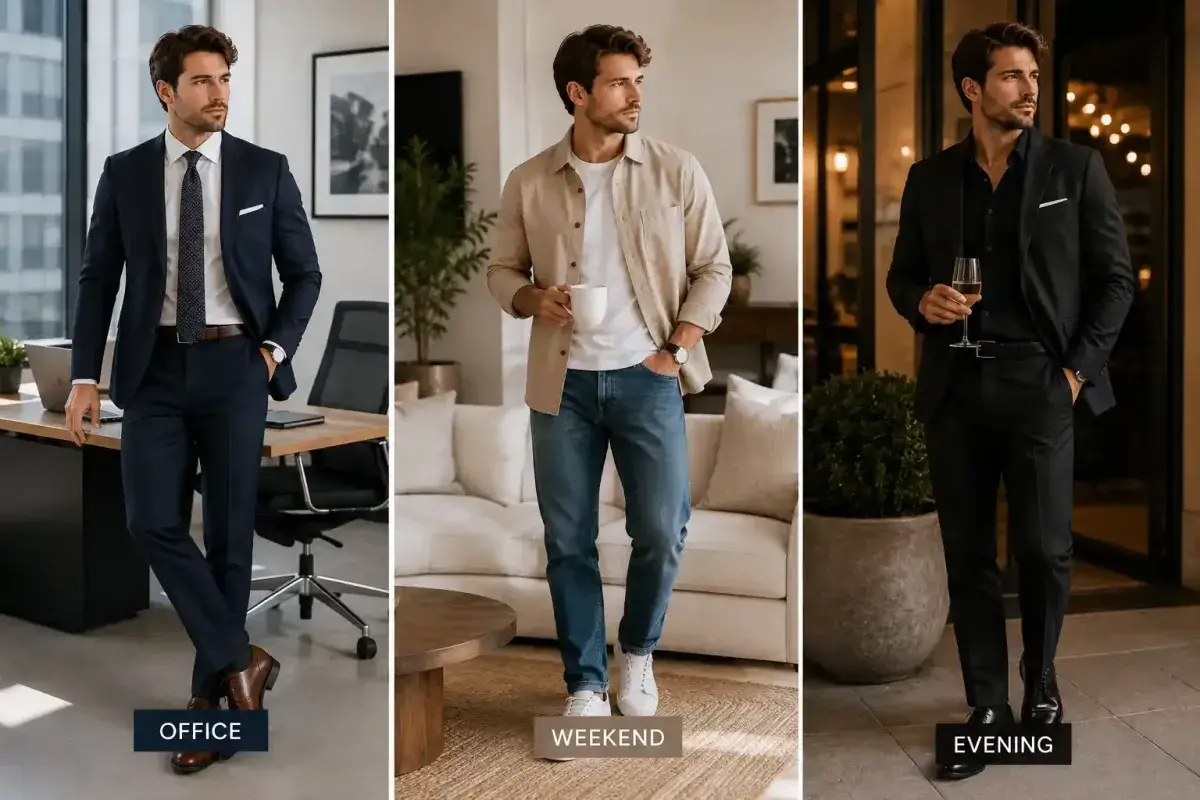
One of the clearest signs of good style is knowing how to dress appropriately for different situations while still expressing your own personality. Clothing should reflect both the environment and the individual wearing it. Someone who understands this balance often appears naturally confident because their outfit feels comfortable, appropriate, and authentic.
Every occasion carries certain expectations. A professional meeting usually calls for polished clothing that communicates reliability, while a relaxed weekend gathering allows for more casual choices. Formal celebrations may require elegant attire, whereas outdoor activities demand comfort and practicality. Understanding these differences helps you avoid feeling either overdressed or underdressed.
At the same time, dressing appropriately does not mean abandoning your personal style. Small details allow your individuality to shine. You might choose a favorite color, wear a signature watch, carry a distinctive handbag, or select clothing with subtle textures that reflect your preferences. These choices create consistency across different settings without ignoring the occasion.
Comfort remains an essential consideration. Clothing that suits the environment should also allow you to move naturally and feel at ease throughout the day. When you are comfortable, your posture improves, your confidence becomes more visible, and your interactions with others feel more relaxed.
Planning ahead also reduces unnecessary stress. Checking the weather, understanding the event location, and considering the activities involved allow you to prepare suitable clothing before the day begins. This simple habit prevents last minute outfit changes and helps you feel prepared from the moment you leave home.
It is also helpful to remember that confidence comes from authenticity rather than imitation. Wearing clothing simply because it is fashionable rarely creates lasting satisfaction if it does not reflect your personality. Choosing garments that align with your lifestyle and values creates a stronger and more genuine impression.
Being well dressed is ultimately about balance. Respect the occasion, understand the setting, and remain true to yourself. When these elements come together, your clothing supports your confidence instead of competing for attention.
Image
7. Keep Your Clothes Clean and Well Maintained
Looking well dressed begins long before you choose an outfit for the day. Clothing that is clean, fresh, and properly cared for always creates a stronger impression than expensive garments that appear worn or neglected. Even the most stylish wardrobe loses its appeal if shirts are wrinkled, shoes are dirty, or fabrics show obvious signs of poor maintenance. Developing simple care habits helps every item look its best and allows your wardrobe to last much longer.
Regular washing according to garment instructions preserves both the appearance and comfort of your clothing. Different fabrics require different levels of care, so taking a few moments to read the care label can prevent shrinking, fading, or unnecessary wear. Delicate materials often benefit from gentle washing while structured garments may require professional cleaning to maintain their shape.
Ironing or steaming clothing before wearing it can dramatically improve your appearance. Wrinkled shirts, trousers, and dresses often make an outfit appear rushed even when every other element is carefully chosen. A smooth, crisp finish communicates attention to detail and gives clothing a more refined look.
Storage also plays an important role. Jackets and blazers should be hung on sturdy hangers that support their shape. Knitwear is often better folded to prevent stretching. Shoes should be stored in a clean, dry place, and using shoe trees can help maintain their form over time. These small habits preserve the quality of your wardrobe with very little effort.
Minor repairs should never be ignored. Replacing a loose button, repairing a small tear, or fixing a loose hem prevents minor issues from becoming larger problems. Caring for clothing in this way also reduces unnecessary spending because well maintained garments remain wearable for many years.
Freshness extends beyond appearance. Clothing should smell clean and feel comfortable throughout the day. Proper washing, adequate drying, and thoughtful storage all contribute to garments that are pleasant to wear and present well in any setting.
When clothing is consistently cared for, every outfit reflects pride, organization, and confidence. These qualities are often noticed before anyone comments on the style itself, making proper maintenance one of the most valuable habits for anyone who wants to look well dressed.
Image

8. Wear Confidence With Every Outfit
The most fashionable clothing in the world cannot replace confidence. People who appear well dressed often stand out because they wear their clothes with ease rather than constantly worrying about how they look. Confidence changes posture, facial expression, and body language, allowing even simple outfits to leave a lasting impression.
Confidence begins with choosing clothing that genuinely feels comfortable. If an outfit is too tight, too loose, or simply does not reflect your personality, it becomes difficult to relax. On the other hand, clothing that fits well and aligns with your personal taste allows you to focus on conversations, work, and experiences instead of adjusting your appearance.
Standing tall with relaxed shoulders instantly improves the way clothing looks. Good posture allows garments to fall naturally while creating a stronger overall silhouette. Walking with purpose and maintaining comfortable eye contact further enhance the impression of confidence without requiring expensive clothing or dramatic styling.
Avoid comparing your style with everyone else. Fashion should be a form of self expression rather than competition. Social media often showcases carefully staged outfits that do not reflect everyday life. Instead of chasing every trend, focus on developing a wardrobe that supports your own lifestyle and personality.
Confidence also grows through preparation. Planning your outfit the night before reduces rushed decisions in the morning and allows you to begin the day feeling organized. Knowing that your clothing is clean, coordinated, and appropriate for your schedule creates peace of mind that naturally shows in your behavior.
Accept that personal style evolves over time. You do not need to achieve perfection immediately. Experiment with different combinations, observe what makes you feel your best, and continue refining your wardrobe through experience. Each successful outfit builds greater confidence for the future.
People often remember how someone carries themselves more than the specific clothing they wore. When your confidence is genuine, your outfit becomes an extension of your personality rather than the center of attention. This quiet self assurance is one of the most powerful secrets of being well dressed.
Image
9. Develop Your Own Signature Style
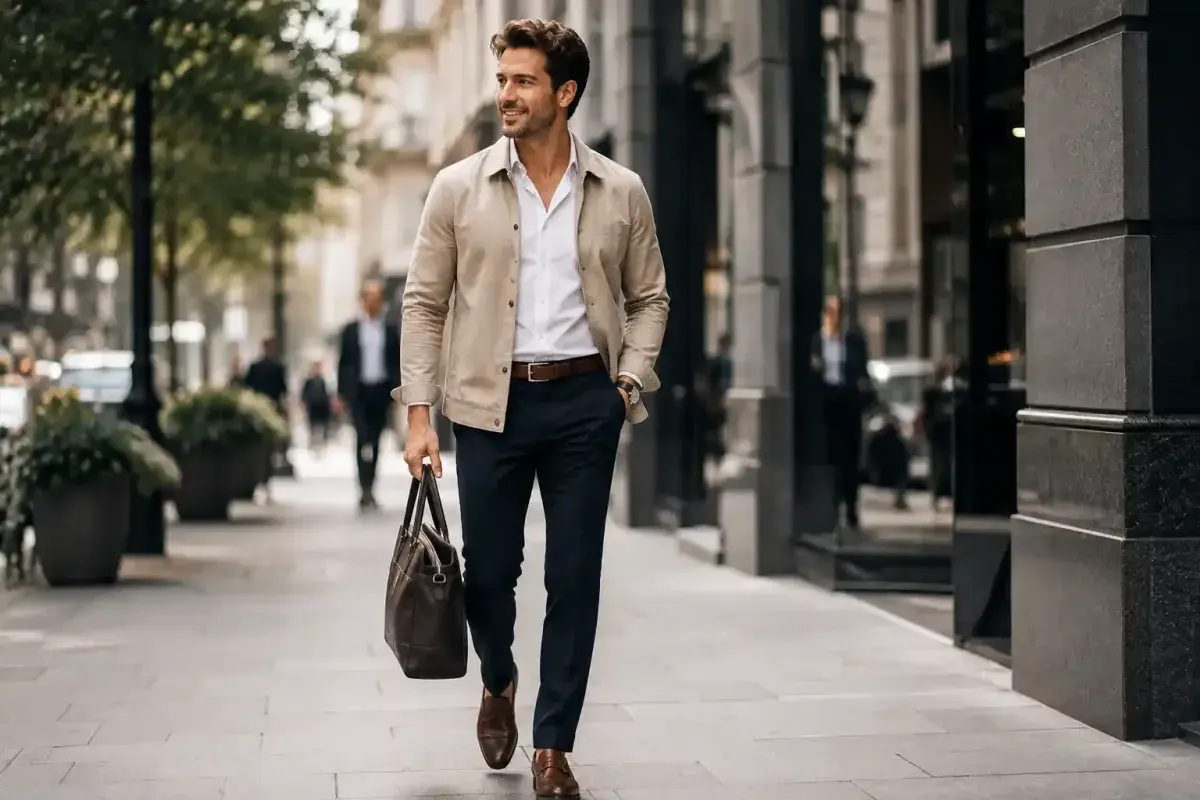
Truly well dressed people rarely look identical to everyone else. Instead of copying every popular trend, they develop a personal style that reflects their personality, lifestyle, and preferences. A signature style creates consistency, making it easier to build a wardrobe while helping others recognize your unique sense of fashion.
Your signature style does not need to be dramatic or unusual. It may simply involve wearing neutral colors, preferring tailored clothing, choosing classic footwear, or always incorporating a favorite accessory. These consistent choices gradually become part of your personal identity without feeling forced.
Begin by paying attention to the outfits you enjoy wearing most. Notice which colors make you feel confident, which fabrics provide comfort, and which clothing combinations receive positive reactions from both yourself and others. Patterns often emerge that reveal your natural preferences.
Finding inspiration can also be valuable, but inspiration should never become imitation. Observe fashion magazines, public figures, or stylish individuals around you, then adapt ideas in ways that suit your own body, budget, and lifestyle. This approach allows your wardrobe to evolve while remaining authentic.
Editing your wardrobe is another important step. Clothing that no longer fits your style or lifestyle often creates unnecessary clutter. Removing pieces that rarely get worn makes room for garments that genuinely represent who you are today.
Consistency also makes shopping easier. When you understand your preferred colors, cuts, and materials, impulse purchases become less common because you naturally recognize what belongs in your wardrobe. This thoughtful approach saves money while creating greater harmony among your clothing.
A signature style is not about limiting creativity. Instead, it provides a dependable foundation that allows occasional experimentation without losing your sense of identity. Over time, this balance between consistency and flexibility creates a wardrobe that feels both timeless and uniquely yours.
Image
10. Focus on Simplicity Instead of Following Every Trend
Fashion trends appear constantly, but they often disappear just as quickly. Chasing every new style can become expensive, confusing, and exhausting. People who consistently look well dressed usually rely on simplicity rather than constantly replacing their wardrobes with the latest fashion. Their clothing feels current because it is thoughtfully selected rather than driven entirely by trends.
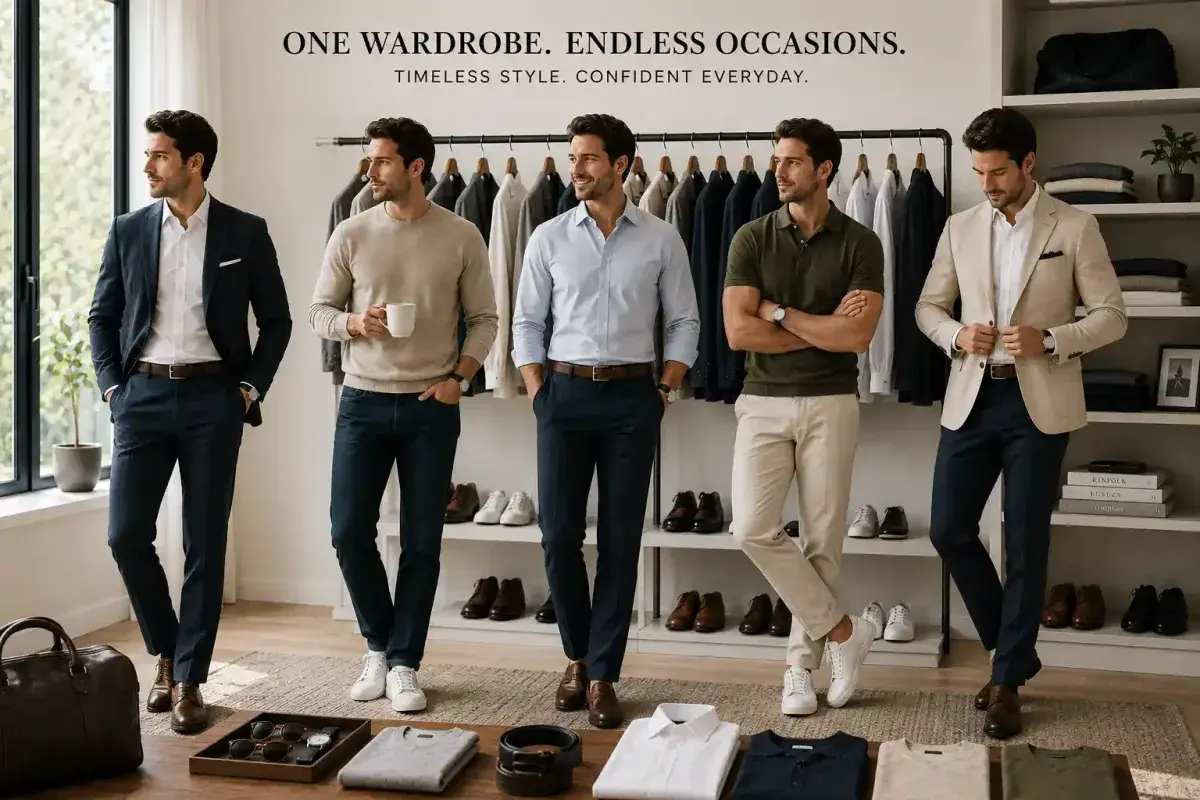
Simple outfits often have greater impact because each piece serves a clear purpose. A well fitted shirt, quality trousers, clean shoes, and subtle accessories create an appearance that feels polished without trying too hard. This balanced approach allows your personality to remain the focus instead of your clothing demanding constant attention.
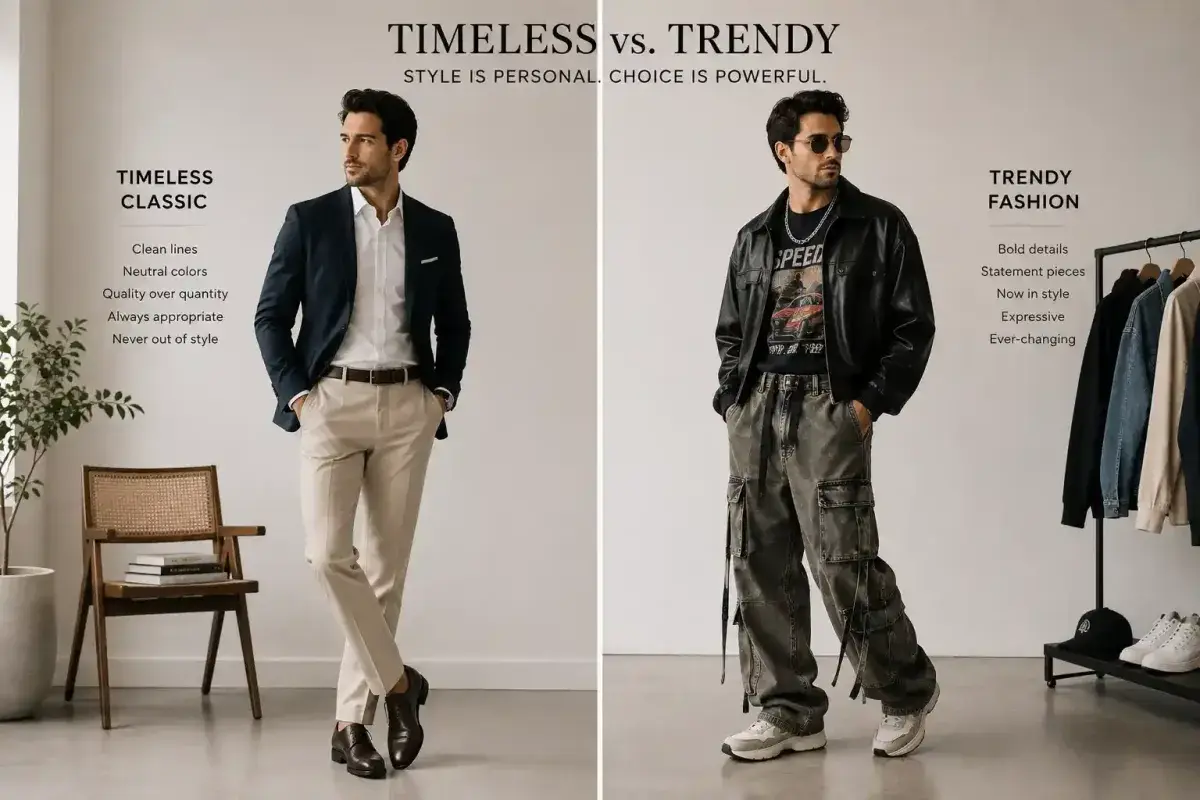
Trends can still be enjoyable when used carefully. Instead of rebuilding your entire wardrobe each season, consider adding one or two modern pieces that complement your existing collection. This allows you to stay current while preserving the timeless foundation you have already created.
Avoid purchasing clothing simply because it is popular. Ask yourself whether it suits your lifestyle, coordinates with what you already own, and reflects your personal taste. If the answer is no, it is often better to admire the trend without feeling pressured to own it.
Simplicity also encourages versatility. Clothing that works across many situations provides greater value than highly specific pieces that are rarely worn. Neutral colors, classic silhouettes, and quality fabrics remain relevant year after year, making them dependable choices regardless of changing fashion cycles.
Personal confidence grows when your wardrobe feels consistent and manageable. Instead of facing a closet full of impulse purchases, you have clothing that works together naturally and supports your everyday routine. Getting dressed becomes quicker, easier, and more enjoyable.
The secret is not avoiding trends completely but choosing them wisely. Let timeless style form the foundation of your wardrobe while allowing carefully selected modern touches to refresh your look. This balanced approach creates lasting style that remains elegant long after temporary fashions have faded.
Image
Looking well dressed is not about owning the biggest wardrobe or purchasing the most expensive labels. It is about making thoughtful choices that reflect your personality, suit your lifestyle, and help you feel confident every time you leave the house. Small improvements made consistently often have a greater impact than dramatic changes made only once. When you understand the basics of good fit, timeless clothing, thoughtful color coordination, quality craftsmanship, proper maintenance, and confidence, dressing well becomes a natural part of your daily routine rather than a difficult task.
One of the greatest advantages of developing personal style is that it saves both time and money. Instead of filling your closet with clothing that rarely gets worn, you begin choosing pieces that work together effortlessly. Every purchase becomes more intentional because it supports the wardrobe you have already built. This creates a collection of clothing that is versatile, comfortable, and suitable for many different occasions.
Remember that style is a personal journey rather than a destination. Your preferences, lifestyle, and needs may change over time, and your wardrobe should evolve with you. There is no single definition of being well dressed because the most memorable outfits are those that feel authentic to the person wearing them. Confidence, comfort, and attention to detail will always leave a stronger impression than following every passing fashion trend.
The best secret of all is consistency. Caring for your clothes, dressing appropriately for each occasion, and staying true to your personal style will help you look polished every day without unnecessary effort. Fashion trends may come and go, but timeless habits never lose their value. By applying these ten practical secrets, you can build a wardrobe that not only looks stylish but also supports your confidence, reflects your personality, and helps you present your best self wherever life takes you.