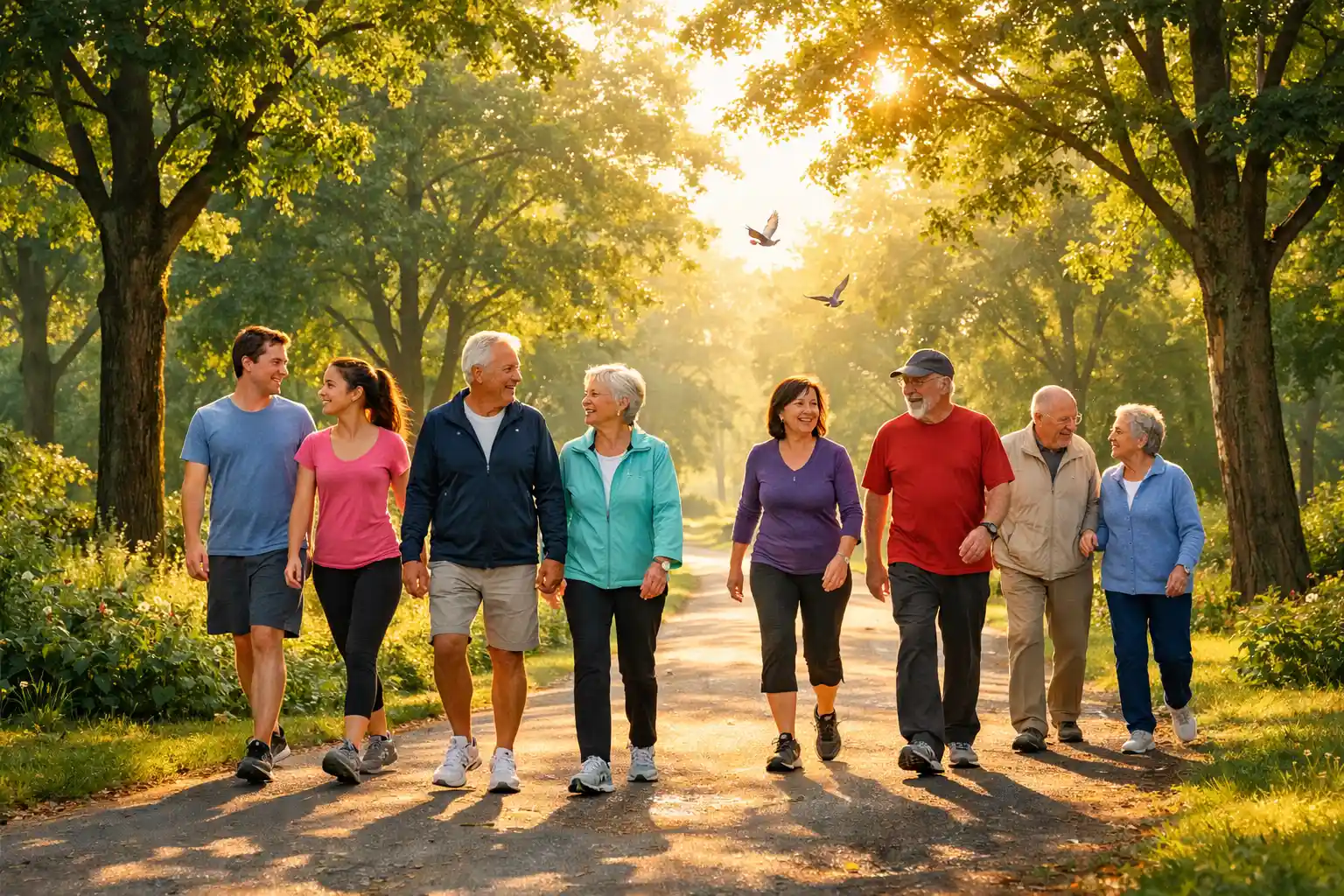
Walking is one of the simplest forms of exercise, yet it remains one of the most effective ways to improve overall health. Unlike many fitness activities that require expensive equipment, gym memberships, or advanced skills, walking is accessible to almost everyone. A comfortable pair of shoes and a safe place to walk are often all that is needed to begin building a healthier lifestyle. Whether someone chooses a peaceful nature trail, a neighborhood sidewalk, or a local park, every step contributes to better physical and mental wellbeing.
Many people underestimate how much regular walking can change their daily lives. Small improvements begin to add up over time. Energy levels gradually increase, muscles become stronger, and the heart works more efficiently. Even a short daily walk can become a powerful habit that supports long term health. Consistency matters far more than speed or distance. Walking at a comfortable pace several times each week can provide meaningful benefits without placing excessive stress on the body.
Walking also fits easily into busy schedules. Some people enjoy a walk before breakfast to start the day with fresh air and movement. Others prefer walking during lunch breaks or after dinner to unwind. Families can walk together in the evening while catching up on each other's day, and friends can turn regular walks into enjoyable social activities. These moments combine physical activity with meaningful conversations, making exercise feel less like a chore and more like a rewarding part of everyday life.
Another reason walking remains so popular is that it supports people at nearly every stage of life. Beginners can start slowly and gradually increase their distance, while experienced walkers can challenge themselves with longer routes or steeper terrain. Because walking is gentle on the joints compared with many high impact activities, it is often easier to maintain over the years. The following benefits explain why adding regular walks to your routine can become one of the smartest investments you make for your health.
1. Walking Strengthens Your Heart
Walking is one of the most effective ways to improve cardiovascular health without placing excessive strain on the body. Every step encourages the heart to pump blood more efficiently, delivering oxygen and nutrients throughout the body. As this process becomes more efficient over time, the heart grows stronger and can perform its job with less effort during everyday activities.
Regular walking also supports healthy blood circulation. Better circulation helps maintain healthy blood pressure and allows the body's organs and muscles to function more effectively. People who include walking as part of their routine often notice they feel less tired during daily tasks because their cardiovascular system becomes more efficient at supplying energy where it is needed.
Walking can also contribute to healthier cholesterol levels. Combined with a balanced diet and other healthy habits, consistent walking may help improve the balance between beneficial and harmful cholesterol. This creates a healthier environment for the blood vessels and reduces unnecessary strain on the cardiovascular system.
One of the greatest advantages of walking is its flexibility. A brisk walk around the neighborhood, through a local park, or along a scenic trail all provide valuable exercise for the heart. Beginners can start with shorter sessions and gradually increase their walking time as their fitness improves. This gradual approach allows the body to adapt comfortably while building lasting endurance.
Walking outdoors often adds another layer of enjoyment. Fresh air, changing scenery, and natural surroundings can make exercise feel relaxing rather than demanding. This makes it easier to stay motivated and continue the habit over months and years.
Heart health depends on consistent care rather than occasional intense effort. Choosing to walk regularly helps create a sustainable routine that supports long term wellness. Even moderate improvements in cardiovascular fitness can make everyday activities easier, from climbing stairs to carrying groceries or enjoying active hobbies with family and friends. Every walk becomes another step toward a stronger heart and a healthier future.
Image
2. Walking Helps Maintain a Healthy Weight
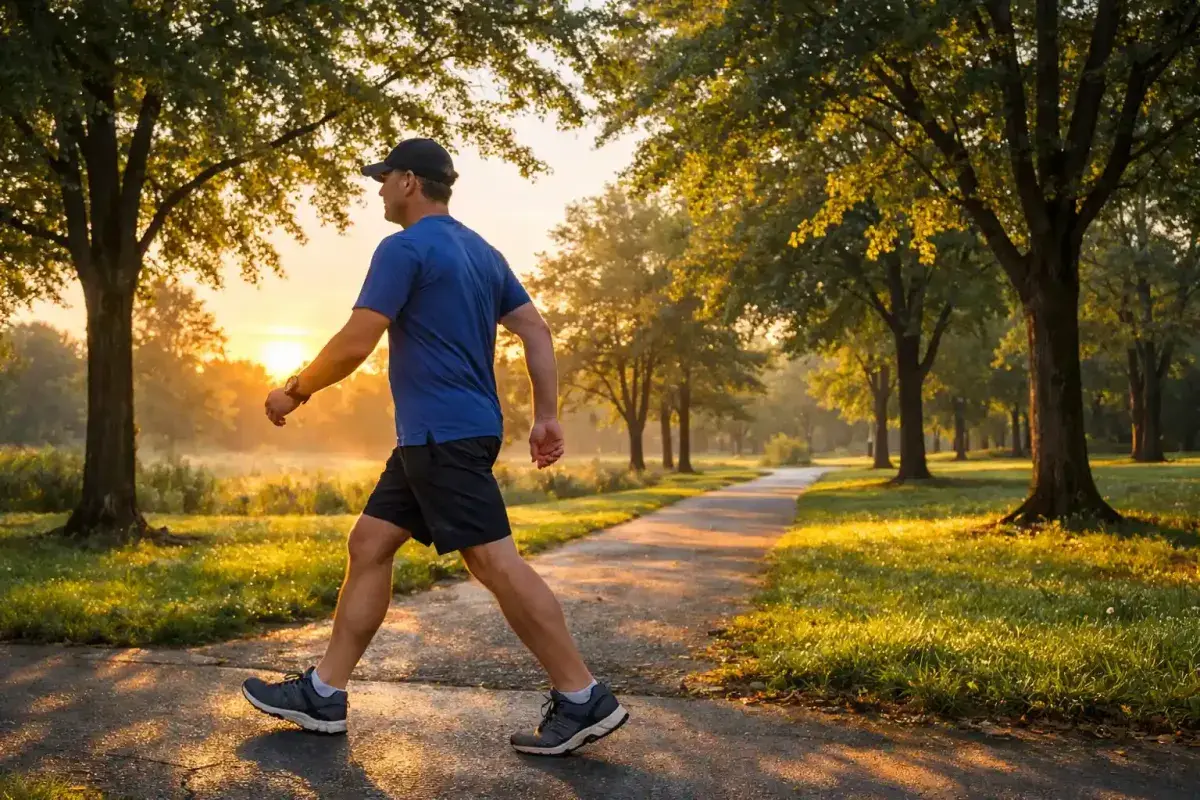
Walking is an excellent way to burn calories while supporting a healthy body weight. Although it may seem gentle compared with more intense forms of exercise, regular walking can make a meaningful difference when practiced consistently. Every walk contributes to energy expenditure, helping the body use calories that might otherwise be stored as fat.
Consistency plays a greater role than intensity for many people. Walking for thirty to sixty minutes several days each week creates a routine that is realistic and easier to maintain than demanding workout programs. Over time these regular sessions can support gradual weight management while improving overall fitness.
Walking also helps preserve lean muscle while encouraging the body to use stored energy more efficiently. Stronger muscles require energy even while resting, which supports a healthy metabolism. As fitness improves, many people naturally choose longer walks or slightly faster speeds, increasing calorie use without making exercise feel overwhelming.
Unlike restrictive approaches to weight management, walking encourages a healthier relationship with physical activity. Rather than focusing only on the number shown on a scale, walkers often begin noticing other positive changes. Clothes may fit more comfortably, daily movement becomes easier, and energy levels improve throughout the day.
Walking after meals may also encourage healthy digestion while reducing long periods of sitting. Small changes such as parking farther away, taking the stairs, or enjoying an evening walk can increase daily movement without requiring major lifestyle changes.
Healthy weight management is rarely about quick results. Sustainable habits usually provide the greatest long term success. Walking fits naturally into everyday routines and can become an enjoyable activity instead of an obligation. Whether walking alone, with friends, or alongside family members, the habit supports both physical health and emotional wellbeing. Over time these consistent efforts build a stronger foundation for maintaining a healthy weight while enjoying a more active and energetic lifestyle.
Image
3. Walking Improves Mental Wellbeing
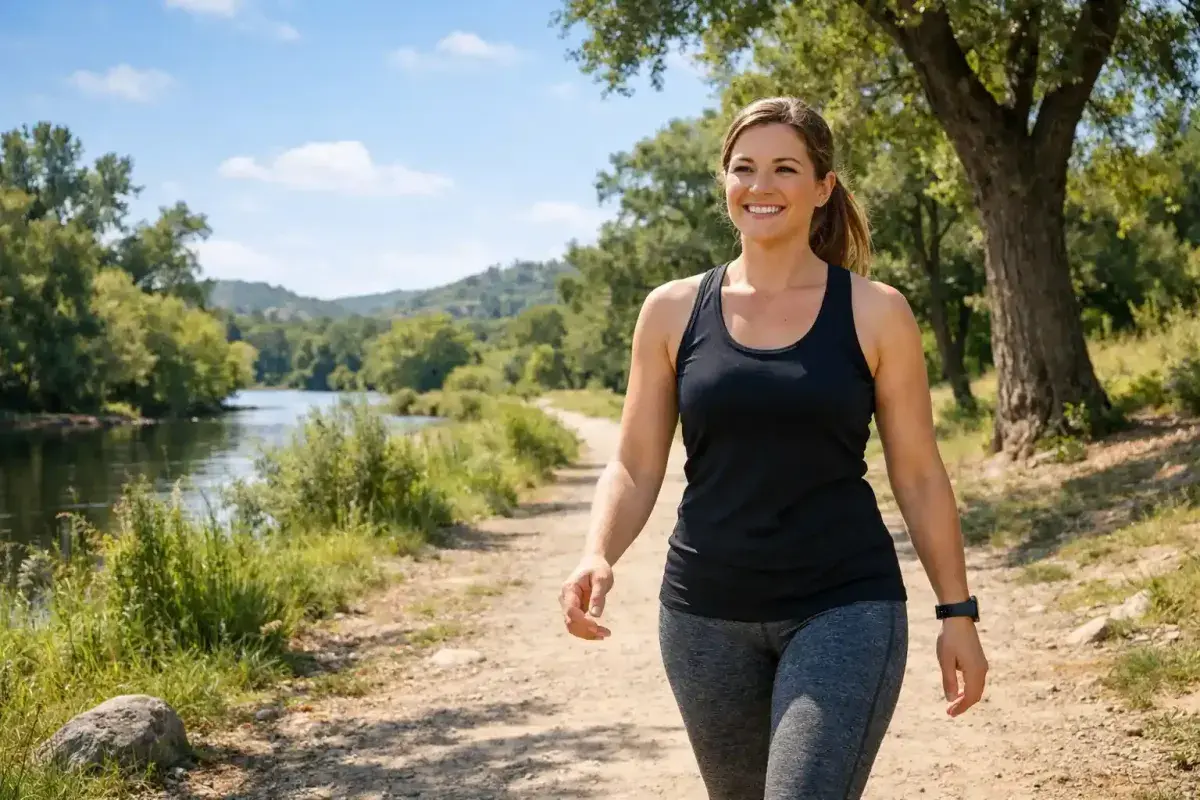
Walking benefits far more than physical health. It also provides valuable support for emotional balance and mental wellbeing. Spending time moving outdoors often creates an opportunity to slow down, clear the mind, and temporarily step away from daily responsibilities. Even a short walk can leave people feeling calmer and more refreshed.
Physical activity encourages the release of natural chemicals in the brain that are associated with positive emotions. These natural responses help improve mood while reducing feelings of stress after a busy day. Many people discover that challenges seem easier to manage after taking time for a peaceful walk.
Walking in natural settings offers additional advantages. Parks, forests, beaches, and quiet neighborhoods provide calming surroundings that encourage relaxation. Listening to birds, observing changing seasons, or simply enjoying fresh air can help shift attention away from constant worries.
Walking also creates valuable time for reflection. Without constant distractions, people often organize their thoughts more clearly and approach problems with renewed perspective. Creative ideas frequently emerge during walks because the mind is free to wander without pressure.
Social walking brings another important benefit. Friends or family members who walk together often enjoy meaningful conversations while staying active. This combination of movement and social connection supports emotional health while strengthening personal relationships.
Unlike activities that require intense concentration or expensive equipment, walking remains simple and accessible. It offers a practical way to include regular movement in daily life regardless of age or fitness level. Developing a walking habit creates moments of calm that become increasingly valuable in today's busy world.
Good mental wellbeing depends on many healthy habits working together. Walking complements healthy sleep, balanced nutrition, and positive social connections by providing regular opportunities for movement and relaxation. Over time this simple activity can improve confidence, reduce everyday stress, and help people approach life with greater energy, focus, and optimism.
Image

4. Walking Strengthens Muscles and Bones
Walking may appear gentle, but it encourages many important muscles throughout the body to work together. The legs, hips, lower back, and core all contribute to each step. Over time these muscles become stronger, helping improve balance, posture, and everyday movement.
Strong muscles support healthy joints by reducing unnecessary strain during daily activities. Simple tasks such as carrying groceries, climbing stairs, or standing for longer periods often become easier after developing a regular walking habit. Better muscle strength also supports greater independence as people grow older.
Walking also benefits bone health because it is a weight bearing activity. Every step encourages the bones to respond to gentle pressure, helping maintain their strength. Combined with proper nutrition and adequate vitamin intake, regular walking supports healthy bones throughout life.
Improved balance is another valuable result of walking. As muscles become stronger and coordination improves, people often feel more stable while moving across different surfaces. This can help reduce the likelihood of slips and falls, especially for older adults.
Walking on varied terrain introduces additional muscle engagement. Gentle hills, park trails, or uneven natural paths encourage different muscle groups to work together, adding variety without requiring complicated exercise routines.
Comfortable walking shoes and proper posture help maximize these benefits. Standing tall, looking forward, and allowing the arms to swing naturally creates efficient movement while reducing unnecessary tension.
The body responds positively to consistent movement. Even moderate walks performed several times each week gradually improve strength, coordination, and endurance. Rather than seeking dramatic changes overnight, walking rewards patience and regular practice. Each walk contributes to stronger muscles, healthier bones, and greater confidence in everyday movement.
Image
5. Walking Increases Energy Levels
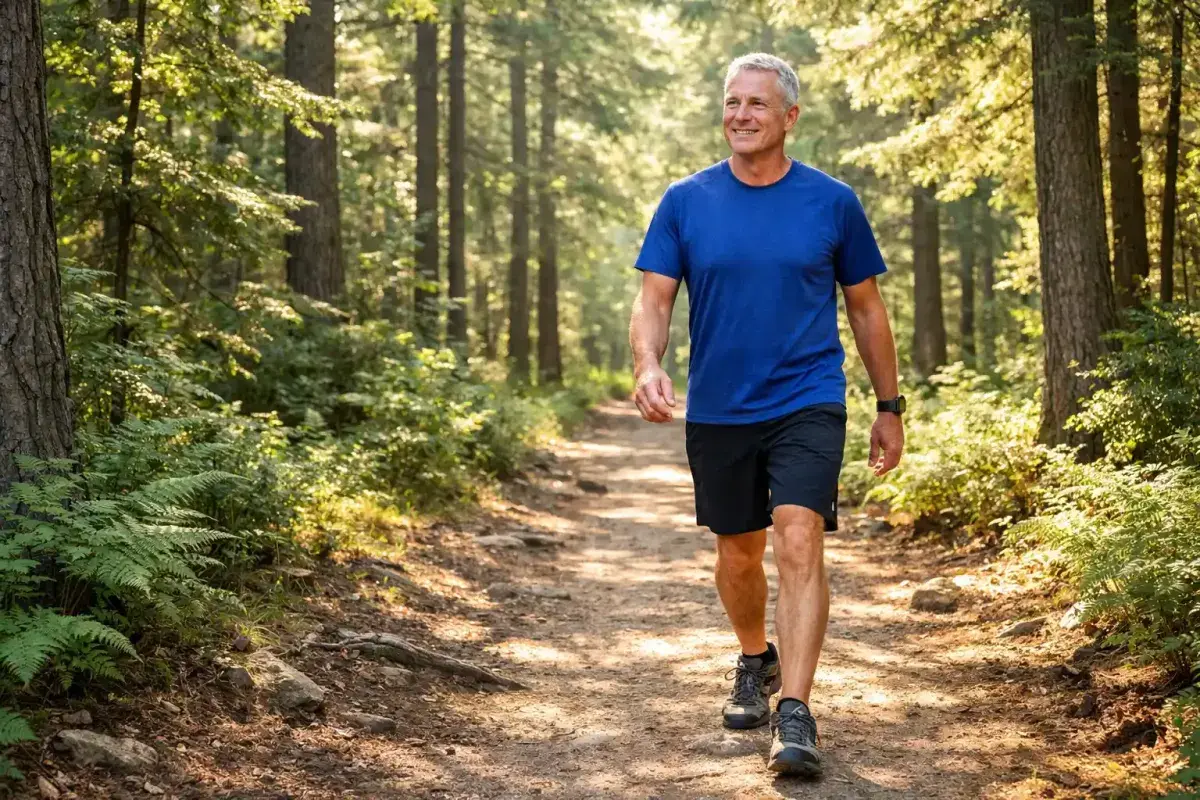
Many people assume resting is the best solution when they feel tired, yet gentle physical activity often provides the opposite result. Walking stimulates blood circulation, allowing oxygen and nutrients to reach muscles and organs more efficiently. This process supports natural energy production throughout the body.
Regular walking also helps improve endurance. Activities that once felt exhausting gradually become easier because the heart, lungs, and muscles learn to work together more efficiently. Daily responsibilities require less effort, leaving people feeling more capable and productive.
Walking outdoors can further increase alertness. Fresh air, natural light, and changing scenery create an uplifting experience that helps reduce feelings of sluggishness. Morning walks are especially popular because they provide an energetic start to the day while helping establish healthy routines.
Better sleep is another factor connected with higher energy levels. People who remain physically active often find it easier to enjoy restful sleep, allowing the body to recover more effectively each night. Waking after quality rest naturally improves concentration, motivation, and physical performance during the following day.
Walking breaks throughout the workday can also reduce prolonged sitting. Even a brief walk encourages movement, stretches muscles, and refreshes the mind before returning to daily responsibilities. These small breaks often improve productivity while reducing physical stiffness.
Unlike activities that require extensive preparation, walking can begin almost anywhere. Parks, sidewalks, shopping centers, and neighborhood streets all provide opportunities to stay active. Because it fits easily into different schedules, walking remains one of the most sustainable forms of exercise available.
Building lasting energy does not require complicated fitness programs. Simple daily walks encourage healthy circulation, stronger muscles, improved endurance, and better sleep. These combined benefits create a positive cycle where increased activity leads to greater energy, making it easier to maintain healthy habits for years to come.
Image

6. Walking Supports Better Sleep
A good night's sleep is essential for physical health, mental clarity, and emotional balance. Many people struggle to get enough quality rest because of busy schedules, stress, or too much time spent sitting indoors. Walking offers a simple and natural way to improve sleep by helping the body follow a healthier daily rhythm.
Regular physical activity encourages the body to use energy throughout the day. As a result, it becomes easier to feel naturally tired when bedtime arrives. Unlike intense workouts that may leave some people feeling overly stimulated late in the evening, moderate walking is generally gentle enough to fit comfortably into most daily routines. Morning or afternoon walks are especially effective because exposure to natural daylight helps regulate the body's internal clock, making it easier to fall asleep and wake up at consistent times.
Walking also helps reduce physical tension that builds during long hours of sitting or working. Gentle movement relaxes muscles, improves circulation, and encourages a sense of calm. Many people notice that worries seem less overwhelming after a peaceful walk, allowing the mind to settle before bedtime.
Better sleep creates a positive cycle that supports many other aspects of health. Rested people often have more energy for daily activities, make healthier food choices, and feel more motivated to continue exercising. Improved sleep also supports memory, concentration, and emotional wellbeing, making everyday responsibilities easier to manage.
Creating a regular walking routine does not require major changes. A walk around the neighborhood after work or a peaceful stroll through a nearby park can become an enjoyable part of the day. Consistency matters more than distance. Even moderate walks performed several times each week can gradually improve sleep quality.
Healthy sleep depends on many factors, including a comfortable sleeping environment, balanced nutrition, and consistent daily habits. Walking complements these efforts by helping the body and mind prepare naturally for rest. Over time, this simple activity can contribute to deeper sleep, better recovery, and more refreshing mornings that support a healthier and happier lifestyle.
Image

7. Walking Improves Balance and Coordination
Balance and coordination are important skills that often receive little attention until everyday movement becomes more difficult. Walking strengthens these abilities by encouraging different muscle groups to work together while the body maintains stability with every step. Over time, regular walking improves confidence and control during daily activities.
Each walk requires the legs, hips, core, and upper body to move in harmony. This coordinated movement strengthens muscles while helping the brain communicate more effectively with the rest of the body. As coordination improves, simple activities such as climbing stairs, stepping over obstacles, or carrying shopping bags become easier and safer.
Walking on different surfaces can provide additional benefits. Smooth sidewalks, grassy parks, and gentle nature trails encourage the body to make small adjustments in posture and balance. These natural movements strengthen stabilizing muscles that support healthy joints and improve overall mobility. People who feel comfortable with their fitness level may also choose gentle hills to introduce additional variety into their walking routine.
Improved balance becomes increasingly valuable with age. Strong muscles and better coordination help reduce the likelihood of slips and falls while supporting greater independence. Older adults who remain physically active often find it easier to continue enjoying hobbies, travel, and time with family because they maintain greater confidence in their movement.
Walking also promotes better posture. Standing tall, looking ahead, and allowing the arms to swing naturally encourages proper body alignment. Good posture reduces unnecessary strain on the back and neck while making movement feel smoother and more efficient.
The beauty of walking is that these improvements develop gradually through consistent practice rather than complicated training sessions. Every walk provides another opportunity to strengthen muscles, improve coordination, and build stability. These benefits extend well beyond exercise, making everyday life more comfortable and enjoyable while supporting long term physical health.
Image
8. Walking Encourages Healthy Social Connections
Exercise does not always have to be a solitary activity. Walking creates excellent opportunities to spend quality time with family, friends, neighbors, or community groups while improving physical health. Combining movement with conversation transforms exercise into an enjoyable experience that people are more likely to continue.
Walking with others encourages accountability. When friends arrange regular walking sessions, everyone becomes more motivated to stay active. Missing a planned walk means missing valuable social time as well, making it easier to remain committed to healthy habits.
Conversations often flow naturally while walking. Without the distractions of televisions or mobile devices, people have more opportunities to share experiences, discuss ideas, and strengthen relationships. Families may use evening walks to reconnect after busy days, while coworkers can enjoy walking meetings that combine productivity with physical activity.
Community walking groups also create opportunities to meet new people who share similar interests. These groups welcome participants of different fitness levels and often explore local parks, trails, or neighborhoods together. Such experiences help reduce feelings of isolation while creating friendships built around healthy lifestyles.
Walking with children provides another valuable benefit. Parents and caregivers can encourage active habits from an early age while exploring nature, observing wildlife, or simply enjoying time outdoors together. These shared experiences create positive memories while teaching children that exercise can be both enjoyable and rewarding.
Social connections play an important role in emotional wellbeing. Feeling supported by family, friends, and community contributes to greater happiness and resilience during challenging times. Walking combines these emotional benefits with regular physical activity, creating a habit that nourishes both body and mind.
Whether walking with one companion or participating in a larger group, the shared experience often becomes as valuable as the exercise itself. Over time, these moments strengthen relationships while making healthy living feel more enjoyable and sustainable.
Image

9. Walking Helps Build Long Lasting Healthy Habits
Many fitness plans fail because they feel too difficult to maintain. Walking stands apart because it is simple, flexible, and suitable for almost every stage of life. These qualities make it easier to develop into a lasting habit that supports overall health for many years.
Healthy habits are built through repetition rather than perfection. Walking fits naturally into daily routines without requiring expensive equipment or complicated schedules. Some people enjoy walking before work, while others choose lunchtime or evening walks. The ability to adjust walking times makes the activity easier to continue despite changing responsibilities.
Setting realistic goals also encourages success. Beginning with short walks and gradually increasing time or distance allows the body to adapt comfortably. Reaching these smaller goals builds confidence and creates motivation to continue improving.
Walking often inspires other positive lifestyle changes. People who begin exercising regularly may also become more interested in preparing nutritious meals, drinking more water, sleeping well, and spending additional time outdoors. These healthy choices reinforce one another, creating a balanced lifestyle that supports long term wellbeing.
Keeping track of progress can provide additional encouragement. Recording daily steps, walking distance, or total time helps people recognize improvements that may otherwise go unnoticed. Celebrating these achievements reinforces the value of staying consistent.
Walking also adapts easily to different seasons and environments. Parks, neighborhoods, beaches, indoor tracks, and shopping centers all provide opportunities to remain active regardless of weather conditions. This flexibility reduces excuses and supports year round consistency.
Perhaps the greatest strength of walking is its simplicity. There is no need to become an athlete to experience meaningful health improvements. Every walk contributes to better fitness, stronger habits, and greater confidence. Choosing to walk regularly becomes a practical investment in lifelong health that continues delivering rewards well into the future.
Image

10. Walking Enhances Overall Quality of Life
The greatest benefit of walking is that it improves many different areas of life at the same time. Rather than focusing on a single aspect of health, regular walking supports the heart, muscles, bones, mind, sleep, energy, and emotional wellbeing. These combined improvements help people enjoy everyday life with greater confidence and comfort.
As physical fitness increases, routine activities often become easier. Climbing stairs requires less effort, household chores feel more manageable, and recreational activities become more enjoyable. Increased stamina allows people to spend more time with family, travel more comfortably, and participate in hobbies without becoming tired as quickly.
Walking also encourages people to spend more time outdoors where they can appreciate changing seasons, fresh air, and natural surroundings. These experiences contribute to reduced stress while creating opportunities for relaxation and personal reflection. Even familiar neighborhoods can feel refreshing when explored on foot instead of from inside a vehicle.
Financially, walking is one of the most affordable forms of exercise. A comfortable pair of shoes is often the only essential investment. This accessibility makes walking available to people from many different backgrounds and lifestyles.
The habit is also highly adaptable. Walks can be short or long, slow or brisk, solitary or social. This flexibility allows people to continue enjoying the activity throughout different stages of life without needing complicated training programs.
Most importantly, walking reminds us that meaningful health improvements do not always require dramatic changes. Small actions performed consistently often produce the greatest long term results. Choosing to take regular walks represents a commitment to caring for both body and mind in a sustainable and enjoyable way.
Each step contributes to stronger health, greater independence, improved confidence, and a more active future. Walking may seem simple, yet its lasting impact reaches nearly every part of daily life, making it one of the most valuable habits anyone can develop.
Image

Walking proves that one of the most effective forms of exercise is also one of the easiest to begin. It requires very little equipment, can be adapted to almost any fitness level, and fits naturally into everyday life. Whether the goal is improving heart health, maintaining a healthy weight, strengthening muscles, sleeping better, or simply enjoying more time outdoors, regular walking offers benefits that continue to grow with consistent practice.
The true value of walking lies in its long term sustainability. Rather than relying on demanding workout routines that may be difficult to maintain, walking encourages steady progress through simple daily movement. Each walk builds upon the previous one, creating gradual improvements in endurance, strength, balance, and overall wellbeing. These positive changes often inspire healthier choices in other areas of life, leading to better nutrition, improved sleep, and greater confidence.
Walking also provides opportunities that extend beyond physical fitness. It allows people to connect with nature, spend meaningful time with loved ones, reduce stress, and create moments of reflection during busy days. These emotional and social benefits make walking far more than just another exercise. It becomes an enjoyable habit that supports a healthier and more balanced lifestyle.
The most important step is simply getting started. There is no need to walk long distances or maintain a fast pace from the beginning. A few minutes each day can gradually become a regular routine that delivers lasting rewards. Consistency is far more important than perfection, and every step contributes to better health.
No matter your age or current fitness level, walking remains one of the safest, most accessible, and most rewarding ways to care for your body and mind. By making walking a regular part of your routine, you are investing in stronger health, greater energy, and a better quality of life that can continue for many years to come.