
Our feet work harder than we often realize. From the moment we step out of bed until the end of the day they support our body weight, help us stay balanced, and carry us through countless activities. Whether we spend our day walking through a park, standing at work, exercising, or simply completing everyday errands, our feet quietly do their job without asking for much attention. Unfortunately many people only begin thinking about foot health after pain, discomfort, or injury develops.
Healthy feet contribute to much more than comfortable walking. They help maintain good posture, improve balance, support physical activity, and even reduce strain on the knees, hips, and lower back. Small daily habits can make a noticeable difference over time. Taking care of your feet is not about expensive treatments or complicated routines. It is about making thoughtful choices that protect the skin, muscles, joints, and nails while allowing your feet to recover from the demands of everyday life.
Many common foot problems begin gradually. Dry skin, blisters, sore arches, and aching heels may seem minor at first, but they can become persistent issues when ignored. By practicing simple preventive habits you can reduce the likelihood of discomfort while keeping your feet feeling fresh and ready for whatever your day brings. Prevention is often much easier than treating problems after they appear.
Fortunately, improving foot health does not require a major lifestyle change. Wearing supportive shoes, keeping your feet clean, staying active, and giving your feet regular attention can all contribute to better comfort and long term wellness. Even a few minutes each day devoted to foot care can pay off with greater mobility and fewer aches over time.
The following healthy habits are practical for people of all ages. Whether you spend long hours standing, enjoy regular exercise, or simply want to stay comfortable during everyday activities, these tips can help your feet stay healthy, strong, and ready for every step ahead.
1. Wear Shoes That Fit Properly
Image

Properly fitted shoes are one of the most important investments you can make for your foot health. Many people continue wearing shoes that are either too small, too large, or simply designed without enough support. While uncomfortable footwear may only seem like a temporary inconvenience, wearing poorly fitting shoes every day can gradually lead to blisters, bunions, calluses, sore heels, and even pain that spreads into the ankles, knees, or lower back.
A good shoe should provide enough room for your toes to move naturally without feeling cramped. Your heel should remain secure without excessive slipping, while the middle of your foot should feel supported rather than squeezed. Materials that allow airflow can also help reduce moisture buildup, making your feet feel more comfortable throughout the day.
Different activities require different types of footwear. Walking shoes, running shoes, hiking boots, work shoes, and casual footwear are all designed with specific movements in mind. Choosing shoes that match your daily activities helps reduce unnecessary stress on your feet. If your work requires standing for long periods, supportive footwear becomes even more valuable because it helps distribute pressure more evenly.
Many people continue wearing shoes long after they have lost their cushioning. Even if the outside still looks acceptable, the internal support gradually breaks down with regular use. Replacing worn footwear before it becomes completely worn out can help maintain comfort and reduce unnecessary strain.
Trying shoes on later in the day can also improve the fit because feet naturally expand slightly after several hours of activity. Wearing the same type of socks you normally use allows for a more accurate fit as well.
Healthy feet begin with a stable foundation. Comfortable shoes allow your muscles and joints to work naturally instead of constantly compensating for poor support. Over time this simple choice can make everyday walking easier while helping prevent many common foot problems before they begin.
2. Wash and Dry Your Feet Every Day
Image
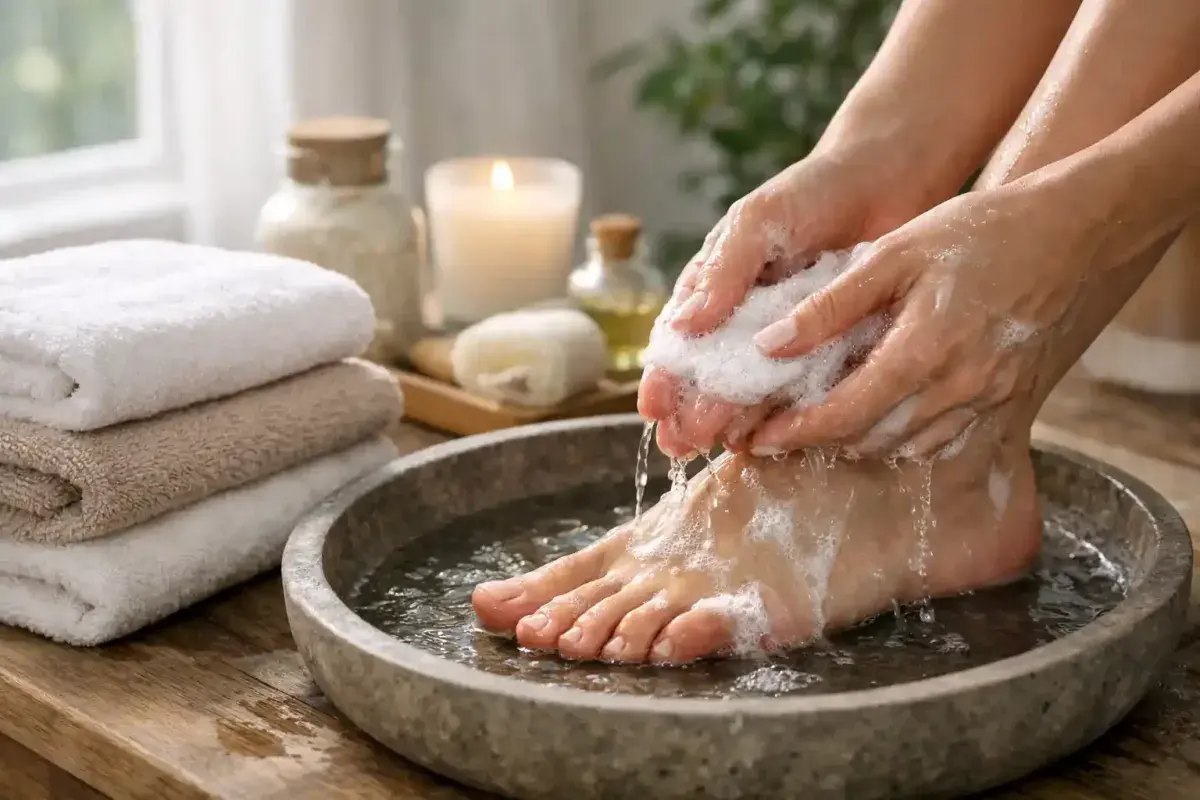
Keeping your feet clean is a simple habit that offers important health benefits. Throughout the day your feet are exposed to sweat, dirt, bacteria, and moisture that can build up inside socks and shoes. Without regular cleaning these conditions can create an environment where unpleasant odors and skin irritation become more likely.
Washing your feet daily with warm water and gentle soap removes accumulated sweat and surface dirt while refreshing the skin. It is equally important to rinse thoroughly so that soap residue does not remain on the skin, especially for people with sensitive feet. Water that is too hot may dry the skin unnecessarily, so comfortably warm water is usually the better choice.
Drying your feet deserves just as much attention as washing them. Moisture trapped between the toes creates conditions that encourage fungal growth and skin irritation. Using a clean towel to gently dry every part of the foot, including the spaces between the toes, helps keep the skin healthier and more comfortable.
Many people rush through this routine without actually looking at their feet. Daily washing creates a perfect opportunity to notice small cuts, redness, swelling, blisters, or changes in the nails before they become larger concerns. Early attention often allows small issues to heal more quickly.
Changing into clean socks after washing also helps maintain freshness throughout the day. Socks made from breathable materials can reduce moisture while keeping your feet comfortable during work, exercise, or travel.
Clean feet also contribute to overall confidence. Whether wearing sandals during warm weather or simply relaxing at home, healthy skin reflects consistent self care. This routine requires only a few minutes each day, yet it supports healthier skin, better hygiene, and greater comfort. Consistency matters more than complexity, making this one of the easiest habits anyone can adopt for healthier feet.
3. Moisturize Your Skin Regularly
Image
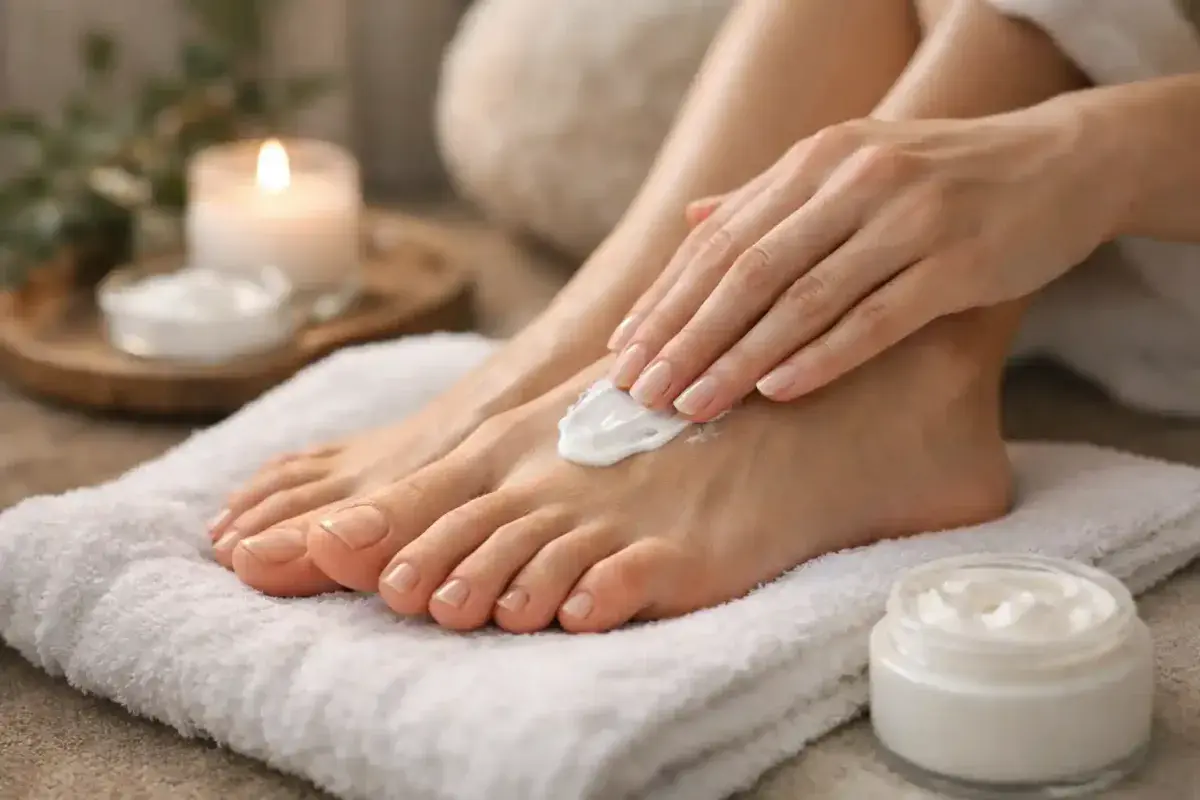
The skin on your feet experiences constant pressure and friction every day. Walking, standing, and wearing shoes gradually remove moisture from the outer layer of skin, especially around the heels. Without regular care this dryness can develop into rough patches or painful cracks that make even simple activities uncomfortable.
Applying moisturizer after washing your feet helps restore hydration while keeping the skin soft and flexible. Creams designed for dry skin often work well because they provide longer lasting moisture compared with lighter lotions. Applying moisturizer before bedtime allows it to absorb overnight while your feet are resting.
The heels, soles, and sides of the feet often need the most attention because they experience the greatest pressure throughout the day. Gently massaging moisturizer into these areas also encourages relaxation after long periods of standing or walking. Care should be taken to avoid leaving excess cream between the toes where unnecessary moisture can become trapped.
Hydrated skin is generally more resilient against everyday friction. Soft skin also makes calluses less likely to become excessively thick. While some natural thickening helps protect pressure points, keeping the skin flexible improves comfort and reduces the chance of painful cracking.
Seasonal weather can influence foot dryness as well. Cold weather and indoor heating often reduce humidity, while frequent exposure to hot pavement or sand during warmer months may also dry the skin. Adjusting your moisturizing routine according to changing conditions helps maintain healthy skin throughout the year.
Healthy skin acts as a natural protective barrier for your body. By giving your feet regular hydration, you help preserve that barrier while improving comfort and appearance. A few moments spent applying moisturizer each day can contribute to smoother skin and more comfortable movement for years to come.
4. Stretch and Strengthen Your Feet
Image

Your feet contain dozens of muscles, joints, ligaments, and tendons that work together every time you move. Just like the rest of your body, these structures benefit from regular stretching and strengthening exercises. Keeping the feet flexible and strong supports better balance, improves mobility, and may reduce everyday discomfort.
Simple stretching exercises can be performed almost anywhere. Gently pointing and flexing your feet, rotating your ankles, or stretching the calf muscles helps maintain flexibility throughout the lower legs and feet. These movements are especially helpful after sitting for long periods or before beginning physical activity.
Strengthening exercises can be surprisingly easy. Picking up a small towel with your toes, rolling a ball under your foot, or slowly raising yourself onto your toes helps activate muscles that support the arches and improve stability. Consistent practice over time may help your feet handle everyday activities with greater ease.
Balance exercises also contribute to foot health. Standing on one foot for a short period challenges the muscles throughout the feet and lower legs while improving coordination. Performing these exercises near a stable surface provides extra safety if needed.
Stretching should never cause sharp pain. Gentle, controlled movements are generally more effective than forcing a stretch too far. Listening to your body allows flexibility to improve naturally while reducing the risk of injury.
Healthy muscles help distribute pressure more evenly across the feet. This support can make walking, climbing stairs, and participating in recreational activities feel easier over time. Spending just a few minutes each day on simple exercises provides lasting benefits that extend well beyond your feet by supporting overall movement and balance.
5. Stay Active With Regular Walking
Image

Walking remains one of the simplest and most effective activities for maintaining healthy feet. Regular movement encourages circulation, strengthens muscles, supports joint mobility, and helps maintain overall fitness without requiring expensive equipment or specialized training.
When you walk consistently, the muscles in your feet adapt to regular activity and become better prepared for daily demands. Healthy movement also helps maintain flexibility while supporting the natural function of the arches and ankles. Many people notice improved endurance after making walking part of their routine.
Choosing comfortable walking surfaces whenever possible can reduce unnecessary impact. Parks, walking trails, and well maintained sidewalks often provide pleasant environments that encourage consistency. Good walking shoes remain important because they help absorb impact while supporting natural movement.
Walking also offers benefits that extend throughout the body. Improved cardiovascular health, better mood, reduced stress, and increased energy all contribute to overall wellness. Since healthy feet allow people to stay active, caring for them creates a positive cycle that supports long term health.
Gradually increasing walking distance helps prevent overuse. Beginners can start with shorter walks and slowly build endurance over several weeks. Paying attention to any persistent discomfort allows small concerns to be addressed before they interfere with regular activity.
Walking with good posture also benefits your feet. Looking ahead, relaxing your shoulders, and maintaining a comfortable stride helps distribute body weight more naturally while reducing unnecessary strain. Combining walking with regular stretching and supportive footwear creates an excellent foundation for lifelong foot health.
Every step taken with healthy feet contributes to greater independence and mobility. Making walking a regular part of your lifestyle is one of the easiest ways to care for your feet while supporting your entire body at the same time.
6. Trim Your Toenails the Right Way
Image
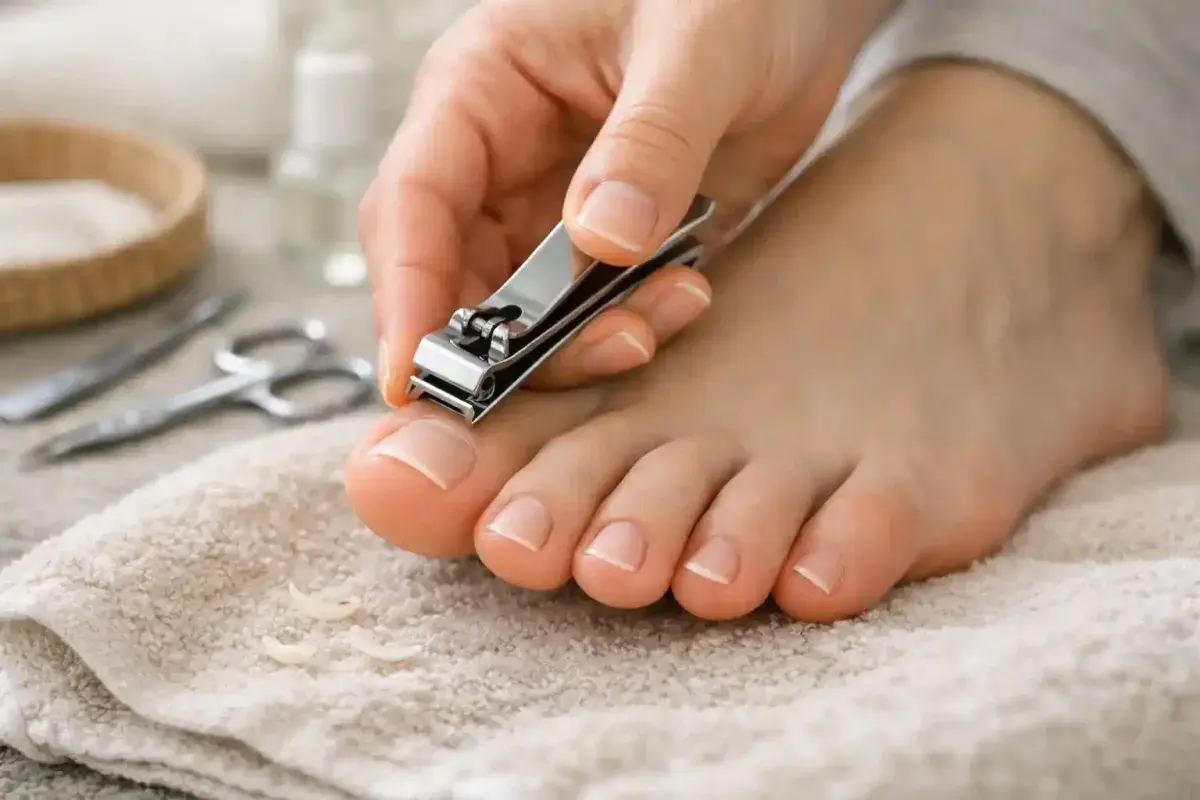
Toenails may seem like a small part of foot care, but keeping them properly trimmed can make a noticeable difference in both comfort and health. Nails that become too long can rub against the inside of your shoes, creating pressure that leads to soreness or bruising. Nails that are cut incorrectly may also become ingrown, which can be painful and sometimes require medical attention if left untreated. Developing a simple routine for nail care helps prevent many of these common problems before they start.
The best time to trim your toenails is after washing your feet or taking a shower when the nails are slightly softer and easier to cut. Use a clean, sharp nail clipper that is intended for toenails rather than fingernails. Trim the nails straight across instead of rounding the corners too much. Leaving the corners slightly visible helps reduce the chance that the nail will grow into the surrounding skin as it grows out.
It is also important not to cut the nails too short. While very short nails may appear neat, they can expose the sensitive skin underneath and increase discomfort when walking or wearing shoes. A moderate length provides protection while still keeping the nails easy to manage. If you notice rough edges after trimming, gently smooth them with a nail file instead of pulling or tearing the nail.
Regular nail care is also an opportunity to observe changes in the appearance of your toenails. Healthy nails are generally smooth and consistent in color. If you notice unusual thickening, discoloration, or separation from the nail bed, it may be worth discussing these changes with a healthcare professional. Paying attention to small details can help identify concerns early.
Good nail hygiene extends beyond trimming. Keeping nails clean and dry reduces the buildup of dirt and moisture that may contribute to irritation. By including proper toenail care in your regular self care routine, you help your feet remain comfortable, healthy, and ready for daily activities without unnecessary discomfort.
7. Give Your Feet Time to Rest
Image

Our feet spend much of the day supporting our entire body. Whether you work on your feet, enjoy long walks, or simply stay busy with daily responsibilities, your feet experience constant pressure from morning until night. Just as muscles throughout the rest of your body benefit from recovery, your feet also need time to rest and recover after periods of activity.
Allowing your feet to rest helps reduce fatigue and gives muscles, joints, and connective tissues an opportunity to recover naturally. Even short periods of relaxation during the day can make a difference, especially for people who spend many hours standing. Sitting down for a few minutes and elevating your feet slightly can help reduce feelings of heaviness after a long day.
Removing your shoes when you arrive home may also provide welcome relief. Letting your feet breathe for a while allows moisture to evaporate while reducing the pressure created by enclosed footwear. Wearing comfortable indoor slippers with gentle support can offer protection without placing unnecessary stress on your feet.
Some people enjoy soaking their feet in comfortably warm water after particularly active days. This simple routine can feel relaxing while helping you unwind. Following the soak with gentle moisturizing and a light foot massage creates an enjoyable way to care for tired feet before bedtime.
Quality sleep also contributes to foot recovery. During sleep, your body repairs tissues and restores energy throughout the entire musculoskeletal system. Maintaining healthy sleep habits indirectly supports healthier feet by giving your body the recovery time it needs.
Listening to your body is an important part of foot care. If your feet feel unusually sore after activity, allowing extra recovery time may help prevent overuse. Rest is not a sign of weakness. It is an important part of maintaining healthy movement over the long term. By balancing activity with recovery, you give your feet the opportunity to continue supporting you comfortably through everyday life.
8. Wear Clean and Breathable Socks
Image

Socks often receive far less attention than shoes, yet they play an important role in maintaining healthy feet. Throughout the day your feet naturally produce moisture, especially during exercise or warm weather. Socks act as the first layer between your skin and your shoes, helping absorb sweat while reducing friction that can lead to blisters or irritation.
Choosing breathable materials allows air to circulate more effectively around your feet. Fabrics that move moisture away from the skin help keep your feet feeling dry and comfortable during daily activities. This becomes especially valuable for people who spend long hours walking, working outdoors, or exercising regularly.
Changing into a fresh pair of socks every day is a simple habit that supports good hygiene. If your feet become heavily damp during the day, replacing your socks with a dry pair can significantly improve comfort. Clean socks also help reduce unpleasant odors by limiting the buildup of sweat and bacteria.
The thickness of your socks should match both your footwear and your activities. Thick cushioned socks may provide extra comfort during hiking or colder weather, while lighter breathable socks often work well for everyday use in warmer conditions. Wearing socks that fit properly without excessive bunching also reduces friction inside the shoe.
Inspecting your socks for worn areas is worthwhile as well. Thin spots or holes may increase rubbing against certain parts of the foot, leading to unnecessary discomfort over time. Replacing worn socks before they completely wear out helps maintain comfort throughout the day.
Although socks may seem like a small detail, they work together with supportive shoes to create a healthier environment for your feet. Comfortable, clean, and breathable socks protect the skin while helping regulate moisture and temperature. Making thoughtful choices about the socks you wear each day is another easy step toward maintaining healthy feet that remain comfortable through work, recreation, and everyday life.
9. Maintain a Healthy Body Weight
Image

Every step you take places force on your feet as they support your body through movement. Maintaining a healthy body weight can reduce some of this daily stress, allowing the joints, muscles, and ligaments in your feet to function more comfortably over time. While every person has different health goals, keeping your body within a healthy range can benefit not only your feet but your overall wellbeing.
Extra body weight increases the amount of pressure placed on the heels, arches, and balls of the feet during standing and walking. Over many years this additional stress may contribute to discomfort or fatigue, especially during extended periods of activity. Supporting a healthy weight through balanced nutrition and regular physical activity can help reduce unnecessary strain.
Healthy eating provides your body with nutrients that support bones, muscles, skin, and connective tissues. Drinking enough water also contributes to overall health while helping maintain healthy skin throughout the body, including the feet. Small lifestyle improvements made consistently often produce better long term results than sudden dramatic changes.
Physical activity should be enjoyable and sustainable. Walking, swimming, cycling, and other low impact exercises provide opportunities to stay active while supporting overall health. If foot discomfort makes exercise difficult, choosing activities with lower impact may help you remain active while placing less stress on your feet.
Maintaining a healthy body weight is not about appearance. It is about supporting your body's ability to move comfortably throughout everyday life. Healthy feet make it easier to stay active, while regular activity contributes to healthier feet. These habits reinforce one another in a positive cycle that benefits your entire body.
Every healthy choice, no matter how small, contributes to long term wellness. Paying attention to nutrition, movement, and overall health gives your feet the support they need to continue carrying you comfortably through work, recreation, travel, and daily life for years to come.
10. Pay Attention to Early Signs of Foot Problems
Image
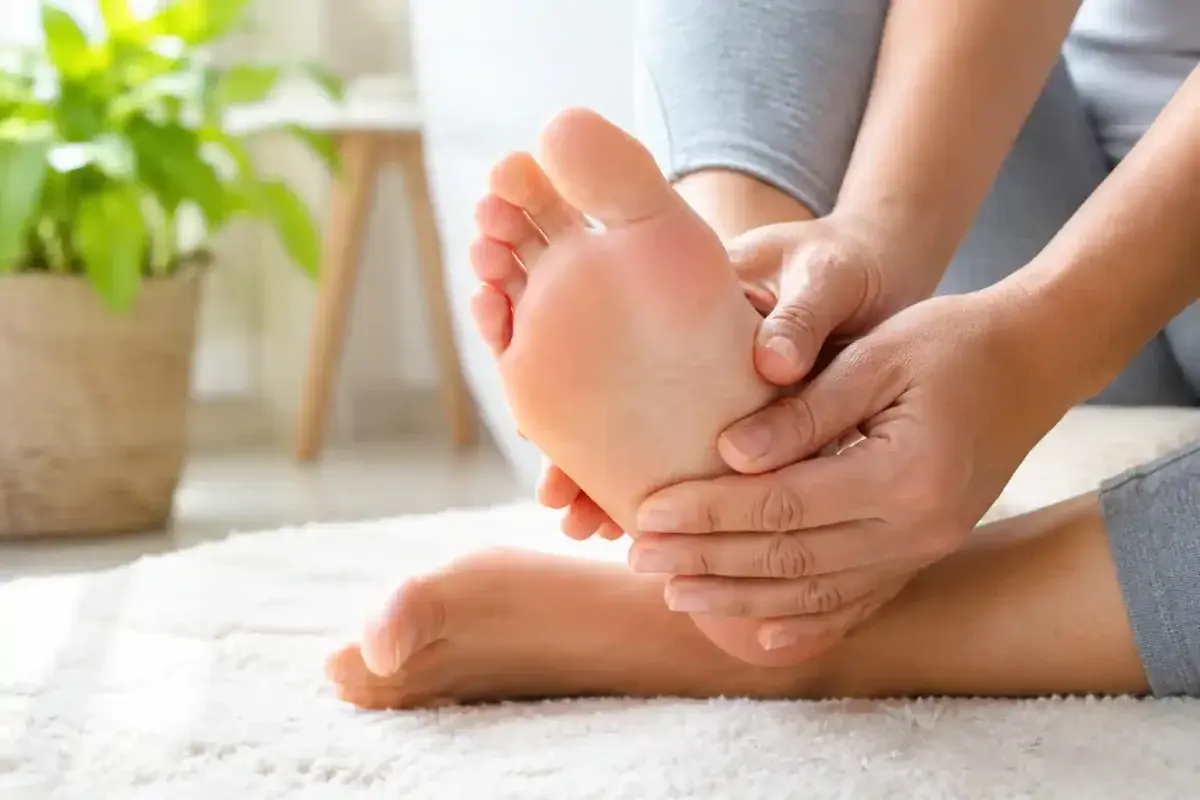
One of the most valuable habits for maintaining healthy feet is simply paying attention to them. Many foot conditions begin with subtle changes that are easy to overlook. Mild discomfort, redness, swelling, or changes in the skin may seem insignificant at first, yet addressing these concerns early often prevents them from becoming larger problems later.
Taking a few moments each day to look at your feet allows you to become familiar with what is normal for you. Check the skin, nails, heels, and the spaces between your toes. Small cuts, blisters, or areas of irritation are often easier to manage when noticed early. This daily habit becomes even more important for people who spend many hours on their feet or participate in regular sports and exercise.
Persistent pain should never be ignored. While temporary soreness after an active day is common, discomfort that continues for several days or gradually worsens deserves attention. Changes in walking patterns, difficulty bearing weight, or swelling that does not improve may indicate that your feet need additional care or professional evaluation.
Your shoes can also provide clues about your foot health. Uneven wear patterns on the soles may suggest changes in the way you walk. Paying attention to these details may encourage you to replace worn footwear or seek advice if discomfort develops.
Healthy feet allow you to remain independent and active throughout life. By responding promptly to early warning signs instead of waiting until pain becomes severe, you increase the likelihood of resolving minor concerns before they interfere with daily activities. Prevention remains one of the most effective forms of healthcare.
Making foot observation part of your normal routine requires very little time, yet it encourages greater awareness of your overall health. The more familiar you become with your feet, the easier it becomes to notice changes that deserve attention. This simple habit complements every other healthy practice discussed throughout this guide and supports lifelong comfort with every step you take.
Healthy feet are often easy to take for granted until discomfort begins to interfere with everyday life. They support every step we take, help maintain balance, and allow us to enjoy work, exercise, travel, and countless daily activities. Because they perform so much work without drawing attention to themselves, they deserve regular care and appreciation. Fortunately, keeping your feet healthy does not require complicated routines or expensive products. Consistent daily habits often provide the greatest long term benefits.
Simple actions such as wearing properly fitted shoes, keeping your feet clean, moisturizing dry skin, stretching regularly, staying active, trimming your toenails correctly, allowing time for rest, wearing clean socks, maintaining a healthy body weight, and paying attention to early signs of problems all work together to support stronger and more comfortable feet. Each habit may seem small on its own, but together they create a foundation for lifelong foot health.
Consistency is more valuable than perfection. You do not need to change everything at once. Choosing one or two healthy habits today and gradually adding more over time can produce meaningful improvements. Small efforts repeated regularly often have a greater impact than occasional intensive care.
Your feet carry you through every stage of life. Whether you enjoy long walks, spend your day on the job, participate in sports, or simply appreciate the freedom to move comfortably, healthy feet make those experiences more enjoyable. Investing a little time in daily foot care is an investment in your overall wellbeing, helping you stay active, confident, and comfortable for years to come. Every step toward healthier feet is also a step toward a healthier and more active life.