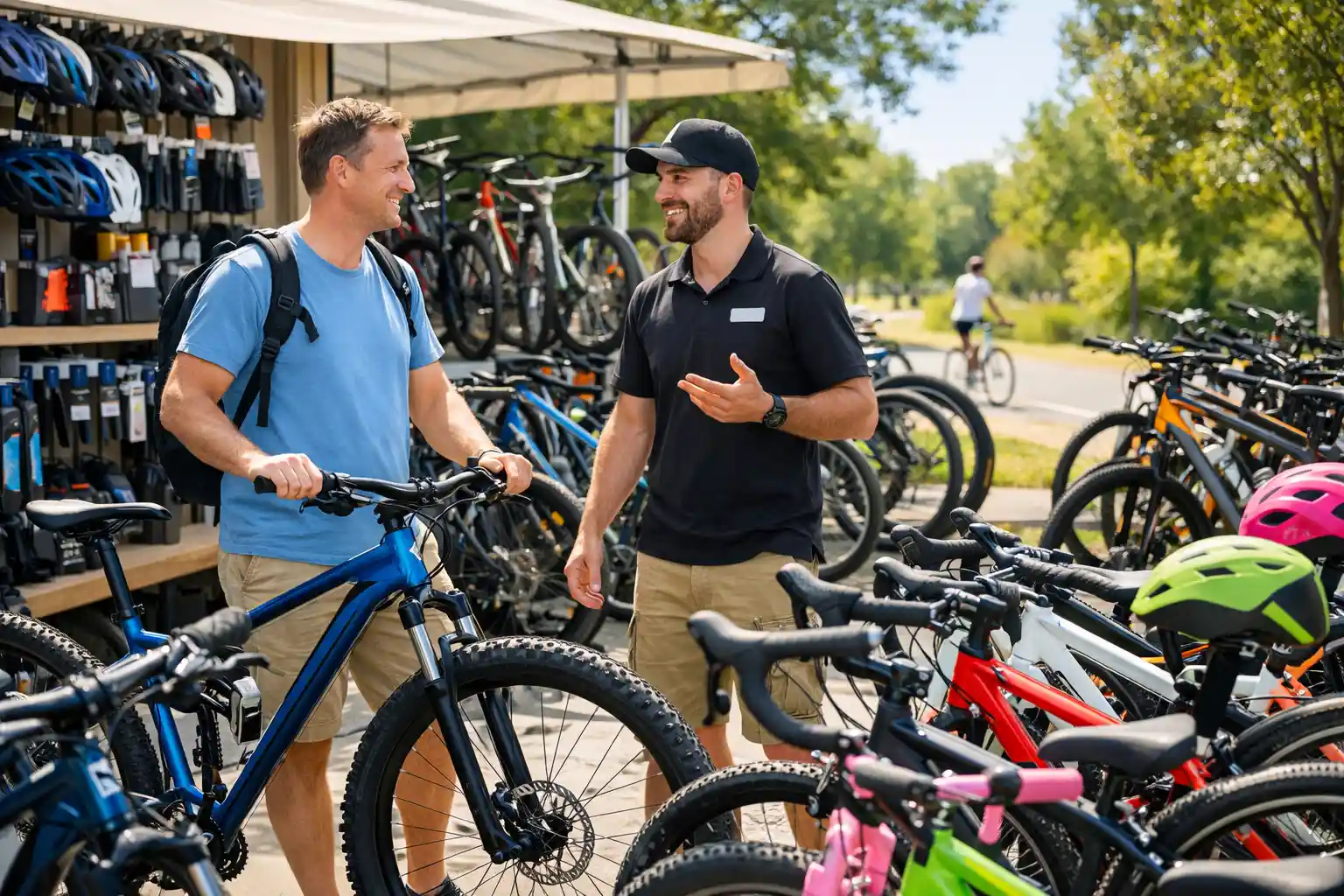
Buying a bike is an exciting experience because it opens the door to new adventures, healthier habits, and enjoyable ways to travel. Whether you want to ride around your neighborhood, commute to work, explore scenic trails, or simply enjoy weekends outdoors with family and friends, choosing the right bicycle can make every ride more comfortable and rewarding. With so many styles, sizes, and features available today, it is easy to become overwhelmed when comparing different models. A bike that looks attractive may not always be the best choice for your needs, while a simpler model may provide years of dependable service.
Many first time buyers focus only on price or appearance, but a bicycle is much more than its color or brand. The right bike should match your height, riding goals, physical comfort, and the types of roads or paths you plan to explore. Taking time to understand these factors before making a purchase can help you avoid disappointment and save money in the long run. A well chosen bicycle often lasts for many years with proper care, making it a worthwhile investment for both recreation and transportation.
It is also important to remember that cycling should be enjoyable from the very first ride. A bicycle that fits properly and performs well encourages you to ride more often, while an uncomfortable or poorly matched bike may spend most of its time sitting unused. Looking beyond marketing claims and focusing on practical features will help you find a bicycle that truly supports your lifestyle.
The following tips will guide you through the most important things to consider before buying a bike. From selecting the right style to checking comfort, quality, and future maintenance, these suggestions will help you make a confident decision and enjoy many memorable rides for years to come.
1. Decide How You Plan to Ride
Image
Before visiting a bike shop or browsing online listings, spend some time thinking about how you expect to use your new bicycle. This simple step helps narrow your options and prevents you from buying a bike that does not suit your everyday needs. Different bicycles are designed for different purposes, and choosing one that matches your riding habits makes every trip more enjoyable.
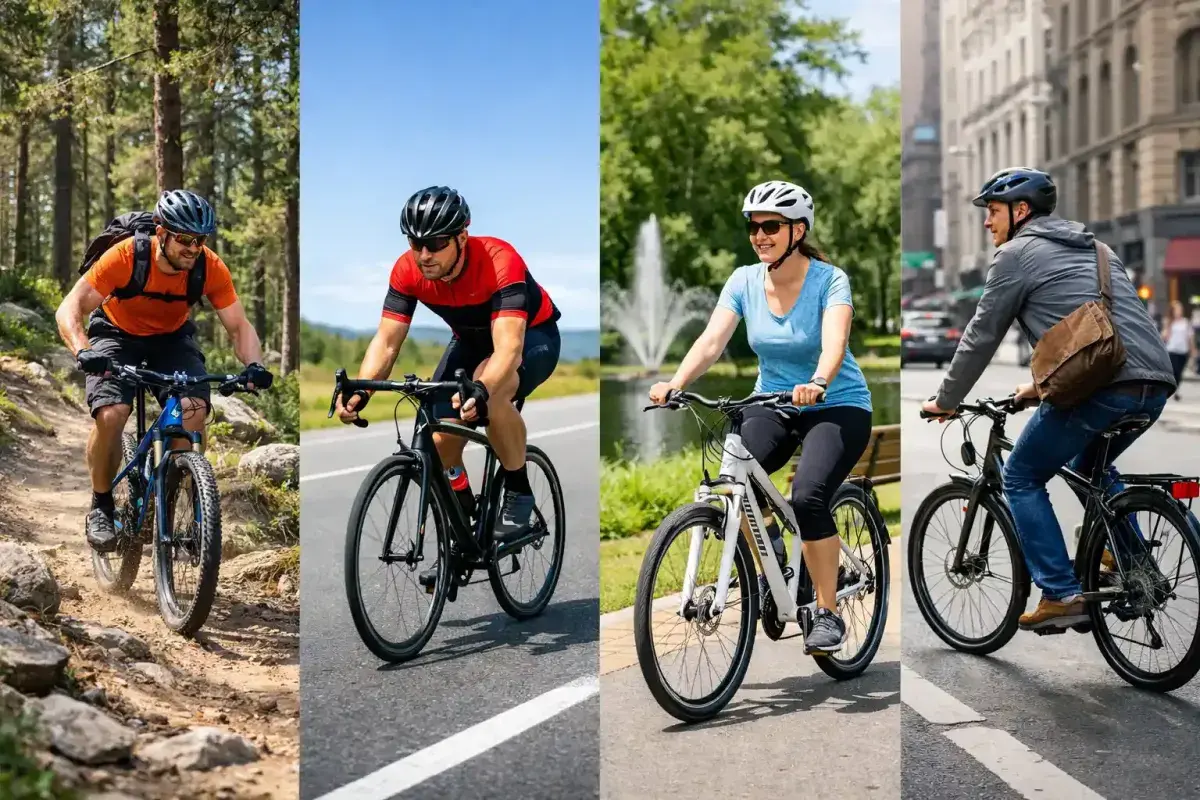
If your goal is commuting through city streets, a commuter or hybrid bike may offer the comfort and efficiency you need. These bikes usually provide an upright riding position, comfortable seats, and tires that perform well on paved roads. They are excellent for daily transportation and casual weekend rides.
If you enjoy outdoor adventures on dirt trails, forest paths, or rocky terrain, a mountain bike is a better option. Mountain bikes have stronger frames, wider tires, and suspension systems that help absorb bumps and improve control over uneven surfaces. They are designed for durability rather than speed on smooth roads.
For riders who enjoy covering long distances on pavement, road bikes are built for speed and efficiency. Their lightweight frames and narrow tires reduce rolling resistance, making them ideal for fitness enthusiasts and long distance cyclists. However, they may not be as comfortable for rough roads or casual neighborhood rides.
Some people enjoy a combination of riding environments. In that case, a hybrid bike offers versatility by blending features from both road and mountain bikes. It provides a comfortable riding position while remaining capable of handling light trails and city streets.
Consider how often you plan to ride as well. Someone who cycles every day may benefit from investing in higher quality components, while occasional riders may find that an entry level model meets all their needs. Also think about whether you will carry groceries, ride with children, or transport your bike in a vehicle. These everyday details influence which features will be most valuable.
Understanding your riding goals before shopping allows you to compare bicycles with confidence instead of becoming distracted by unnecessary features. A bike that matches your lifestyle is far more likely to become a regular part of your daily routine.
2. Choose the Correct Bike Size
Image
Finding the correct bike size is one of the most important parts of buying a bicycle. Even the most expensive model can become uncomfortable if it does not fit your body properly. A correctly sized bike improves balance, comfort, efficiency, and overall safety while reducing fatigue during longer rides.
Bike manufacturers produce frames in several sizes because people come in different heights and body proportions. Although general sizing charts provide a helpful starting point, they should never replace actually sitting on the bicycle whenever possible. Everyone has unique preferences regarding riding position and comfort.
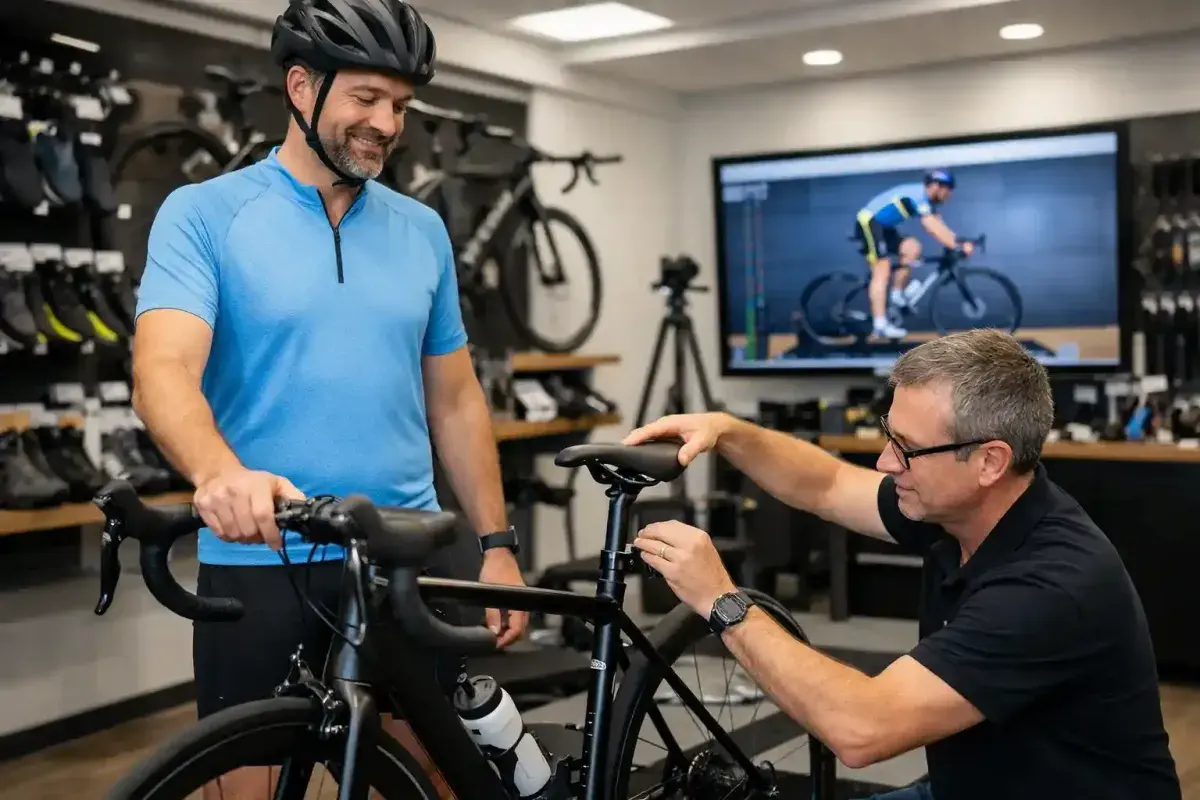
When standing over the bike, there should be enough clearance between your body and the top tube to allow comfortable movement. When seated, your feet should easily reach the pedals while maintaining a slight bend in your knees during each pedal stroke. This position helps generate efficient power while protecting your joints from unnecessary strain.
Reach is another important consideration. If the handlebars are too far away, your shoulders, neck, and back may become sore after only a short ride. If they are too close, steering may feel cramped and unstable. A comfortable riding posture allows your arms to remain slightly bent while your shoulders stay relaxed.
Many bike shops provide professional fitting services. Staff members can recommend the appropriate frame size and make small adjustments to the saddle height, handlebar position, and brake lever placement. These adjustments often make a significant difference in long term comfort.
Children also require correctly sized bicycles because riding a bike that is too large may reduce confidence and make learning more difficult. A properly fitted bicycle allows young riders to control their movements safely while developing good riding habits.
Do not assume that every manufacturer uses identical sizing standards. Two bikes labeled with the same frame size may still feel different because of frame design and geometry. Always compare the actual fit instead of relying only on numbers.
Taking the time to choose the proper bike size creates a safer and more enjoyable cycling experience. A bicycle that fits well encourages longer rides, better control, and greater confidence every time you head outdoors.
3. Set a Realistic Budget
Image
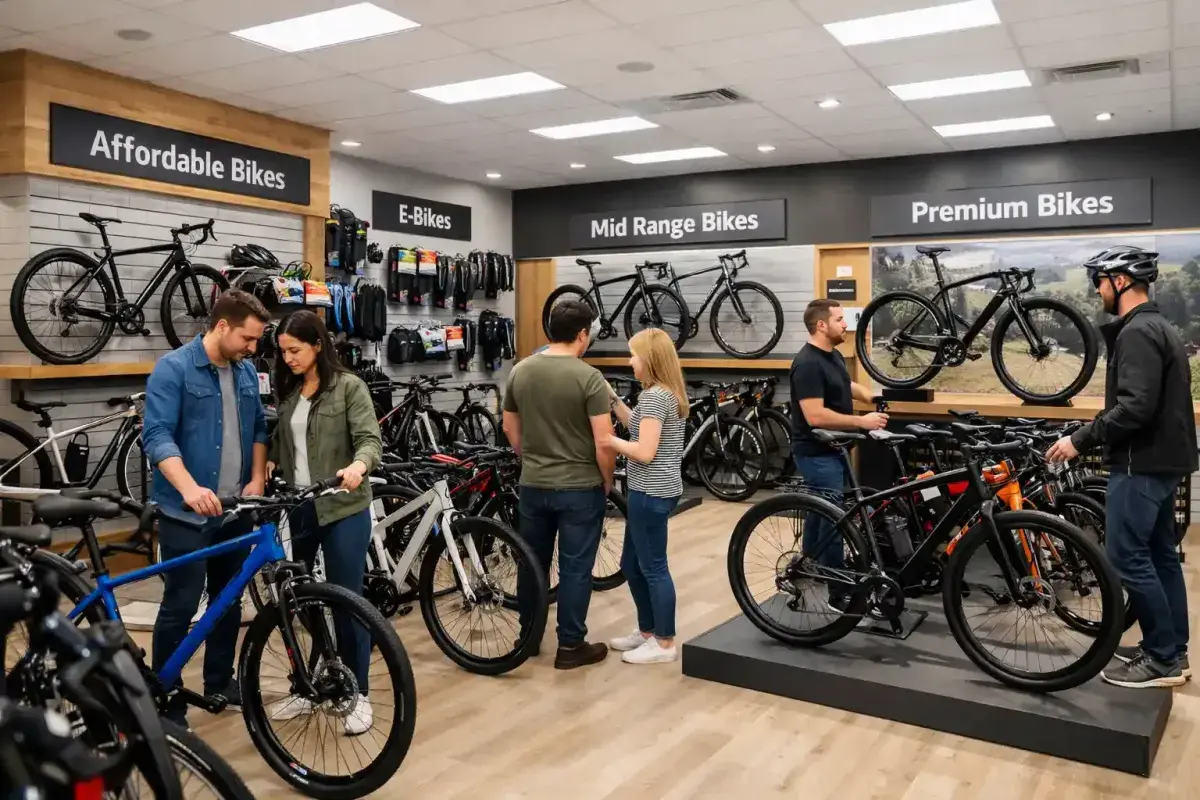
Buying a bike is an investment, but spending more money does not always guarantee the best choice. Establishing a realistic budget before shopping helps you focus on bicycles that meet your needs without creating unnecessary financial pressure. A thoughtful budget also allows you to consider important accessories that contribute to a safe and enjoyable riding experience.
Many beginners are surprised by the wide range of bicycle prices. Entry level bikes are suitable for casual riders and families who enjoy occasional rides around parks or neighborhoods. Mid range bicycles often include lighter frames, smoother gear systems, and more durable components that perform well with regular use. Premium bicycles are designed for serious enthusiasts who prioritize performance, advanced materials, and specialized features.
Think about how often you plan to ride. Someone who cycles daily for commuting or fitness may benefit from investing in better quality components because they often provide greater reliability and require fewer repairs over time. On the other hand, occasional riders may be perfectly satisfied with a simpler model that delivers dependable performance without unnecessary extras.
Remember to include the cost of essential equipment in your budget. A properly fitted helmet should always be considered a priority. You may also need a bicycle lock, lights, water bottle holder, repair kit, pump, and reflective gear. These accessories improve safety and convenience while protecting your investment.
Comparing bicycles within your price range allows you to evaluate the value offered by different manufacturers. Instead of focusing only on brand names, pay attention to frame quality, component durability, warranty coverage, and customer reviews. Sometimes a less expensive bicycle offers better long term value than a higher priced model with features you may never use.
A realistic budget helps you make practical decisions while avoiding impulse purchases. By balancing quality, comfort, and affordability, you can choose a bicycle that supports your riding goals and provides years of enjoyable use.
4. Test Ride Before You Buy
Image

A bicycle may look perfect on display, but appearances alone cannot tell you how comfortable it will feel once you begin riding. Taking a test ride gives you the opportunity to experience how the bike handles, how it responds to steering, and whether it feels comfortable for your body. Even a short ride can reveal important details that are impossible to judge by simply looking at the bicycle.
Pay attention to your riding position during the test ride. Your back, shoulders, and hands should feel relaxed rather than strained. The handlebars should be easy to reach without stretching too far forward, and your knees should move naturally as you pedal. If any part of the bike feels uncomfortable, ask whether adjustments can be made before deciding that the bicycle is not suitable.
Notice how the brakes respond. They should provide smooth, confident stopping power without requiring excessive force. Shift through all available gears to ensure they change smoothly and quietly. Listen for unusual noises that may indicate poor adjustment or mechanical problems.
Ride over different surfaces whenever possible. A smooth parking area is useful, but testing the bike on gentle slopes or slightly rough pavement can provide a better understanding of how it performs in everyday situations. Pay attention to how stable the bicycle feels when turning or riding at different speeds.
Do not feel pressured to make an immediate purchase after a test ride. Comparing several bicycles allows you to notice differences in comfort, handling, and overall riding experience. Sometimes two bikes with similar specifications feel completely different once you are actually riding them.
If buying online, look for retailers that offer generous return policies or local fitting support. This provides additional peace of mind if the bicycle does not meet your expectations after assembly.
A test ride transforms buying from guesswork into a confident decision. Feeling comfortable on the bike before you purchase greatly increases the chances that you will enjoy riding it for many years.
5. Check the Quality of the Components
Image
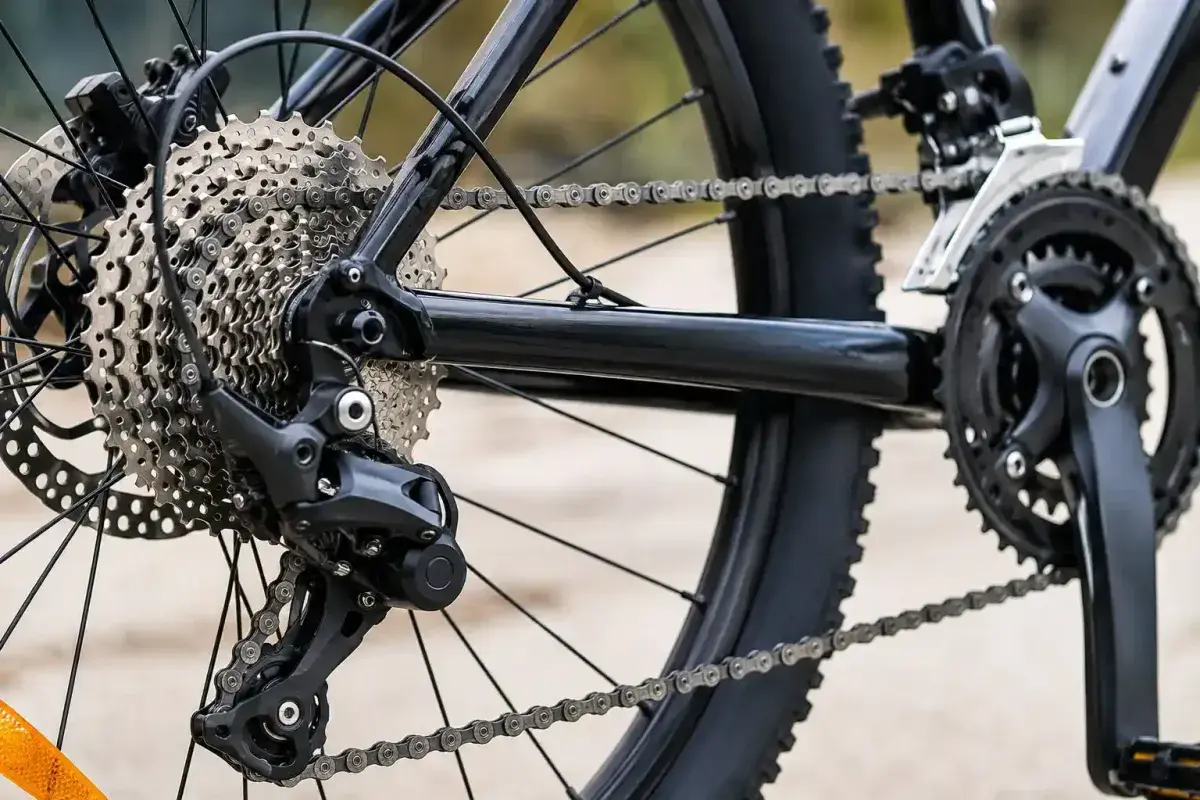
Many people judge a bicycle by its frame or color, but the individual components often have an even greater impact on how the bike performs over time. These parts work together every time you ride, and their quality influences comfort, reliability, maintenance needs, and overall value. Taking a closer look at the components before buying can help you avoid future frustration.
Start by examining the braking system. Reliable brakes provide confidence in busy traffic, steep hills, and unexpected situations. Whether the bike uses rim brakes or disc brakes, they should operate smoothly and stop the bicycle consistently. Quality brakes are especially important if you plan to ride frequently or in wet conditions.
Next, inspect the gear system. Smooth shifting makes climbing hills and maintaining comfortable speeds much easier. Shift through each gear during a test ride and listen for hesitation or excessive noise. Well adjusted gears should move quickly from one setting to another without skipping.
The tires deserve careful attention because they directly affect comfort and traction. Wider tires generally provide a smoother ride and better grip on uneven surfaces, while narrower tires reduce rolling resistance on paved roads. Choose tires that match your intended riding environment.
The saddle is another important component that many buyers overlook. A comfortable seat encourages longer rides and reduces discomfort. Remember that saddles can often be replaced later if your preferences change.
Look closely at the wheels, pedals, handlebars, and chain. Well built components contribute to smoother performance and longer service life. If possible, ask about the brands used for these parts because reputable manufacturers often produce more dependable equipment.
It is also helpful to ask whether replacement parts are easy to obtain. A bicycle that uses commonly available components is usually easier and less expensive to maintain throughout its lifetime.
Choosing a bicycle with dependable components does not necessarily mean buying the most expensive model. It means selecting a bike built with quality parts that match your riding needs and provide consistent performance every time you head out for your next adventure.
6. Think About Long Term Maintenance
Image
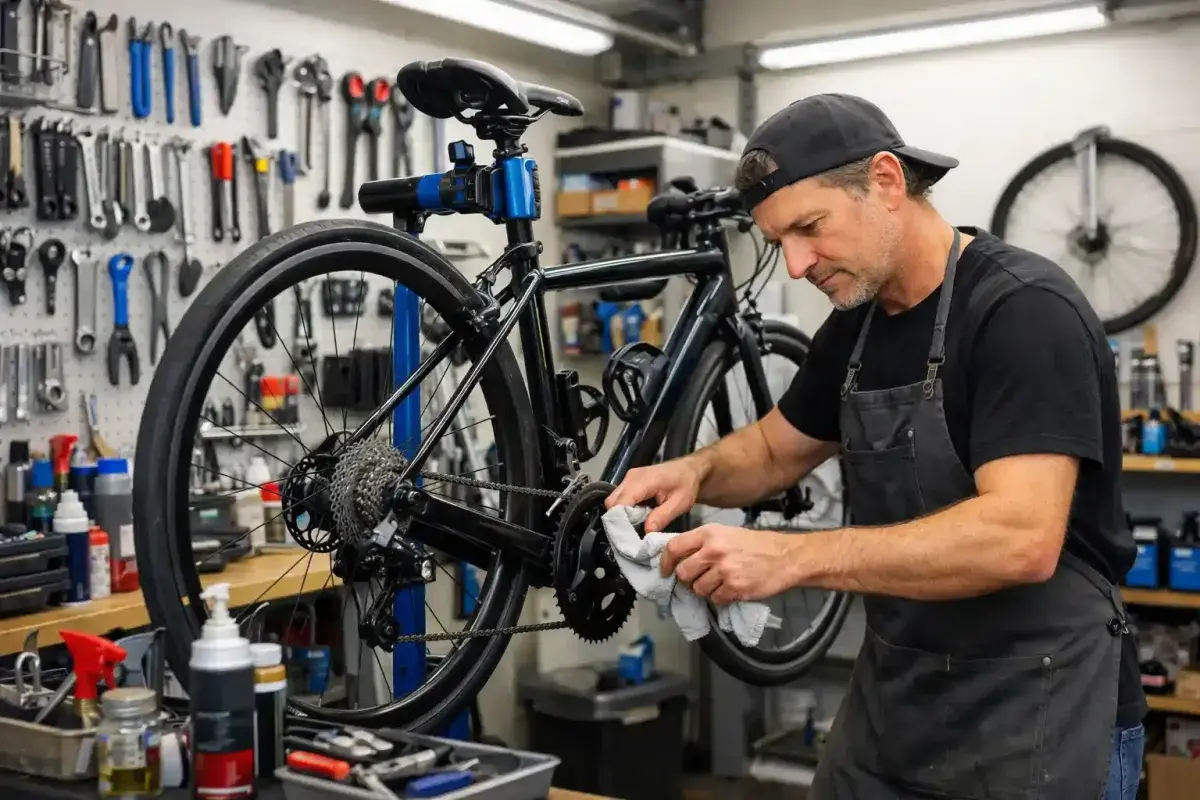
Buying a bicycle is only the beginning of your cycling journey. Every bike requires regular care to remain safe, reliable, and enjoyable to ride. Thinking about maintenance before making a purchase can save both time and money while helping your bicycle stay in excellent condition for many years. A well maintained bike not only performs better but also lasts much longer than one that is neglected.
Different bicycles require different levels of maintenance. Some high performance models feature advanced components that provide excellent riding experiences but may require more frequent servicing. Simpler bicycles with fewer gears and basic components are often easier for beginners to maintain and repair. Understanding these differences helps you choose a bike that fits both your riding habits and your willingness to perform regular upkeep.
Ask the bicycle shop about the recommended maintenance schedule. Most bikes benefit from periodic inspections that include checking brake performance, tire pressure, chain condition, gear adjustments, and wheel alignment. Keeping these parts in good working order improves safety while preventing small problems from becoming expensive repairs.
It is also worth asking whether replacement parts are easy to find. Popular bicycle brands often have widely available components, making future repairs more convenient. Choosing a bicycle that uses standard parts allows local bike shops to perform repairs quickly without waiting for specialized components to arrive.
Learning a few basic maintenance skills can also make bicycle ownership more enjoyable. Knowing how to clean the chain, inflate the tires correctly, or repair a simple flat tire allows you to continue riding with fewer interruptions. Many bike shops even offer maintenance classes that teach beginners the fundamentals of bicycle care.
Proper storage also plays an important role in keeping your bicycle in good condition. Storing the bike indoors or under shelter protects it from rain, excessive sunlight, and moisture that can lead to rust or premature wear. Regular cleaning after muddy or wet rides further helps preserve the frame and moving parts.
When you consider maintenance before buying, you choose a bicycle that matches your lifestyle instead of creating unnecessary challenges. A bike that is easy to care for encourages regular riding and continues to deliver dependable performance every time you set out for another adventure.
7. Buy Essential Safety Equipment
Image
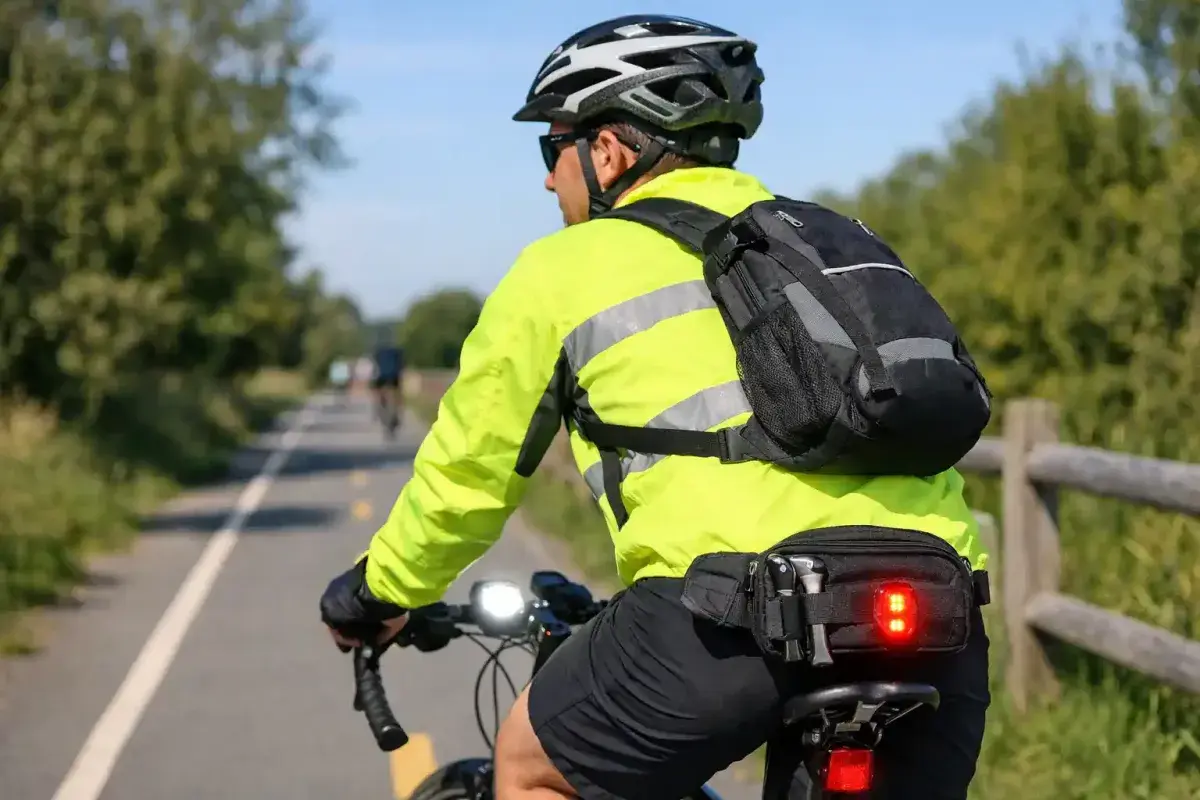
Owning a bicycle is about much more than purchasing the bike itself. Riding safely requires a collection of essential equipment that protects you and makes every journey more enjoyable. Many first time buyers focus their entire budget on the bicycle and forget that safety accessories are equally important. Investing in the right equipment from the beginning helps you ride with greater confidence in many different situations.
The most important item is a properly fitted helmet. A quality helmet helps protect your head during unexpected falls or collisions and should always be worn regardless of how short your ride may be. It should fit snugly without feeling uncomfortable and remain securely fastened throughout your ride. Replacing a helmet after a significant impact is also important because hidden damage may reduce its protective ability.
Lights are another valuable addition, even if you usually ride during daylight hours. Front and rear lights increase your visibility to drivers, pedestrians, and other cyclists during cloudy weather, early mornings, late afternoons, or shaded roads. Bright lights help others notice you sooner and provide additional peace of mind.
Reflective clothing or accessories further improve visibility. Reflective strips on jackets, backpacks, shoes, or ankle bands make it easier for motorists to recognize cyclists from greater distances. These simple items become especially valuable during low light conditions.
A strong bicycle lock protects your investment whenever you leave your bike unattended. Choosing a durable lock discourages theft and allows you to enjoy stops at stores, parks, or workplaces without unnecessary worry. Many experienced cyclists recommend locking both the frame and one wheel to a secure object whenever possible.
You should also consider carrying a small repair kit that includes tire levers, a spare inner tube, a compact pump, and a basic multi tool. Minor problems such as flat tires can often be fixed quickly, allowing you to continue your ride without needing outside assistance.
Safety equipment may seem like an additional expense, but it contributes greatly to every cycling experience. These accessories allow you to ride more confidently while protecting both yourself and your bicycle wherever your adventures take you.
8. Compare Different Brands and Reviews
Image
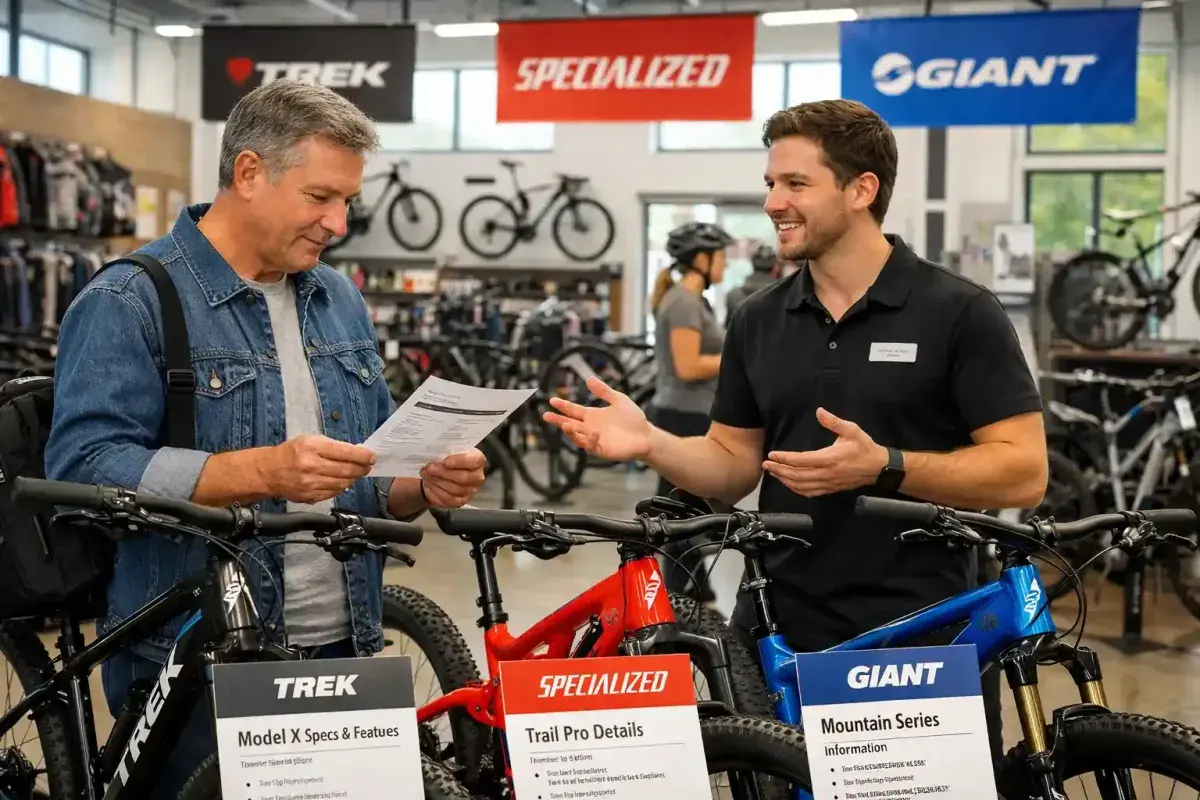
Choosing the first bicycle you see may seem convenient, but taking time to compare different brands can lead to a much better purchase. Every manufacturer has its own approach to frame design, component selection, comfort, and overall riding experience. Looking beyond advertising and carefully evaluating available options allows you to find a bicycle that truly matches your expectations.
Begin by identifying several reputable bicycle brands within your budget. Read product descriptions carefully and compare features that matter most for your style of riding. Instead of focusing only on appearance, pay attention to frame materials, braking systems, gear components, wheel quality, and warranty coverage. Small differences in these areas can have a noticeable effect on long term satisfaction.
Customer reviews provide valuable insight because they often describe real experiences after months or even years of ownership. Look for recurring comments rather than isolated opinions. If many riders consistently praise a bicycle for comfort or durability, those strengths may be worth considering. Likewise, repeated complaints about the same issue may indicate a genuine weakness.
Professional reviews from cycling publications can also help explain how different bicycles perform under specific riding conditions. These reviews often include detailed testing that highlights strengths, limitations, and overall value. Combining expert opinions with customer experiences creates a more complete picture of each bicycle you are considering.
Do not overlook the reputation of your local bicycle shop. Knowledgeable staff can answer questions, recommend suitable models, and provide ongoing service after your purchase. Buying from a trusted shop often adds value through professional assembly, fitting, and maintenance support that online retailers may not provide.
It is also helpful to compare warranty policies. A longer warranty often reflects the manufacturer's confidence in its product, although overall quality should always remain the primary consideration. Understanding what the warranty covers helps prevent surprises if repairs become necessary in the future.
Taking time to compare brands and reviews reduces uncertainty and increases the likelihood that you will be satisfied with your purchase. A careful comparison allows you to invest in a bicycle that delivers dependable performance and enjoyable rides for many years.
9. Plan for Future Needs
Image
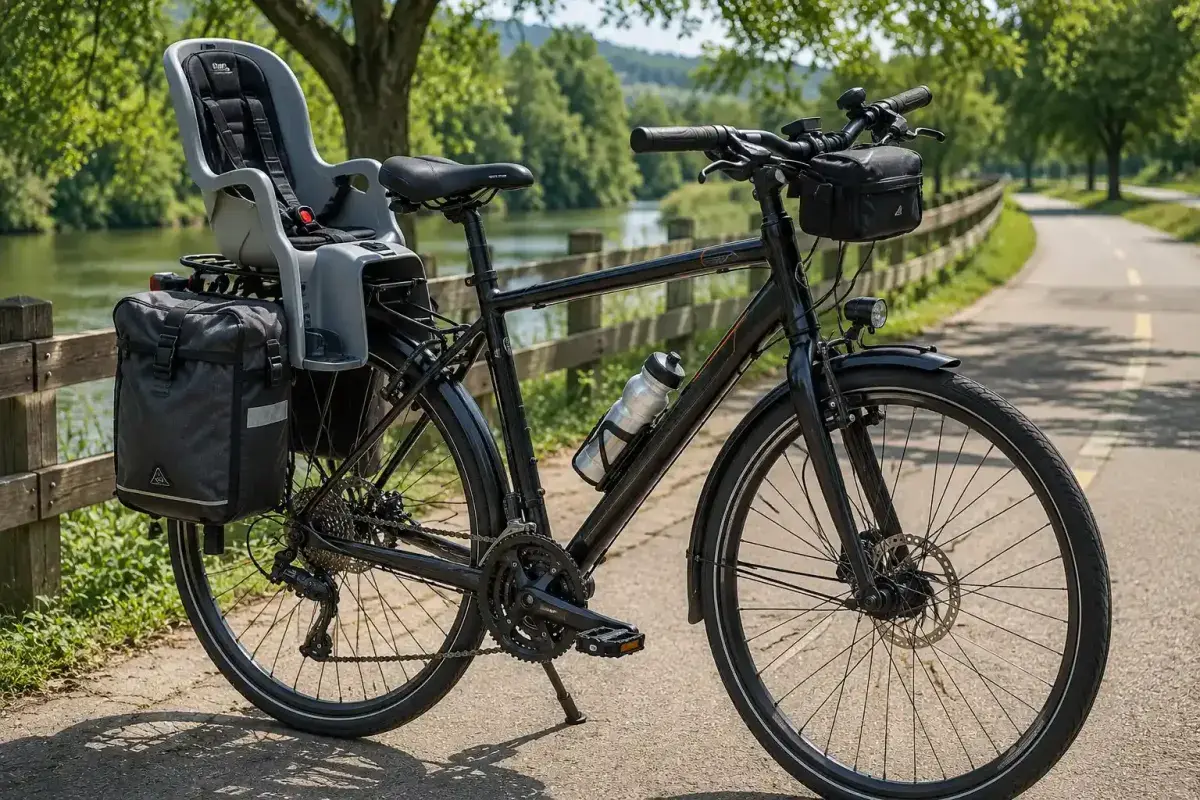
When buying a bicycle, it is easy to focus only on your current needs. However, thinking ahead can help you choose a bike that continues to serve you well as your lifestyle changes. A bicycle that offers flexibility often provides better long term value than one designed for only a single purpose.
Consider how your riding habits may change over time. You may begin with short recreational rides but later decide to commute to work, participate in charity rides, or explore longer cycling routes. Choosing a bicycle that can adapt to these new activities allows you to enjoy new experiences without immediately needing another bike.
Many bicycles can accommodate useful accessories that expand their capabilities. Mounting points for luggage racks allow you to carry groceries, work supplies, or travel equipment. Bottle holders keep water within easy reach during longer rides. Fenders help protect your clothing from water and mud during wet weather, making commuting more practical.
Families may eventually want to install child seats or small bicycle trailers. Before purchasing a bike, ask whether the frame is compatible with these accessories. This simple consideration can make family outings much easier in the future.
Fitness goals may also evolve. As your endurance improves, you might appreciate a lighter bicycle or upgraded components that enhance performance. Some bicycles allow gradual upgrades over time, enabling you to improve the bike without replacing it completely.
Storage and transportation are additional factors worth considering. If you frequently travel by car, make sure the bicycle fits your vehicle or works with available bike racks. Apartment residents may also appreciate bicycles that are easier to carry upstairs or store indoors.
Thinking ahead does not mean spending more money than necessary. Instead, it means choosing a bicycle that offers room to grow alongside your interests and activities. A flexible bicycle supports changing lifestyles while remaining a dependable companion through many years of enjoyable cycling.
10. Trust Comfort Over Trends
Image
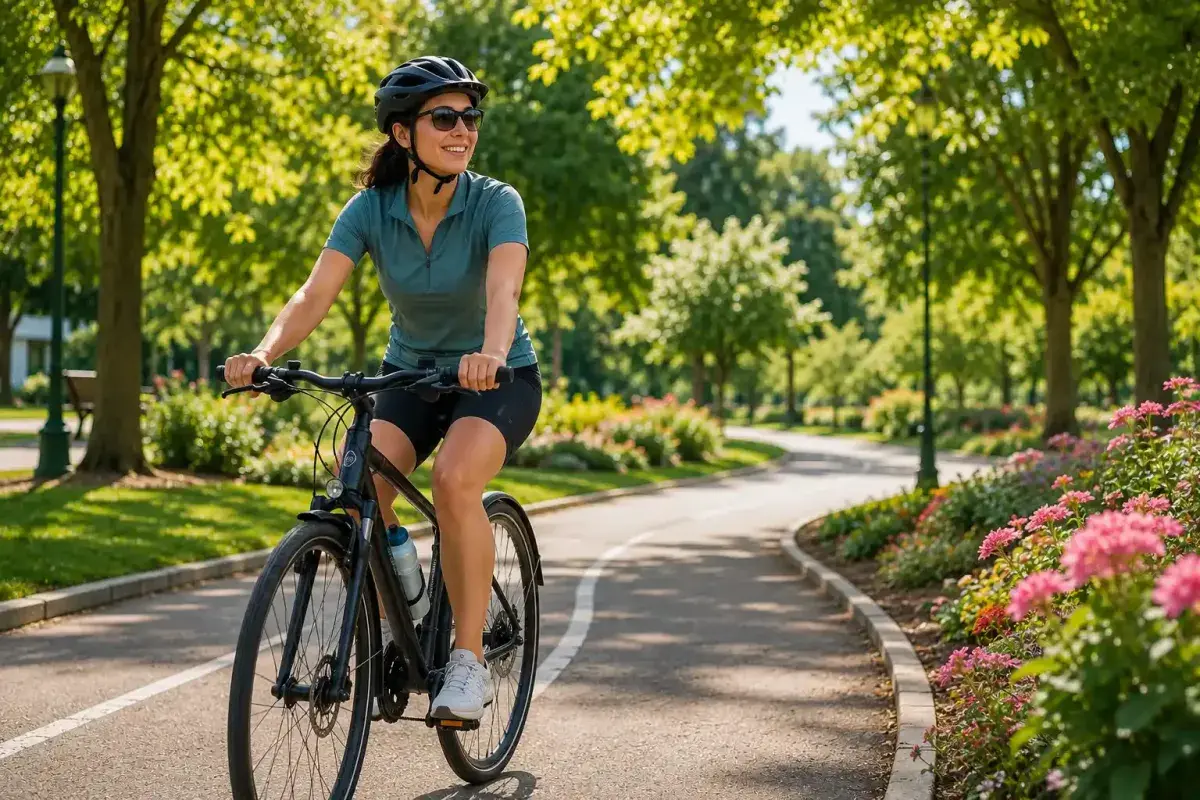
Fashion trends and eye catching designs often attract attention when shopping for a bicycle. While there is nothing wrong with appreciating a beautiful bike, comfort should always remain the deciding factor. A bicycle that feels natural and enjoyable to ride will encourage regular use far more than one chosen simply because it looks impressive.
Comfort begins with proper fit, but it also includes the overall riding position, saddle support, handlebar shape, and suspension if available. Some riders prefer a more upright posture that reduces strain on the back and shoulders, while others enjoy a more aerodynamic position for speed. Choosing the posture that feels most comfortable for your body allows longer rides with less fatigue.
Do not allow marketing trends to convince you that every advanced feature is necessary. Expensive materials, racing inspired designs, or highly specialized components may offer benefits for competitive cyclists, but many everyday riders gain little advantage from these additions. Instead, focus on the features that improve your personal riding experience.
Pay attention to how you feel during and after a test ride. If your hands, neck, or back become uncomfortable after only a short distance, the bicycle may not be the right choice. Small adjustments can solve some issues, but persistent discomfort often indicates that another model would be a better fit.
Remember that confidence is part of comfort. A bicycle that feels stable and easy to control allows you to relax and enjoy the ride rather than worrying about balance or handling. Feeling secure encourages you to explore new routes and spend more time outdoors.
Many experienced cyclists eventually discover that their favorite bicycle is not necessarily the fastest or the most expensive. Instead, it is the one they genuinely enjoy riding every chance they get. Comfort creates positive experiences, and positive experiences inspire lifelong cycling habits.
Choosing comfort over trends ensures that your bicycle becomes a trusted companion rather than an expensive decoration. The right bike is the one that makes you look forward to every ride, whether you are traveling across town or simply enjoying a peaceful afternoon in the park.
Buying a bicycle is an exciting decision that can lead to healthier habits, memorable adventures, and a greater appreciation for the outdoors. While the wide variety of available models may seem overwhelming at first, taking the time to understand your needs makes the selection process much easier. Every rider has different goals, whether commuting to work, exploring scenic trails, improving physical fitness, or simply enjoying relaxing rides with family and friends. Choosing a bicycle that matches those goals creates a much more rewarding experience from the very first ride.
The best bicycle is not always the newest, the most expensive, or the most popular. Instead, it is the one that fits your body comfortably, performs well in the environments where you plan to ride, and suits your budget without sacrificing quality or safety. Paying attention to frame size, riding style, dependable components, future maintenance, and essential safety equipment helps you make a confident decision that will continue to benefit you for years.
Taking time to compare different bicycles, read reviews, and test ride several models is never wasted effort. These steps allow you to understand how each bike feels and performs before making a commitment. A thoughtful purchase often results in greater satisfaction and fewer unexpected expenses throughout the life of the bicycle.
Cycling offers far more than transportation. It provides opportunities to stay active, reduce stress, explore new places, and spend meaningful time with loved ones. Every ride has the potential to become a memorable experience when you begin with a bicycle that truly meets your needs. By following these practical tips and focusing on comfort, quality, and long term value, you can confidently choose a bike that supports your lifestyle and inspires countless enjoyable journeys for many years to come.