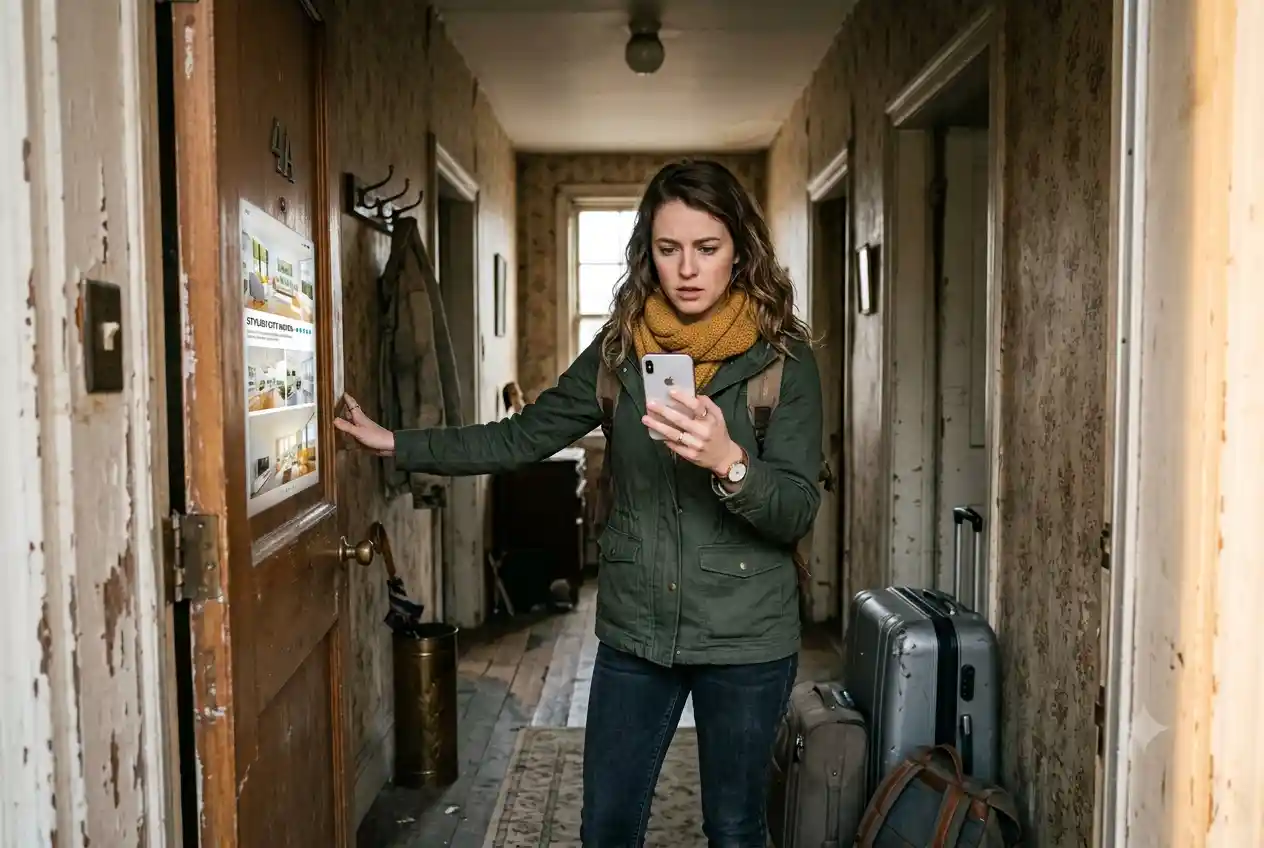
Travel has become easier than ever before, and vacation rentals have transformed the way people experience destinations around the world. Instead of staying in a traditional hotel, many travelers now choose homes, apartments, cottages, and unique spaces that promise a more personal and authentic experience. Airbnb has played a major role in this shift by connecting guests with property owners in thousands of cities and towns. From cozy cabins in the mountains to stylish apartments in busy city centers, the platform offers an incredible variety of accommodations that often appeal to families, couples, solo travelers, and groups of friends alike.
While many Airbnb stays turn into wonderful memories, not every booking delivers the experience guests expect. Attractive photos, glowing reviews, and affordable prices can sometimes create expectations that do not match reality. Travelers who fail to research carefully may encounter unexpected costs, confusing house rules, disappointing cleanliness, or communication problems that affect their entire trip. These situations do not happen with every booking, but they happen often enough that experienced travelers have learned to approach vacation rentals with a careful eye.
Unlike hotels that usually operate under standardized procedures and professional management, Airbnb properties are owned or managed by individuals with different levels of experience. One host may provide exceptional hospitality while another may struggle to maintain the property or respond quickly when issues arise. This variation means every booking deserves careful attention before any payment is made.
The good news is that most common problems can be avoided with a little preparation. Reading the listing carefully, studying recent guest reviews, understanding cancellation policies, and asking questions before booking can make a significant difference. A few extra minutes of research can help prevent disappointment and protect both your budget and your vacation.
Lets explore ten common Airbnb pitfalls that many travelers encounter. Understanding these challenges before making a reservation will help you make smarter decisions, avoid unnecessary surprises, and enjoy a smoother travel experience wherever your next adventure takes you.
1. The Listing Photos May Not Reflect Reality
Many travelers begin searching for accommodations by looking at photos first. Beautiful images of bright living rooms, spotless kitchens, spacious bedrooms, and breathtaking views naturally attract attention. Professional photography can make almost any property appear inviting, and many hosts invest significant effort into presenting their homes in the best possible light. Although there is nothing wrong with showcasing a property attractively, photos do not always tell the complete story.
Image
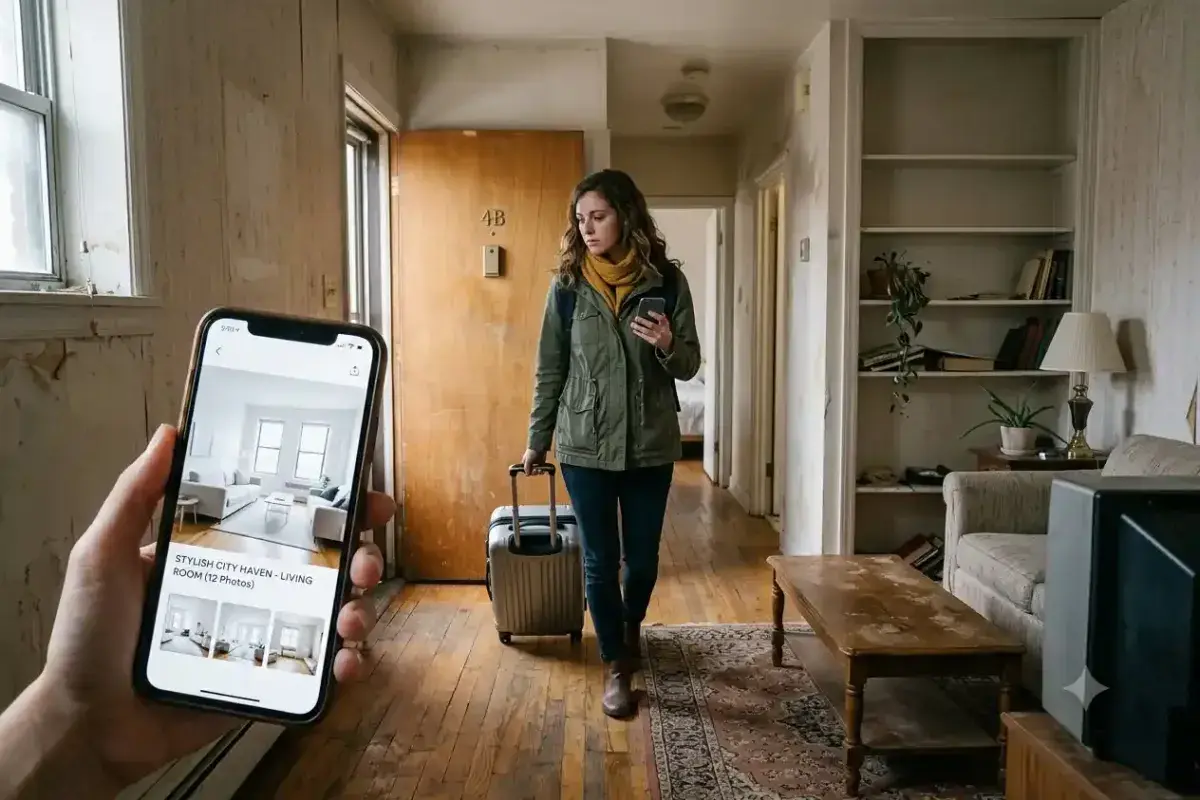
One of the most common disappointments occurs when guests arrive and discover that the property looks quite different from what they expected. Rooms may feel much smaller than they appeared in the photos. Furniture may show signs of wear that were not visible online. The surrounding neighborhood might not be as attractive as expected, or nearby construction could affect the atmosphere. Lighting also plays a major role because carefully chosen angles and bright daylight can make spaces appear larger, cleaner, and more luxurious than they actually are.
Photos also cannot communicate important details such as unpleasant odors, noise from nearby traffic, uncomfortable beds, unreliable internet service, or aging appliances. These factors can greatly influence the overall experience even if the property technically matches its online images.
The best way to reduce the chance of disappointment is to look beyond the photographs. Read reviews from recent guests carefully, especially comments that describe cleanliness, maintenance, comfort, and accuracy. Reviews often reveal details that photos cannot show. Comparing photos uploaded by guests with the professional listing images can also provide a more realistic impression of the property.
Do not hesitate to ask the host questions before booking. If something is unclear, requesting additional photos or clarification demonstrates that you are making an informed decision. Responsible hosts are usually happy to provide honest answers because satisfied guests often leave better reviews.
By balancing attractive marketing photos with detailed research, travelers can form more realistic expectations and reduce the likelihood of unpleasant surprises after arrival.
2. Hidden Fees Can Increase the Final Price
One reason many travelers choose Airbnb is the expectation of saving money compared with traditional hotels. Initial search results often display attractive nightly prices that seem like excellent bargains. However, many guests discover during checkout that the total cost is significantly higher than the advertised rate.
Image
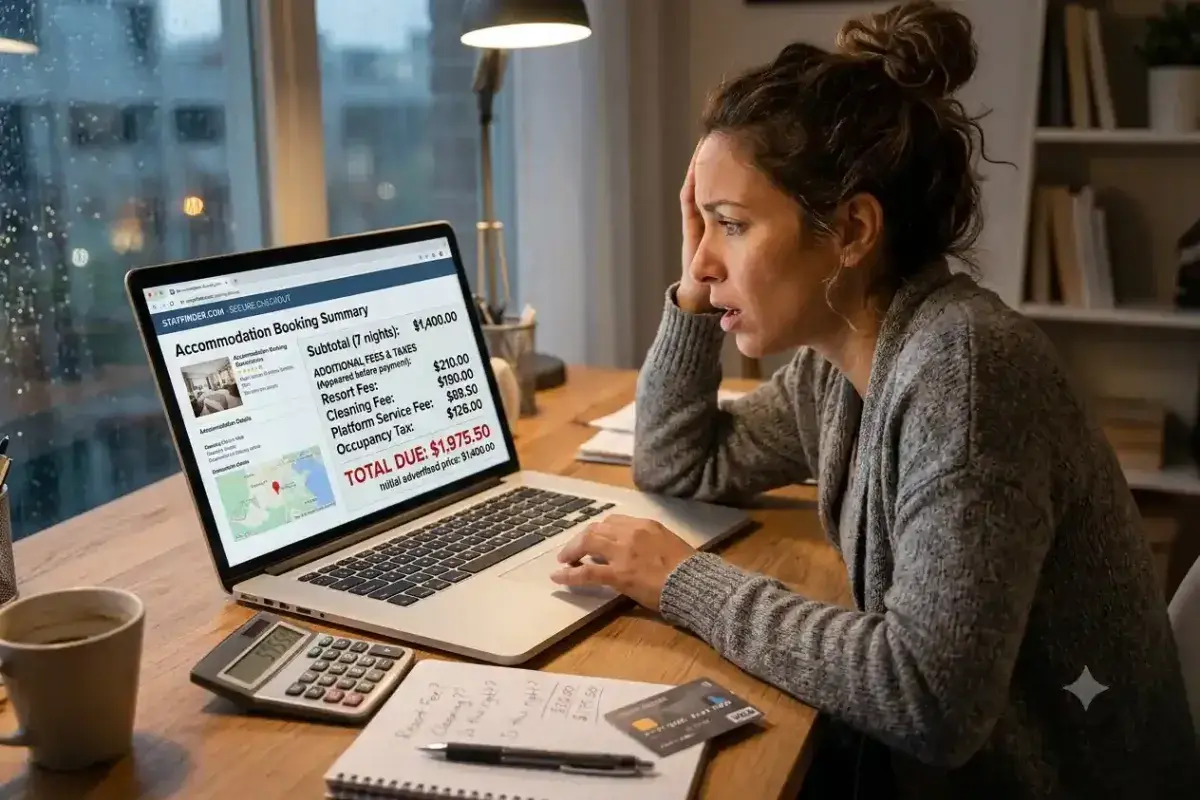
Cleaning fees are one of the most common additional charges. Depending on the property, these fees can range from a modest amount to a surprisingly large expense that dramatically increases the total cost, particularly for short stays. Service fees charged by the platform may also be added, along with taxes required by local governments. Some properties may include extra charges for additional guests, pets, parking, or late check in arrangements.
These additional costs can make an Airbnb stay more expensive than nearby hotels that include housekeeping, daily service, and amenities within the listed room rate. Travelers who focus only on the nightly price may unintentionally overlook the full financial picture until they reach the payment page.
Another issue is that some guests assume certain services are included simply because they are common in hotels. Items such as luggage storage, breakfast, daily cleaning, or complimentary toiletries may not be provided, requiring additional spending during the trip.
The simplest way to avoid surprises is to examine the complete booking total before making a reservation. Compare the final price instead of just the nightly rate. When comparing accommodations, always evaluate what is included in the overall cost. A hotel with free breakfast, airport transportation, and daily housekeeping may ultimately provide better value even if its nightly rate appears higher at first glance.
Reading the listing carefully can also reveal optional charges or special conditions that may affect your budget. If anything seems unclear, asking the host for clarification before confirming your reservation is always worthwhile.
Careful budgeting based on the complete cost rather than the advertised nightly rate allows travelers to make informed decisions and avoid unpleasant financial surprises after booking.
3. House Rules Can Be More Restrictive Than Expected
Many travelers associate vacation rentals with freedom and flexibility. Staying in a private home often feels more relaxed than checking into a hotel. However, every Airbnb property operates according to rules established by the individual host, and these rules can vary greatly from one listing to another.
Image
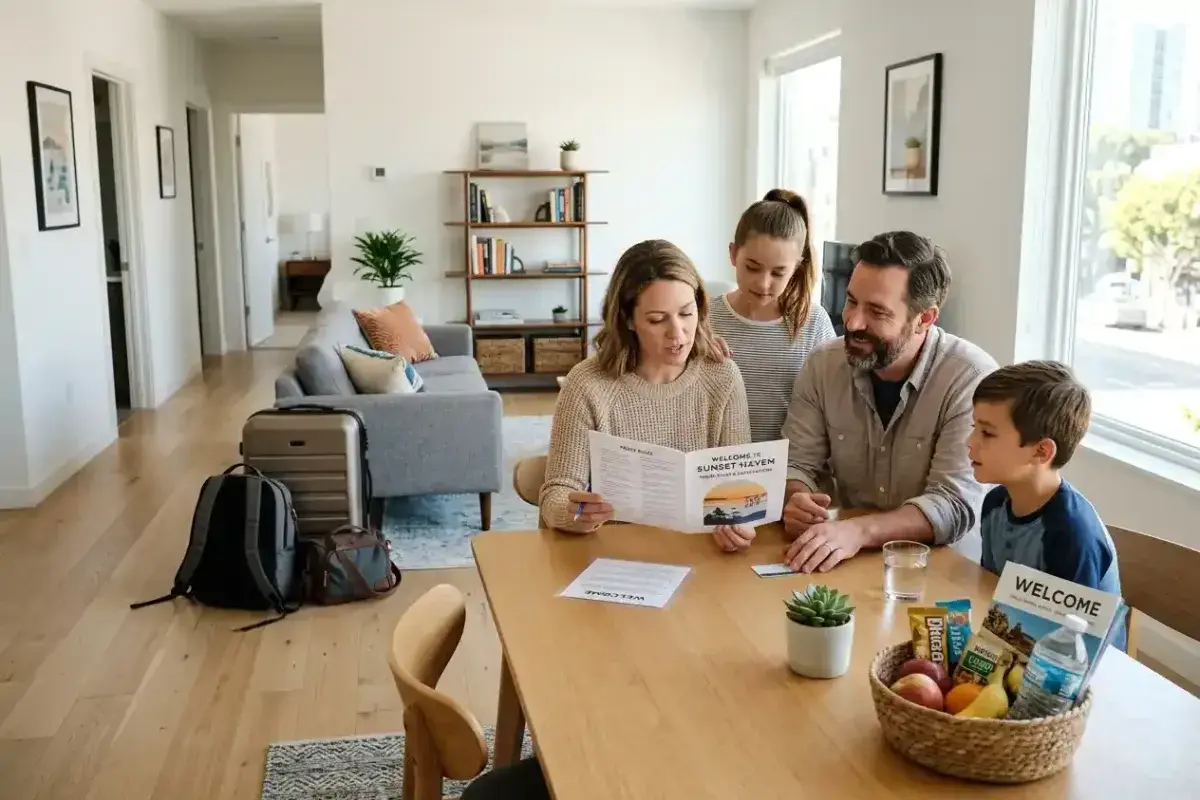
Some properties have quiet hours that begin early in the evening. Others prohibit parties, visitors, smoking, pets, cooking certain foods, or using outdoor spaces after specific times. Certain hosts require guests to remove their shoes before entering, separate recycling carefully, wash dishes before departure, or complete several cleaning tasks before checking out.
Although these requirements are usually listed within the property description, travelers sometimes overlook them while focusing on photos and location. Discovering unexpected restrictions after arrival can create frustration and misunderstandings between guests and hosts.
Breaking house rules may have consequences beyond an uncomfortable conversation. Hosts may leave negative reviews that affect future bookings or request compensation if property policies are violated. Serious issues can even lead to cancellation of the reservation while the guest is still staying at the property.
Before booking, read every section of the listing carefully, including the house rules and checkout instructions. If traveling with children, elderly relatives, or pets, make sure the property's expectations match your group's needs. A family vacation can quickly become stressful if children are expected to remain completely silent in a building with strict noise policies.
Communication is equally important. If you have any concerns about your plans, discuss them with the host before making a reservation. Honest conversations often prevent misunderstandings later.
Respecting house rules helps create a positive experience for both guests and hosts. Choosing accommodations whose expectations align with your travel style will make your stay far more enjoyable and reduce the possibility of unnecessary conflicts.
4. Communication With Hosts May Not Always Be Immediate
Many Airbnb hosts provide outstanding customer service and respond to questions within minutes. Others manage several properties, have full time jobs, or live in different time zones, making communication slower than some guests expect.
Image
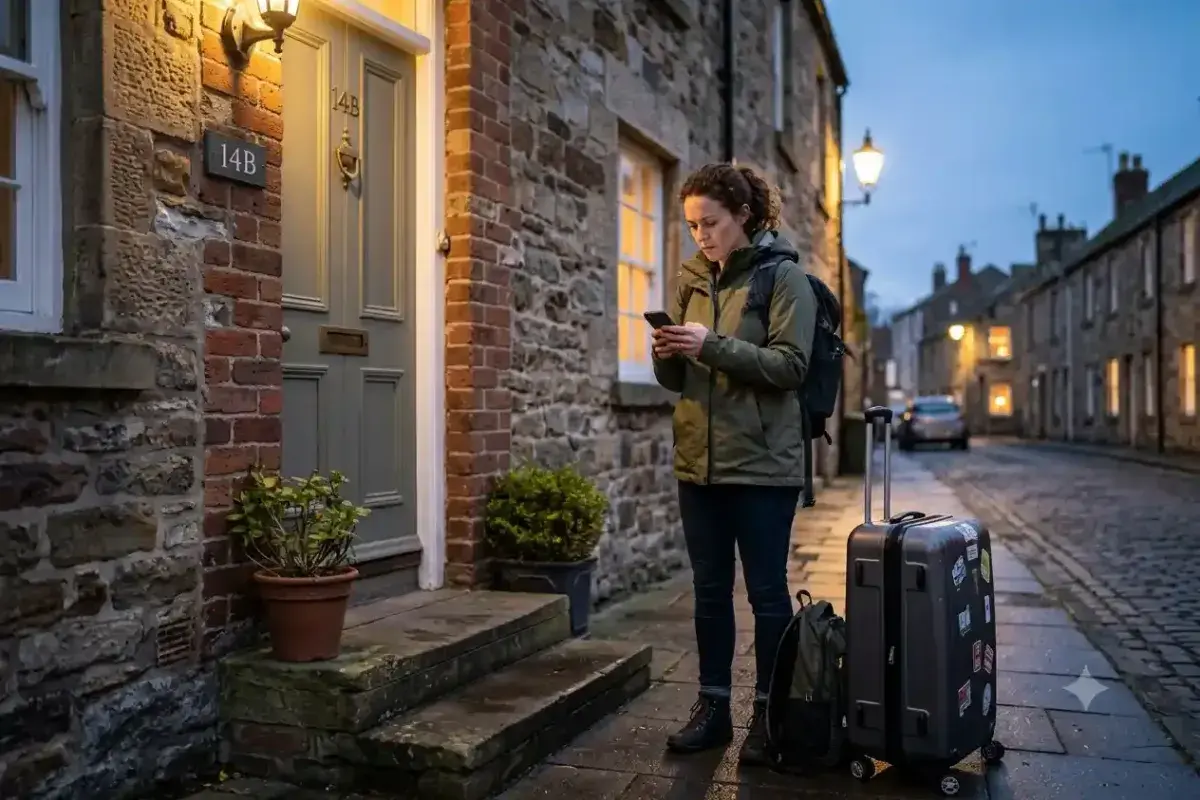
Unlike hotels that usually have staff available throughout the day, Airbnb relies heavily on individual hosts. If guests experience problems with check in, internet access, heating, plumbing, or missing amenities, immediate assistance may not always be available. Delayed responses can become particularly stressful when travelers arrive late at night or encounter unexpected issues after long journeys.
Communication challenges sometimes begin before arrival. Guests may have questions about parking, transportation, or access codes but receive responses only shortly before check in. This uncertainty can create unnecessary anxiety, especially for international travelers who are unfamiliar with the local area.
Language differences may also affect communication. Although translation tools have improved significantly, misunderstandings can still occur when discussing property instructions or resolving unexpected problems.
Travelers can reduce these risks by choosing hosts with consistently positive reviews that mention responsive communication. Reading comments from previous guests often provides valuable insight into how quickly hosts respond when assistance is needed.
Sending important questions several days before arrival also allows enough time for discussion. Saving check in instructions, phone numbers, and property directions offline can prove helpful if internet access becomes unavailable while traveling.
Remaining polite and patient during communication usually leads to better outcomes. Most hosts genuinely want guests to enjoy their stay and are willing to resolve issues when given clear information about the problem.
Good communication is one of the strongest indicators of a successful Airbnb experience. Investing a little time in evaluating host responsiveness before booking can help avoid unnecessary stress during your trip.
5. Cancellation Policies Can Be Expensive
Travel plans sometimes change for reasons beyond anyone's control. Flights may be delayed, family emergencies may arise, weather conditions can affect transportation, or unexpected work obligations may force travelers to postpone a trip. In these situations, cancellation policies become extremely important.
Image
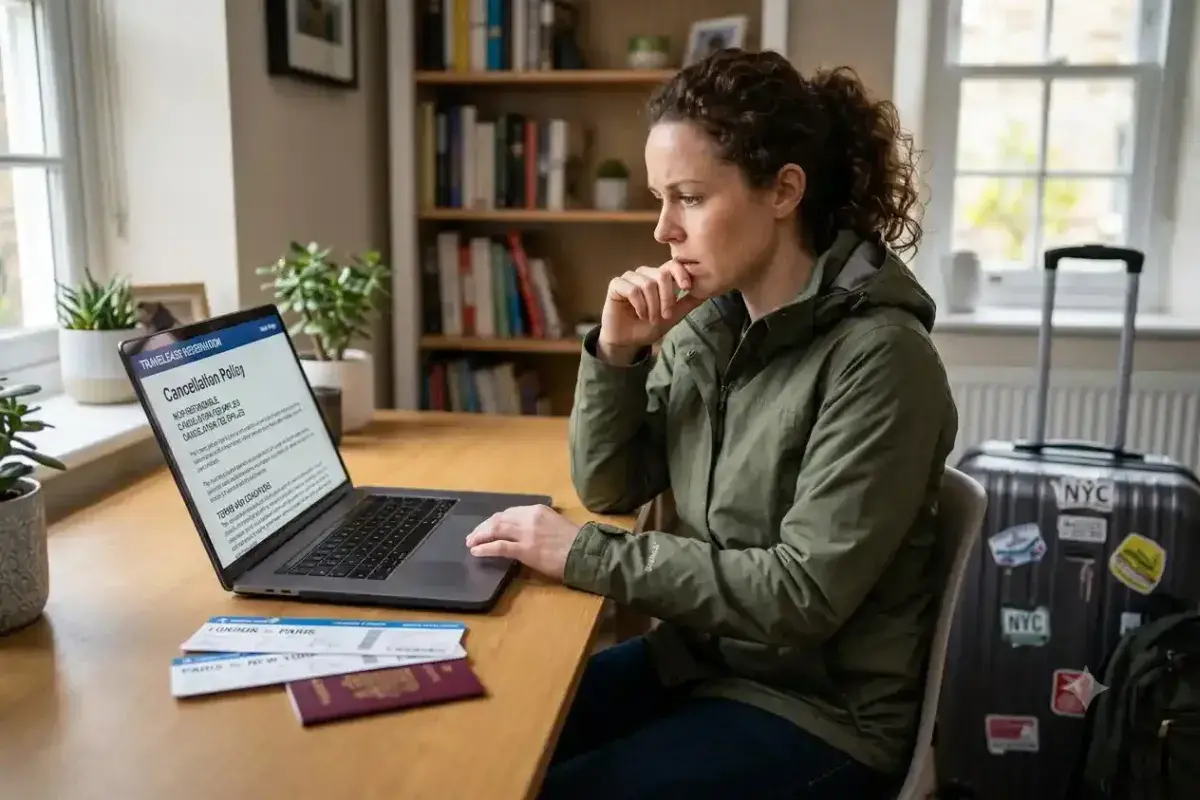
Unlike many hotels that offer flexible cancellation until shortly before arrival, Airbnb properties may follow different policies chosen by individual hosts. Some allow generous refunds when cancellations occur well in advance, while others provide only partial refunds or no refund at all after a certain date.
Many travelers assume they can cancel easily if circumstances change, only to discover that a significant portion of their payment cannot be recovered. This can become particularly costly for expensive vacations or longer stays where the reservation total reaches several hundred or even thousands of dollars.
Travel insurance may help in certain situations, but coverage varies depending on the policy and the reason for cancellation. Reading both the property's cancellation terms and any insurance coverage before booking is essential.
Flexibility has value. If there is uncertainty about travel dates, paying slightly more for a property with a more generous cancellation policy may save considerably more money later. Comparing cancellation terms should be part of every booking decision rather than an afterthought.
Guests should also keep documentation related to flights, transportation, and communication with hosts if unexpected circumstances occur. Prompt communication increases the likelihood of finding mutually acceptable solutions, even when refunds are not guaranteed.
Understanding cancellation policies before confirming a reservation protects both your finances and your peace of mind. Careful planning helps ensure that unexpected changes do not turn an exciting vacation into an expensive disappointment.
6. Cleanliness Standards Can Vary Significantly
One of the greatest advantages of staying in a hotel is the expectation of consistent cleanliness. Most hotels follow standardized cleaning procedures and employ trained housekeeping staff to prepare every room before a new guest arrives. Vacation rentals operate differently because each property is maintained by an individual host or a private cleaning service. While many Airbnb hosts take exceptional pride in keeping their homes spotless, others may have very different standards of cleanliness.
Image
Guests occasionally arrive to discover dusty furniture, stained linens, dirty kitchen appliances, overflowing trash bins, or bathrooms that were not cleaned thoroughly between stays. Even if a property appears beautiful in the listing photos, cleanliness cannot always be judged through pictures alone. Some issues only become noticeable after spending time inside the property. Unpleasant odors, mold in damp areas, or pet hair hidden within furniture can quickly affect the comfort of an otherwise attractive rental.
For travelers with allergies or respiratory conditions, cleanliness becomes even more important. Dust, mold, and animal hair may trigger health issues that make a vacation far less enjoyable. Families traveling with young children often expect clean floors and sanitized kitchens, making hygiene an essential factor when choosing accommodations.
Reading recent guest reviews is one of the most reliable ways to evaluate cleanliness. Pay close attention to comments from travelers who specifically mention the condition of the bathrooms, kitchen, bedding, and common areas. Reviews written within the past few months usually provide a better reflection of the property's current condition than older feedback.
Upon arrival, inspect the property before unpacking. If you notice significant cleanliness problems, document them with photos and contact the host promptly through the Airbnb messaging system. Many responsible hosts appreciate the opportunity to correct problems quickly by arranging additional cleaning or offering another solution.
Keeping realistic expectations is also important. A vacation rental is often someone's home rather than a professionally operated hotel. Minor signs of normal use are expected, but guests should never have to accept conditions that compromise comfort, safety, or hygiene. Choosing hosts with consistently excellent cleanliness ratings greatly increases the likelihood of enjoying a pleasant and comfortable stay.
7. Neighborhoods May Not Match Your Expectations
The location of a vacation rental can have a significant impact on your overall travel experience. A property itself may be beautiful, comfortable, and reasonably priced, yet its surroundings may create unexpected challenges that affect your enjoyment throughout the trip.
Image
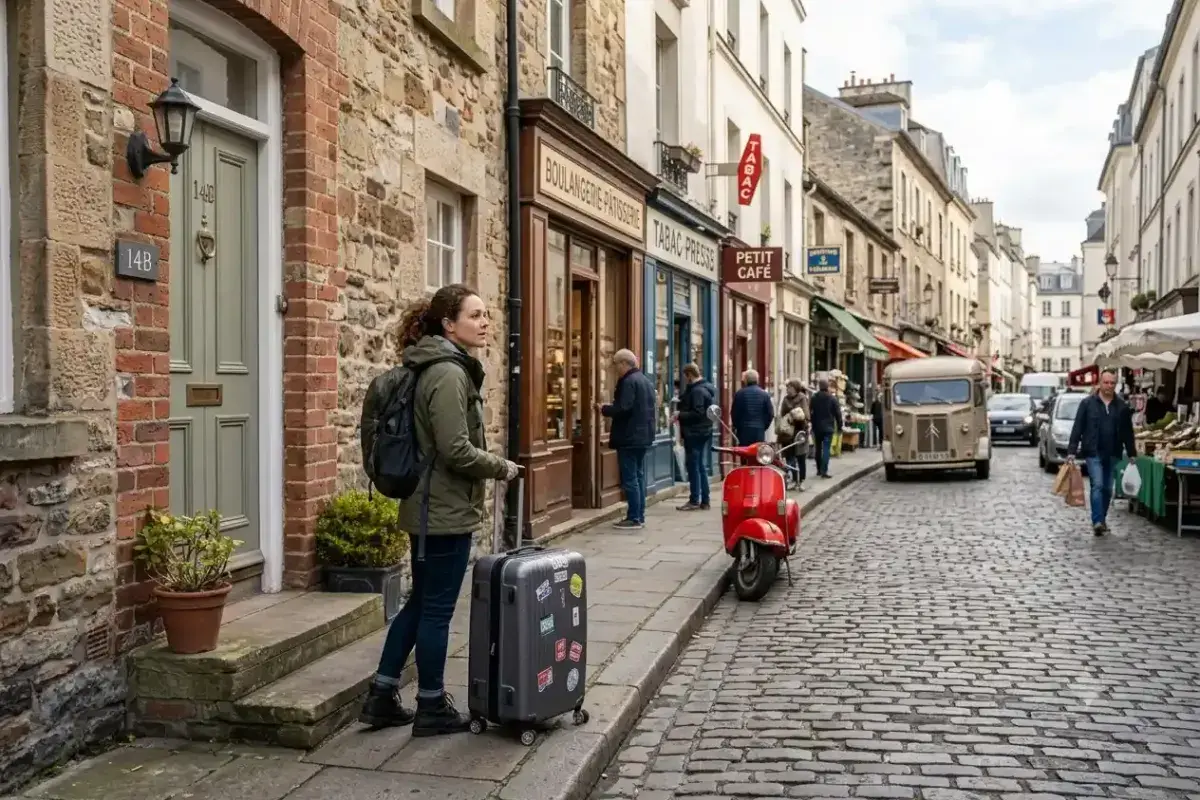
Online listings often focus on the property rather than the surrounding neighborhood. Photos usually highlight attractive interiors while providing only limited information about nearby streets, businesses, or local activity. A listing may describe itself as being close to popular attractions, but the actual walk could involve steep hills, poorly lit streets, busy highways, or neighborhoods that feel uncomfortable late at night.
Noise is another common surprise. A rental located near restaurants, bars, train stations, airports, or major roads may experience constant activity that continues well into the evening. Travelers seeking a peaceful retreat may find it difficult to relax or sleep when outside noise becomes part of the experience.
Convenience also matters. Some properties may require long drives to grocery stores, public transportation, or medical services. Visitors without rental cars could spend much more time and money on transportation than originally expected.
Before making a reservation, spend time researching the neighborhood independently. Online maps, satellite images, and street level views can help you understand the surrounding area more accurately. Reading reviews from previous guests may also reveal valuable information about parking, safety, local restaurants, and transportation options.
Consider your travel priorities carefully. Families with children may prefer quiet residential neighborhoods near parks. Couples looking for nightlife might appreciate accommodations within walking distance of entertainment districts. Business travelers may value convenient transportation more than scenic surroundings.
Asking the host questions about the neighborhood before booking is perfectly reasonable. Most hosts are familiar with the local area and can recommend nearby restaurants, grocery stores, public transportation, and attractions.
A little research before booking can prevent disappointment later. Choosing a location that matches your travel style often contributes just as much to a successful vacation as selecting the property itself.
8. Amenities May Not Meet Your Needs
Amenities often influence which property travelers choose. Features such as wireless internet, air conditioning, kitchens, washing machines, parking, and workspaces can make a significant difference in comfort and convenience during a trip. However, travelers sometimes assume these amenities will function exactly as expected without carefully reviewing the listing.
Image
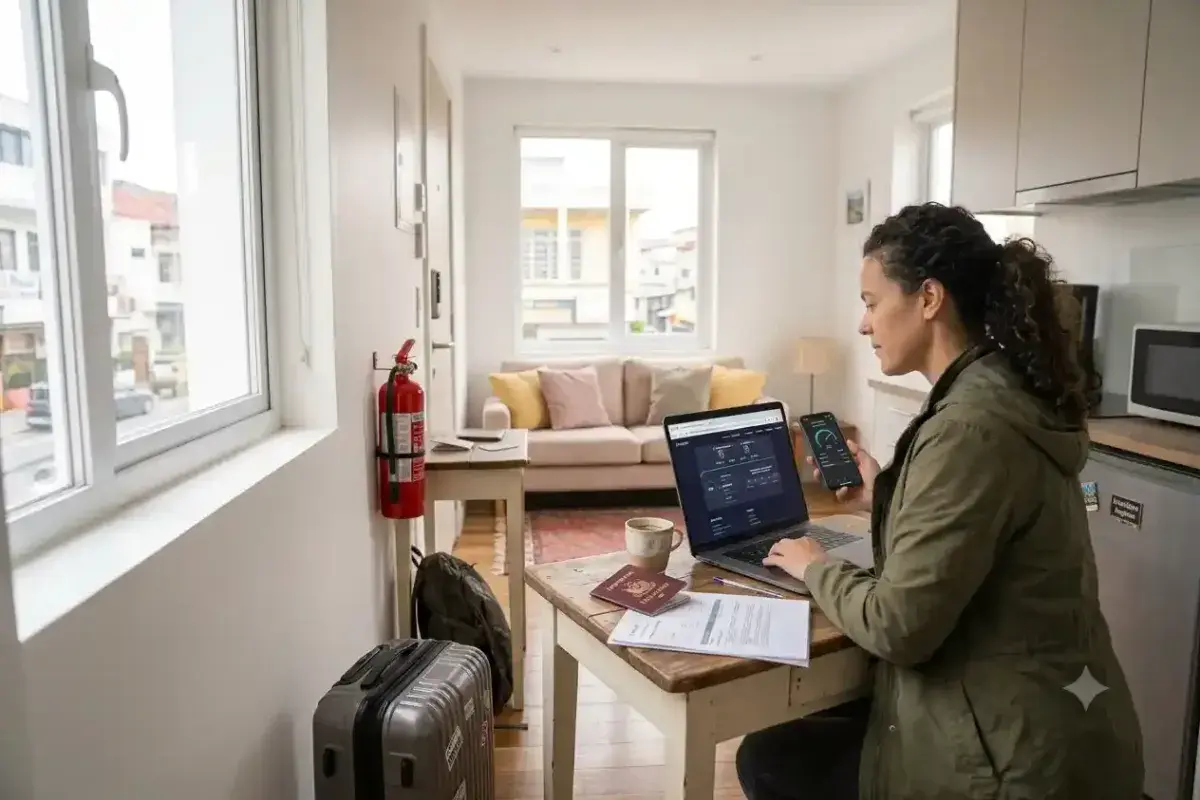
A property may advertise high speed internet, but actual performance may be slow during busy hours. Air conditioning may only cool certain rooms, while heating systems might struggle during colder weather. Kitchens may contain basic cookware but lack essential utensils for preparing meals. Parking spaces could be limited or located several blocks away from the property.
Photos also cannot fully communicate the condition or quality of appliances. Washing machines, coffee makers, televisions, and kitchen equipment may be older than expected or occasionally unavailable because of maintenance issues.
Families often have specific needs that differ from solo travelers. Parents may require cribs, high chairs, or child friendly spaces. Business travelers may depend on reliable internet and quiet work areas for remote meetings. Guests with mobility challenges may need step free entrances or accessible bathrooms that are not fully explained in the listing.
Reading the complete amenities section carefully is essential before booking. If a specific feature is important to your stay, contact the host to confirm that it is available and functioning properly. Clarifying these details before arrival is much easier than trying to solve problems after checking in.
Guest reviews also provide valuable insight into how accurately amenities match expectations. Comments from previous travelers often reveal recurring issues that may not be obvious from the listing itself.
Selecting accommodations based on verified information rather than assumptions helps ensure your vacation runs smoothly. When essential amenities perform as expected, travelers can focus more on enjoying their destination instead of solving avoidable problems.
9. Safety Features Can Differ Between Properties
Safety is something every traveler should consider before making any accommodation reservation. Hotels generally follow established safety regulations and conduct regular inspections, but vacation rentals may vary depending on local laws, property age, and host practices.
Image
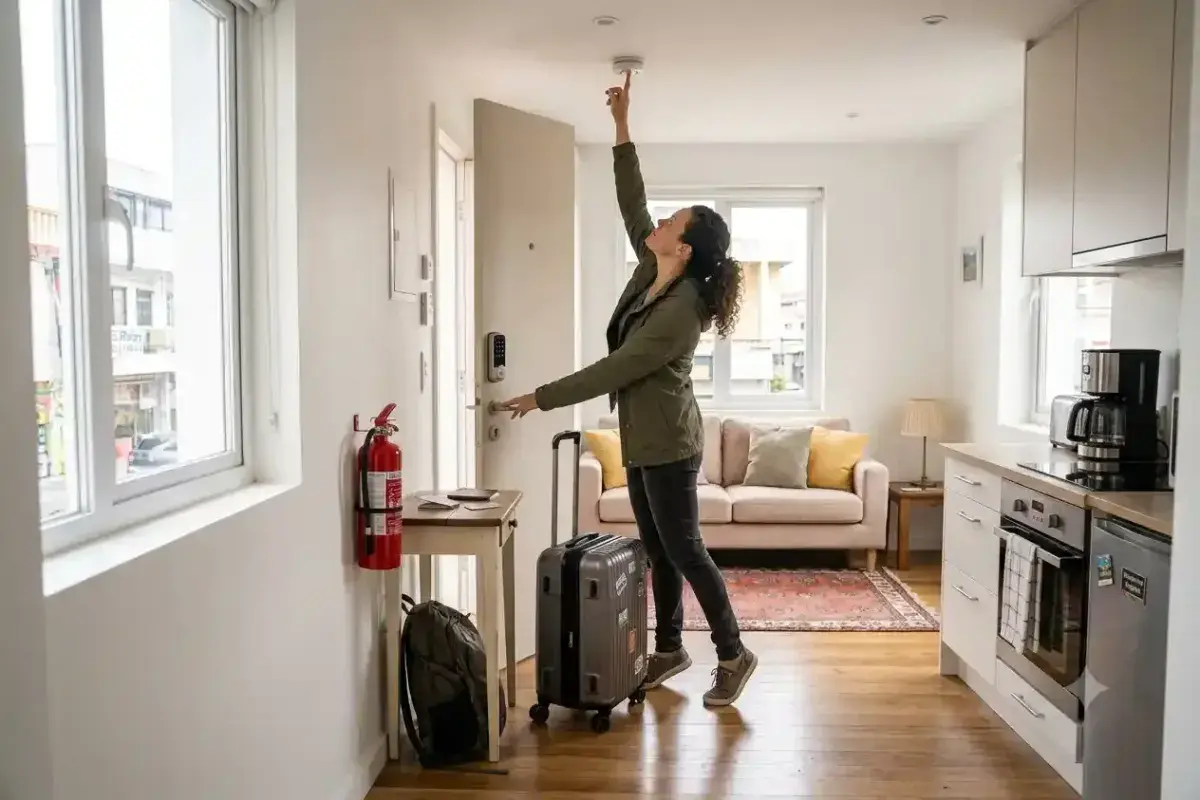
Some properties provide excellent safety features including smoke detectors, carbon monoxide detectors, fire extinguishers, secure locks, emergency lighting, and clearly marked exits. Others may offer only basic protection or fail to mention available safety equipment within the listing.
Travelers should also think about the surrounding environment. Well lit entrances, secure parking areas, and neighborhoods with regular activity can contribute to a greater sense of security, especially for guests arriving late at night or traveling alone.
Families with children may wish to evaluate additional safety concerns such as balconies, swimming pools, staircases, fireplaces, or unsecured furniture. Older travelers might look for properties with minimal stairs, sturdy handrails, and easy access throughout the home.
The listing should describe many available safety features, but it is wise to ask the host directly if important information is missing. Upon arrival, take a few minutes to locate emergency exits, identify smoke detectors, and familiarize yourself with the property's layout. Knowing where safety equipment is located can save valuable time if an emergency ever occurs.
Reading reviews may also reveal concerns that previous guests experienced regarding security or maintenance. If several reviews mention broken locks, poor lighting, or unsafe conditions, consider choosing another property instead.
Most Airbnb stays are completed without any safety issues, but thoughtful preparation is always worthwhile. Choosing well maintained properties with responsive hosts and positive reviews helps reduce unnecessary risks while allowing travelers to enjoy their vacation with greater confidence and peace of mind.
10. Customer Support May Take Time to Resolve Problems
Even with careful planning, unexpected situations can still arise during a trip. Reservations may be canceled unexpectedly, properties may not match their descriptions, maintenance issues can occur, or disagreements may develop between guests and hosts. In these moments, travelers often rely on customer support for assistance.
Image
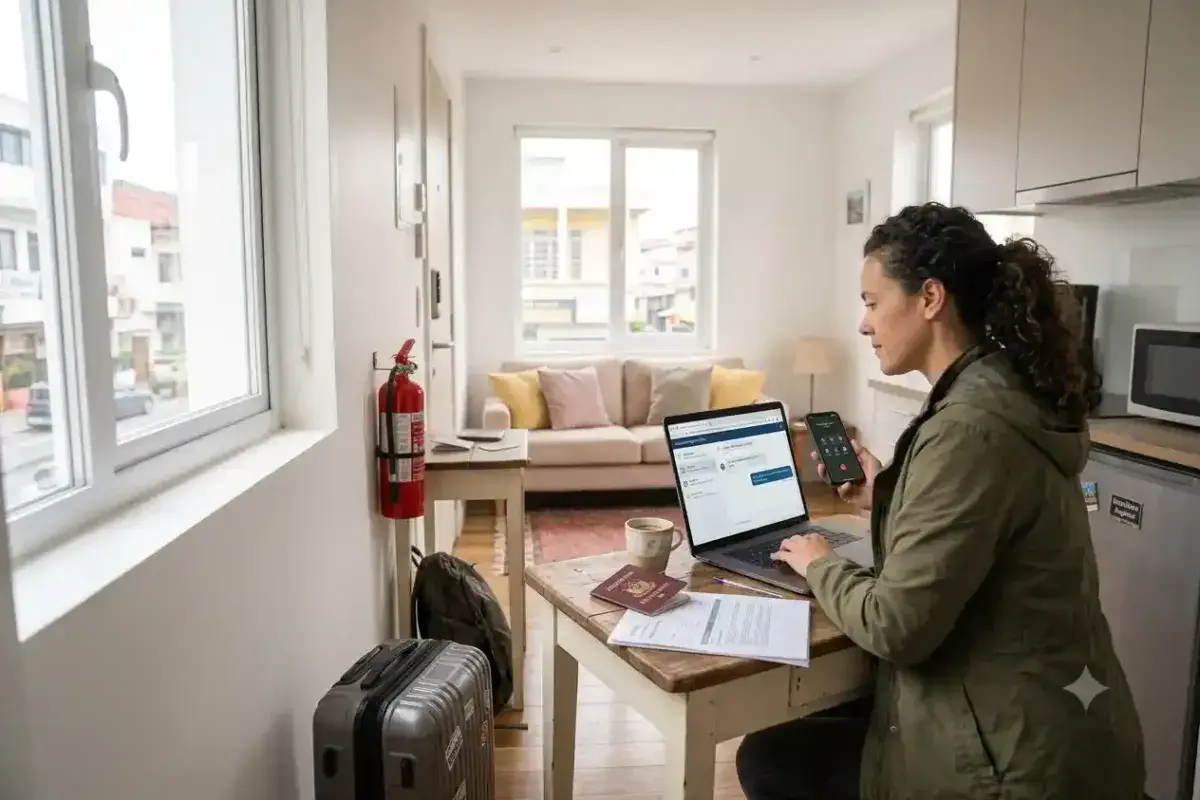
Unlike hotels where staff members are typically available on site, resolving issues with a vacation rental often involves communication between the guest, the host, and Airbnb support. Depending on the complexity of the situation, finding a solution may take time.
Some problems can be resolved quickly through direct communication with the host. Others may require documentation, photos, message records, and formal review by Airbnb. During busy travel periods, response times may be longer than guests hope, adding additional stress during what should be an enjoyable vacation.
Travelers can prepare by keeping all communication within the Airbnb messaging platform whenever possible. This creates a documented record that may help if disputes arise later. Taking photographs immediately after discovering any significant issue also provides valuable evidence should support become necessary.
Reading the listing thoroughly before booking reduces the likelihood of misunderstandings. Confirming important details in writing before arrival creates clear expectations for both guests and hosts.
Patience and respectful communication often lead to better outcomes. Most hosts genuinely want to resolve problems and maintain positive reviews, while customer support teams work to balance the interests of both parties.
Although serious issues remain relatively uncommon, understanding how the support process works allows travelers to respond calmly if unexpected situations occur. Preparation, documentation, and clear communication remain the best tools for resolving challenges successfully while protecting your travel investment.
Airbnb has changed the way millions of people travel by offering unique accommodations that often provide more space, privacy, and local character than traditional hotels. Many guests enjoy memorable experiences that allow them to live like residents rather than tourists. From countryside cottages to city apartments and beachfront homes, the variety available through the platform continues to attract travelers from around the world.
At the same time, vacation rentals require a different approach than booking a hotel. Because every property is managed independently, experiences can vary significantly from one listing to another. Taking the time to research reviews, compare total costs, understand house rules, verify amenities, and evaluate cancellation policies can greatly reduce the chance of unpleasant surprises.
The most successful travelers are those who balance excitement with preparation. Asking questions before booking, communicating clearly with hosts, and reading every part of the listing carefully allows guests to make informed decisions based on facts rather than assumptions. Small efforts before making a reservation can save money, reduce stress, and improve the overall quality of your vacation.
No accommodation option is perfect for every traveler. Some people will prefer the consistency and convenience of hotels, while others will appreciate the flexibility and unique experiences that vacation rentals provide. The key is selecting the option that best matches your travel style, expectations, and priorities.
By understanding these ten common Airbnb pitfalls, you can approach your next booking with greater confidence and realistic expectations. Careful planning does not remove every possible challenge, but it significantly increases the likelihood that your trip will be remembered for wonderful experiences rather than avoidable problems. Whether you are planning a weekend getaway or an extended international adventure, informed decisions are the foundation of a safe, comfortable, and enjoyable journey.