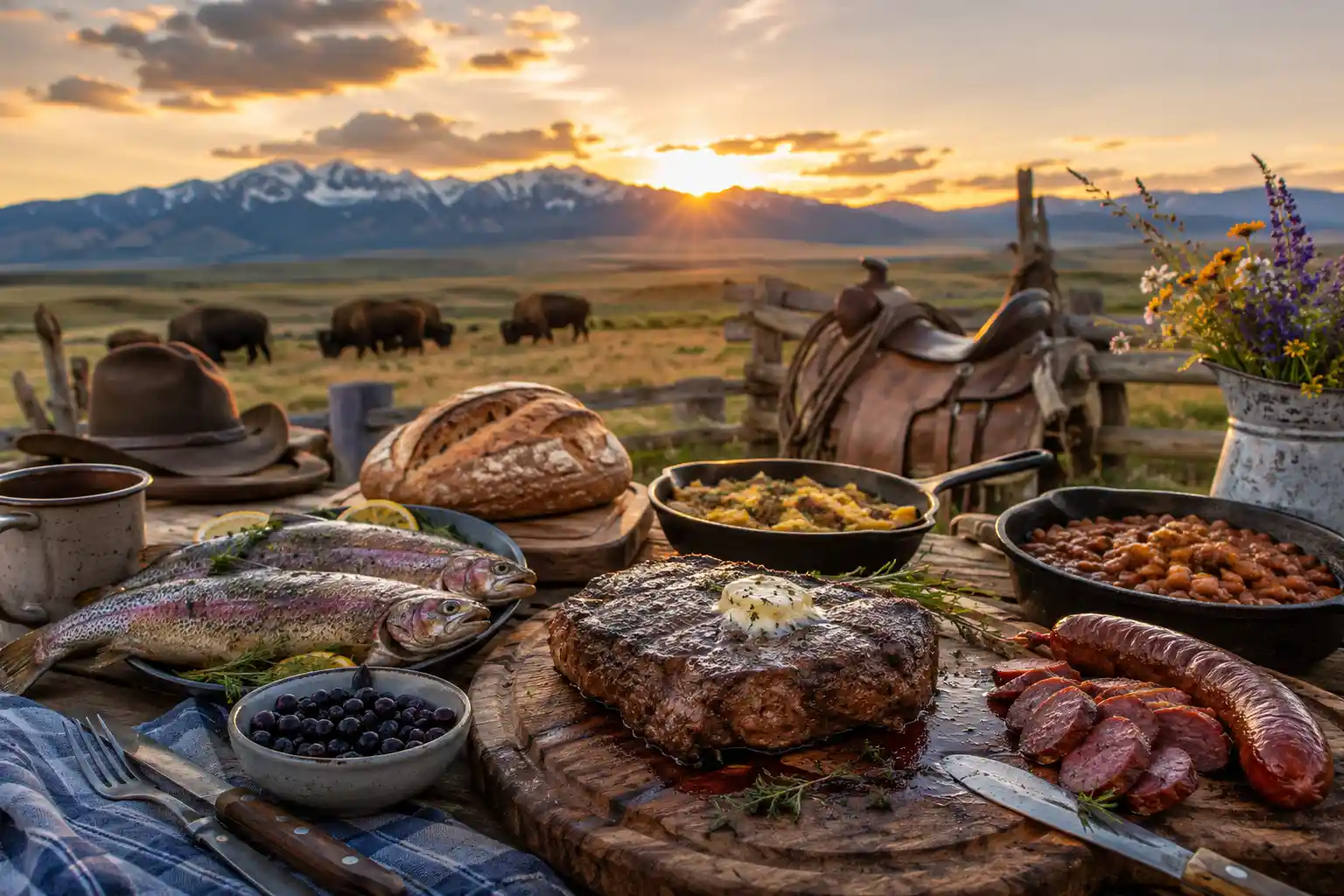
Wyoming is a place where wide open skies meet towering mountains and where meals often tell stories that stretch back through generations. The state has long been shaped by ranchers, Native communities, pioneers, and hardworking families who learned to create satisfying dishes from the resources around them. The result is a food culture that values honest ingredients, simple preparation, and flavors that feel deeply connected to the land.
Visitors often arrive expecting dramatic scenery and unforgettable wildlife, but many leave talking about the memorable meals they enjoyed along the way. Local restaurants, family owned diners, historic lodges, and community gatherings proudly serve recipes that celebrate Wyoming's agricultural heritage. Beef and bison are well known favorites, yet the state also offers hearty game dishes, fresh mountain fish, comforting baked goods, and unique specialties that are difficult to find elsewhere.
Traditional Wyoming food reflects both necessity and creativity. Early settlers relied on ingredients that could withstand long winters and demanding workdays, while Native traditions emphasized respect for the natural environment and seasonal harvests. These influences continue to shape modern menus across the state, giving travelers an opportunity to experience authentic flavors that remain true to local history.
Whether you are planning your first visit or simply enjoy discovering regional American cuisine, these classic Wyoming dishes provide a delicious introduction to the Cowboy State. Each one offers a glimpse into the people, landscapes, and traditions that have helped define this remarkable corner of the American West.
1. Bison Steak
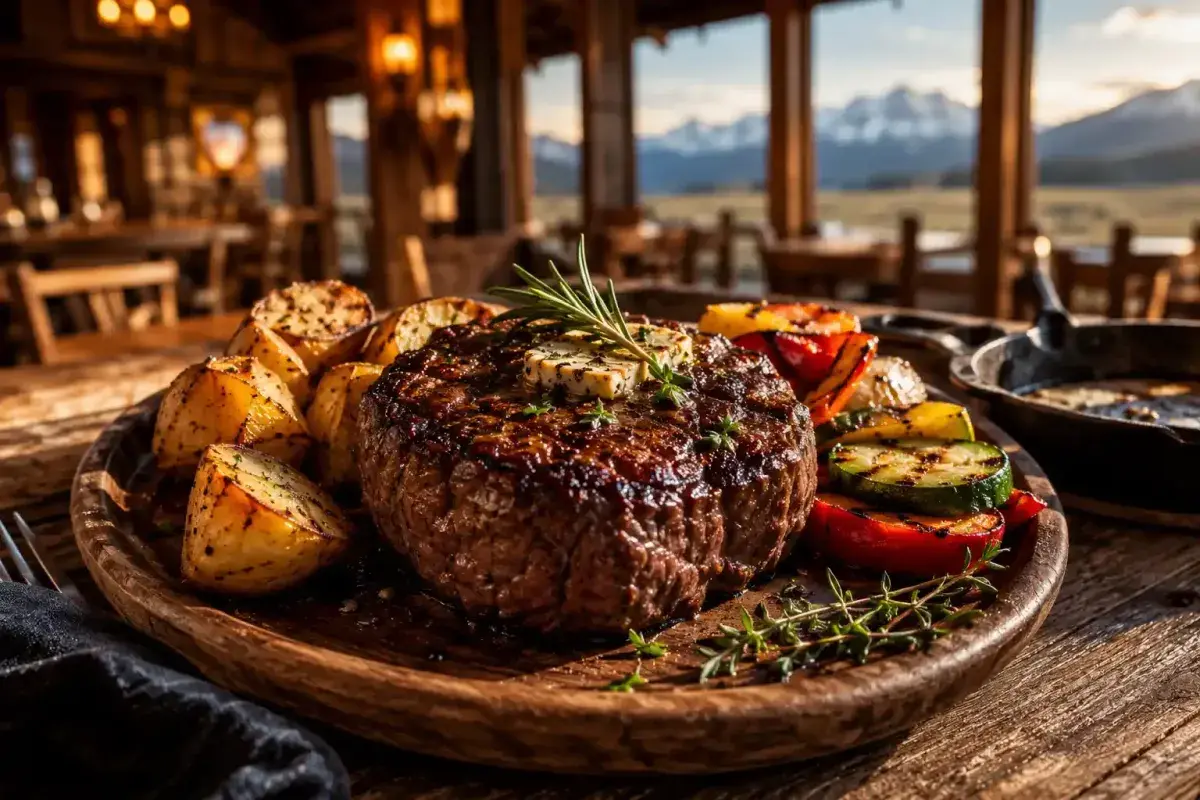
Bison has become one of the signature flavors of Wyoming, representing both the state's remarkable wildlife heritage and its strong ranching traditions. Although many people compare it with beef, bison offers a flavor that is distinctively rich while remaining pleasantly clean and slightly sweet. Its naturally lean texture allows the quality of the meat to shine without requiring heavy seasoning or complicated preparation.
Many Wyoming ranches responsibly raise bison across spacious grasslands that closely resemble the natural environment where these magnificent animals once roamed in enormous numbers. Modern producers work to preserve both the species and the traditions associated with raising them, making each meal feel connected to the history of the Great Plains.
Local chefs often prepare bison steak with little more than salt, pepper, and careful cooking over an open flame. Since the meat contains less fat than beef, it benefits from gentle cooking that preserves its tenderness and natural juices. A perfectly cooked steak is often paired with roasted potatoes, seasonal vegetables, mushrooms, or locally grown herbs that complement rather than overpower the main ingredient.
Eating bison in Wyoming is about more than enjoying an excellent steak. It is an opportunity to experience a food that has sustained Native communities for centuries while remaining an important symbol of the American West. Many restaurants proudly share the story behind their locally sourced meat, helping visitors appreciate the connection between conservation, ranching, and regional identity.
Image
2. Rocky Mountain Oysters
Despite the name, Rocky Mountain oysters are not seafood at all. This famous Western specialty has become one of Wyoming's most recognizable foods, often surprising first time visitors while reflecting the practical spirit that helped shape ranch life across the region.
Prepared from bull testicles, the dish emerged from a tradition of making full use of every part of the animal. Ranch families understood the importance of reducing waste, especially during busy seasons when livestock played a central role in everyday life. Over time, this practical approach evolved into a regional delicacy that continues to attract adventurous diners.
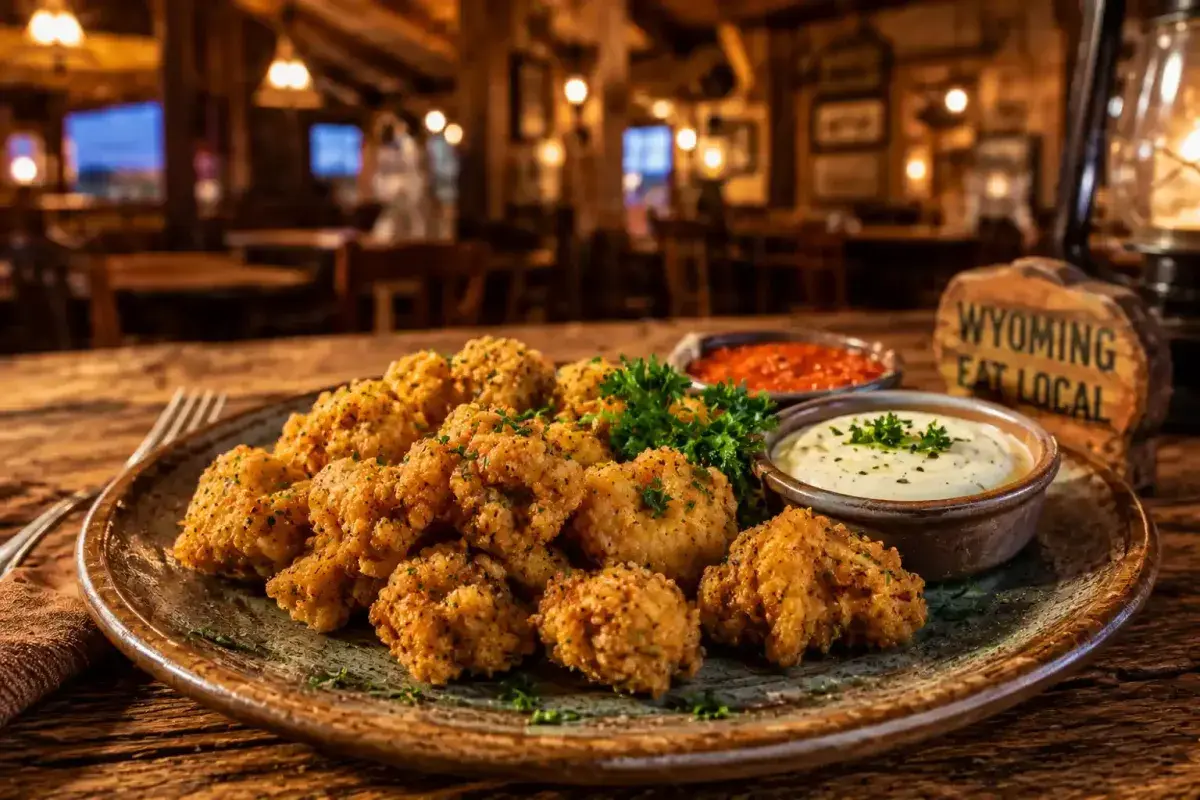
The preparation process usually begins by slicing the meat into thin pieces before coating it with seasoned flour or breadcrumbs. The pieces are then fried until crisp and golden, creating a crunchy exterior while keeping the inside tender. Many restaurants serve them with dipping sauces such as cocktail sauce, ranch dressing, or spicy mustard, making the experience approachable even for curious newcomers.
While some visitors order Rocky Mountain oysters simply for the novelty, many are pleasantly surprised by the mild flavor and satisfying texture. The dish often appears during local festivals, rodeos, county fairs, and classic Western restaurants where it has become part of the region's culinary identity.
Trying Rocky Mountain oysters is often viewed as a rite of passage for travelers exploring Wyoming. Whether enjoyed with friends after a day of hiking or during a lively community event, the experience provides an entertaining conversation piece while honoring the resourcefulness that has long defined life in the American West.
Image
3. Elk Chili
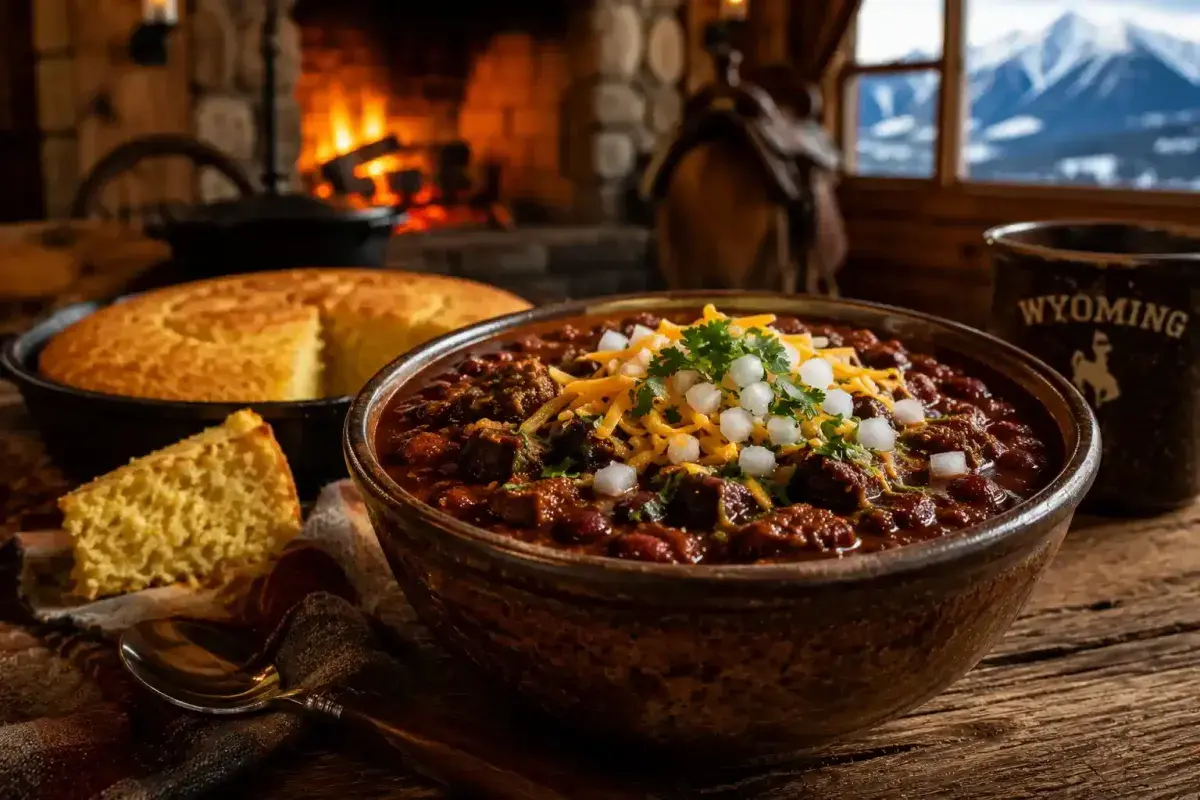
Elk chili captures the comforting spirit of Wyoming with every warm spoonful. This hearty meal combines the rich flavor of elk with beans, tomatoes, onions, peppers, garlic, and carefully balanced spices to create a satisfying dish that is especially welcome after spending time outdoors in cool mountain weather.
Elk meat is naturally lean while offering a deep flavor that works beautifully in slow cooked recipes. When simmered over several hours, the meat becomes exceptionally tender and absorbs the surrounding ingredients, creating a chili with remarkable depth and complexity. Many cooks add their own family touches through different spice blends, locally grown vegetables, or special cooking techniques passed down through generations.
Throughout Wyoming, elk chili frequently appears in lodges, hunting camps, community events, and family restaurants. It reflects the state's close relationship with wildlife management and responsible hunting traditions while providing an excellent example of how local ingredients are transformed into comforting meals.
Many bowls are served with fresh cornbread, shredded cheese, chopped onions, or sour cream, allowing each diner to customize the final flavor. During colder months, the aroma of slowly simmering chili often fills kitchens and dining rooms, creating an atmosphere of warmth and hospitality that perfectly matches Wyoming's welcoming character.
For visitors who enjoy regional comfort food, elk chili offers an authentic taste of local tradition without unnecessary complexity. Every bowl reflects the landscapes, seasons, and outdoor lifestyle that continue to influence Wyoming's culinary culture today.
Image
4. Wyoming Trout
Clear mountain streams and sparkling alpine lakes make Wyoming one of the finest places in the United States to enjoy fresh trout. Generations of anglers have cast their lines into these cold waters, bringing home rainbow trout, cutthroat trout, and brown trout that often become the centerpiece of a memorable meal. The abundance of clean water and healthy fish populations has helped trout earn a lasting place in the state's culinary traditions.
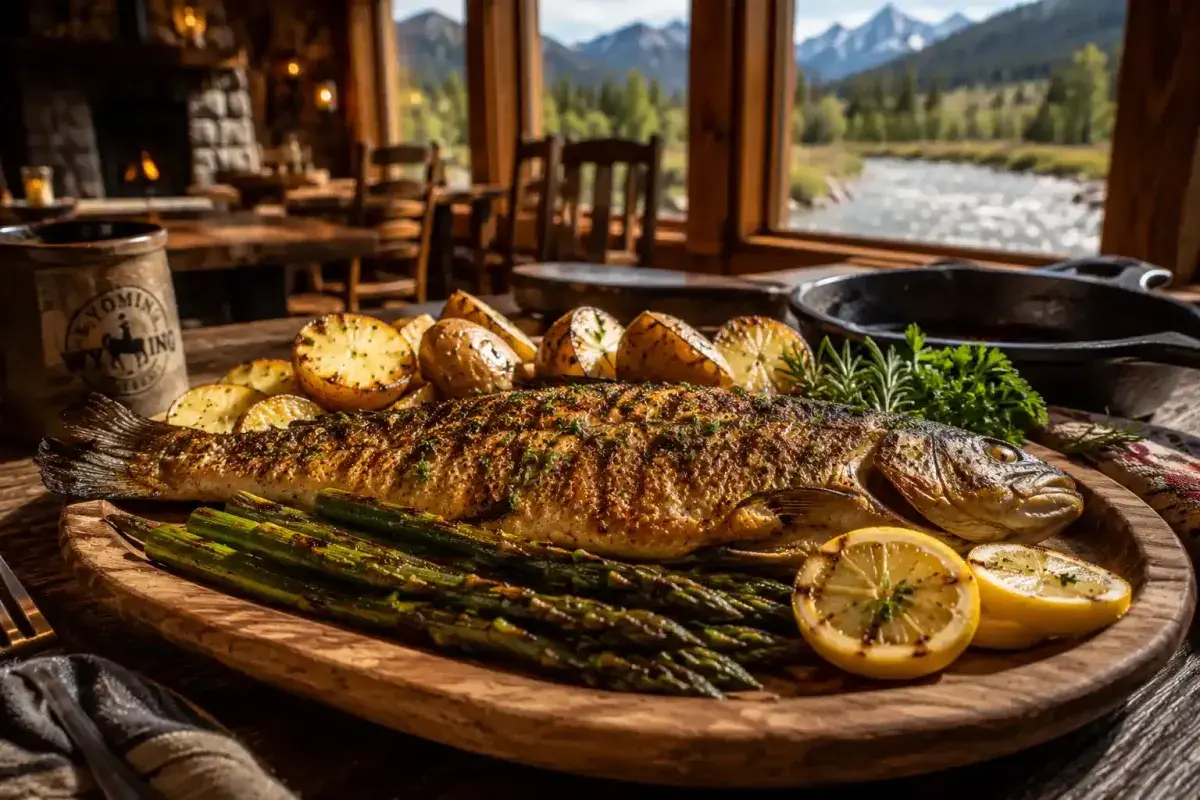
Many local restaurants take pride in serving trout caught from nearby waters whenever possible. The fish is appreciated for its delicate flavor, tender texture, and versatility in the kitchen. Rather than covering it with heavy sauces, Wyoming cooks usually prepare trout in ways that allow its natural taste to remain the highlight of the dish. Grilling over hardwood, pan searing with butter, or baking with fresh herbs are among the most popular methods.
Simple ingredients often accompany the fish. Roasted potatoes, seasonal vegetables, wild mushrooms, or fresh garden salads provide balance without overwhelming the trout itself. A squeeze of fresh lemon and a sprinkle of chopped herbs are often all that is needed to complete the plate. The result is a meal that feels light yet satisfying after a day spent hiking, fishing, or exploring the state's remarkable landscapes.
Trout also represents the outdoor lifestyle that defines much of Wyoming. Families often gather along rivers for fishing trips that become cherished traditions passed from one generation to the next. Preparing the day's catch over an open fire creates lasting memories that blend food with nature and time spent together.
Whether enjoyed in a rustic mountain lodge or at a small riverside restaurant, fresh Wyoming trout offers visitors a delicious reminder that some of the finest flavors come directly from the natural environment. It is a dish that celebrates simplicity while showcasing the extraordinary quality of local ingredients.
Image
5. Chicken Fried Steak
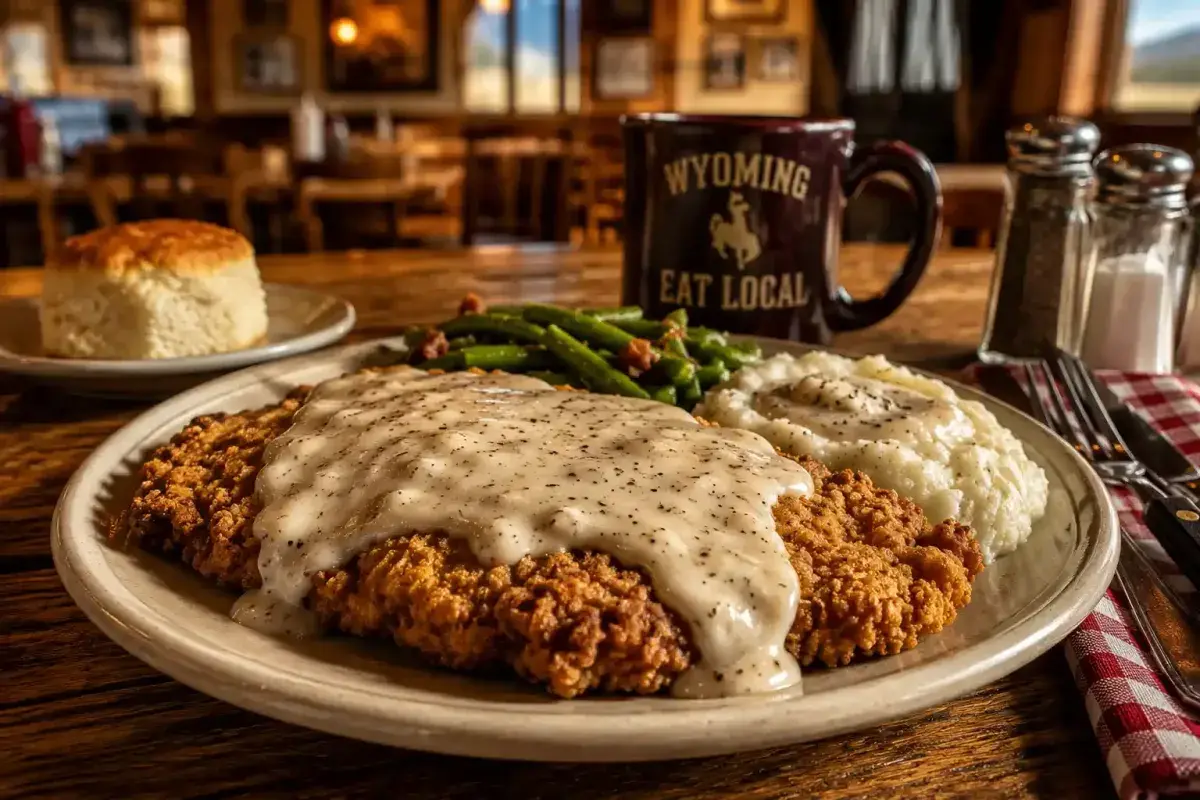
Chicken fried steak has long been a comforting favorite across Wyoming, where generous portions and satisfying meals are part of everyday life. Despite its name, the dish contains no chicken. Instead, a tenderized beef steak is coated in seasoned flour before being fried until crisp and golden. The result is a delicious combination of crunchy coating and juicy meat that has earned a loyal following throughout the Cowboy State.
The origins of chicken fried steak reflect the influence of hardworking ranch families and settlers who valued meals that could provide lasting energy after long hours outdoors. Wyoming diners continue this tradition by serving the dish with hearty side dishes that transform it into a complete feast.
One of the defining features is the creamy country style gravy poured generously over the crispy steak. Made from pan drippings, milk, flour, and black pepper, the gravy adds rich flavor while softening portions of the crunchy crust. Mashed potatoes, green beans, sweet corn, or homemade biscuits frequently accompany the meal, creating a plate that feels both familiar and deeply satisfying.
Many local diners have perfected their own versions over decades, with recipes that remain closely guarded family secrets. Visitors often discover that no two restaurants prepare the dish exactly the same way. Some focus on an especially crisp coating while others emphasize thick, peppery gravy or exceptionally tender beef.
Beyond its flavor, chicken fried steak represents Wyoming hospitality. It is the kind of meal served generously and shared among family and friends after busy days on ranches, highways, or mountain trails. Every bite reflects the comforting spirit of home cooking that continues to define much of the state's dining culture.
Image
6. Cowboy Beans
Cowboy beans tell the story of Wyoming's ranching heritage through one simple yet deeply satisfying dish. For generations, cowboys working long cattle drives needed meals that could be prepared in large quantities, remain filling throughout demanding days, and rely on ingredients that traveled well. Beans quickly became an essential staple, providing nourishment that was both affordable and dependable.
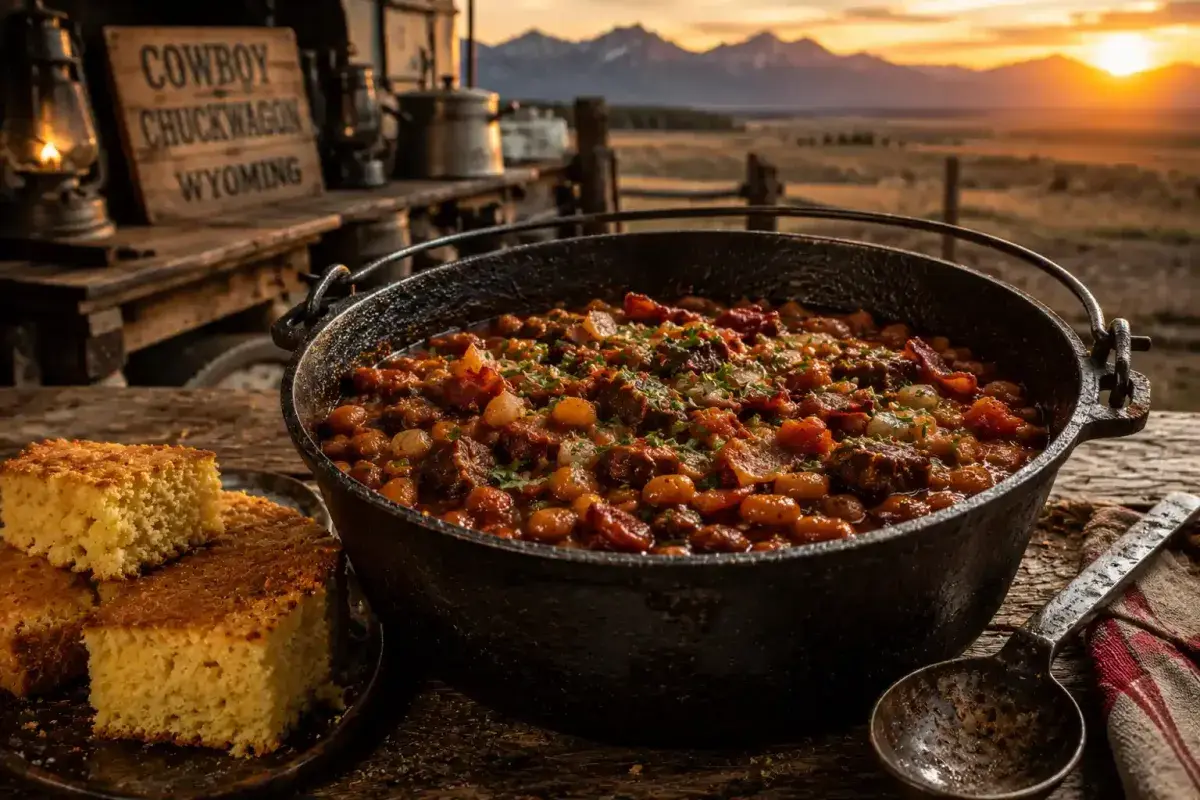
Traditional cowboy beans begin with slow cooked beans that gradually absorb the flavors of onions, garlic, tomatoes, and carefully selected seasonings. Many Wyoming recipes also include ground beef, smoked bacon, or chunks of beef that create a richer and more substantial meal. As the mixture cooks slowly over low heat, the ingredients blend into a thick, flavorful dish with remarkable depth.
Cast iron pots remain closely associated with cowboy beans because they distribute heat evenly during long cooking times. Whether prepared over a campfire or inside a modern kitchen, the process rewards patience. Hours of slow simmering allow every ingredient to contribute its own character while creating a comforting aroma that fills the surrounding space.
Cowboy beans often appear beside grilled meats during community gatherings, rodeos, family cookouts, and local celebrations. Homemade cornbread or fresh biscuits frequently accompany the dish, providing the perfect way to enjoy every spoonful of the rich sauce. Although recipes vary from one household to another, each version reflects the practical cooking traditions that helped shape life across Wyoming.
More than just a side dish, cowboy beans represent resilience, community, and resourcefulness. They remind visitors that some of the state's most memorable foods were born from necessity before becoming cherished favorites enjoyed by generations of families.
Image
7. Fry Bread
Fry bread holds a meaningful place in the culinary traditions found across Wyoming, particularly within Native communities whose history and resilience remain an essential part of the state's identity. While the ingredients are simple, the finished bread carries deep cultural significance and continues to be prepared for family meals, community gatherings, celebrations, and cultural events throughout the region.
The dough is made by combining flour, baking powder, salt, and water before being gently shaped into flat rounds. Each piece is carefully lowered into hot oil, where it quickly puffs as the outside becomes crisp and golden while the inside stays soft and airy. Fresh fry bread is often enjoyed moments after cooking, when the contrast between the crunchy exterior and tender center is at its very best.
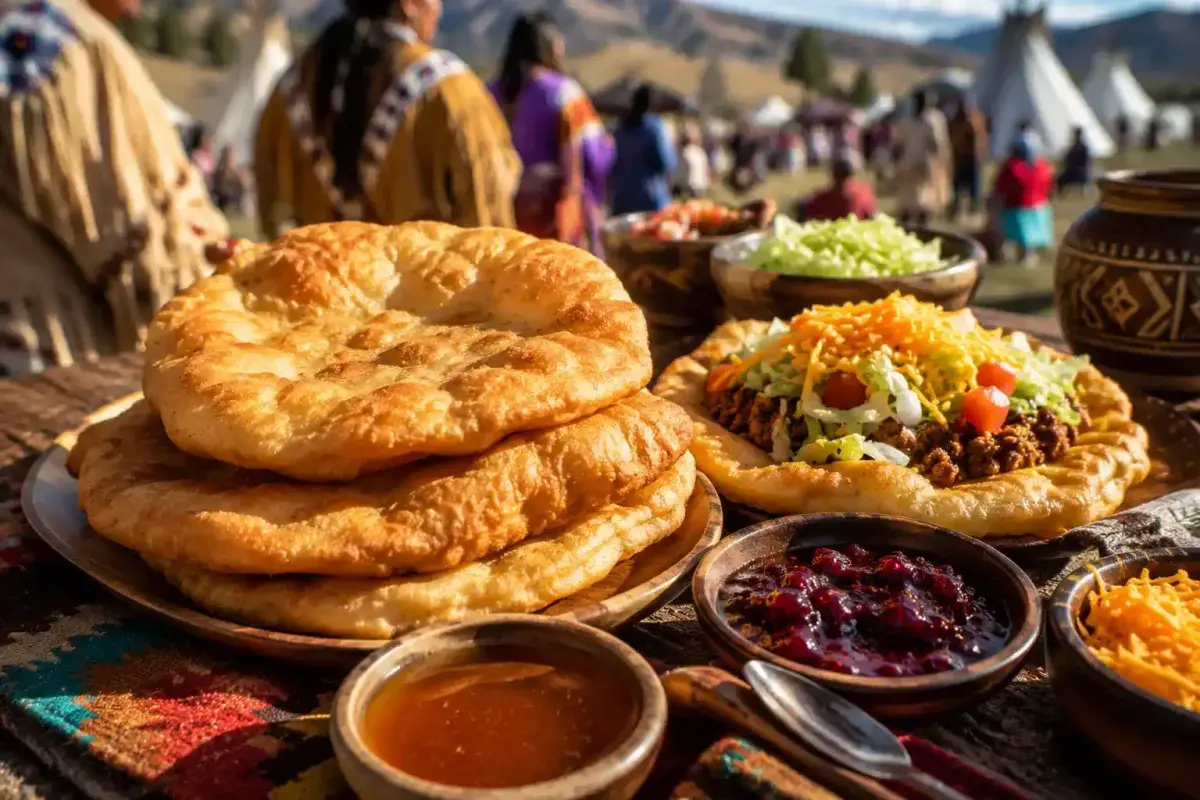
One of the reasons fry bread remains so popular is its versatility. Some people enjoy it with honey, powdered sugar, or fruit preserves for a sweet treat. Others prefer savory toppings such as seasoned beef, beans, shredded lettuce, tomatoes, onions, and cheese to create what is commonly known as an Indian taco. Every family often has its own traditions and favorite combinations that have been shared through generations.
Visitors attending cultural festivals in Wyoming frequently have the opportunity to taste freshly prepared fry bread while learning about the traditions and stories connected to it. These experiences offer more than a memorable meal because they provide a chance to appreciate the enduring heritage of Native communities that continue to shape the state's cultural landscape.
Whether served as a simple side or transformed into a generous main course, fry bread offers both comfort and history in every bite. It reminds diners that food can preserve traditions, strengthen communities, and connect people across generations while remaining one of Wyoming's most recognizable and cherished specialties.
Image
8. Chokecherry Jelly
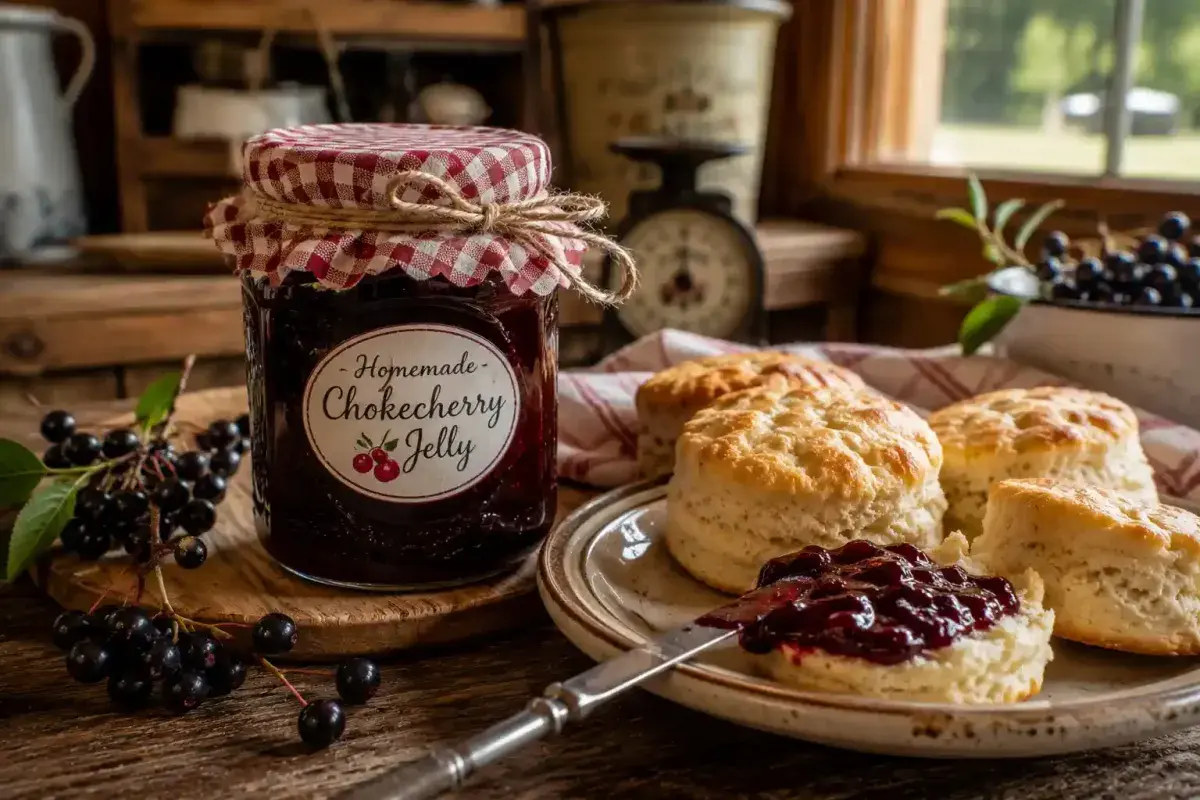
The chokecherry has long been an important wild fruit across Wyoming, growing naturally along riverbanks, open woodlands, and rolling plains. Although the fresh berries are quite tart, they become wonderfully flavorful when transformed into jelly, creating one of the state's most beloved traditional preserves. Many families continue to gather chokecherries each year, turning the harvest into homemade recipes that celebrate the changing seasons.
Preparing chokecherry jelly requires patience and care. The berries are gently simmered before their juice is carefully strained and combined with sugar and natural pectin. As the mixture cooks, it develops a rich ruby color and a bright fruit flavor that balances sweetness with gentle tartness. The finished jelly captures the essence of Wyoming's native landscape in every spoonful.
Chokecherry jelly is commonly spread across warm biscuits, homemade bread, pancakes, waffles, or fresh scones. It also pairs beautifully with roasted meats, adding a fruity contrast that complements rich flavors such as bison, venison, or pork. Local markets, roadside shops, and community festivals often feature jars prepared by regional producers who proudly continue this long standing tradition.
For many Wyoming families, making chokecherry jelly is about far more than preserving fruit. It is a seasonal activity that brings relatives together to gather berries, share stories, and pass valuable knowledge from one generation to the next. These traditions help strengthen community ties while preserving an important part of the state's culinary heritage.
Image
9. Venison Sausage
Venison sausage reflects Wyoming's long connection with responsible hunting traditions and the careful use of locally harvested game. Across the state, many families have passed down sausage making techniques for generations, creating flavorful recipes that celebrate both craftsmanship and respect for the natural environment.
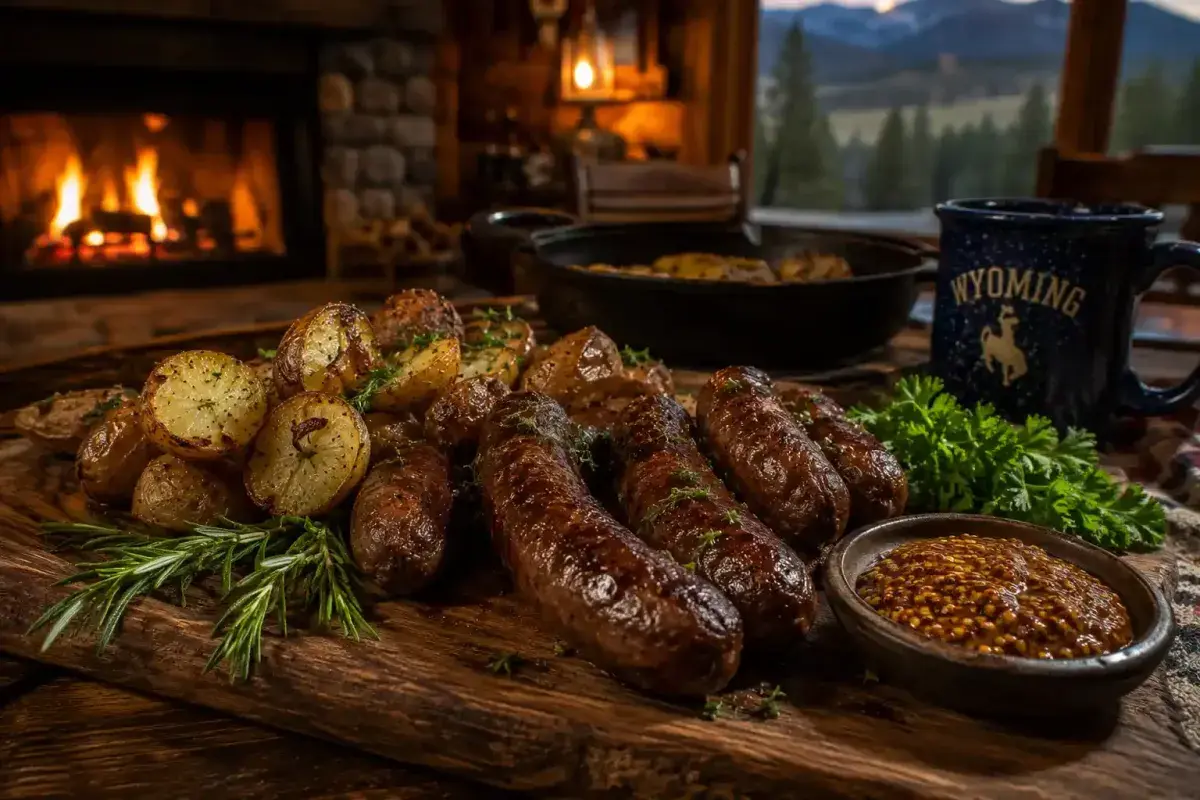
The process begins with lean venison that is blended with carefully selected seasonings and, in many recipes, a small amount of pork to provide additional richness and moisture. Garlic, black pepper, sage, paprika, and other spices contribute layers of flavor while allowing the distinctive taste of the venison to remain the star of the dish. After being stuffed into natural casings, the sausages may be smoked, grilled, or slowly cooked depending on family tradition.
Venison sausage appears in many forms throughout Wyoming. It can be served as part of a hearty breakfast alongside eggs and potatoes, sliced into soups and stews, or enjoyed fresh from the grill during outdoor gatherings. The versatility of the sausage has helped it remain a favorite among both local residents and visitors looking to experience authentic regional flavors.
Many hunters view the preparation of venison sausage as an important extension of ethical harvesting practices. Every part of the animal is valued and carefully used, reflecting principles of stewardship that have guided outdoor traditions for generations. This respect for both the land and its wildlife continues to shape Wyoming's food culture today.
Image
10. Huckleberry Pie
Although huckleberries are more commonly associated with the mountain regions surrounding Wyoming, they have become a treasured ingredient in many local kitchens and bakeries. Their sweet yet pleasantly tart flavor makes them an excellent choice for traditional pies that are enjoyed throughout the state during berry season and beyond.
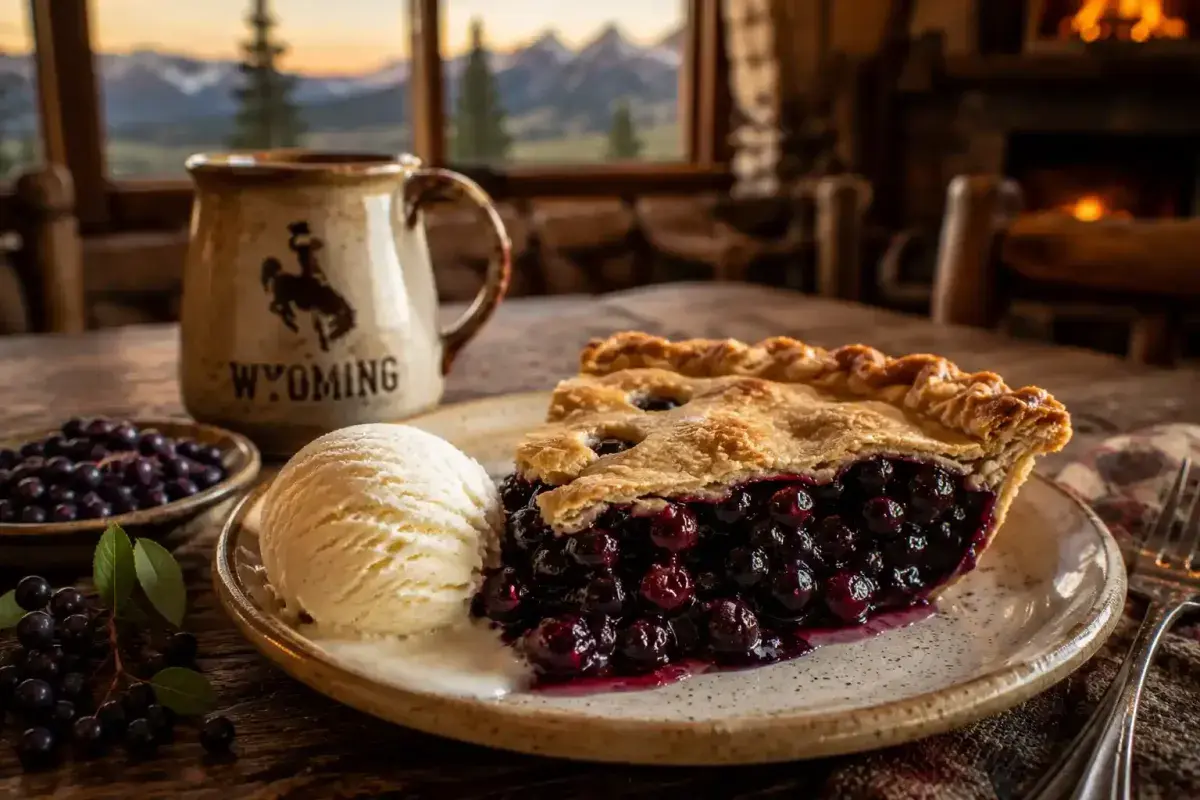
Fresh huckleberries are carefully combined with sugar and a small amount of thickener before being placed inside a buttery pastry crust. As the pie bakes, the berries soften into a rich filling that bursts with vibrant color and fresh mountain flavor. The golden crust provides a satisfying contrast that has made this dessert a favorite at family gatherings, local cafes, and historic lodges.
Many people enjoy huckleberry pie while it is still slightly warm, often accompanied by a scoop of vanilla ice cream or freshly whipped cream. The combination of flaky pastry and juicy berries creates a dessert that feels comforting without being overly rich. Each bite reflects the simple pleasures that define much of Wyoming's traditional home cooking.
Bakeries throughout the state often feature huckleberry pie during the harvest season, drawing visitors who eagerly seek this regional specialty. The dessert has become closely connected with mountain vacations, scenic road trips, and memorable evenings spent exploring Wyoming's charming small towns.
Ending a traditional Wyoming meal with a slice of huckleberry pie provides a fitting conclusion to a journey through the state's remarkable food culture. It celebrates the beauty of local ingredients while reminding visitors that some of the finest desserts begin with berries gathered from the wild landscapes that make Wyoming so unforgettable.
Image
Wyoming offers far more than breathtaking mountains, endless prairies, and unforgettable wildlife. Its food tells the story of people who learned to thrive in a landscape that demanded resilience, creativity, and a deep respect for nature. Every traditional dish reflects a piece of that history, whether it comes from ranching communities, Native traditions, family kitchens, or generations of outdoor living. Together, these recipes create a dining experience that feels genuine, welcoming, and closely connected to the land.
Sampling these classic foods allows visitors to experience Wyoming from a different perspective. A perfectly grilled bison steak, a comforting bowl of elk chili, fresh mountain trout, or a slice of homemade huckleberry pie each offers more than satisfying flavor. They reveal the values, traditions, and everyday lives of the people who have shaped the Cowboy State over many generations. Even distinctive specialties such as Rocky Mountain oysters and fry bread invite travelers to step beyond familiar choices and discover something memorable.
Many of these dishes continue to be prepared with locally sourced ingredients and family recipes that have stood the test of time. Small town diners, historic lodges, ranch restaurants, community festivals, and local bakeries all play an important role in preserving Wyoming's rich culinary heritage. Every meal becomes an opportunity to appreciate the connection between the state's remarkable landscapes and the people who call them home.
Whether you are planning your first adventure across Wyoming or returning to explore even more of its scenic beauty, make room for these traditional foods along the way. They provide an authentic taste of local culture that will remain in your memory long after the journey ends, proving that some of the most rewarding travel experiences begin with a seat at the table.