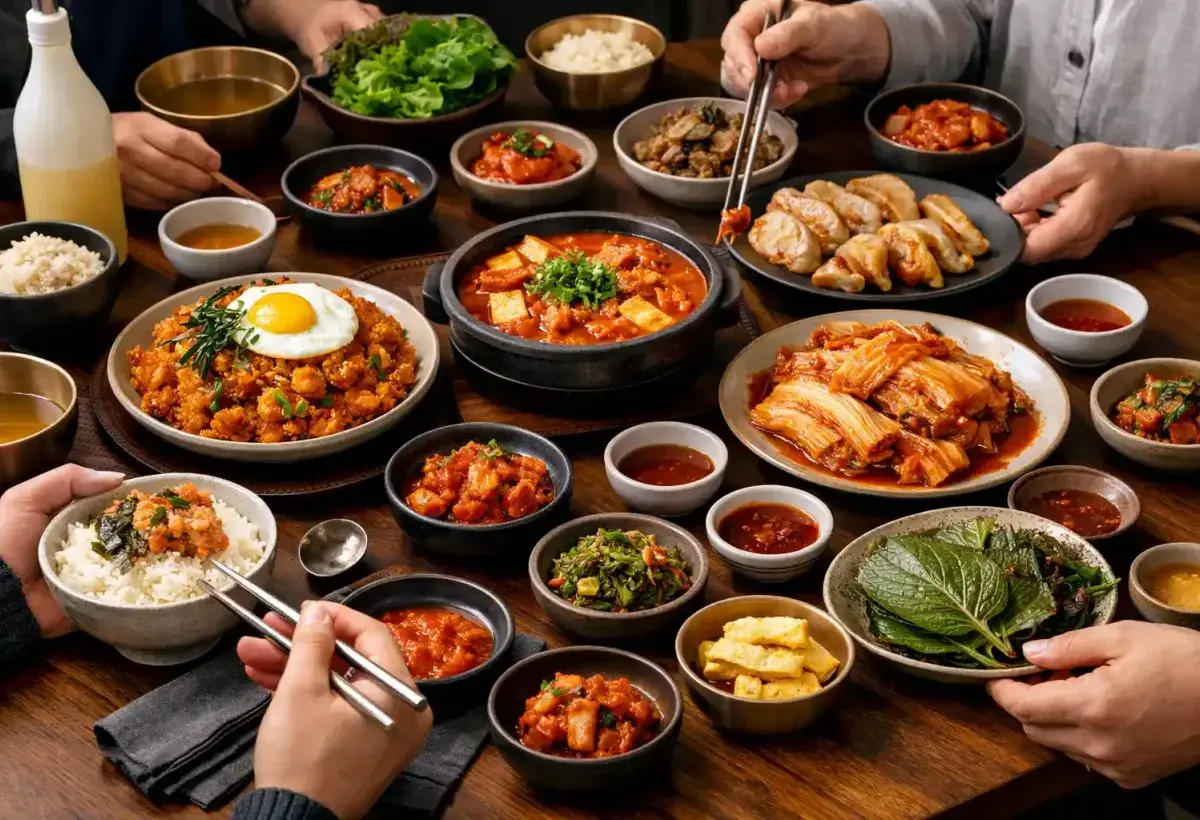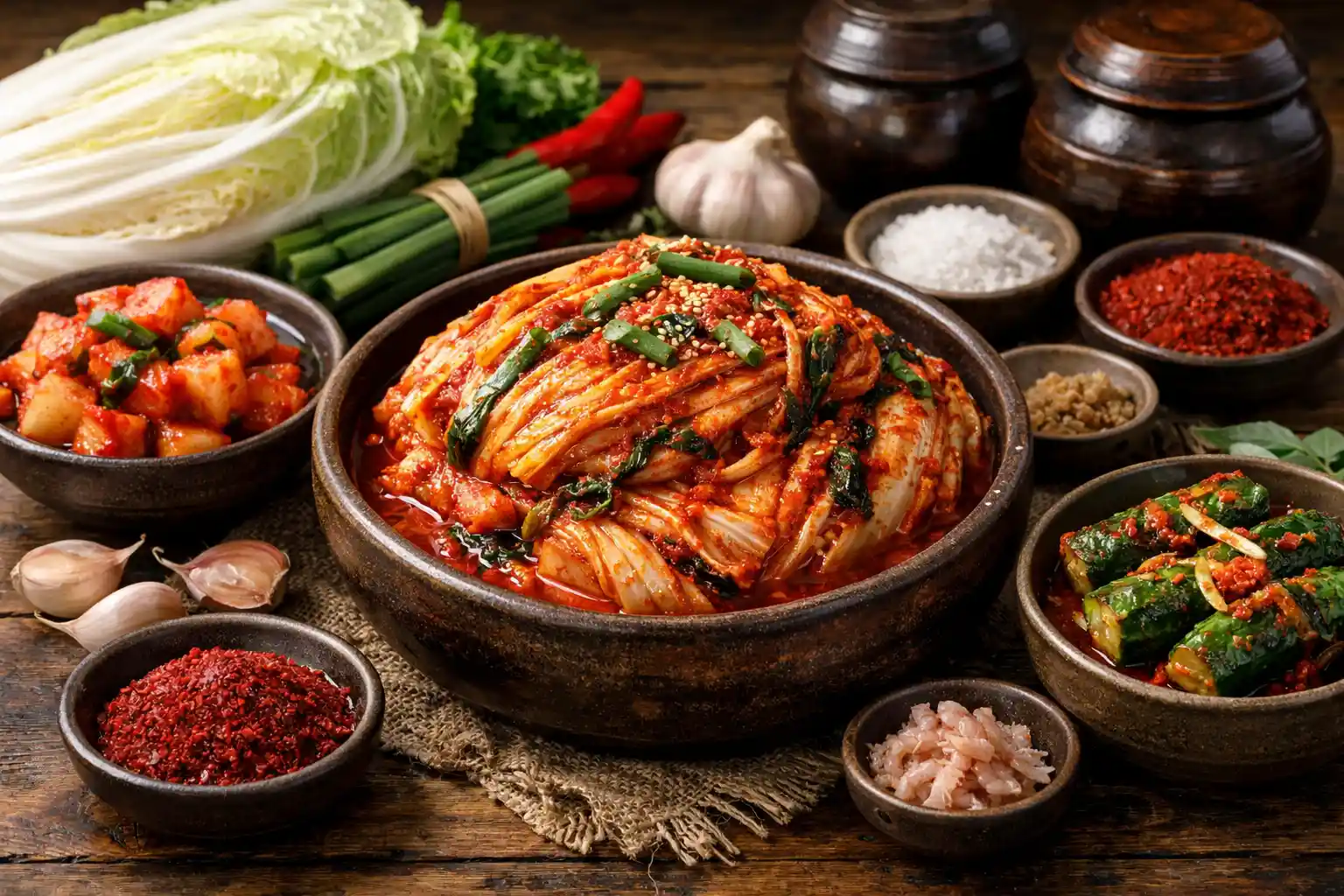
Few foods represent a nation as completely as kimchi represents Korea. Instantly recognizable for its bold flavor, vibrant color, and rich aroma, kimchi has become one of the most celebrated dishes in the world. What was once a staple found mainly on Korean tables is now enjoyed in restaurants, homes, and food markets across countless countries. Its popularity continues to grow as more people discover its unique taste and remarkable history.
At first glance, kimchi may appear to be a simple side dish made from fermented vegetables. However, behind every bite lies centuries of tradition, family customs, regional identity, and culinary innovation. Kimchi has accompanied generations of Koreans through changing seasons, historical events, and daily life. It is more than food. It is a cultural symbol that reflects community, resourcefulness, and the importance of preserving ingredients during colder months.
The world of kimchi is also far more diverse than many people realize. While napa cabbage kimchi is the variety most commonly recognized outside Korea, there are hundreds of different versions made with various vegetables, seasonings, and preparation methods. Each region has developed its own styles and flavors, creating a rich culinary landscape that continues to evolve.
Modern science has added another layer to kimchi's reputation by highlighting its nutritional qualities and probiotic benefits. As interest in fermented foods grows, kimchi has found new fans who appreciate both its taste and potential health advantages. From ancient preservation techniques to global culinary fame, kimchi has traveled an extraordinary journey.
1. Kimchi Is More Than a Thousand Years Old
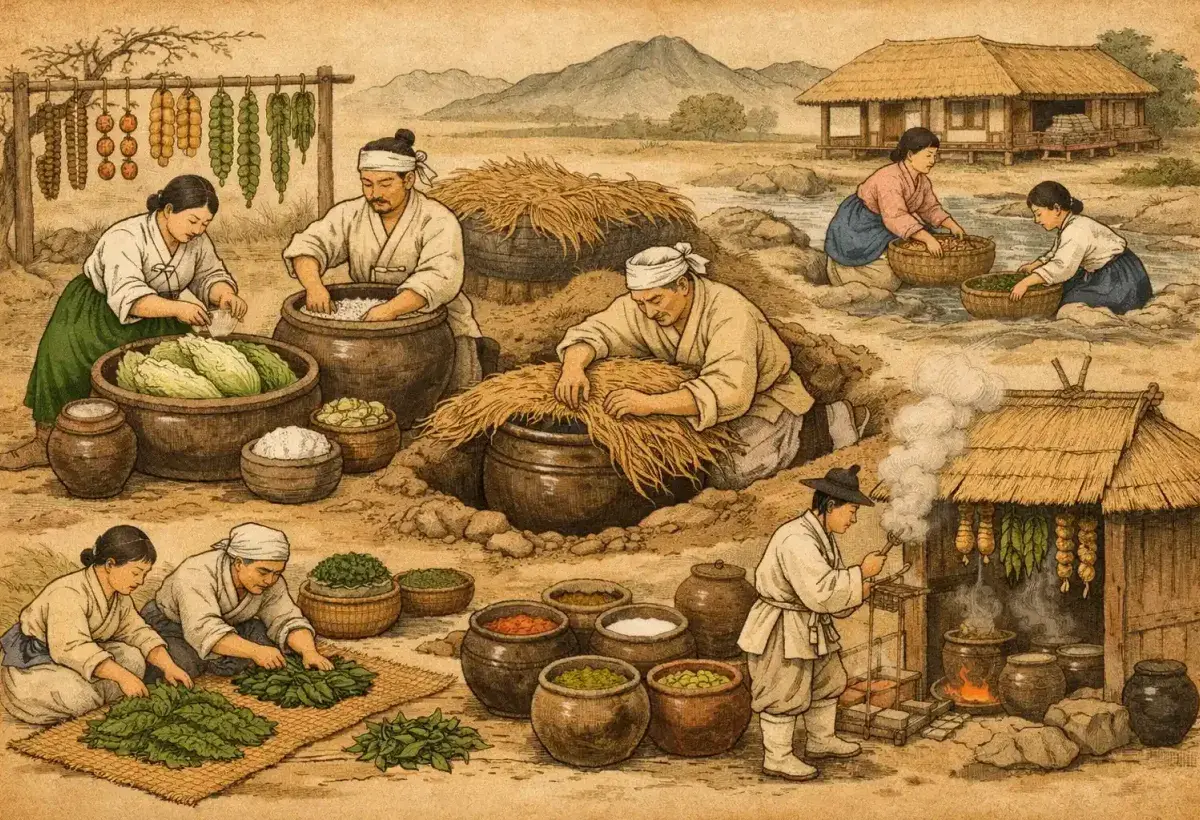
Many people think of kimchi as a modern food trend because it frequently appears in health articles and restaurant menus. In reality, kimchi has a history that stretches back well over a thousand years. Historical records indicate that Koreans were preserving vegetables long before refrigeration existed. Fermentation provided an effective way to store food and ensure a reliable supply during harsh winters.
Early forms of kimchi looked quite different from what most people recognize today. Ancient versions often consisted of salted vegetables without the bright red appearance associated with modern kimchi. The introduction of chili peppers to Korea centuries later transformed both the flavor and appearance of many kimchi varieties. Over time, regional preferences and family recipes further shaped the dish into the countless forms enjoyed today.
The long history of kimchi reflects the adaptability of Korean cuisine. Different generations adjusted ingredients according to climate conditions, available crops, and local tastes. These gradual changes helped kimchi remain relevant while preserving its essential role in Korean meals. Families passed recipes down through generations, ensuring that traditional methods survived even as society modernized.
What makes kimchi's history especially remarkable is its continuous presence in everyday life. Many ancient foods survive only in museums, cookbooks, or historical records. Kimchi, by contrast, remains a living tradition that millions of people prepare and eat regularly. It serves as a direct connection between modern Korea and its distant past.
The story of kimchi demonstrates how necessity can inspire culinary innovation. What began as a practical preservation method evolved into one of the world's most celebrated fermented foods. Every serving carries traces of centuries of cultural development and collective knowledge. This enduring legacy helps explain why kimchi occupies such an important place in Korean identity and why its popularity continues to expand beyond Korea's borders.
Image
2. There Are Hundreds of Different Kimchi Varieties
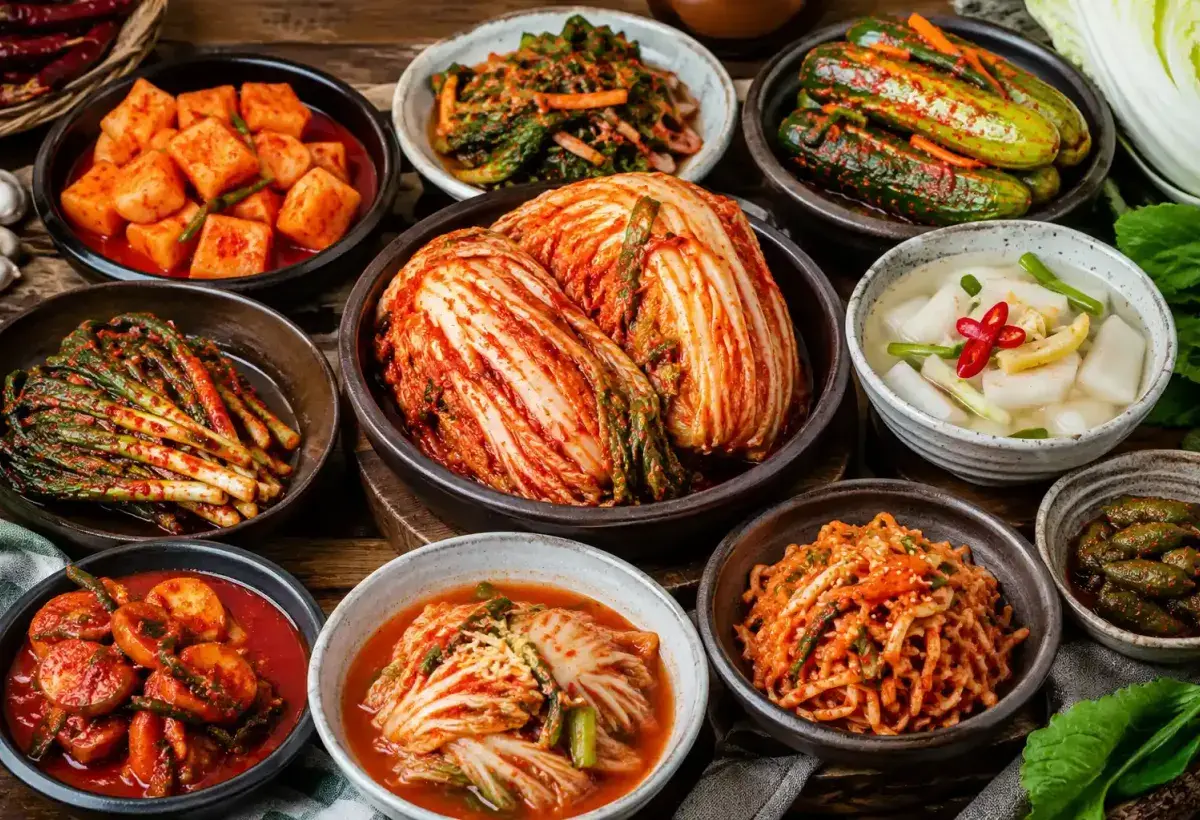
Many people assume kimchi refers to a single dish, but the reality is much more diverse. Korea is home to hundreds of kimchi varieties, each with distinct ingredients, flavors, textures, and preparation techniques. This incredible diversity reflects regional traditions, seasonal ingredients, and personal preferences developed over generations.
The most widely recognized version is napa cabbage kimchi, often called baechu kimchi. Its combination of cabbage, chili pepper flakes, garlic, ginger, and other seasonings has become the international image of kimchi. Yet this is only one small part of a much larger culinary world. Radish kimchi, cucumber kimchi, green onion kimchi, mustard leaf kimchi, and water kimchi represent just a few examples.
Different regions across Korea have developed their own approaches to seasoning and fermentation. Coastal areas often incorporate seafood ingredients that contribute additional depth of flavor. Inland regions may emphasize vegetable based recipes with different seasoning balances. Climate also influences how kimchi is prepared and stored, creating further variation.
Seasonal kimchi varieties add another layer of diversity. Some recipes are specifically associated with spring, summer, autumn, or winter. Fresh summer kimchi may be consumed quickly, while winter varieties are often designed for longer fermentation periods. This seasonal rhythm connects kimchi closely to agricultural cycles and local harvests.
Family traditions contribute even more variation. Two households living in the same neighborhood may prepare kimchi differently based on recipes passed down through generations. Small adjustments in ingredients, fermentation time, or seasoning proportions can create noticeably different flavors.
This extraordinary range means there is no single definition of what kimchi should taste like. Some varieties are spicy, while others are mild. Some are crisp and refreshing, while others develop deeper fermented characteristics over time. The sheer number of possibilities keeps kimchi exciting for both newcomers and lifelong enthusiasts. Exploring different types of kimchi can feel like discovering entirely new dishes, each offering a unique glimpse into Korean culinary culture.
Image
3. Kimchi Was Not Always Red
One of the most surprising facts about kimchi is that its famous red color is a relatively recent development in its long history. Today, many people automatically associate kimchi with bright red seasoning, but earlier forms looked very different.
Ancient kimchi was primarily a preservation food. Vegetables were salted and fermented to extend their shelf life during periods when fresh produce was unavailable. These early preparations often contained ingredients such as radishes, greens, and various seasonings, but they lacked the intense red color seen in many modern varieties.
The transformation began after chili peppers became established in Korea. Over time, Korean cooks discovered that chili peppers added not only heat but also flavor, color, and preservation benefits. The inclusion of chili pepper flakes gradually became common in many kimchi recipes, especially those involving napa cabbage.
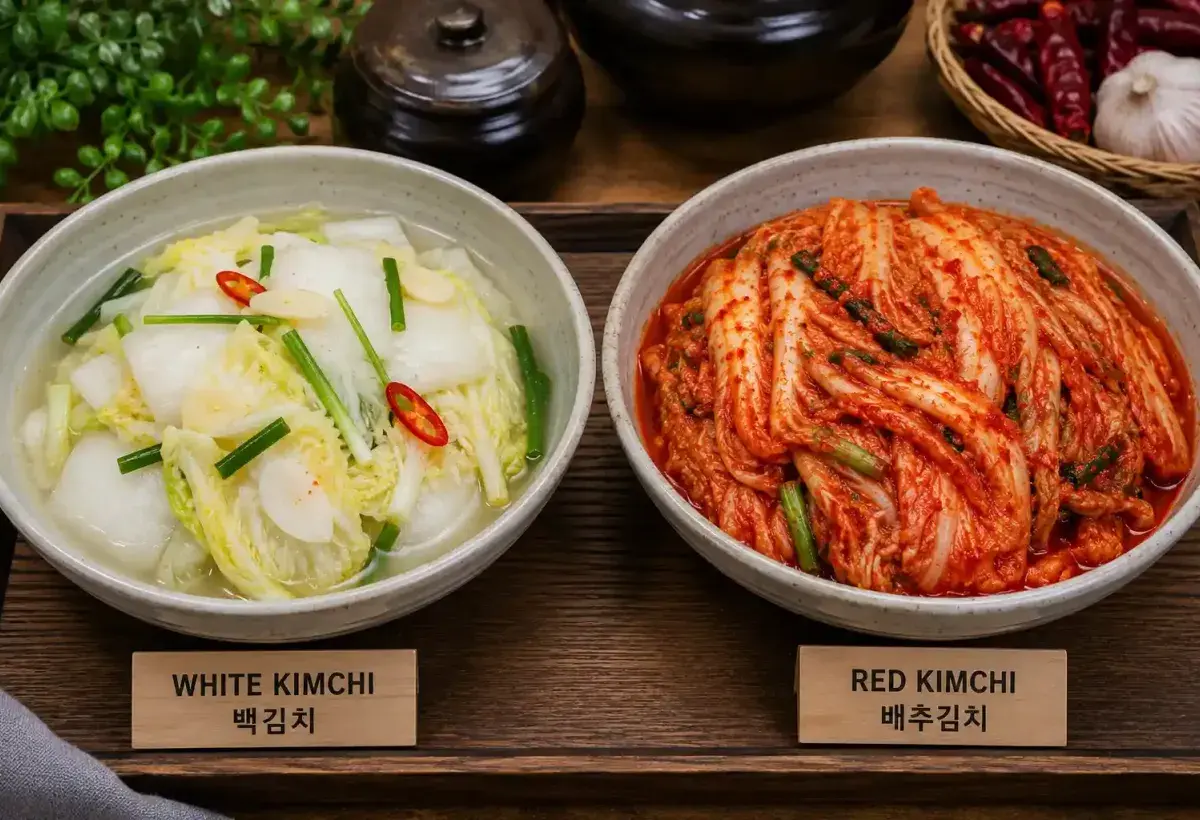
Despite the popularity of red kimchi, not all kimchi varieties contain chili peppers. White kimchi remains an important part of Korean cuisine. Known for its milder flavor profile, white kimchi often highlights the natural sweetness and freshness of vegetables without spicy heat. Water kimchi also frequently appears with a lighter appearance and refreshing taste.
The existence of non red kimchi surprises many first time visitors to Korea. It demonstrates that kimchi is defined more by fermentation and preparation methods than by color alone. Different ingredients and regional preferences continue to influence the appearance of various kimchi types.
This evolution illustrates how food traditions adapt over time. Kimchi changed as new ingredients became available and as tastes evolved. Yet despite these changes, it maintained its core role as a cherished staple of Korean cuisine. The journey from pale fermented vegetables to the iconic red dish recognized worldwide reflects centuries of creativity and cultural exchange. Understanding this history provides a richer appreciation for the complexity and diversity hidden behind every bowl of kimchi.
Image
4. Kimjang Is a Major Cultural Tradition
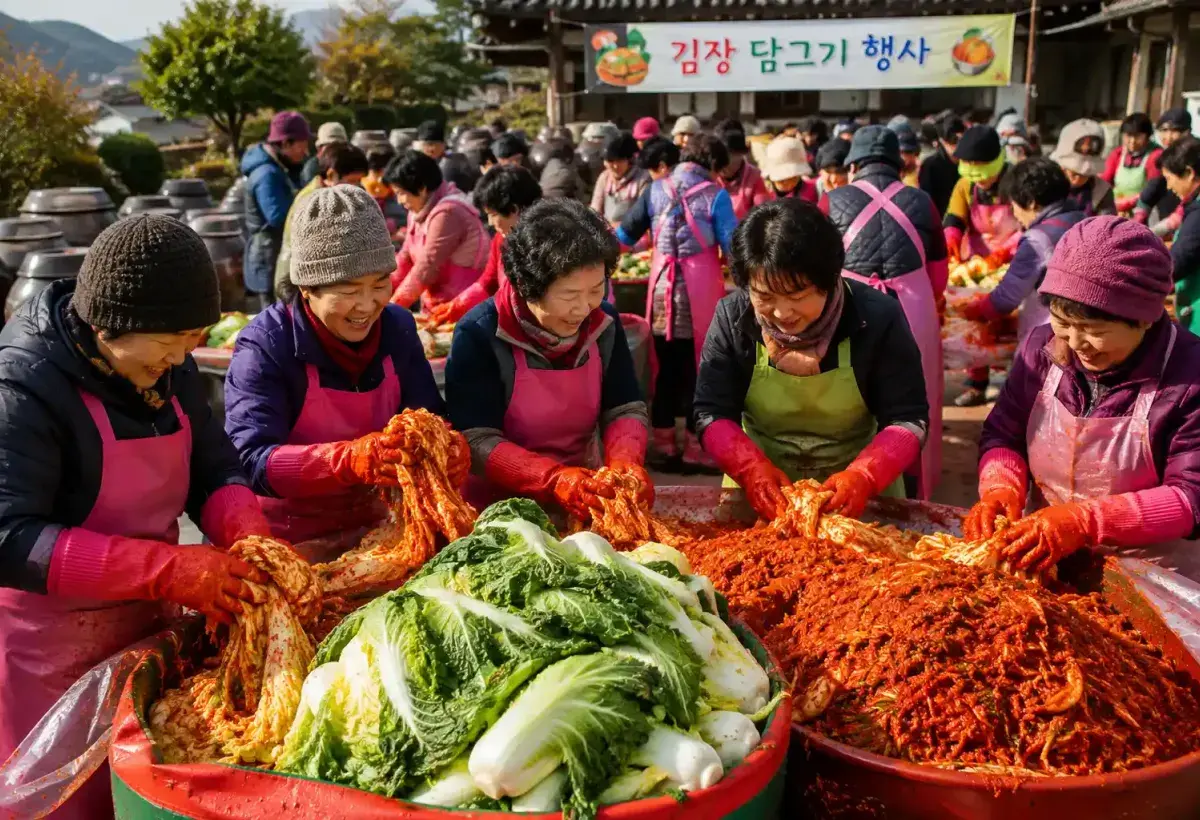
Kimchi preparation extends far beyond cooking. In Korea, there is a longstanding tradition known as Kimjang, a communal event centered on making large quantities of kimchi for the winter months. This practice has played a significant role in Korean society for generations.
Historically, families needed enough preserved food to survive cold seasons when fresh vegetables were difficult to obtain. Preparing kimchi in large batches ensured a dependable food supply throughout winter. Because the process required considerable effort, relatives and neighbors often worked together to complete the task efficiently.
Kimjang became more than a practical activity. It evolved into a social tradition that strengthened community bonds. Family members gathered to wash vegetables, prepare seasonings, mix ingredients, and store kimchi. The event created opportunities for conversation, cooperation, and the transfer of culinary knowledge from older generations to younger ones.
Even in modern Korea, many families continue to participate in Kimjang. While refrigeration has reduced the necessity of producing enormous quantities, the cultural importance remains strong. People view the tradition as a way to preserve heritage and maintain connections with family customs.
The scale of Kimjang can be impressive. Some households prepare enough kimchi to last several months. Community organizations and volunteer groups also organize Kimjang events to provide kimchi for those in need, extending the tradition's spirit of sharing and mutual support.
The significance of Kimjang goes beyond food production. It represents values such as cooperation, generosity, and respect for tradition. Through this practice, recipes and techniques continue to pass from one generation to the next. The communal nature of Kimjang highlights the social dimension of food and demonstrates how culinary traditions can strengthen cultural identity.
For many Koreans, memories of Kimjang are deeply tied to family life and seasonal rhythms. The event remains one of the most meaningful expressions of Korean food culture and serves as a reminder that kimchi is much more than a side dish.
Image
5. Kimchi Has Traveled Around the World
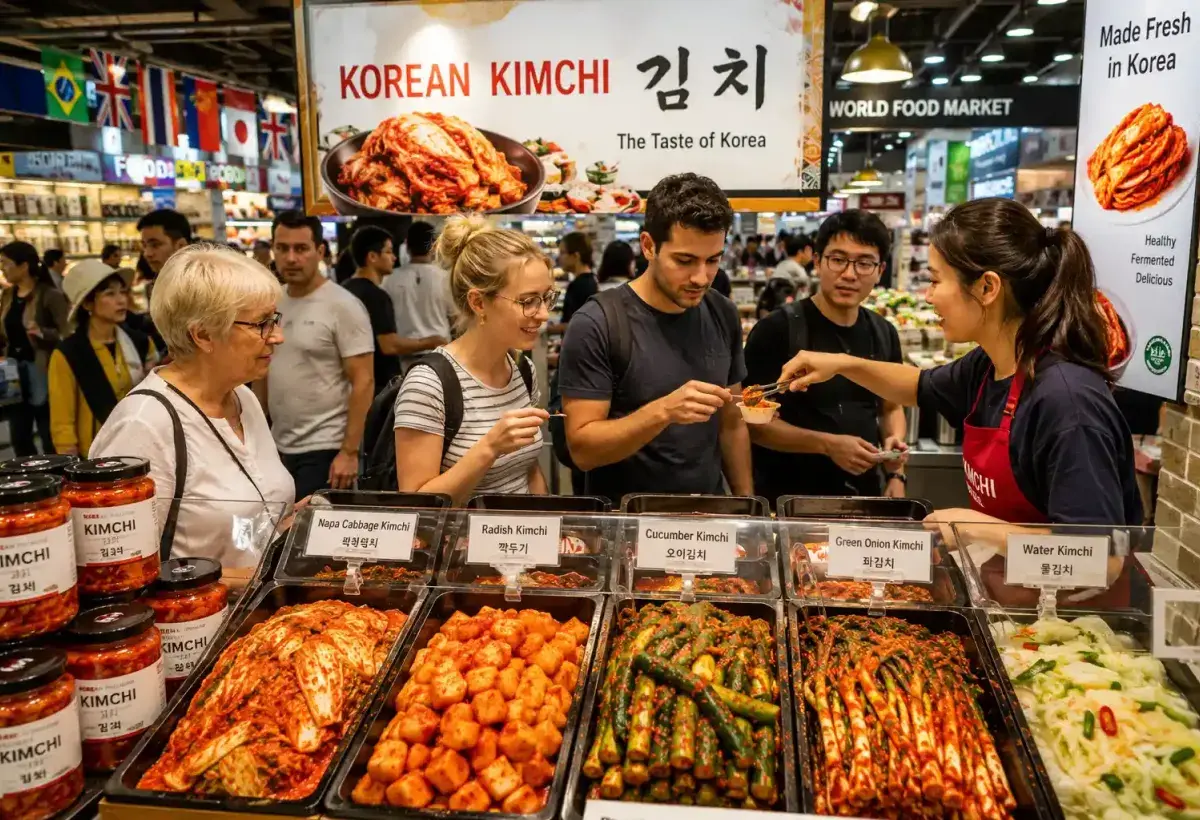
What was once primarily associated with Korean households has become an international culinary phenomenon. Kimchi can now be found in restaurants, grocery stores, and home kitchens across numerous countries. Its rise to global fame reflects both changing food trends and growing interest in Korean culture.
Several factors contributed to this expansion. Increased international travel introduced more people to Korean cuisine. Korean communities abroad shared traditional recipes and established restaurants that attracted local customers. Later, the global popularity of Korean entertainment sparked even greater curiosity about Korean food traditions.
As awareness grew, chefs began incorporating kimchi into a wide range of dishes. It appeared in sandwiches, tacos, burgers, rice bowls, pizzas, and countless fusion creations. Its bold flavor proved remarkably versatile, complementing ingredients from many different culinary traditions.
Health conscious consumers also played a role in kimchi's growing popularity. Interest in fermented foods encouraged people to explore options beyond familiar products. Kimchi attracted attention because it combined fermentation with rich flavor and culinary versatility.
The international success of kimchi has encouraged innovation while maintaining respect for tradition. Some producers adapt recipes to local tastes, while others focus on preserving authentic methods. Both approaches contribute to kimchi's expanding presence in global food culture.
Despite its worldwide popularity, kimchi remains deeply connected to its Korean roots. Many people who first encounter kimchi through fusion dishes eventually develop an interest in traditional Korean cuisine and culture. In this way, kimchi acts as a culinary ambassador, introducing new audiences to Korea's history, customs, and flavors.
Its global journey demonstrates the universal appeal of foods that combine strong traditions with adaptability. Kimchi continues to cross cultural boundaries while retaining the characteristics that made it beloved in Korea for centuries. The result is a remarkable success story that highlights the power of food to connect people across different backgrounds and experiences.
Image
6. Kimchi Refrigerators Exist in Korea
One of the clearest signs of kimchi's importance in Korean culture is the existence of appliances designed specifically for storing it. While many people around the world keep kimchi in a standard refrigerator, Korea developed specialized kimchi refrigerators that help maintain ideal fermentation and storage conditions.
Traditional kimchi storage methods involved placing containers underground to keep temperatures stable throughout the year. The cool environment slowed spoilage while allowing fermentation to continue gradually. As Korea became increasingly urbanized and modernized, underground storage became less practical for many households. The need for a modern alternative inspired the development of dedicated kimchi refrigerators.
These appliances are designed to provide precise temperature control that supports different stages of fermentation. Some models offer separate compartments for various kimchi types and storage preferences. Users can choose settings based on whether they want fresh kimchi, actively fermenting kimchi, or kimchi intended for long term storage.
The popularity of kimchi refrigerators demonstrates how deeply integrated kimchi is into daily life. In many Korean households, storing kimchi properly is considered important enough to justify an appliance dedicated to that purpose. The investment reflects both cultural tradition and practical considerations, particularly for families that prepare or purchase large quantities.
Beyond convenience, these refrigerators help preserve flavor and texture. Temperature fluctuations can significantly affect fermentation, influencing taste, aroma, and consistency. Specialized storage helps maintain quality over extended periods, allowing families to enjoy kimchi at different stages of maturity.
The existence of kimchi refrigerators often surprises visitors from other countries. Many have never encountered an appliance created for a single food category. Yet in Korea, such appliances make perfect sense because kimchi occupies a central place in everyday meals.
This innovation represents an interesting blend of tradition and technology. Ancient preservation practices inspired a modern solution that helps maintain cultural customs in contemporary settings. It shows how deeply valued foods can influence product design and consumer habits. Few dishes in the world have inspired their own household appliance category, making kimchi's impact particularly remarkable.
Image

7. Fermentation Changes Kimchi's Flavor Over Time
Unlike many foods that remain relatively unchanged after preparation, kimchi continues to evolve. Fermentation is an ongoing process, meaning the flavor, aroma, and texture of kimchi gradually transform as time passes. This dynamic quality is one reason kimchi remains endlessly fascinating to food enthusiasts.
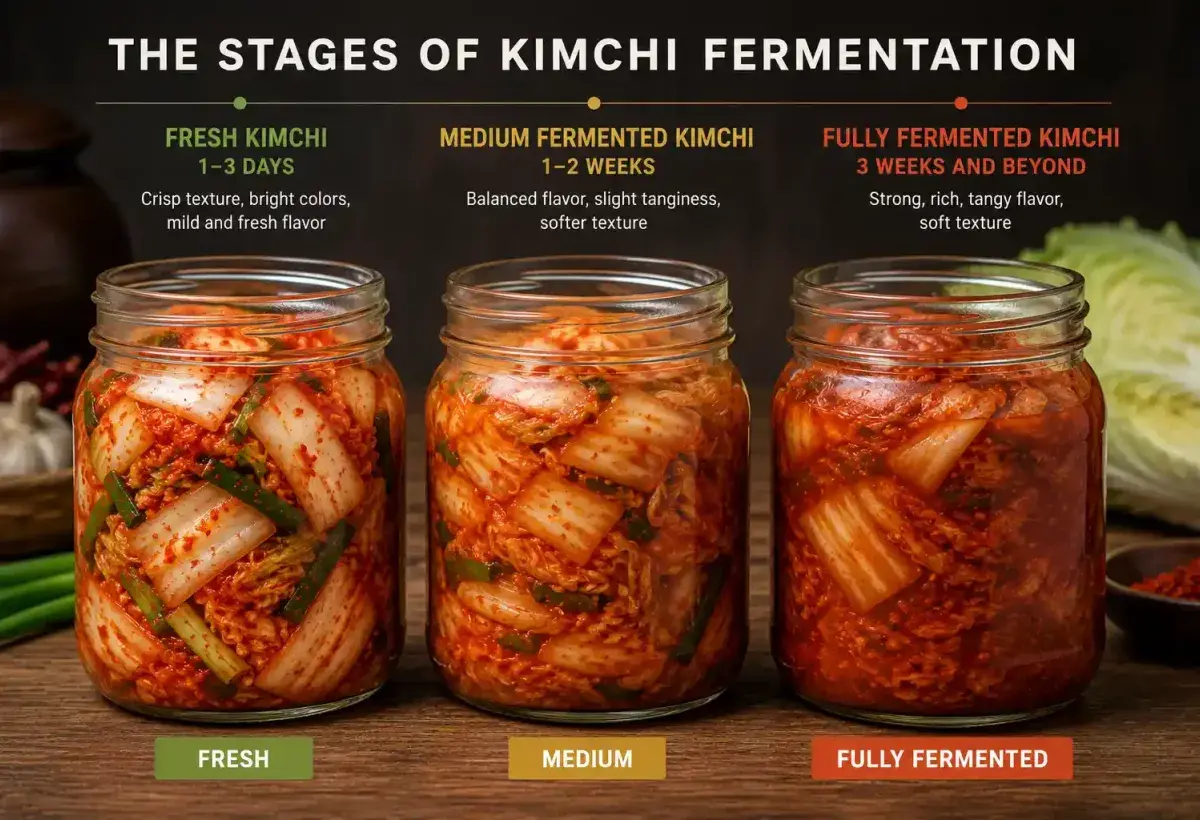
Freshly made kimchi often has a crisp texture and bright vegetable flavors. The seasoning ingredients are prominent, and the fermentation process has only begun. Many people enjoy this stage because it highlights freshness while offering a gentle introduction to kimchi's characteristic taste.
As fermentation progresses, naturally occurring beneficial microorganisms break down compounds within the vegetables. This process produces new flavors and aromas that become increasingly complex. Acidity rises, creating the tangy notes commonly associated with mature kimchi. Texture may also soften as the vegetables continue to ferment.
Different people prefer different stages of fermentation. Some favor younger kimchi with its crisp bite and fresher character. Others seek fully matured kimchi with deeper flavors and stronger fermented qualities. There is no universally correct preference, which adds another layer of personal enjoyment to the experience.
The changing nature of kimchi also influences cooking. Younger kimchi is often enjoyed as a side dish, while older kimchi is frequently used in soups, stews, pancakes, and fried rice. The stronger flavor of mature kimchi can add richness and depth to cooked dishes.
Regional traditions and household practices may affect fermentation timing as well. Storage temperature, ingredient selection, and preparation techniques all contribute to the final result. These variables help explain why kimchi from different families can taste noticeably different even when similar recipes are used.
Fermentation transforms kimchi into a living food that develops character over time. Each stage offers distinct qualities, encouraging people to appreciate the journey rather than focusing on a single ideal outcome. This constant evolution contributes to kimchi's enduring appeal and helps distinguish it from many other vegetable based dishes.
Image
8. Kimchi Is Often Present at Nearly Every Korean Meal
In many cultures, side dishes vary significantly from one meal to another. In Korea, however, kimchi often appears alongside breakfast, lunch, and dinner. Its consistent presence has made it one of the defining elements of Korean dining.
Kimchi serves several roles within a meal. Its bold flavor complements milder foods such as rice, soups, and grilled dishes. The balance between spicy, sour, salty, and savory elements can enhance the overall dining experience by providing contrast and variety.
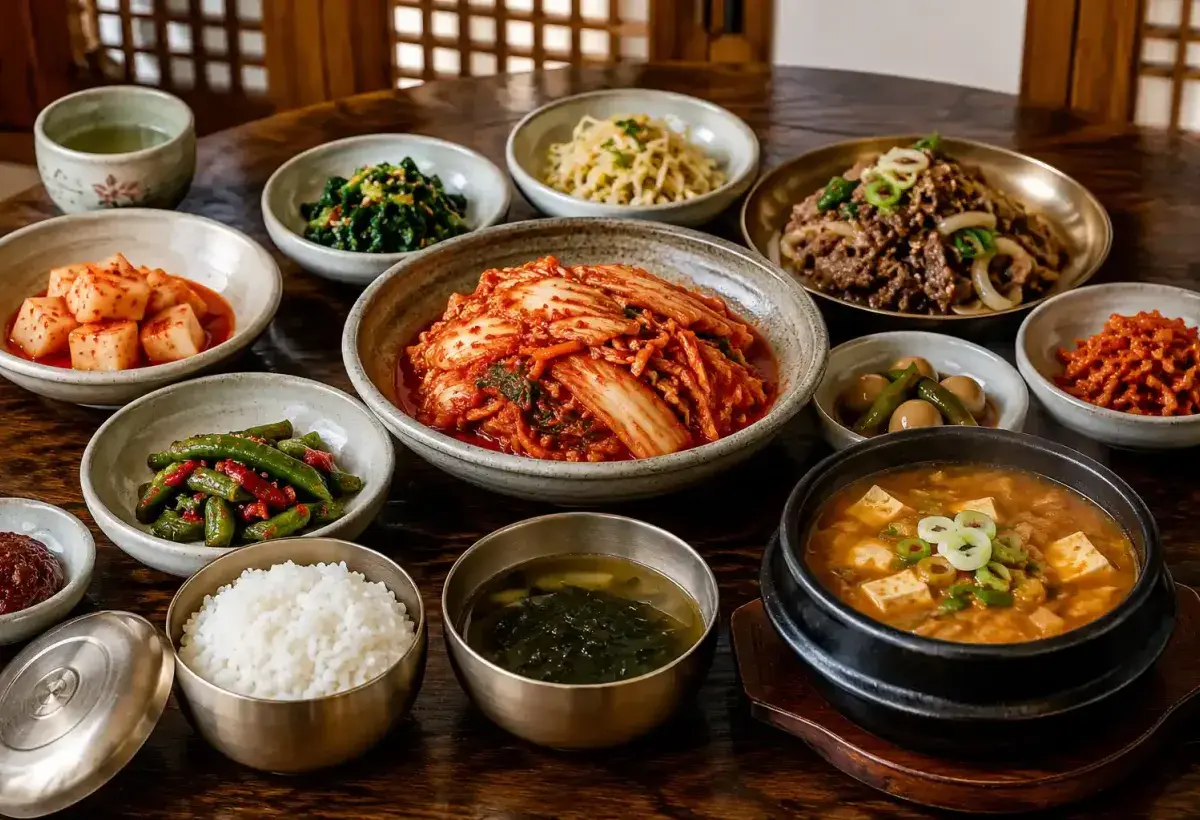
Many Korean households keep multiple types of kimchi available at the same time. Depending on the menu, diners may choose different varieties that pair well with specific dishes. This flexibility allows kimchi to remain relevant across a wide range of meals and occasions.
The routine inclusion of kimchi also reflects cultural habits developed over centuries. Because fermentation made vegetables available year round, kimchi became a dependable food source that naturally integrated into daily eating patterns. Over time, its presence became a deeply established tradition.
Restaurants throughout Korea commonly serve kimchi as part of a collection of side dishes. Even simple meals often include at least one variety. Visitors quickly notice how frequently kimchi appears and how naturally it fits into different dining situations.
The familiarity of kimchi contributes to its emotional significance as well. For many Koreans, its flavor is associated with home, family gatherings, and everyday comfort. Foods consumed regularly often carry strong personal memories, and kimchi is no exception.
Despite changing lifestyles and evolving food preferences, kimchi continues to maintain its place at the table. New dishes and international influences may come and go, but kimchi remains a reliable constant. Its ability to complement countless foods helps explain why it has endured as a daily staple for generations.
The regular presence of kimchi demonstrates that cultural icons are not always reserved for special occasions. Sometimes they are woven into ordinary routines, quietly shaping daily life through familiarity and tradition.
Image
9. Some Kimchi Recipes Are Surprisingly Mild
People who have never tried kimchi often assume it is always extremely spicy. While some varieties certainly deliver noticeable heat, many kimchi recipes are much milder than expected. This diversity allows a wider range of people to enjoy kimchi regardless of their spice tolerance.
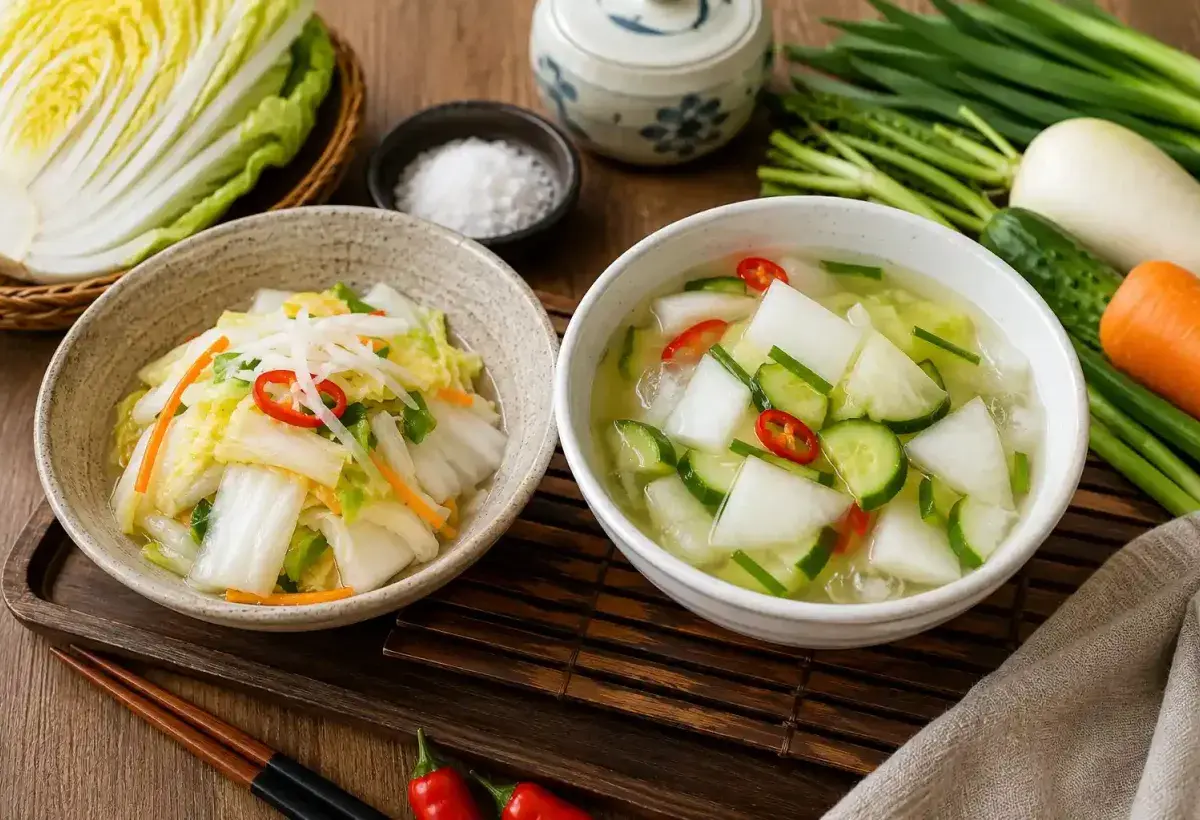
White kimchi is one of the best known examples. Prepared without red chili pepper flakes, it emphasizes the natural flavors of vegetables and other seasonings. The result is refreshing, balanced, and approachable for those who prefer gentler flavors.
Water kimchi offers another mild option. Often served chilled, it features a light and refreshing taste that differs significantly from the stronger profile of many cabbage based varieties. Its subtle character makes it particularly popular during warmer months.
Even among spicy kimchi types, heat levels vary considerably. Ingredient proportions, regional traditions, and family preferences all influence the final result. Some recipes focus on complexity and depth rather than intense spiciness.
The misconception that all kimchi is fiery can discourage people from trying it. Those who explore different varieties often discover flavors that match their preferences more closely than expected. The range of options demonstrates kimchi's adaptability and culinary versatility.
Milder kimchi varieties also highlight aspects of fermentation that might otherwise be overshadowed by heat. Subtle sweetness, acidity, texture, and vegetable flavors become more noticeable when spice plays a smaller role. This creates a different but equally enjoyable experience.
The existence of mild kimchi reflects the broader diversity of Korean cuisine. Rather than relying on a single flavor profile, Korean food encompasses a wide spectrum of tastes and preparations. Kimchi alone offers enough variety to challenge many common assumptions.
For newcomers, starting with milder options can provide an accessible introduction to fermented foods. As familiarity grows, they may choose to explore stronger and more intensely seasoned varieties. This progression helps many people develop a deeper appreciation for kimchi's remarkable complexity.
Image
10. Kimchi Has Inspired Countless Creative Dishes
Although kimchi is traditionally served as a side dish, it has inspired an enormous number of creative recipes. Its bold flavor and versatility make it an appealing ingredient for both traditional cooking and modern culinary experimentation.
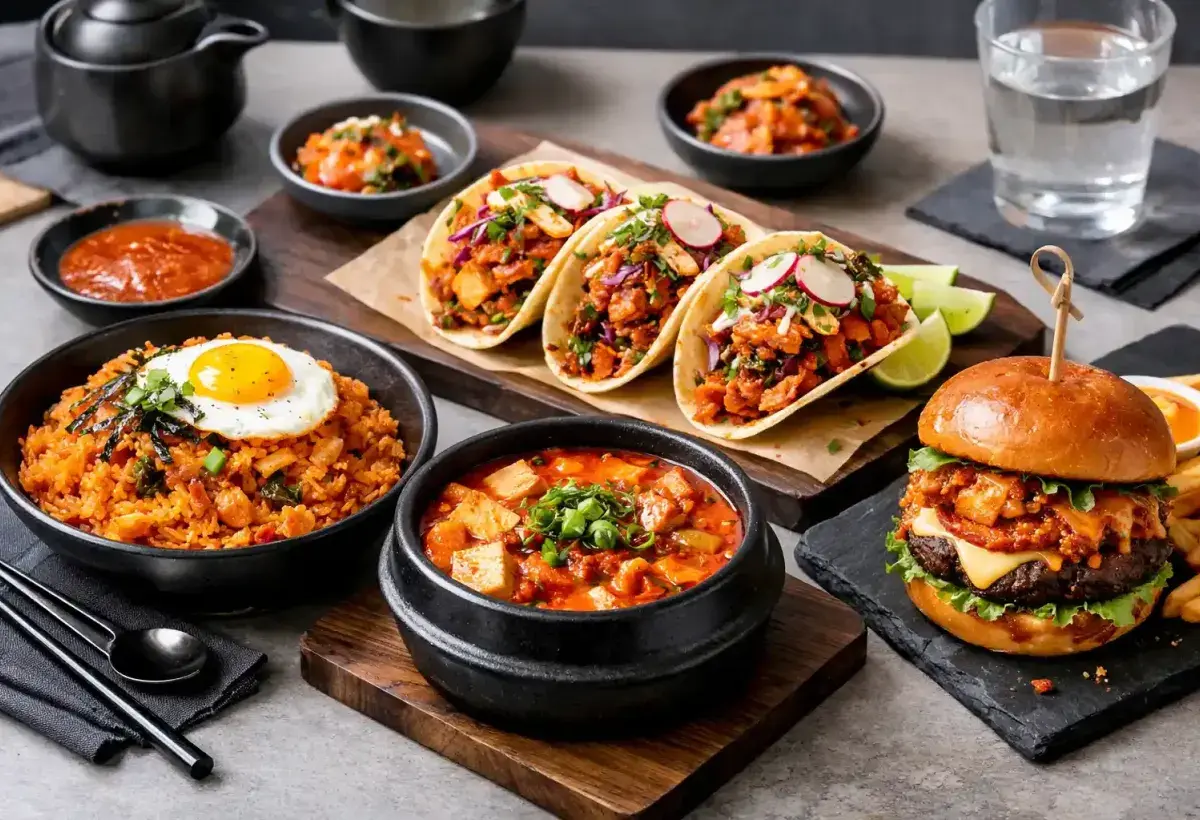
Kimchi fried rice is one of the most popular examples. The fermented flavors blend beautifully with rice, creating a satisfying dish that showcases kimchi's ability to transform simple ingredients. Kimchi stew is another beloved preparation that uses mature kimchi to create a rich and comforting meal.
Chefs around the world have embraced kimchi as a source of culinary inspiration. It appears in sandwiches, tacos, dumplings, pasta dishes, and even gourmet tasting menus. Its combination of acidity, depth, and complexity allows it to enhance foods from many different traditions.
Home cooks have also found creative ways to use kimchi. Some add it to omelets, grain bowls, burgers, or noodle dishes. Others experiment with fusion recipes that combine Korean flavors with local ingredients. These adaptations help introduce kimchi to new audiences while encouraging culinary exploration.
The flexibility of kimchi comes partly from its layered flavor profile. It can provide brightness, richness, texture, and complexity all at once. Few ingredients offer such a broad range of contributions to a dish.
Creative uses of kimchi demonstrate how traditional foods can remain relevant in changing culinary landscapes. Rather than being confined to a single role, kimchi continues to evolve as chefs and home cooks discover new possibilities. This adaptability has helped sustain its popularity across generations and geographic boundaries.
Importantly, innovation has not replaced tradition. Classic kimchi preparations remain deeply respected and widely enjoyed. Instead, new dishes expand the ways people experience kimchi while preserving appreciation for its origins.
The ability to inspire endless culinary creativity is one of kimchi's most impressive achievements. From family kitchens to fine dining establishments, it continues to spark imagination and bring distinctive flavor to meals around the world.
Image
Kimchi's global popularity is easy to understand once its rich history, cultural significance, and incredible diversity are explored. What may appear to be a simple fermented vegetable dish is actually the product of centuries of tradition, innovation, and community. Every variety tells a story about regional ingredients, family customs, and the evolving nature of Korean cuisine.
From its ancient origins to its presence on dining tables around the world, kimchi has demonstrated a remarkable ability to adapt while preserving its identity. The dish has survived changing eras, embraced new ingredients, and inspired countless culinary creations without losing its connection to Korean culture. This balance between tradition and evolution is one of the reasons kimchi remains so respected and beloved.
For food lovers, kimchi offers an invitation to explore new tastes and traditions. For those interested in culture, it provides insight into Korean values and daily life. For adventurous cooks, it opens the door to endless possibilities in the kitchen. Few foods manage to connect so many aspects of human experience in such a meaningful way.
As kimchi continues to reach new audiences across the globe, its story keeps growing. Yet at its heart remains the same spirit that has sustained it for generations. It is a food born from care, shared among communities, and celebrated for its ability to bring flavor and connection to the table. That enduring appeal ensures that kimchi will continue to fascinate and delight people for many years to come.
Image